
Brain & Nervous System Treatments
Find trusted medication for dementia, Alzheimer's disease, Parkinson's disease and restless legs syndrome. Complete a short online consultation, and an EU-registered doctor reviews your answers to decide whether a prescription is suitable. When approved, your medication is dispensed by a pharmacy and delivered to your home in discreet packaging.
Cholinesterase inhibitors and memantine for memory and cognition
Dopamine agonists for Parkinson's disease and restless legs
Online consultation reviewed by an EU-registered doctor
Discreet pharmacy delivery to your door

Ropinirole

Donepezil

Pramipexole

Ebixa

Exelon

Reminyl

Adartrel
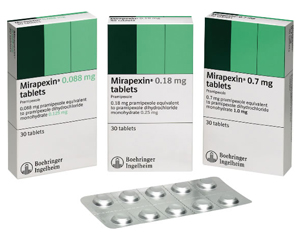
Mirapexin

Requip
About Brain & Nervous System
Understanding these conditions
The brain and nervous system control memory, movement and mood. When nerve cells are damaged or signalling chemicals fall out of balance, several long-term conditions can develop.
This category covers two main groups.
The first group is dementia and Alzheimer's disease. These conditions gradually affect memory, thinking, language and daily function.
In Alzheimer's disease, certain brain chemicals such as acetylcholine become depleted, and over-activity of a signal called glutamate can harm nerve cells.
Medicines aim to support what remains, not to cure the disease.
The second group is Parkinson's disease and restless legs syndrome. In Parkinson's disease, cells that make dopamine slowly die, leading to tremor, stiffness and slow movement.
Restless legs syndrome causes an uncomfortable urge to move the legs, usually in the evening, and is also linked to dopamine signalling.
A diagnosis should always be made by a doctor, often a neurologist. These medicines are intended for people who already have a confirmed diagnosis and a stable treatment plan.
The online service is suited to ongoing supply and repeat prescriptions rather than first diagnosis. If your symptoms are new, changing quickly or severe, you should see a doctor in person.
Treatment options
Treatment depends on the condition. For Alzheimer's disease and related dementia, two main medicine types are used.
Cholinesterase inhibitors raise levels of acetylcholine, a chemical important for memory. This group includes donepezil, rivastigmine (Exelon) and galantamine (Reminyl, Galantamin).
They are used in mild to moderate Alzheimer's disease, and rivastigmine is also used in Parkinson's disease dementia.
Memantine (Ebixa) works in a different way, calming over-active glutamate signals, and is usually chosen for moderate to severe stages.
Sometimes a cholinesterase inhibitor and memantine are combined.
For Parkinson's disease and restless legs syndrome, dopamine agonists mimic the action of dopamine in the brain.
Ropinirole (Requip, Adartrel, Ropinirol) and pramipexole (Mirapexin, Pramipexol) are common choices.
In Parkinson's disease they help reduce tremor and stiffness, and in restless legs syndrome they ease the urge to move at night.
Doses are usually started low and increased slowly to limit side effects. Your regular doctor sets the plan, and the online consultation supports continued supply.
Never change your dose or stop suddenly without medical advice, as this can cause your symptoms to worsen.
Side effects and safety
Like all medicines, these treatments can cause side effects. Knowing what to expect helps you use them safely.
Cholinesterase inhibitors such as donepezil, rivastigmine and galantamine often cause nausea, vomiting, diarrhoea, loss of appetite and sometimes weight loss, especially when starting or increasing the dose.
They can slow the heart rate, so they need care in people with certain heart rhythm problems, fainting or stomach ulcers. Sleep disturbance and muscle cramps can also occur.
Memantine is usually well tolerated but may cause dizziness, headache, constipation or drowsiness.
Dopamine agonists such as ropinirole and pramipexole commonly cause nausea, dizziness and daytime sleepiness. They can sometimes cause sudden sleep attacks, so caution is needed when driving.
A well-known risk is impulse control disorders, such as compulsive gambling, shopping, eating or changes in sexual behaviour. Tell your doctor straight away if you or your family notice such changes.
Low blood pressure on standing and hallucinations can also occur.
Seek urgent medical help for fainting, a very slow heartbeat, severe vomiting or sudden confusion. Always read the patient leaflet and tell the doctor about your other medicines.
Lifestyle and follow-up
Medicines work best alongside good daily habits and regular review. Whether you are caring for someone with dementia or managing Parkinson's disease, small routines help.
For memory conditions, a steady daily structure, social contact, mental activity and physical exercise can support wellbeing. Clear notes, reminders and a calm home environment reduce stress.
Carers play a key role and should also look after their own health and ask for support when needed.
For Parkinson's disease and restless legs syndrome, regular movement, physiotherapy and good sleep habits often help.
In restless legs, it can be useful to limit caffeine and alcohol in the evening and to check iron levels, since low iron can make symptoms worse.
Take your medicines at the same times each day and do not stop suddenly. Keep regular appointments with your own doctor or neurologist so that the diagnosis, dose and response can be reviewed.
Report new side effects, falls, mood changes or unusual behaviour promptly.
The online consultation supports your ongoing supply, but it does not replace in-person review, monitoring or any tests your specialist recommends.
Frequently Asked Questions
Which conditions are covered by this category?
Can I get these medicines without a prescription?
I have just developed symptoms. Is this service right for me?
What is the difference between cholinesterase inhibitors and memantine?
What are the main risks of dopamine agonists?
How is my medication delivered?
The medical information on this site is provided for educational purposes. It does not replace a face-to-face consultation with your GP or specialist. Always follow the advice of your prescribing doctor and read the patient information leaflet supplied with your medication.