
Cholesterol Management Prescribed by UK Doctors
Raised cholesterol causes about half of all heart attacks in the UK. Yet around 6 million adults who could benefit from a statin are not on one. As a GP, I use the QRISK3 score to find patients whose 10-year risk of heart disease is above 10%. I then match each person to the right cholesterol-lowering plan. Atorvastatin 20 mg lowers LDL cholesterol by 43% on average. Stronger options are available if you do not reach your target.
Atorvastatin 20 mg lowers LDL cholesterol by 43% and is the NICE first-line choice for primary prevention when QRISK3 is above 10%
Rosuvastatin 10 mg lowers LDL cholesterol by 46% and suits people who need stronger cholesterol lowering
NICE CG181 sets a target LDL below 2.0 mmol/L, or at least a 40% drop from baseline, for secondary prevention
Statin-related muscle symptoms affect 5-10% of patients and settle within 2-4 weeks after a change of statin or dose
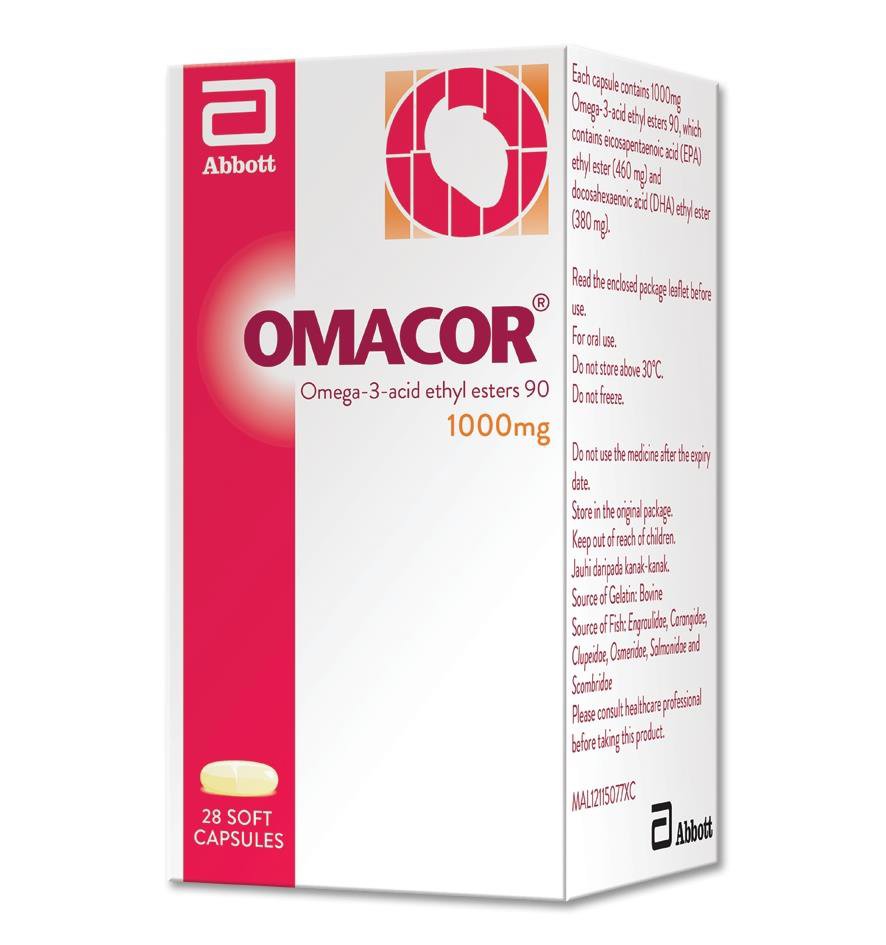
Omacor
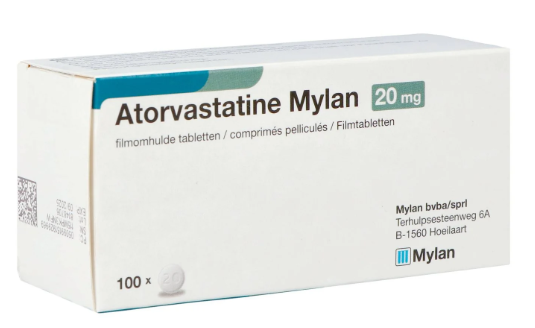
Atorvastatin
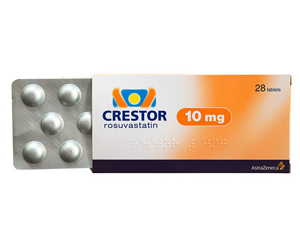
Crestor
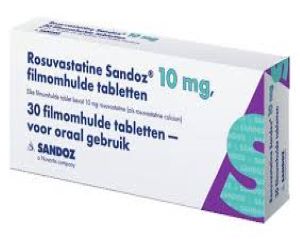
Rosuvastatin
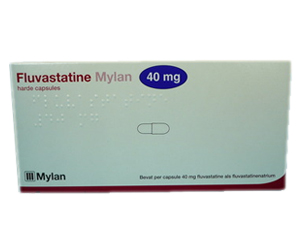
Fluvastatin
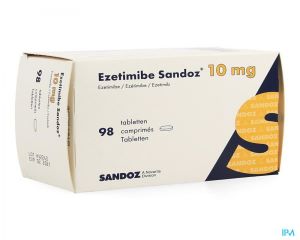
Ezetimibe
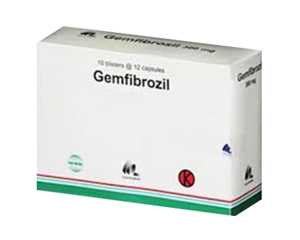
Gemfibrozil
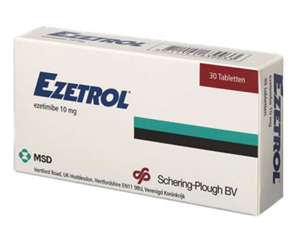
Ezetrol
About Cholesterol
Clinical Overview of High Cholesterol
High cholesterol (hypercholesterolaemia) is a major risk factor for heart and artery disease (atherosclerotic cardiovascular disease, or ASCVD). This is the leading cause of death in the UK.
It causes over 160,000 deaths each year, and you can change this risk. About 55% of UK adults have a total cholesterol above 5.0 mmol/L.
Many do not know it, because high cholesterol causes no symptoms until a heart attack or stroke happens.
Low-density lipoprotein (LDL) is the main type of cholesterol that clogs arteries. Every 1.0 mmol/L you drop your LDL cuts major heart events by about 22%.
This comes from the Cholesterol Treatment Trialists' Collaboration, which pooled 170,000 people across 26 trials. The benefit holds whatever your starting LDL level is.
Familial hypercholesterolaemia (FH) is an inherited form of high cholesterol. It affects 1 in 250 people in the UK, around 270,000 individuals. Yet fewer than 10% have been found and treated.
People with one faulty gene (heterozygous FH) have LDL levels of 5-10 mmol/L from birth. Without treatment, half of affected men develop heart disease early, by age 50.
UK GPs assess risk with the QRISK3 tool.
It estimates your 10-year risk of heart disease using your age, sex, ethnicity, blood pressure, your total-to-HDL cholesterol ratio, smoking, diabetes, kidney disease (CKD), an irregular heartbeat (atrial fibrillation), and rheumatoid arthritis.
The key cholesterol levels to know:
- Total cholesterol target: below 5.0 mmol/L for most people
- LDL cholesterol: below 3.0 mmol/L for primary prevention, below 2.0 mmol/L for secondary prevention
- HDL cholesterol (the helpful kind): above 1.0 mmol/L in men, above 1.2 mmol/L in women
- Triglycerides (another blood fat): below 1.7 mmol/L when fasting
- Non-HDL cholesterol (total minus HDL): below 4.0 mmol/L, now used more often as the main target
Statin Therapy and Prescribing Approach
Statins block an enzyme called HMG-CoA reductase. This enzyme controls how fast your liver makes cholesterol.
When statins block it, your liver makes more LDL receptors and pulls more LDL out of your blood.
Statins are the main cholesterol-lowering treatment under NICE CG181 and the 2019 ESC/EAS cholesterol guidelines.
Atorvastatin 20 mg is the NICE first-line choice for primary prevention when QRISK3 is above 10%. It lowers LDL by about 43% and costs as little as £0.15 per day.
For people who already have heart or artery disease (secondary prevention), atorvastatin 80 mg is standard. It lowers LDL by 50-55%.
Rosuvastatin is the strongest statin available. At 10 mg it lowers LDL by 46%, and at 20 mg by about 52%.
In the JUPITER trial, rosuvastatin 20 mg cut major heart events by 44% in people with raised CRP but normal LDL.
The kidneys clear rosuvastatin, so it is a good choice when there are concerns about the liver.
Simvastatin was once the most common statin but is now used much less. Its 40 mg dose lowers LDL by only 37%.
The 80 mg dose carries too high a risk of muscle damage (myopathy), at 1 in 10,000 per year. Because of this, the MHRA advises against using it routinely.
How we prescribe at Dr. Presc, following NICE guidance:
- A baseline blood test for cholesterol, liver (ALT), kidneys, HbA1c, and thyroid
- Repeat the cholesterol test at 3 months to check how well it is working
- Check the liver at 3 and 12 months; stop the statin if ALT rises above 3x the upper limit
- Raise the dose if you have not reached your LDL target
- Add ezetimibe 10 mg if the highest statin dose you can tolerate does not reach the target (this lowers LDL by a further 15-20%)
Managing Side Effects and Statin Intolerance
Side effects are a common reason people stop statins. But true drug intolerance is far less common than people think. The SAMSON trial was a landmark study in the New England Journal of Medicine.
It found that 90% of statin side effects also happened with a dummy pill (placebo). This points to a strong nocebo effect, where the worry about a drug causes the symptom.
Myalgia means muscle aching with no rise in the muscle enzyme CK. It is reported by 5-10% of statin users.
It usually starts within the first 4-12 weeks and affects the muscles near the hips and shoulders.
- Check creatine kinase (CK): if it is above 5x the upper limit of normal, stop the statin straight away
- If CK is normal, take a break from the statin for 2-4 weeks to confirm the link
- Restart the same statin at a lower dose, or switch to another one
- Rosuvastatin and pravastatin dissolve less in fat and may be easier to tolerate
- Taking atorvastatin or rosuvastatin every other day keeps 70-80% of the LDL-lowering effect, as both stay in the body a long time
Liver problems (hepatotoxicity) are rare. Liver enzymes rise above 3x normal in under 1% of patients, and this depends on the dose. Statins are safe to use in non-alcoholic fatty liver disease.
Evidence even suggests they may slow scarring of the liver.
Diabetes risk goes up by about 9-12% with statins, mainly in people who are already prone to it. The heart benefit far outweighs this risk.
For every case of diabetes a statin causes, it prevents about 5 heart events.
Other reported effects and what they mean:
- Memory or thinking complaints: reviews have found no proven cause
- Tendon problems: very rare, and they usually settle after stopping
- Bleeding stroke (haemorrhagic): a tiny rise (0.05% in absolute terms), far outweighed by a much larger drop in clot-related stroke
Dietary and Lifestyle Modifications for Cholesterol
Lifestyle changes are the foundation of managing heart risk. They can lower LDL by a useful 10-20% with no medication.
NICE CG181 says every patient should get lifestyle advice before and during statin treatment.
The type of fat you eat matters more than how much fat you eat. Swapping saturated fat (butter, cheese, fatty meat) for unsaturated fat (olive oil, nuts, oily fish) lowers LDL by 8-12%.
In the PREDIMED trial, a Mediterranean diet with extra olive oil or nuts cut heart events by 30% compared with a low-fat diet.
Specific food changes and their LDL effect:
- Plant stanols and sterols (2 g/day): 10-15% LDL drop
- Soluble fibre such as oats, barley and psyllium (7-13 g/day): 5-10% LDL drop
- Soy protein in place of animal protein (25 g/day): 3-5% LDL drop
- Almonds (42 g/day): 5-7% LDL drop in the Portfolio Diet studies
Exercise raises HDL cholesterol by 3-8% and lowers triglycerides by 10-20%. To get the benefit, do at least 150 minutes a week of moderate aerobic activity.
Adding resistance training gives a small extra HDL boost.
Stopping smoking raises HDL by 5-10% within 12 months. It also halves your heart risk within 2-5 years. This works on its own, with or without cholesterol medication.
Alcohol in moderation (under 14 units a week) has little effect on LDL, but it raises HDL and triglycerides. Heavy drinking raises triglycerides a lot.
Tackle it first in anyone with high triglycerides.
Losing weight of 5-10% of your body weight lowers LDL by 5-8%, raises HDL by 2-3%, and cuts triglycerides by 15-20%. Belly fat is the main driver.
So waist size is a useful thing to track, with a target below 94 cm for men and below 80 cm for women.
When to Seek Further Medical Review
Cholesterol care needs ongoing checks. In some cases, you need prompt medical review beyond a routine online consultation.
Suspected familial hypercholesterolaemia should be looked into whenever total cholesterol is above 7.5 mmol/L or LDL is above 4.9 mmol/L.
This is especially true if a close relative had early heart disease (a first-degree relative affected before age 55 in men or 65 in women).
Doctors use the Simon Broome or Dutch Lipid Network criteria to make a formal diagnosis. NICE CG71 advises testing first-degree relatives too.
Very high triglycerides (above 10 mmol/L) carry a real risk of acute pancreatitis (a sudden, serious inflammation of the pancreas). This needs urgent specialist referral.
Fibrates (bezafibrate, fenofibrate) and concentrated omega-3 fatty acids may help, alongside cutting back on refined carbohydrates and alcohol.
When you need a face-to-face GP or specialist review:
- New chest pain, a mini-stroke (transient ischaemic attack), or symptoms in your legs from poor circulation
- A CK above 5x the upper limit of normal with muscle symptoms
- An ALT that stays above 3x the upper limit despite a lower dose
- Not reaching a 40% LDL drop on the highest statin you can tolerate plus ezetimibe
- Pregnancy or planned pregnancy (statins must not be used; stop them 3 months before trying to conceive)
- Being under 40 with high cholesterol (a genetic cause is more likely)
People with known heart disease who cannot reach an LDL target of 2.0 mmol/L may be suitable for PCSK9 inhibitors (alirocumab, evolocumab). These lower LDL by a further 50-60%.
They are arranged through specialist lipid clinics under NICE TA394 and TA393.
Regular checks keep treatment working. Repeat the cholesterol test at 3 months after starting, then once a year.
A yearly QRISK3 check picks up any change in your risk that might mean stepping up treatment.
Frequently Asked Questions
Do I need to take statins for life?
Can diet alone lower cholesterol enough?
What time of day should I take my statin?
Do statins cause muscle pain?
How often do I need blood tests on a statin?
What is ezetimibe and when is it added?
The medical information on this site is provided for educational purposes. It does not replace a face-to-face consultation with your GP or specialist. Always follow the advice of your prescribing doctor and read the patient information leaflet supplied with your medication.