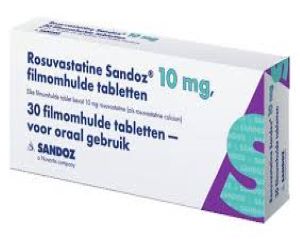
Rosuvastatin
Incl. online consultation, medicine and discreet delivery
View Options
The medical information on this site is provided for educational purposes. It does not replace a face-to-face consultation with your GP or specialist. Always follow the advice of your prescribing doctor and read the patient information leaflet supplied with your medication.
Choose Your Medicine
Select dosage and quantity
Online Consultation
Reviewed by a qualified physician
Fast, Discreet Delivery
Delivered to your door
Medical Information
About This Medicine
Rosuvastatin is a potent HMG-CoA reductase inhibitor (statin) used for the treatment of hypercholesterolaemia and dyslipidaemia, and for the prevention of cardiovascular events in patients at high risk.
It is prescribed when dietary measures and lifestyle modifications have not provided adequate control of blood lipid levels.
Rosuvastatin competitively inhibits HMG-CoA reductase, the enzyme that catalyses the rate-limiting step in cholesterol biosynthesis in the liver.
The resulting reduction in intracellular cholesterol upregulates the expression of hepatic LDL receptors, increasing the clearance of LDL cholesterol from the bloodstream.
Rosuvastatin is one of the most effective statins for lowering LDL cholesterol, capable of achieving reductions of 45% to 55% depending on the dose.
Beyond lipid lowering, rosuvastatin has demonstrated anti-inflammatory and plaque-stabilising properties.
Clinical trials have shown reductions in major cardiovascular events, including myocardial infarction and stroke, in both primary and secondary prevention settings.
It is used as part of a comprehensive cardiovascular risk reduction strategy.
Usage & Dosage
Take one rosuvastatin tablet by mouth once daily, at any time of day, with or without food. Swallow whole with water.
A healthy diet low in saturated fat and regular physical activity should be continued alongside medication.
Do not discontinue treatment without medical advice, as cholesterol levels will rise again once the drug is stopped.
The usual starting dose is 5 mg to 10 mg once daily. After at least 4 weeks, the dose may be increased to 20 mg daily.
The 40 mg dose is reserved for patients with severe hypercholesterolaemia at high cardiovascular risk who have not reached target on 20 mg, and requires specialist supervision.
Lower starting doses may be appropriate for patients of Asian ancestry and those with predisposing factors for myopathy.
Side Effects
Common (1 in 10 to 1 in 100): headache, myalgia, dizziness, constipation, abdominal pain, nausea, asthenia. Uncommon (1 in 100 to 1 in 1,000): pruritus, rash, urticaria.
Rare (1 in 1,000 to 1 in 10,000): myopathy, pancreatitis, elevated hepatic transaminases.
Very rare (less than 1 in 10,000): rhabdomyolysis, hepatitis, jaundice, polyneuropathy, memory loss, gynaecomastia.
Report unexplained muscle pain, tenderness, or weakness promptly, especially if accompanied by fever or malaise.
Warnings & Precautions
Myopathy and rhabdomyolysis may occur, particularly at higher doses and with certain drug combinations.
Risk factors include renal impairment, hypothyroidism, personal or family history of hereditary muscular disorders, previous muscle toxicity with another statin, and concomitant use of fibrates.
Liver function tests should be checked before starting and as clinically indicated. There is an increased risk of developing diabetes mellitus, especially in patients with pre-existing risk factors.
CK levels should be measured if myopathy is suspected.
Contraindications
Rosuvastatin is contraindicated in patients with active liver disease, unexplained persistent elevations of serum transaminases, severe renal impairment (for the 40 mg dose), myopathy, and during pregnancy and breastfeeding.
The 40 mg dose is additionally contraindicated in patients with predisposing factors for myopathy or rhabdomyolysis, including concurrent ciclosporin use.
Frequently Asked Questions
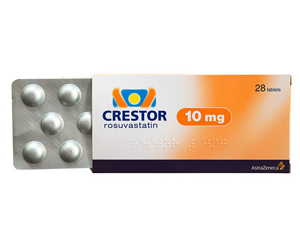
Is rosuvastatin the same as Crestor?
Can I take rosuvastatin at any time of day?
How long will I need to take rosuvastatin?
Does rosuvastatin interact with grapefruit?
Can rosuvastatin cause diabetes?
Related articles: Rosuvastatin
Rosuvastatin Side Effects: What to Expect and When to Seek Help
Rosuvastatin is generally well tolerated, but common side effects include headache, muscle pain, nausea and dizziness. Serious but rare effects include rhabdomyolysis and liver enzyme changes. Most side effects are dose-related and manageable with your prescriber's guidance.
nhs-infoRosuvastatin on the NHS: Prescribing, Monitoring and What to Expect
Rosuvastatin is widely prescribed on the NHS for primary and secondary prevention of cardiovascular disease. NICE recommends atorvastatin as first-line, but rosuvastatin is a common alternative. Your GP will monitor your cholesterol and liver function at regular intervals.