Etoricoxib
Incl. online consultation, medicine and discreet delivery
View Options
The medical information on this site is provided for educational purposes. It does not replace a face-to-face consultation with your GP or specialist. Always follow the advice of your prescribing doctor and read the patient information leaflet supplied with your medication.
Choose Your Medicine
Select dosage and quantity
Online Consultation
Reviewed by a qualified physician
Fast, Discreet Delivery
Delivered to your door
Medical Information
About This Medicine
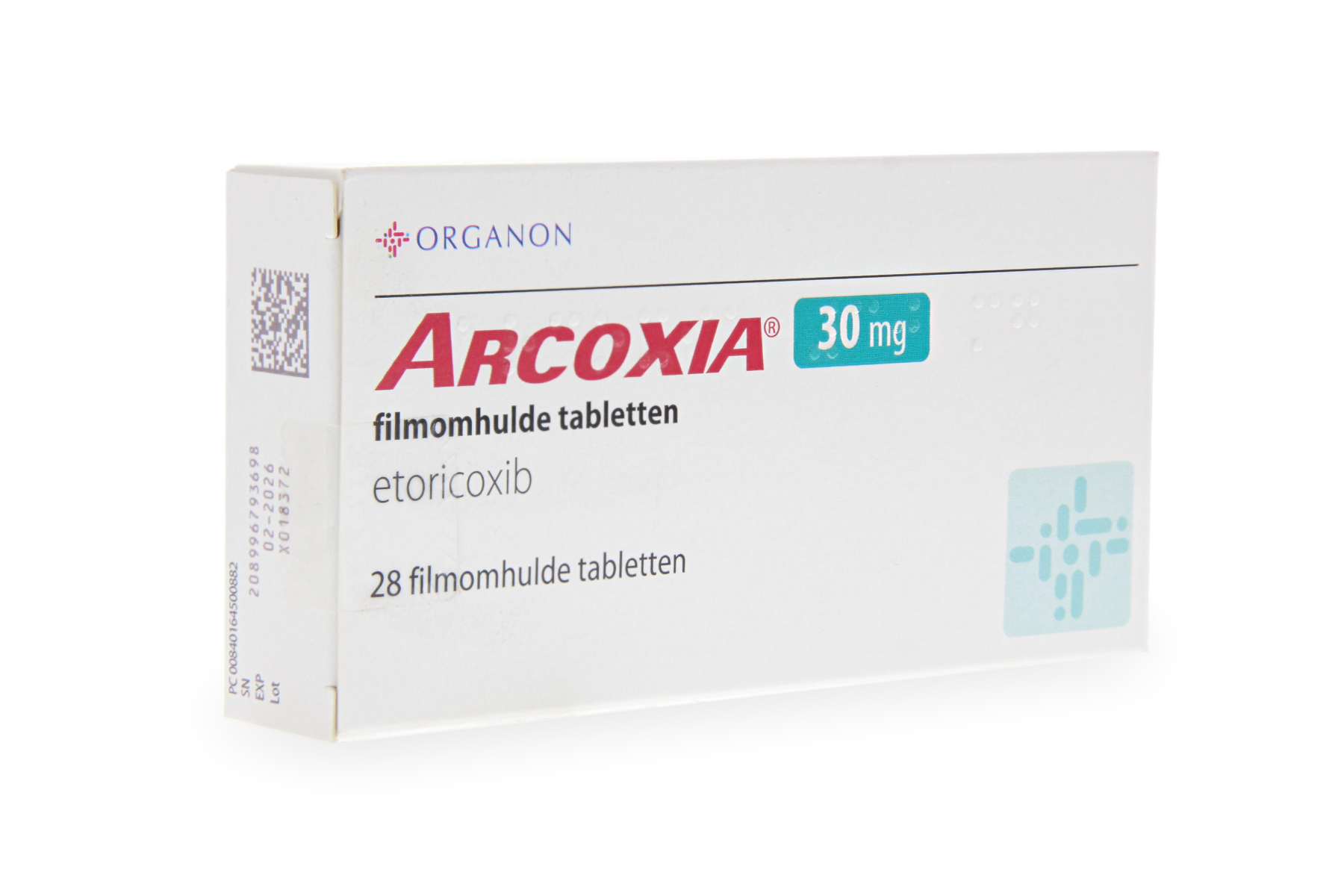
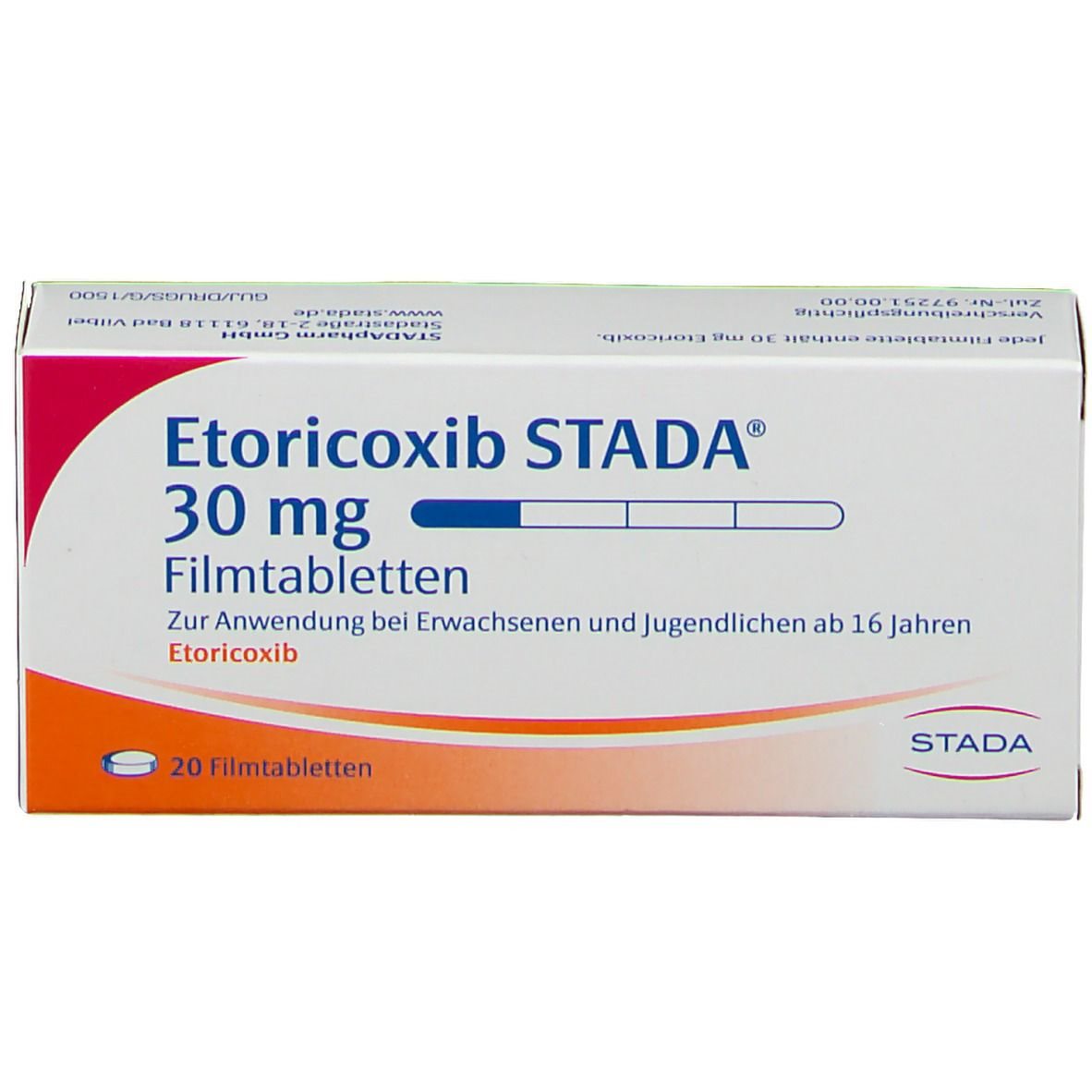
Etoricoxib is a selective cyclo-oxygenase-2 (COX-2) inhibitor, a type of non-steroidal anti-inflammatory drug (NSAID) used to treat pain and inflammation in osteoarthritis, rheumatoid arthritis, ankylosing spondylitis, acute gouty arthritis, and dental pain.
It is marketed under the brand name Arcoxia.
Unlike traditional NSAIDs that inhibit both COX-1 and COX-2, etoricoxib selectively inhibits COX-2.
This selectivity reduces the production of inflammatory prostaglandins at sites of inflammation while largely sparing the COX-1-derived prostaglandins that protect the gastric mucosa.
As a result, etoricoxib offers comparable anti-inflammatory and analgesic efficacy to traditional NSAIDs with a lower risk of gastrointestinal ulceration and bleeding.
Etoricoxib has a long half-life allowing once-daily dosing, and it is well absorbed orally with predictable pharmacokinetics. It provides effective 24-hour symptom control with a single daily dose.
Usage & Dosage
Take one tablet daily with or without food. Swallow whole with water. Use the lowest effective dose for the shortest duration necessary to control symptoms.
For acute gout, treatment is typically limited to 8 days. For chronic conditions, your doctor will review the need for continued treatment at regular intervals.
Report any signs of cardiovascular events or gastrointestinal bleeding.
Osteoarthritis: 30 mg once daily, increased to 60 mg if needed. Rheumatoid arthritis and ankylosing spondylitis: 60 mg once daily, increased to 90 mg if needed.
Acute gouty arthritis: 120 mg once daily for a maximum of 8 days. Acute dental pain: 90 mg once daily for up to 3 days. Maximum doses should not be exceeded.
Side Effects
Common (1 in 10 to 1 in 100): headache, dizziness, hypertension, gastrointestinal discomfort including dyspepsia and abdominal pain, nausea, and peripheral oedema.
Uncommon (1 in 100 to 1 in 1,000): palpitations, weight gain, dry mouth, taste alteration, elevated liver enzymes, and skin rash.
Rare (less than 1 in 1,000): gastrointestinal ulceration or bleeding (lower incidence than non-selective NSAIDs), myocardial infarction, stroke, hepatitis, and hypersensitivity reactions.
Blood pressure should be monitored regularly.
Warnings & Precautions
All COX-2 inhibitors carry a dose-dependent increase in cardiovascular thrombotic risk. Monitor blood pressure regularly - etoricoxib can cause clinically significant hypertension.
Not recommended in patients with uncontrolled hypertension or established cardiovascular disease. Use the lowest effective dose for the shortest possible duration.
Discontinue if hepatic abnormalities develop.
Contraindications
Active peptic ulceration or gastrointestinal bleeding. Uncontrolled hypertension (persistent values above 140/90 mmHg).
Established ischaemic heart disease, cerebrovascular disease, or peripheral arterial disease. Severe hepatic or renal impairment. Inflammatory bowel disease. Pregnancy and breastfeeding.
Allergy to etoricoxib, sulfonamides, aspirin, or other NSAIDs.