
Gemfibrozil
Incl. online consultation, medicine and discreet delivery
View Options
The medical information on this site is provided for educational purposes. It does not replace a face-to-face consultation with your GP or specialist. Always follow the advice of your prescribing doctor and read the patient information leaflet supplied with your medication.
Choose Your Medicine
Select dosage and quantity
Online Consultation
Reviewed by a qualified physician
Fast, Discreet Delivery
Delivered to your door
Medical Information
About This Medicine
Gemfibrozil is a fibrate lipid-regulating agent used to reduce elevated triglyceride levels and, to a lesser extent, to raise HDL cholesterol.
It is prescribed when dietary measures and lifestyle modifications alone have not been sufficient to control triglyceride levels, particularly in patients at risk of pancreatitis from severe hypertriglyceridaemia.
Gemfibrozil activates peroxisome proliferator-activated receptor alpha (PPAR-alpha), which promotes the breakdown of triglyceride-rich lipoproteins and increases HDL production.
It can reduce triglyceride levels by 40-55% and raise HDL cholesterol by 10-20%, though its effect on LDL cholesterol is modest and variable.
Gemfibrozil is typically reserved for patients with predominant hypertriglyceridaemia or mixed dyslipidaemia where statins alone are insufficient.
It has a well-established evidence base from the Helsinki Heart Study, which demonstrated a reduction in coronary heart disease events.
Usage & Dosage
Take 600 mg twice daily, 30 minutes before your morning and evening meals. Consistent timing with meals is important for optimal absorption. Continue dietary measures alongside medication.
Regular blood tests will be needed to monitor lipid levels and liver function. Report any unexplained muscle pain, tenderness, or weakness to your doctor promptly.
Standard dose: 600 mg twice daily taken 30 minutes before meals. Alternatively, 900 mg may be given as a single dose before the evening meal in some cases. Maximum daily dose: 1,500 mg.
Dose adjustment is needed in renal impairment. Lipid levels should be checked after 3 months.
Side Effects
Common (1 in 10 to 1 in 100): dyspepsia, abdominal pain, nausea, diarrhoea, and flatulence. Uncommon (1 in 100 to 1 in 1,000): headache, dizziness, blurred vision, and skin rash.
Rare (less than 1 in 1,000): myopathy, rhabdomyolysis (especially when combined with statins), gallstones, hepatitis, and blood dyscrasias including anaemia and leucopenia.
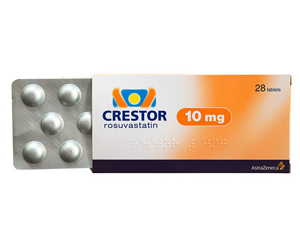
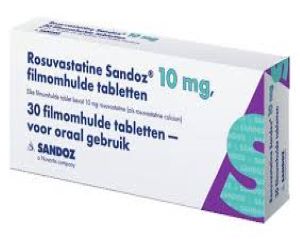
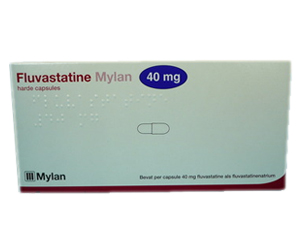
The risk of serious muscle damage is substantially increased when gemfibrozil is combined with statins.
Warnings & Precautions
Do not combine gemfibrozil with statins unless under specialist supervision - the risk of rhabdomyolysis is significantly increased, particularly with simvastatin and lovastatin which are absolutely contraindicated with gemfibrozil.
Liver function tests and full blood counts should be monitored periodically. Discontinue if lipid response is inadequate after 3 months. Report any unexplained muscle pain immediately.
Contraindications
Known allergy to gemfibrozil or any fibrate. Severe hepatic impairment, including biliary cirrhosis. Severe renal impairment. Pre-existing gallbladder disease.
Concurrent use with simvastatin, lovastatin, repaglinide, or dasabuvir. Combination with any statin should be approached with extreme caution.