
Gout Treatment Prescribed by UK Doctors
Gout is the most common type of inflammatory arthritis in the UK. It affects 2.5% of adults, which is about 1.5 million people. As a GP, I first treat the acute flare with colchicine or NSAIDs. After that, I start long-term urate-lowering therapy to stop it coming back. Allopurinol is the main medicine here. When the dose is adjusted to bring serum urate (the level of uric acid in your blood) below 300 micromol/L, it cuts flares by 80% within 12 months.
Colchicine 500 mcg twice daily for 3-4 days is the first choice for acute gout under NICE CKS when NSAIDs cannot be used
Start allopurinol at 100 mg daily. Increase it each month by 100 mg until serum urate falls below 300 micromol/L
NICE advises starting urate-lowering therapy after 2 or more flares a year, or after a first flare with tophi or kidney disease (CKD)
Take preventive colchicine 500 mcg daily for 6 months while starting allopurinol. This stops the early flare that allopurinol can trigger
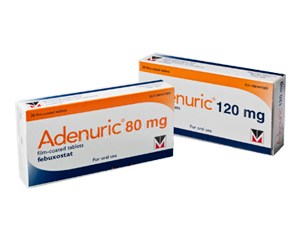
Adenuric
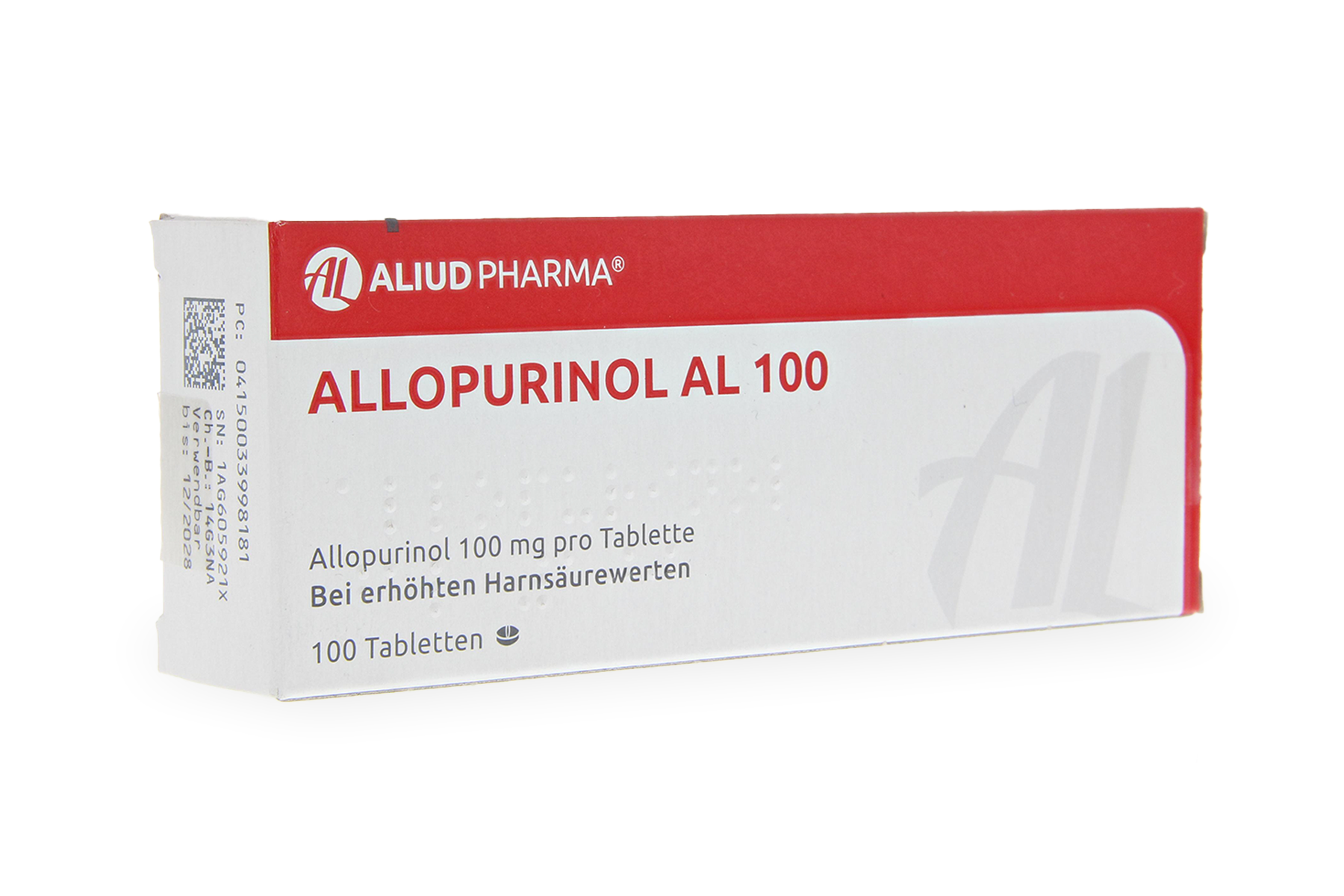
Allopurinol
Hydroxychloroquine

Zyloric
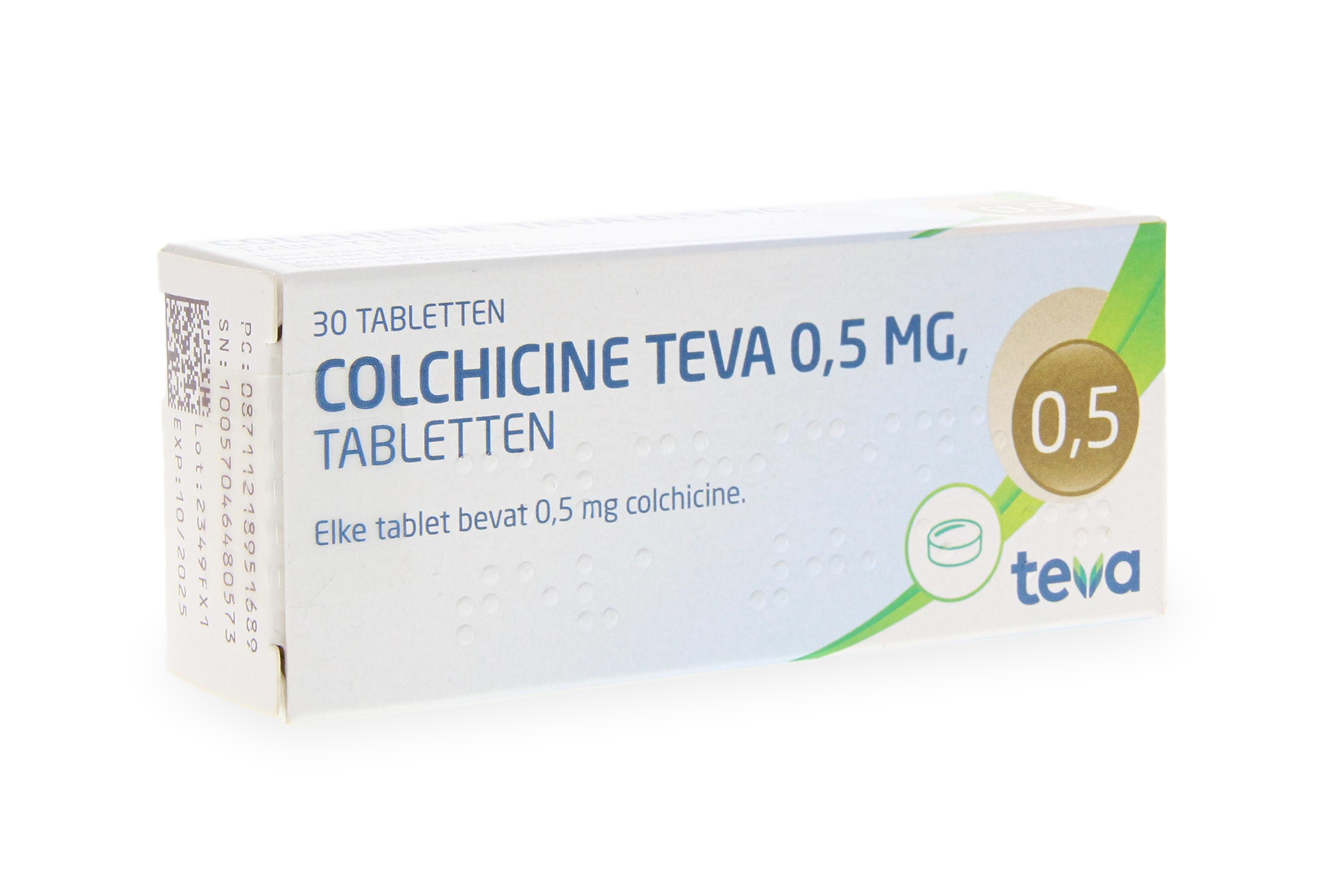
Colchicine
About Gout
Understanding Gout and Hyperuricaemia
Gout happens when monosodium urate (MSU) crystals build up in your joints and nearby tissue. These crystals form when serum urate (the uric acid in your blood) rises above about 360 micromol/L (6.
0 mg/dL). At that point the blood can no longer hold it in solution. In the UK, gout has risen 64% over the past two decades.
The main drivers are rising rates of obesity, metabolic syndrome, chronic kidney disease, and diuretic use.
How gout develops happens in three stages. First, urate stays high (serum urate above 360 micromol/L) and MSU crystals form in joints and the tissue around them.
Second, the crystals set off a strong inflammatory reaction. This is driven by activation of the NLRP3 inflammasome and the release of IL-1-beta from macrophages (a type of immune cell).
This causes the acute flare. Third, crystals keep building up over time. This leads to tophaceous gout, which erodes the joint, and to urate damage in the kidneys.
What an acute flare looks like is fairly typical:
- Sudden, severe joint pain that often starts at night and peaks within 12 hours
- The first joint of the big toe (the metatarsophalangeal or MTP joint) is affected in 50-70% of first attacks. This is known as podagra
- The joint turns red, swollen, hot, and very tender. Even the weight of a bedsheet can be too painful to bear
- Whole-body signs: a mild fever, feeling unwell, and a raised CRP (a blood marker of inflammation)
- If left untreated, a flare clears up on its own in 7-14 days
What raises your risk of high urate and gout:
- Being male. Men are affected 4 times as often as women. Women are fairly protected until the menopause, when oestrogen stops helping the kidneys clear urate
- Obesity. A BMI above 30 triples the risk of gout
- Alcohol. Beer and spirits push urate up. Wine in moderation has little effect
- Diet. Foods high in purines, such as organ meats, shellfish, and red meat, raise how much urate your body makes
- Medicines. Thiazide and loop diuretics, low-dose aspirin, and ciclosporin all reduce how much urate the kidneys remove
- Chronic kidney disease. An eGFR below 60 doubles how common gout is
- Metabolic syndrome. Gout is linked on its own to insulin resistance, high blood pressure, and abnormal cholesterol
The most reliable test is to draw fluid from the joint and look at it under a polarised light microscope. Gout shows needle-shaped crystals that bend light in a specific way (negatively birefringent).
That said, a confident diagnosis can be made from the symptoms alone when the picture is classic.
Acute Flare Treatment
An acute gout flare needs quick treatment. The aim is to calm the inflammation and ease the pain as fast as possible.
NICE CKS and the British Society for Rheumatology (BSR) 2017 guidelines list three first-choice options. Which one you get depends on your other health problems and what you cannot safely take.
Colchicine is the first choice when NSAIDs cannot be used or are not tolerated. The dose NICE now recommends is 500 mcg two to four times daily until symptoms settle, or for up to 3-4 days.
The older approach of taking it hourly until you got diarrhoea is no longer advised, because it caused too many side effects. The AGREE trial showed that low-dose colchicine (1.2 mg followed by 0.
6 mg one hour later) worked as well as high-dose colchicine, with far fewer stomach and bowel side effects.
Colchicine works by stopping a protein called tubulin from forming inside neutrophils (a type of white blood cell). This blocks the NLRP3 inflammasome from switching on.
Colchicine works best when started within 12 hours of a flare beginning.
NSAIDs give fast pain relief by lowering inflammation:
- Naproxen 500 mg twice daily, or indomethacin 50 mg three times daily, for 5-7 days
- Use the maximum dose for the first 48 hours, then step it down
- Add a PPI (omeprazole 20 mg) to protect the stomach
- Avoid if the kidneys are impaired (eGFR below 45), in heart failure, or alongside blood-thinning medicines
Corticosteroids are used when both colchicine and NSAIDs cannot be taken, for example with CKD plus heart failure:
- Prednisolone 30-35 mg daily for 5 days
- A single dose of intramuscular depot triamcinolone 40 mg
- A steroid injection straight into the joint if one large joint is affected and fluid can be drawn off
Practical tips for managing a flare:
- Put ice packs, wrapped in cloth, on the joint for 20 minutes every 2-3 hours to bring the swelling down
- Raise the affected limb
- Do NOT start or change allopurinol during an acute flare. Doing so can make the attack worse or last longer
- If you already take allopurinol, keep taking the same dose all through the flare
- Drink plenty of fluids. Being dehydrated raises serum urate and keeps the crystal inflammation going for longer
Long-Term Urate-Lowering Therapy
Urate-lowering therapy (ULT) is the foundation of gout care. It treats the cause, which is high urate, rather than just the inflammation it sets off. Even so, ULT is given far too rarely.
Only 27% of UK gout patients receive it, and fewer than half of those reach their target urate level.
Allopurinol is the first-choice ULT, recommended by NICE and the BSR. It is a xanthine oxidase inhibitor, which means it blocks the last step in making uric acid.
So it lowers how much urate you make rather than helping you get rid of more.
How it is prescribed:
- Start at 100 mg daily (50 mg if eGFR is below 30 mL/min)
- Increase by 100 mg every 4 weeks, guided by a serum urate blood test
- Target: serum urate below 300 micromol/L. Below 360 micromol/L is the minimum, but below 300 helps the crystals dissolve
- Effective doses range from 100-900 mg daily. Most people need 300-600 mg
- Going "start low, go slow" lowers the risk of allopurinol hypersensitivity syndrome, a rare but serious reaction
Febuxostat (80-120 mg daily) is another xanthine oxidase inhibitor, used when allopurinol cannot be taken or is not tolerated.
It is stronger: 80 mg febuxostat reaches the target urate in 53% of patients, against 21% for allopurinol 300 mg.
But the CARES trial raised heart safety concerns, with more deaths from heart causes (HR 1.34). So it is a second choice and must not be used in people with ischaemic heart disease.
Uricosuric agents (probenecid, sulfinpyrazone, lesinurad) help the kidneys clear more urate. They are third-choice options, and are usually added to a xanthine oxidase inhibitor.
Cover to prevent flares while starting ULT matters a great deal. When serum urate shifts, even when it falls, it can shake loose crystals stored in the tissues and set off a flare.
- Colchicine 500 mcg once or twice daily for 6 months from the start of ULT
- An option instead is a low-dose NSAID (naproxen 250 mg daily) with a PPI for 6 months
- This cover cuts early flares sharply, from 30-40% down to 5-10%, and helps people keep taking their ULT
When to start ULT:
- Two or more flares a year
- A first flare with tophi, joint erosion seen on a scan, CKD stage 3 or worse, or uric acid kidney stones
- The BSR 2017 also advises offering ULT after a first flare if you are under 40 or your serum urate is above 480 micromol/L
Diet, Lifestyle, and Gout Prevention
Changing your diet and lifestyle on its own can lower serum urate by 10-18%. For most people that is not enough to reach the target, which is why medicine is so important.
Even so, these changes do reduce how often flares happen. They also support ULT and improve the other health problems that raise heart risk in people with gout.
Managing urate through diet:
- Cut back on foods high in purines. Organ meats (liver, kidney), game, shellfish (mussels, scallops), and anchovies have the most. Red meat and oily fish (sardines, mackerel) add a moderate amount.
- Eat more low-fat dairy. A meta-analysis found that each daily serving of dairy lowers gout risk by 20%. The orotic acid and casein in milk help the kidneys clear urate.
- Cherries and cherry extract. Data from the Boston University online gout study found that eating cherries cut gout flares by 35%. This works through anti-inflammatory effects from anthocyanins, plus a mild block of xanthine oxidase.
- Cut down on fructose. Sugary drinks and high-fructose corn syrup make the liver produce more urate. Each daily sugary drink raises gout risk by 45%.
- Coffee. Drinking 4 or more cups a day lowers gout risk by 40%, likely by helping the kidneys clear urate and easing insulin resistance.
Managing alcohol: Beer is the worst alcoholic trigger. It holds both ethanol, which stops the kidneys clearing urate, and brewer's yeast, which is high in purines. Spirits carry a moderate risk.
Wine in moderation (1-2 glasses) seems to have little effect on urate in most studies. During an active flare or while building up ULT, it is best to avoid alcohol or keep it very low.
Managing weight: Losing 5-10% of your body weight lowers serum urate by 50-100 micromol/L in people who are obese.
That can be the difference between hitting the target and missing it on a moderate dose of allopurinol. Avoid crash diets.
They can actually raise urate, because the ketosis they cause makes the kidneys hold on to it.
Hydration: Drinking enough fluid (2-2.5 litres daily, mostly water) helps the kidneys clear urate. Being dehydrated concentrates urate and makes crystals more likely to form.
This partly explains why flares often start at night, after a long stretch without fluids.
Reviewing your medicines: Diuretics (thiazides, furosemide) and low-dose aspirin (75-150 mg) raise serum urate by 30-50 micromol/L.
Where you can, switch to blood pressure medicines that do not affect urate.
Losartan and calcium channel blockers help the kidneys clear a little urate, so they are the better choice for people who have both high blood pressure and gout.
Frequently Asked Questions
Should I take allopurinol during a gout attack?
How long do I need to take allopurinol?
What foods should I avoid with gout?
Can gout damage my joints permanently?
Why do I get gout flares when starting allopurinol?
Is gout linked to heart disease?
The medical information on this site is provided for educational purposes. It does not replace a face-to-face consultation with your GP or specialist. Always follow the advice of your prescribing doctor and read the patient information leaflet supplied with your medication.