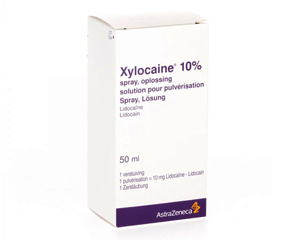
Xylocaine
Incl. online consultation, medicine and discreet delivery
View Options
The medical information on this site is provided for educational purposes. It does not replace a face-to-face consultation with your GP or specialist. Always follow the advice of your prescribing doctor and read the patient information leaflet supplied with your medication.
Choose Your Medicine
Select dosage and quantity
Online Consultation
Reviewed by a qualified physician
Fast, Discreet Delivery
Delivered to your door
Medical Information
About This Medicine
Xylocaine is a brand of lidocaine, an amide-type local anaesthetic that is among the most widely used in clinical practice.
Topical Xylocaine preparations are used to numb the skin or mucous membranes before minor procedures, to relieve pain from superficial wounds, burns, abrasions, and insect bites, and to ease discomfort associated with conditions affecting the mouth, throat, or anogenital region.
Lidocaine works by blocking voltage-gated sodium channels in neuronal cell membranes, preventing the initiation and conduction of nerve impulses.
This reversibly abolishes pain sensation in the area of application.
The onset of topical anaesthesia occurs within minutes of application, and the duration of effect depends on the formulation and site but typically ranges from 30 minutes to several hours.
Xylocaine is available in a variety of topical formulations including cream, ointment, gel, spray, and plaster.
Each formulation is tailored to a specific clinical use, from surface anaesthesia before venepuncture to pain relief in haemorrhoids or sore throats.
Its long safety record and predictable pharmacology make it a reliable choice for local pain management.
Usage & Dosage
Apply or administer as directed by the product instructions or your prescriber. For creams and ointments, apply a thin layer to the affected area.
For sprays, direct the spray to the target area and wait for the anaesthetic effect before proceeding. For plasters, apply to the painful area on intact skin.
Do not exceed the recommended dose or area of application, as systemic absorption can occur. Avoid contact with the eyes.
If using before a procedure, apply sufficiently in advance (typically 30 to 60 minutes for EMLA-type creams, or 1 to 5 minutes for sprays).
Topical preparations vary by formulation and indication. Cream (typically 4% or 5%): apply to the affected area up to three times daily.
Spray (10%): one to three actuations to the target area; maximum 20 actuations per session. Gel (2%): apply to the affected mucous membrane as needed.
Plaster (5%, medicated plaster for post-herpetic neuralgia): apply up to three plasters to the painful area for up to 12 hours in any 24-hour period. Always follow product-specific dosing guidance.
Side Effects
Common with topical use: localised burning, stinging, or irritation at the application site; transient pallor or erythema.
Uncommon: allergic contact dermatitis (rare with amide-type local anaesthetics, more common with ester-type agents).
If large doses are absorbed systemically (through extensive or damaged skin): dizziness, perioral numbness, tinnitus, metallic taste, and in severe cases, seizures, arrhythmias, or cardiovascular collapse.
Systemic toxicity is exceedingly unlikely with appropriate topical use.
Warnings & Precautions
Do not apply to large areas of broken or inflamed skin, as this increases systemic absorption and the risk of lidocaine toxicity. Avoid application near the eyes.
Patients with hepatic impairment may be at increased risk of toxicity due to reduced lidocaine clearance. Use with caution in patients with epilepsy or cardiac conduction disturbances.
For medicated plasters, do not apply more than the recommended number or duration. Keep all formulations away from young children to prevent accidental ingestion or excessive skin contact.
Contraindications
Contraindicated in known hypersensitivity to lidocaine or other amide-type local anaesthetics (such as bupivacaine, prilocaine, or mepivacaine), or to any excipient of the product.
The medicated plaster should not be applied to inflamed, broken, or infected skin. Injectable lidocaine has additional cardiac contraindications not relevant to topical use.