
Prescription Skin Treatments from UK-Registered Doctors
Acne affects 95% of people aged 11-30 to some degree. Rosacea affects about 10% of fair-skinned adults. As a GP, I treat skin conditions every day. I prescribe proven treatments, both creams and tablets, matched to how severe the condition is. Mild acne often clears with topical retinoids. Moderate to severe acne needs a mix of treatments, such as benzoyl peroxide, antibiotics, or hormonal medicines.
Tretinoin 0.025-0.1% calms the skin's renewal process and cuts blocked pores by 40-70% over 12 weeks of nightly use
Adapalene 0.1% gel is the first-choice topical retinoid for acne under NICE and BAD guidelines because the skin tolerates it well
Isotretinoin 0.5-1 mg/kg daily clears severe acne long term in 85% of cases after one 16-24 week course
Rosacea comes in different types, so treatment is targeted: brimonidine for redness, ivermectin or metronidazole for spots
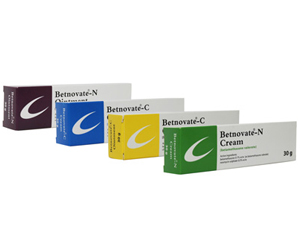
Betnovate
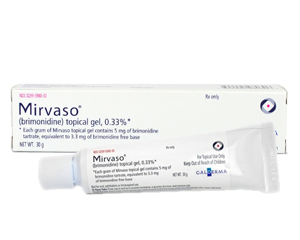
Mirvaso
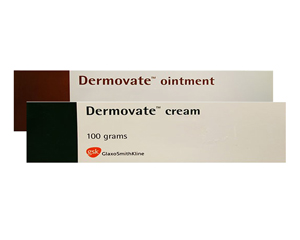
Dermovate
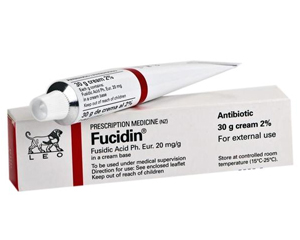
Fucidin
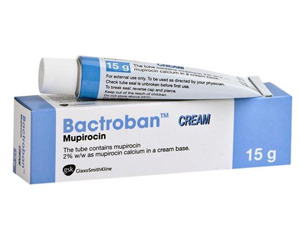
Bactroban
Elocon

Differin
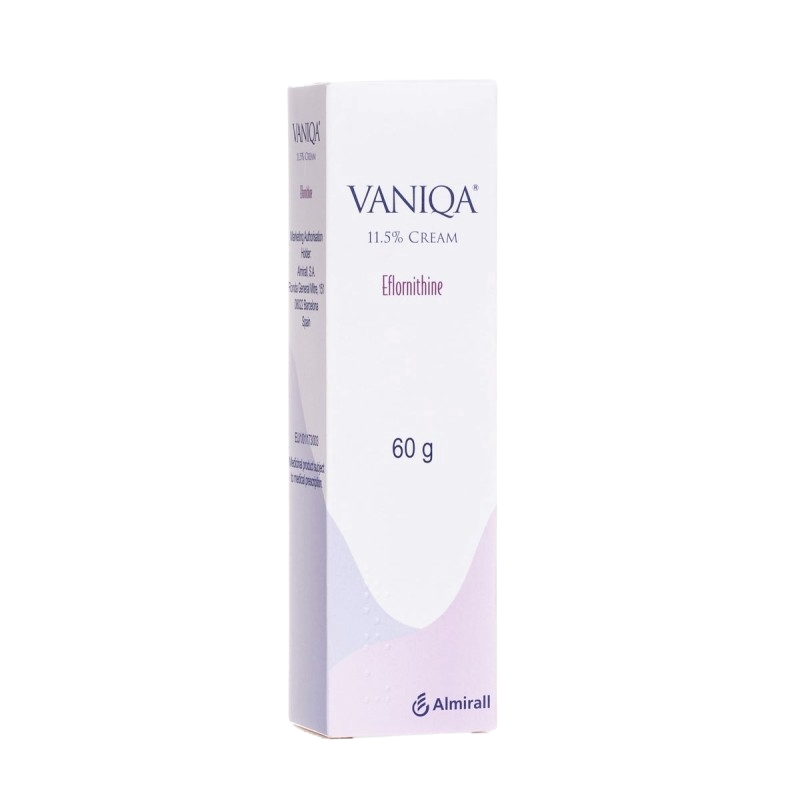
Vaniqa
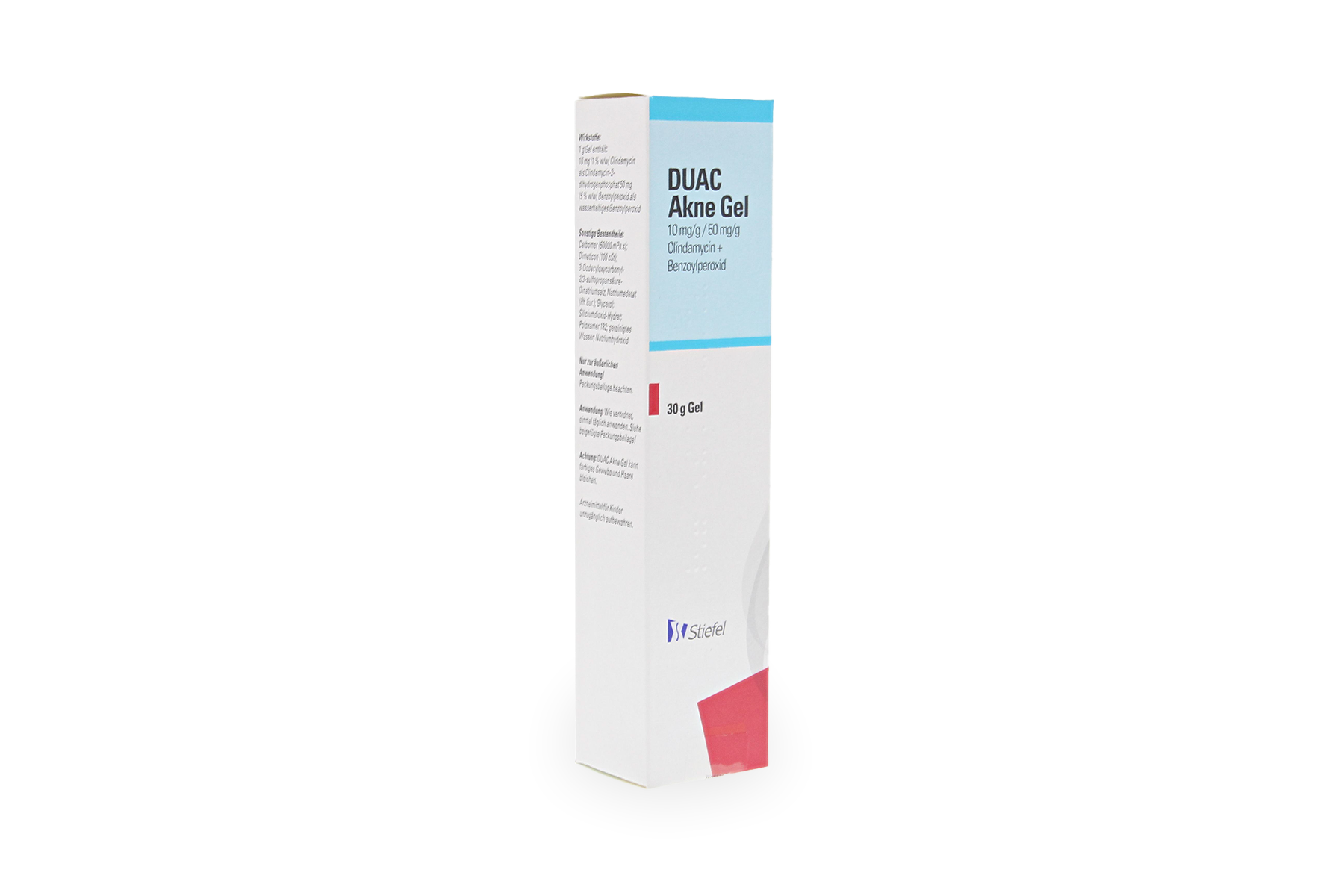
Duac
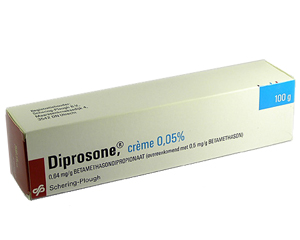
Diprosone
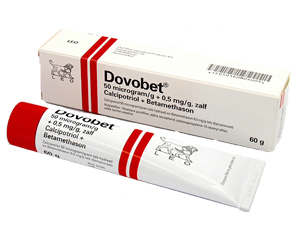
Dovobet
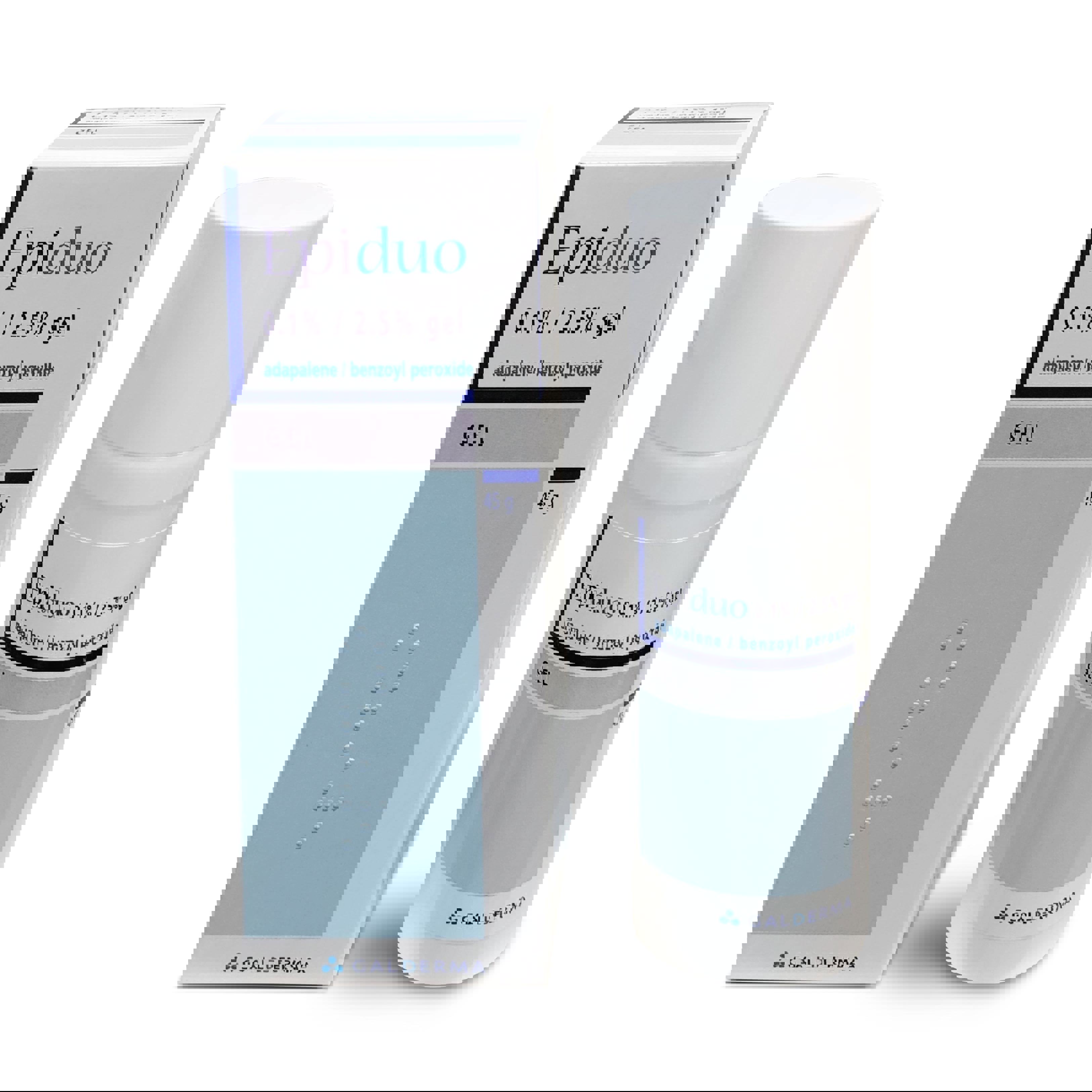
Epiduo
Aciclovir Cream
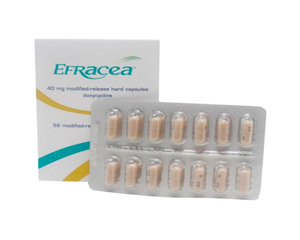
Efracea
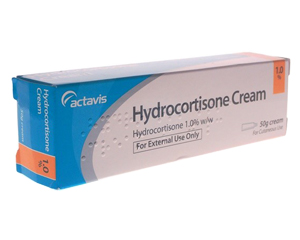
Hydrocortisone
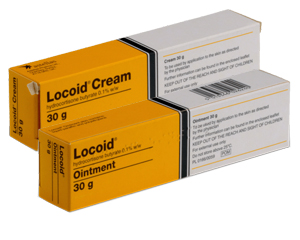
Locoïd
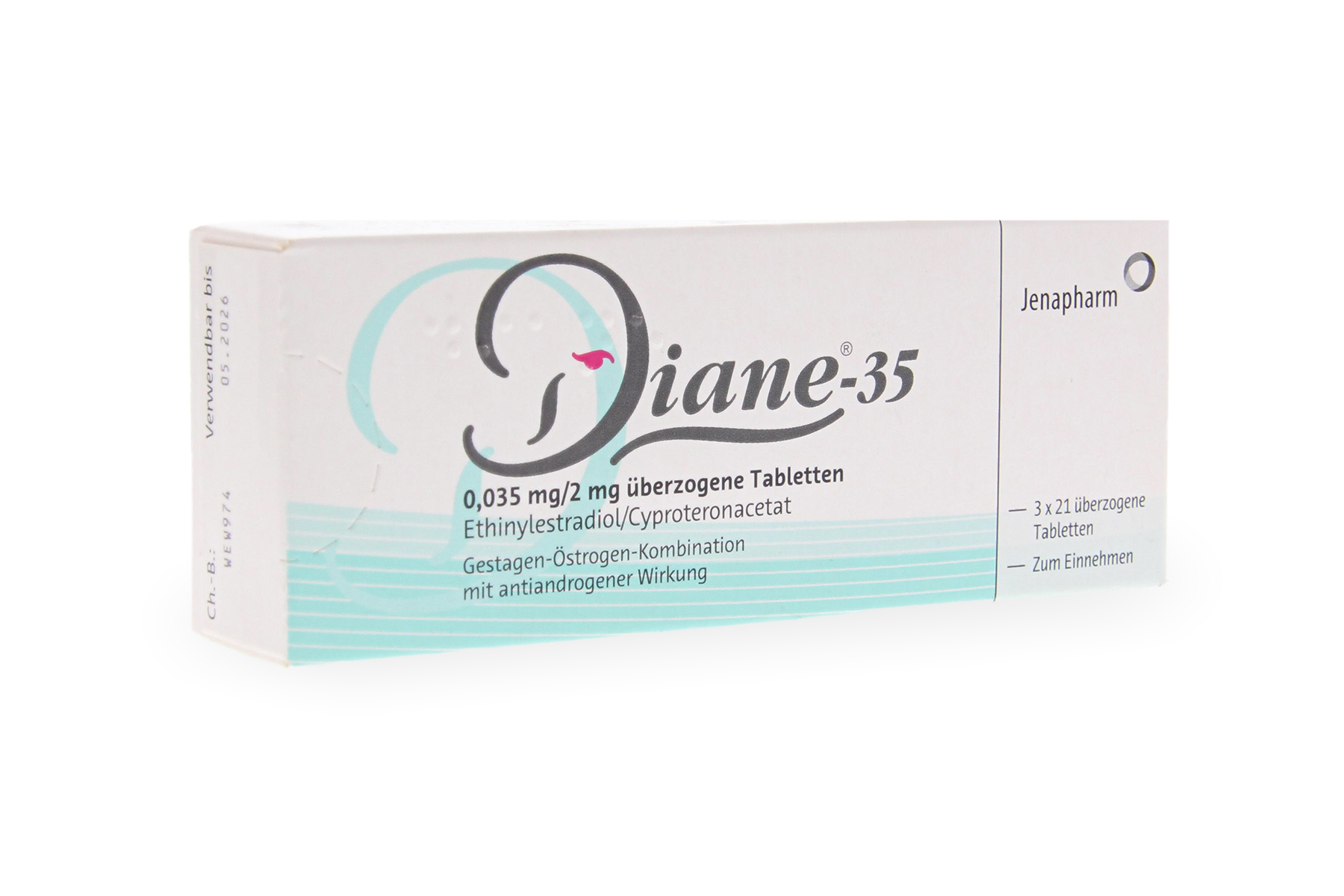
Diane-35
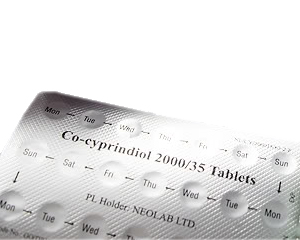
Co-Cyprindiol
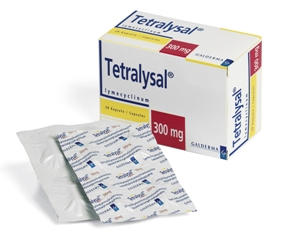
Lymecycline
Trimovate
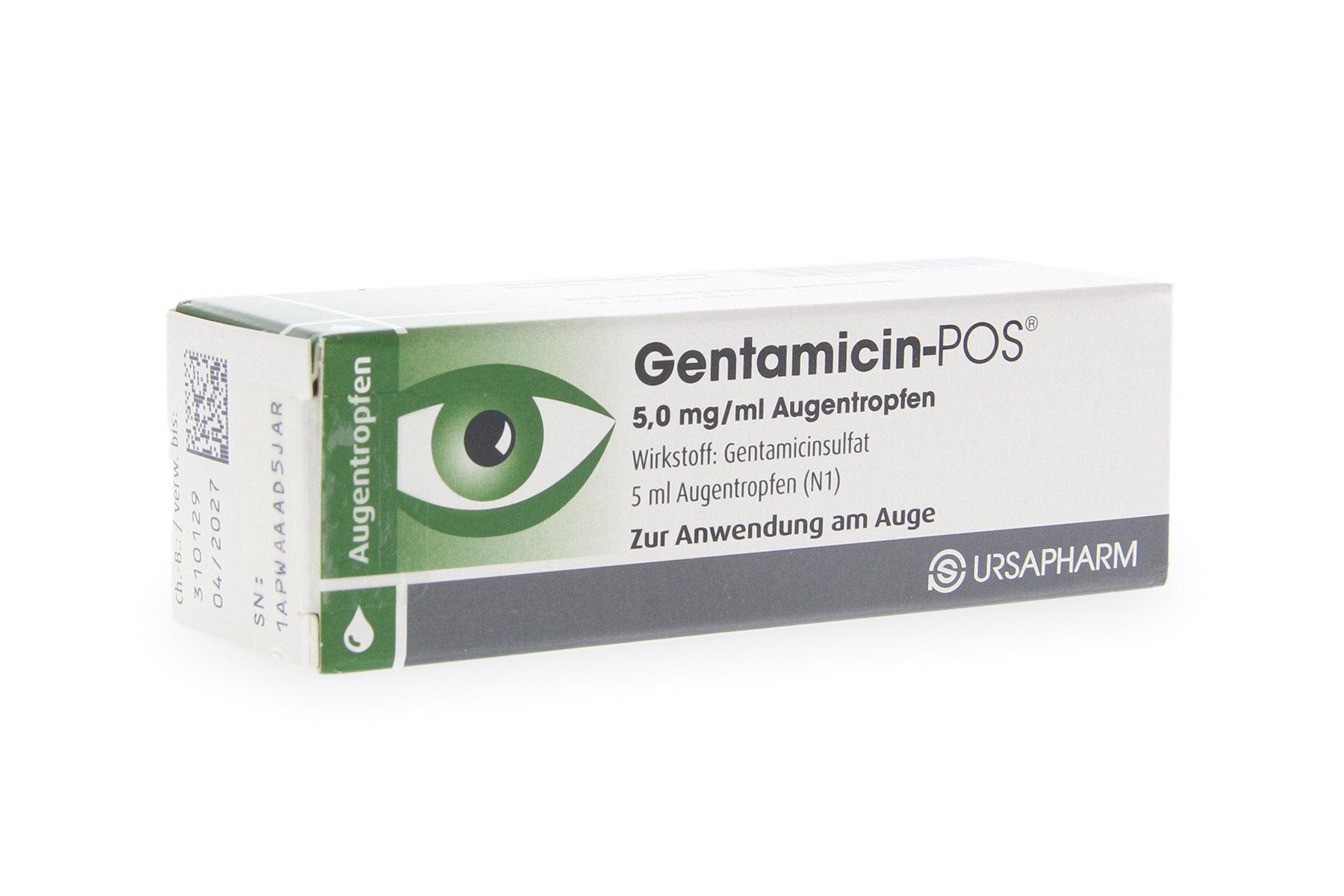
Gentamicin
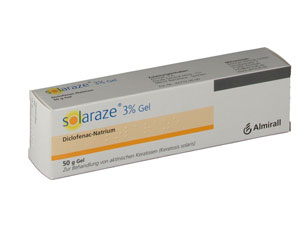
Solaraze
Betamethasone
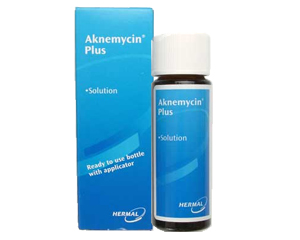
Aknemycin Plus
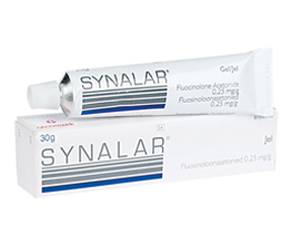
Synalar
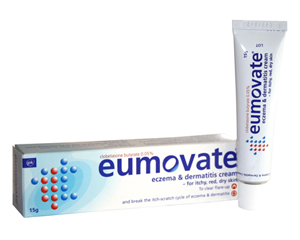
Eumovate
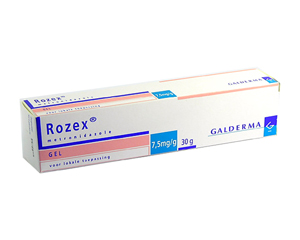
Rozex
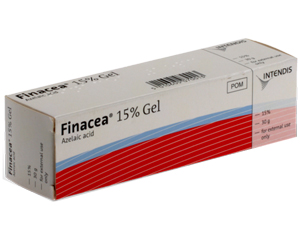
Finacea
Bettamousse
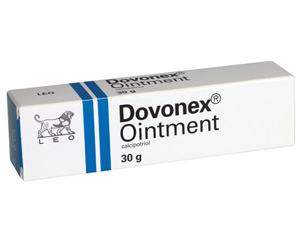
Dovonex
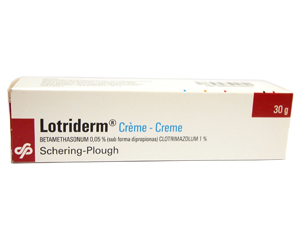
Lotriderm
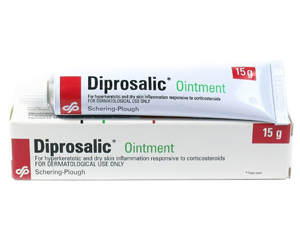
Diprosalic
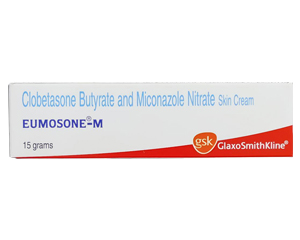
Clobetasone Butyrate
Timodine
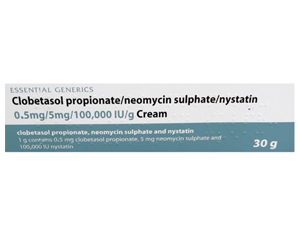
Clobetasol with Neomycin and Nystatin
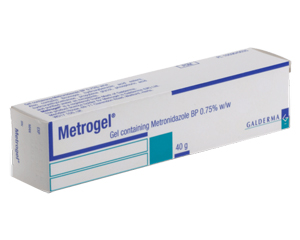
MetroGel
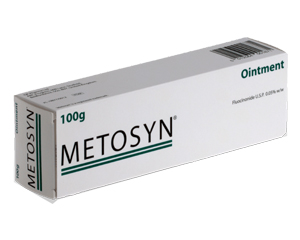
Metosyn
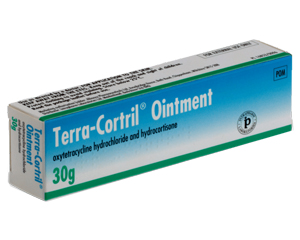
Terra-Cortril
About Skin Treatments
Understanding Acne and Skin Conditions
Acne vulgaris is a long-term inflammatory condition of the pilosebaceous unit (the hair follicle and its oil gland).
Four main factors drive it: too much sebum (skin oil), a build-up of skin cells in the follicle (follicular hyperkeratinisation), growth of the bacteria Cutibacterium acnes (formerly Propionibacterium acnes), and inflammation.
Once you understand these causes, it is clear why good treatment often needs to tackle more than one factor at once.
Too much sebum is mainly driven by androgens (male-type hormones). This is why acne peaks in the teenage years. It also links acne to polycystic ovary syndrome in women.
The hormone dihydrotestosterone (DHT) makes the oil glands more active. This raises oil output and creates the oily setting that C. acnes likes to grow in.
Follicular hyperkeratinisation means the cells lining the hair follicle stick together and pile up. This forms a microcomedone, the first lesion behind all acne.
Microcomedones then turn into open comedones (blackheads), closed comedones (whiteheads), or inflamed papules, pustules, nodules, and cysts.
Doctors grade how severe acne is using the Leeds Revised Acne Grading System or the Global Acne Grading System:
- Mild: Mostly comedones with few inflamed spots
- Moderate: A mix of comedones and inflamed spots, spread more widely
- Severe: Widespread inflamed spots or deep nodules and cysts, with a risk of scarring
Rosacea is a separate condition. It affects the central face. Signs include flushing, lasting redness, papules, pustules, and small visible blood vessels (telangiectasia).
It affects about 10% of fair-skinned people.
- Erythematotelangiectatic (flushing and redness)
- Papulopustular (looks like acne but without comedones)
- Phymatous (thickened skin, usually on the nose, known as rhinophyma)
- Ocular (affects the eyes, with blepharitis)
Other skin conditions that often need a prescription include eczema (atopic dermatitis), psoriasis, fungal infections, and hyperpigmentation disorders (patches of darker skin).
Each one needs treatment matched to a clear diagnosis.
Topical Prescription Treatments
Creams and gels are the basis of acne and rosacea care. The right one depends on the main type of spot and how severe it is.
Retinoids are the core of acne treatment. They calm the skin's renewal process in the follicle, stop microcomedones forming, and reduce inflammation. **Adapalene 0.
1% gel** is the NICE first-choice topical retinoid. It works well and the skin tolerates it better than tretinoin.
Apply a pea-sized amount to the whole affected area, not just to single spots, each evening. Some dryness and irritation are normal at first.
So is a purging phase, where skin looks worse for 2-4 weeks. This settles by week 6-8.
Tretinoin (0.025%, 0.05%, 0.1% cream or gel) is a stronger retinoid. It speeds up skin cell turnover, cuts blocked pores by 40-70%, and improves skin texture.
Start at the lowest strength and move up as your skin gets used to it. You must use sun protection (SPF 30+), as retinoids make skin more sensitive to the sun.
Benzoyl peroxide (2.5-10%) kills C. acnes without causing antibiotic resistance. That makes it a key part of combination treatment.
You can buy it over the counter, but it works best when prescribed with a retinoid. The 2.5% strength kills bacteria just as well as 10% but causes far less irritation.
Topical antibiotics are clindamycin 1% and erythromycin 2%. Always use them with benzoyl peroxide to prevent resistance. NICE advises against using a topical antibiotic on its own.
Fixed-dose combinations make treatment simpler and easier to stick to (Duac gel: clindamycin and BPO; Epiduo: adapalene and BPO; Treclin: clindamycin and tretinoin).
Azelaic acid 15-20% reduces inflammation, clears blocked pores, and fades dark marks. It is safe to use in pregnancy, unlike retinoids.
It works well for dark marks left after spots heal (post-inflammatory hyperpigmentation).
For rosacea, first-choice topical treatments include:
- Ivermectin 1% cream (Soolantra): treats mites and reduces inflammation, used once daily for 12-16 weeks
- Metronidazole 0.75% gel or cream: used twice daily, helps with rosacea spots
- Brimonidine 0.33% gel (Mirvaso): an alpha-2 agonist that narrows blood vessels and cuts redness within 30 minutes, but the effect is short-lived
- Azelaic acid 15% gel: another option for rosacea spots
Systemic Treatments for Moderate-to-Severe Acne
Sometimes creams alone are not enough, usually after 8-12 weeks of steady use. The next step is treatment in tablet form. The choice depends on how severe the acne is, your sex, and what you prefer.
Oral antibiotics are the first-choice tablet treatment for moderate inflamed acne. NICE and the British Association of Dermatologists (BAD) recommend:
- Lymecycline 408 mg once daily or doxycycline 100 mg once daily, for up to 3 months
- Always taken with a topical retinoid and/or benzoyl peroxide, to work better and reduce resistance
- Tetracyclines must not be used in pregnancy or in children under 12
- Erythromycin 500 mg twice daily is an option if you cannot take tetracyclines, though resistance is more common
Combined oral contraceptives (COC) work well for women with hormonal acne. This is most useful when acne sits on the jawline and lower face, gets worse before a period, or comes with PCOS.
Co-cyprindiol (Dianette) contains cyproterone acetate, a strong anti-androgen. It takes 3-6 months to see an effect, because the oil glands renew slowly.
Isotretinoin (Roaccutane) is the most effective treatment for severe, scarring, or stubborn acne.
It tackles all four causes: it cuts sebum by up to 90%, calms the skin's renewal process, reduces C. acnes, and strongly reduces inflammation.
Isotretinoin prescribing details:
- Dose: 0.5-1.0 mg/kg daily for 16-24 weeks, aiming for a total dose of 120-150 mg/kg
- 85% of patients clear completely or nearly so after one course
- Relapse rate: about 20%, mostly within the first 3 years
- Pregnancy prevention is mandatory: isotretinoin is a category X teratogen (it harms unborn babies). Women must use two forms of contraception, take monthly pregnancy tests, and join the pregnancy prevention programme
- Monitoring: liver function tests (ALT, AST), fasting lipids (triglycerides, cholesterol), and a full blood count, all at the start and every month
Common isotretinoin side effects:
- Dry lips and skin (almost everyone gets this, so use emollients freely)
- Dry eyes and less comfort with contact lenses
- Muscle and joint pain (10-15%)
- Mood changes: the link between isotretinoin and depression is still debated. A 2019 systematic review found no clear cause-and-effect link, but tell your prescriber straight away if your mood changes
Isotretinoin is prescribed only by dermatologists or clinicians with specialist experience. Dr. Presc can refer patients who may benefit from isotretinoin to the right specialist services.
Building an Effective Skincare Routine
Prescription treatments work best alongside a steady, gentle skincare routine. Harsh cleansing, scrubbing, or piling on too many active ingredients damages the skin barrier.
That makes both acne and rosacea worse.
Cleansing: Use a gentle, non-foaming, pH-balanced cleanser (pH 4.5-5.5) twice daily. Avoid soap, scrubs, and cleansing brushes.
These strip the skin barrier and trigger a rebound in oil production. Micellar water or a ceramide-based cleanser suits most skin types.
For rosacea, use lukewarm water only, as hot water widens the blood vessels and makes flushing worse.
Moisturising: Even oily, acne-prone skin needs a light, non-comedogenic moisturiser (one that does not block pores). Retinoids disturb the skin barrier.
If you skip moisturiser, you get more irritation and flaking, and you are more likely to stop treatment.
- Ceramides and cholesterol (repair the skin barrier)
- Hyaluronic acid (a humectant that draws water into the skin)
- Niacinamide (calms inflammation, reduces oil, strengthens the barrier)
Sun protection is essential when using retinoids, antibiotics (doxycycline), or azelaic acid. Apply a broad-spectrum SPF 30-50 every morning as the last step of your routine.
Mineral filters (zinc oxide, titanium dioxide) suit sensitive and rosacea-prone skin better than chemical filters.
Treatment layering order (evening):
1. Cleanse
2. Wait until skin is fully dry (5-10 minutes for retinoids, to reduce irritation)
3. Apply your prescription treatment (retinoid, azelaic acid, or other prescribed product)
4. Moisturise on top as a buffer if irritation is bad
Common mistakes to avoid:
- Using several actives at once (retinoid plus AHA plus BHA plus vitamin C damages the barrier)
- Dabbing retinoids only on spots, instead of treating the whole affected area
- Stopping treatment after the purging phase, thinking it has failed
- Picking or squeezing spots, which pushes bacteria deeper and raises the risk of scarring
Diet and lifestyle: Diet does not cause acne. Even so, growing evidence links high-glycaemic-index diets and frequent dairy (mainly skimmed milk) with more severe acne.
Managing stress matters too, as the hormone cortisol raises oil production and slows healing.
When to Escalate Treatment
Knowing when to step up treatment helps prevent scarring and long-term distress. As a prescriber, I check progress carefully to keep patients on the best path.
Expected timelines for improvement:
- Topical retinoids: 8-12 weeks for visible change (expect purging at weeks 2-4)
- Oral antibiotics: 6-8 weeks for a clear drop in inflamed spots
- Combined oral contraceptives: 3-6 months for hormonal acne
- Isotretinoin: skin may flare in weeks 1-4, then steadily improves over 16-24 weeks
When to step up treatment:
- No improvement after 8-12 weeks of steady topical treatment
- Moderate to severe inflamed acne that could scar
- Acne causing real psychological distress (depression, social withdrawal, body dysmorphia)
- Relapse within 3 months of finishing oral antibiotics, despite ongoing topical treatment
- Hormonal acne in women that does not respond to first-choice options
Refer to a dermatologist when:
- Severe nodulocystic acne is present from the start (fast-track for isotretinoin assessment)
- Two courses of oral antibiotics have failed
- Acne fulminans (sudden onset with fever, joint pain, and ulcerating spots) needs urgent referral
- A hormonal disorder is suspected (signs of virilisation or Cushing's)
- There is marked scarring, so procedures need discussing (chemical peels, microneedling, laser resurfacing)
For rosacea, move from creams to tablets (doxycycline 40 mg modified-release daily for 8-16 weeks) when spots persist despite 12 weeks of topical ivermectin or metronidazole.
Ocular rosacea needs joint care with ophthalmology.
Scarring is the most important thing to prevent. Treating inflamed acne early and firmly reduces lifelong scarring. Red marks left after spots (post-inflammatory erythema) fade over 3-12 months.
Dark marks (post-inflammatory hyperpigmentation) respond to azelaic acid, retinoids, and sun protection.
Pitted scars (ice-pick, boxcar, rolling) may need dermatological procedures once the acne itself is under control.
Dr. Presc prescribers can step up topical treatments, start oral antibiotics, and arrange specialist referrals when this is clinically right.
Frequently Asked Questions
How long does tretinoin take to show results?
Can I use retinoids if I have sensitive or rosacea-prone skin?
Is isotretinoin safe - what about the mental health concerns?
Do I need to avoid the sun while using prescription skin treatments?
What is the difference between adapalene and tretinoin?
Can prescription acne treatments be used during pregnancy?
The medical information on this site is provided for educational purposes. It does not replace a face-to-face consultation with your GP or specialist. Always follow the advice of your prescribing doctor and read the patient information leaflet supplied with your medication.