
Blood Pressure and Heart Medications from UK Doctors
High blood pressure (hypertension) affects about 14.4 million adults in the UK. It is the single biggest risk factor for death from heart disease that you can change. As a GP, I treat blood pressure every day. I follow the NICE step-by-step plan. The aim is below 140/90 mmHg in the clinic, or below 135/85 mmHg when you measure at home. ACE inhibitors, ARBs, and calcium channel blockers are the main medicines we use. Most people reach their target within 8-12 weeks of starting treatment.
NICE recommends ACE inhibitors or ARBs first for people under 55, and calcium channel blockers for people aged 55 and over
Lowering the top blood pressure number by 10 mmHg cuts stroke risk by 27% and coronary heart disease by 20% in all age groups
The treatment target is a home blood pressure average below 135/85 mmHg, which equals clinic readings below 140/90
Most blood pressure medicines work fully within 4-6 weeks, so the dose can be adjusted at each follow-up visit
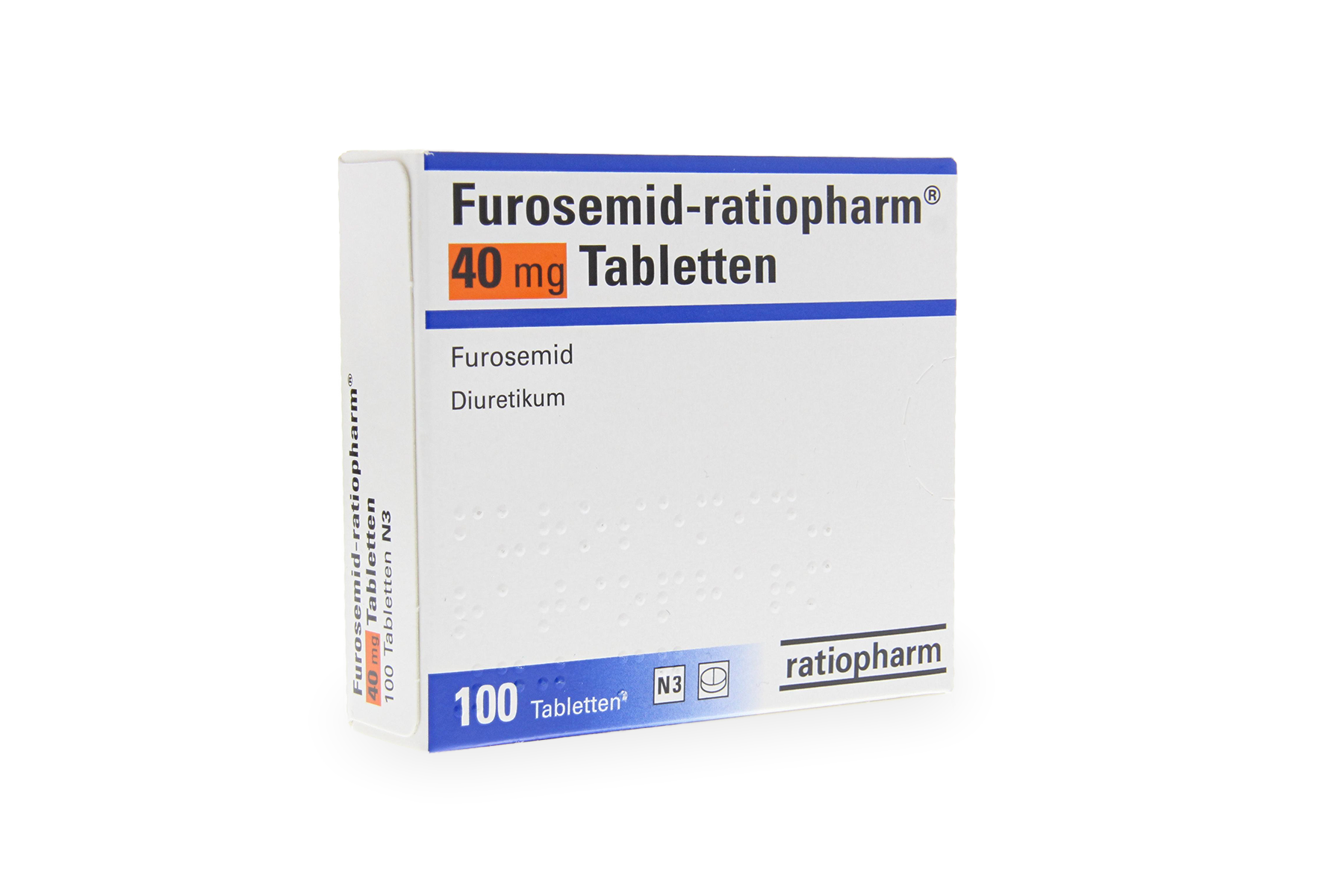
Furosemide
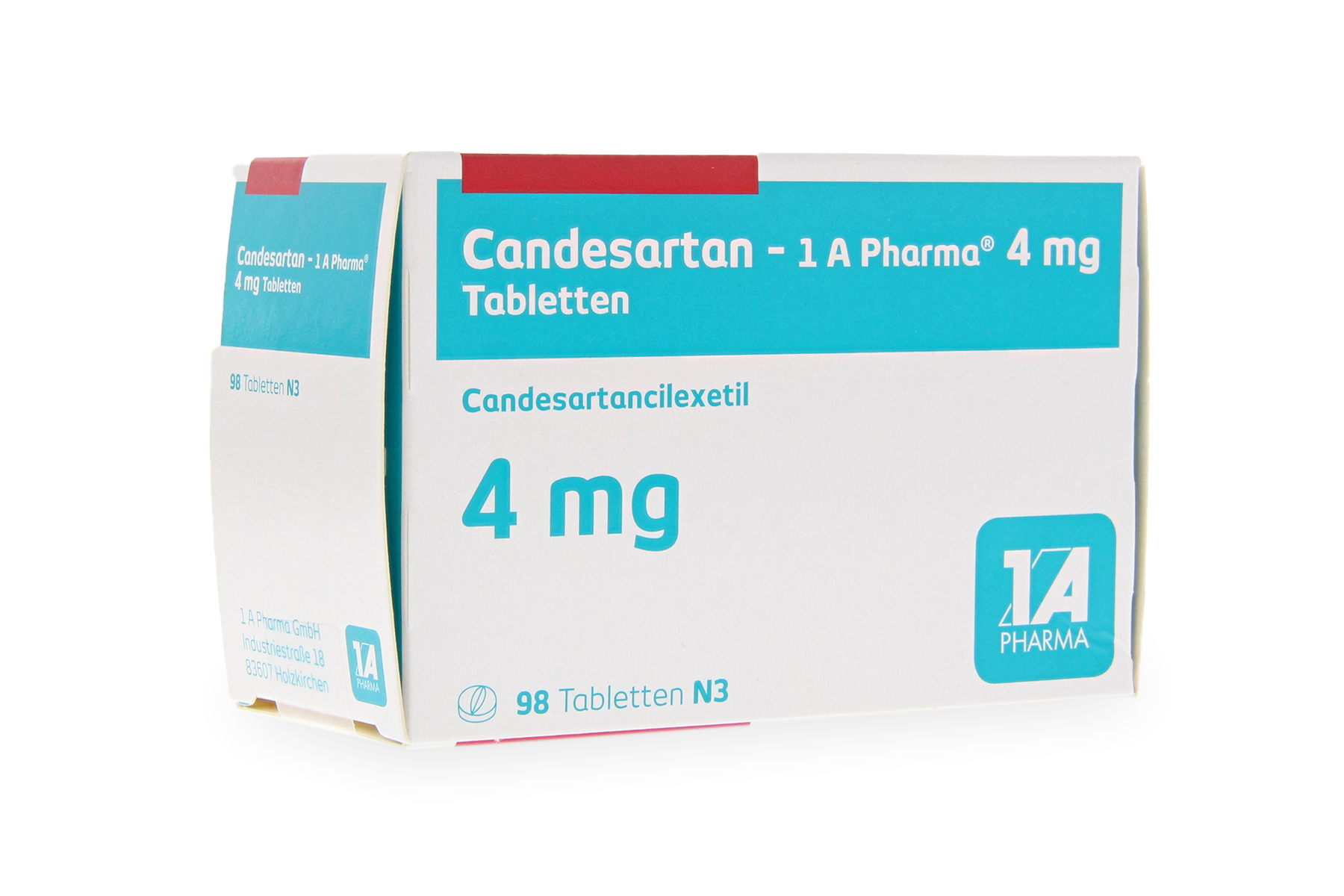
Candesartan
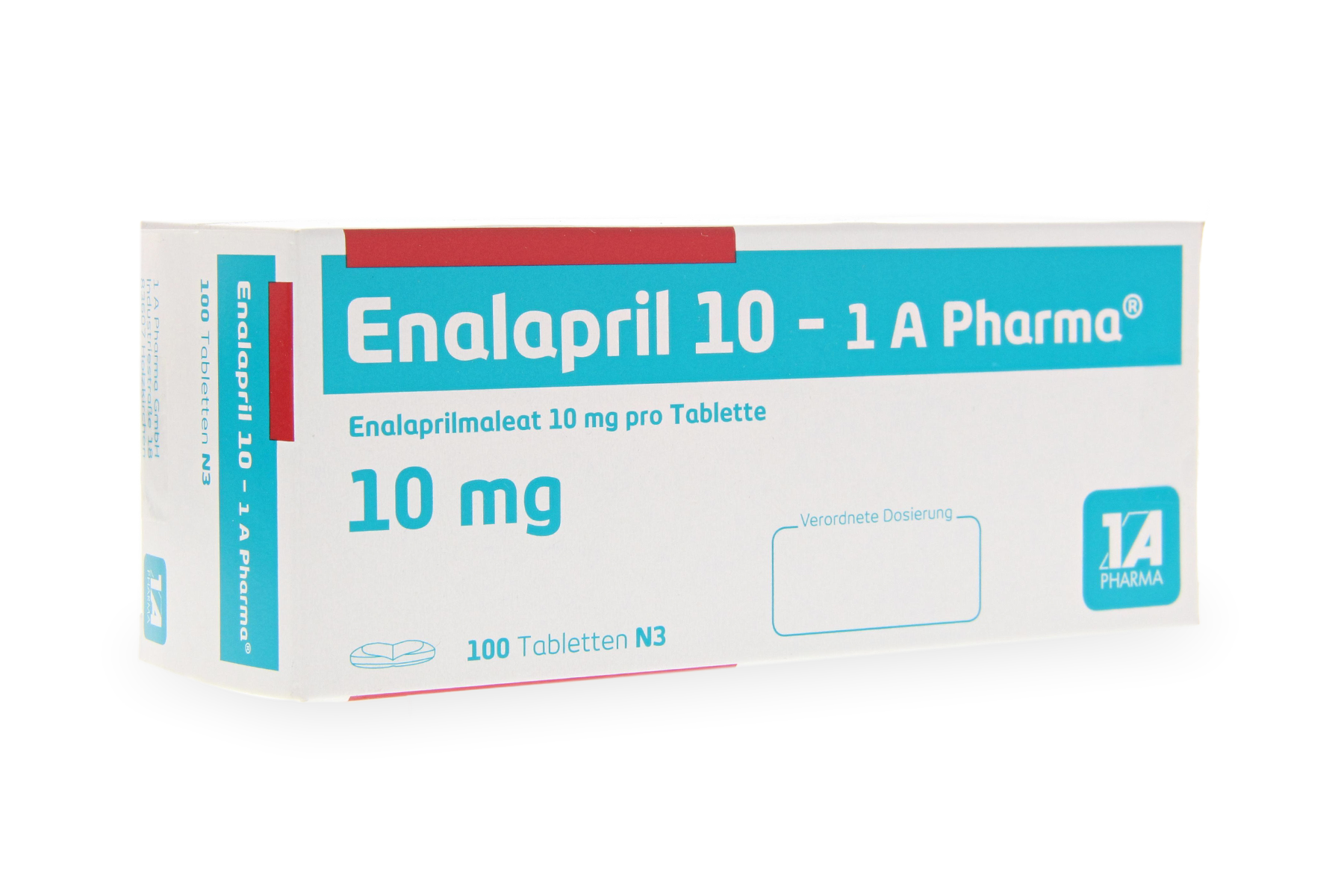
Enalapril
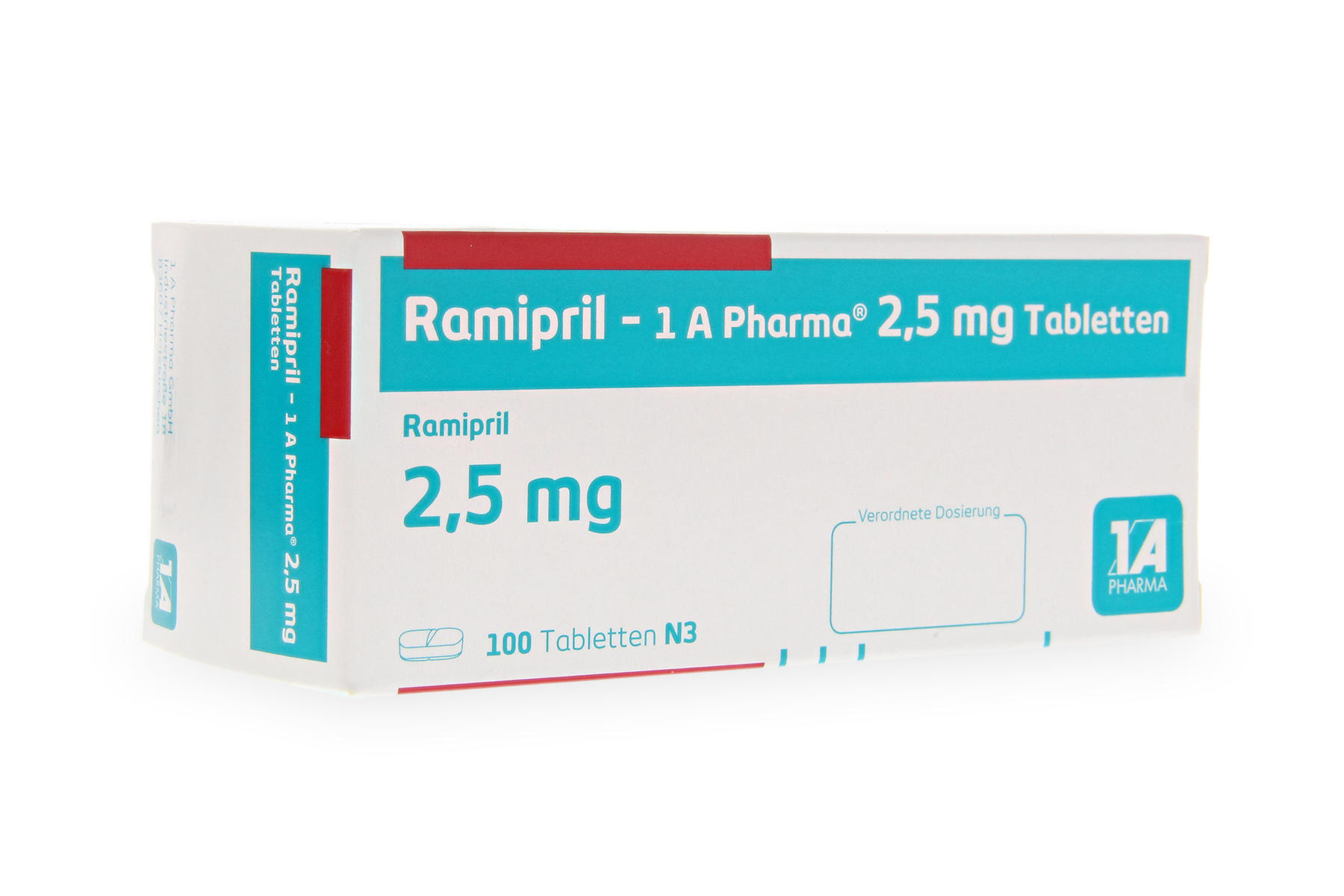
Ramipril
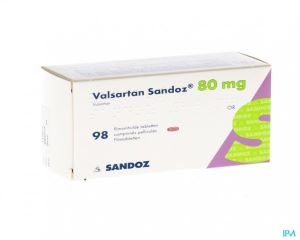
Valsartan
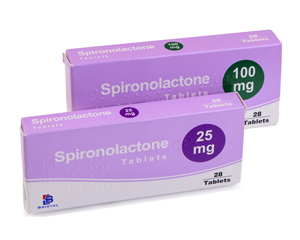
Spironolactone
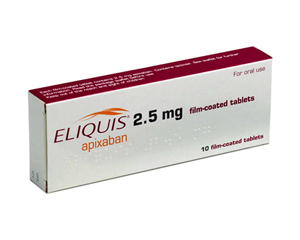
Eliquis
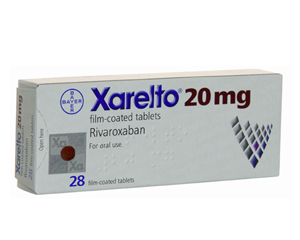
Xarelto
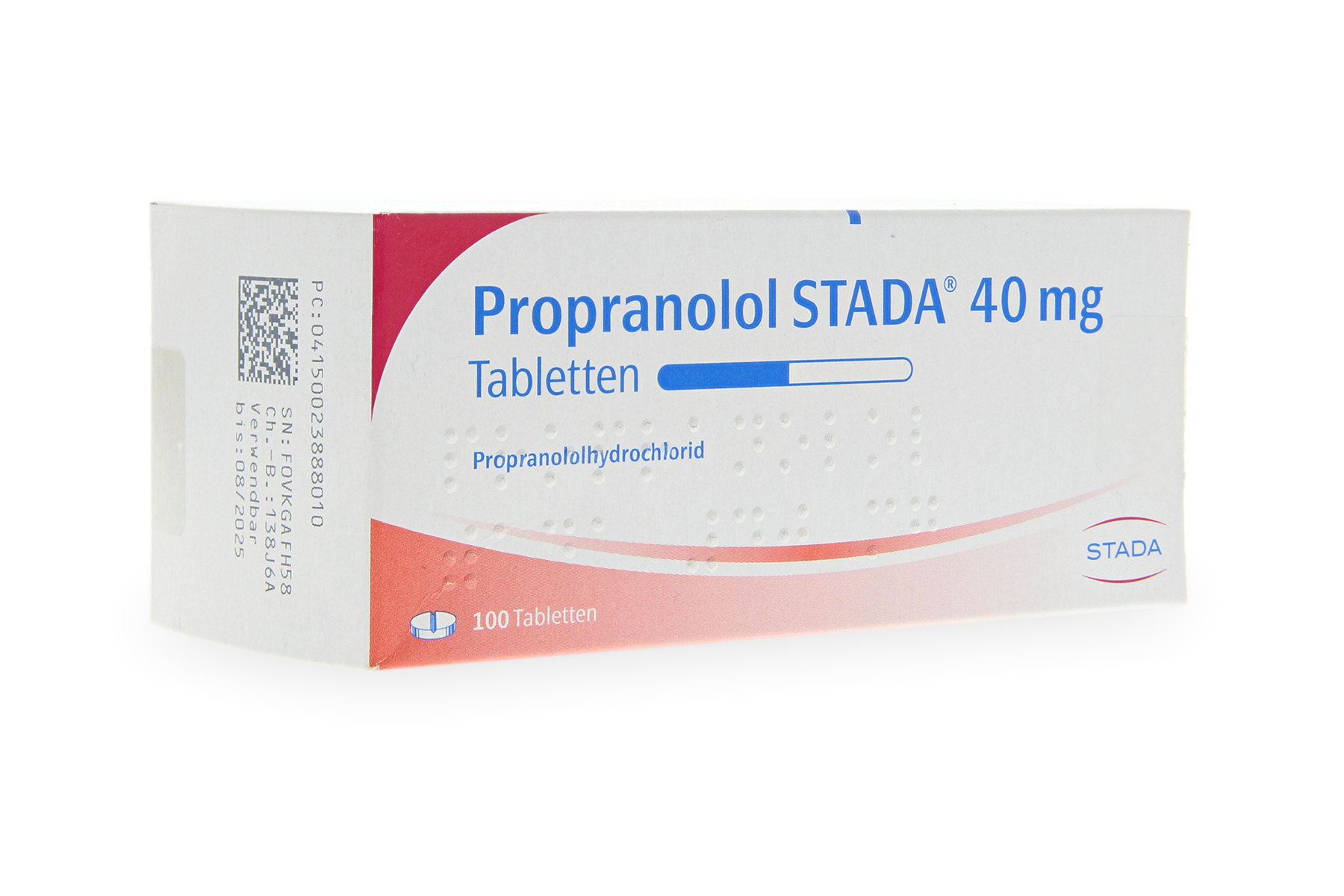
Propranolol
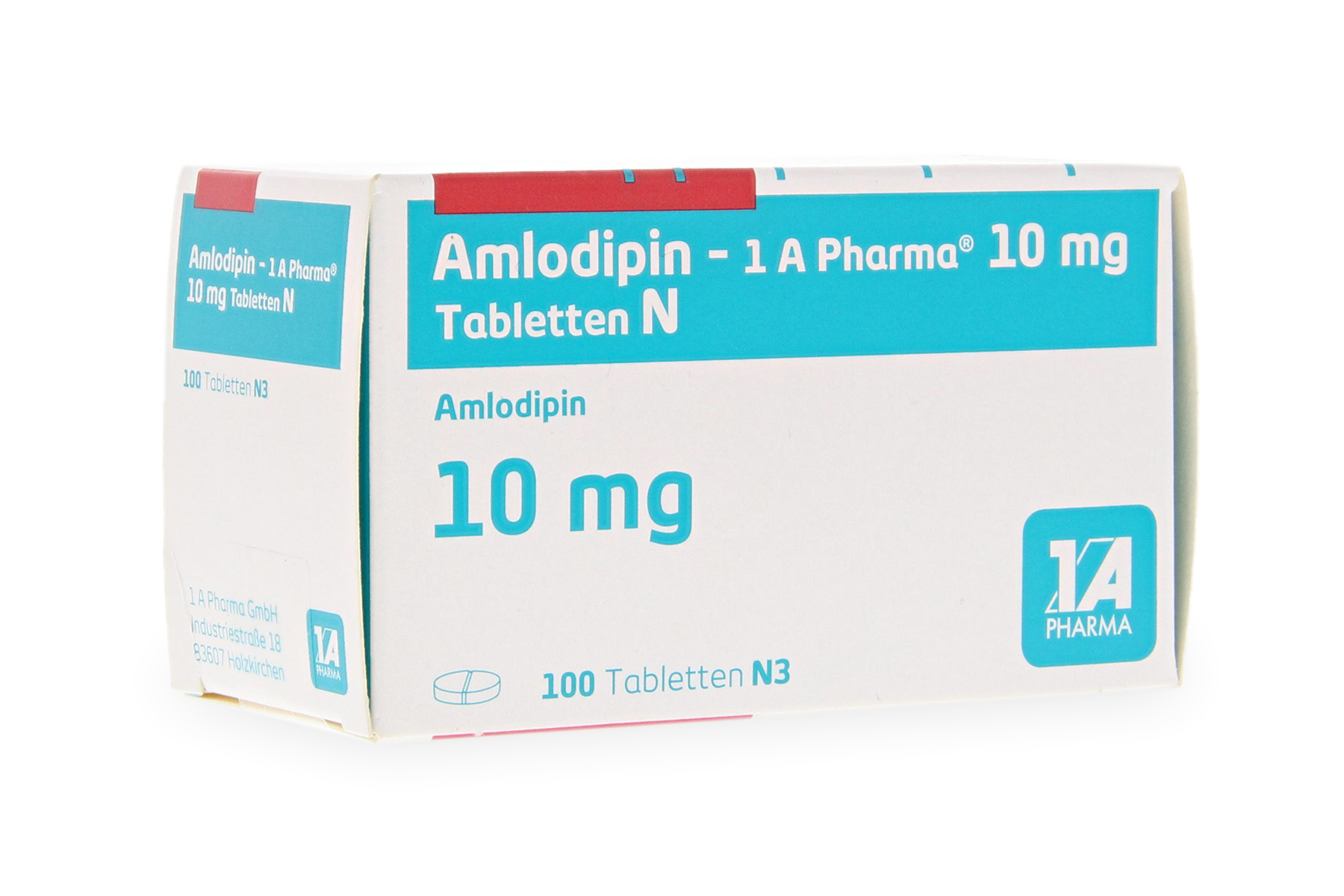
Amlodipine
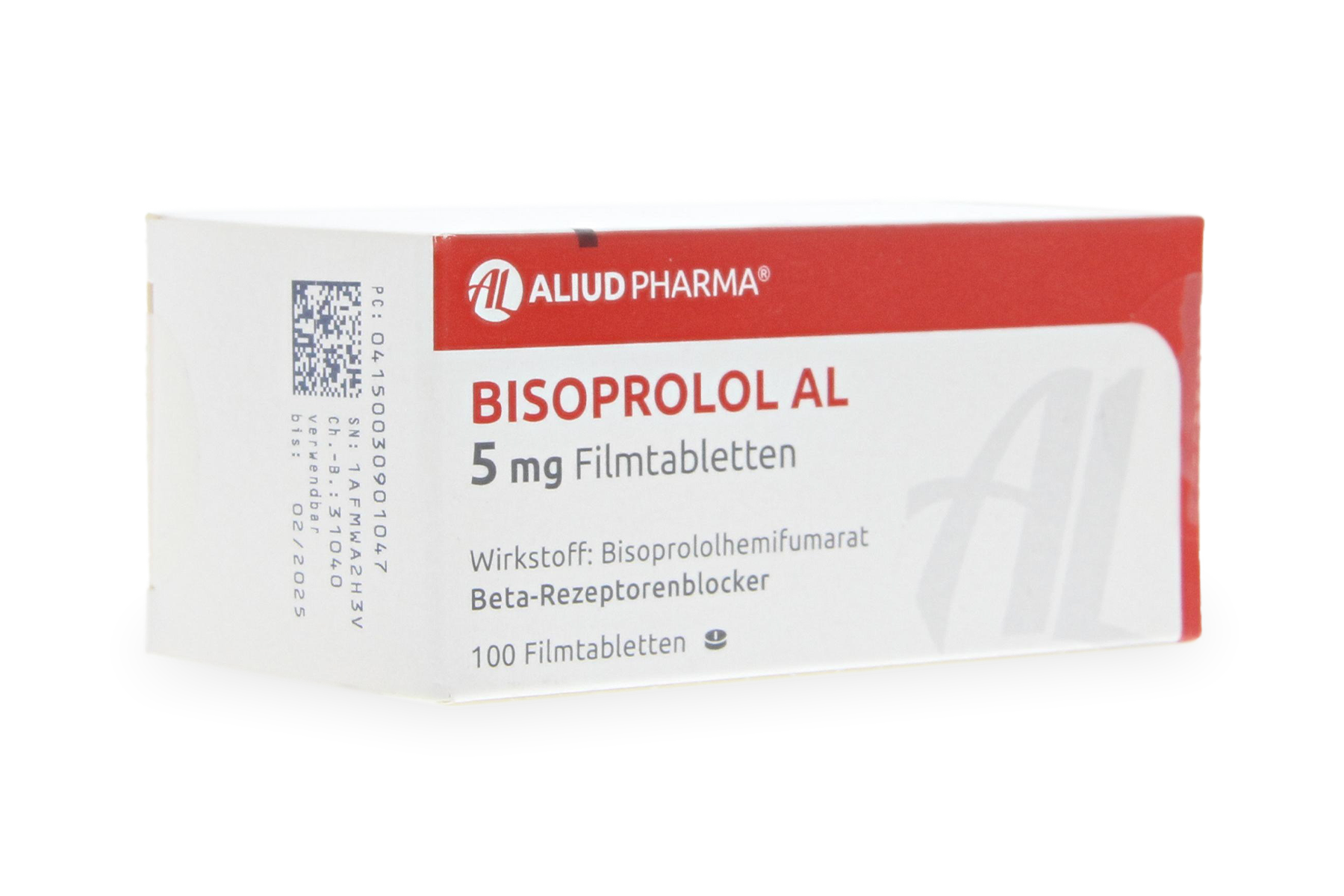
Bisoprolol
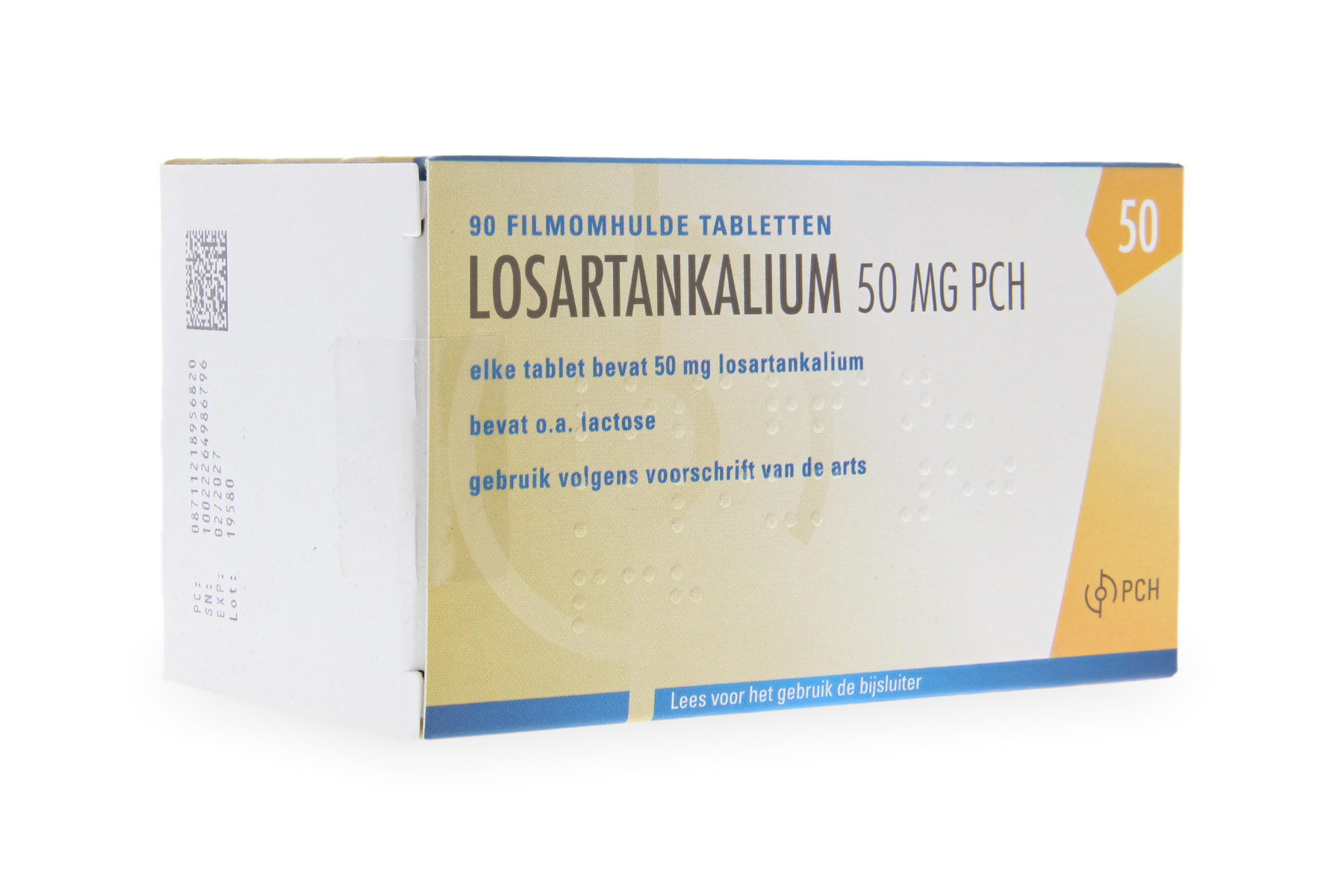
Losartan
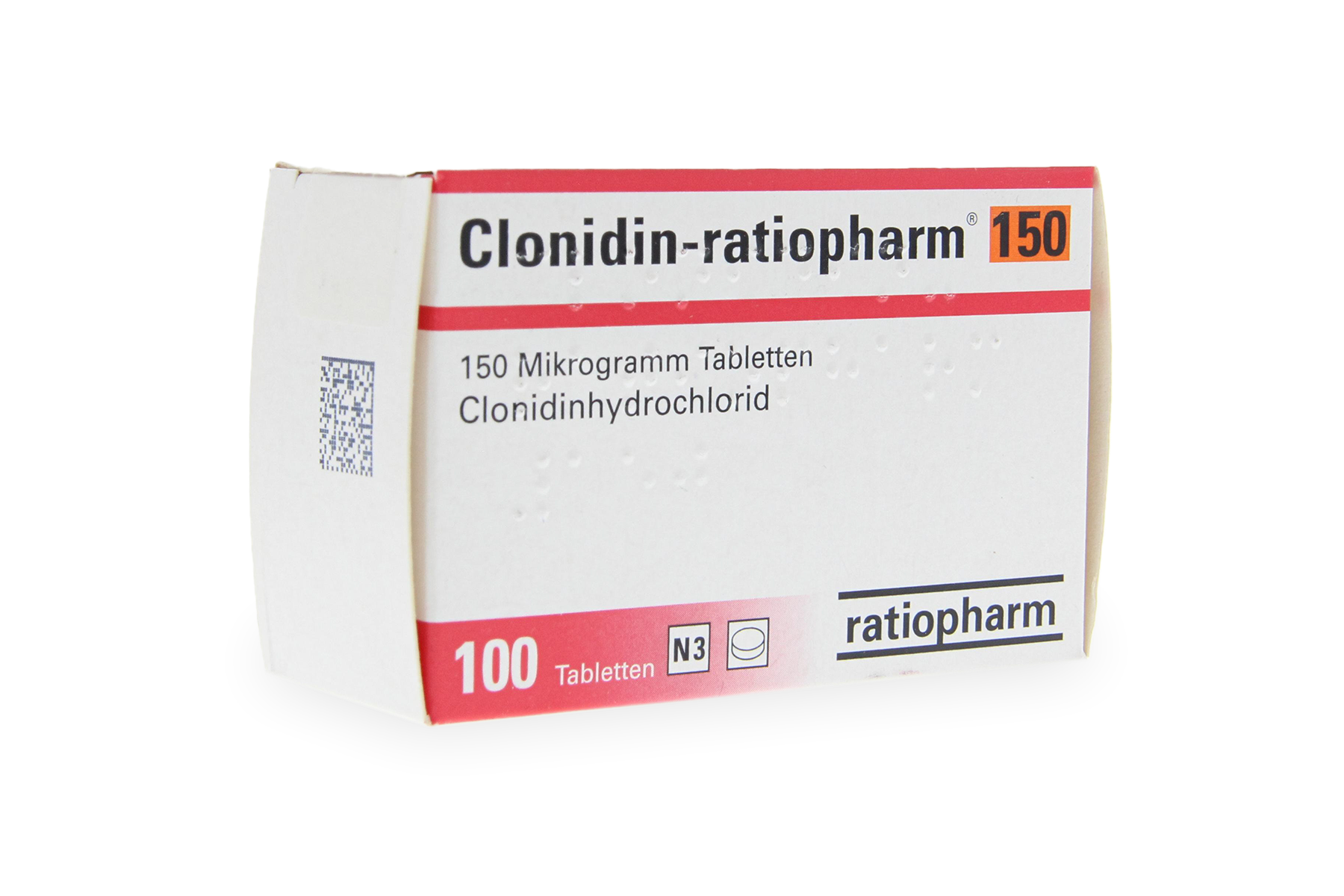
Clonidine
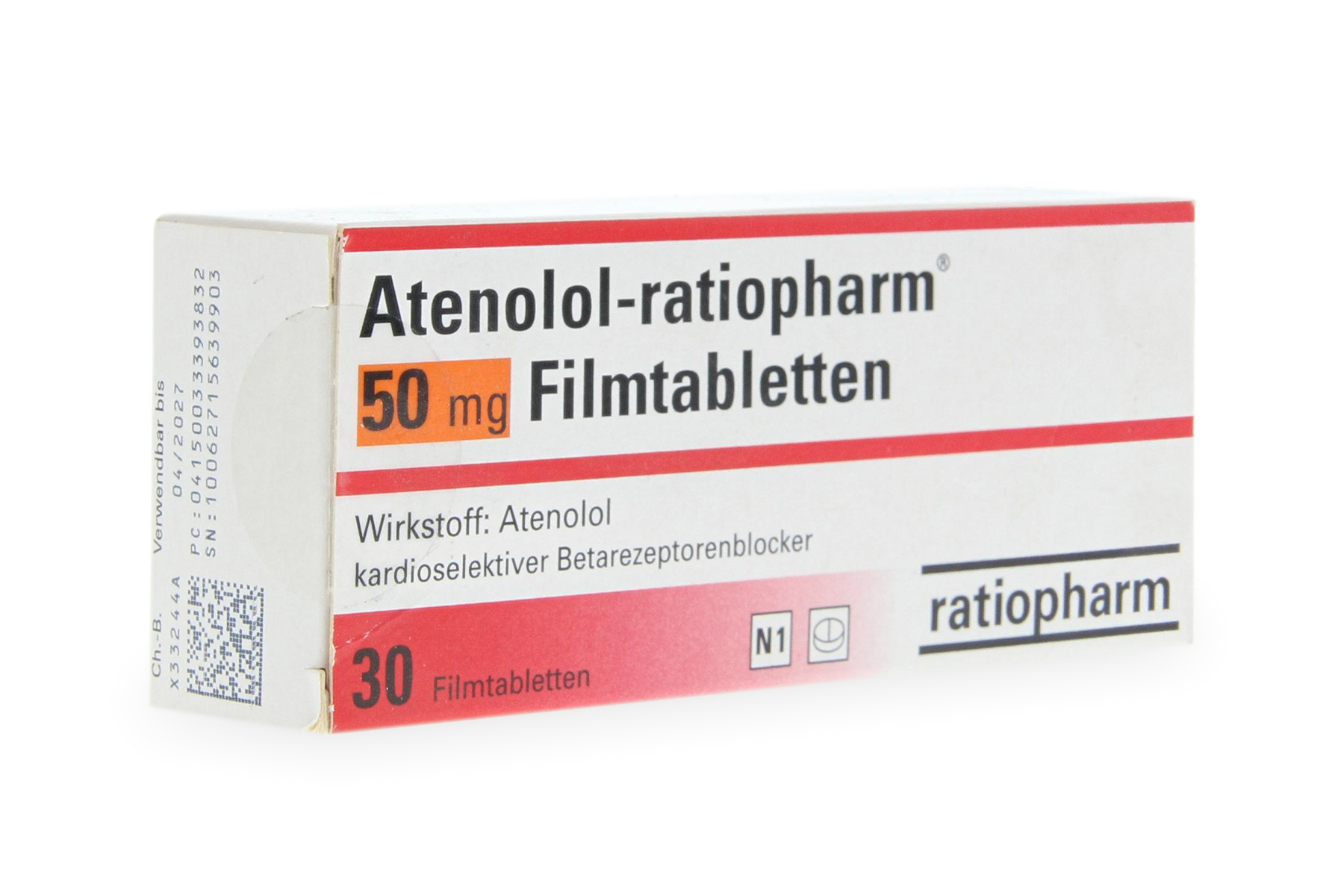
Atenolol
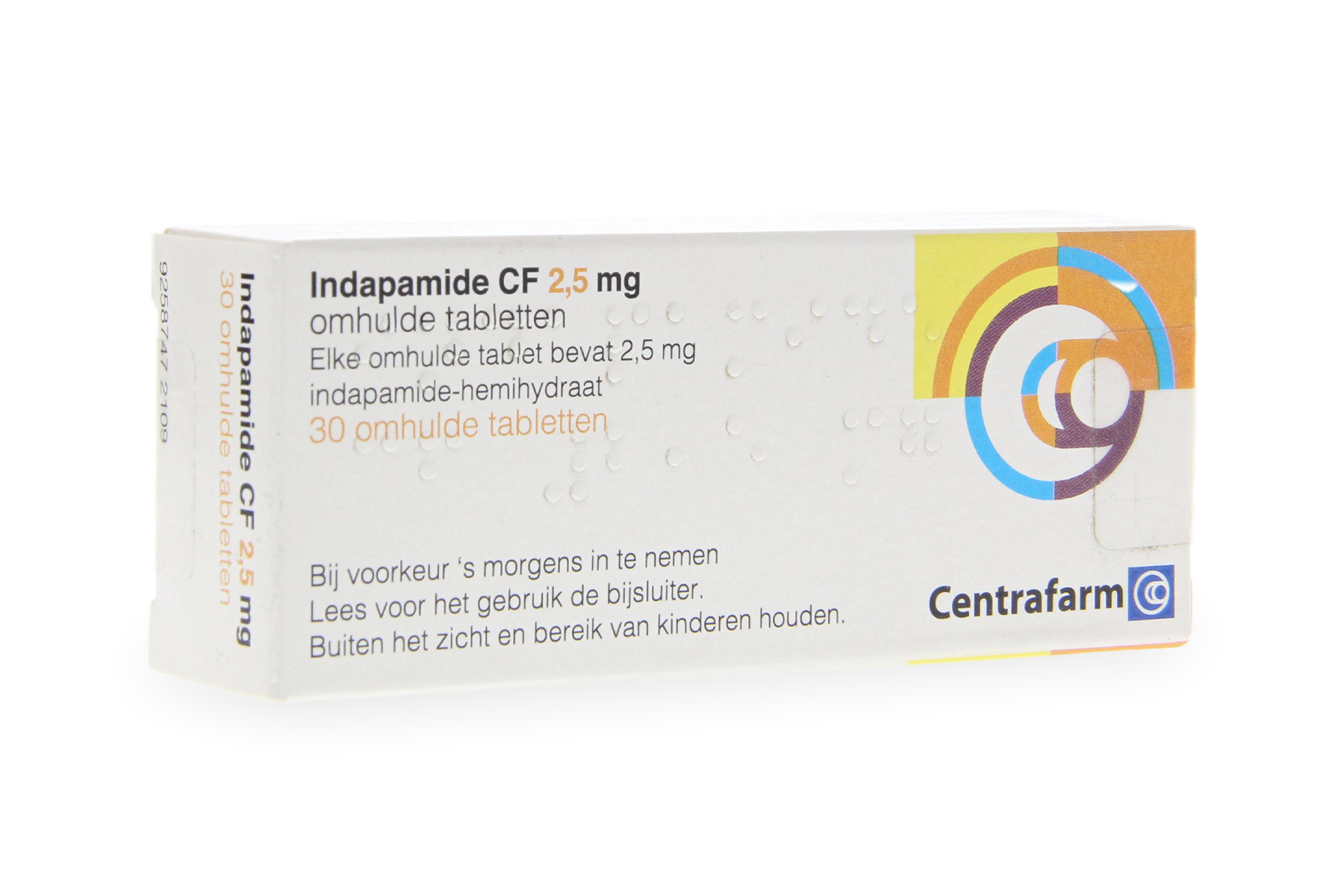
Indapamide
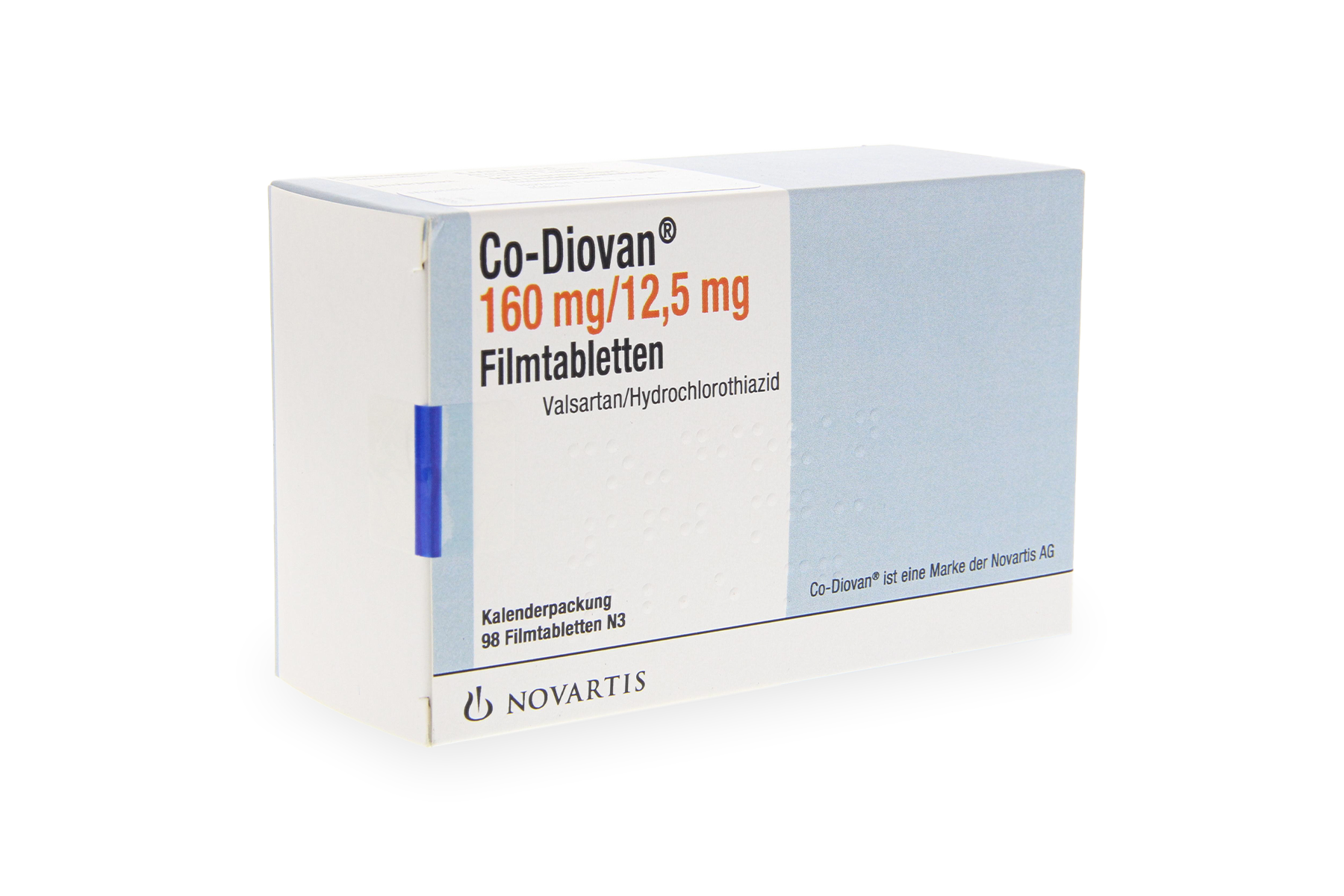
Co-Diovan
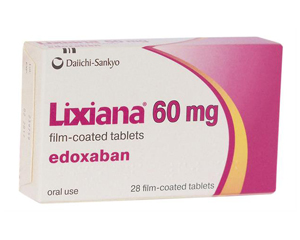
Lixiana
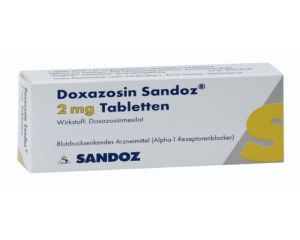
Doxazosin
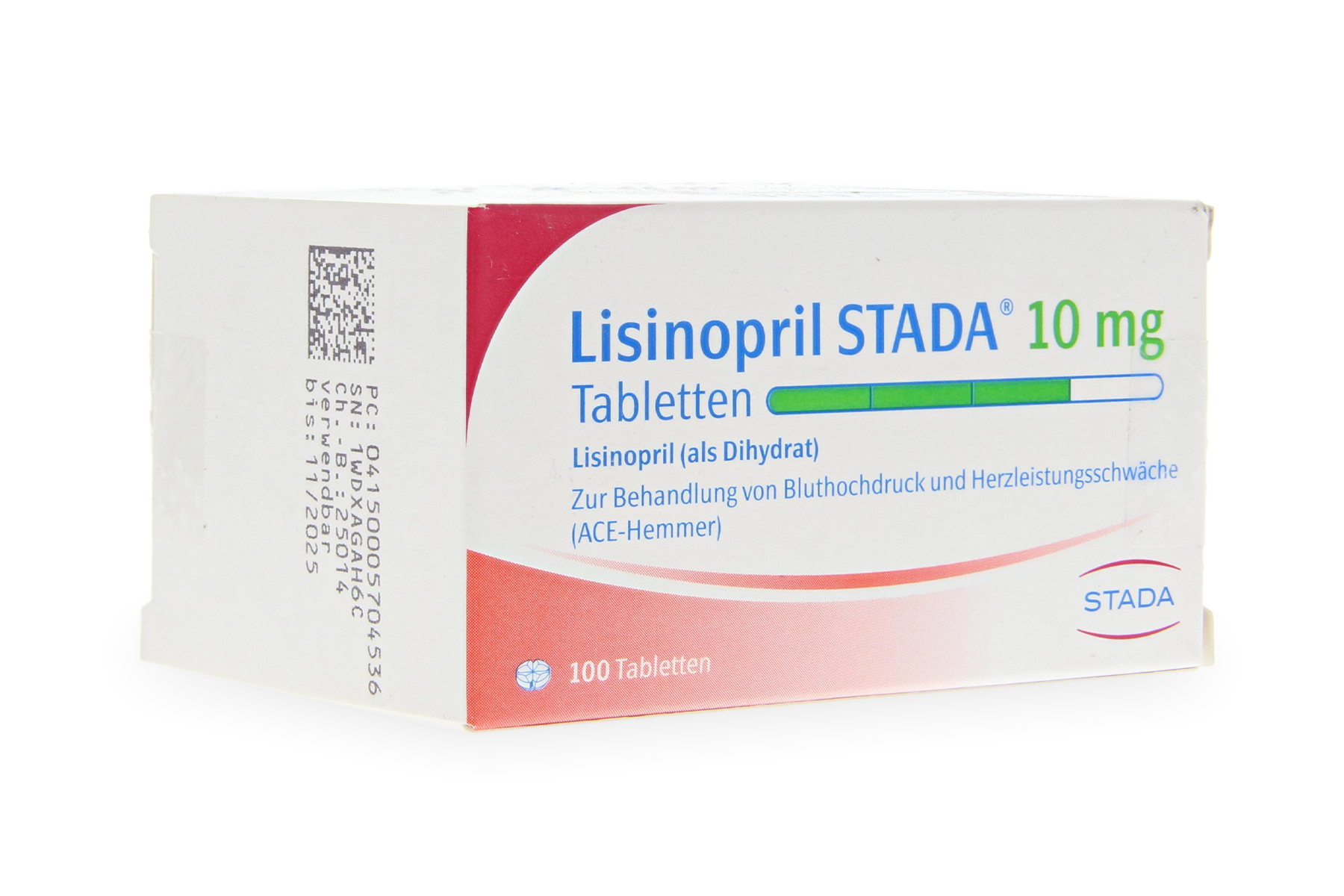
Lisinopril
Perindopril
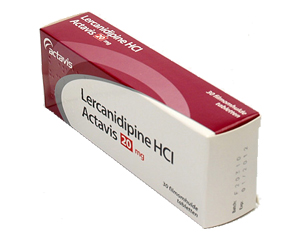
Lercanidipine
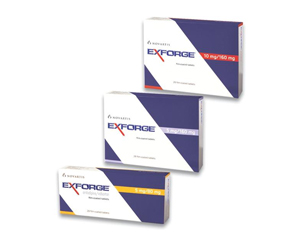
Exforge
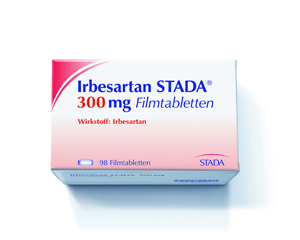
Irbesartan
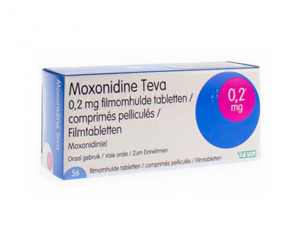
Moxonidine
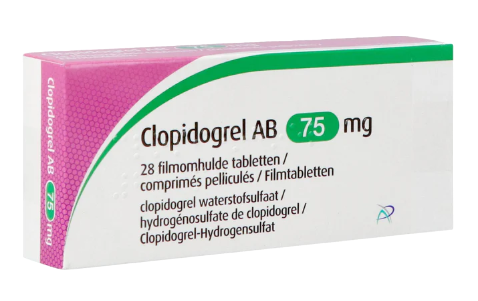
Clopidogrel
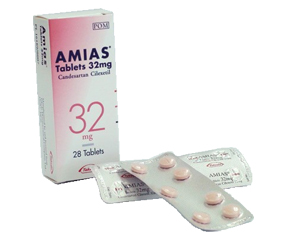
Amias
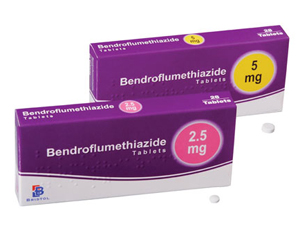
Bendroflumethiazide
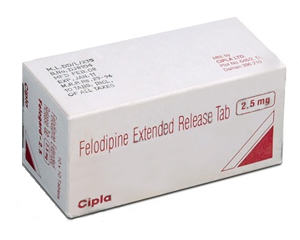
Felodipine
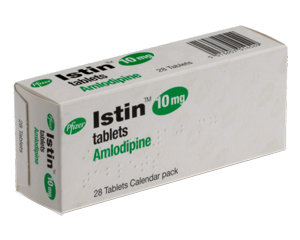
Istin
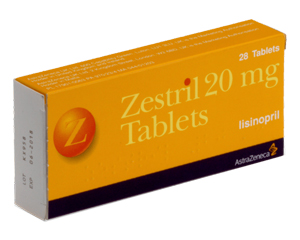
Zestril
Motens
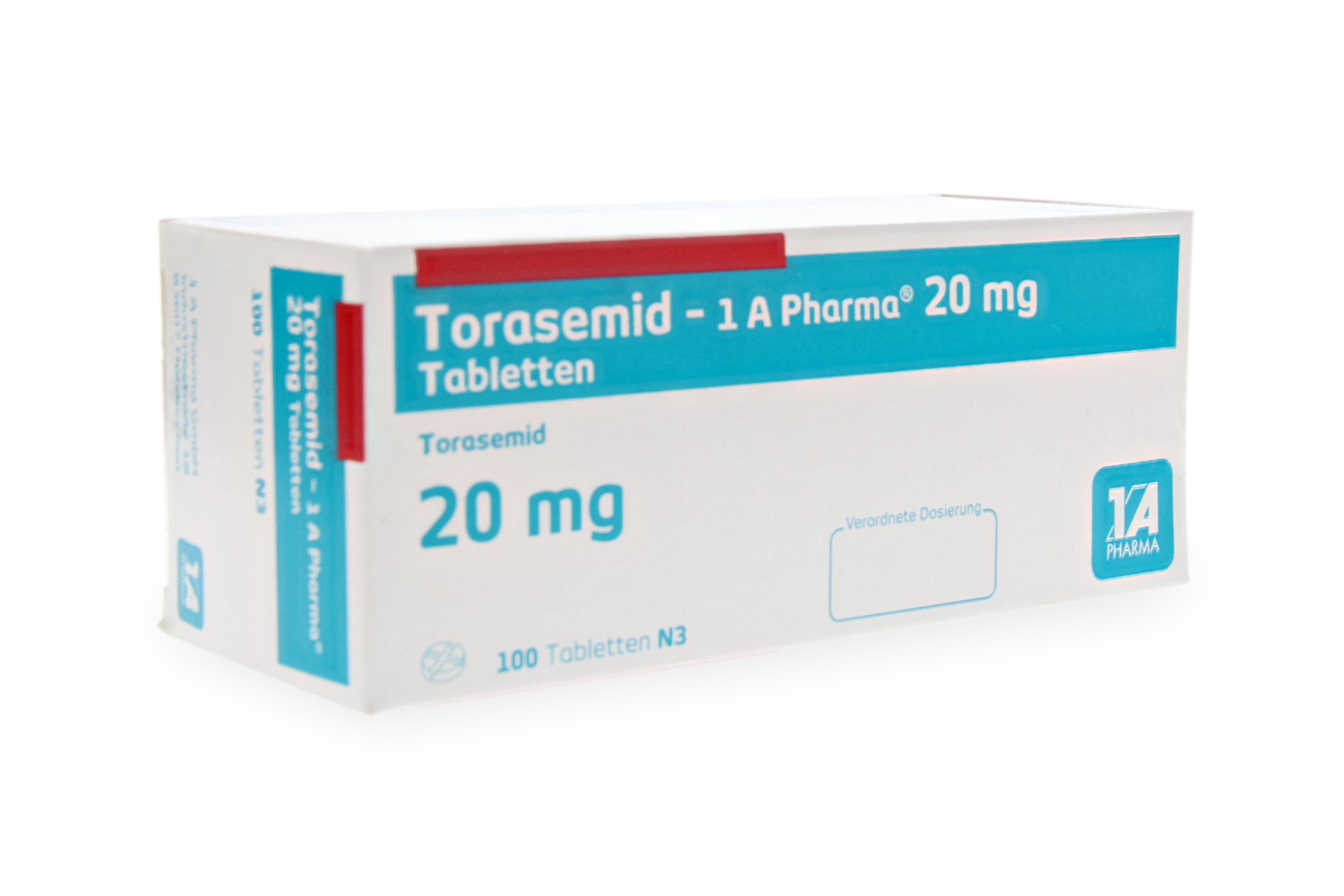
Torasemide
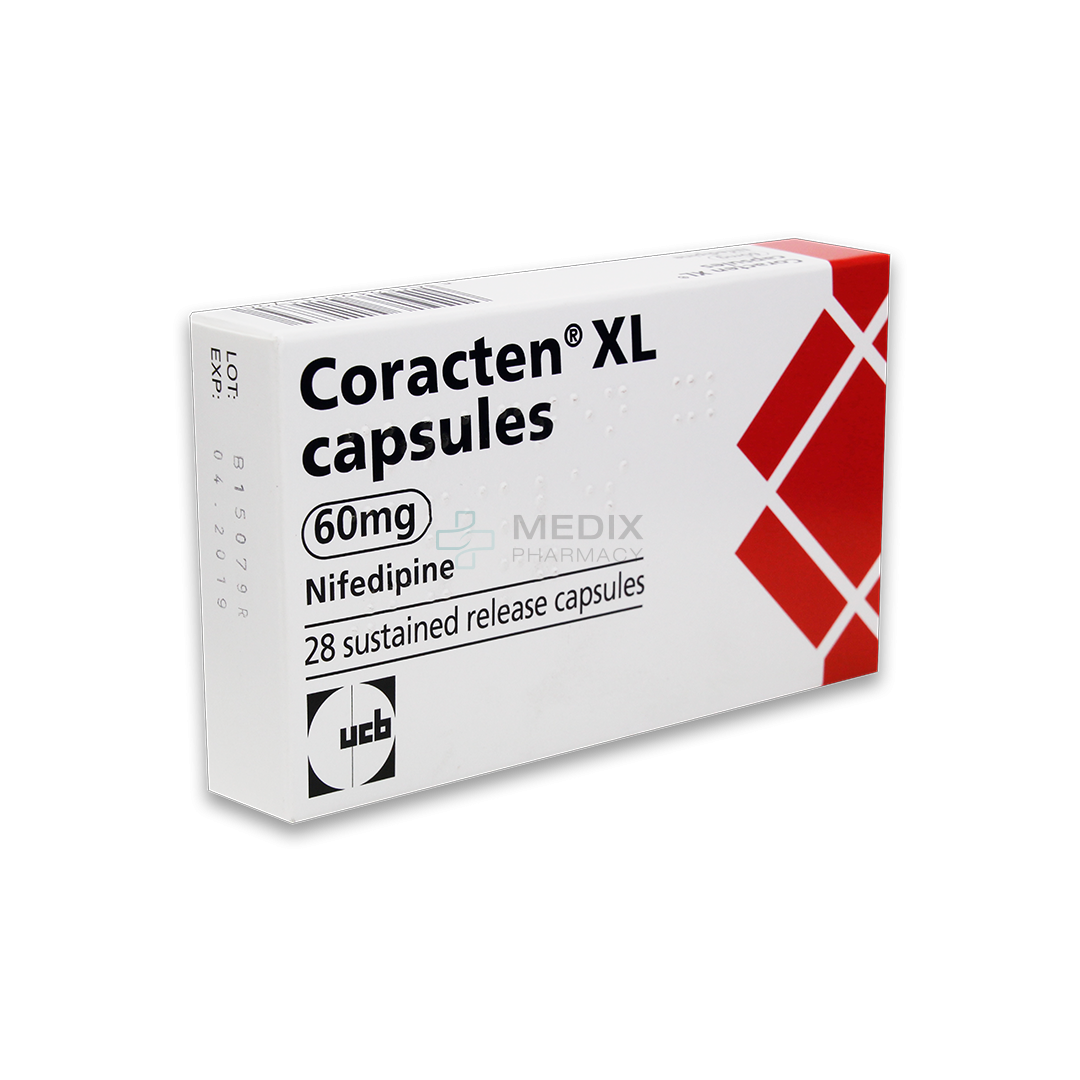
Nifedipine
Cardura
About Heart & Blood Pressure
Understanding Hypertension and Cardiovascular Risk
You have hypertension when your blood pressure stays at or above 140/90 mmHg in the clinic. It is also hypertension when home or ambulatory monitoring averages at or above 135/85 mmHg.
(Ambulatory monitoring uses a device that checks your blood pressure over 24 hours.) High blood pressure is the leading risk factor for heart and blood vessel disease that you can change.
It causes about 50% of strokes and 25% of heart attacks in the UK.
How common it is: About 14.4 million adults in England have high blood pressure. Yet around 5.5 million do not know they have it.
Of those who are diagnosed, only 60% reach their target blood pressure. This gap is a major and preventable cause of heart disease and death.
Blood pressure classification (NICE 2019):
- Normal: below 120/80 mmHg
- Elevated: 120-139/80-89 mmHg (lifestyle changes recommended)
- Stage 1 hypertension: 140-159/90-99 mmHg (treat if there is organ damage, heart disease, a 10-year QRISK3 above 10%, or kidney disease)
- Stage 2 hypertension: 160/100 mmHg or above (medicine offered to everyone)
- Stage 3 (severe): 180/120 mmHg or above (you need same-day assessment)
Organ damage from long-term high blood pressure includes:
- Heart: A thickened heart muscle (left ventricular hypertrophy), heart failure, and coronary artery disease
- Brain: Stroke from a blocked or burst blood vessel, and vascular dementia
- Kidneys: Hypertensive nephrosclerosis (kidney scarring) and faster decline in chronic kidney disease
- Eyes: Hypertensive retinopathy, with pinched eye blood vessels (arteriovenous nipping) and small bleeds
- Arteries: A bulge in the main artery (aortic aneurysm) and poor blood flow to the limbs
The link between blood pressure and heart risk is steady and graded. The higher the pressure, the higher the risk.
Every 10 mmHg drop in the top number lowers stroke risk by 27%, heart failure by 28%, coronary events by 20%, and death from any cause by 13%.
This comes from a review of more than 600,000 people published in The Lancet.
Essential (primary) hypertension makes up 90-95% of cases. It is driven by your genes acting together with dietary salt, excess weight, alcohol, and lack of exercise.
Secondary hypertension (5-10%) has a clear cause.
These include narrowed kidney arteries (renal artery stenosis), an adrenal hormone problem (primary aldosteronism), a rare adrenal tumour (phaeochromocytoma), and Cushing's syndrome.
Suspect it in young patients, in hypertension that resists treatment, or when severe high blood pressure starts suddenly.
First-Line Antihypertensive Medications
NICE guideline NG136 sets out a clear plan for choosing blood pressure medicine. The choice is based on age and ethnicity, because the cause of high blood pressure differs between groups.
Step 1 treatment:
- Under 55 years, not of Black African or Caribbean background: ACE inhibitor or ARB
- 55 years and over, or Black African or Caribbean of any age: Calcium channel blocker
ACE inhibitors (ramipril, lisinopril, enalapril, perindopril) block the change of angiotensin I into angiotensin II. This relaxes blood vessels and lowers the salt-holding hormone aldosterone.
Ramipril 1.25-10 mg once daily is the one prescribed most often. ACE inhibitors also cut protein loss in the urine and slow chronic kidney disease.
This makes them the first choice for people with diabetes or kidney disease.
Key points to keep in mind:
- A dry cough happens in 10-15% of patients because a substance called bradykinin builds up. If it is too troublesome, switch to an ARB.
- They can raise blood potassium (hyperkalaemia). Check the level, especially with potassium-sparing diuretics or kidney disease.
- Do not use in pregnancy (it can harm the baby) or when both kidney arteries are narrowed (bilateral renal artery stenosis).
- Check kidney function (eGFR and potassium) before starting, at 1-2 weeks, and after each dose change.
ARBs (losartan, candesartan, irbesartan, valsartan) block the angiotensin II receptor directly. They work as well as ACE inhibitors but do not cause the cough.
This makes them the standard alternative. Candesartan 8-32 mg daily and losartan 50-100 mg daily are widely used.
Calcium channel blockers (CCBs) relax blood vessels. Amlodipine 5-10 mg daily is the most prescribed CCB in the UK.
It widens the small arteries, which lowers the resistance the heart pumps against. CCBs do not affect blood sugar or cholesterol, and they do not need kidney monitoring.
CCB side effects include:
- Ankle swelling (10-30%, more likely at higher doses). Water tablets do not help it, but it eases if combined with an ACE inhibitor or ARB.
- Flushing and headache (usually short-lived)
- Overgrown gums (rare, more common with nifedipine)
Step 2: Combine an ACE inhibitor or ARB with a CCB. (Add a thiazide-like diuretic instead if the CCB is not tolerated.)
Step 3: ACE inhibitor or ARB, plus a CCB, plus a thiazide-like diuretic (indapamide 1.5 mg MR or bendroflumethiazide 2.5 mg)
Step 4 (resistant hypertension): Add spironolactone 25 mg if potassium is 4.5 mmol/L or below. If not, add an alpha-blocker (doxazosin) or a beta-blocker (bisoprolol).
Consider a referral to a specialist.
Most blood pressure medicines reach their full effect within 4-6 weeks. NICE recommends a review at this point to adjust the dose.
Blood Pressure Monitoring at Home
NICE backs home blood pressure monitoring (HBPM) as the best way to confirm a diagnosis and check how well treatment works. Ambulatory blood pressure monitoring (ABPM) is the other option.
Clinic readings can be too high because of the white-coat effect (raised readings caused by anxiety), which affects 15-30% of patients.
They can also miss masked hypertension (normal in the clinic but high at home) in 10-15% of patients.
How to measure blood pressure correctly at home:
- Use a validated upper-arm monitor. Check the British and Irish Hypertension Society list of approved devices.
- Sit quietly for 5 minutes first. Keep your feet flat on the floor and rest your arm at heart level.
- Use the right cuff size. A standard cuff fits an arm of 22-32 cm; a large cuff fits 33-42 cm.
- Take two readings 1 minute apart, and write down both.
- Measure in the morning (before your medicine) and in the evening, for at least 4 days, ideally 7.
- Throw away the first day's readings and average the rest.
What the numbers mean:
- Home average below 135/85 mmHg: at target
- Home average 135/85 mmHg or above: above target, so treatment needs adjusting
- Home readings always below 120/75 mmHg on medicine: think about lowering the dose to avoid over-treatment
When monitoring matters most:
- At diagnosis: NICE asks for ABPM or HBPM to confirm hypertension before starting treatment (except in stage 3 or rapidly rising hypertension)
- After you start or change a medicine: monitor weekly for the first month, then monthly until steady
- Suspected white-coat hypertension: clinic readings high but home readings normal
- Suspected masked hypertension: normal clinic readings but signs of organ damage
- Resistant hypertension: to check the blood pressure is truly uncontrolled and not just the white-coat effect
Common mistakes:
- Measuring right after exercise, caffeine, or smoking, which all raise blood pressure for a short time
- Using wrist monitors, which are less accurate and sensitive to position
- Using the wrong cuff size. A cuff that is too small reads too high; one that is too large reads too low.
- Measuring over clothing, which can add up to 50 mmHg of error
Dr. Presc asks for home blood pressure readings, or recent readings taken by your GP, as part of the consultation for blood pressure prescriptions.
This makes sure decisions rest on accurate, typical readings rather than a single clinic value.
Lifestyle Modifications That Lower Blood Pressure
Changes that do not involve medicine are the base of blood pressure care at every stage.
NICE recommends lifestyle measures for everyone with raised blood pressure, whether or not they also take medicine. Together, several changes can lower the top number by 20-30 mmHg.
That is as much as two or three blood pressure tablets.
Cutting salt is the most effective change to your diet. The UK average is 8-9 g of salt a day.
Cutting this to the recommended 6 g a day (about one teaspoon of salt) lowers the top number by 4-5 mmHg in people with high blood pressure.
About 75% of the salt we eat comes from processed food, not from the salt pot. Reading labels and cutting back on ready meals, bread, cheese, and processed meats helps the most.
The DASH diet (Dietary Approaches to Stop Hypertension) lowers the top number by 8-14 mmHg. The main parts are:
- 8-10 servings of fruit and vegetables a day
- Low-fat dairy products
- Less saturated fat and less total fat
- Whole grains, nuts, and pulses
- Limited red meat and added sugar
Physical activity: 150 minutes a week of moderate aerobic exercise (brisk walking, cycling, swimming) lowers the top number by 5-8 mmHg.
Isometric resistance training (such as wall sits and handgrip exercises) works especially well.
Recent reviews show an 8-10 mmHg drop in the top number, which may make it the single most effective type of exercise for lowering blood pressure.
Weight loss: Each 1 kg of weight you lose lowers the top number by about 1 mmHg. For someone who is 20 kg overweight, that means a possible 20 mmHg drop.
This is often enough to avoid or reduce medicine.
Less alcohol: Keeping intake under 14 units a week lowers the top number by 3-4 mmHg. Heavy drinking (above 30 units a week) is linked to twice the rate of high blood pressure.
More measures you can take:
- A diet rich in potassium (bananas, potatoes, spinach, avocados) lowers blood pressure by 2-4 mmHg. Avoid this if you have chronic kidney disease, or if you take an ACE inhibitor or ARB and your potassium is high.
- Stress relief through mindfulness, yoga, or planned relaxation gives a small but steady benefit of 2-5 mmHg
- Caffeine raises blood pressure briefly, but regular users build up tolerance. There is no need to cut out moderate amounts.
- Sleep matters: treating obstructive sleep apnoea with CPAP lowers night-time and daytime blood pressure by 3-6 mmHg
Ongoing Management and Safety Monitoring
Blood pressure treatment usually lasts for life, and regular checks keep it safe and effective. NICE recommends planned follow-up for everyone on blood pressure medicine.
Follow-up schedule:
- After you start a medicine or change the dose: review blood pressure at 4-6 weeks
- Once at target: review every 6-12 months
- The yearly review covers blood pressure, kidney function (eGFR, potassium), a fresh look at heart risk (QRISK3), whether you are taking the medicine, and any side effects
Blood tests needed for monitoring:
- ACE inhibitors and ARBs: check potassium and eGFR at the start, 1-2 weeks after starting, and at each dose change. If eGFR falls by more than 25%, or potassium rises above 5.5 mmol/L, lower the dose or stop the medicine.
- Thiazide diuretics: check sodium, potassium, eGFR, urate, glucose, and HbA1c at the start and within 4-6 weeks
- Spironolactone: watch potassium and eGFR closely, as the risk of high potassium is real
Not taking medicine as prescribed is the most common reason blood pressure seems to resist treatment.
Studies that watch people take their tablets, or test urine for drug traces, show that 25-50% of people prescribed blood pressure medicine do not take it as directed.
- Keep things simple with once-daily dosing where possible
- Use combination pills (such as perindopril with amlodipine, or candesartan with amlodipine) to cut the number of tablets
- Explain that high blood pressure causes no symptoms. People feel the same whether or not it is controlled.
- Deal with side effects early. Ankle swelling with amlodipine and cough with ACE inhibitors are the main reasons people stop.
When to seek urgent advice:
- Blood pressure above 180/120 mmHg with symptoms (headache, sight problems, chest pain, breathlessness). Go to A&E straight away to be checked for rapidly rising hypertension.
- Signs of organ damage: new protein in the urine, falling kidney function, or bleeds at the back of the eye
- Suspected secondary hypertension: onset at a young age (under 40), sudden loss of control that was previously good, or low potassium with no water tablet to explain it
- Bad reactions to medicine: angioedema with an ACE inhibitor is rare but life-threatening. It shows as swelling of the lip or tongue, so seek emergency care.
Dr. Presc provides repeat blood pressure prescriptions for people with stable, established hypertension. Home blood pressure readings are needed for each renewal.
People with newly diagnosed or unstable hypertension are sent to their GP for an in-person check, blood tests, and ABPM.
Frequently Asked Questions
What blood pressure reading is considered high?
Can I stop blood pressure medication once my readings are normal?
Why do I need blood tests with ACE inhibitors?
What causes the dry cough with ramipril?
Should I take blood pressure tablets in the morning or evening?
How accurate are home blood pressure monitors?
The medical information on this site is provided for educational purposes. It does not replace a face-to-face consultation with your GP or specialist. Always follow the advice of your prescribing doctor and read the patient information leaflet supplied with your medication.