
Allergy Treatments
Allergies affect over 20% of the UK population, with hay fever being the most common. Prescription antihistamines and nasal sprays provide stronger relief than over-the-counter options. An online doctor can prescribe the most effective treatment for your symptoms.
Prescription antihistamines offer longer-lasting relief with fewer side effects
Steroid nasal sprays reduce inflammation and congestion
Immunotherapy may be considered for severe, persistent allergies
Identifying and avoiding triggers complements medication

Cialis
Avodart
Ozempic

Nuvaring
Xenical
Fluconazole
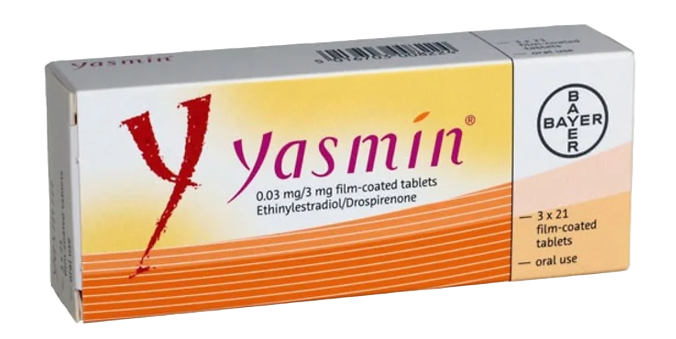
Yasmin
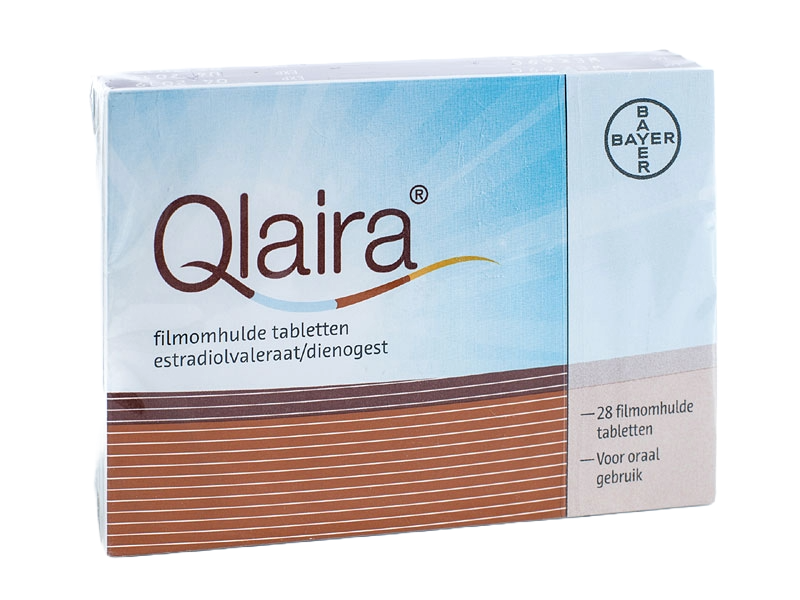
Qlaira
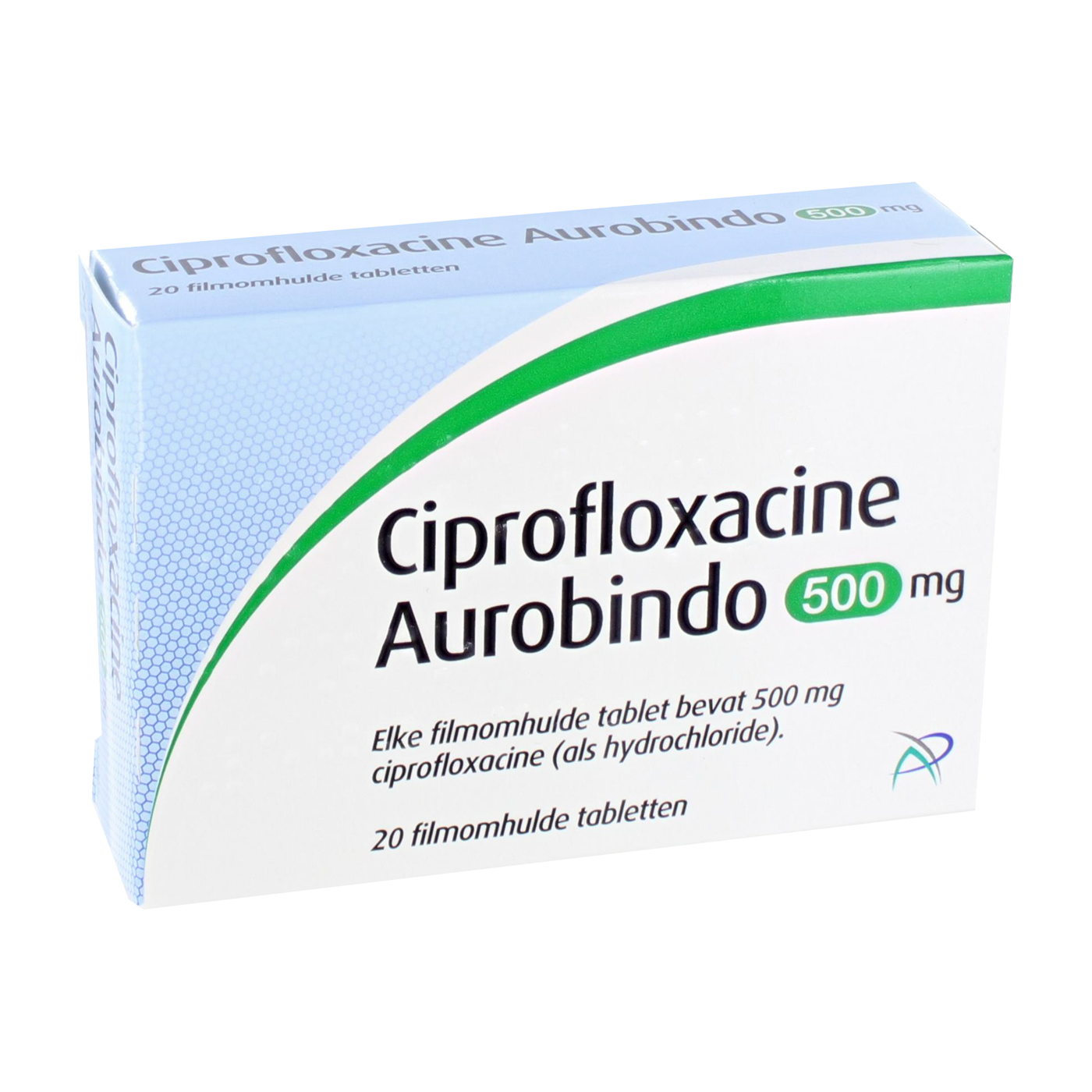
Ciprofloxacin
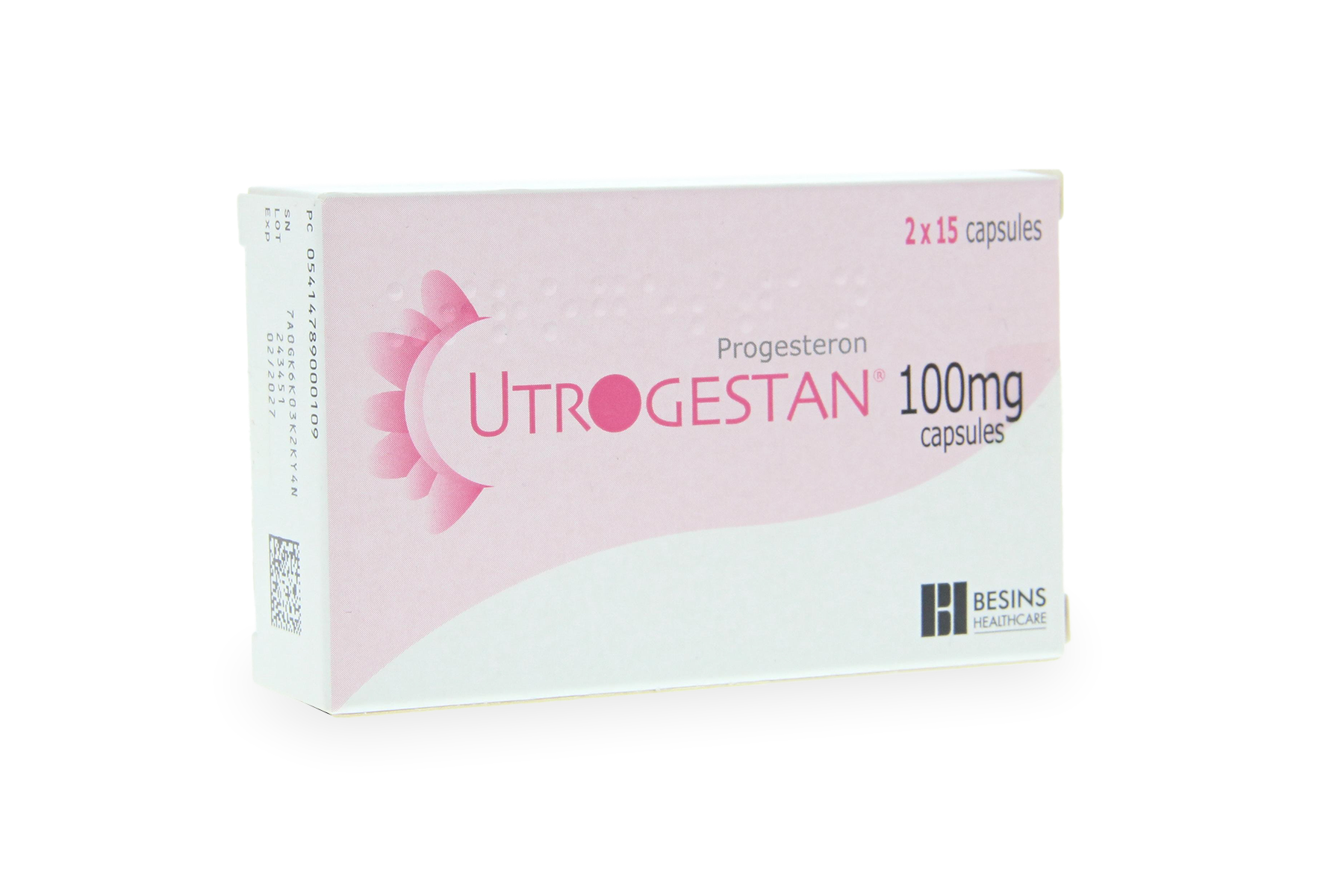
Utrogestan
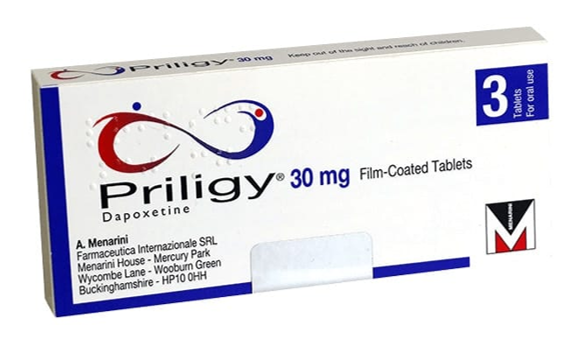
Priligy
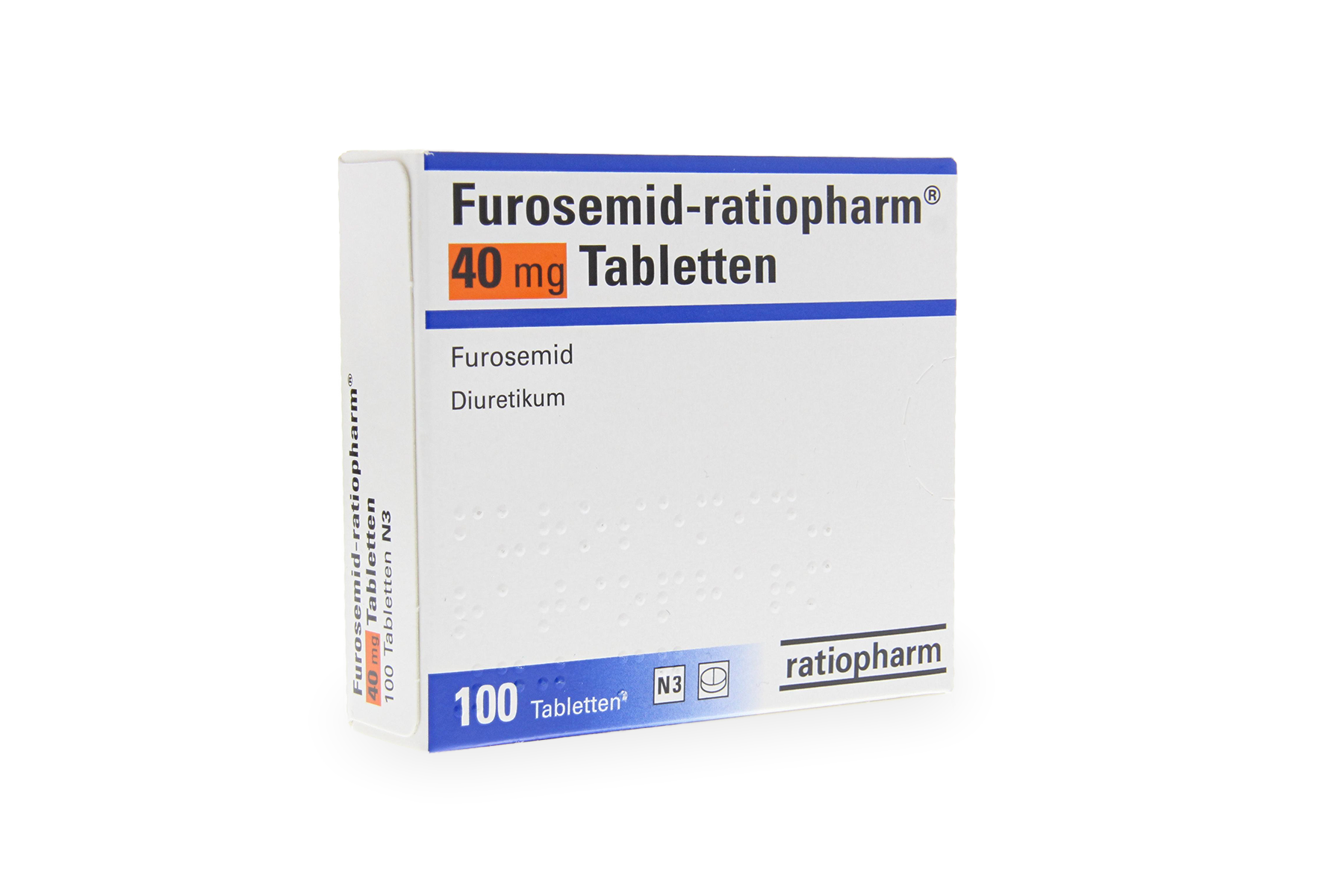
Furosemide
Omeprazole
Pantoprazole

Sildenafil
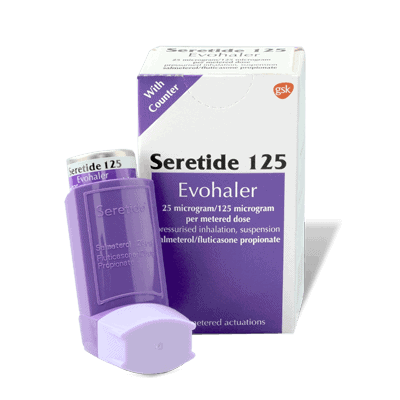
Seretide
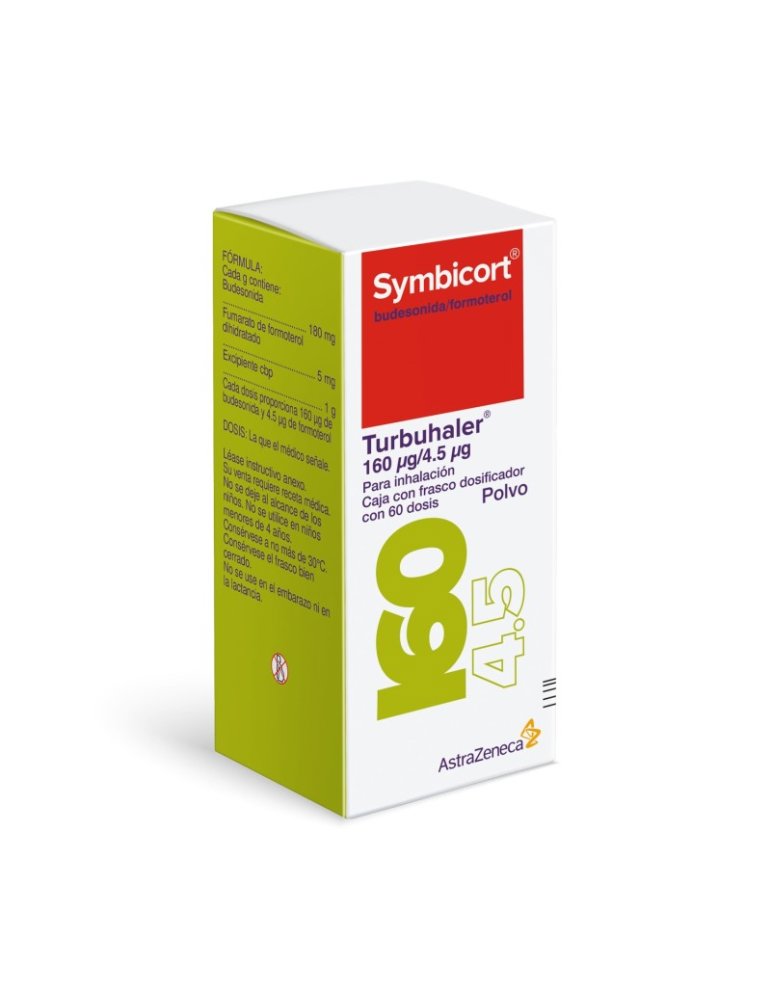
Symbicort Turbuhaler
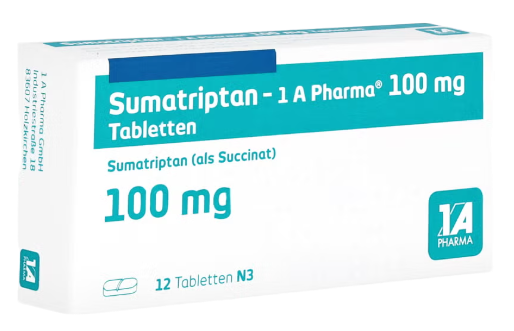
Sumatriptan
Betnovate
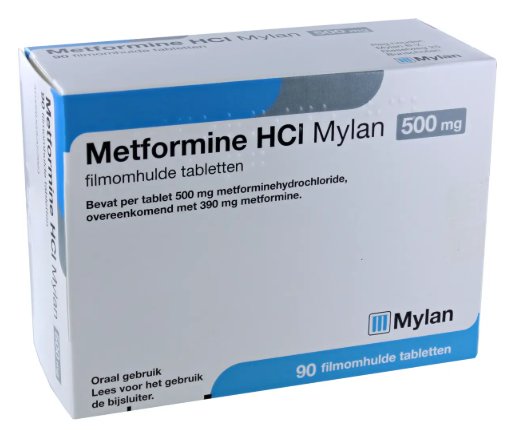
Metformin
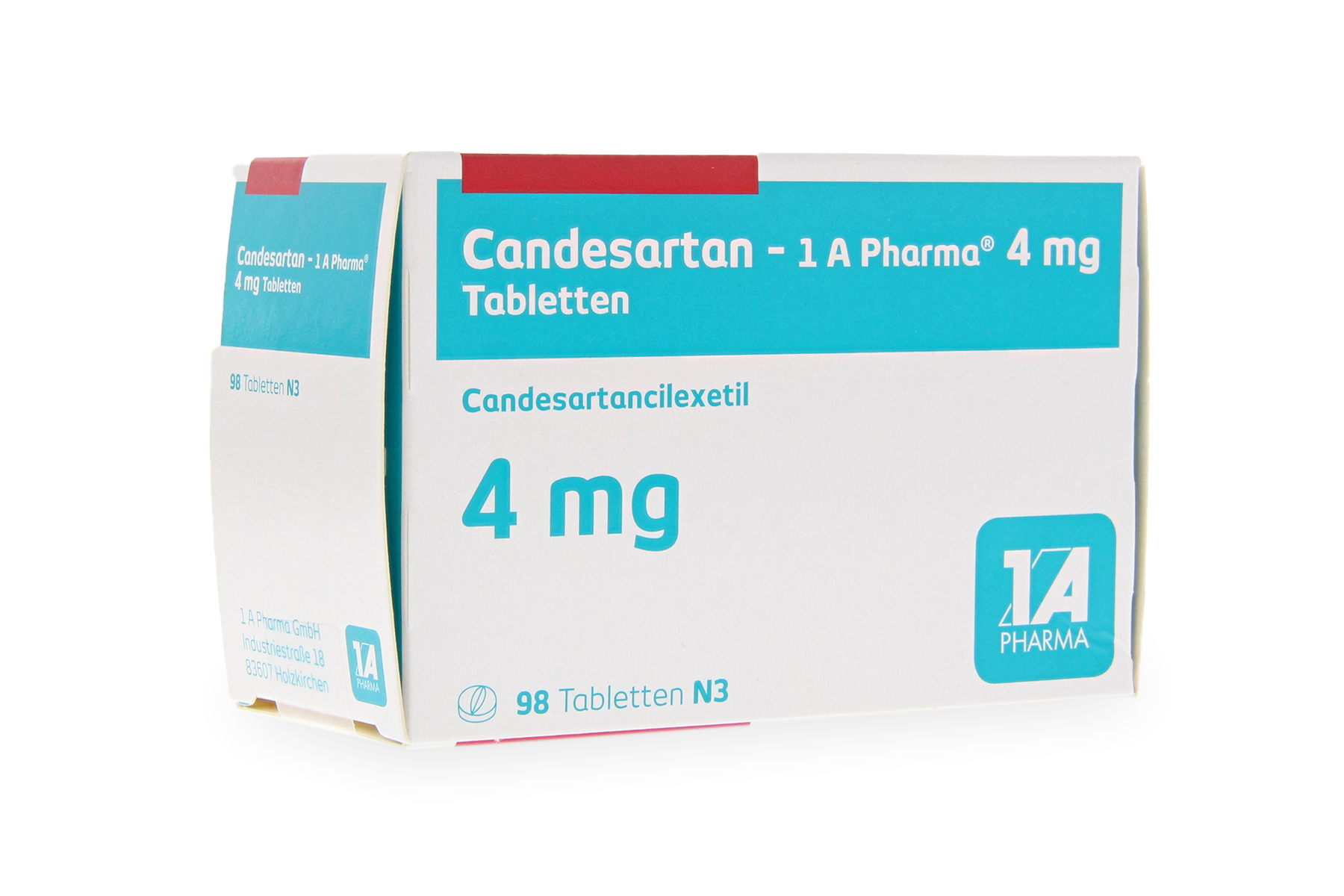
Candesartan
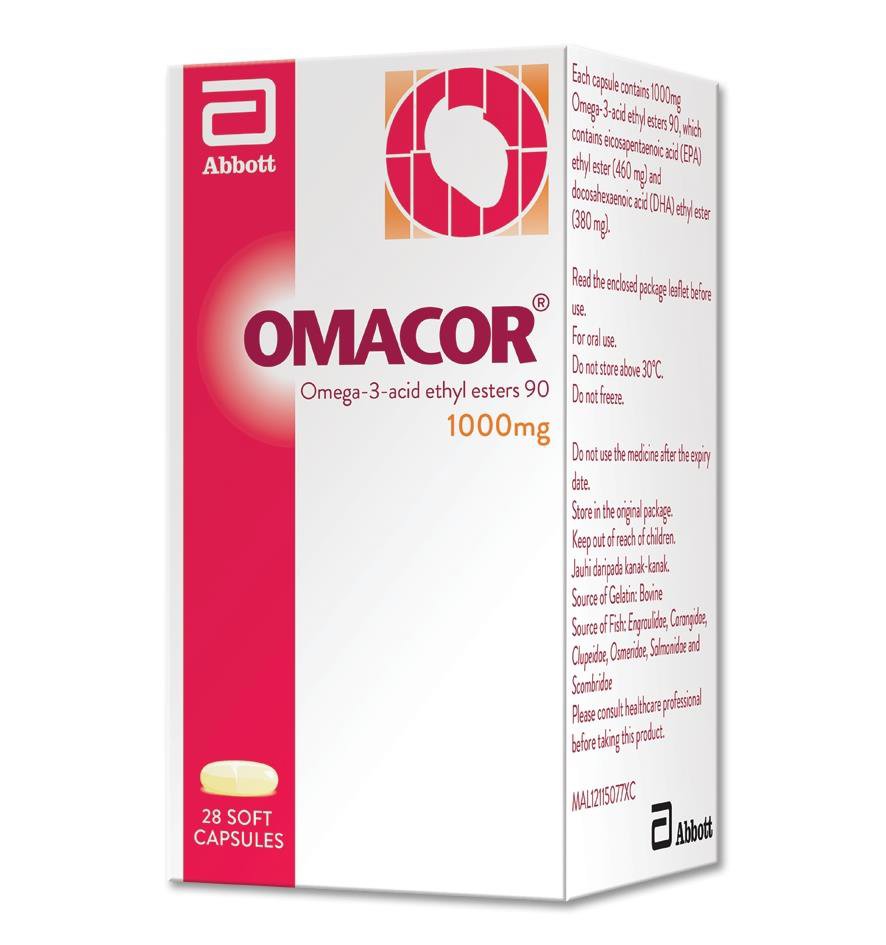
Omacor
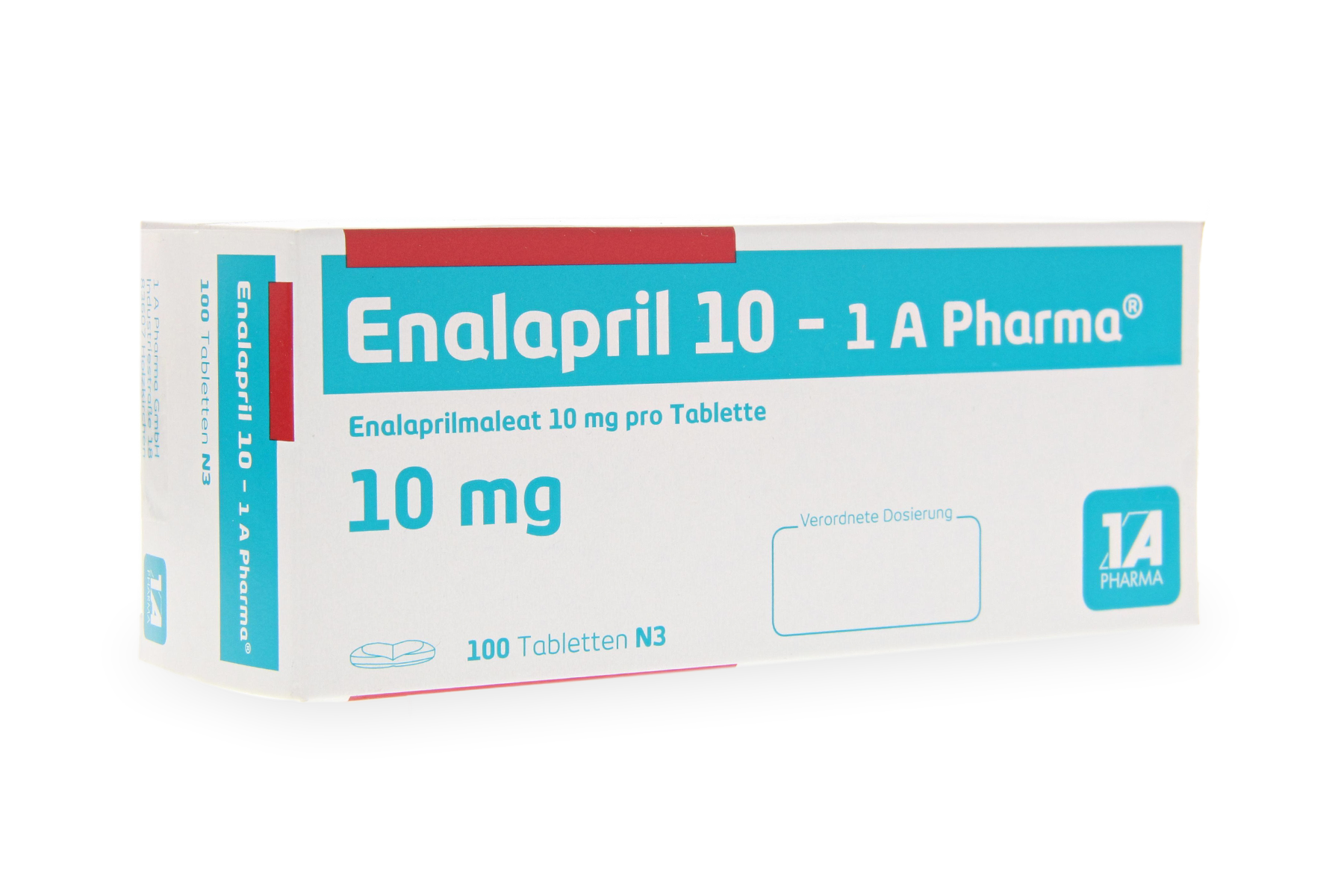
Enalapril
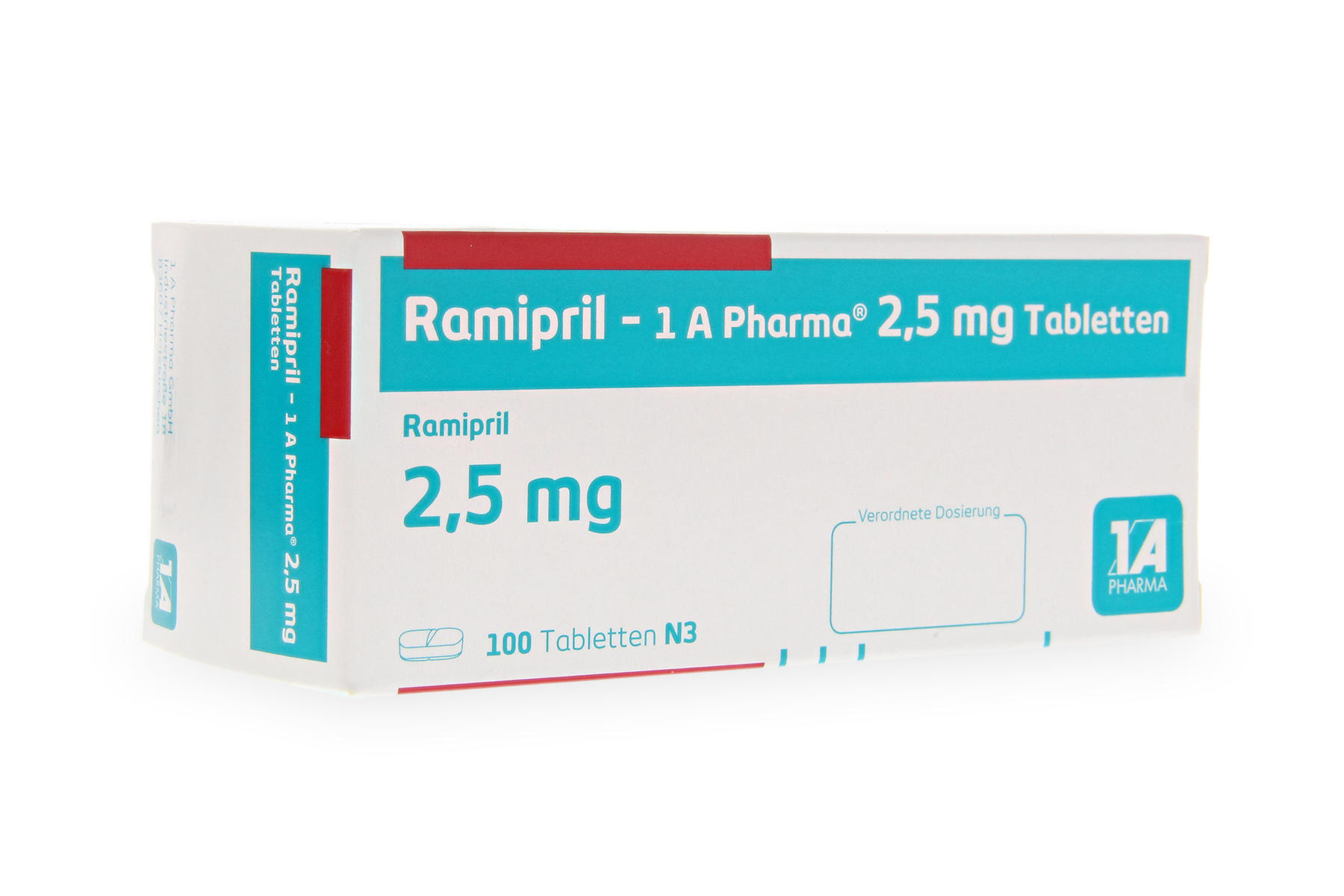
Ramipril
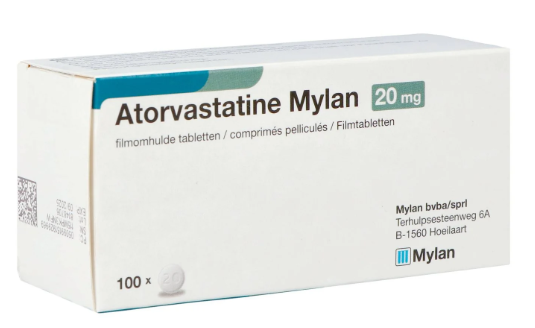
Atorvastatin
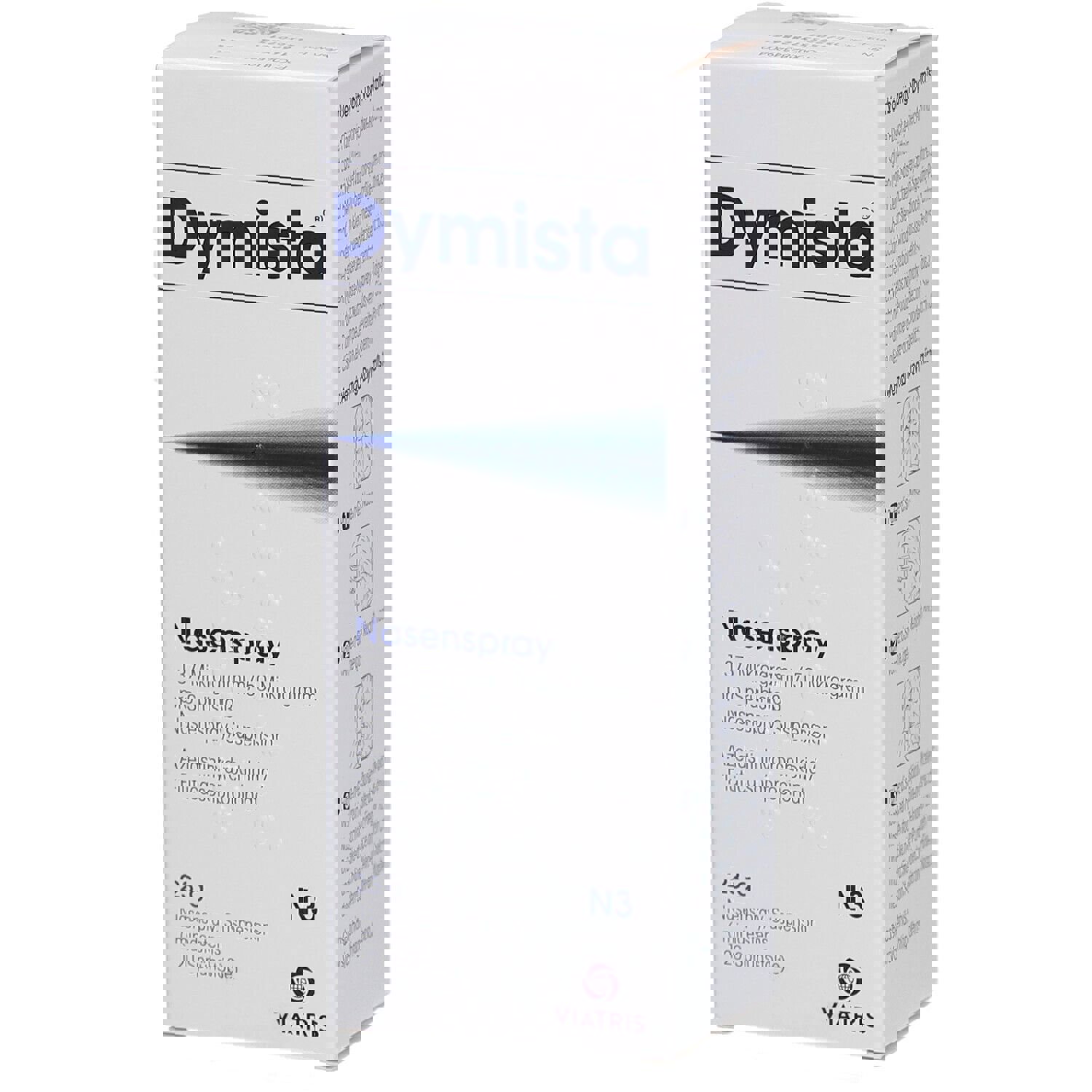
Dymista
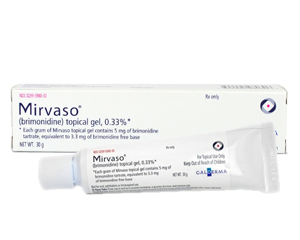
Mirvaso

Spedra
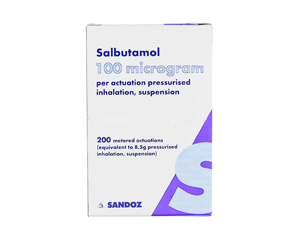
Salbutamol
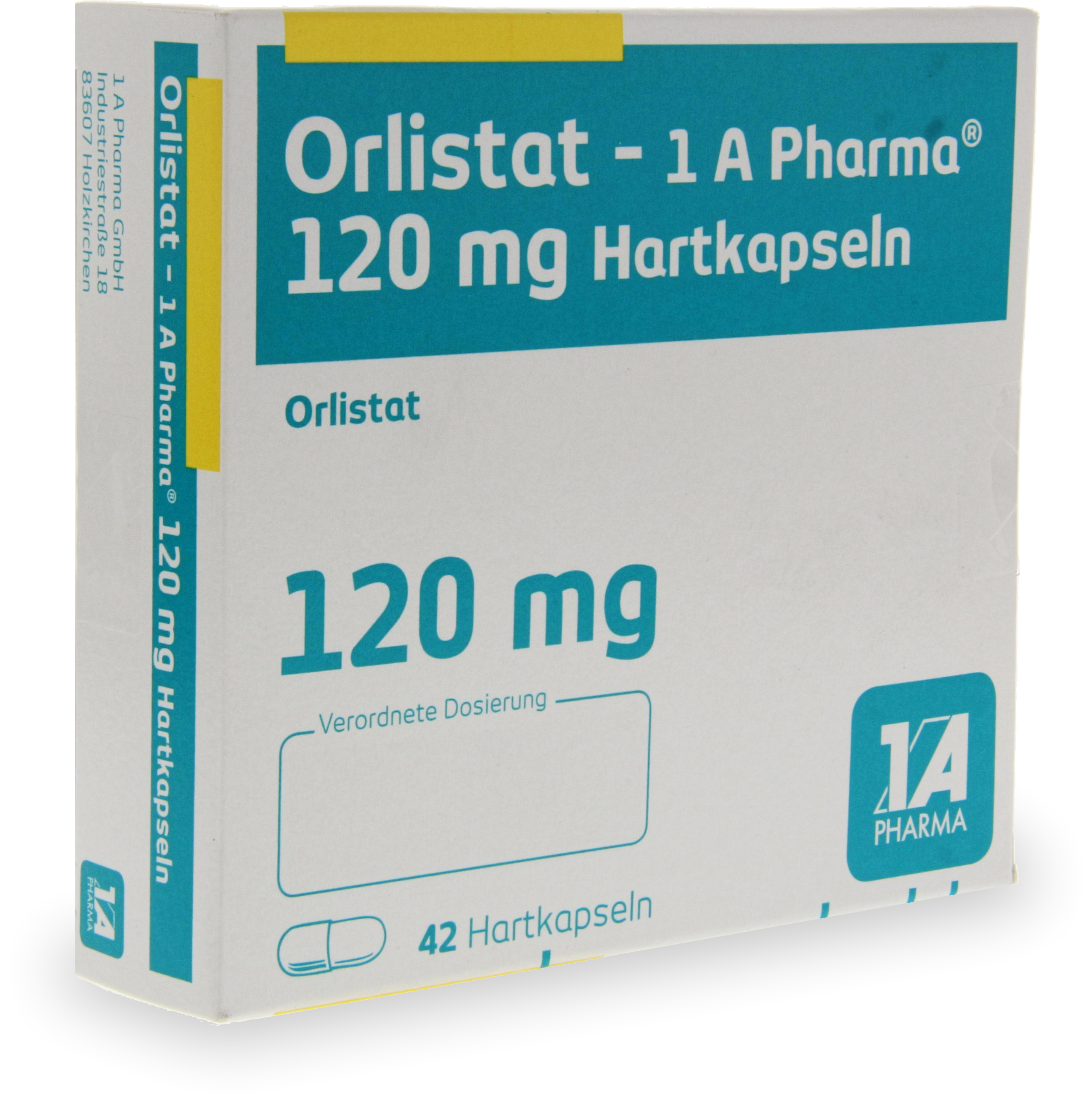
Orlistat

Vagifem
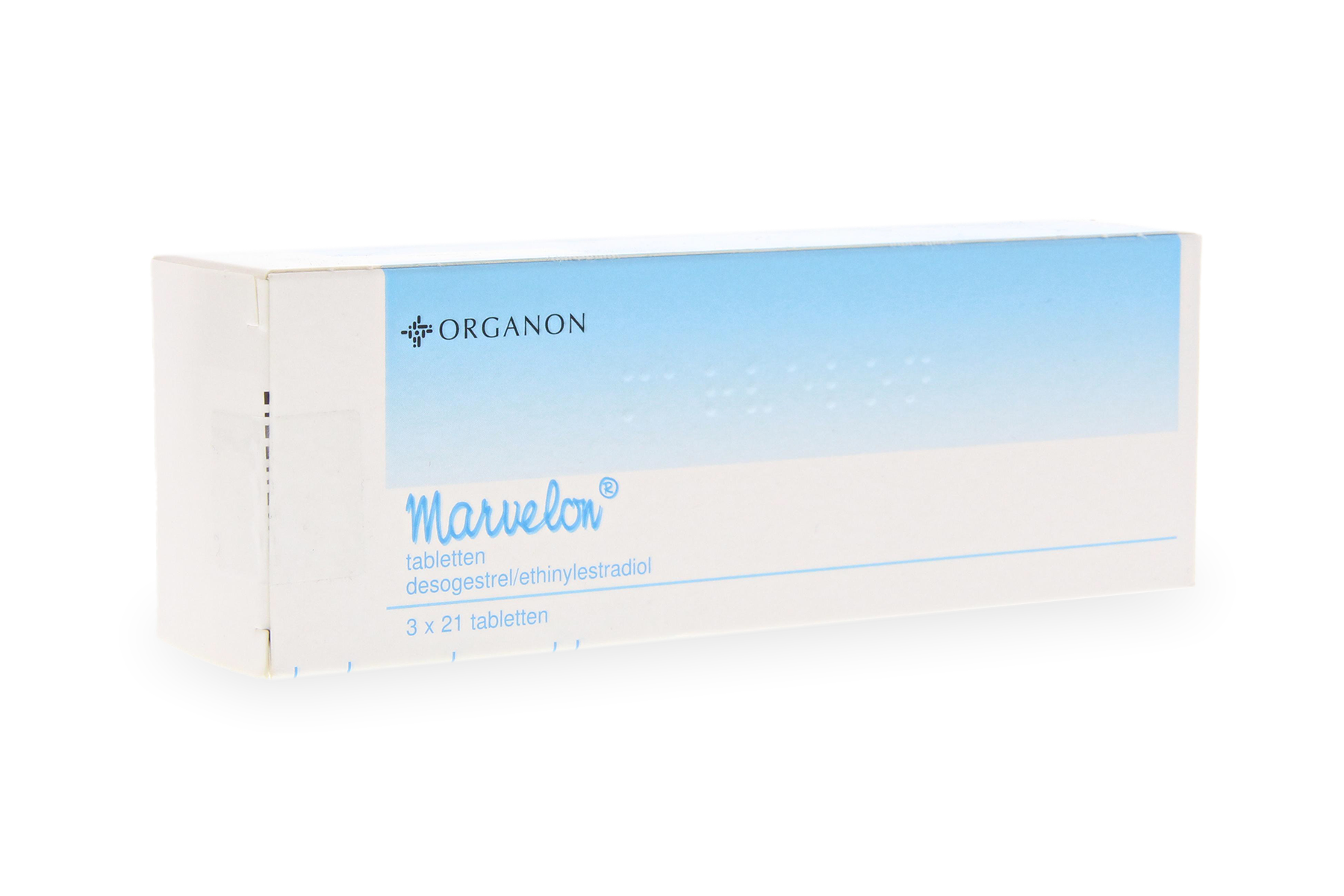
Marvelon
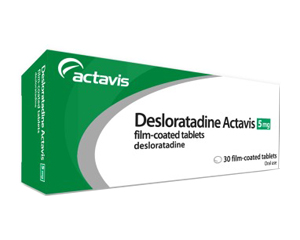
Desloratadine
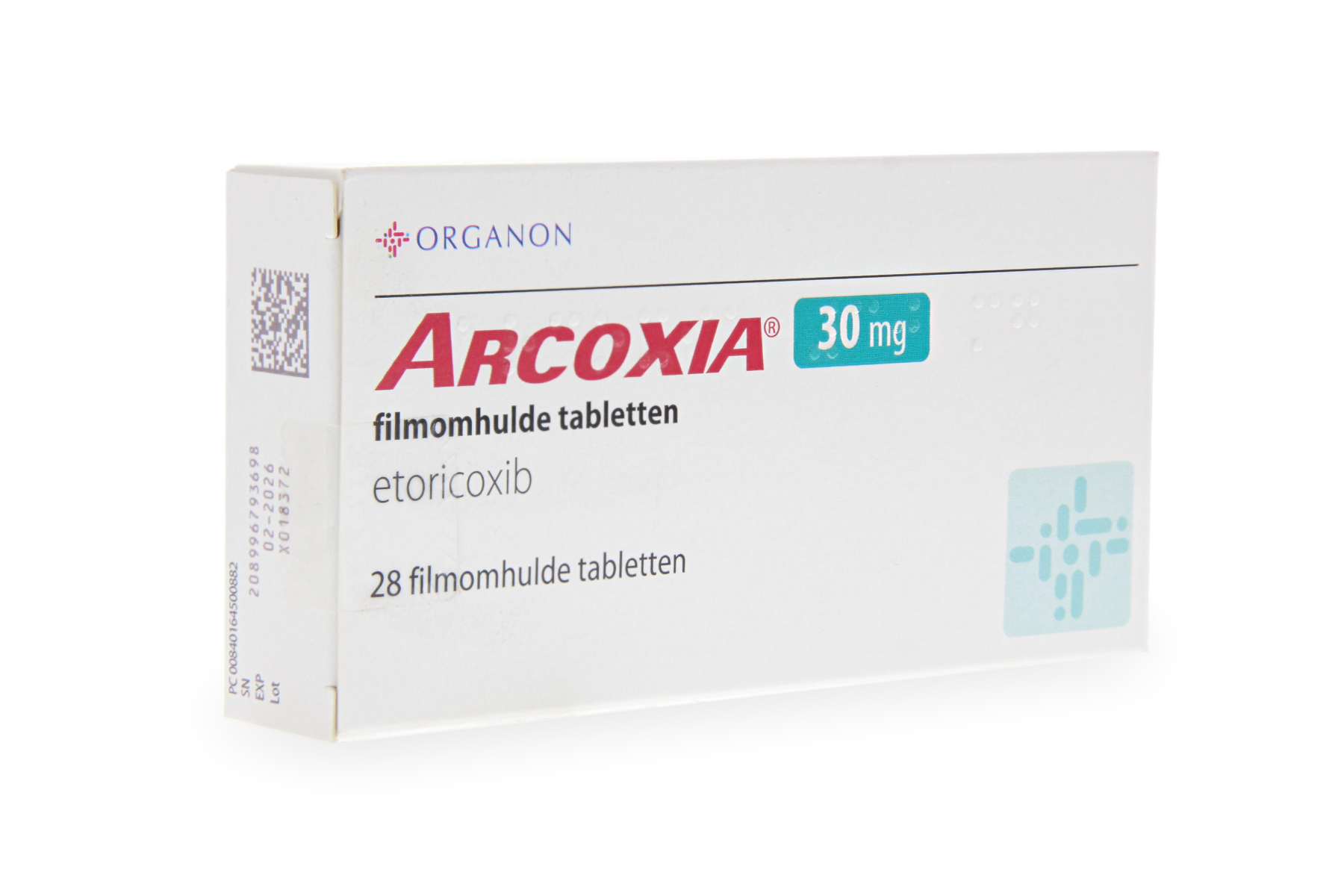
Arcoxia
Levothyroxine
Mercilon
Adenuric

Metoclopramide
Tadalafil

Valsartan
Spironolactone
Eliquis
Xarelto

Vardenafil
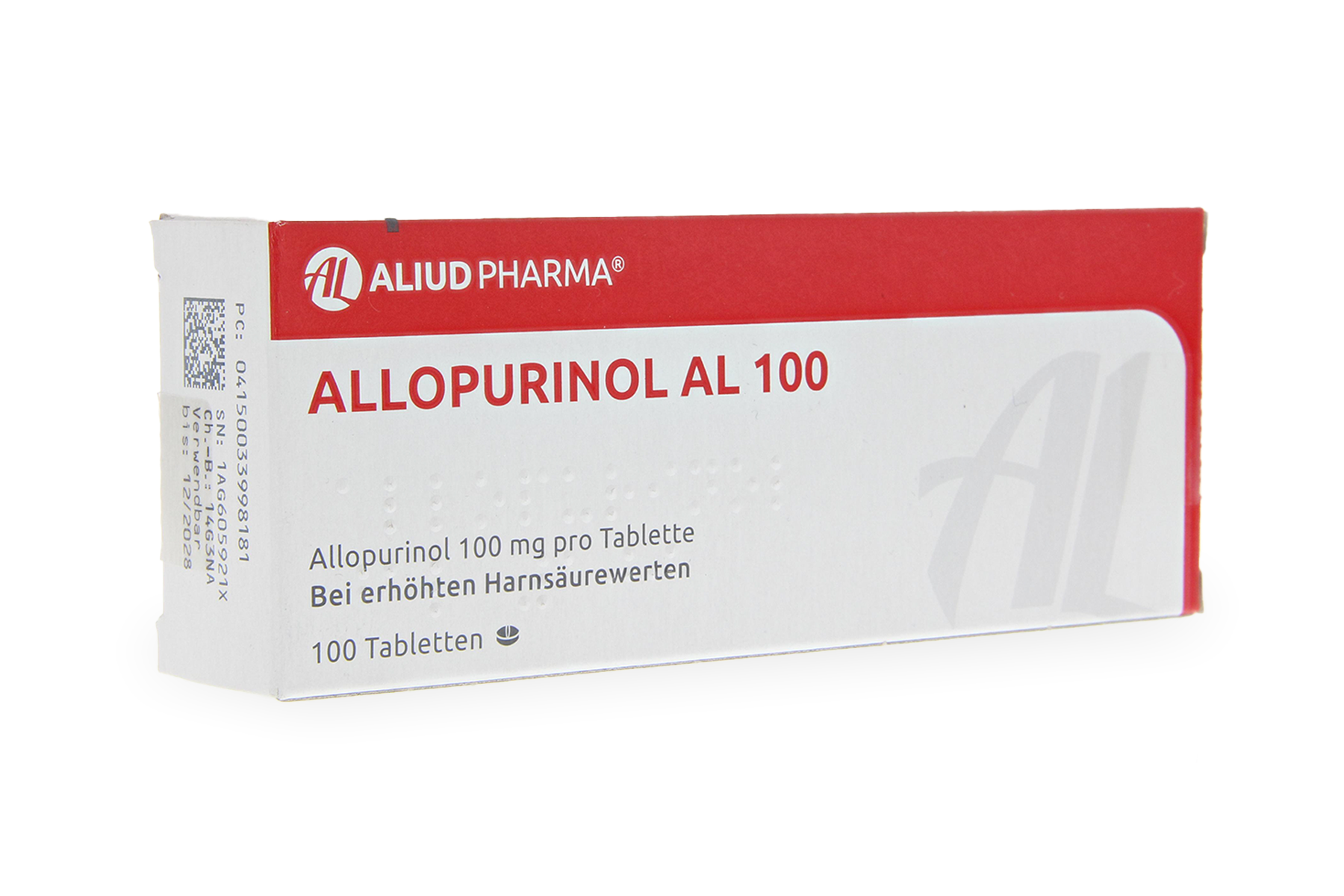
Allopurinol
Hydroxychloroquine
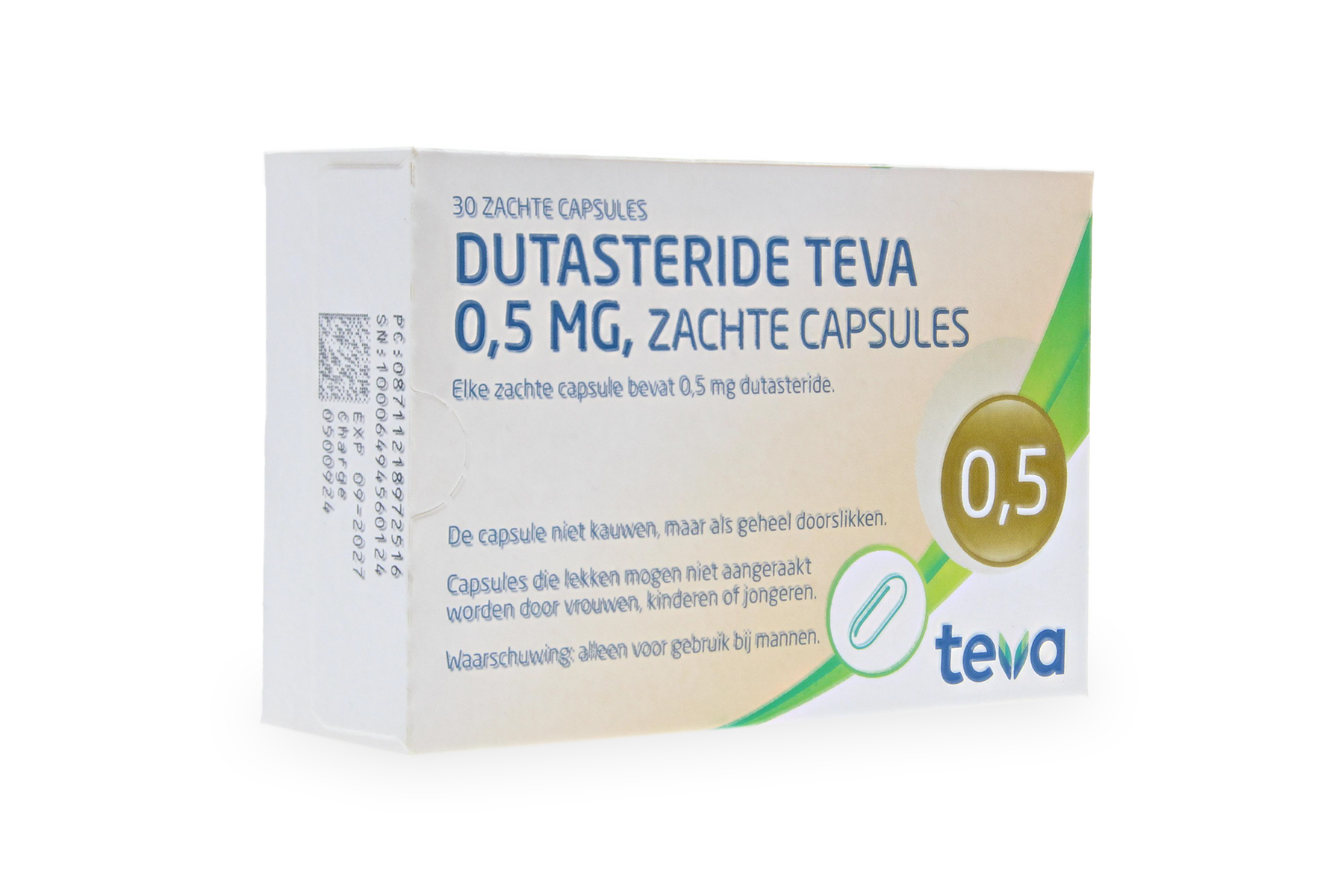
Dutasteride
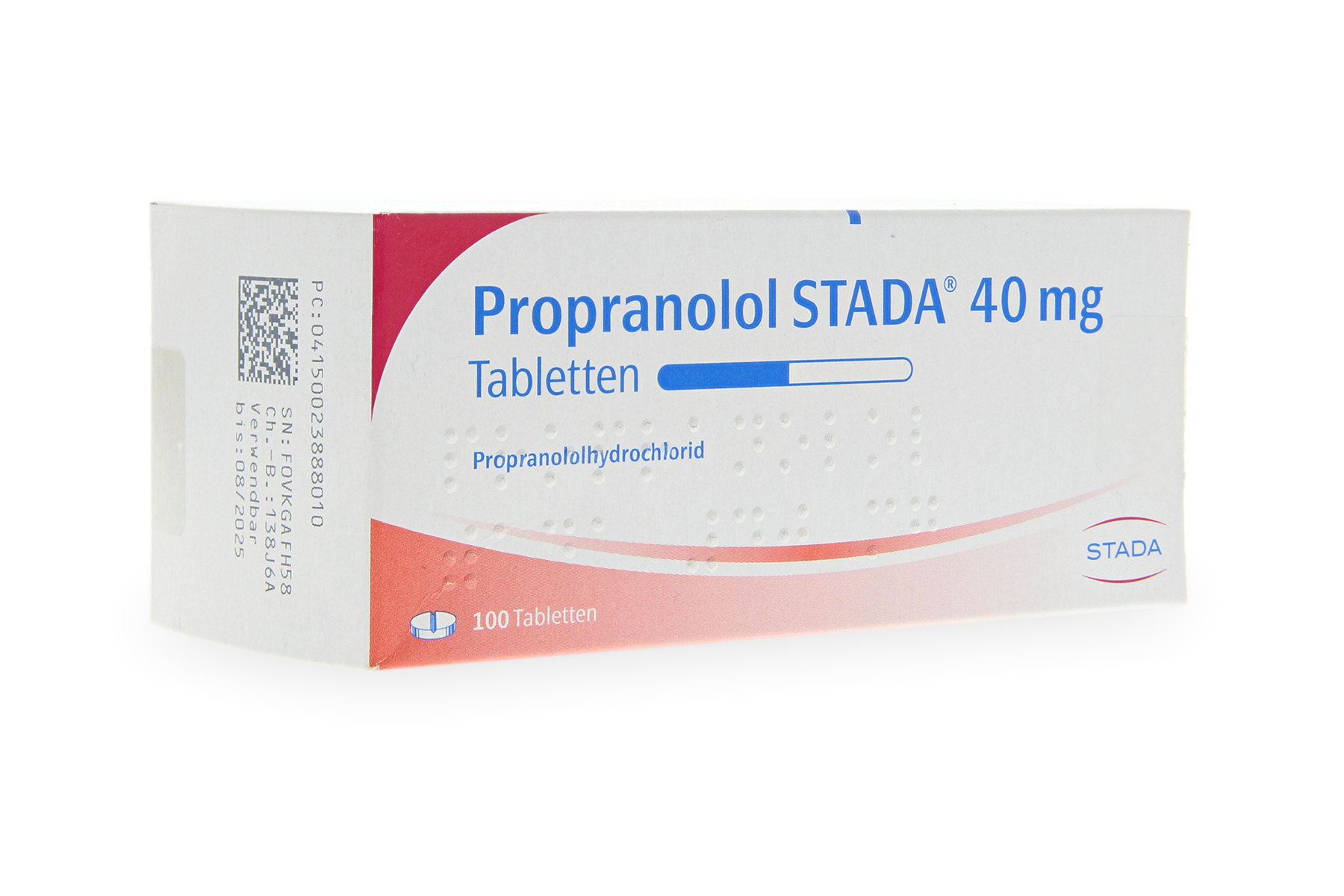
Propranolol

Wegovy
Circadin
Maxalt
Amlodipine
Evra Patches

Mounjaro
Dermovate
Cerazette

Viagra

Melatonin
Emla Cream
Naproxen
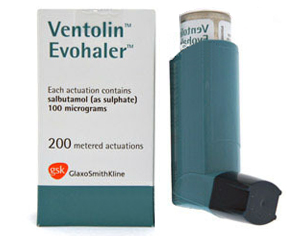
Ventolin

Bricanyl Turbohaler
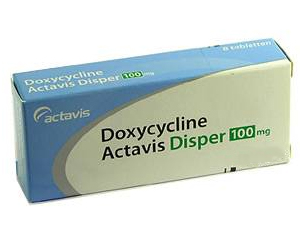
Doxycycline (Malaria)

Impotence Trial Pack

Microgynon 30
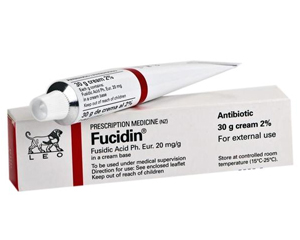
Fucidin
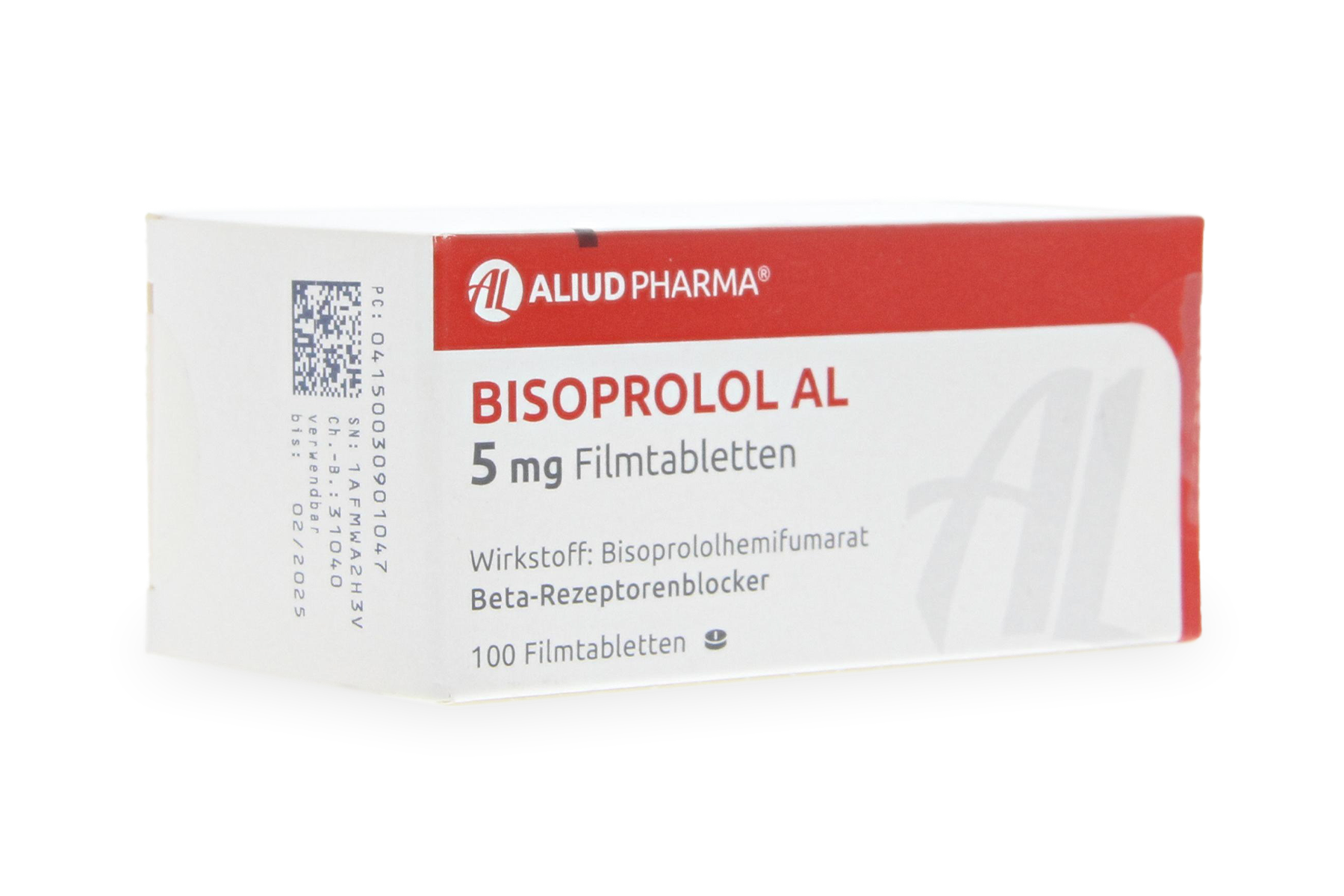
Bisoprolol
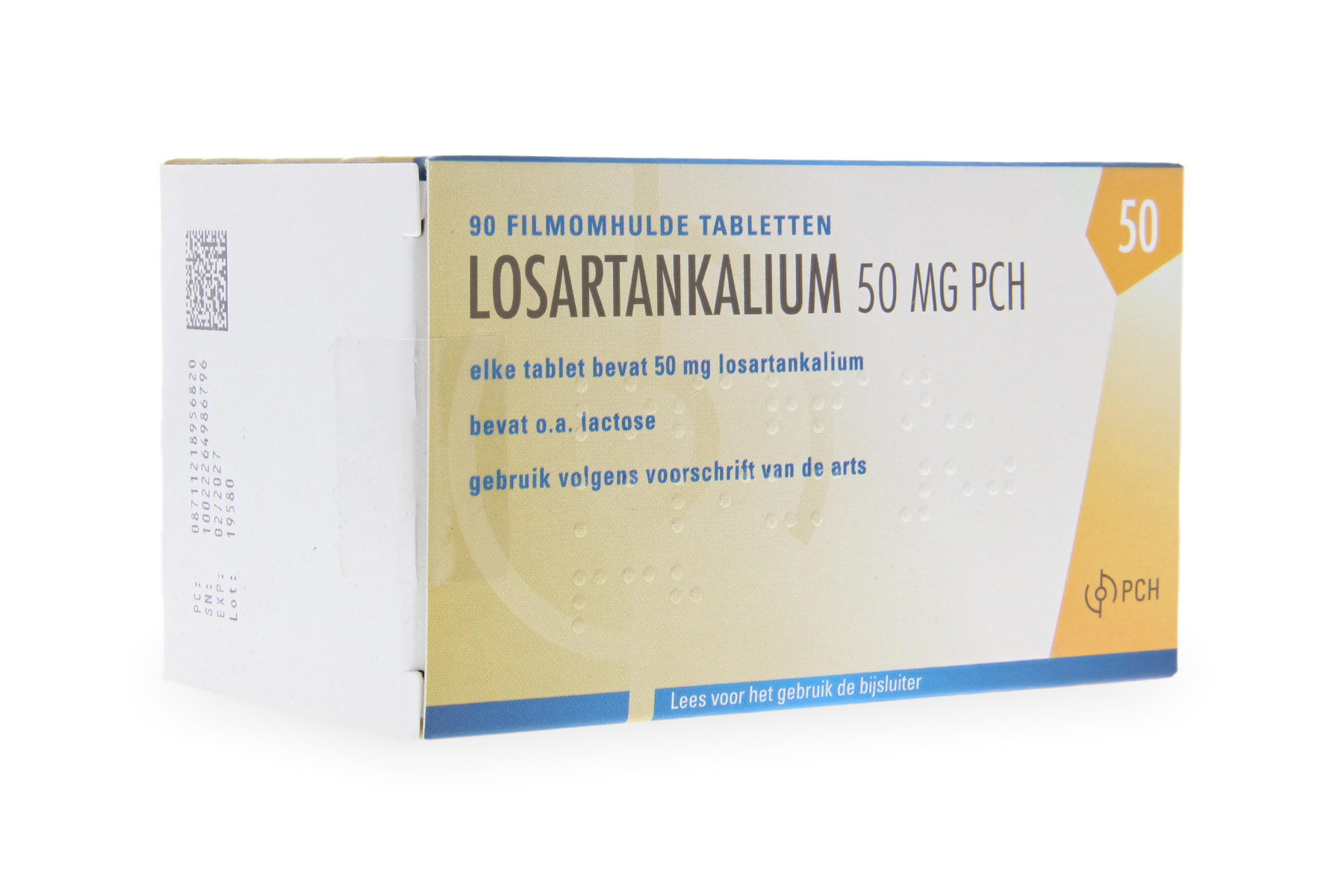
Losartan
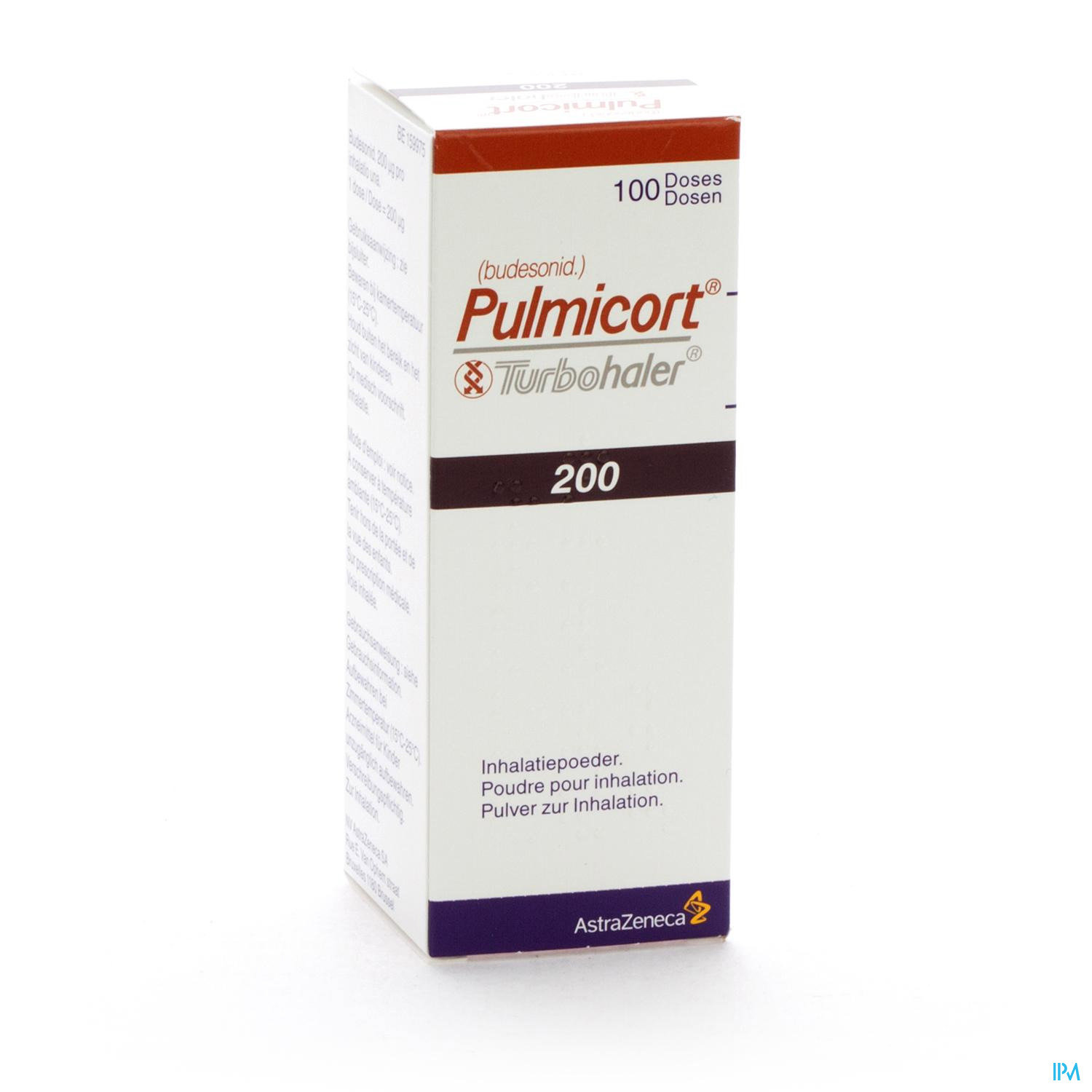
Pulmicort Turbohaler
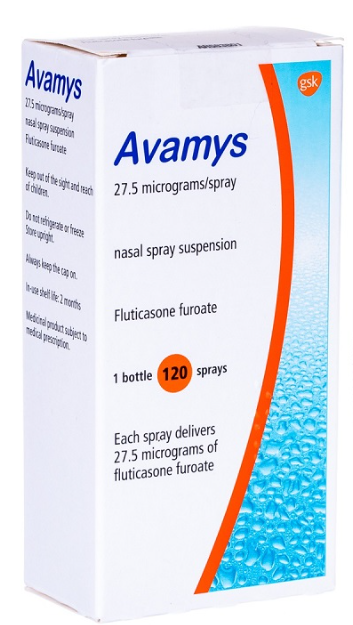
Avamys
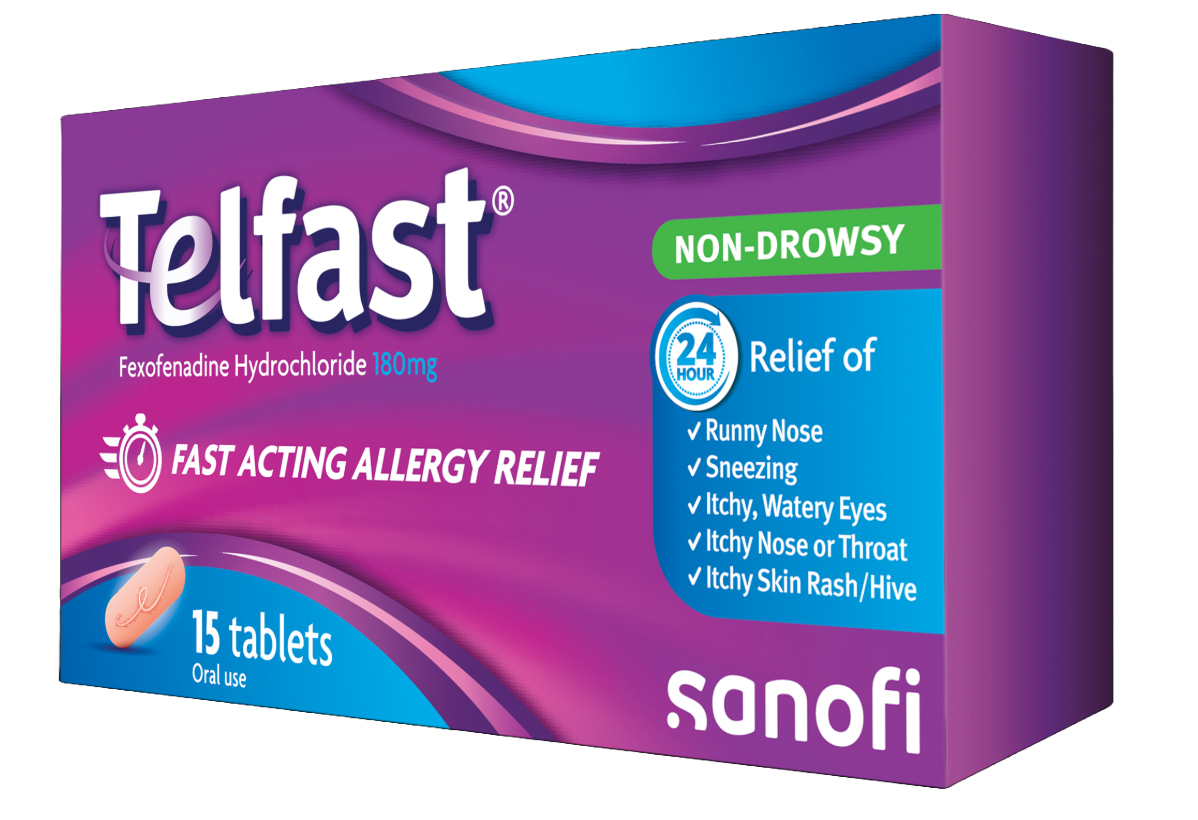
Telfast
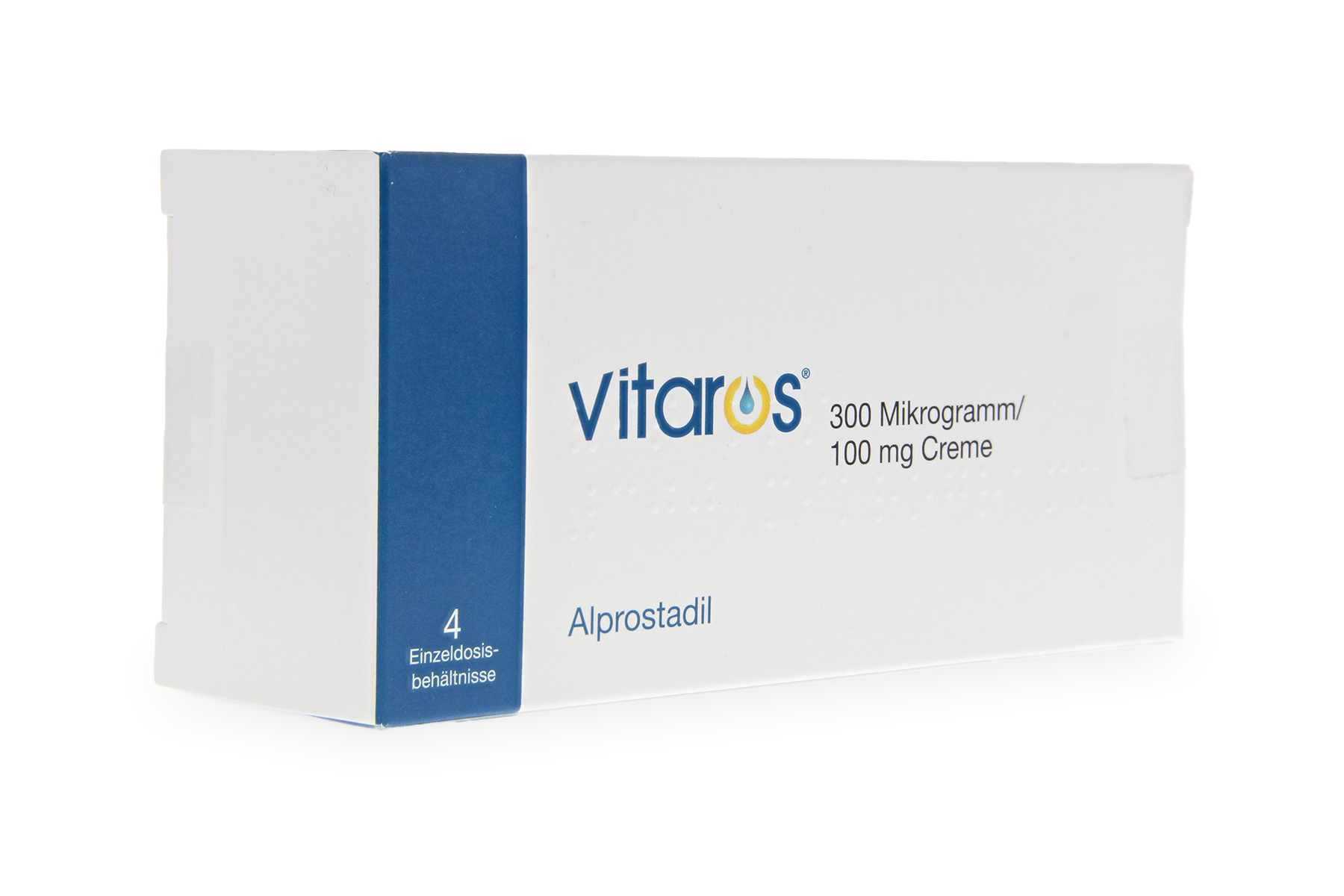
Vitaros

Zyloric
Kliovance
Bactroban
Elocon
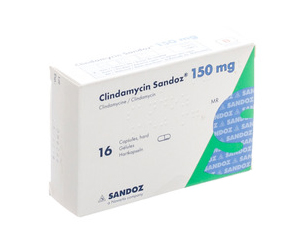
Clindamycin
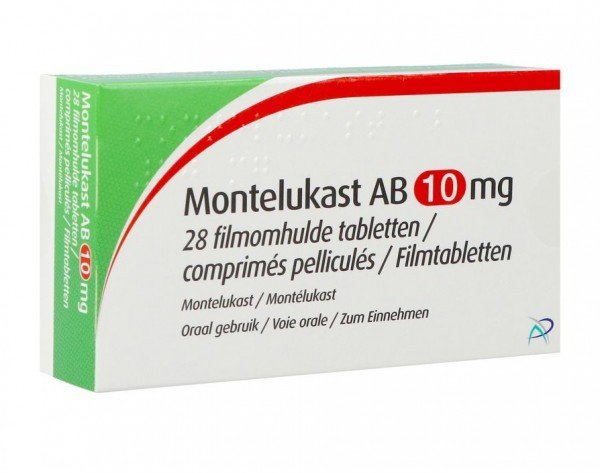
Montelukast
Aciclovir
Proscar

Differin
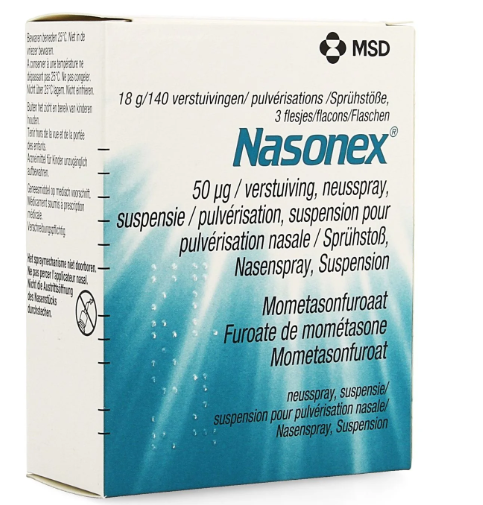
Nasonex Nasal Spray

Propecia
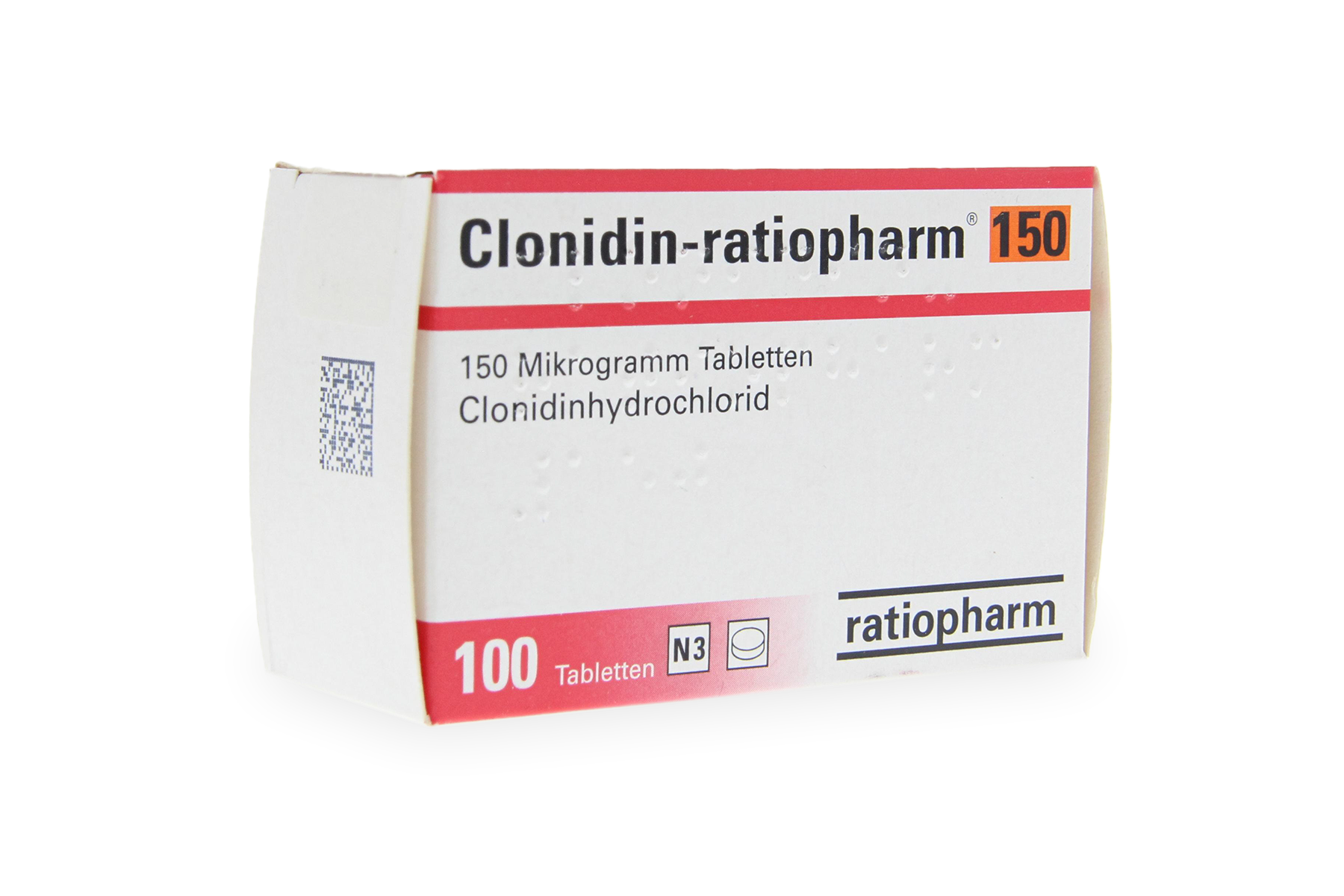
Clonidine
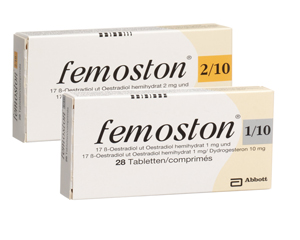
Femoston
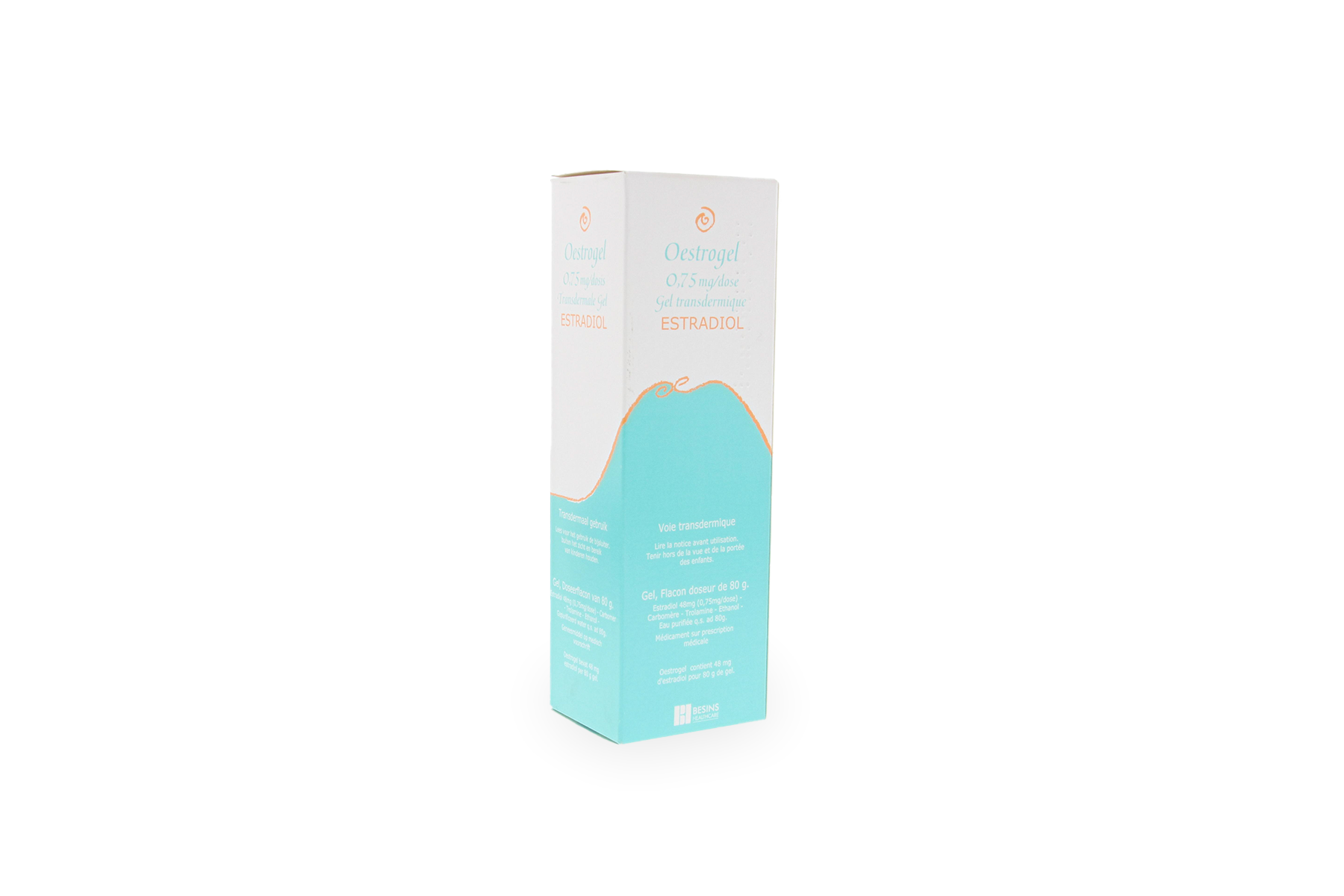
Oestrogel
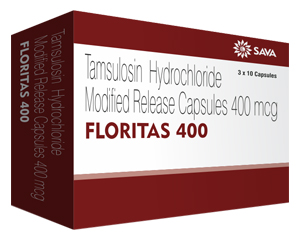
Tamsulosin MR
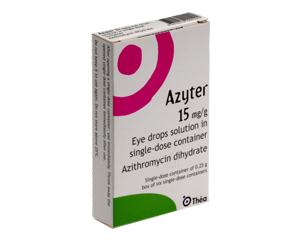
Azyter
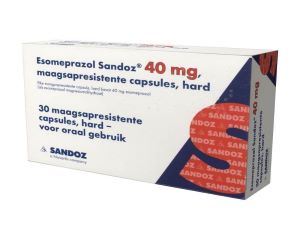
Esomeprazole
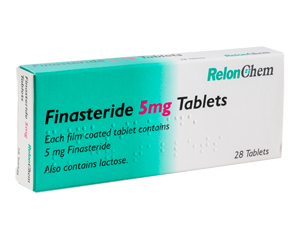
Proscar (Finasteride)
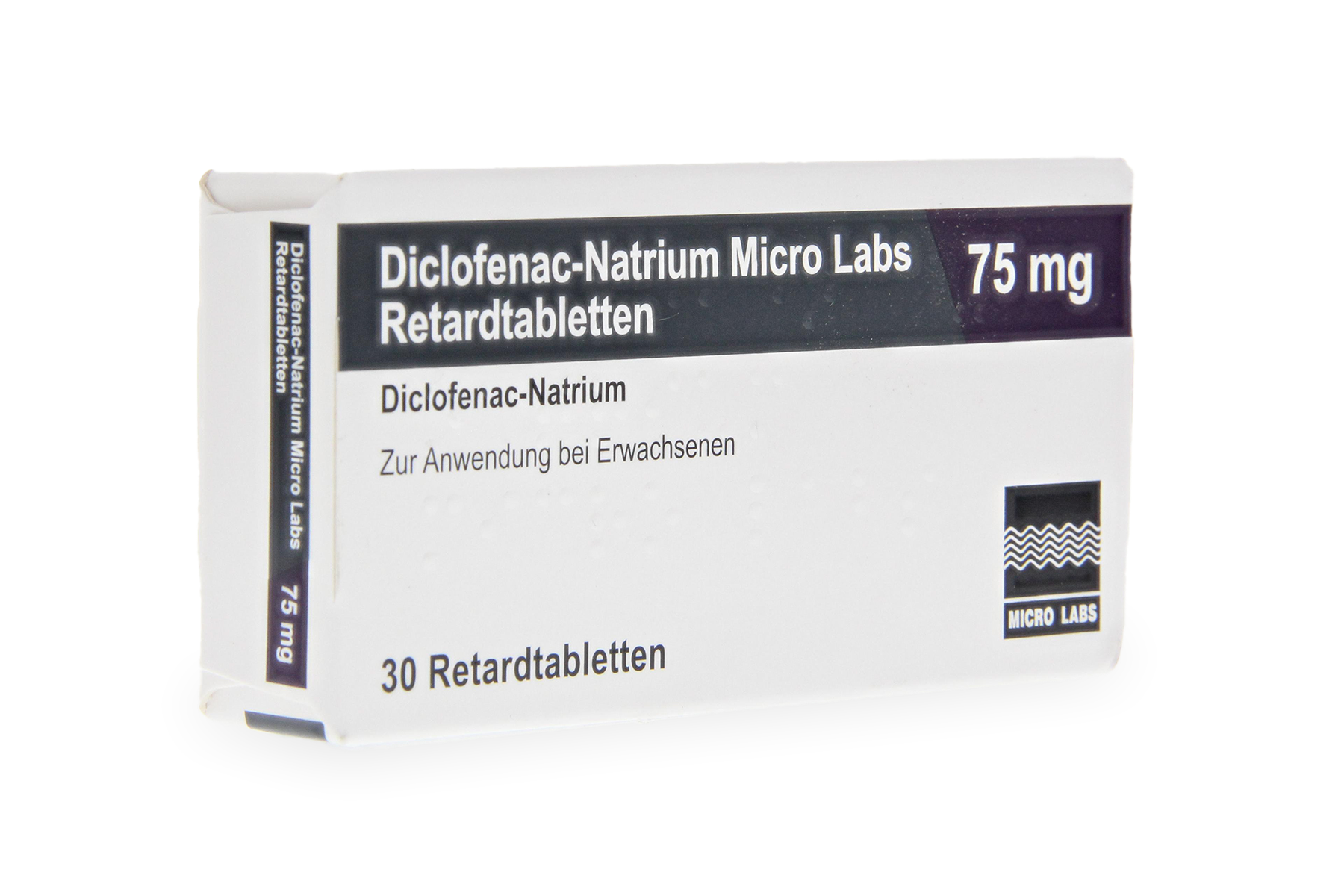
Diclofenac SR
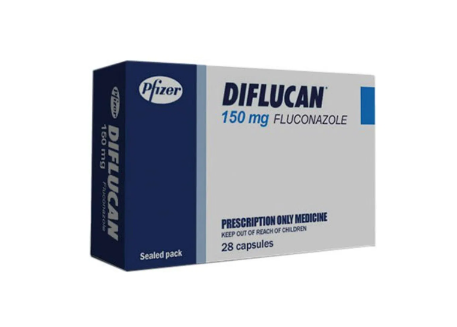
Diflucan
Crestor
Lansoprazole
Vesicare
Flixotide
Serevent
Atenolol
Janumet
Zomig
Allergy Treatments
What Causes Allergies?
An allergy is an exaggerated immune response to a substance that is normally harmless. When a person with an allergy encounters their trigger, be it pollen, dust mites, animal dander, or certain foods, their immune system produces immunoglobulin E (IgE) antibodies. These antibodies bind to mast cells, which then release histamine and other inflammatory chemicals, causing the familiar symptoms of sneezing, itching, swelling, and watery eyes.
Allergic conditions have become increasingly prevalent across the developed world. Hay fever (allergic rhinitis) affects up to 30 per cent of adults in Europe, while eczema, food allergies, and asthma complete the so-called "atopic march" that many individuals progress through from childhood. Genetic predisposition plays a major role, though environmental factors such as pollution, dietary changes, and reduced microbial exposure in early life also contribute.
Allergies range in severity from mildly inconvenient to life-threatening. Seasonal hay fever may cause little more than a runny nose and watery eyes, while anaphylaxis, a severe systemic reaction to foods like peanuts or insect stings, requires immediate emergency treatment with adrenaline.
Antihistamines and Other Allergy Treatments
Antihistamines are the first-line treatment for most allergic conditions. Second-generation (non-drowsy) antihistamines such as cetirizine, loratadine, and fexofenadine are preferred for daily use because they provide effective symptom relief without the sedation associated with older alternatives like chlorphenamine.
Intranasal corticosteroid sprays, including fluticasone and mometasone, are more effective than antihistamines alone for moderate to severe nasal symptoms. They reduce inflammation in the nasal passages and, when used regularly, can provide near-complete relief from congestion, sneezing, and itching. Eye drops containing antihistamines or mast cell stabilisers address ocular symptoms that oral treatments may not fully control.
For patients with persistent, severe allergies that do not respond to standard medication, allergen immunotherapy (desensitisation) may be an option. This involves gradual exposure to increasing amounts of the allergen, either by injection or sublingual tablet (such as Grazax for grass pollen allergy), with the aim of retraining the immune system to tolerate it. Treatment courses typically span three years and can produce lasting benefit.
Managing Seasonal Allergies
Hay fever symptoms are driven by airborne pollen from grasses, trees, and weeds, with the peak season varying by region and plant type. In the UK, tree pollen predominates from late March to May, grass pollen from May to July, and weed pollen from June to September. Monitoring local pollen forecasts helps you prepare and take preventive medication before exposure.
Practical measures to reduce pollen contact include keeping windows closed during high-count days, showering and changing clothes after being outdoors, drying laundry indoors, and wearing wraparound sunglasses to protect the eyes. Applying a thin layer of petroleum jelly around the nostrils can help trap pollen particles before they enter the nasal passages.
Starting antihistamines and nasal sprays a week or two before your usual symptom season begins is more effective than waiting until symptoms are fully established. This pre-emptive approach allows anti-inflammatory medications to reach their full protective effect before peak exposure occurs.
Allergies in Children
Allergic conditions are particularly common in childhood. Eczema often appears in the first year of life, followed by food allergies, hay fever, and asthma as the child grows. While many children outgrow milk and egg allergies, sensitivities to peanuts, tree nuts, and shellfish tend to persist into adulthood.
Managing allergies in children requires a careful balance between symptom control and minimising the impact on their daily activities and emotional wellbeing. Age-appropriate antihistamines, emollients for eczema, and a clear allergy action plan for school or nursery are essential components. For children with food allergies, education about reading labels and carrying emergency medication such as an adrenaline auto-injector is critical.
If your child has multiple or severe allergies, a referral to a paediatric allergist ensures access to comprehensive testing, personalised management plans, and consideration of immunotherapy where appropriate. Early intervention and ongoing support give children the best chance of leading a full, active life despite their allergies.
When to Seek Specialist Help
Most allergies can be managed effectively with over-the-counter or prescribed antihistamines and avoidance strategies. However, specialist referral is advisable when symptoms are severe, poorly controlled despite treatment, or when the trigger is unclear. Diagnostic allergy testing, including skin prick tests and specific IgE blood tests, can identify the precise allergens responsible and guide targeted management.
Anaphylaxis always warrants specialist assessment. Anyone who has experienced a severe allergic reaction should be prescribed an adrenaline auto-injector, trained in its use, and provided with a personalised emergency plan. Medic-alert jewellery and informing close contacts about the allergy and its management add further layers of safety.
Allergy medications, including prescription-strength antihistamines and nasal sprays, can be conveniently ordered through regulated online pharmacies for patients with established diagnoses. For new or undiagnosed symptoms, however, a proper clinical assessment is recommended to ensure the correct condition is identified and the most appropriate treatment initiated.
Frequently Asked Questions
What is the strongest allergy medication available?
When should I take prescription allergy medication?
Can I get allergy treatment online?
Can I take antihistamines every day?
Dr. Ross Elledge
General Practitioner · General & Family Medicine
Verified Healthcare Professional
TopDoctors ProfileThis website provides general information about medicines for educational purposes only. Always consult your doctor or pharmacist before taking any medication.