
Eye Allergy Treatments
Allergic conjunctivitis causes itchy, red and watery eyes and affects millions during hay fever season. Prescription eye drops provide stronger and longer-lasting relief than over-the-counter alternatives. An online doctor can prescribe the most effective treatment for your symptoms.
Antihistamine eye drops provide rapid relief from itching
Mast cell stabilisers prevent allergic reactions when used regularly
Prescription drops are more potent than over-the-counter options
Can be used alongside oral antihistamines for comprehensive relief

Cialis
Avodart
Ozempic

Nuvaring
Xenical
Fluconazole
Yasmin
Qlaira
Ciprofloxacin
Utrogestan
Priligy
Furosemide
Omeprazole
Pantoprazole

Sildenafil
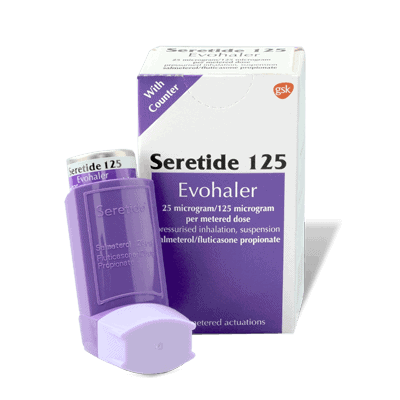
Seretide
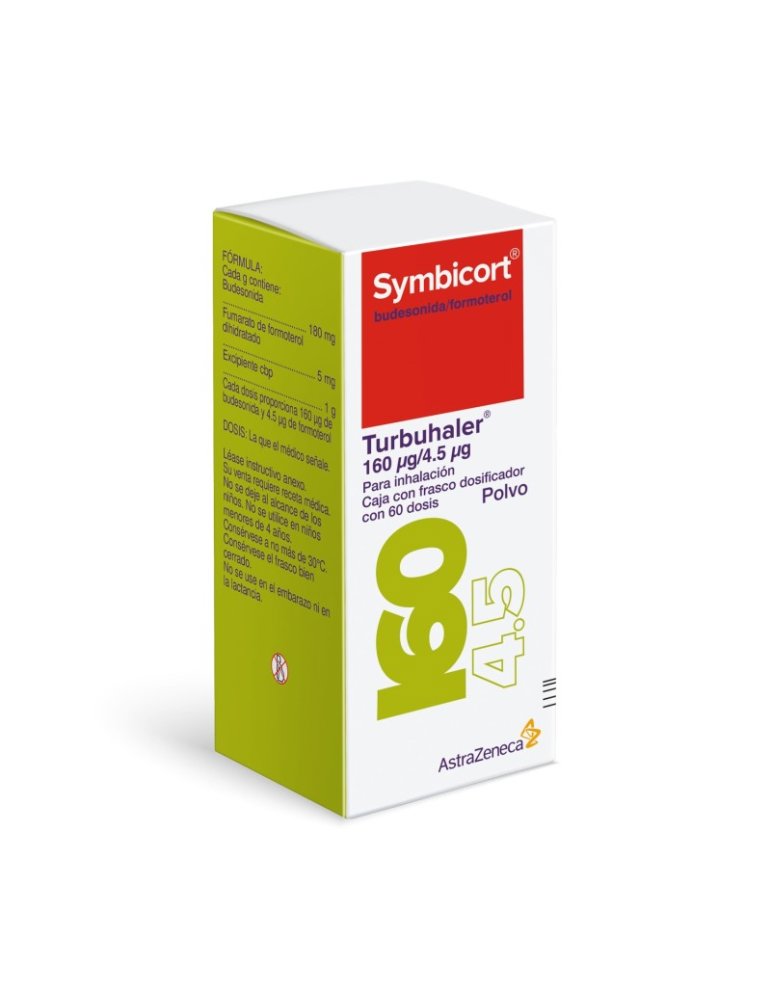
Symbicort Turbuhaler
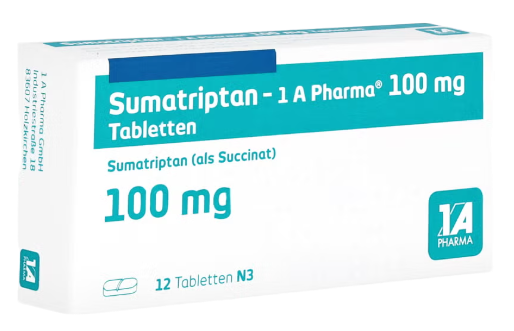
Sumatriptan
Betnovate
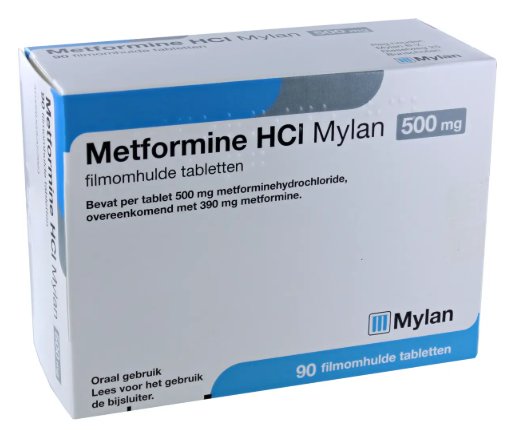
Metformin
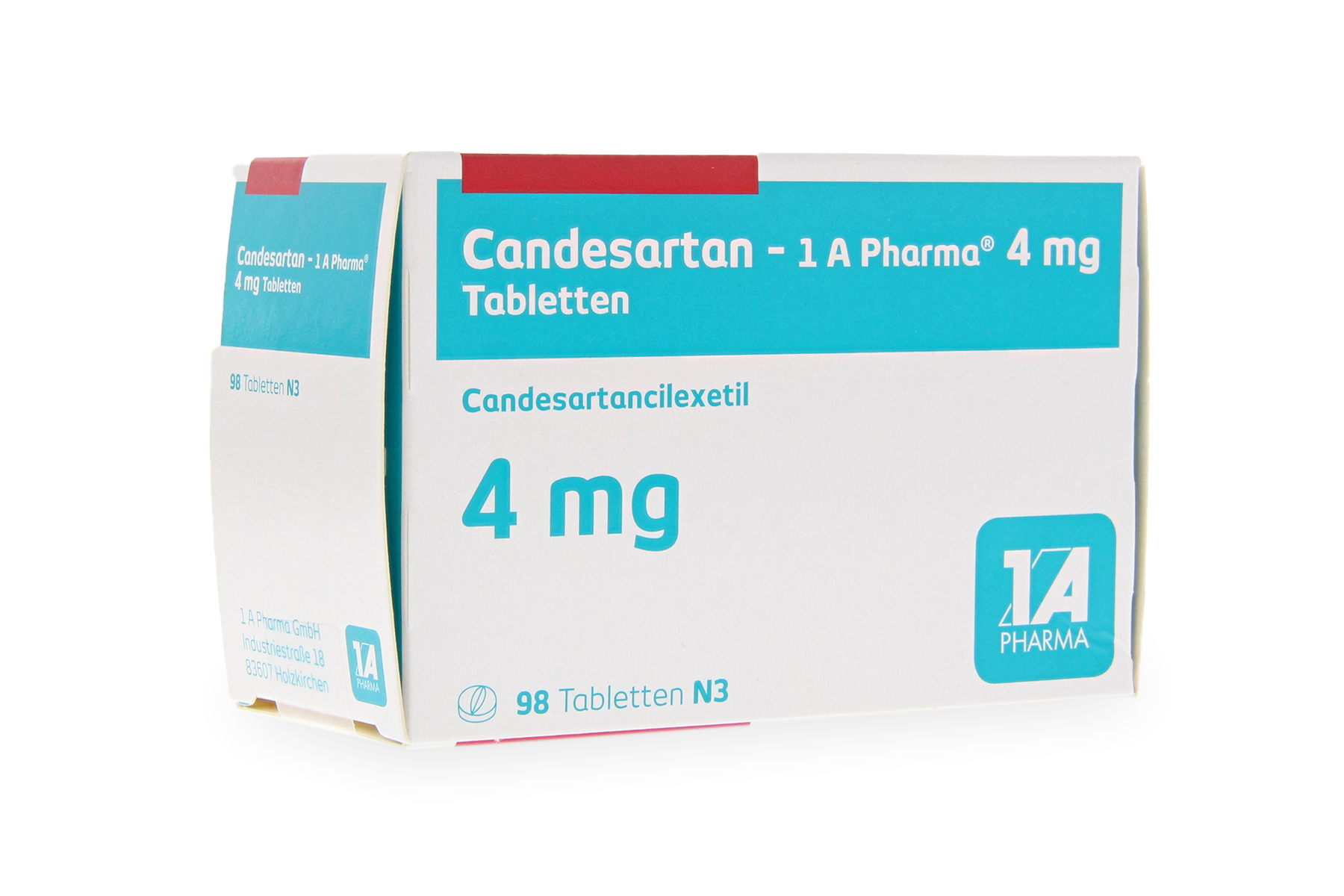
Candesartan
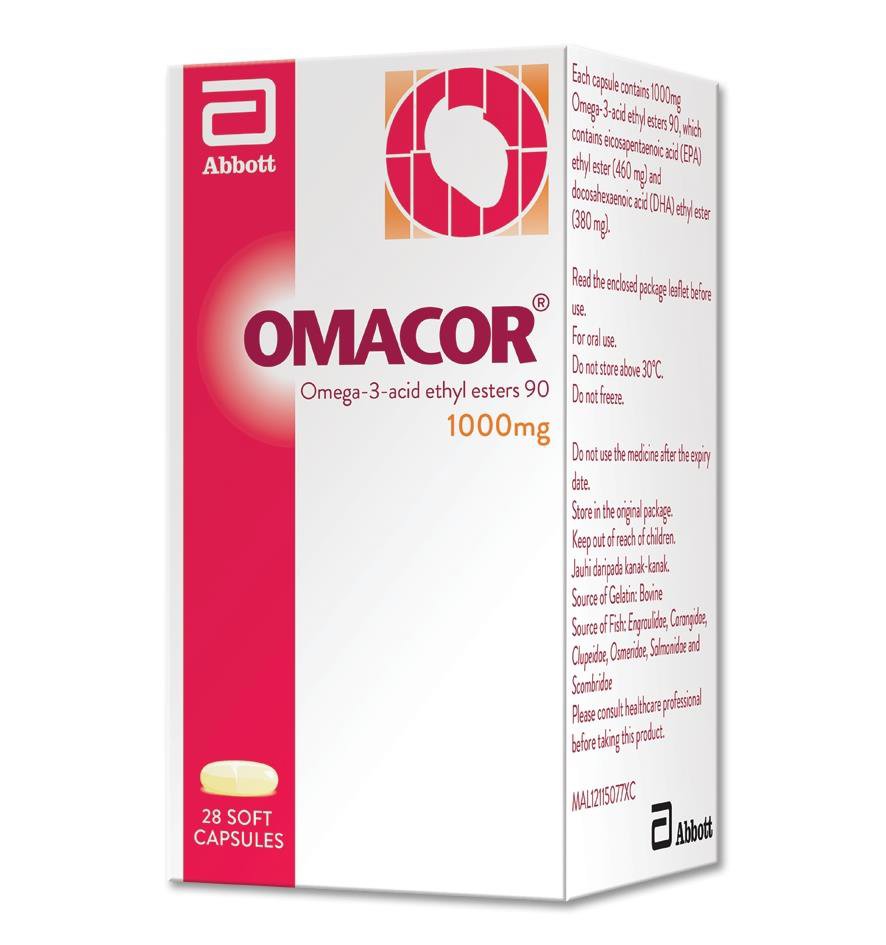
Omacor
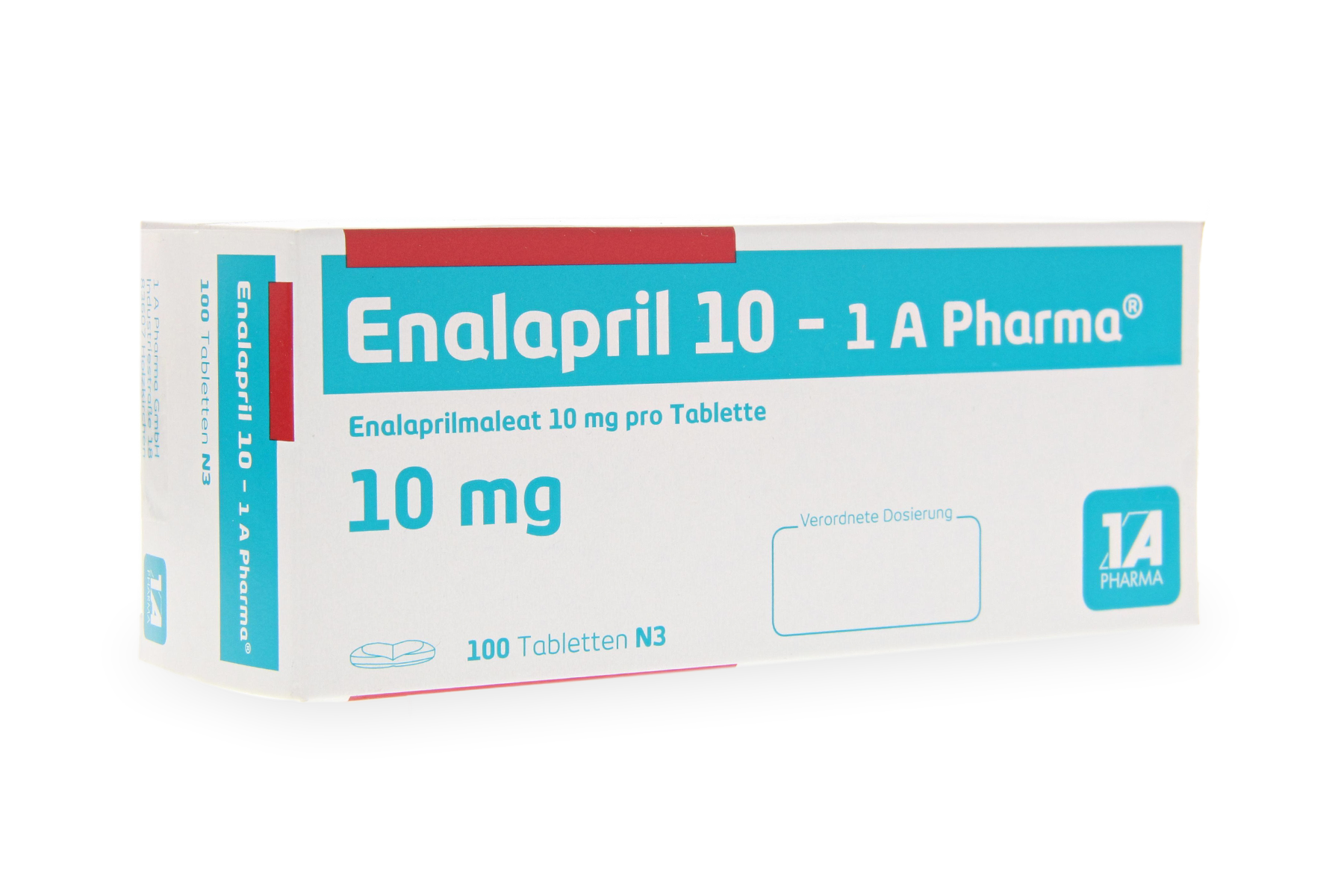
Enalapril
Ramipril
Atorvastatin
Dymista
Mirvaso

Spedra
Salbutamol
Orlistat
Vagifem
Marvelon
Desloratadine
Arcoxia
Levothyroxine
Mercilon
Adenuric

Metoclopramide
Tadalafil
Valsartan
Spironolactone
Eliquis
Xarelto

Vardenafil
Allopurinol
Hydroxychloroquine
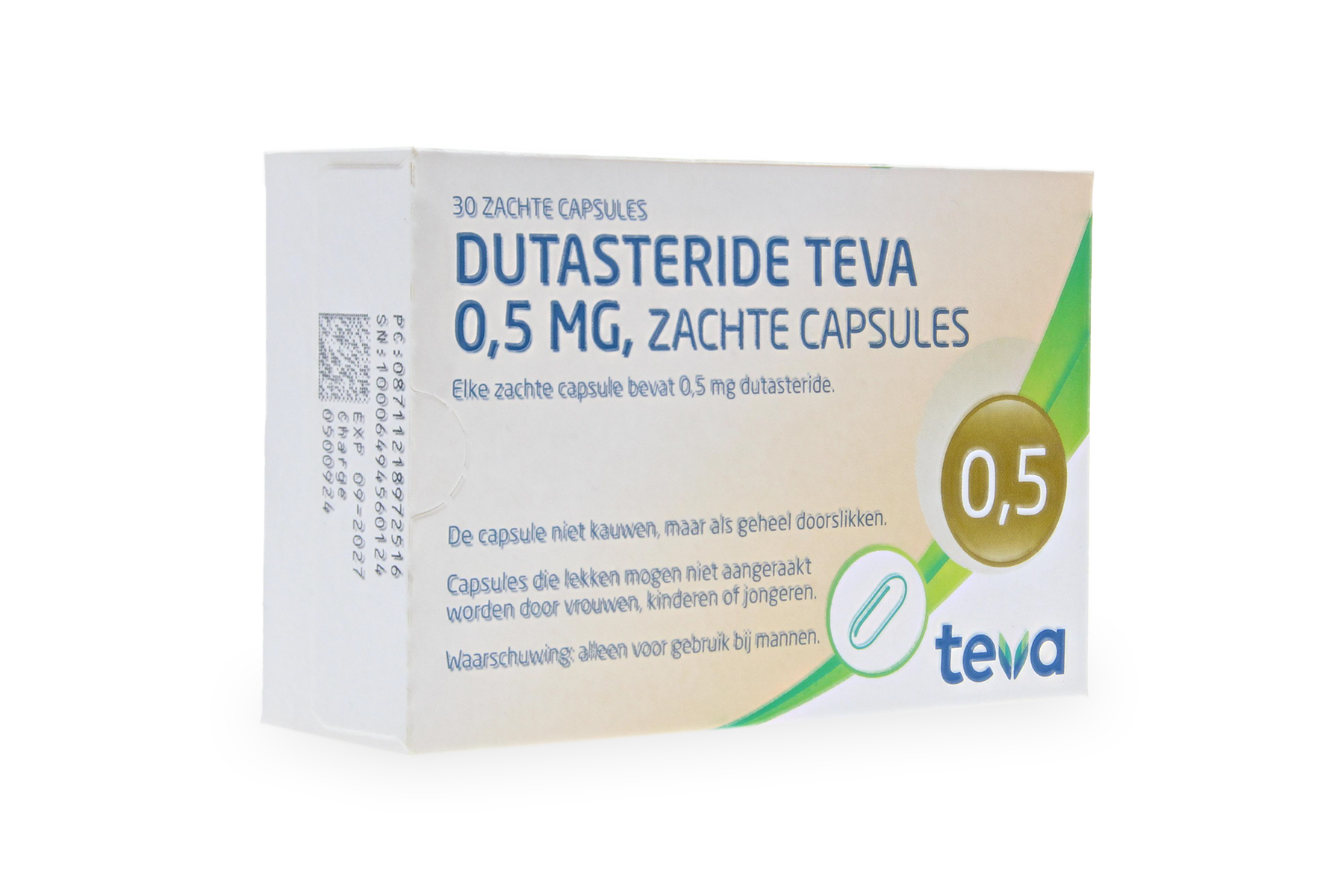
Dutasteride
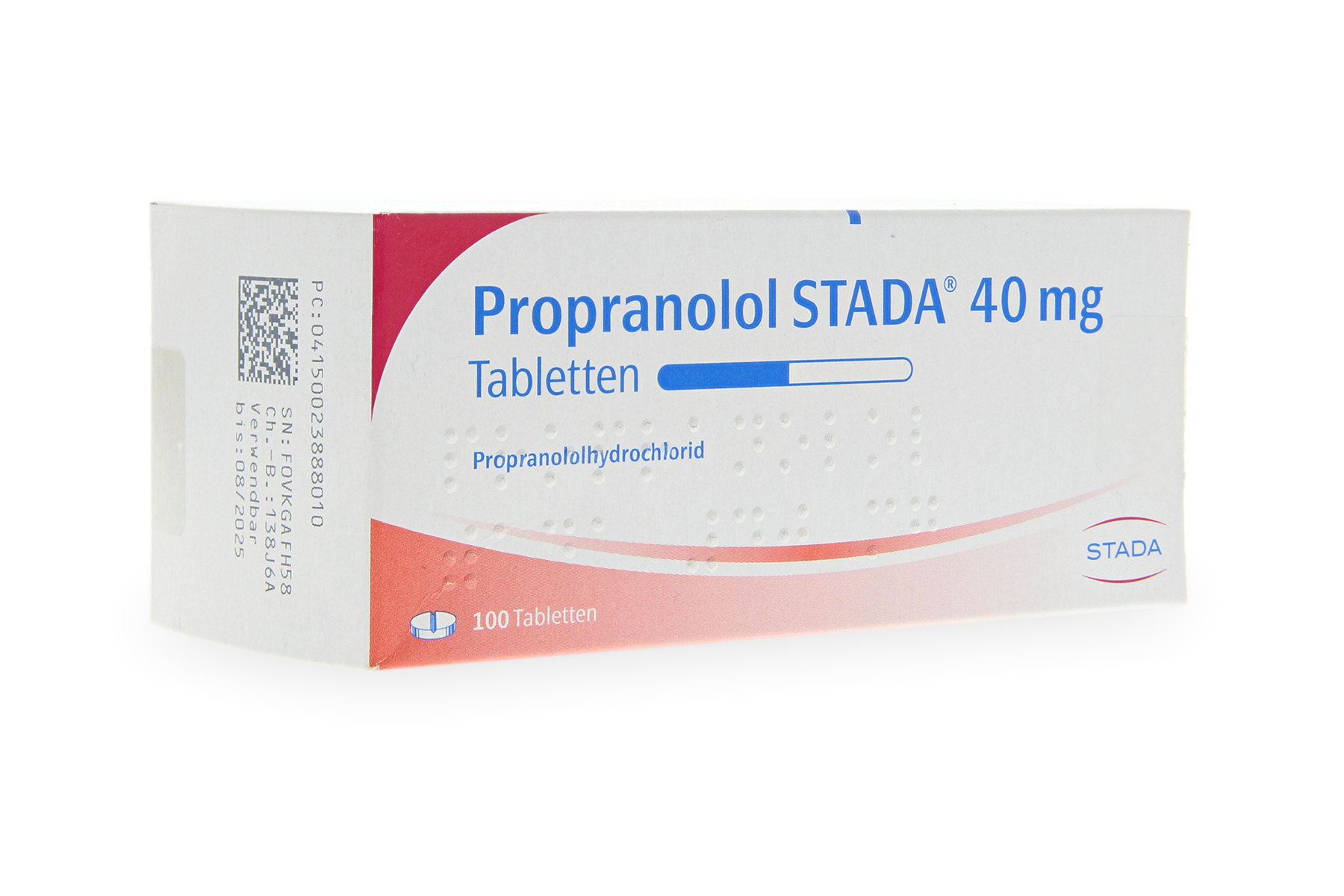
Propranolol

Wegovy
Circadin
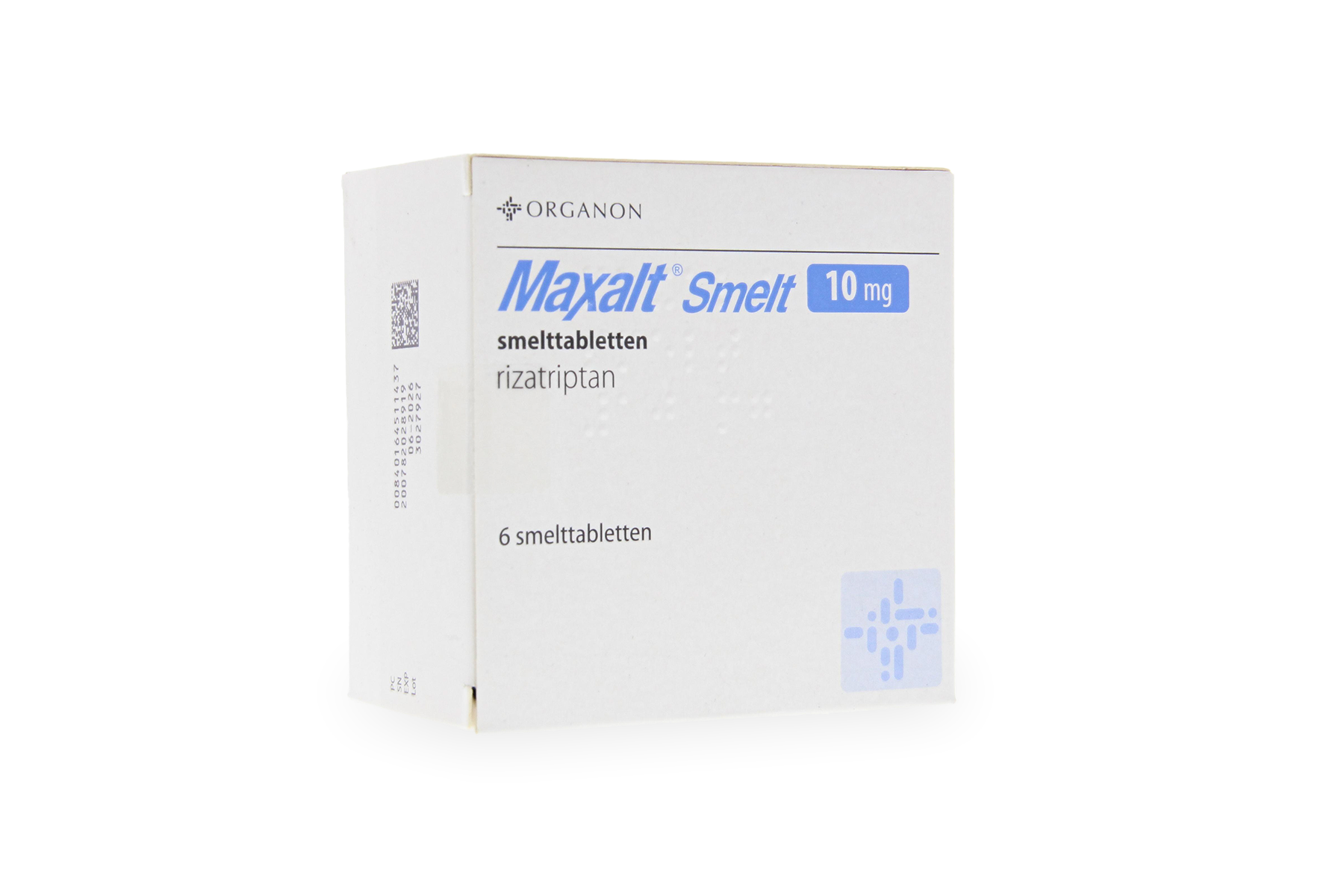
Maxalt
Amlodipine
Evra Patches

Mounjaro
Dermovate
Cerazette

Viagra

Melatonin
Emla Cream
Naproxen
Ventolin

Bricanyl Turbohaler
Doxycycline (Malaria)
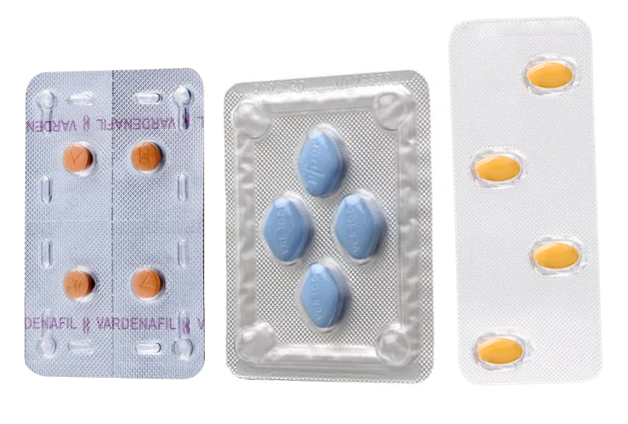
Impotence Trial Pack

Microgynon 30
Fucidin
Bisoprolol
Losartan
Pulmicort Turbohaler
Avamys
Telfast
Vitaros

Zyloric
Kliovance
Bactroban
Elocon
Clindamycin
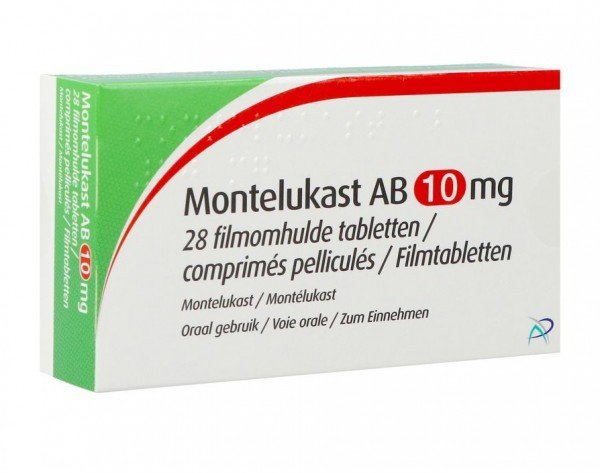
Montelukast
Aciclovir
Proscar

Differin
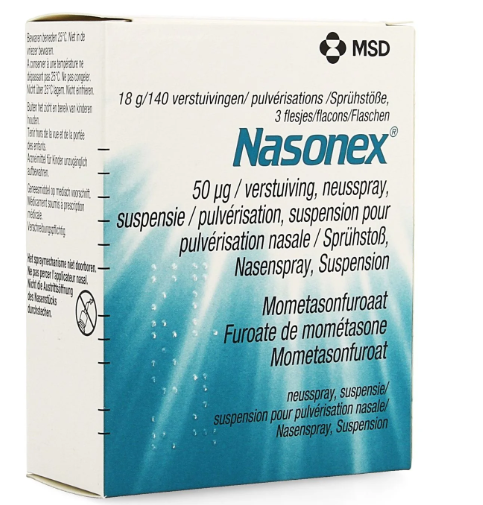
Nasonex Nasal Spray
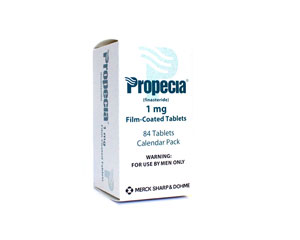
Propecia
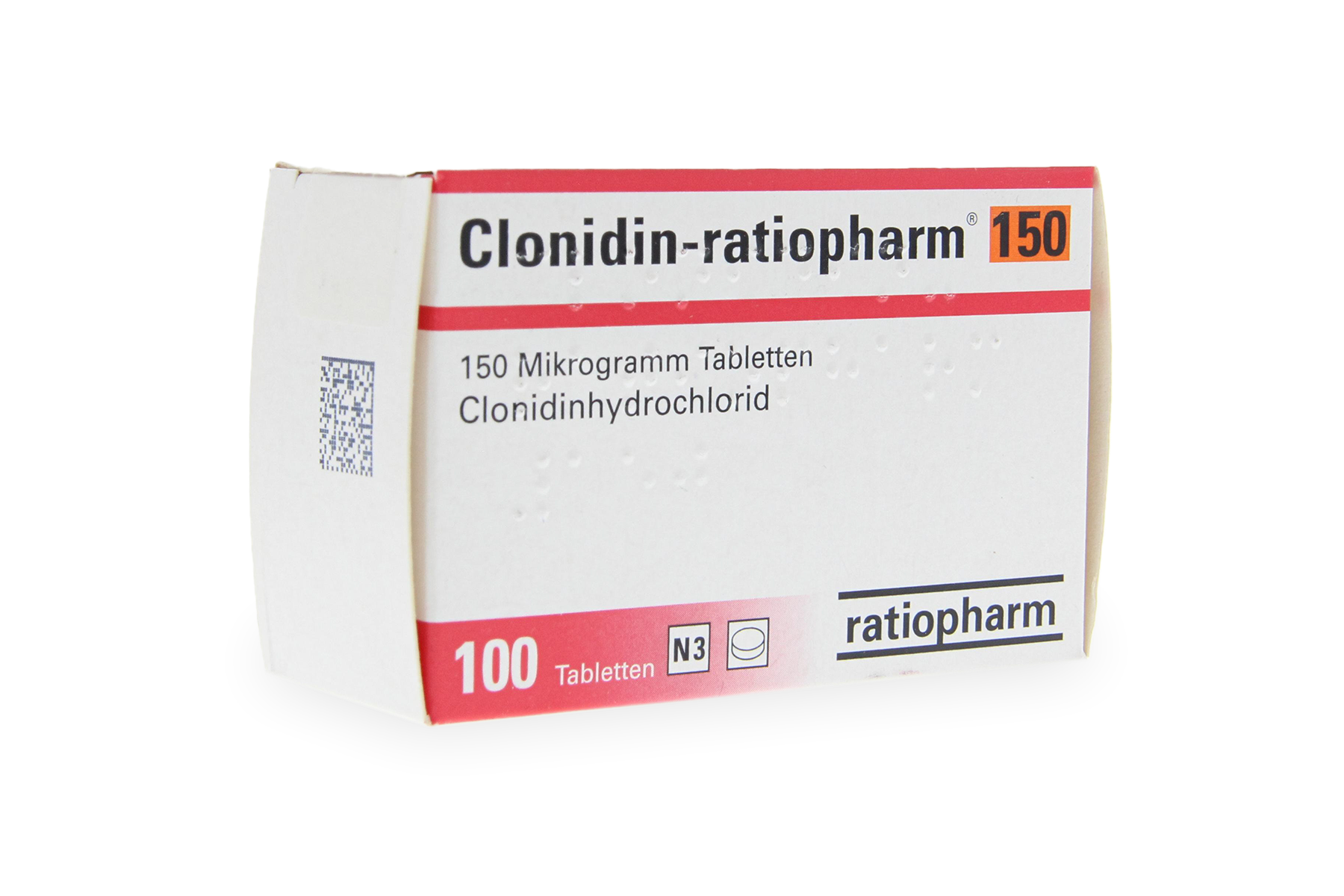
Clonidine
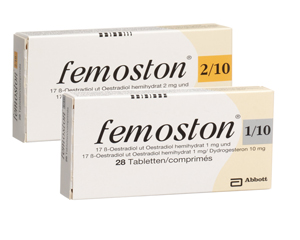
Femoston
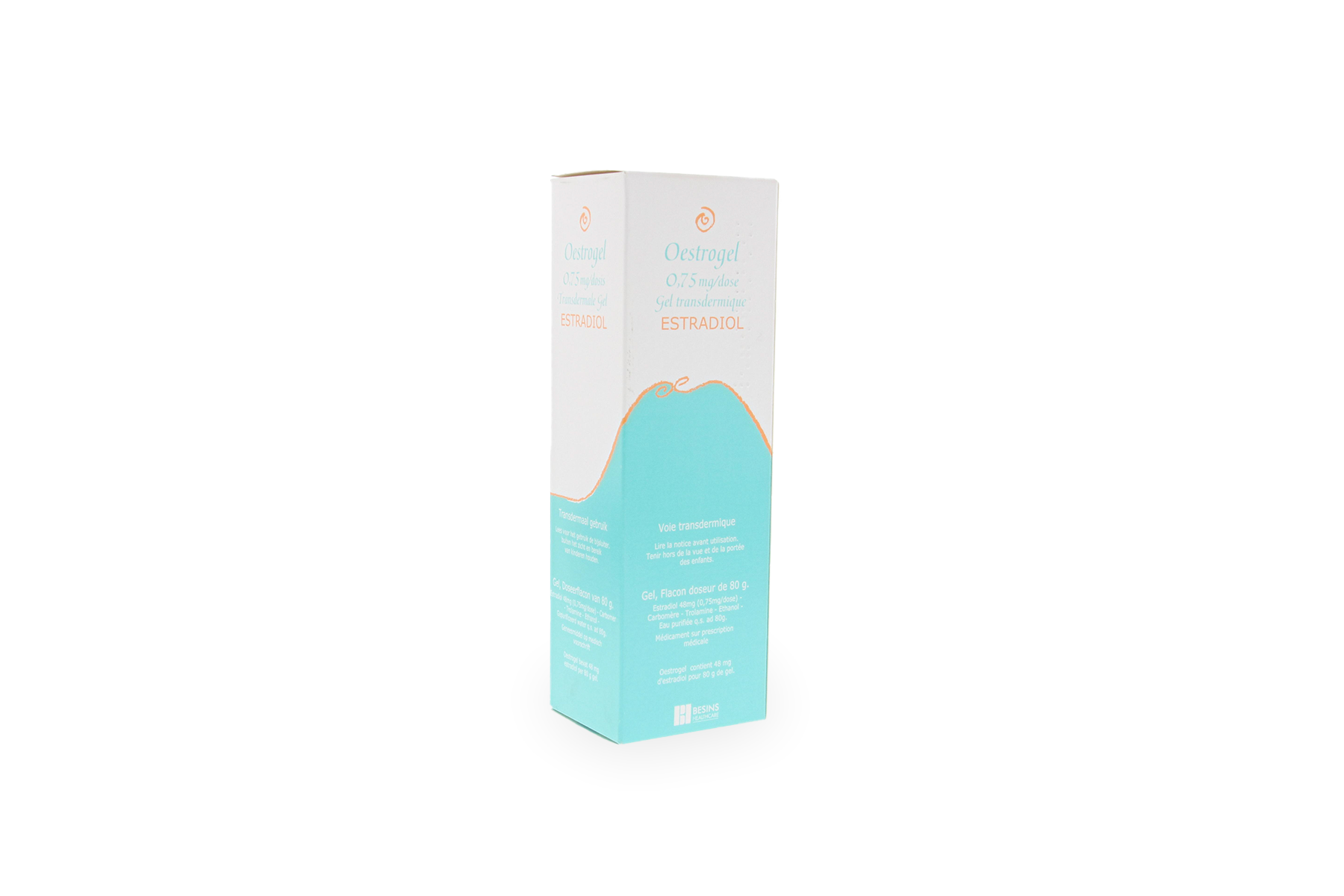
Oestrogel
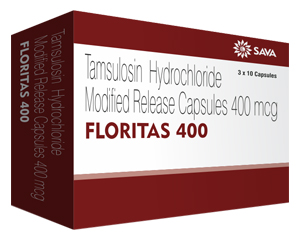
Tamsulosin MR
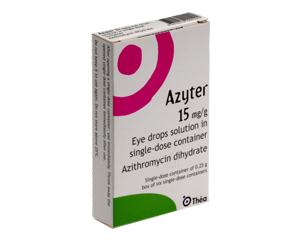
Azyter
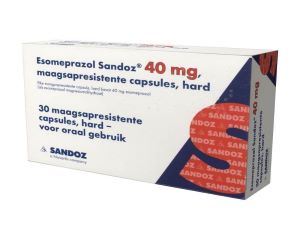
Esomeprazole
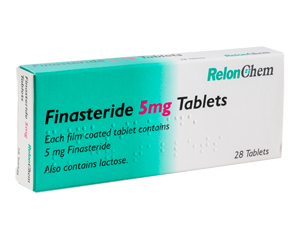
Proscar (Finasteride)
Diclofenac SR
Diflucan
Crestor
Lansoprazole
Vesicare
Flixotide
Serevent
Atenolol
Janumet
Zomig
Eye Allergy Treatments
What Is Allergic Eye Disease?
Allergic conjunctivitis is an inflammatory condition of the eyes triggered by exposure to allergens such as pollen, dust mites, animal dander, and mould spores. It affects up to 40 per cent of the population in Europe and is one of the most common reasons people visit an optician or pharmacist during the spring and summer months.
The condition occurs when allergens come into contact with the conjunctiva, the thin membrane covering the white of the eye and the inner surface of the eyelids. In sensitised individuals, this triggers an IgE-mediated immune response that causes the release of histamine and other inflammatory mediators, leading to the characteristic symptoms of itching, redness, watering, and swelling.
Seasonal allergic conjunctivitis (SAC), driven predominantly by pollen, peaks during specific times of year and often accompanies hay fever. Perennial allergic conjunctivitis (PAC) occurs year-round and is typically triggered by indoor allergens such as house dust mites, pet dander, and mould. Identifying the pattern of your symptoms helps determine the most effective management strategy.
Eye Drops and Medications
Antihistamine eye drops such as azelastine and olopatadine provide rapid relief from itching and redness and are the first-line topical treatment. Dual-action drops that combine antihistamine and mast cell-stabilising properties are particularly effective because they address both the immediate symptoms and the underlying allergic cascade.
Mast cell stabiliser drops such as sodium cromoglicate work preventively by inhibiting the release of histamine from mast cells. They are most effective when started before the allergy season begins and used regularly throughout the period of exposure. For more severe or persistent symptoms, short courses of topical corticosteroid eye drops may be prescribed, though these require monitoring due to the risk of raised intraocular pressure with prolonged use.
Oral antihistamines such as cetirizine, loratadine, and fexofenadine treat both ocular and nasal allergy symptoms simultaneously and may be preferred by patients who find eye drops inconvenient. Combining oral antihistamines with topical eye drops provides the most comprehensive symptom control for moderate to severe allergic conjunctivitis.
Practical Tips for Symptom Relief
Reducing allergen exposure is a fundamental part of managing allergic eye disease. During high-pollen days, wearing wraparound sunglasses outdoors provides a physical barrier against airborne allergens reaching the eyes. Keeping car and home windows closed, particularly in the morning and early evening when pollen counts peak, also helps.
Cold compresses applied over closed eyelids for five to ten minutes provide soothing relief during acute flare-ups. Refrigerating eye drops before use enhances their cooling effect and can make the experience more pleasant. Artificial tears (preservative-free varieties are best) help wash allergens from the eye surface and dilute inflammatory mediators.
Contact lens wearers may find that allergic eye symptoms worsen during the pollen season because lenses can trap allergens against the conjunctiva. Switching to daily disposable lenses, wearing glasses on high-pollen days, or using preservative-free rewetting drops can improve comfort. Rubbing the eyes, though tempting, should be avoided as it worsens inflammation and can damage the cornea.
When Symptoms Persist
Most cases of allergic conjunctivitis respond well to a combination of allergen avoidance and over-the-counter or prescribed eye drops. However, symptoms that are severe, fail to improve with standard treatment, or are accompanied by visual changes, significant pain, or a purulent discharge warrant further investigation.
Vernal keratoconjunctivitis (VKC) and atopic keratoconjunctivitis (AKC) are more severe forms of allergic eye disease that can threaten sight if not properly managed. They require specialist ophthalmic care and may need immunomodulatory drops such as ciclosporin. Giant papillary conjunctivitis, a reaction to contact lenses or ocular prostheses, is another condition that mimics allergic conjunctivitis but requires different management.
Allergy testing, either through skin prick tests or specific IgE blood tests, can identify the precise triggers and guide avoidance strategies or consideration of allergen immunotherapy. For severe seasonal symptoms that recur annually, sublingual immunotherapy may provide long-term benefit by desensitising the immune system to the offending allergen.
Ordering Allergy Eye Treatments Online
Antihistamine eye drops, oral antihistamines, and nasal corticosteroid sprays for allergic eye disease and associated hay fever symptoms can be conveniently ordered through regulated online pharmacies. For patients with established seasonal allergies, stocking up before the pollen season begins ensures treatment is on hand when symptoms first appear.
The online consultation involves describing your symptoms, confirming any known allergies, and providing relevant medical and medication history. A prescriber reviews this information and, if appropriate, authorises the prescription. Prescription-strength eye drops, including combination antihistamine-mast cell stabilisers, are available for patients whose symptoms are not adequately controlled by over-the-counter products.
If you are experiencing eye symptoms for the first time, particularly if they are unilateral (affecting one eye only), painful, or accompanied by visual disturbance, a face-to-face examination by an optometrist or GP is recommended to rule out non-allergic causes such as infection, dry eye syndrome, or more serious ocular pathology.
Frequently Asked Questions
What are the best eye drops for allergies?
Can I use allergy eye drops with contact lenses?
How often should I use prescription allergy eye drops?
Can I wear contact lenses while using allergy eye drops?
Dr. Ross Elledge
General Practitioner · General & Family Medicine
Verified Healthcare Professional
TopDoctors ProfileThis website provides general information about medicines for educational purposes only. Always consult your doctor or pharmacist before taking any medication.