
Antifungal Treatments
Fungal infections are extremely common, affecting up to 25% of the global population at any time. Prescription antifungals are more potent and effective than over-the-counter alternatives. An online doctor can diagnose and prescribe the right antifungal treatment.
Oral antifungals are needed for nail and widespread infections
Topical treatments work well for localised skin and vaginal infections
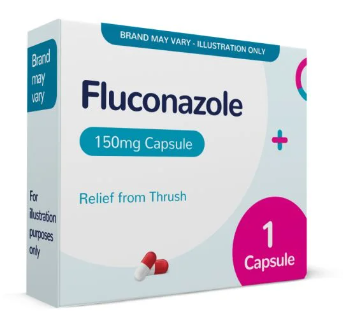
Fluconazole is the standard treatment for vaginal thrush
Treatment duration varies from a single dose to several months

Cialis
Avodart
Ozempic

Nuvaring
Xenical
Fluconazole

Yasmin
Qlaira
Ciprofloxacin

Utrogestan
Priligy
Furosemide
Omeprazole

Pantoprazole

Sildenafil
Seretide
Symbicort Turbuhaler
Sumatriptan

Betnovate
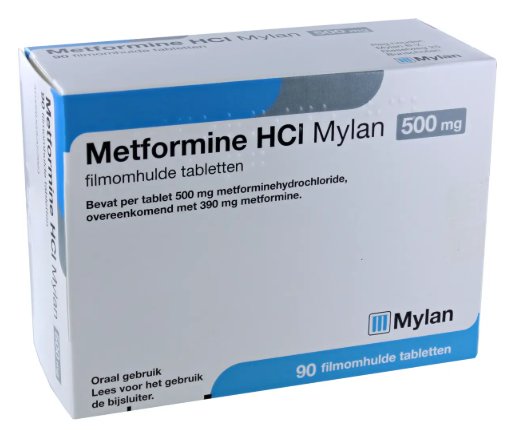
Metformin
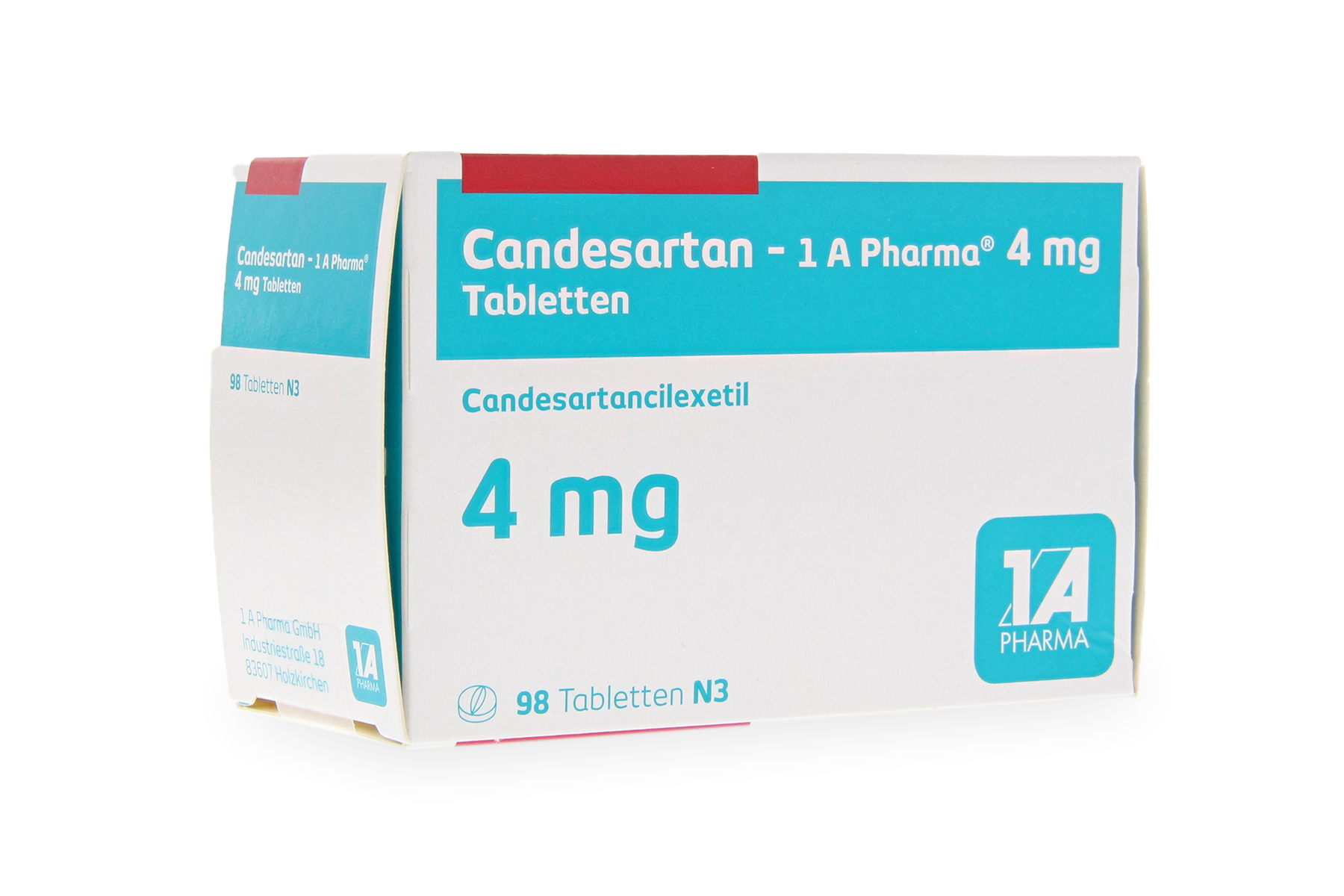
Candesartan
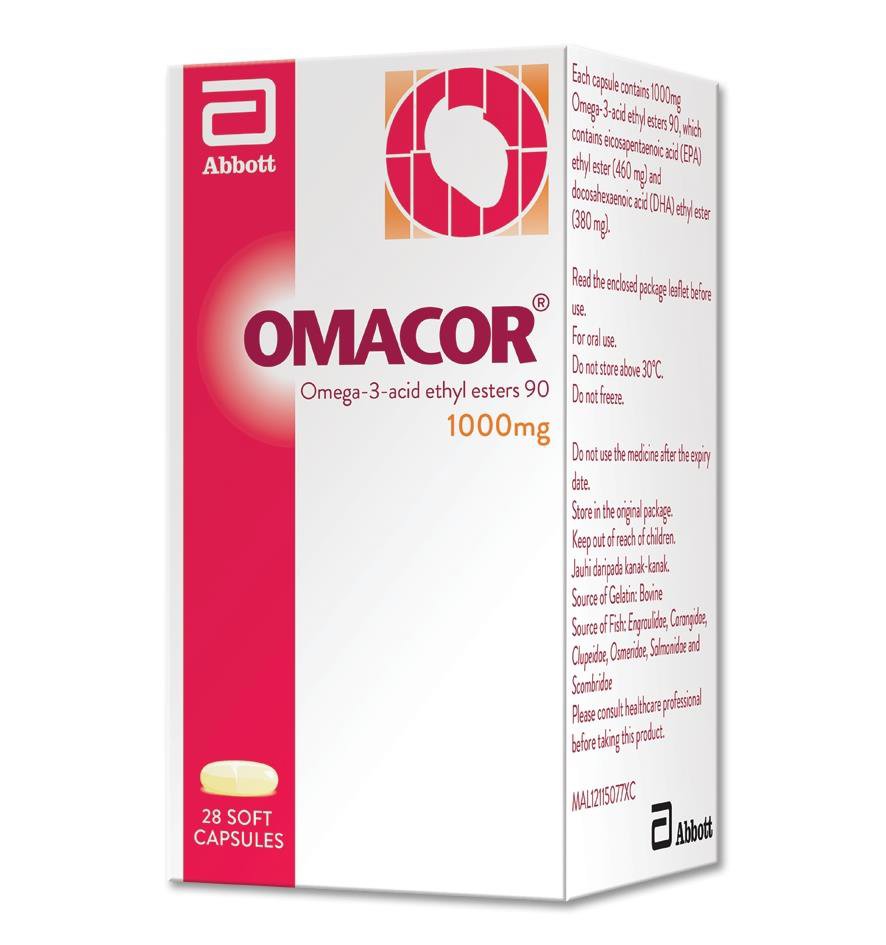
Omacor
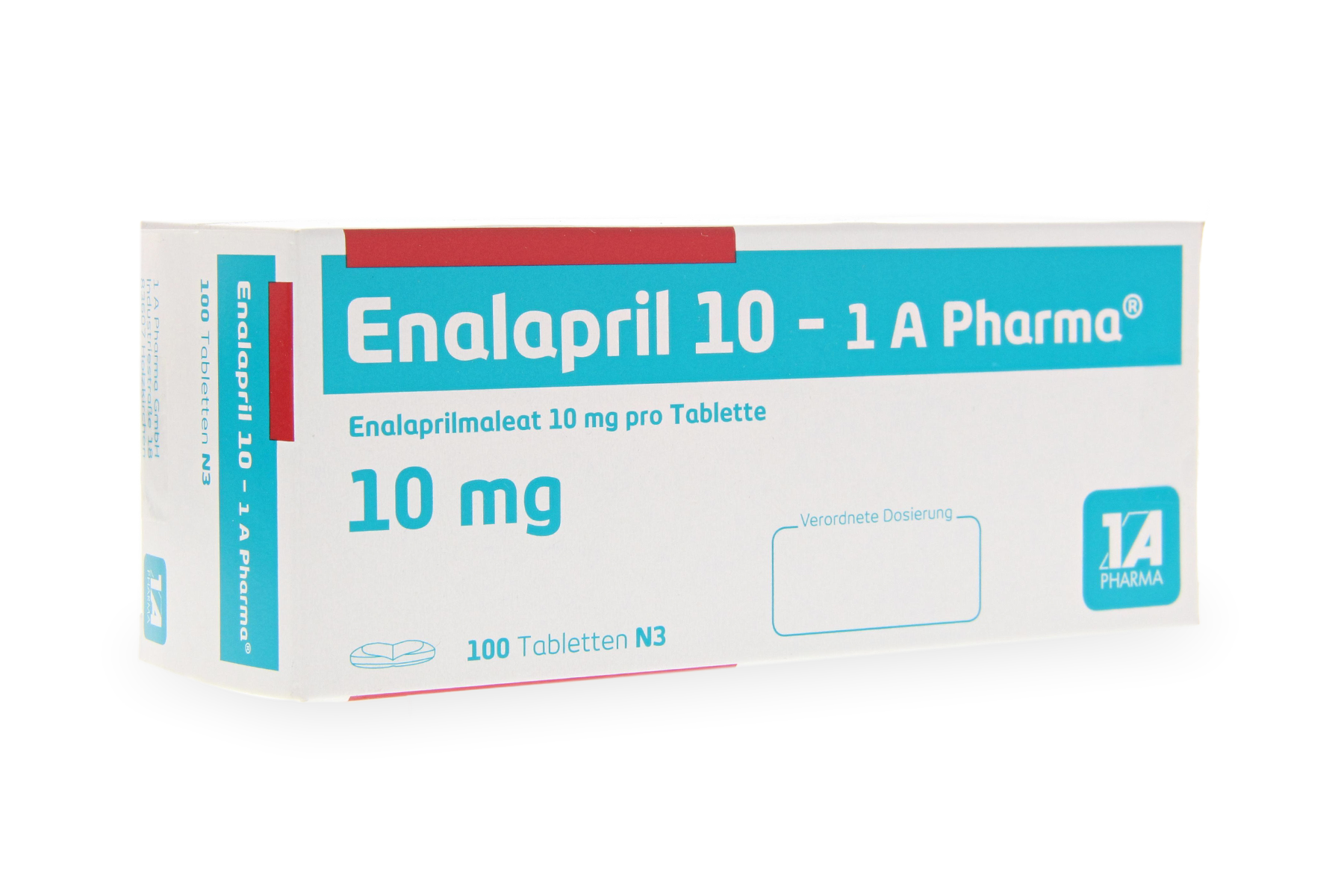
Enalapril
Ramipril
Atorvastatin
Dymista
Mirvaso

Spedra
Salbutamol
Orlistat

Vagifem
Marvelon
Desloratadine
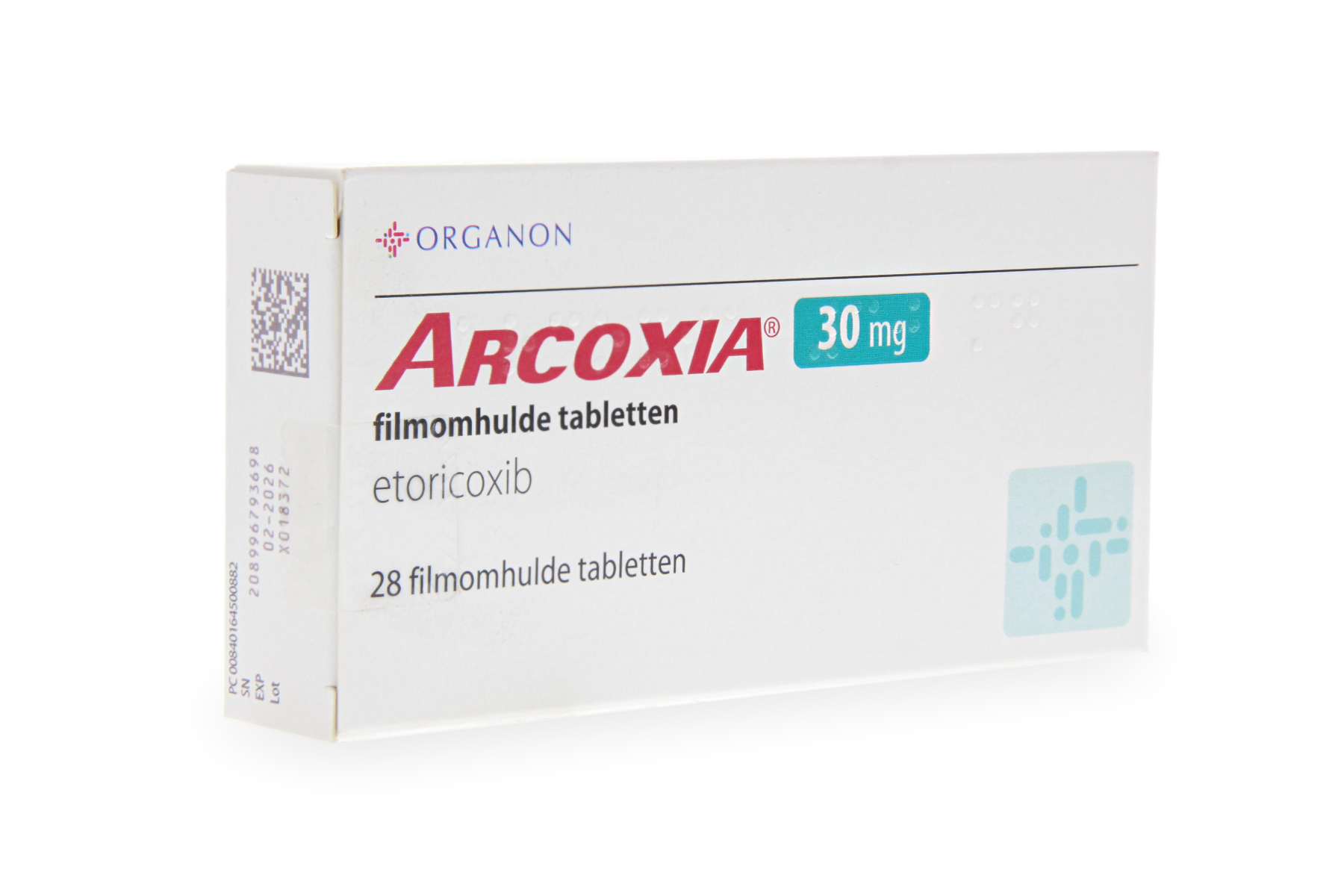
Arcoxia
Levothyroxine
Mercilon
Adenuric

Metoclopramide
Tadalafil

Valsartan
Spironolactone
Eliquis
Xarelto

Vardenafil
Allopurinol
Hydroxychloroquine
Dutasteride
Propranolol

Wegovy
Circadin

Maxalt
Amlodipine
Evra Patches

Mounjaro

Dermovate

Cerazette

Viagra

Melatonin
Emla Cream
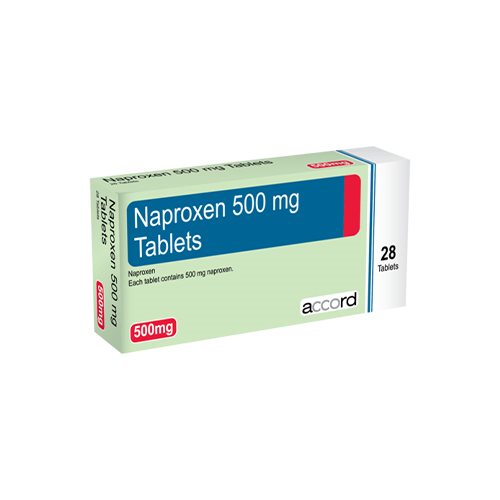
Naproxen
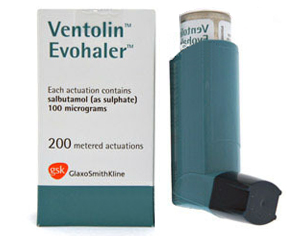
Ventolin

Bricanyl Turbohaler
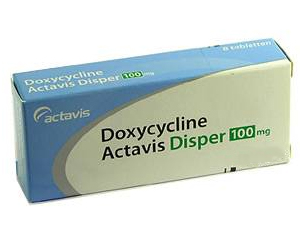
Doxycycline (Malaria)
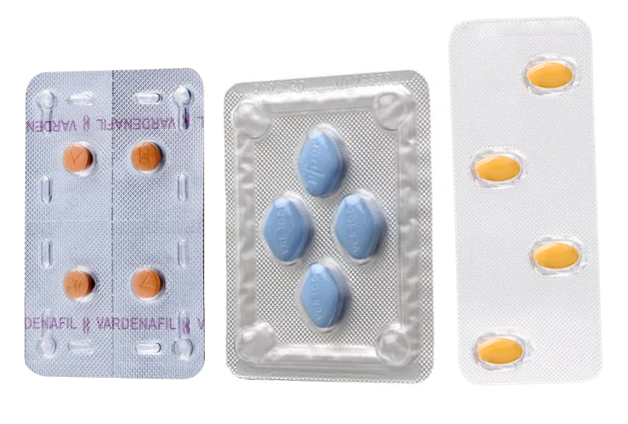
Impotence Trial Pack

Microgynon 30
Fucidin
Bisoprolol

Losartan
Pulmicort Turbohaler
Avamys
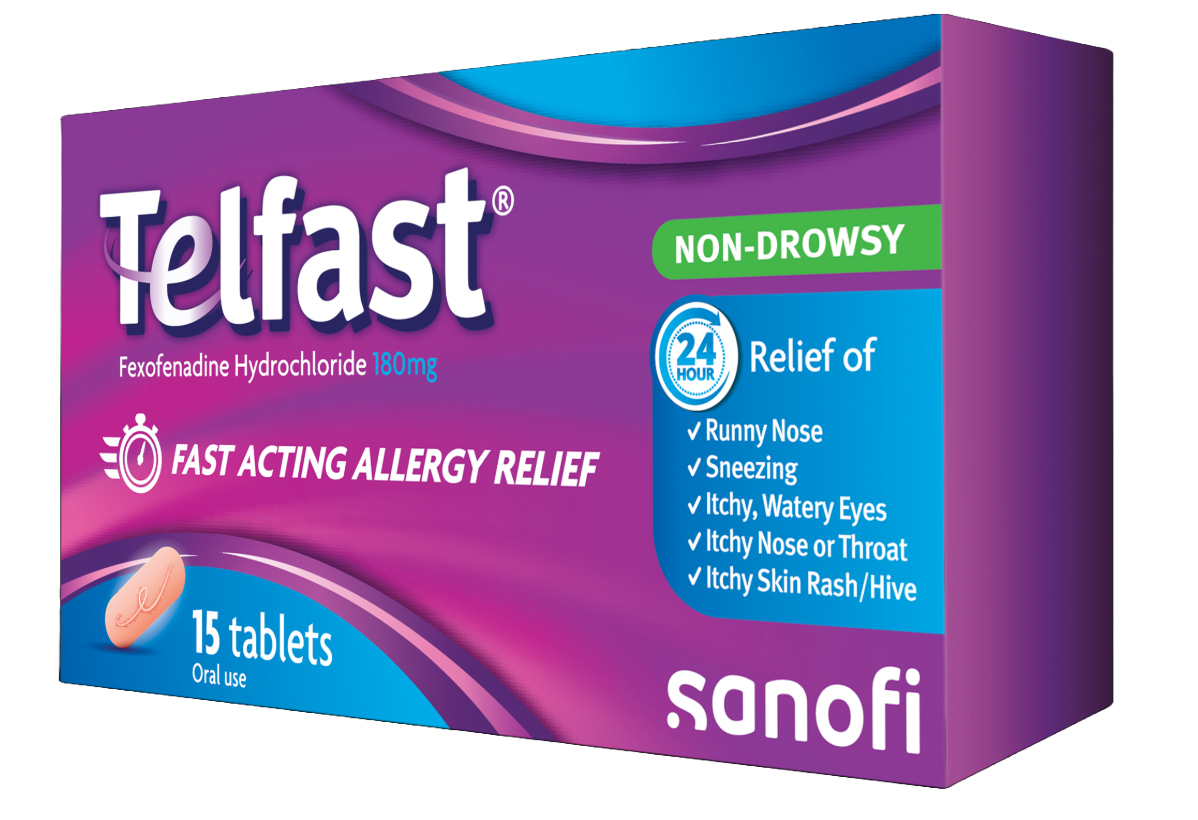
Telfast
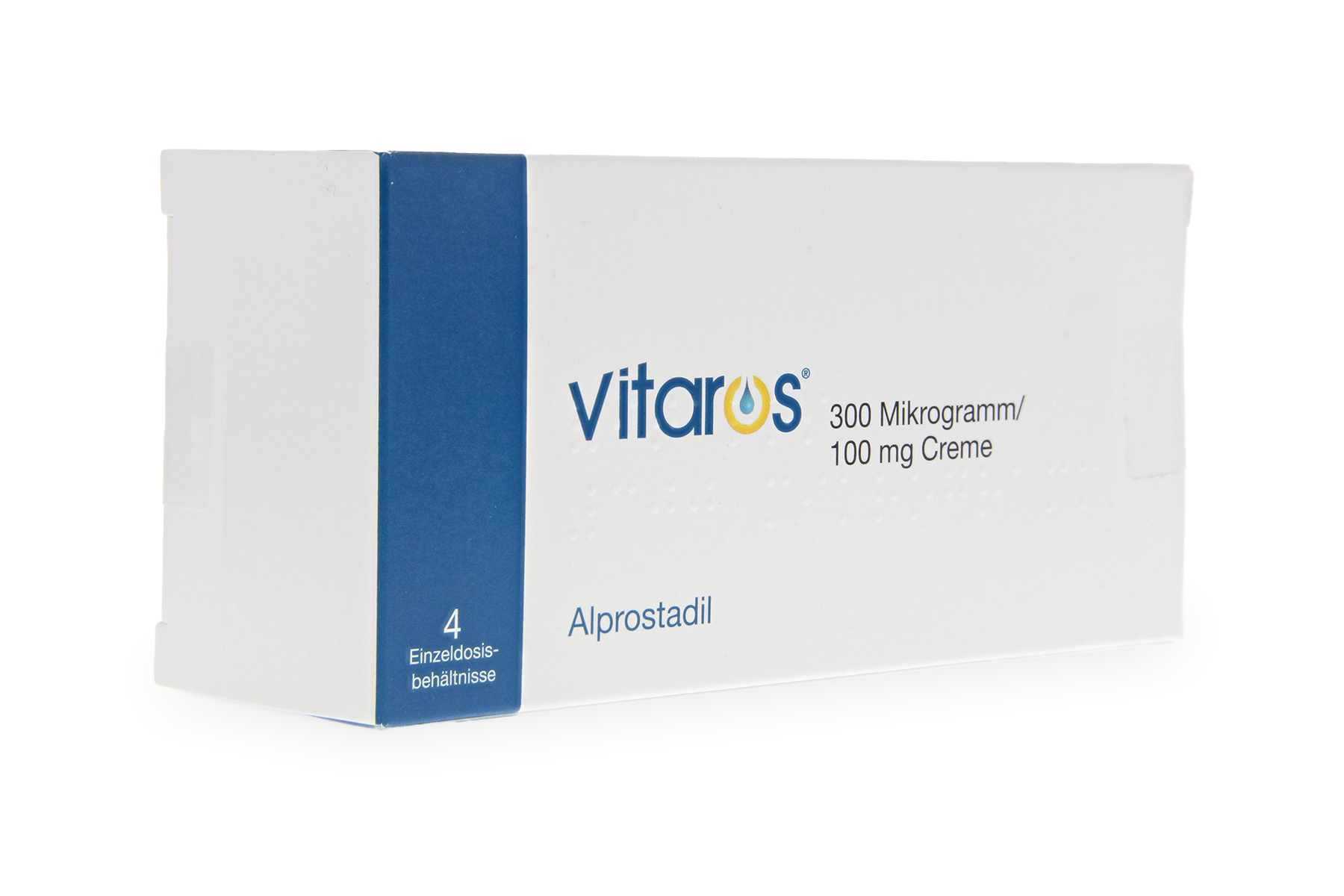
Vitaros

Zyloric
Kliovance
Bactroban
Elocon
Clindamycin
Montelukast
Aciclovir
Proscar

Differin
Nasonex Nasal Spray

Propecia
Clonidine
Femoston
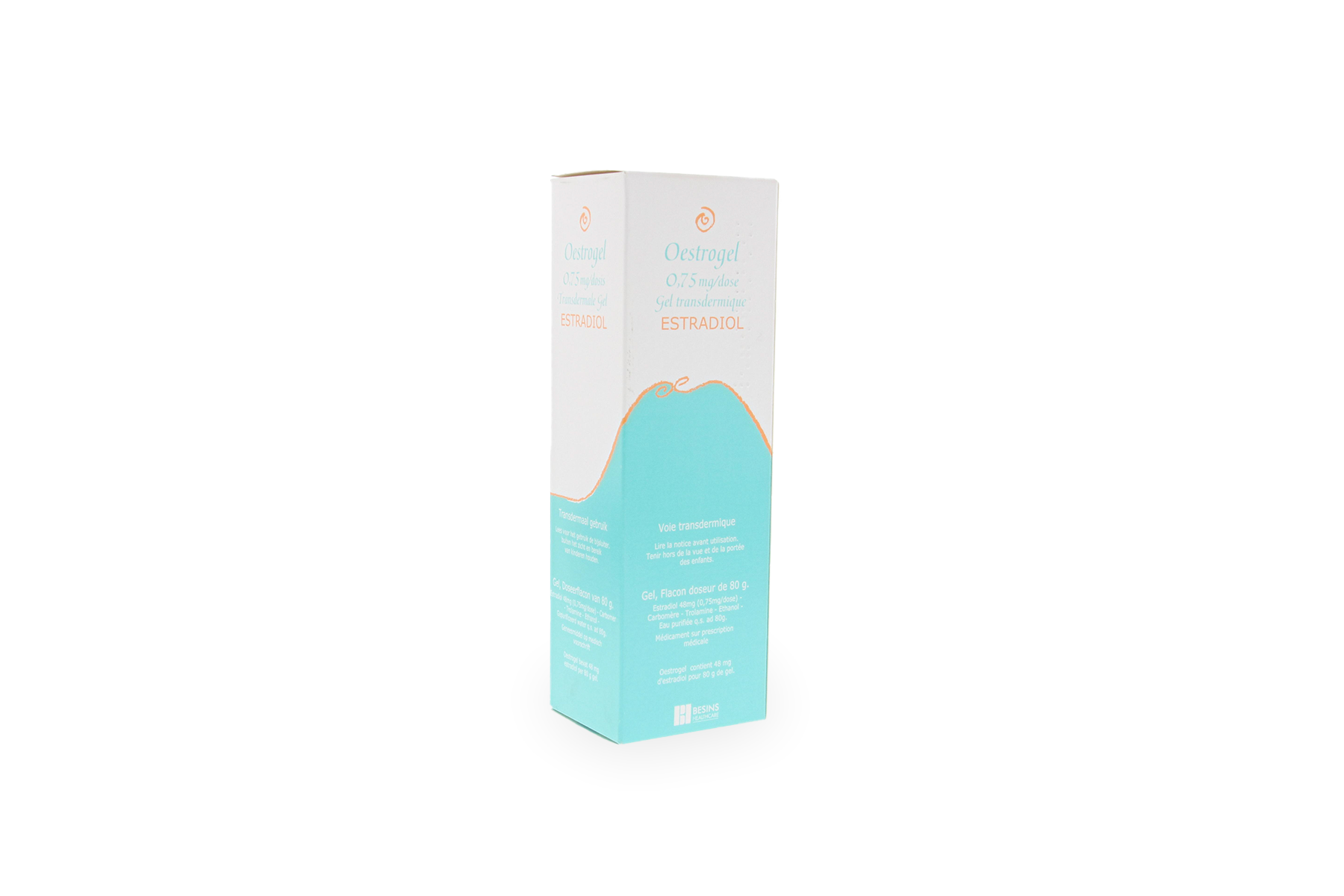
Oestrogel
Tamsulosin MR
Azyter
Esomeprazole
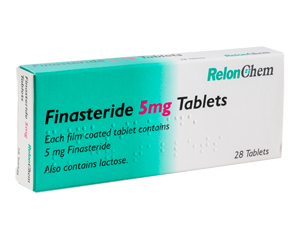
Proscar (Finasteride)

Diclofenac SR
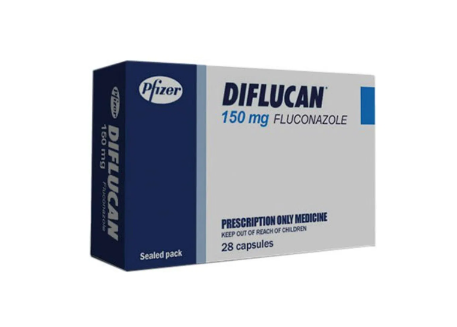
Diflucan
Crestor
Lansoprazole
Vesicare
Flixotide
Serevent
Atenolol
Janumet
Zomig
Antifungal Treatments
Understanding Fungal Infections
Fungal infections are remarkably common, affecting an estimated one in five people at any given time. They are caused by organisms including dermatophytes, yeasts (particularly Candida species), and moulds, which thrive in warm, moist environments. While the vast majority of fungal infections are superficial and affect the skin, nails, or mucous membranes, they can be persistent, uncomfortable, and, if left untreated, difficult to eradicate.
Athlete's foot (tinea pedis) is perhaps the most familiar fungal skin infection, causing itching, cracking, and peeling between the toes. Fungal nail infections (onychomycosis) produce thickened, discoloured, and brittle nails that can take months to treat. Oral and vaginal thrush, caused by Candida overgrowth, produces white patches and soreness in the mouth or a thick white discharge and itching in the vaginal area.
Risk factors for fungal infections include a weakened immune system, diabetes, prolonged antibiotic use (which disrupts the balance of protective bacteria), excessive sweating, and wearing tight, non-breathable clothing. Understanding these risk factors helps in both prevention and treatment planning.
Antifungal Medications
Antifungal treatments are available in topical and oral forms, and the choice depends on the type, location, and severity of the infection. Topical options include clotrimazole cream (available over the counter for skin and vaginal thrush), miconazole, and terbinafine cream. These are effective for localised skin infections and mild cases of vaginal candidiasis.
For more widespread or persistent infections, oral antifungal medication may be required. Fluconazole is a single-dose oral treatment widely used for vaginal thrush and is also effective for oral candidiasis. Itraconazole and terbinafine tablets are prescribed for fungal nail infections, with treatment courses lasting several weeks to months depending on whether fingernails or toenails are affected.
Antifungal shampoos containing ketoconazole (Nizoral) are used to treat seborrhoeic dermatitis and dandruff caused by the Malassezia yeast. They can also help manage tinea versicolor, a condition that causes patchy discolouration of the skin. Medicated nail lacquers containing amorolfine offer a topical option for mild nail infections, though they are generally less effective than oral therapy for moderate to severe cases.
Treating Thrush Effectively
Vaginal thrush is one of the most common reasons women seek antifungal treatment, with around three quarters of women experiencing at least one episode. Typical symptoms include a thick, white, cottage cheese-like discharge, itching and soreness around the vaginal opening, and stinging during urination or intercourse.
A single 150 mg dose of fluconazole is the standard first-line oral treatment and resolves most uncomplicated episodes within a few days. Topical clotrimazole pessaries or cream, inserted vaginally, offer an alternative for women who prefer local treatment or who cannot take oral azoles. Symptoms usually begin to improve within 24 to 48 hours.
Recurrent thrush, defined as four or more episodes in a year, affects a significant minority of women and can be frustrating to manage. A longer initial treatment course followed by a maintenance regimen of weekly fluconazole for up to six months may be recommended. Identifying and addressing contributing factors such as antibiotic use, uncontrolled diabetes, or hormonal changes can also help break the cycle.
Preventing Fungal Infections
Prevention centres on reducing the conditions that allow fungi to flourish. Keeping the skin clean and dry, particularly in areas prone to moisture such as the feet, groin, and skin folds, is fundamental. Drying thoroughly after bathing and using absorbent, breathable fabrics help minimise risk.
Wearing flip-flops in communal showers, swimming pool surrounds, and changing rooms reduces exposure to dermatophytes that cause athlete's foot and nail infections. Rotating footwear to allow shoes to dry out between wears and using antifungal foot powder if you are prone to recurrence are simple but effective strategies.
For vaginal thrush prevention, avoiding perfumed soaps, bubble baths, and vaginal douches helps maintain the natural balance of vaginal flora. Wearing cotton underwear, avoiding unnecessarily tight clothing, and taking probiotics (particularly Lactobacillus strains) during and after antibiotic courses may reduce the likelihood of Candida overgrowth.
When to Seek Medical Advice
Most uncomplicated fungal infections can be managed with over-the-counter or online-prescribed treatments. However, certain circumstances warrant a more thorough assessment. If this is your first episode of suspected thrush, a confirmed diagnosis is important because other conditions, including bacterial vaginosis and sexually transmitted infections, can produce similar symptoms.
Fungal nail infections that are widespread, painful, or affecting the nail matrix may require oral treatment under medical supervision, with periodic liver function monitoring for prolonged courses. Skin infections that fail to respond to topical antifungals after two to four weeks should be reviewed, as misdiagnosis (for example, eczema mistaken for a fungal infection, or vice versa) is not uncommon.
People with diabetes, weakened immune systems, or those taking immunosuppressant medications are at greater risk of severe or invasive fungal infections and should seek medical advice early. For straightforward repeat treatments, ordering antifungal medication through a regulated online pharmacy is a convenient and appropriate option.
Frequently Asked Questions
What is the fastest treatment for thrush?
Do I need a prescription for antifungal medication?
How long does it take to treat a fungal nail infection?
How long does antifungal treatment take?
Dr. Ross Elledge
General Practitioner · General & Family Medicine
Verified Healthcare Professional
TopDoctors ProfileThis website provides general information about medicines for educational purposes only. Always consult your doctor or pharmacist before taking any medication.