
Antiviral Treatments
Antiviral medications treat infections caused by viruses such as herpes simplex (cold sores, genital herpes) and varicella-zoster (shingles). Early treatment significantly reduces symptom severity and duration. Prescription antivirals are available conveniently through online consultation.
Aciclovir and valaciclovir are the standard herpes treatments
Early treatment within 72 hours provides the best outcomes
Suppressive therapy can reduce recurrent outbreaks by 70–80%
Both episodic and daily treatment options available

Cialis
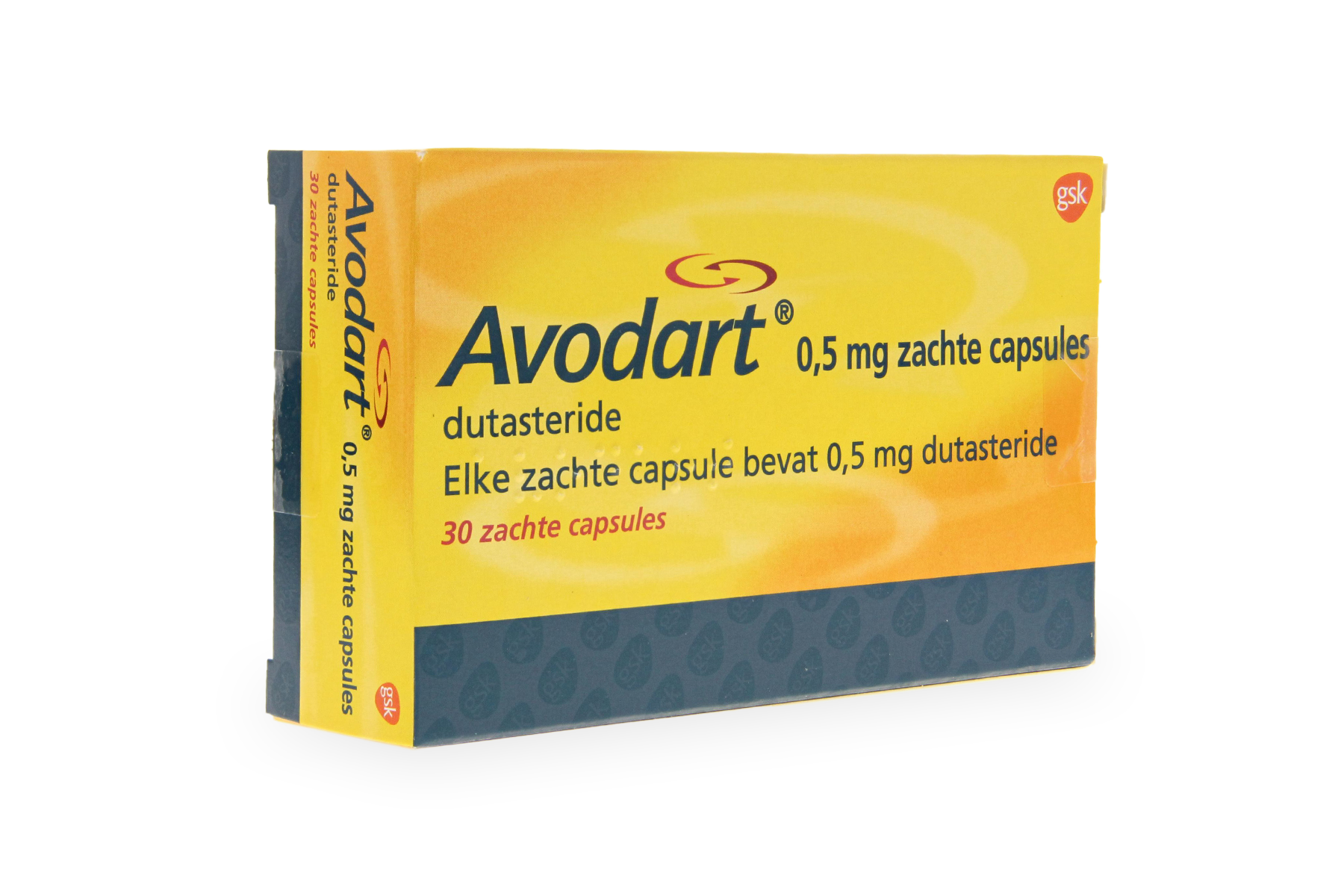
Avodart
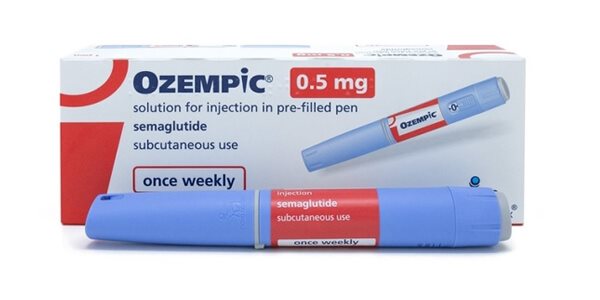
Ozempic

Nuvaring
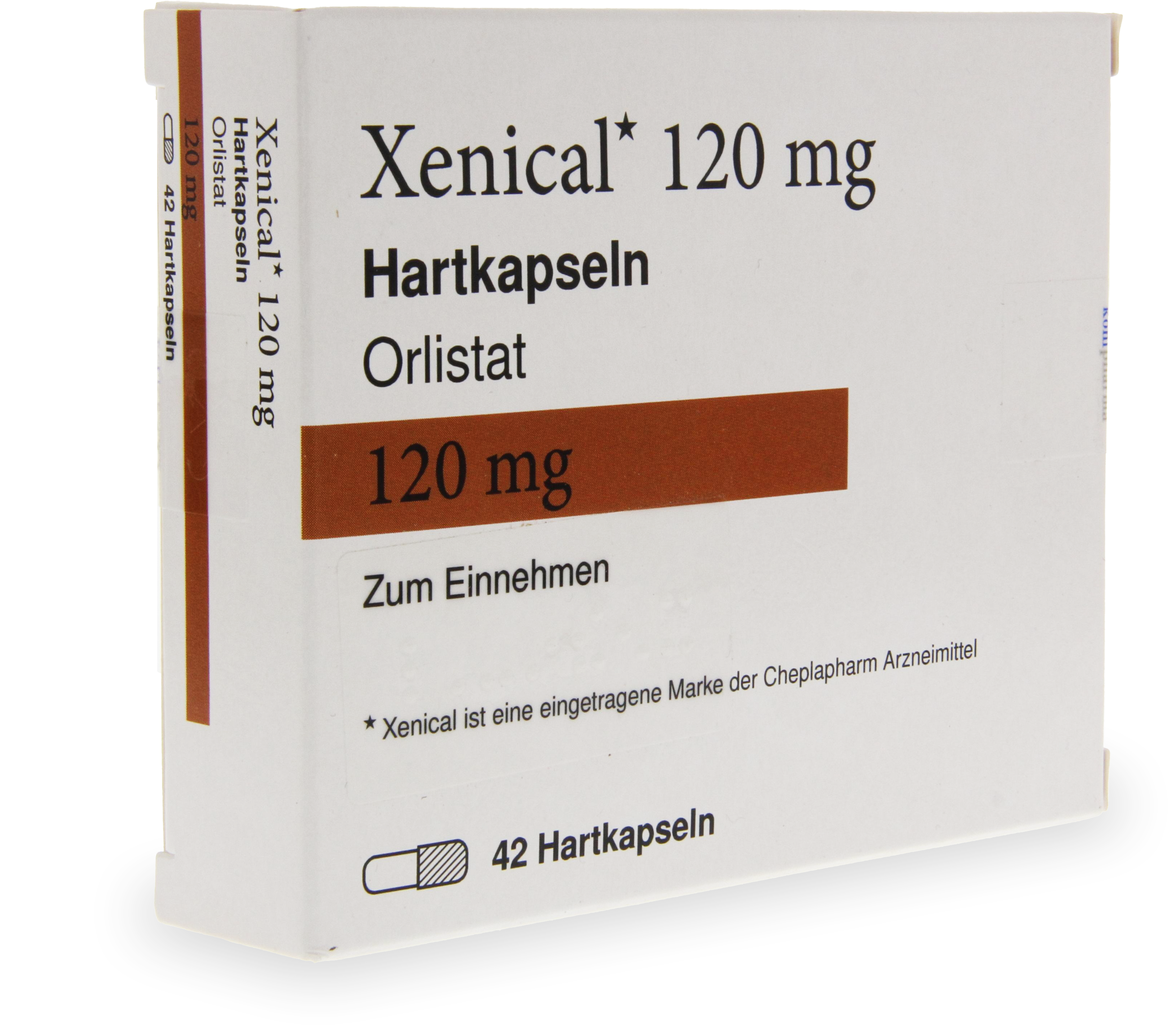
Xenical
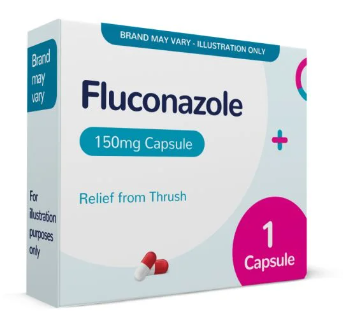
Fluconazole
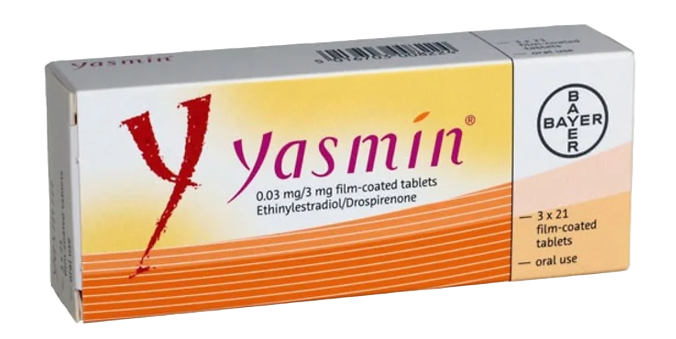
Yasmin
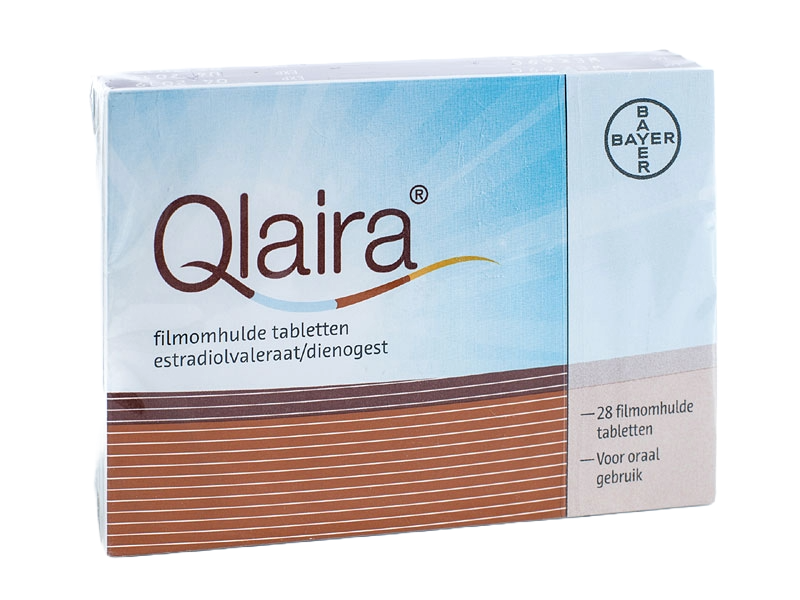
Qlaira
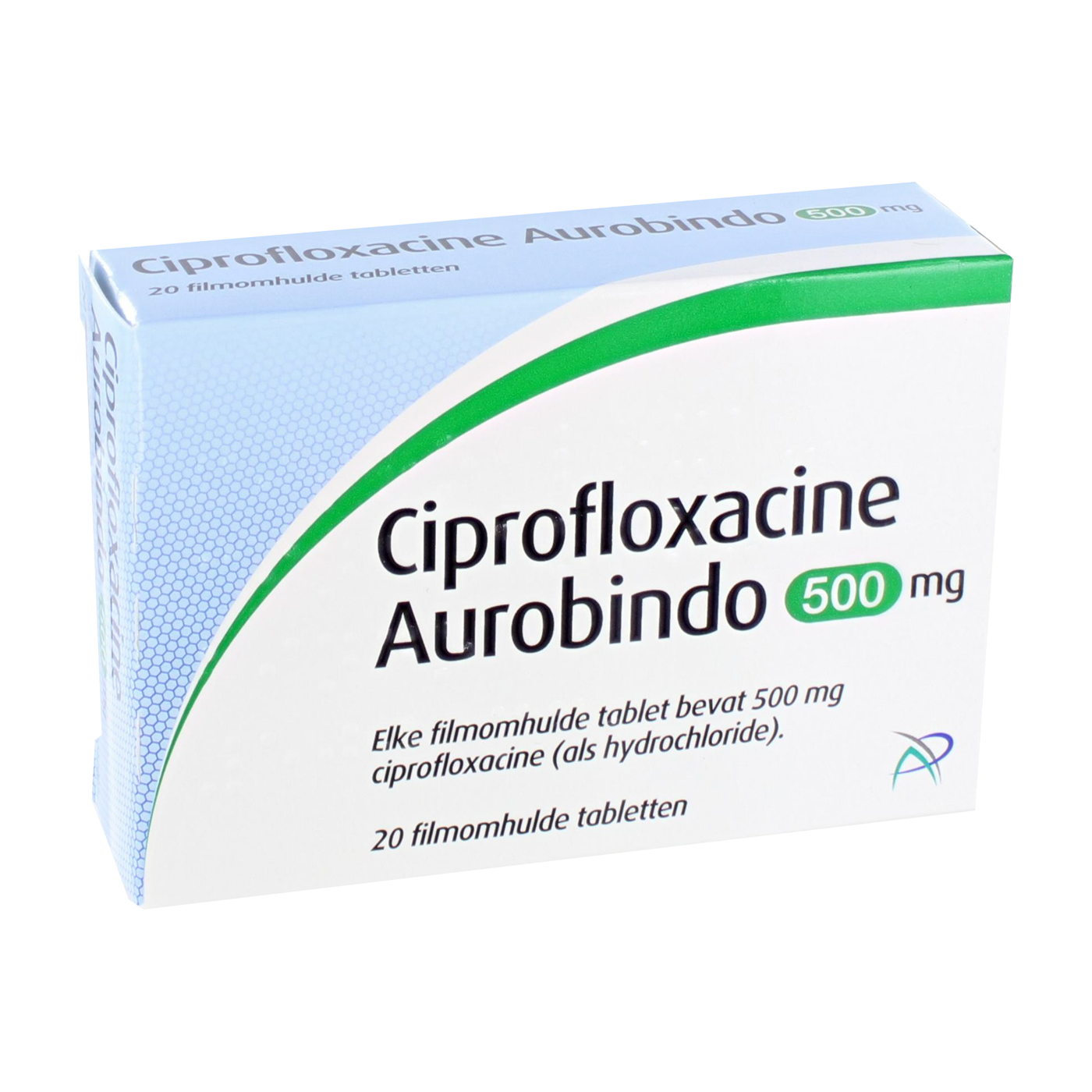
Ciprofloxacin
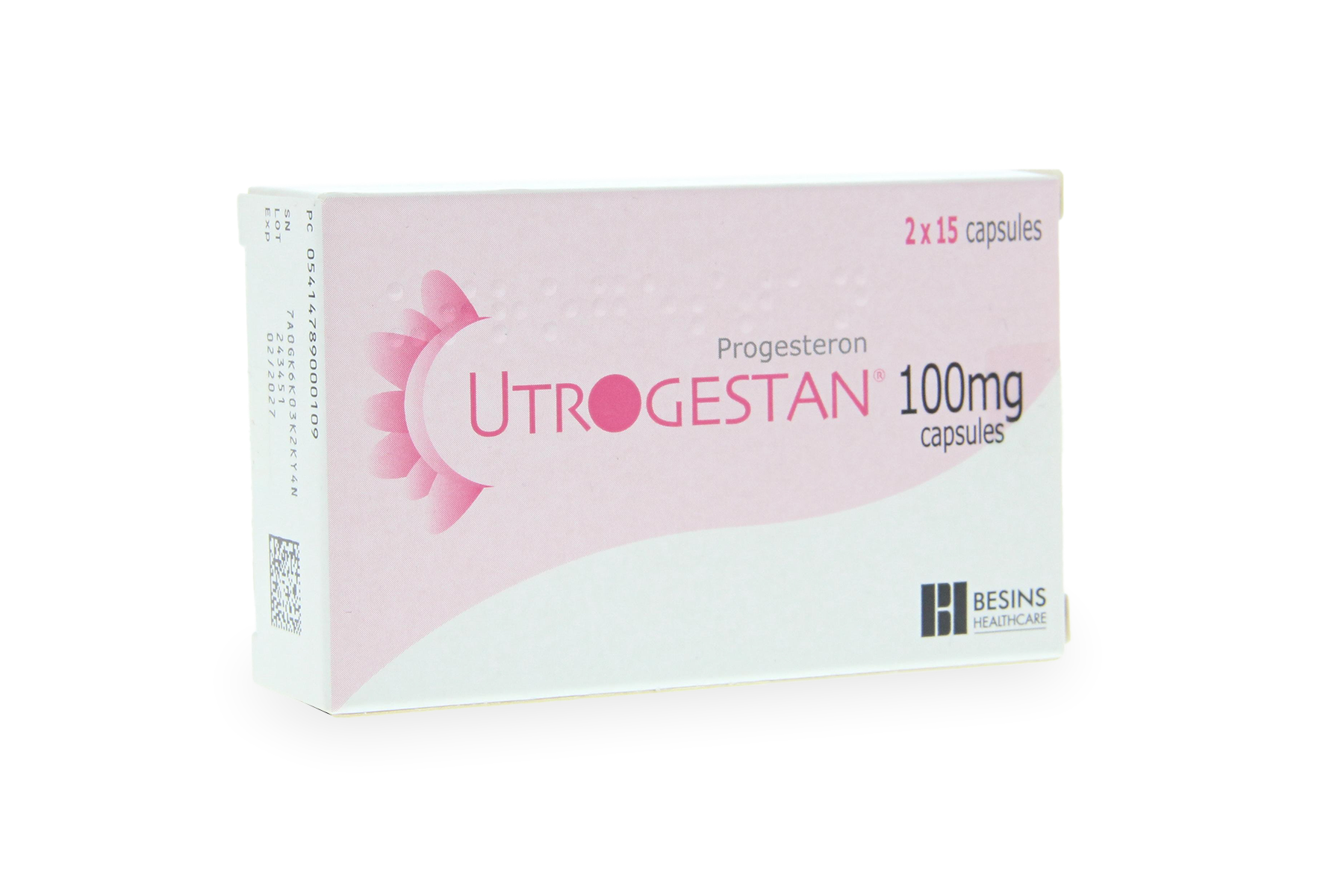
Utrogestan
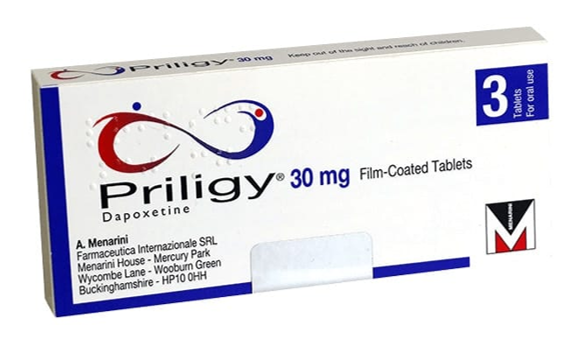
Priligy
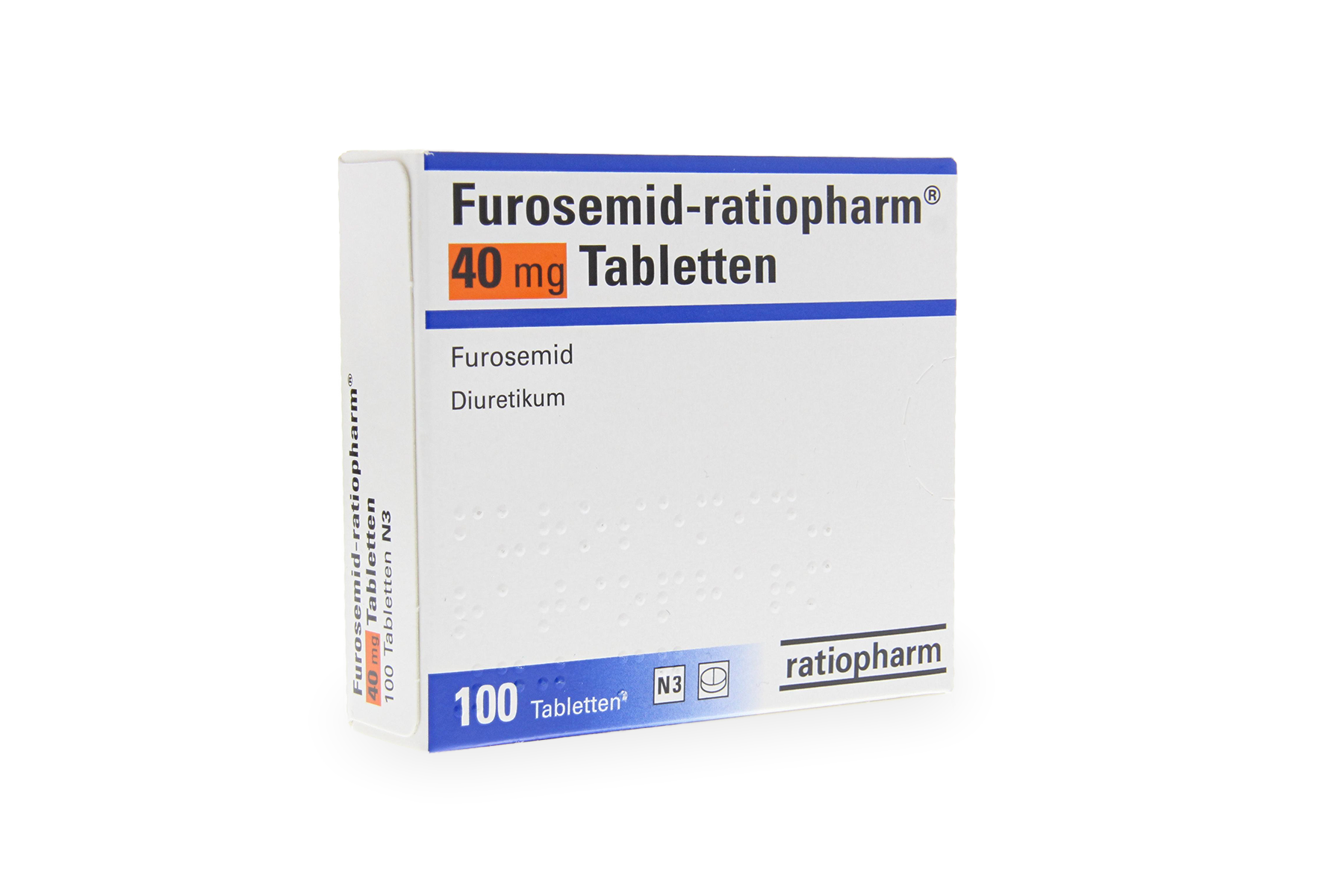
Furosemide
Omeprazole
Pantoprazole

Sildenafil
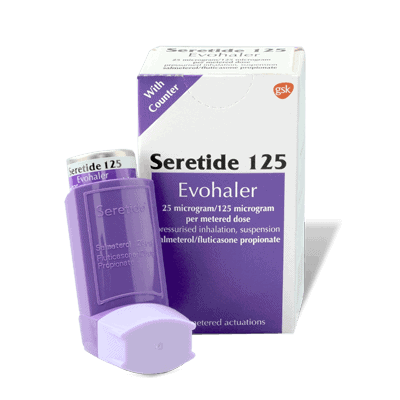
Seretide
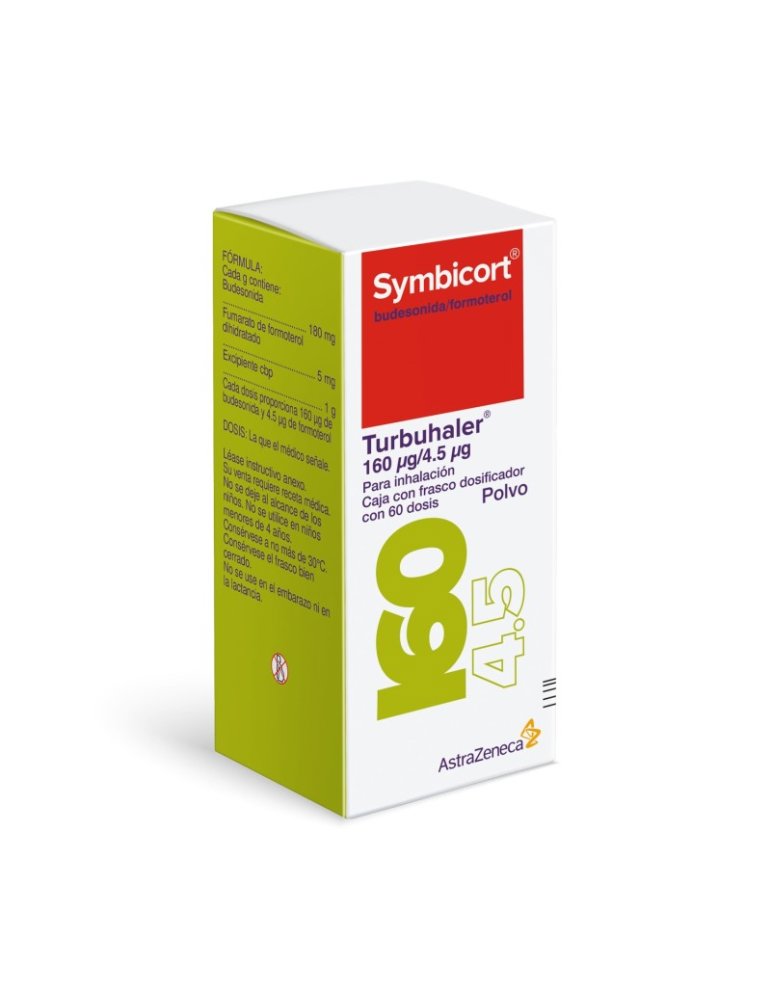
Symbicort Turbuhaler
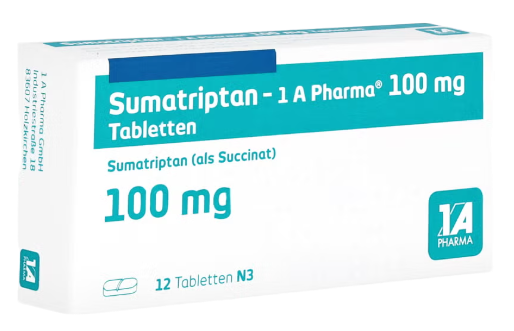
Sumatriptan
Betnovate
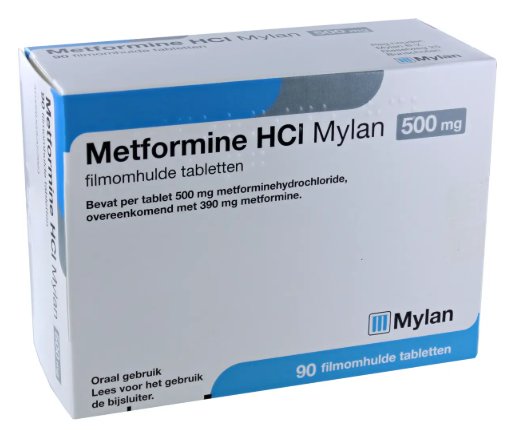
Metformin
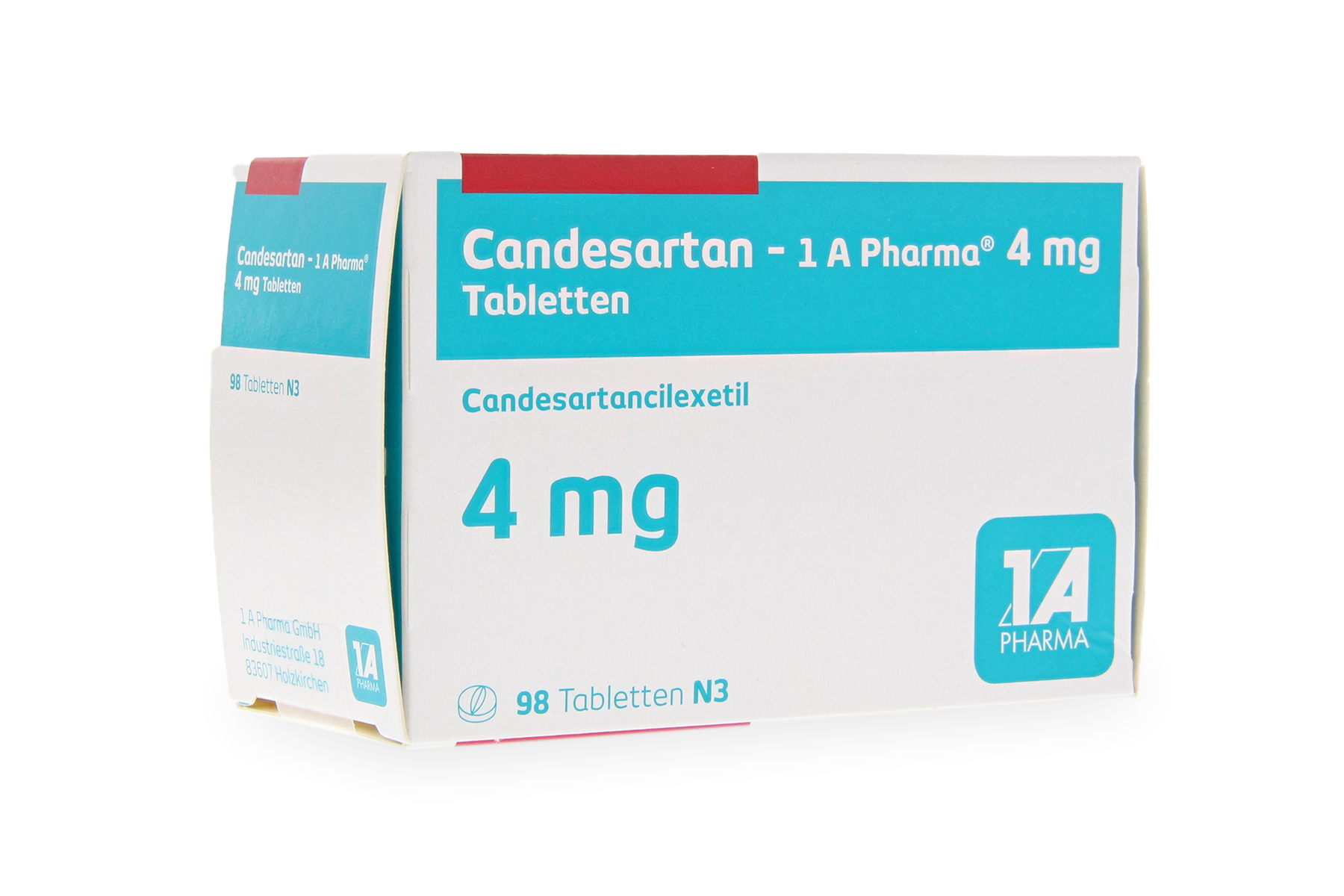
Candesartan
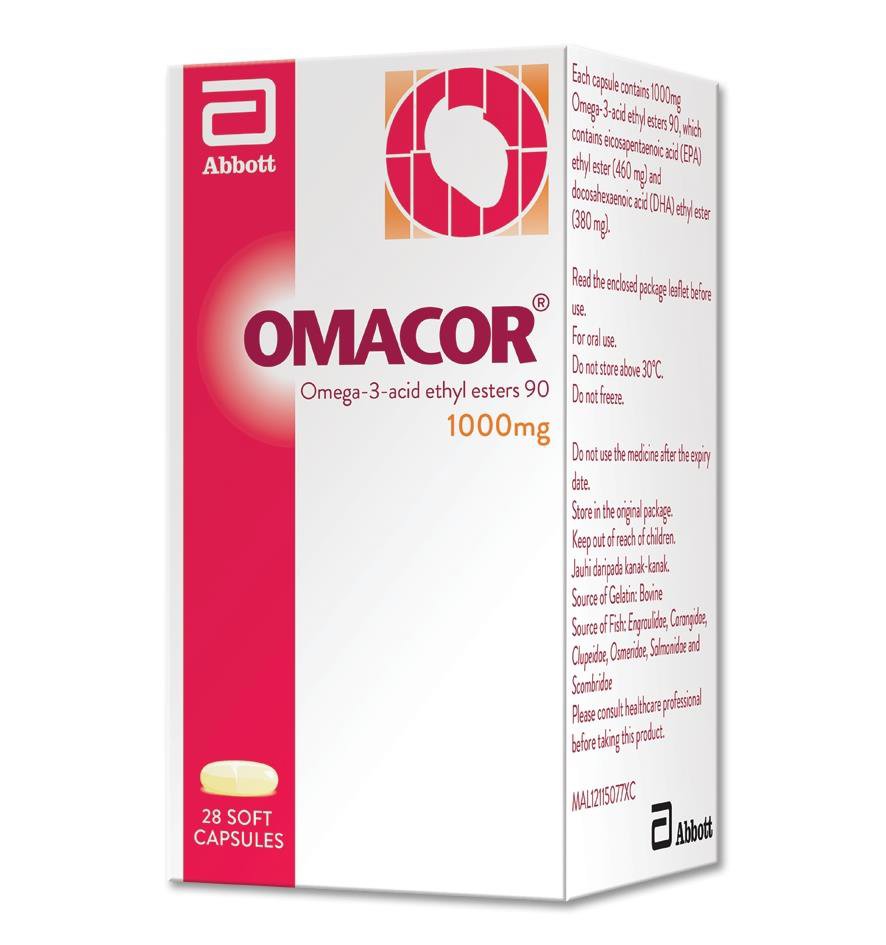
Omacor
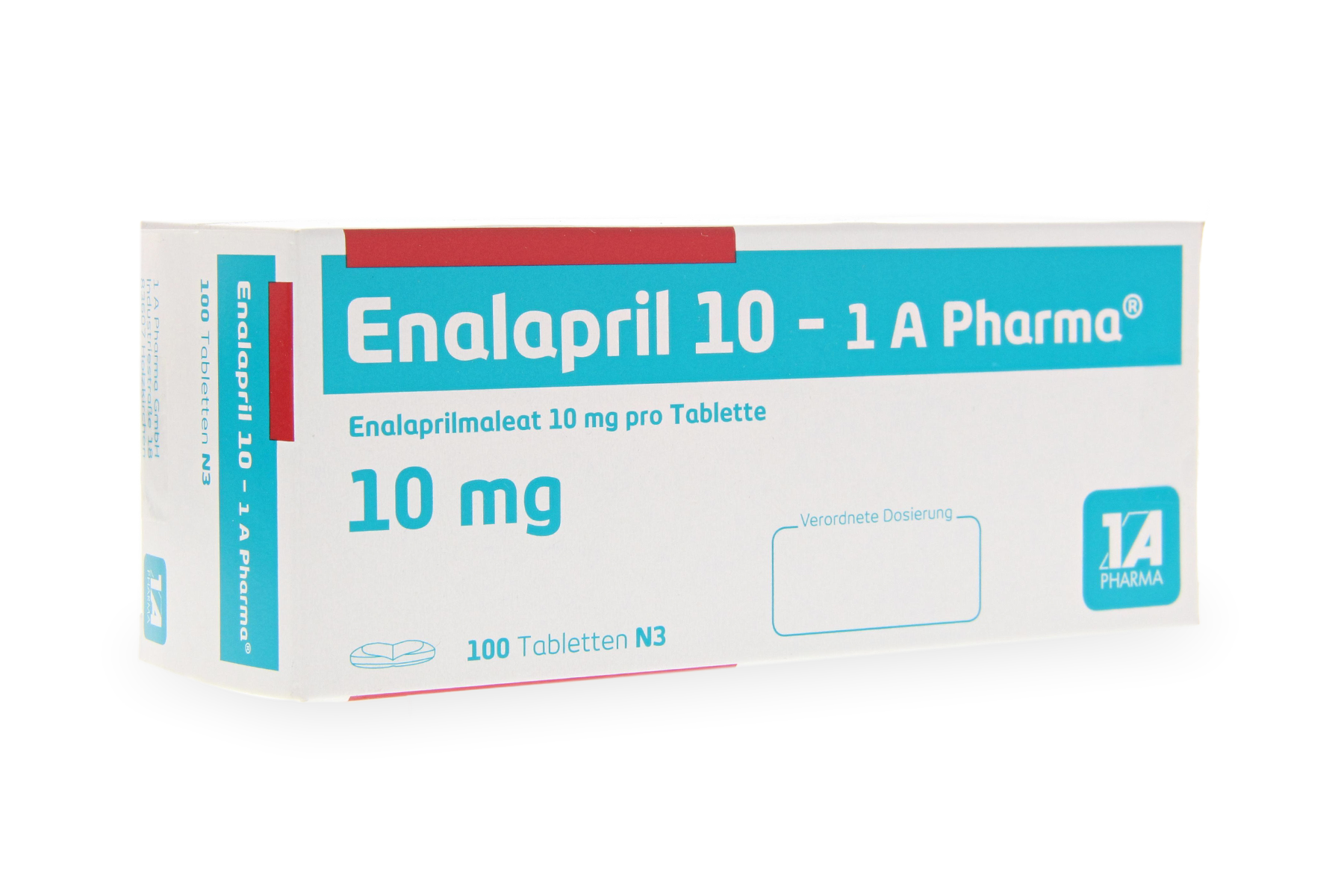
Enalapril
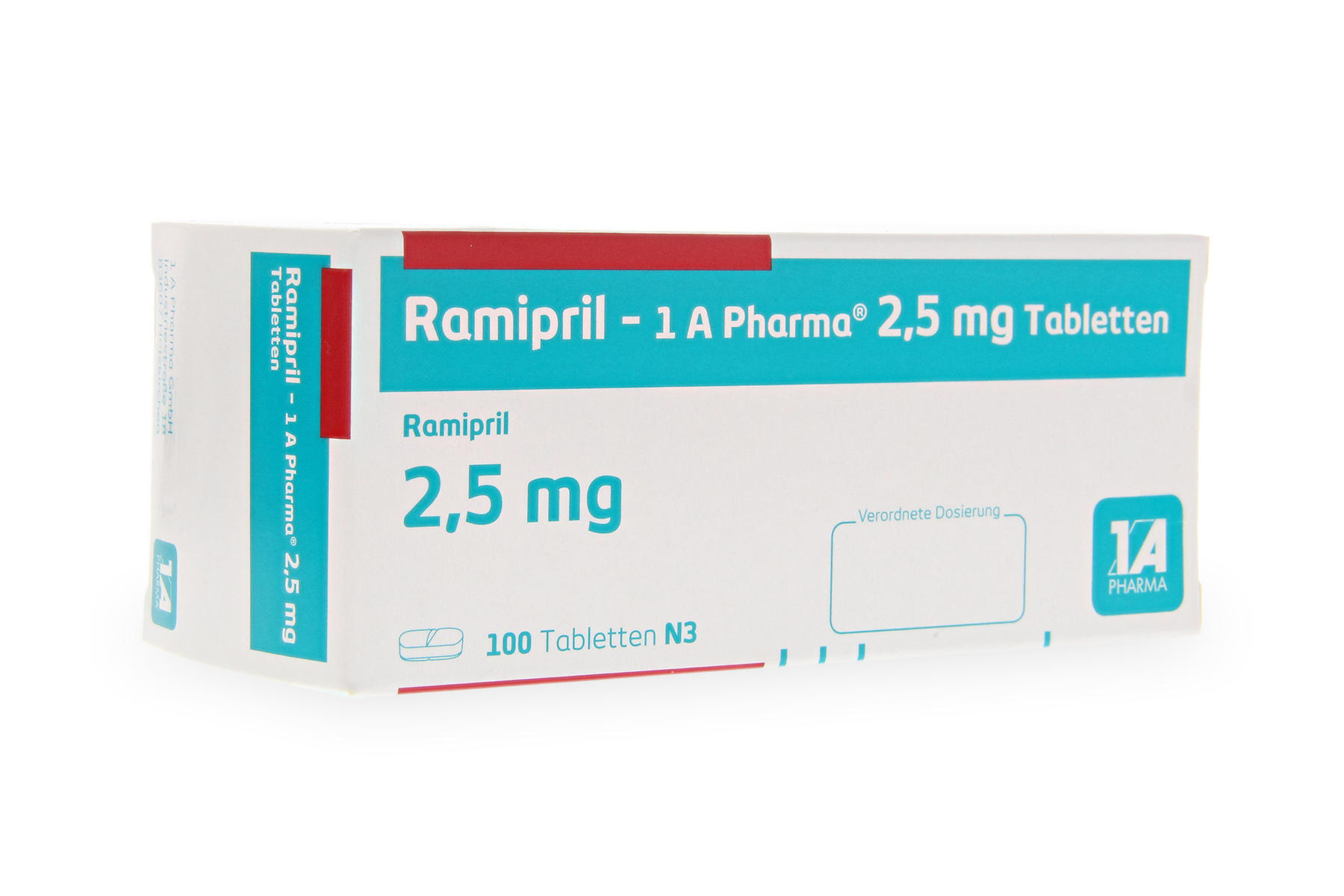
Ramipril
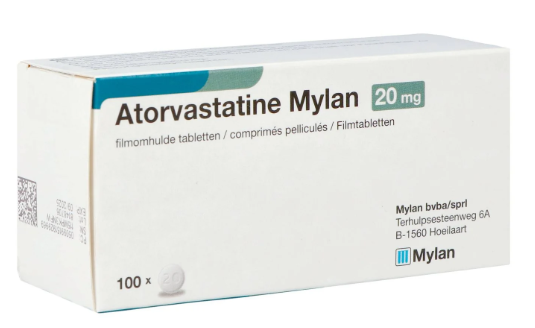
Atorvastatin
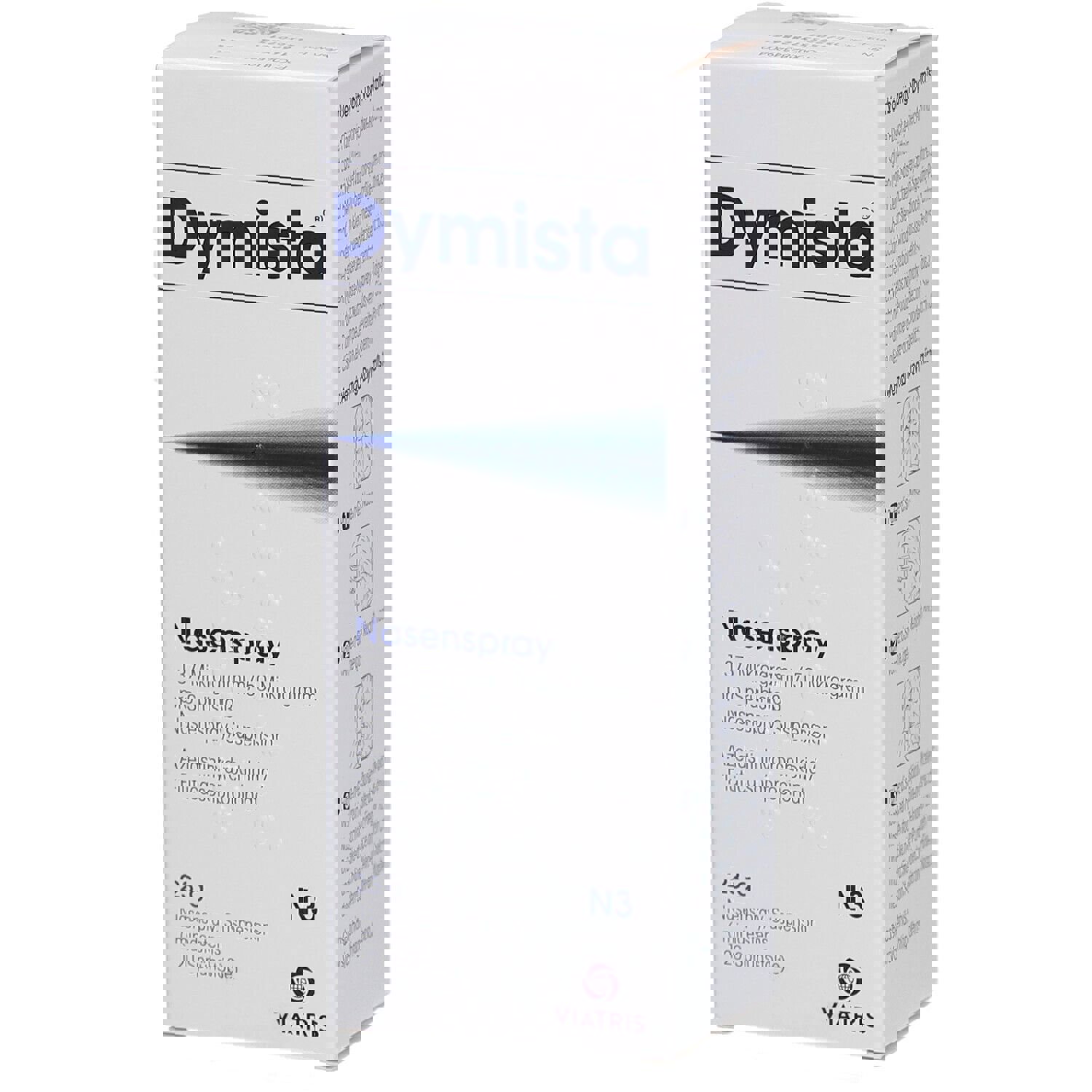
Dymista
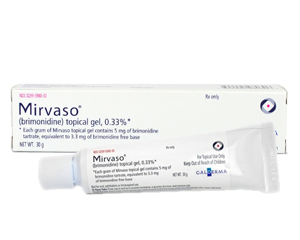
Mirvaso

Spedra
Salbutamol
Orlistat

Vagifem
Marvelon
Desloratadine
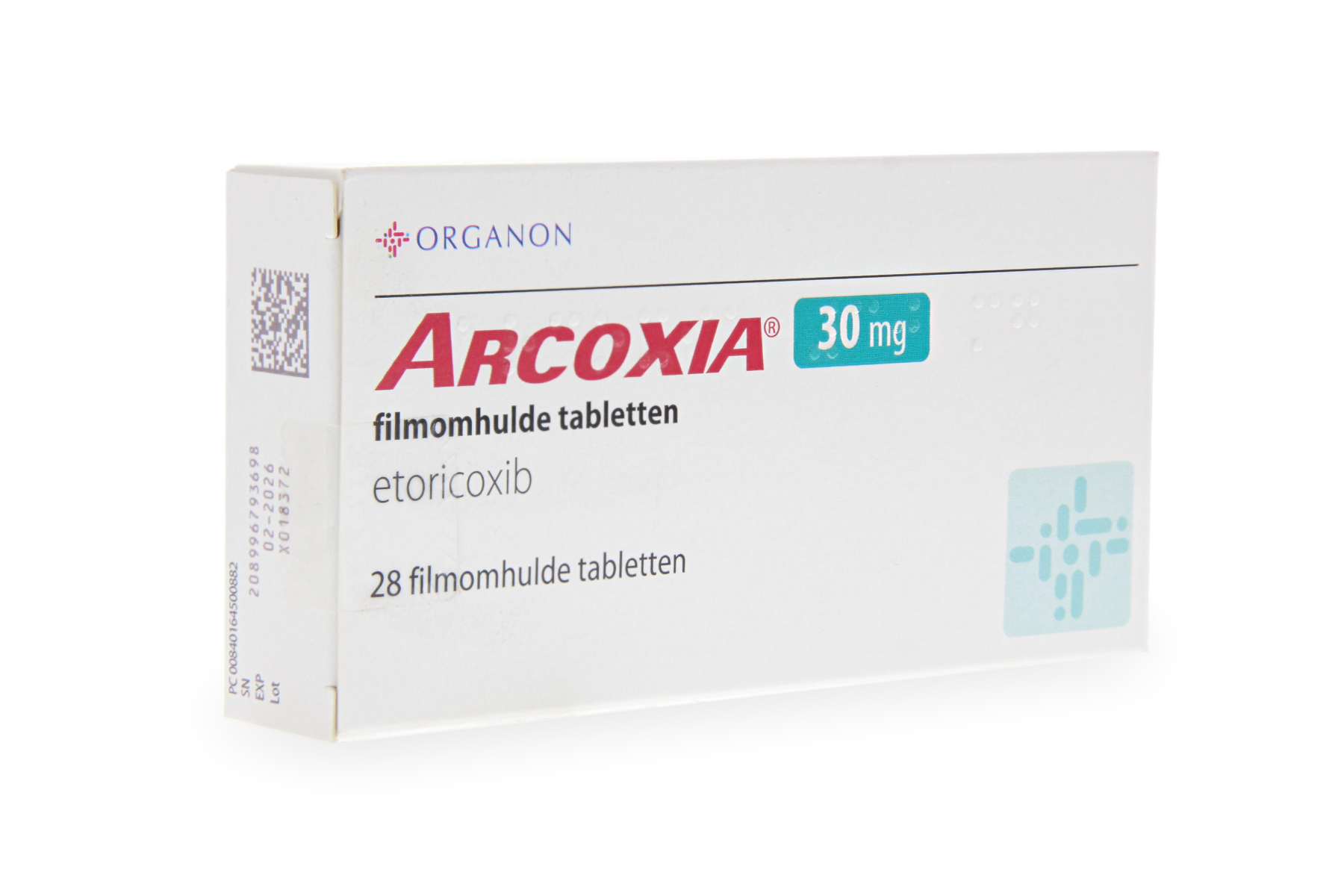
Arcoxia
Levothyroxine
Mercilon
Adenuric

Metoclopramide
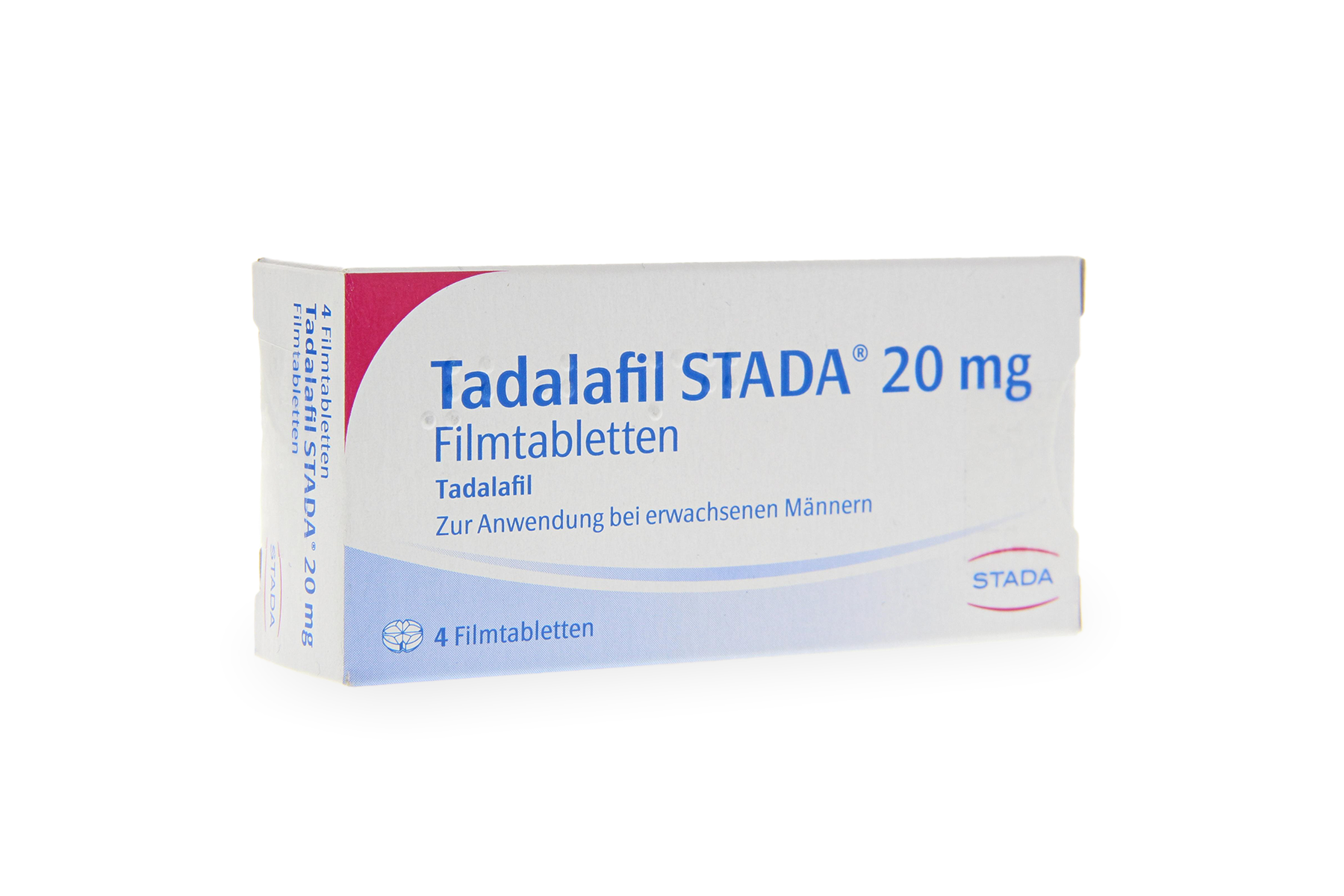
Tadalafil
Valsartan
Spironolactone
Eliquis
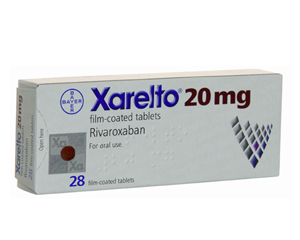
Xarelto

Vardenafil
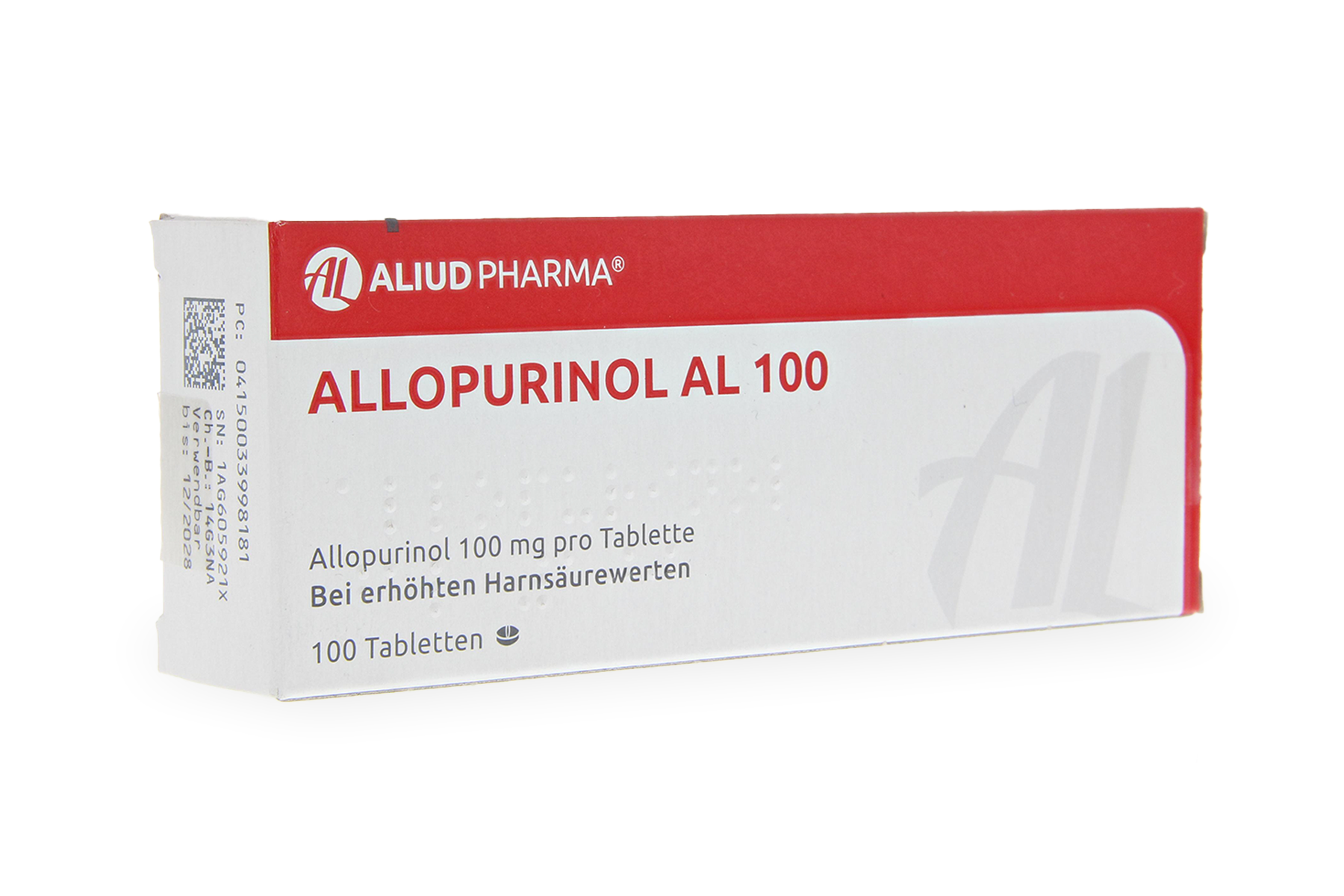
Allopurinol
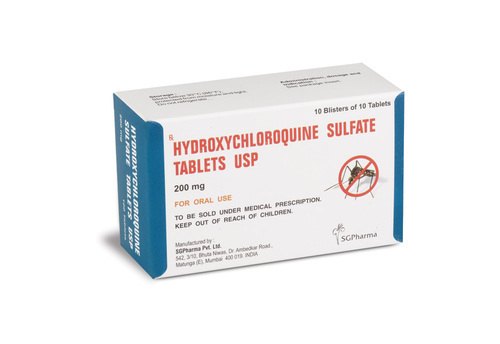
Hydroxychloroquine
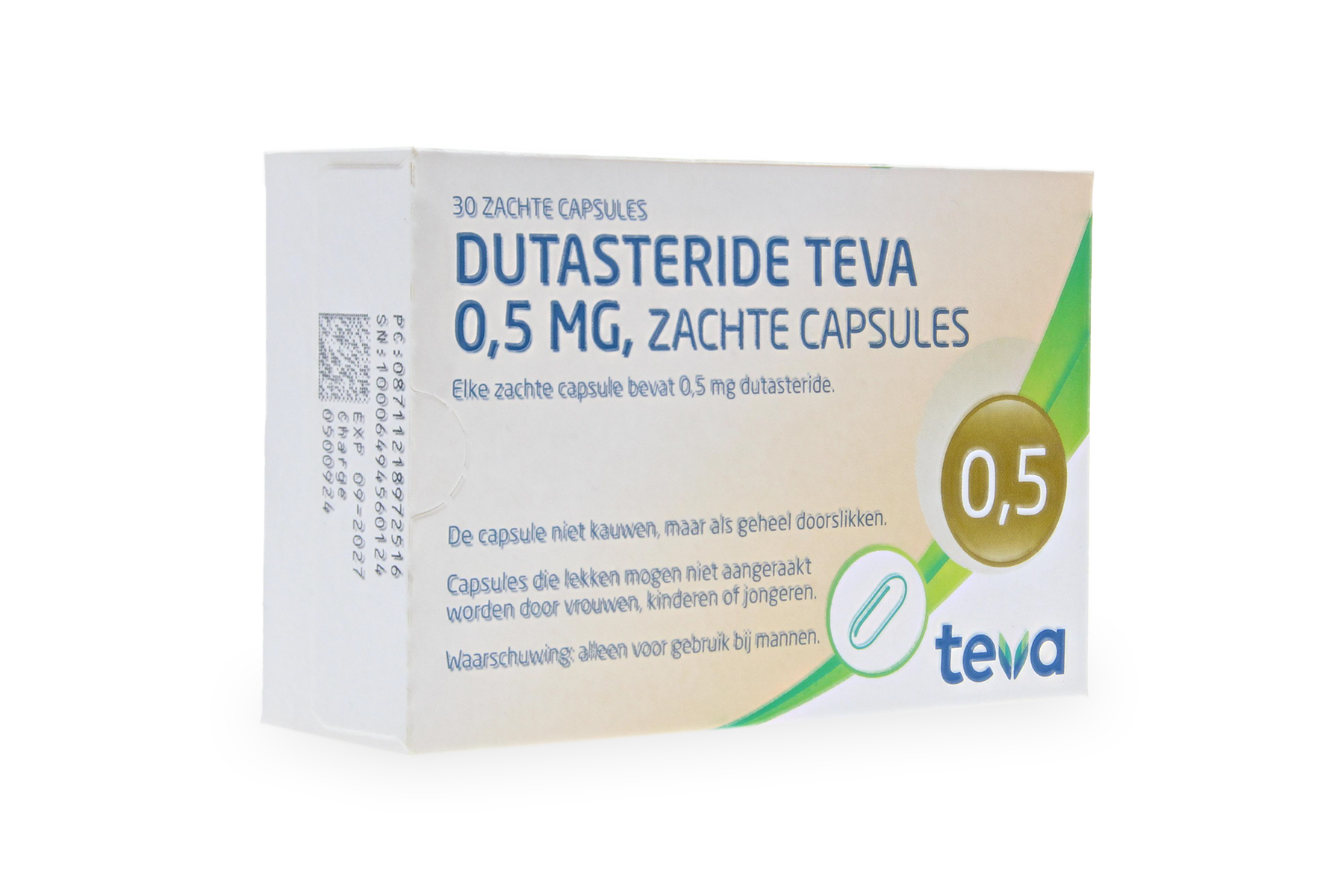
Dutasteride
Propranolol

Wegovy
Circadin
Maxalt
Amlodipine
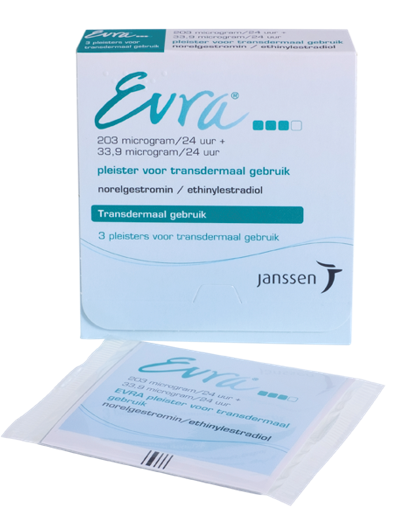
Evra Patches

Mounjaro
Dermovate
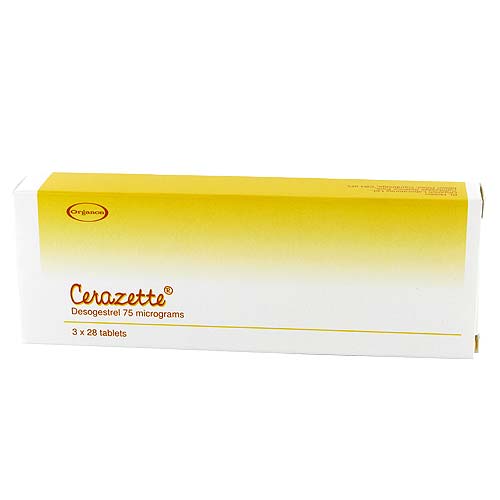
Cerazette

Viagra

Melatonin
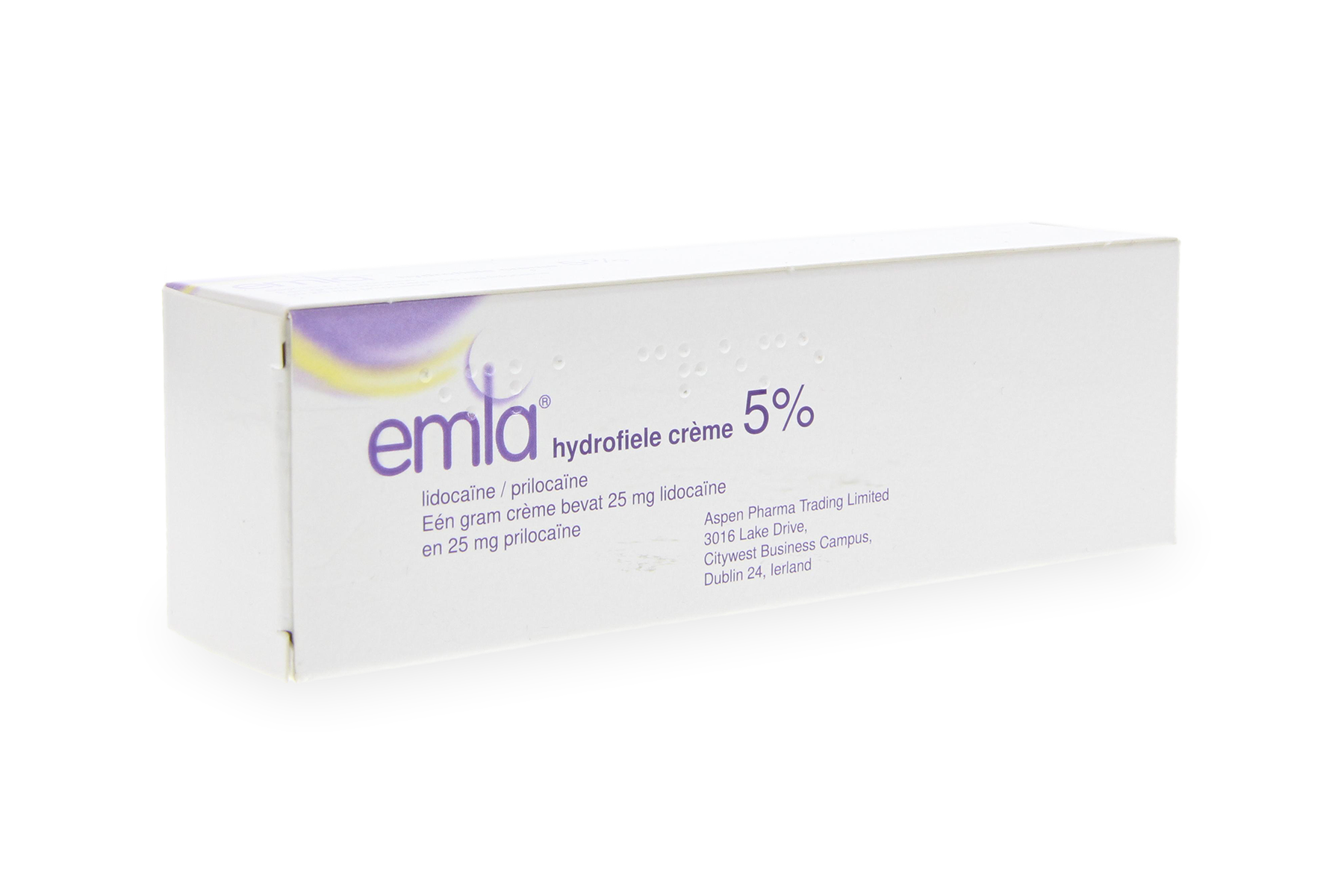
Emla Cream
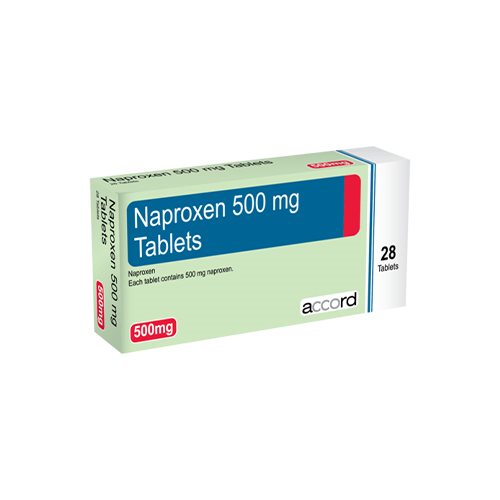
Naproxen
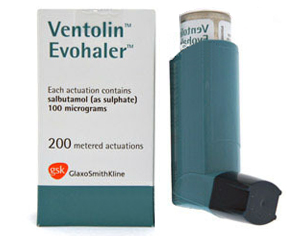
Ventolin

Bricanyl Turbohaler
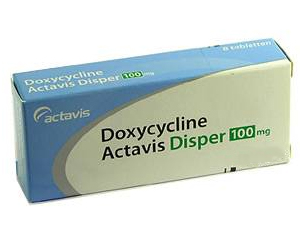
Doxycycline (Malaria)
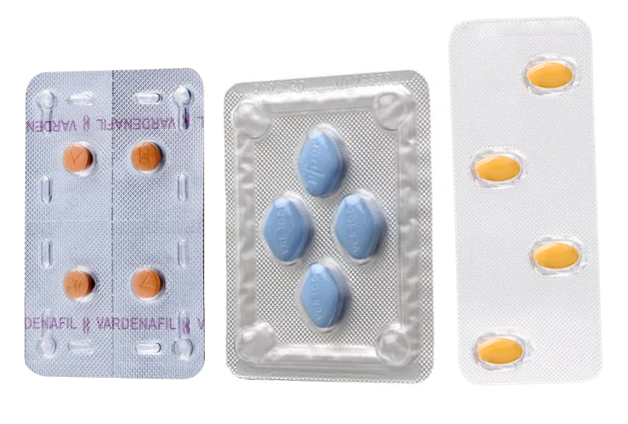
Impotence Trial Pack

Microgynon 30
Fucidin
Bisoprolol
Losartan
Pulmicort Turbohaler
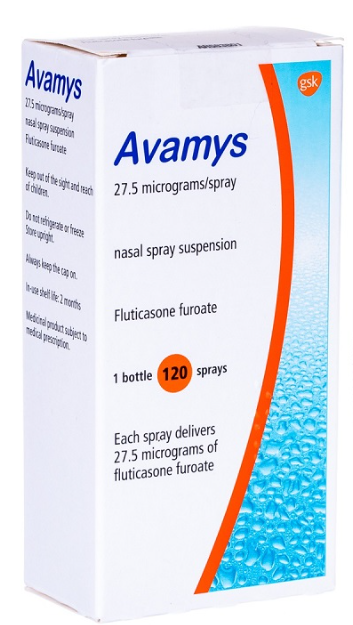
Avamys
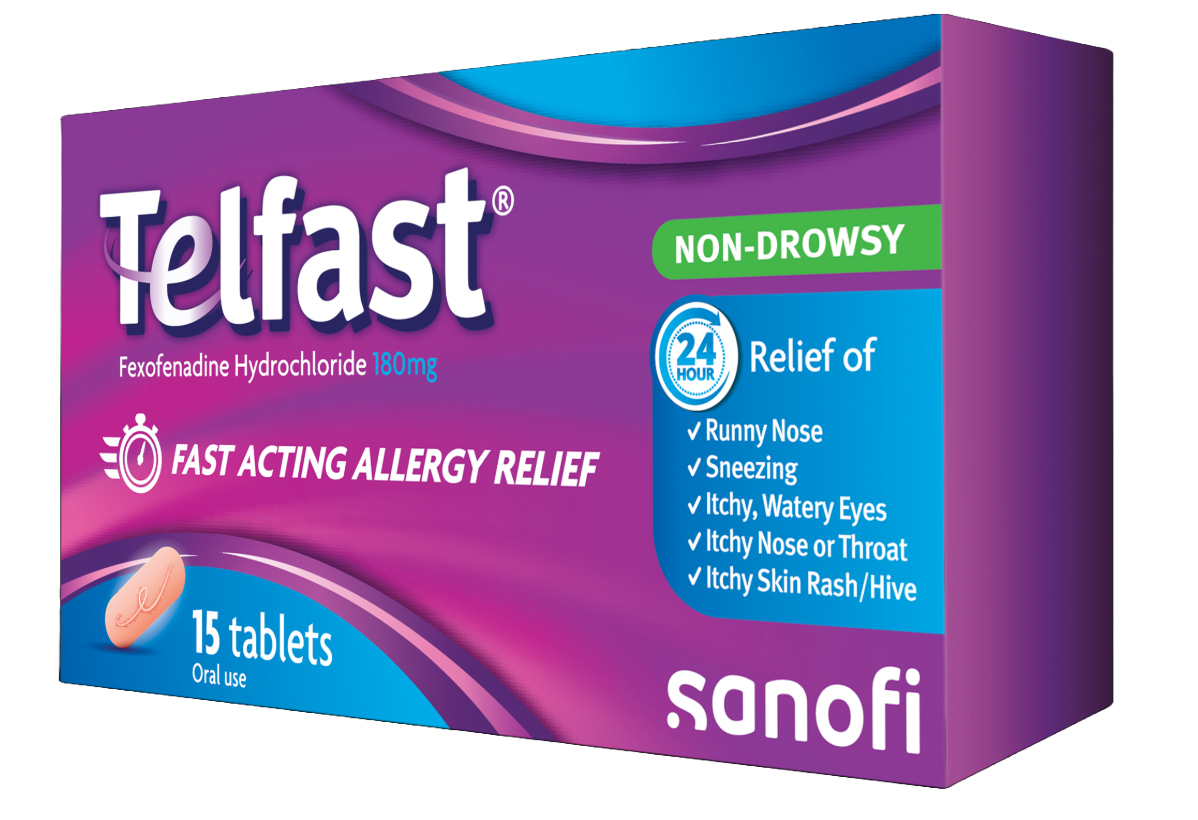
Telfast
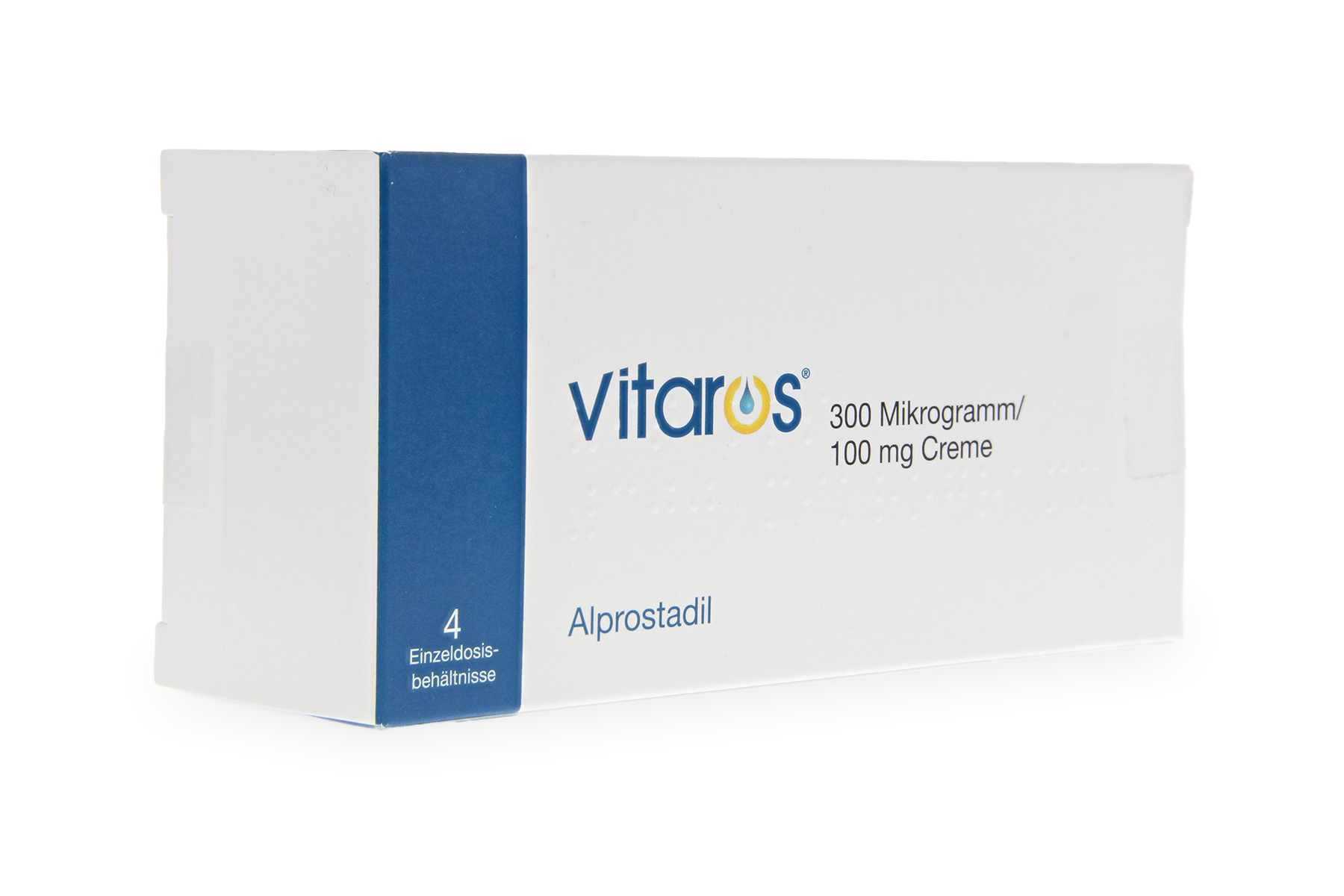
Vitaros

Zyloric
Kliovance
Bactroban
Elocon
Clindamycin
Montelukast
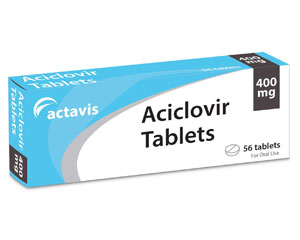
Aciclovir
Proscar

Differin
Nasonex Nasal Spray

Propecia
Clonidine
Femoston
Oestrogel
Tamsulosin MR
Azyter
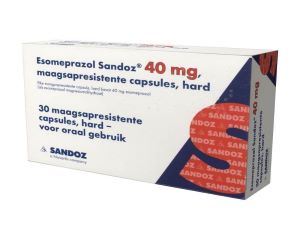
Esomeprazole
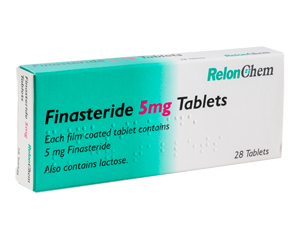
Proscar (Finasteride)
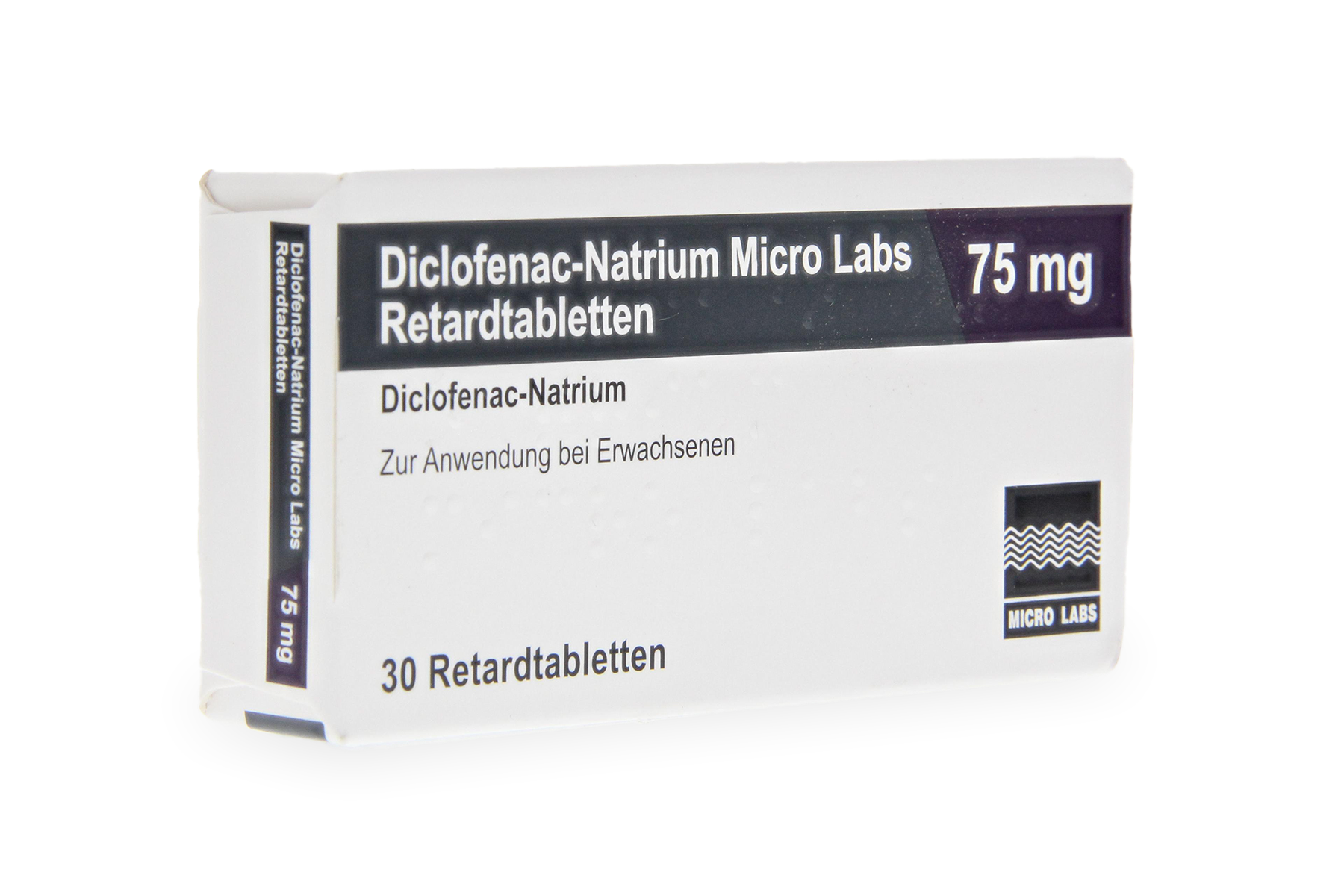
Diclofenac SR
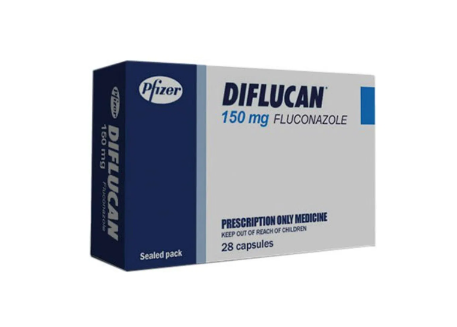
Diflucan
Crestor
Lansoprazole
Vesicare
Flixotide
Serevent
Atenolol
Janumet
Zomig
Antiviral Treatments
What Are Antiviral Medications?
Antiviral medications are a class of drugs designed to treat viral infections. Unlike antibiotics, which target bacteria, antivirals work by interfering with the virus's ability to replicate within host cells. They do not destroy viruses outright but rather slow their multiplication, giving the immune system time to mount an effective response.
Viral infections range from common and self-limiting conditions such as cold sores and influenza to chronic or serious infections including HIV, hepatitis B and C, and herpes zoster (shingles). The development of effective antiviral drugs has transformed the management of many of these conditions, converting previously fatal diseases into manageable chronic conditions and shortening the duration of acute infections.
It is important to understand that antivirals are most effective when started early in the course of an infection, ideally within 48 to 72 hours of symptom onset. For some conditions, such as genital herpes, suppressive therapy taken daily can prevent recurrences and reduce the risk of transmission to partners.
Common Antiviral Treatments
Aciclovir and its prodrug valaciclovir are the cornerstone treatments for herpes simplex virus (HSV) infections, including cold sores and genital herpes, as well as varicella-zoster virus infections such as chickenpox and shingles. Valaciclovir has improved oral bioavailability, allowing less frequent dosing. For genital herpes, a five-day course of aciclovir or valaciclovir at the first sign of an outbreak shortens healing time and reduces symptom severity.
Oseltamivir (Tamiflu) and zanamivir are neuraminidase inhibitors used to treat and prevent influenza. They reduce the duration of flu symptoms by one to two days when started within 48 hours and are particularly recommended for high-risk patients including the elderly, pregnant women, and those with chronic health conditions.
Direct-acting antivirals have revolutionised the treatment of hepatitis C, achieving cure rates exceeding 95 per cent with eight to twelve weeks of oral therapy. Antiretroviral therapy for HIV suppresses the virus to undetectable levels, preventing disease progression and transmission. These specialist treatments are managed through hospital or specialist clinic settings.
Treating and Preventing Herpes Outbreaks
Herpes simplex infections, whether oral (cold sores) or genital, are lifelong once acquired. The virus remains dormant in nerve ganglia and can reactivate periodically, causing recurrent outbreaks. Triggers include stress, fatigue, illness, sun exposure, and menstruation.
Episodic treatment involves starting antiviral therapy at the earliest sign of an outbreak, ideally during the prodromal phase (tingling, itching, or burning sensation) before blisters appear. Keeping a supply of medication at home allows prompt self-initiated treatment, which significantly reduces the severity and duration of each episode.
For individuals with frequent recurrences (six or more per year), daily suppressive therapy with valaciclovir or aciclovir can reduce outbreak frequency by 70 to 80 per cent and significantly lower the risk of transmitting the virus to a sexual partner. Suppressive therapy is safe for long-term use, and many patients continue it for a year or more before reassessing with a break to determine whether the natural recurrence rate has declined.
Antiviral Resistance and Responsible Use
Just as bacteria can develop resistance to antibiotics, viruses can evolve resistance to antiviral drugs. This is a particular concern in the management of HIV, hepatitis B, and influenza, where incomplete treatment or suboptimal dosing can select for resistant viral strains.
Responsible use of antivirals means taking medications exactly as prescribed, completing the full course, and not sharing them with others. For suppressive herpes therapy, adherence to daily dosing is important both for personal benefit and for maintaining the drug's effectiveness at a population level.
Research into new antiviral agents continues to advance rapidly. Broad-spectrum antivirals, improved formulations, and novel drug targets offer hope for better treatment of existing viral threats and preparedness for future pandemics. Vaccination remains the most effective strategy for preventing viral infections where vaccines are available.
Ordering Antiviral Medication Online
Antiviral medications for conditions such as cold sores, genital herpes, and influenza prevention can be obtained through regulated online pharmacy services. For patients with a confirmed diagnosis of recurrent herpes, ordering a supply of aciclovir or valaciclovir to keep at home for prompt self-treatment is a practical and widely recommended approach.
The online consultation involves confirming your diagnosis, describing the frequency and severity of outbreaks, and providing relevant medical history. A prescriber assesses whether the requested treatment is appropriate and, if so, authorises the prescription for dispensing.
For new or uncertain symptoms, particularly in the genital area, a proper clinical assessment is important. Several other conditions can mimic herpes, and laboratory testing (viral swab or blood test) may be needed to confirm the diagnosis. Once confirmed, ongoing management through an online service is a convenient and discreet option for many patients.
Frequently Asked Questions
How quickly should I take antiviral medication?
Can antivirals cure herpes?
What is the difference between aciclovir and valaciclovir?
How quickly should I start antiviral treatment?
Dr. Ross Elledge
General Practitioner · General & Family Medicine
Verified Healthcare Professional
TopDoctors ProfileThis website provides general information about medicines for educational purposes only. Always consult your doctor or pharmacist before taking any medication.