
Bladder & Urinary Treatments
Bladder conditions such as overactive bladder and recurrent UTIs affect millions of UK adults. Anticholinergic medications and beta-3 agonists can effectively manage overactive bladder symptoms. Online consultations provide discreet access to prescription treatment.
Anticholinergics reduce urgency and frequency of urination
Beta-3 agonists (mirabegron) offer an alternative with fewer side effects
Preventive antibiotics can reduce recurrent UTI episodes
Bladder training complements medication for best results

Cialis
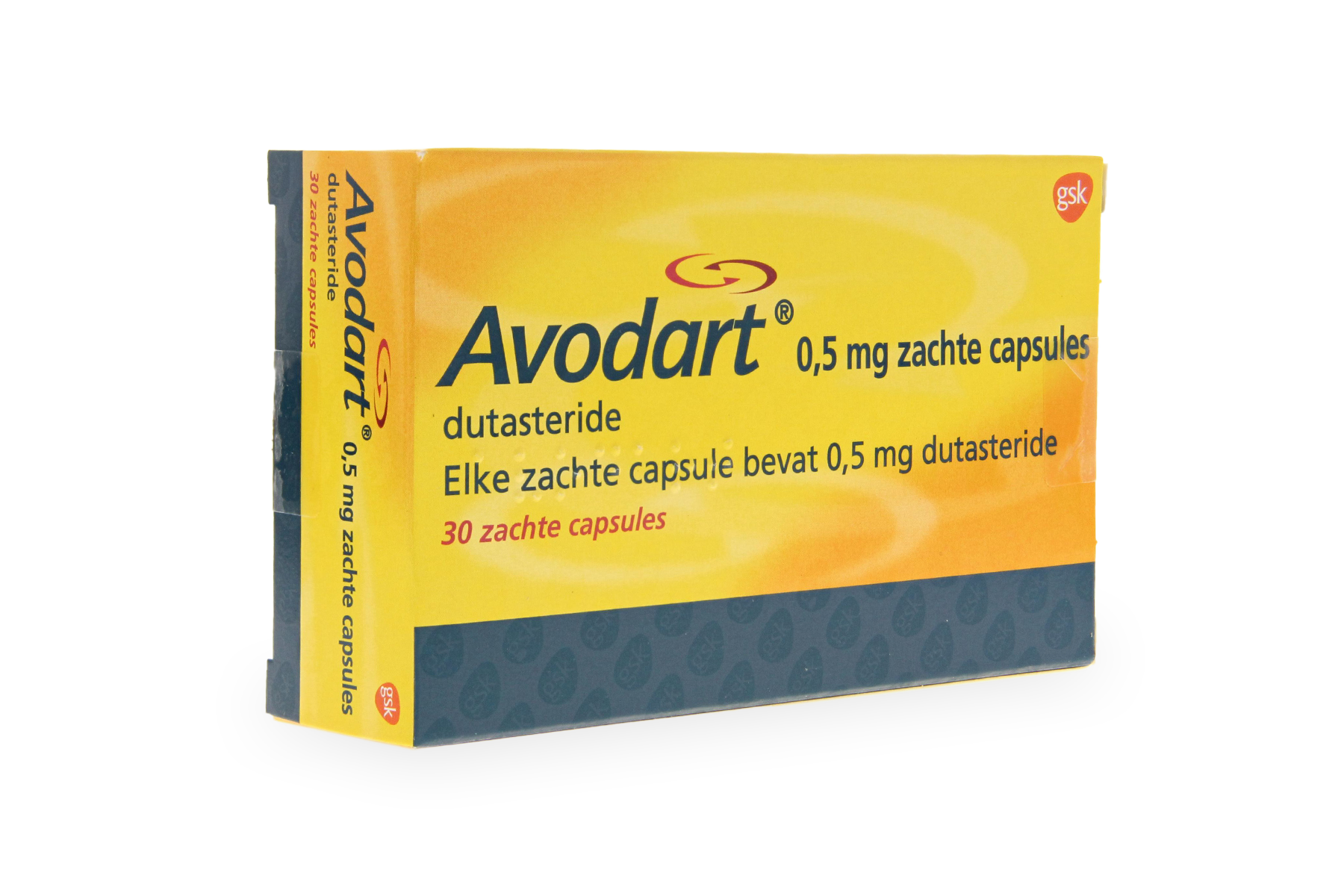
Avodart

Ozempic

Nuvaring
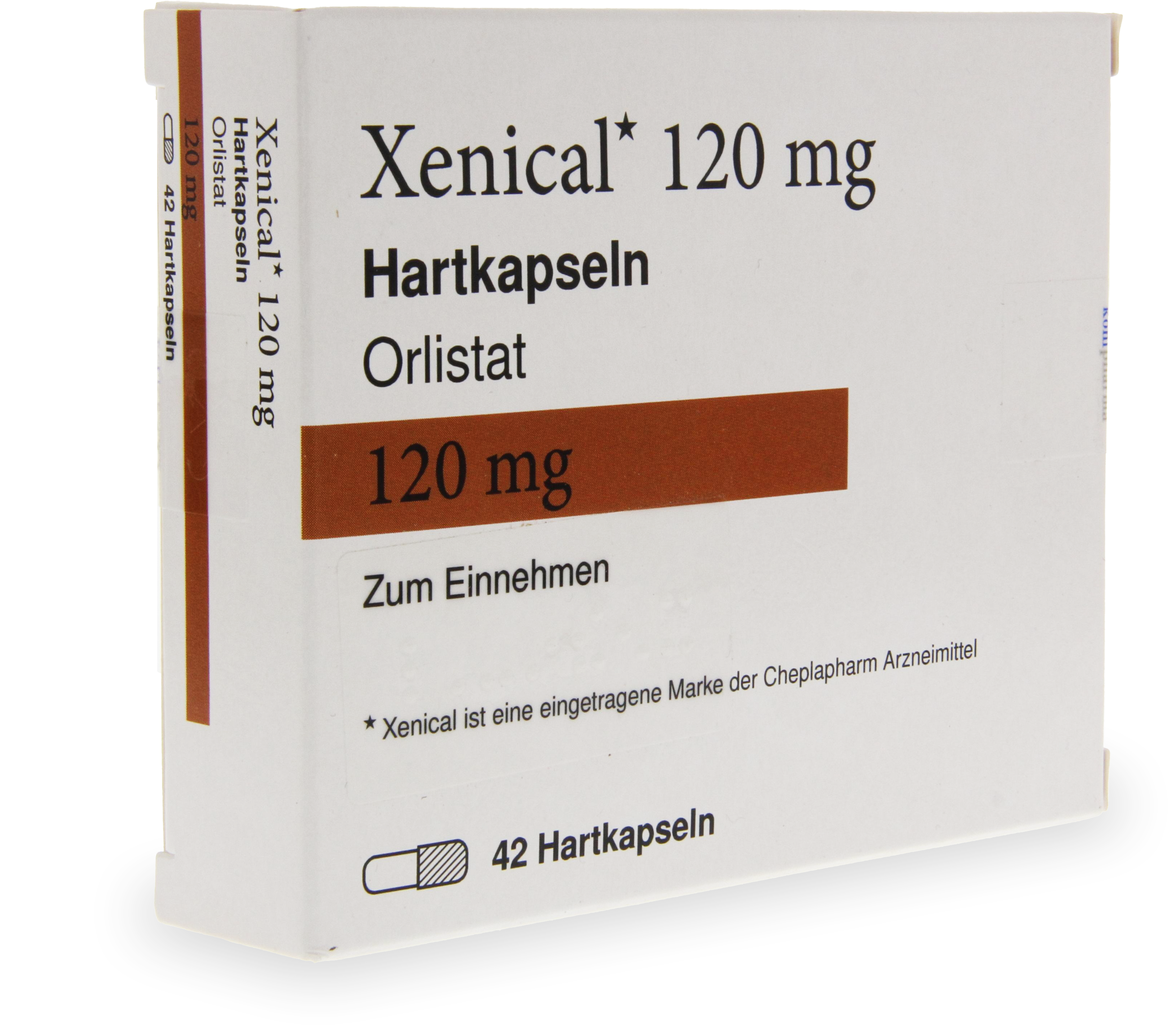
Xenical
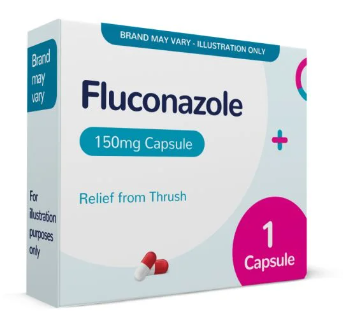
Fluconazole
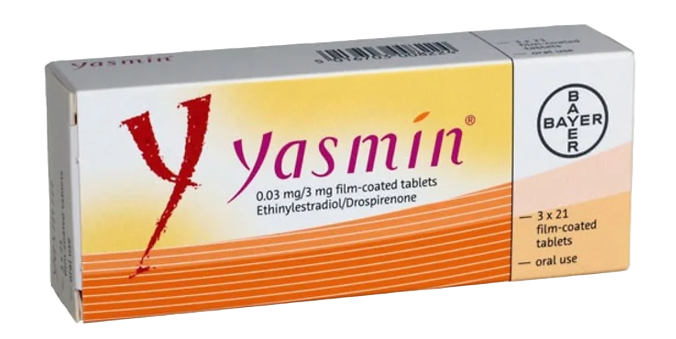
Yasmin
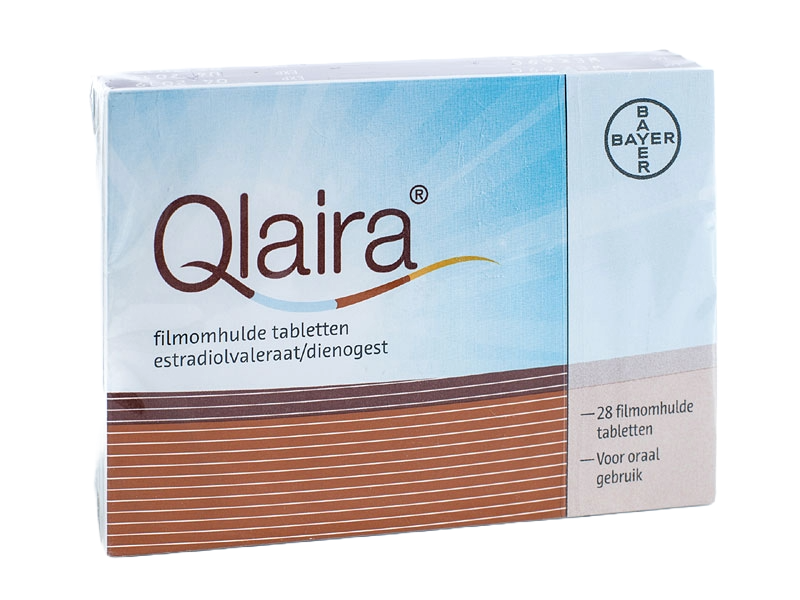
Qlaira
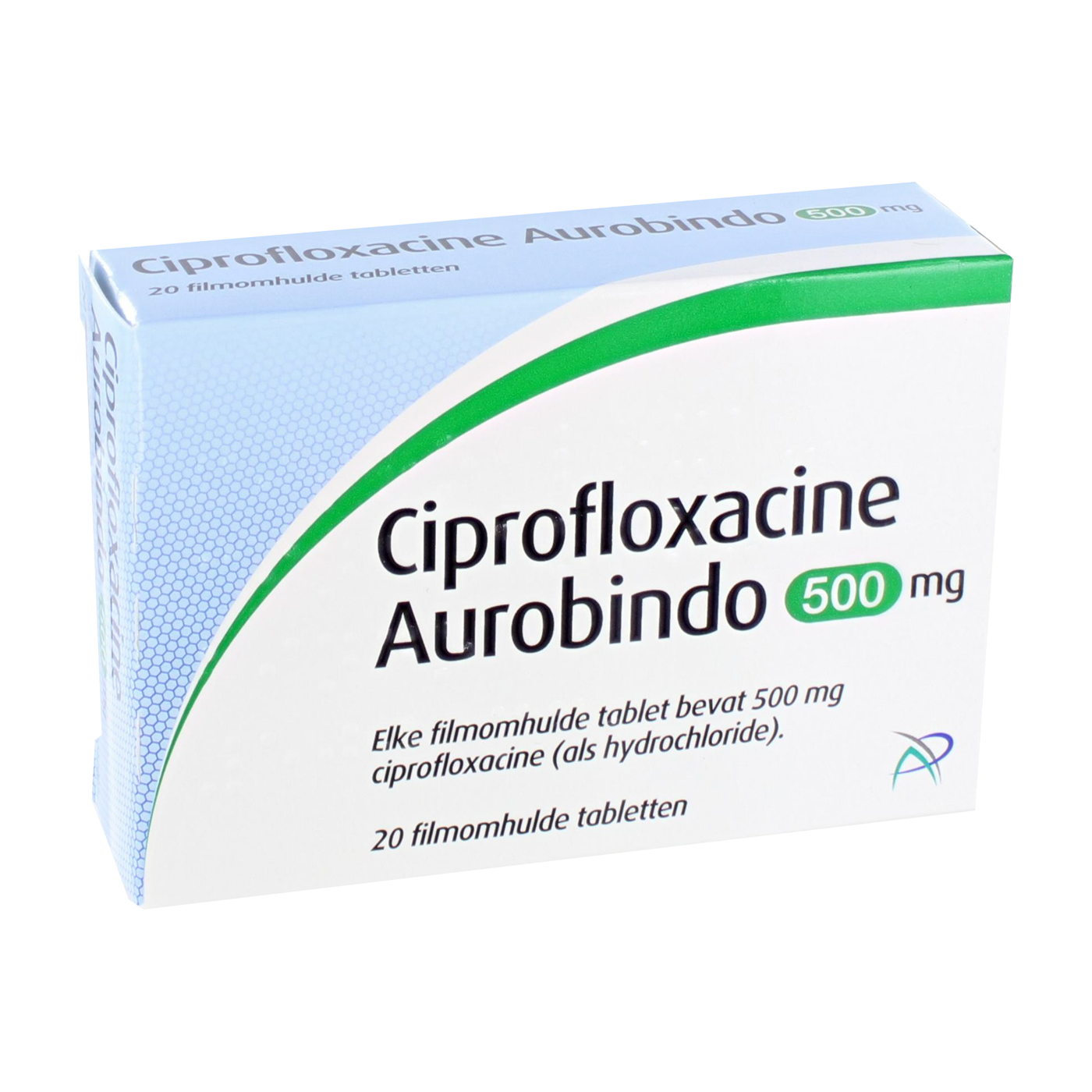
Ciprofloxacin
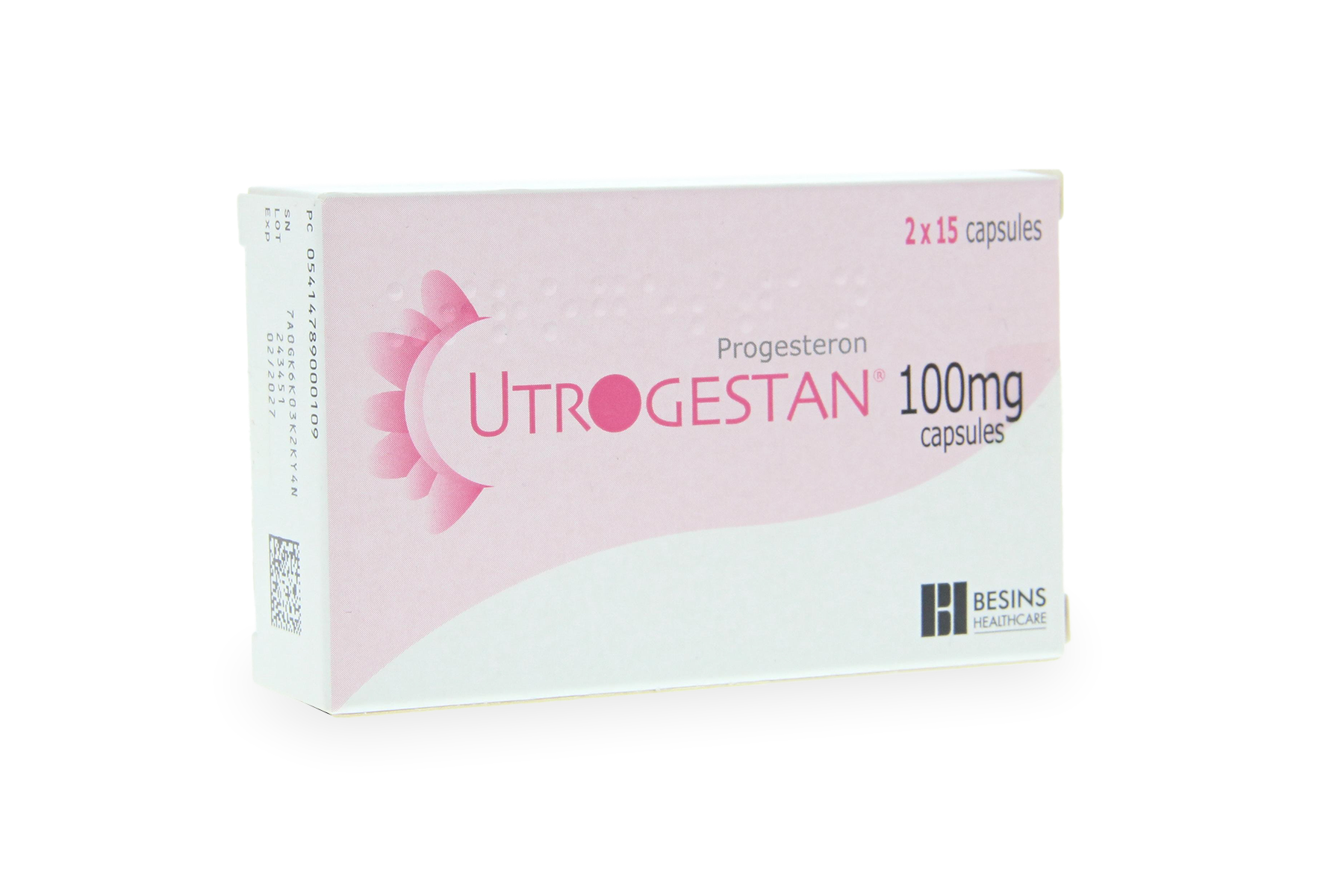
Utrogestan
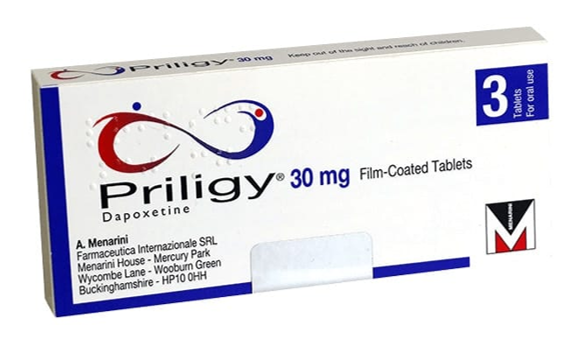
Priligy
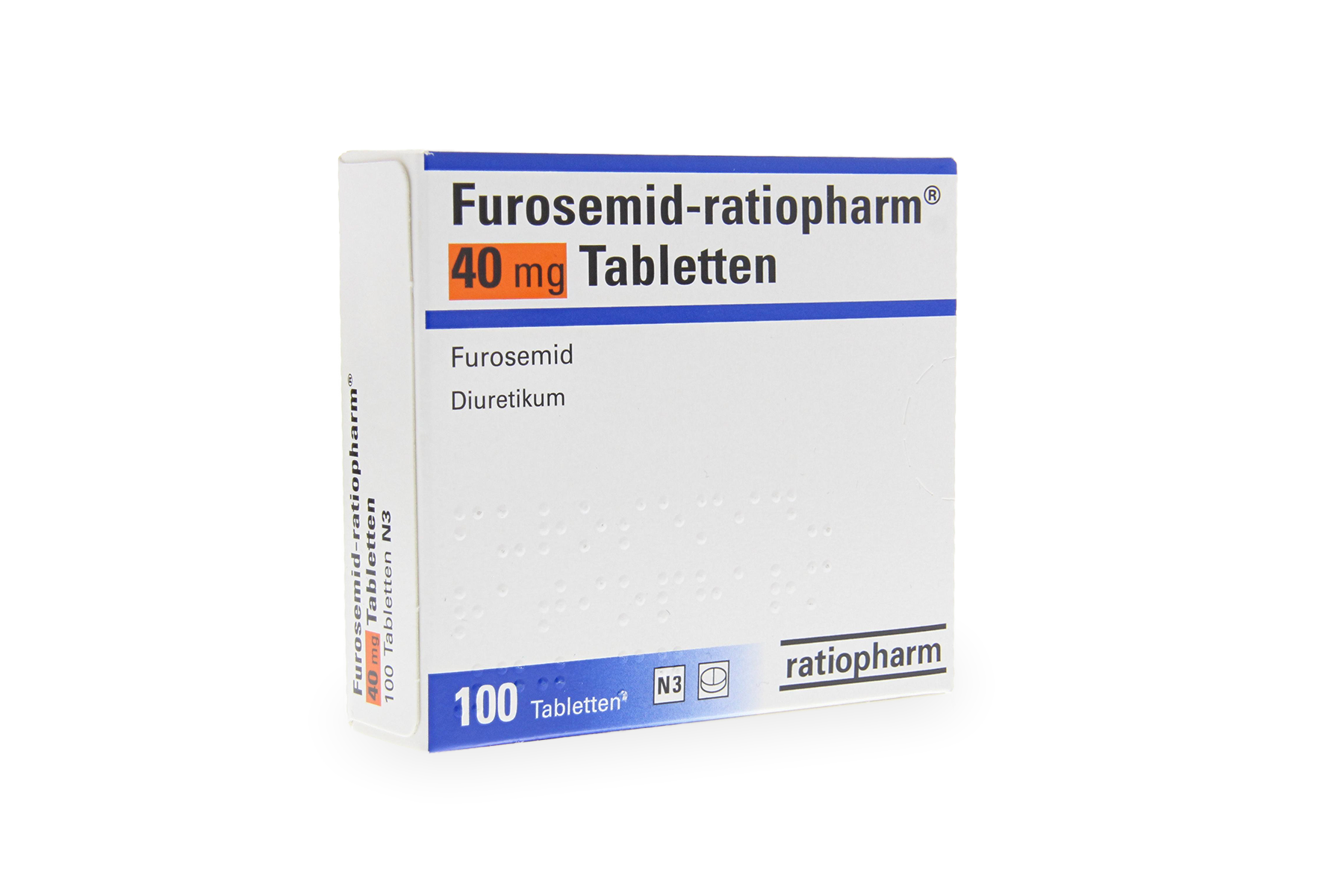
Furosemide
Omeprazole

Pantoprazole

Sildenafil
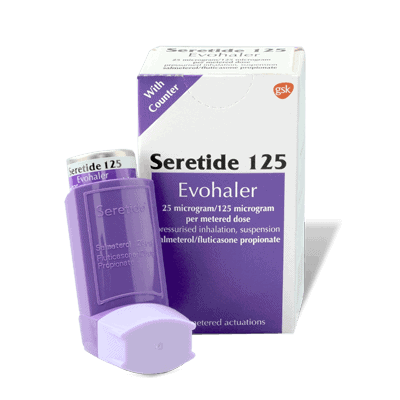
Seretide
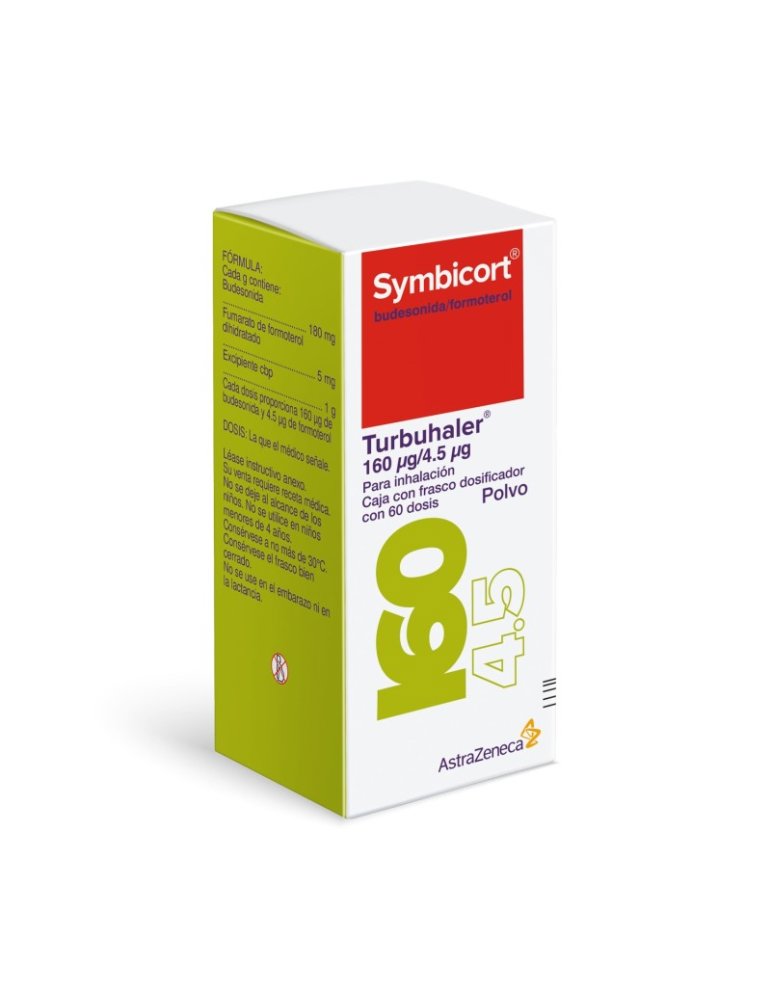
Symbicort Turbuhaler

Sumatriptan
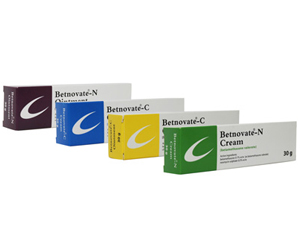
Betnovate
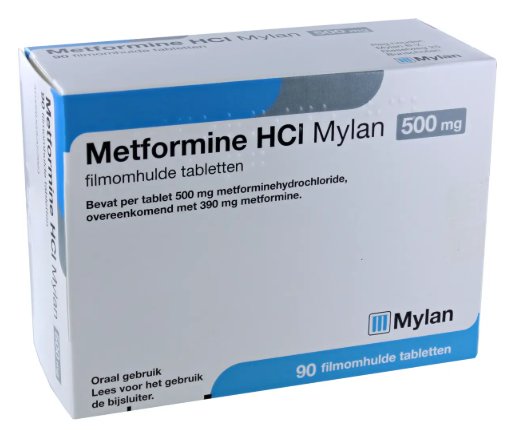
Metformin
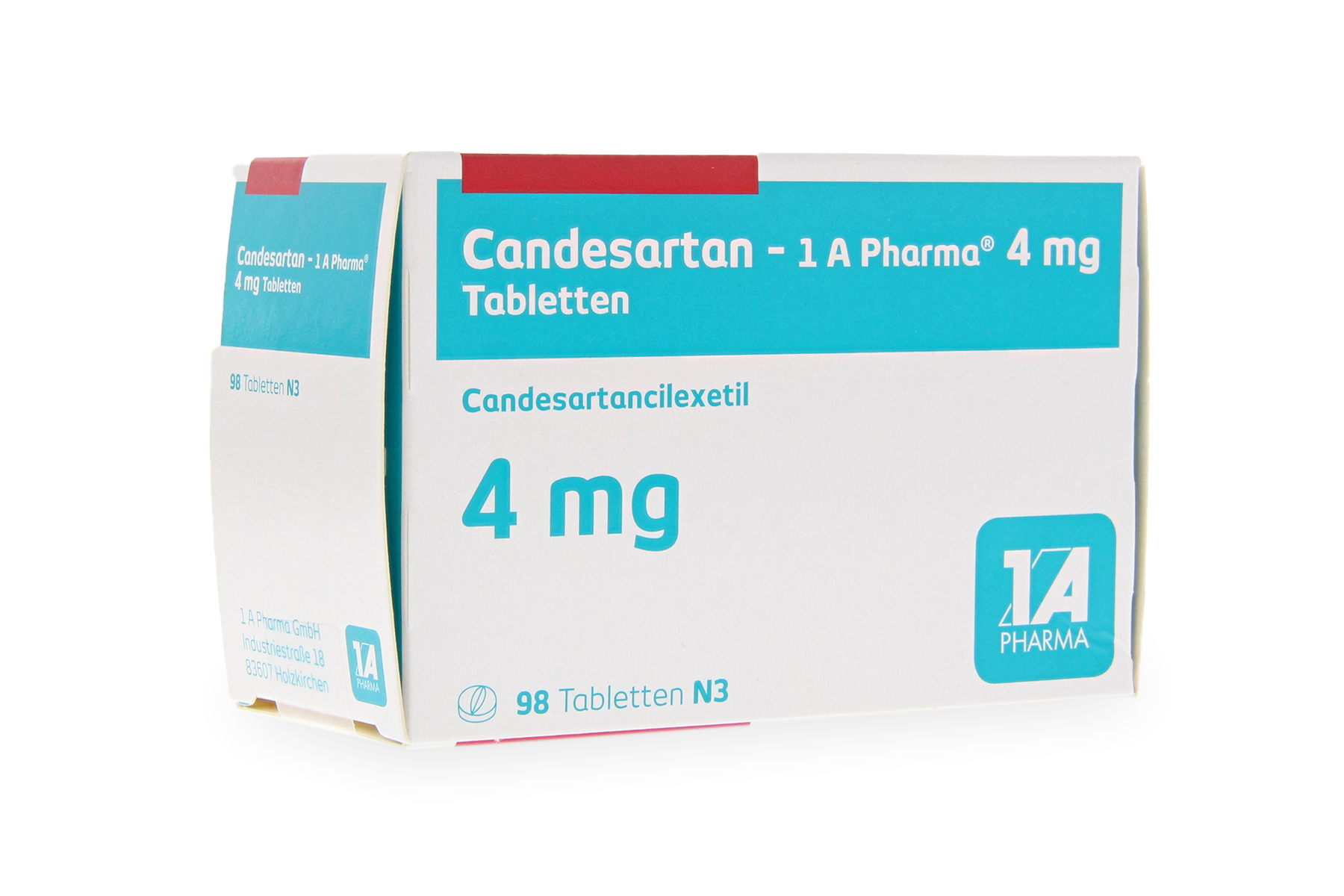
Candesartan
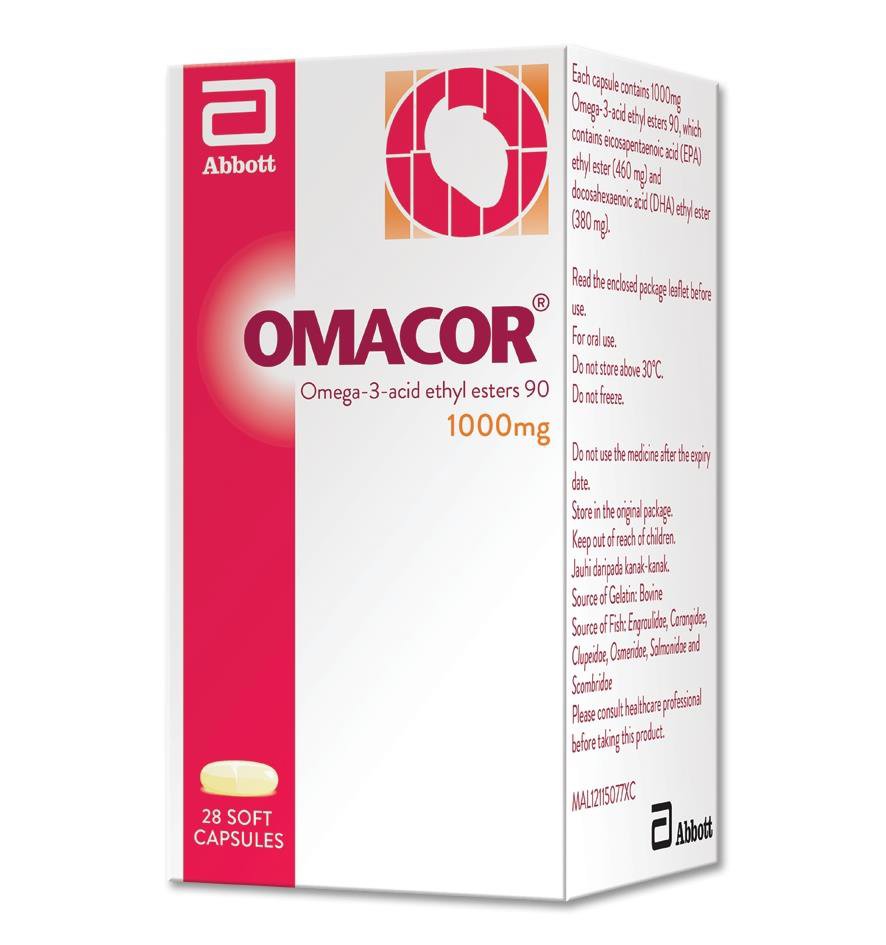
Omacor
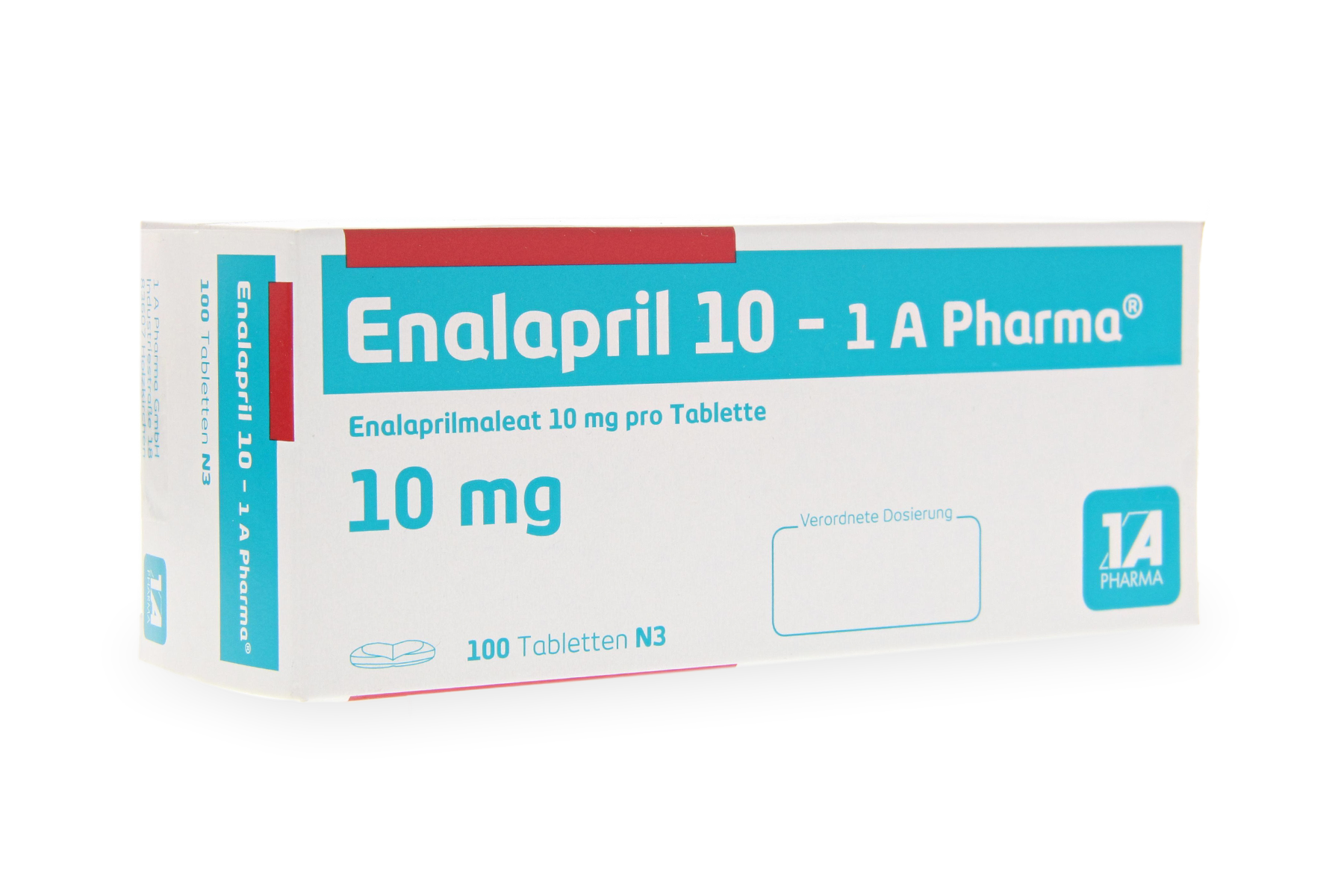
Enalapril
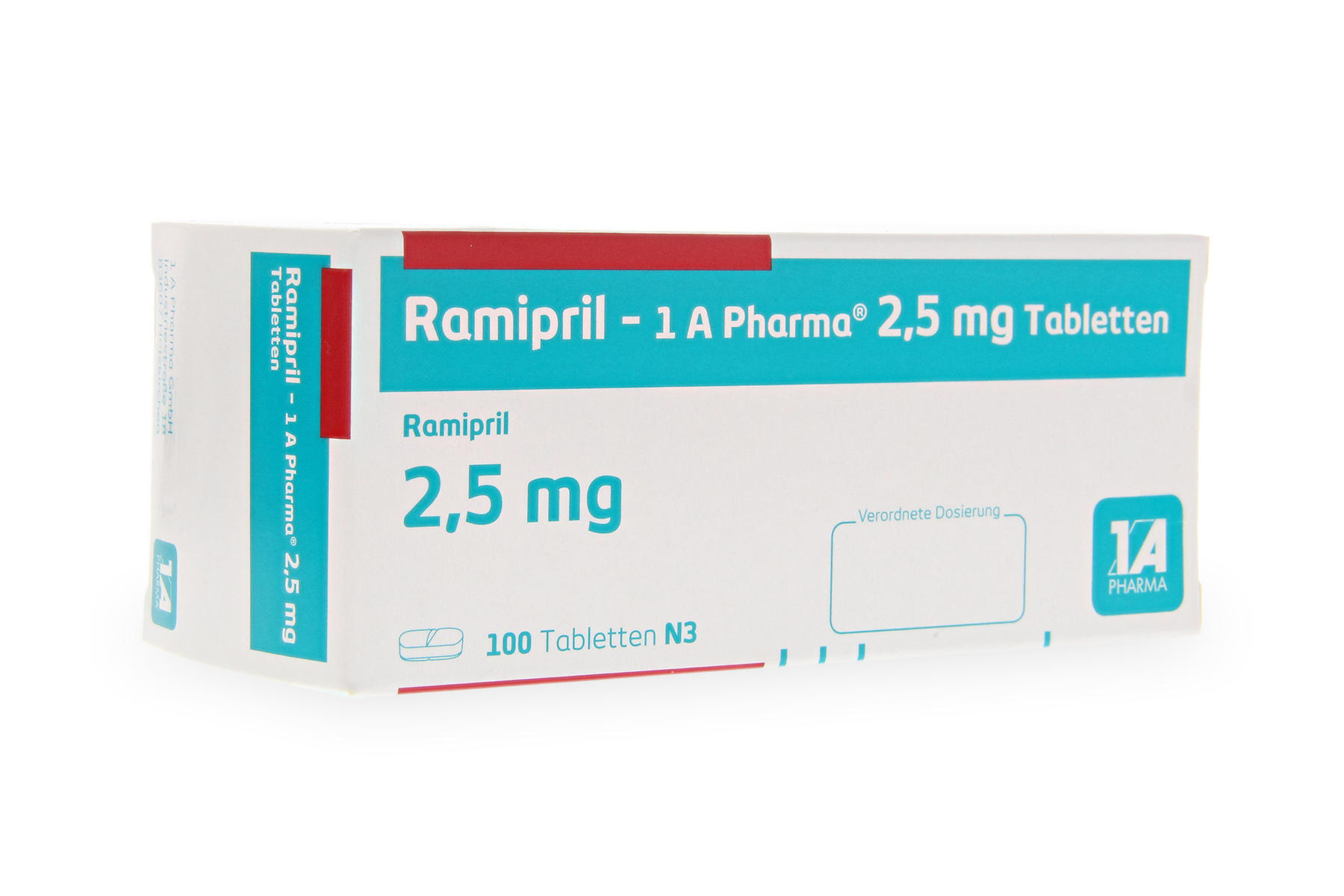
Ramipril
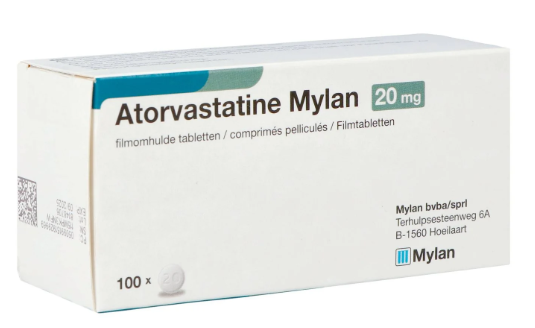
Atorvastatin
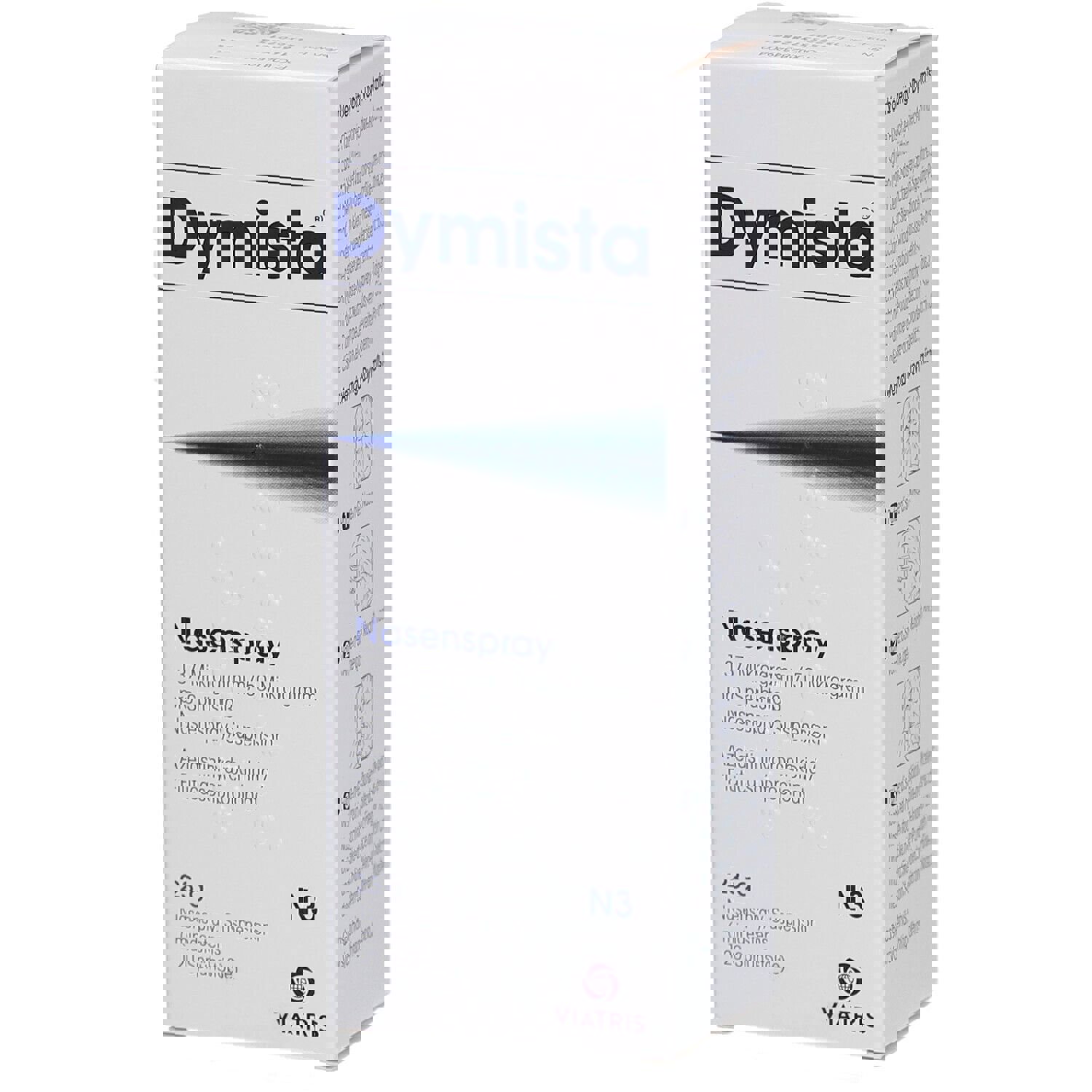
Dymista
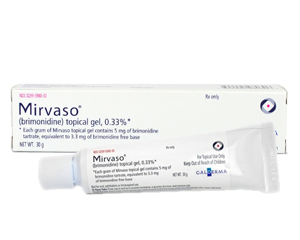
Mirvaso

Spedra
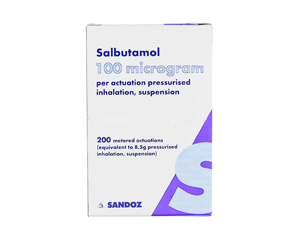
Salbutamol
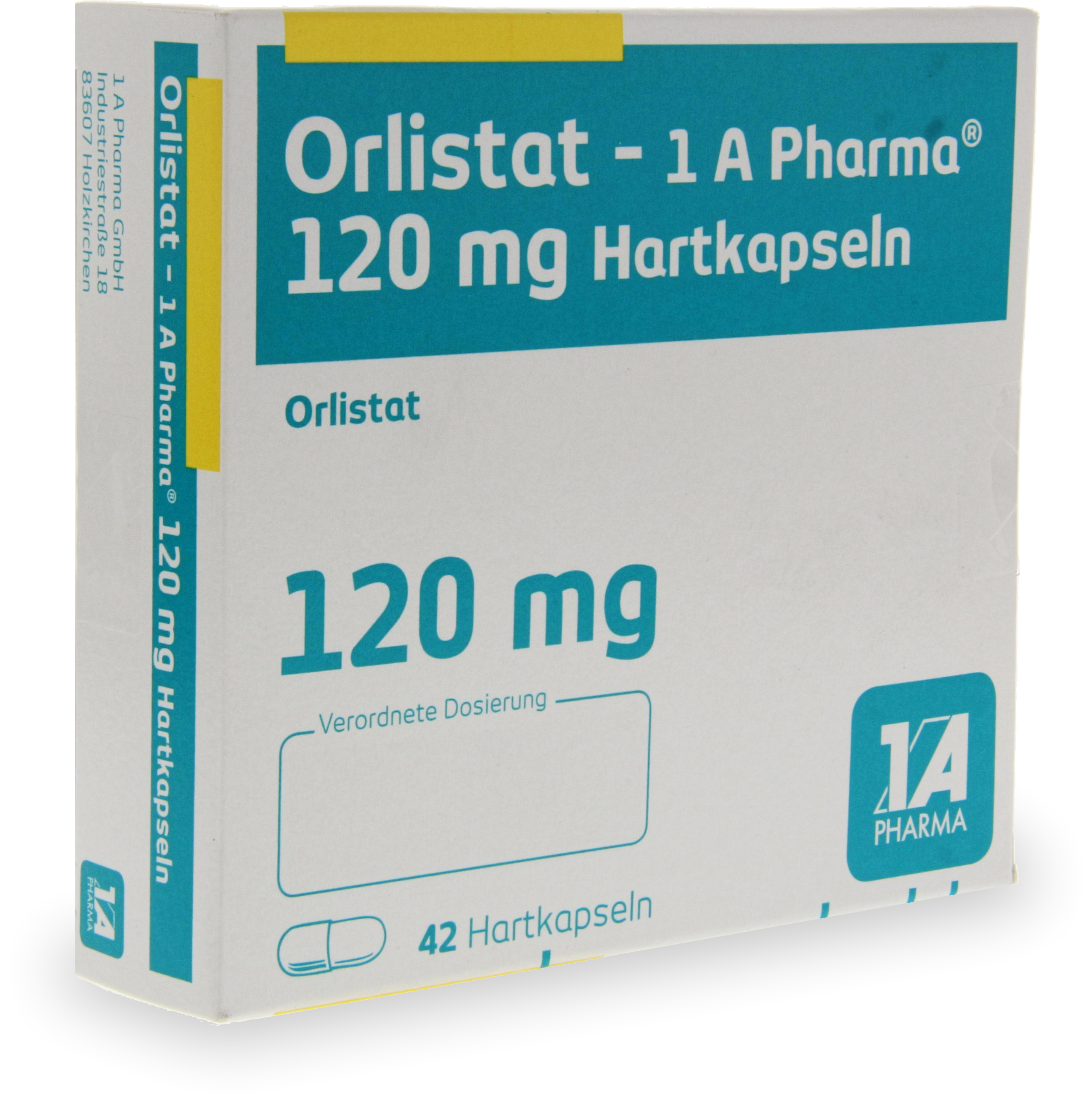
Orlistat
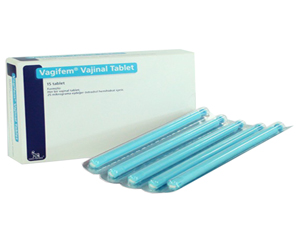
Vagifem
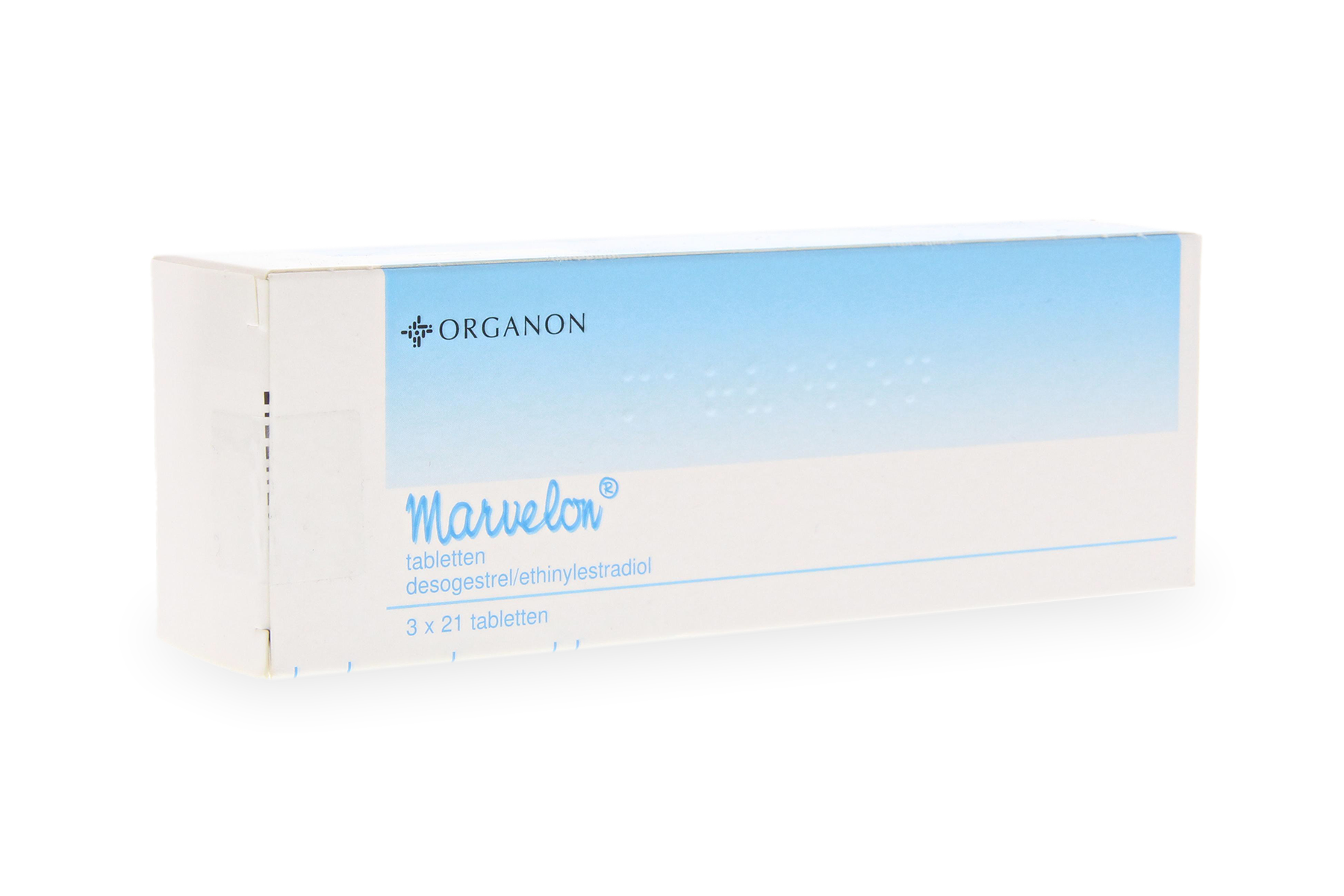
Marvelon
Desloratadine
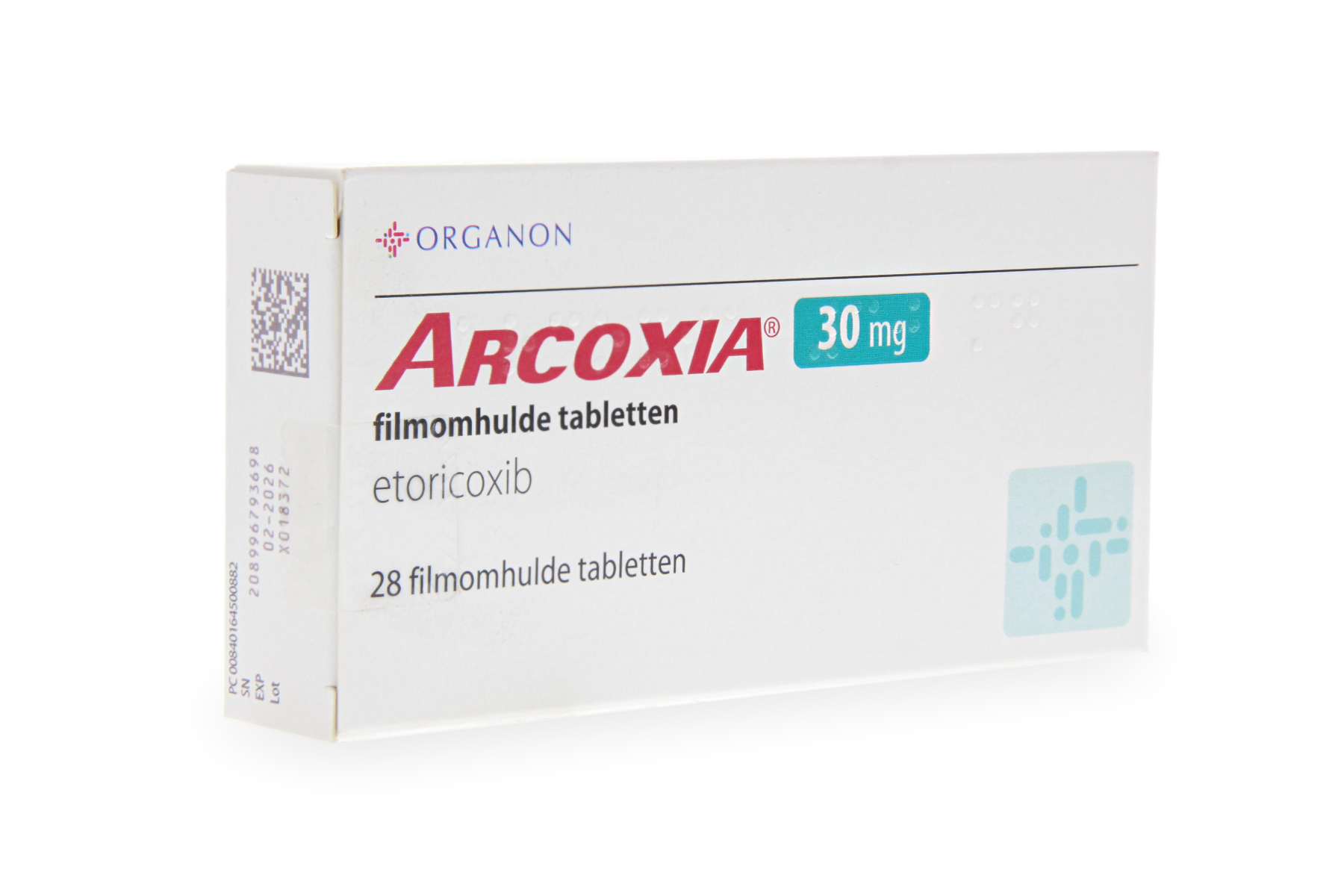
Arcoxia
Levothyroxine
Mercilon

Adenuric

Metoclopramide
Tadalafil

Valsartan
Spironolactone
Eliquis
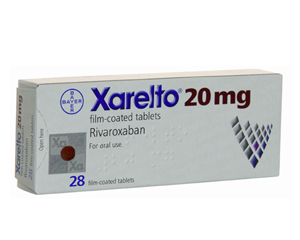
Xarelto

Vardenafil
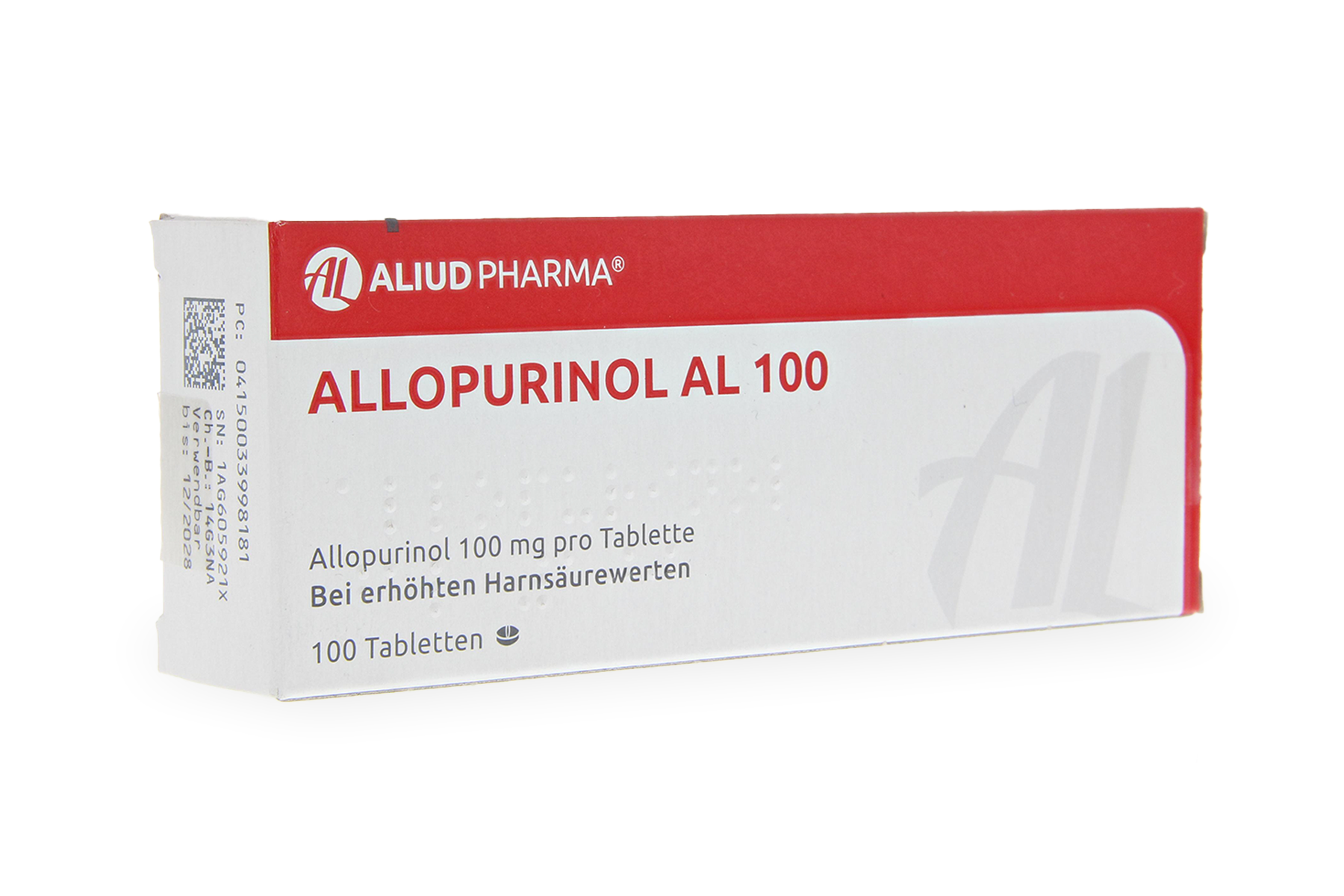
Allopurinol
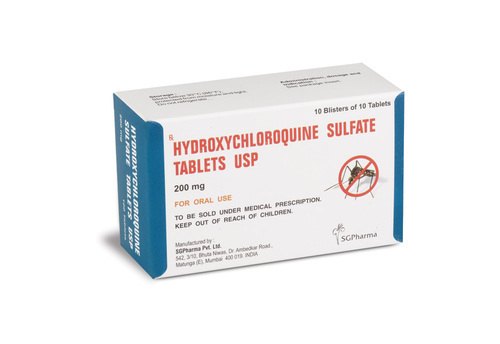
Hydroxychloroquine
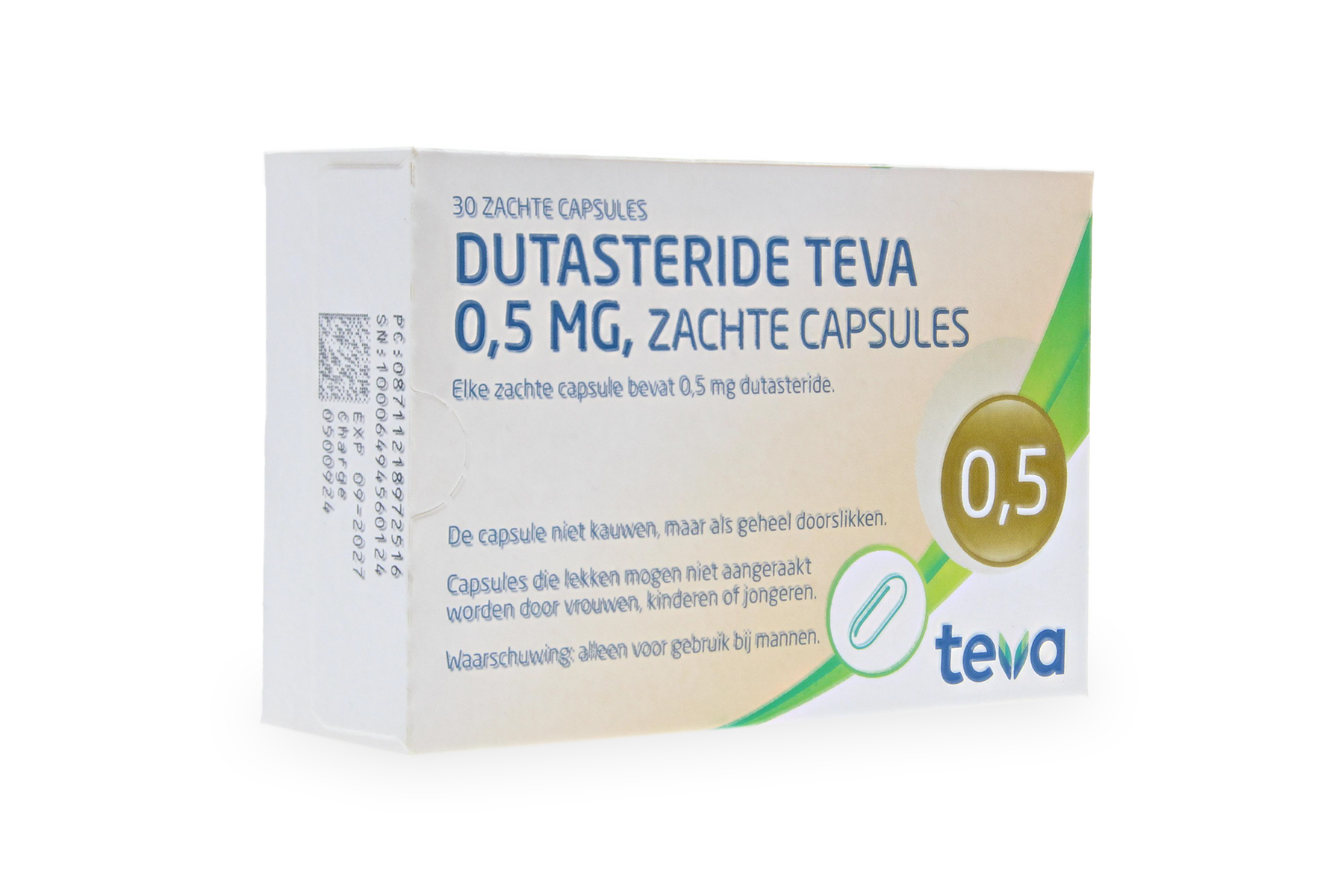
Dutasteride
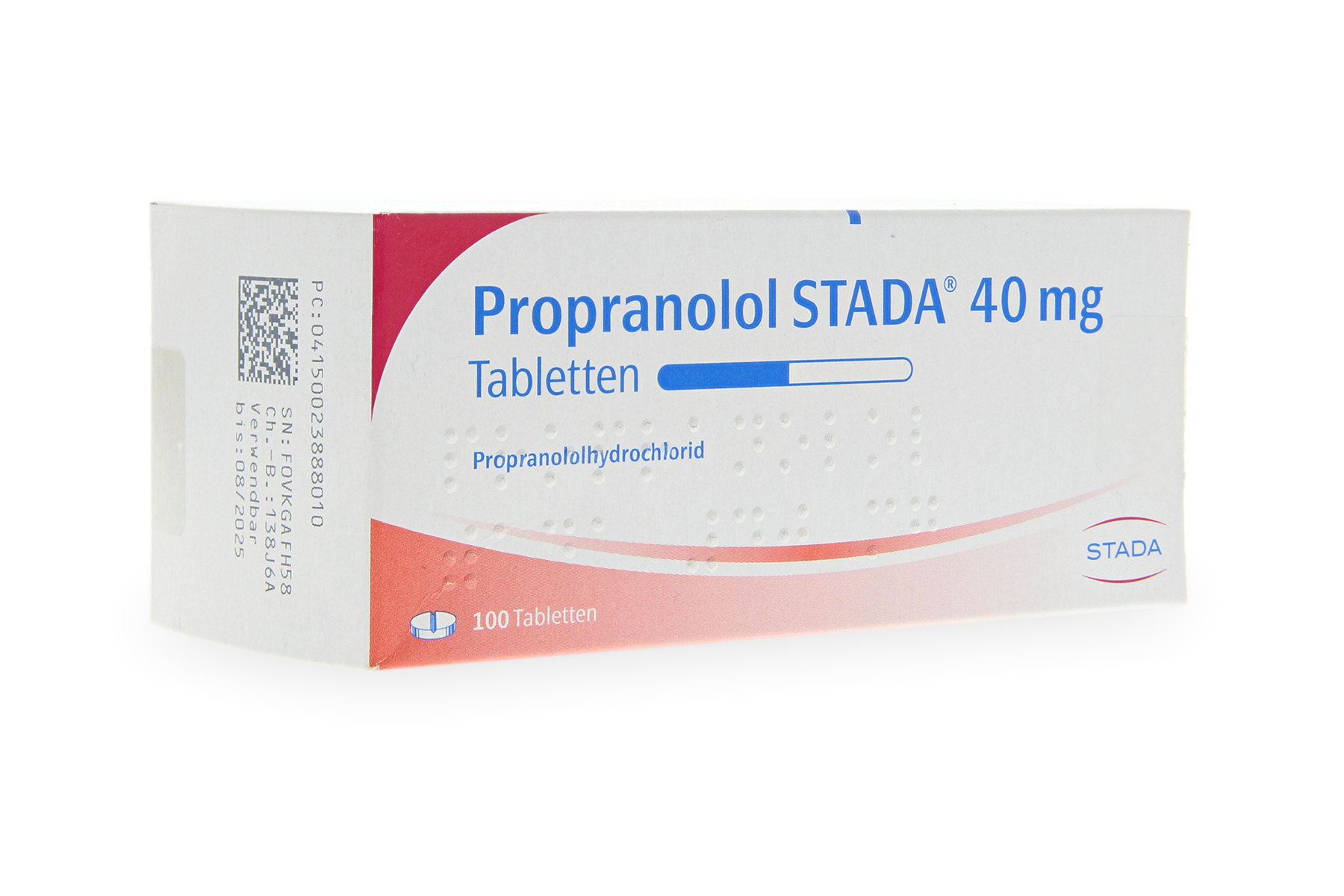
Propranolol

Wegovy
Circadin
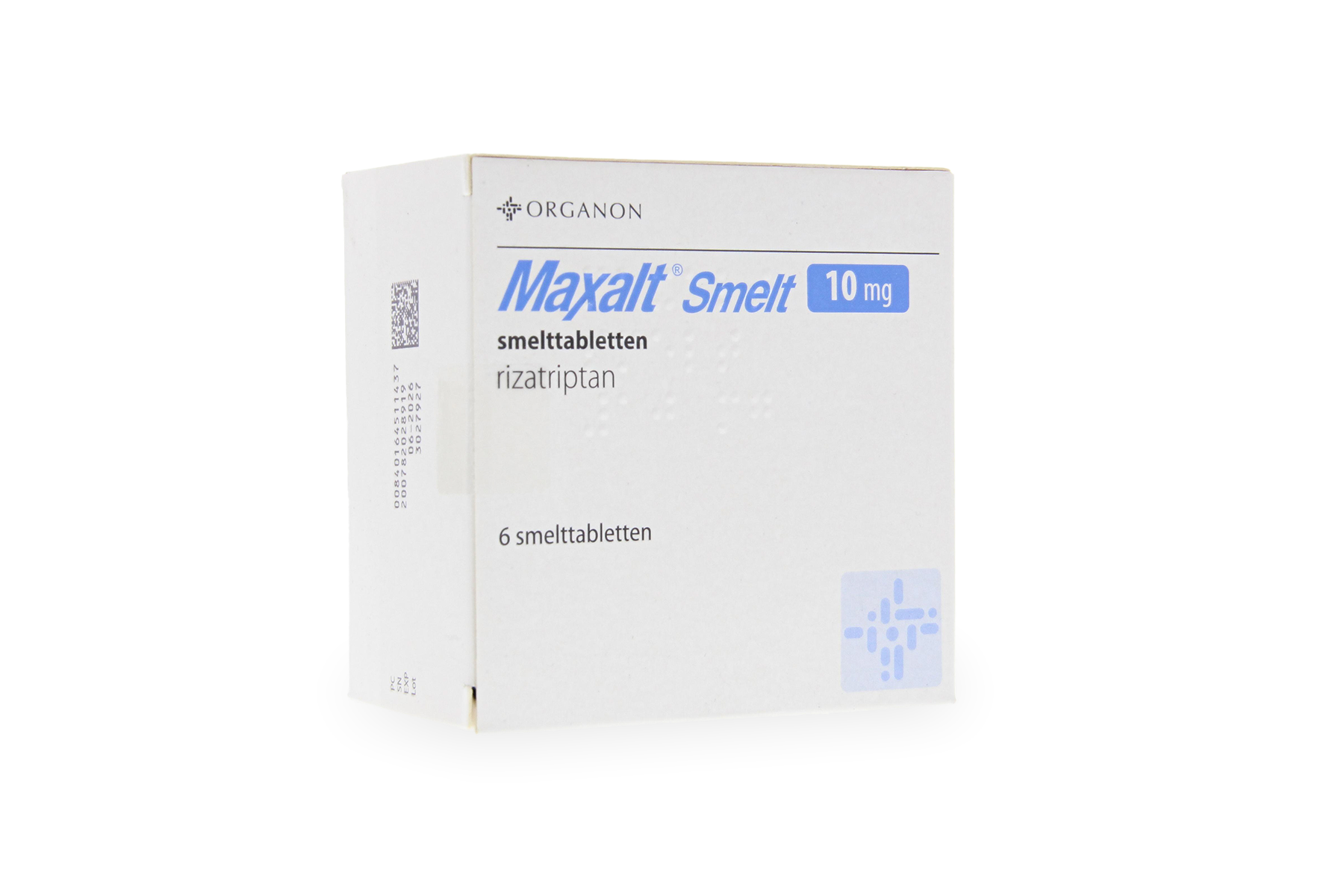
Maxalt
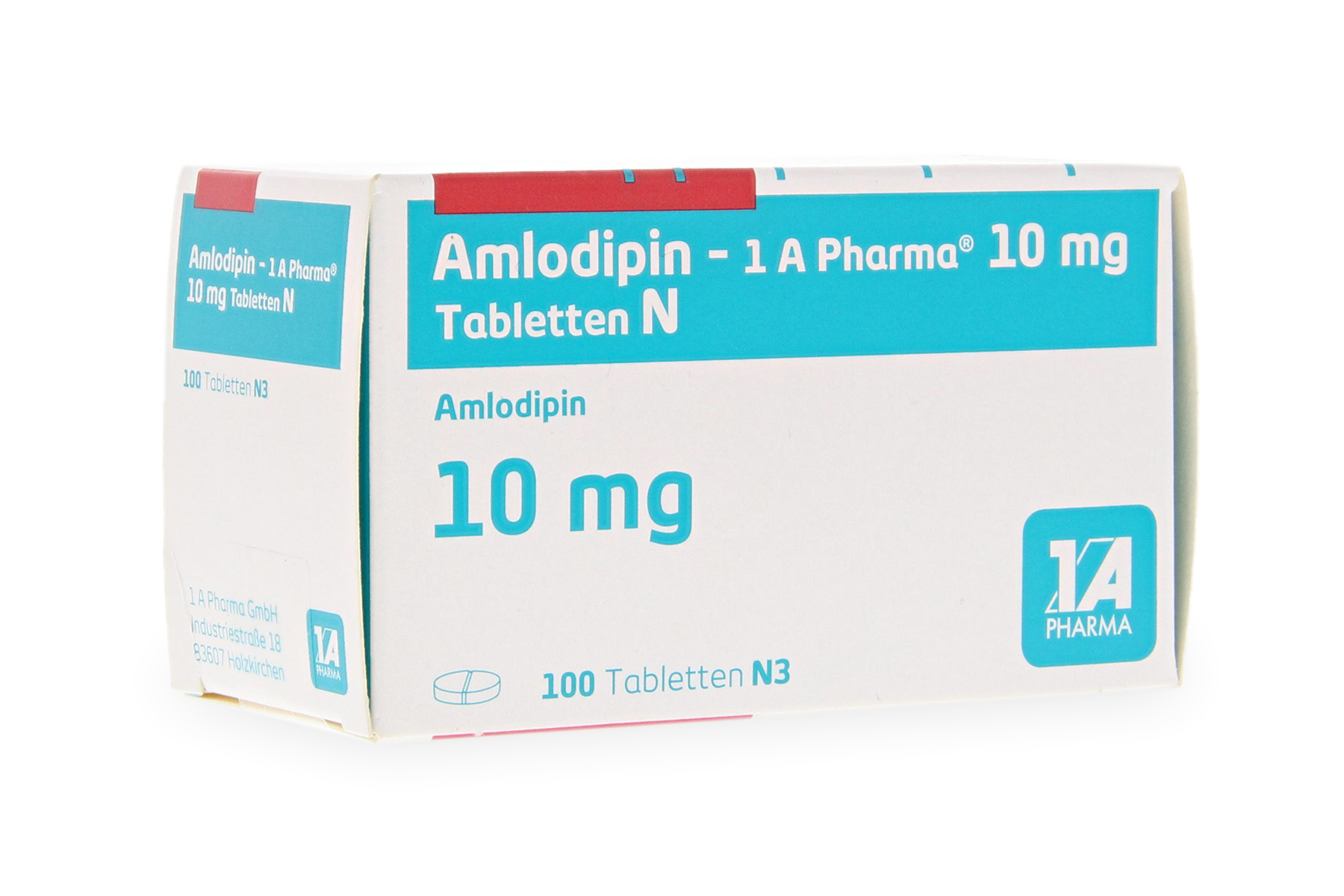
Amlodipine
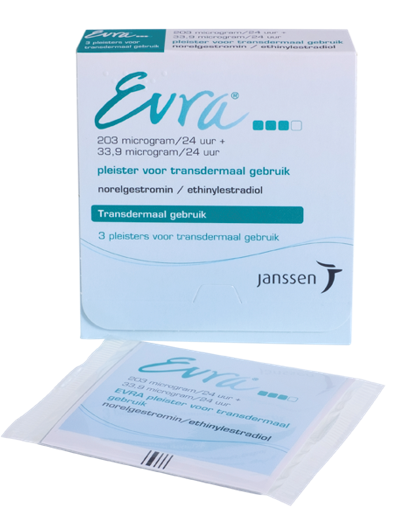
Evra Patches

Mounjaro

Dermovate

Cerazette

Viagra

Melatonin
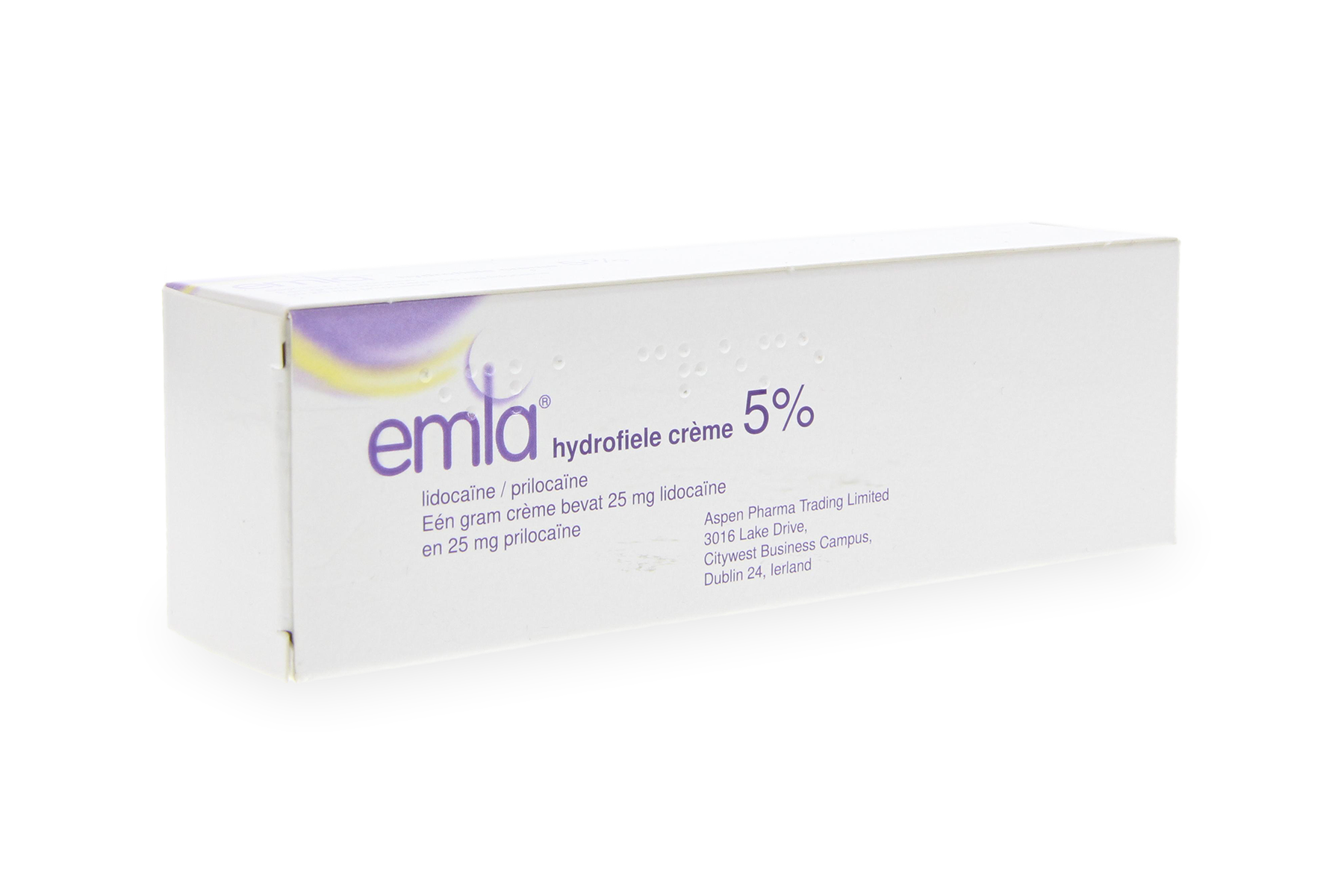
Emla Cream
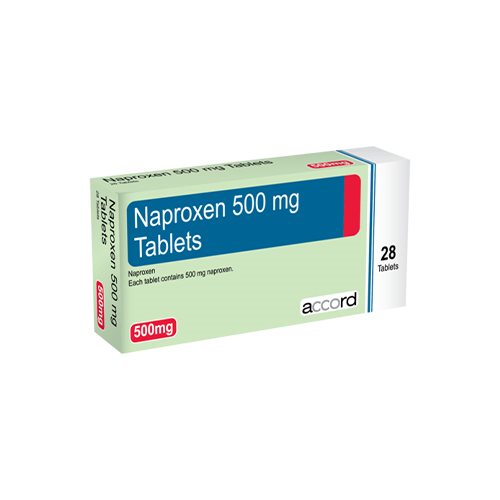
Naproxen

Ventolin

Bricanyl Turbohaler
Doxycycline (Malaria)
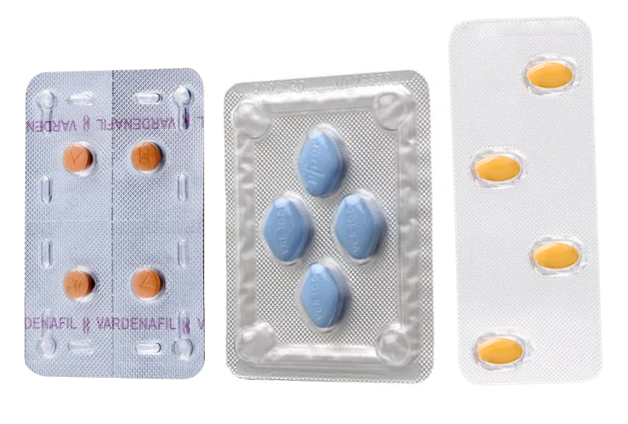
Impotence Trial Pack

Microgynon 30

Fucidin
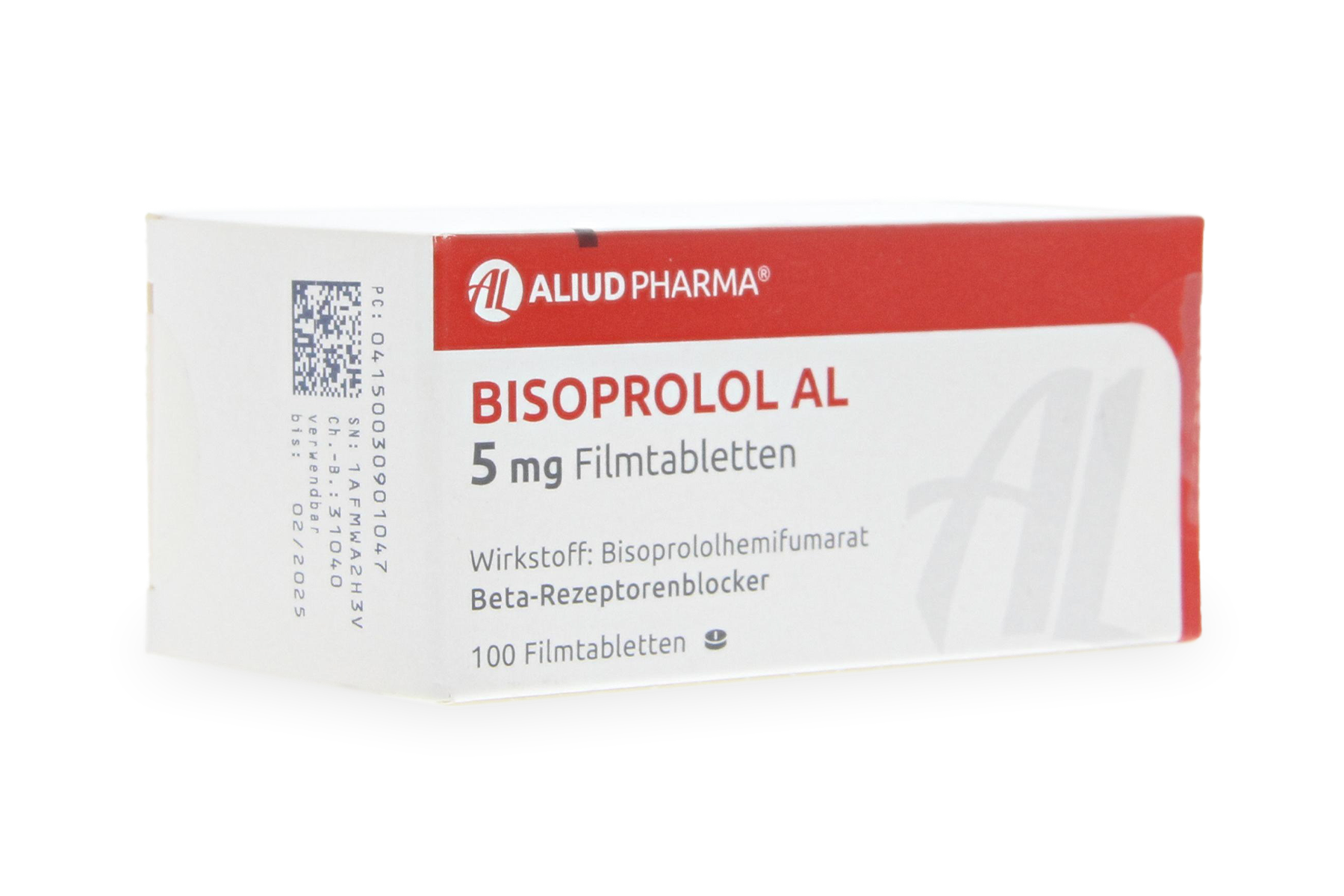
Bisoprolol

Losartan
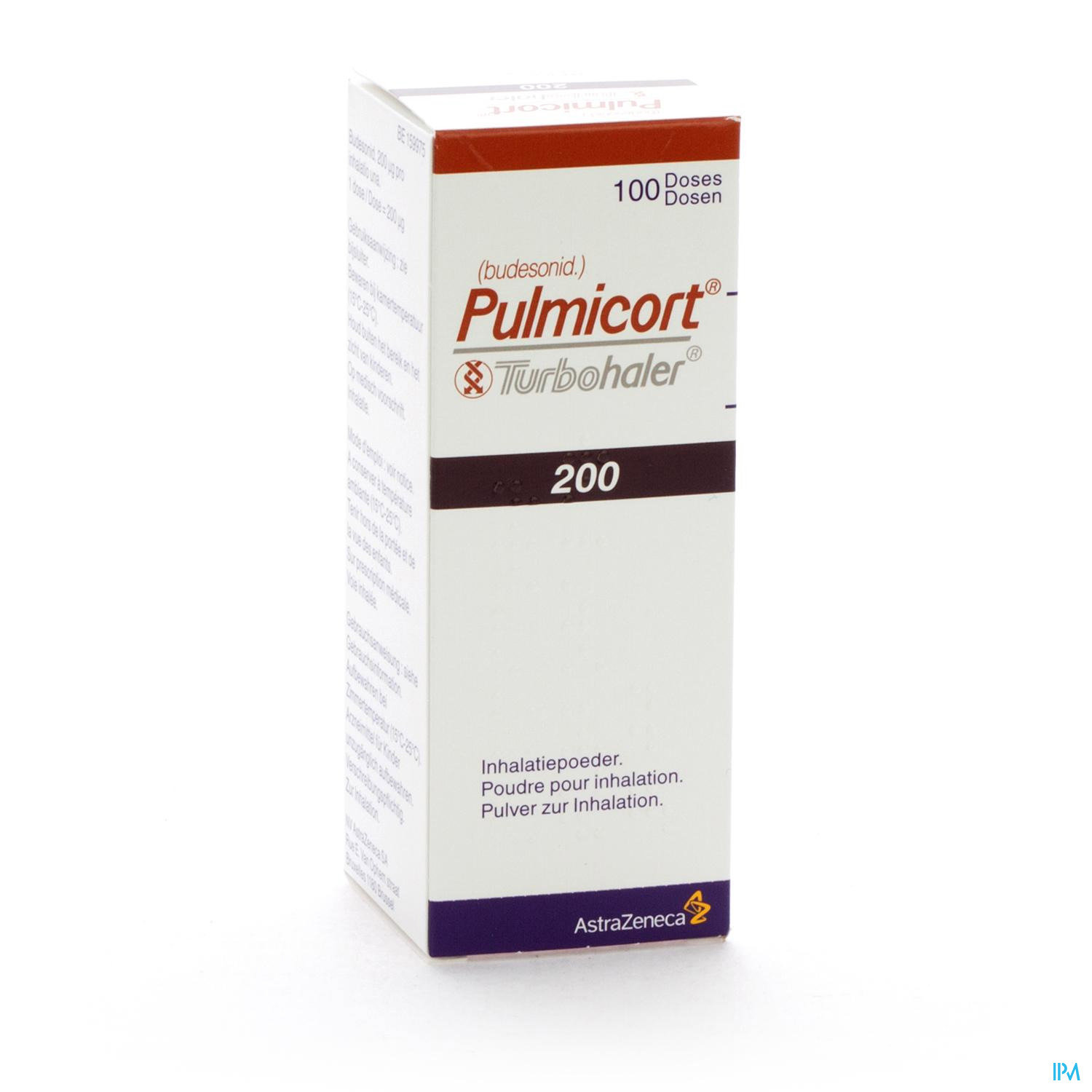
Pulmicort Turbohaler
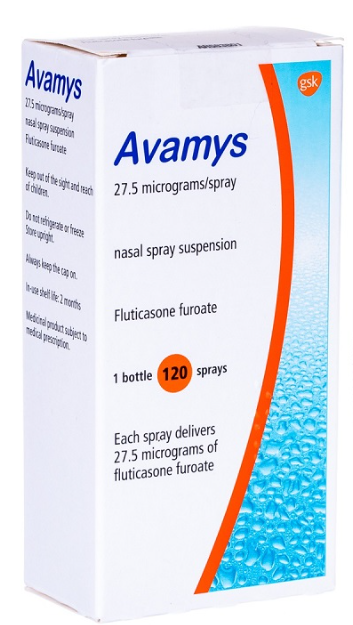
Avamys
Telfast
Vitaros

Zyloric
Kliovance

Bactroban
Elocon
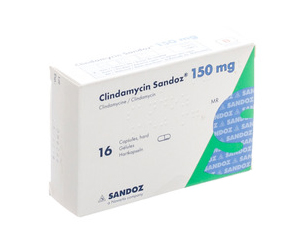
Clindamycin
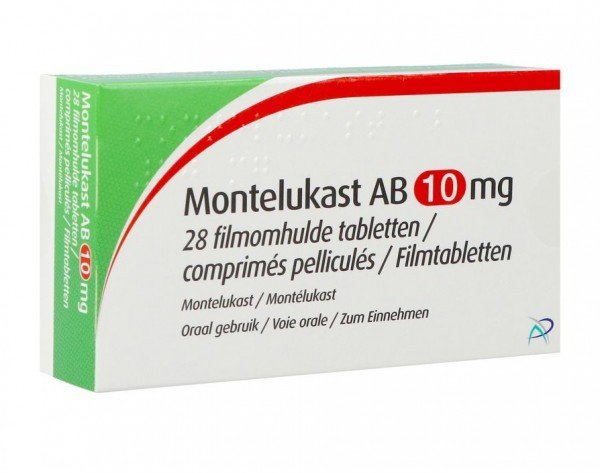
Montelukast

Aciclovir

Proscar

Differin
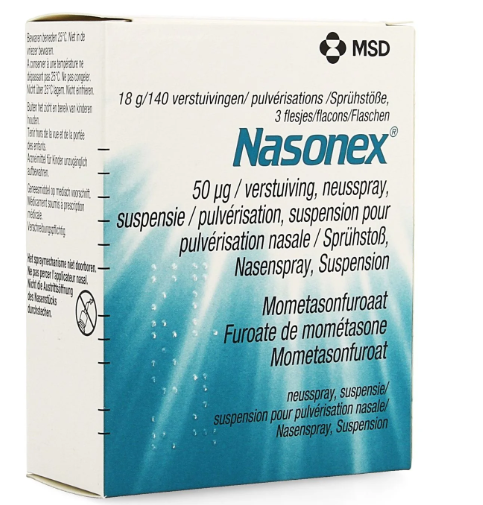
Nasonex Nasal Spray

Propecia
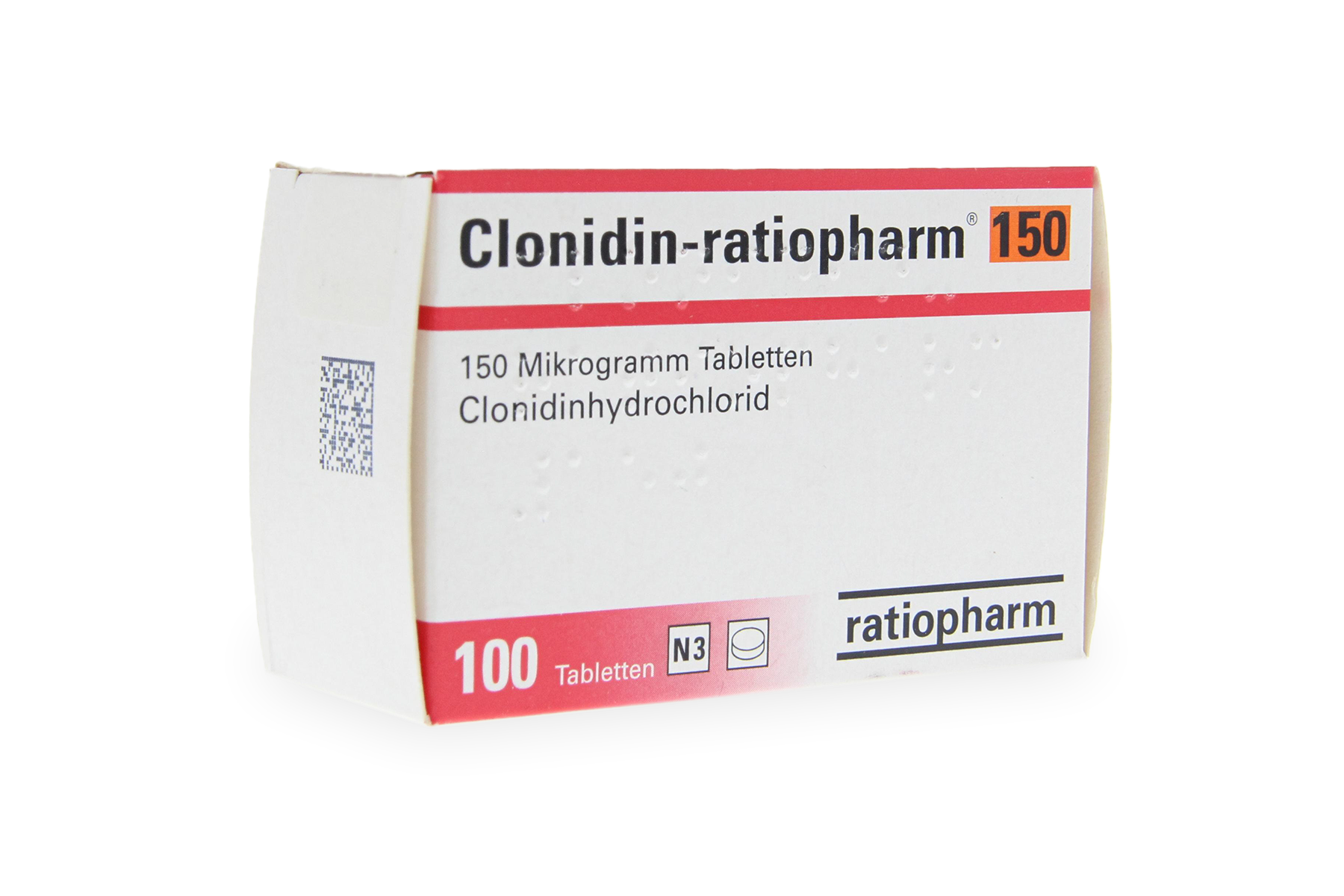
Clonidine

Femoston
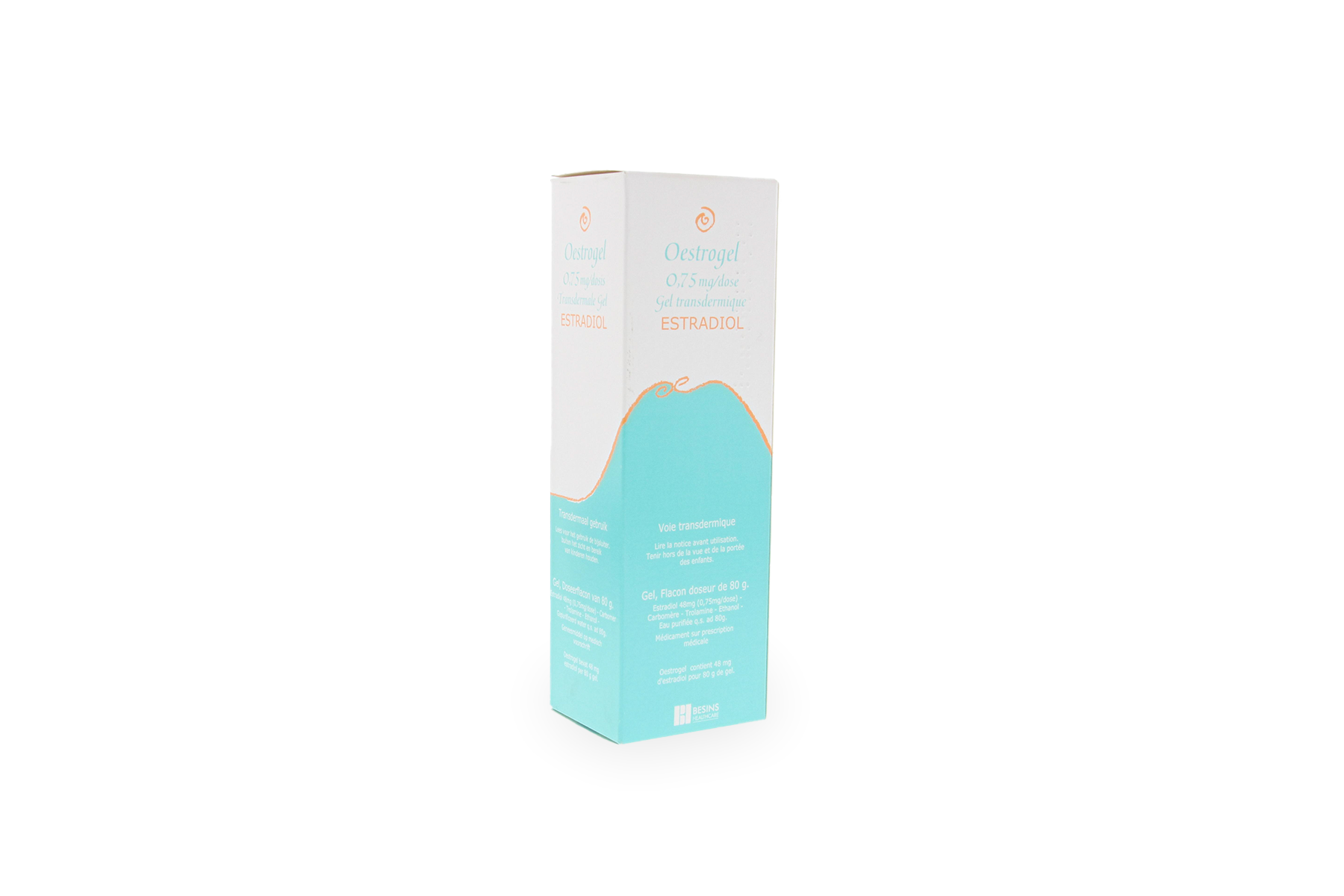
Oestrogel
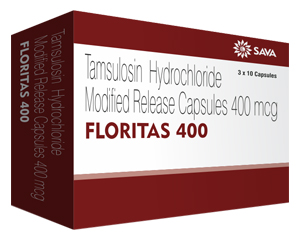
Tamsulosin MR

Azyter
Esomeprazole
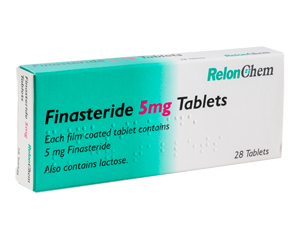
Proscar (Finasteride)
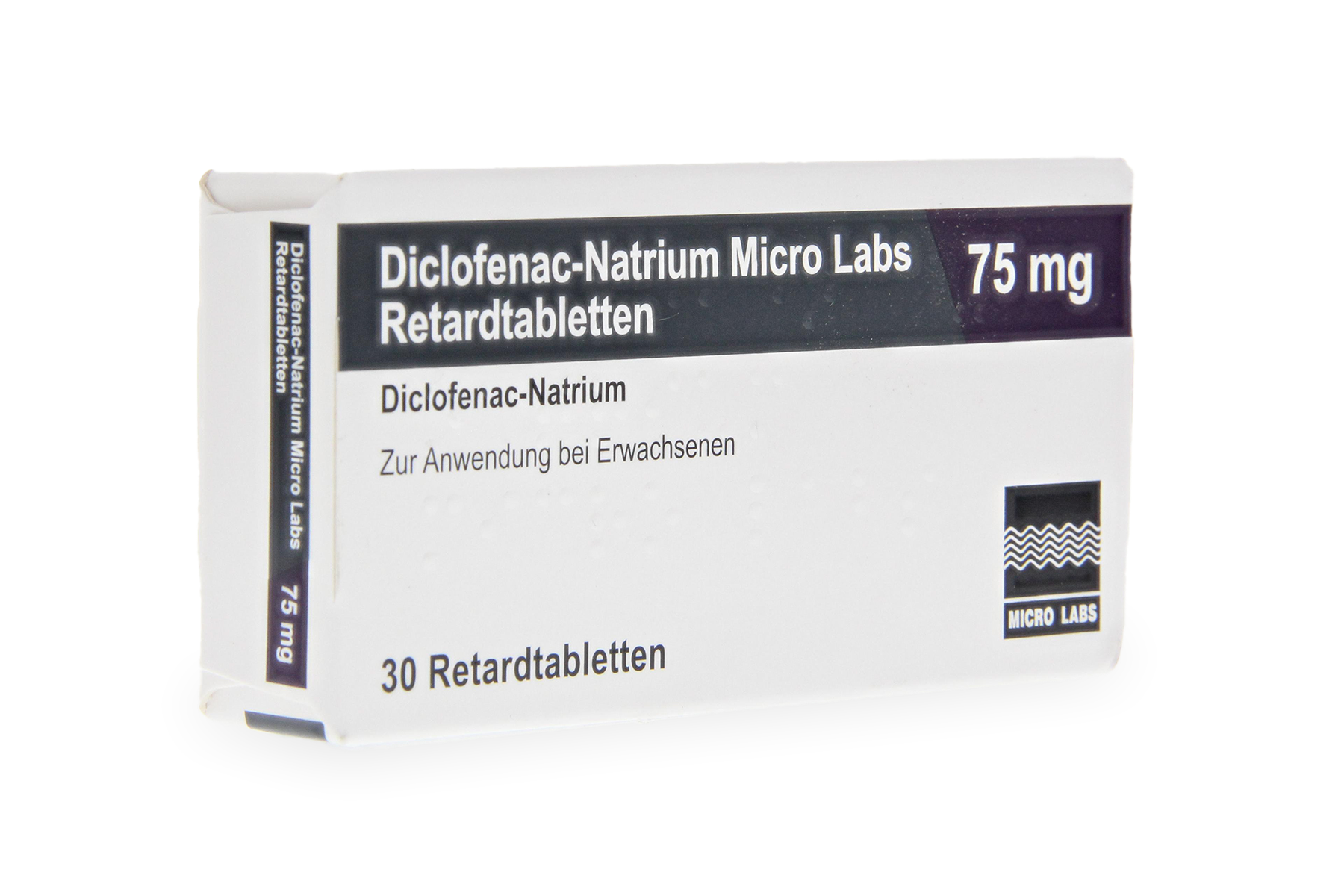
Diclofenac SR

Diflucan
Crestor
Lansoprazole
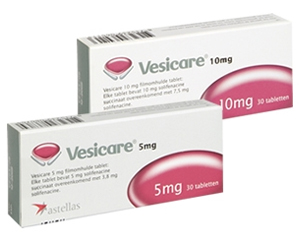
Vesicare
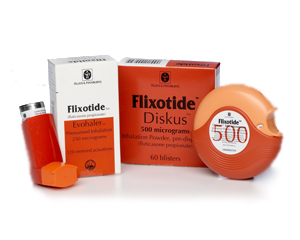
Flixotide
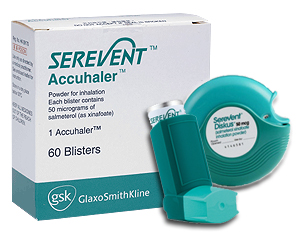
Serevent
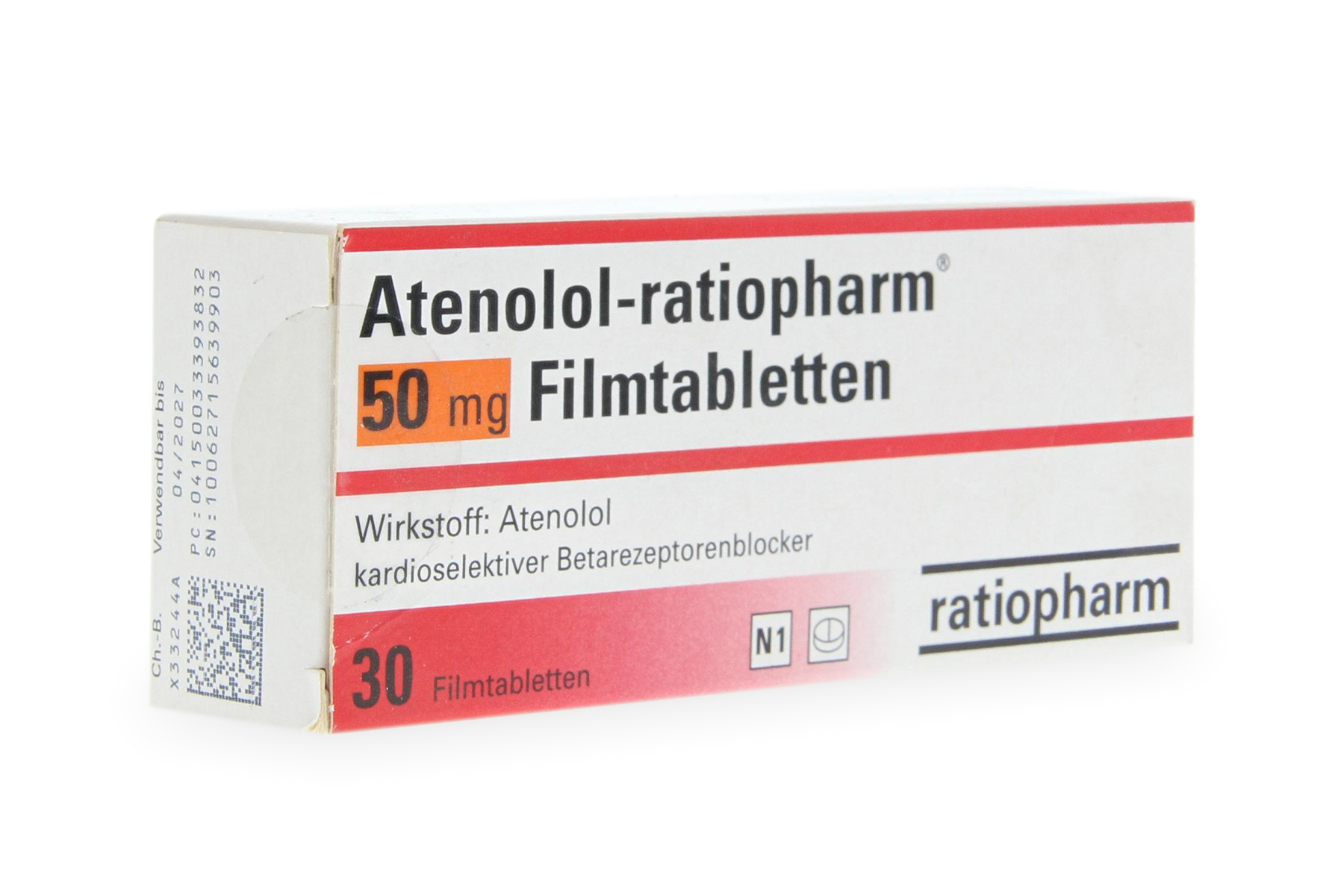
Atenolol

Janumet

Zomig
Bladder & Urinary Treatments
Understanding Bladder Conditions
Bladder problems are surprisingly common yet frequently go unmentioned because of embarrassment. Conditions ranging from urinary tract infections (UTIs) and overactive bladder to urinary incontinence and interstitial cystitis affect millions of adults across Europe, with women disproportionately affected due to anatomical differences.
The bladder is a muscular organ that stores urine produced by the kidneys and expels it during urination. Normal bladder function relies on coordinated signals between the brain, spinal cord, and the muscles of the bladder and pelvic floor. When any part of this system is disrupted, whether by infection, nerve damage, muscle weakness, or obstruction, urinary symptoms result.
Overactive bladder (OAB) is characterised by a sudden, compelling urge to urinate that is difficult to defer, often accompanied by increased frequency and nocturia (waking at night to urinate). Urge incontinence, where the urge is followed by involuntary leakage, affects a significant proportion of OAB sufferers. Stress incontinence, on the other hand, involves leakage during physical activity, coughing, or sneezing, and is primarily caused by pelvic floor weakness.
Treatment Options
Treatment for bladder conditions depends on the specific diagnosis. Uncomplicated UTIs are typically treated with a short course of antibiotics such as nitrofurantoin or trimethoprim. Adequate hydration and urinary alkalinisers can provide symptomatic relief while the antibiotics take effect. Recurrent UTIs may require a preventive strategy including low-dose prophylactic antibiotics, post-coital antibiotics, or cranberry-based supplements.
Overactive bladder is initially managed with bladder training, which involves gradually increasing the interval between voids to retrain the bladder to hold more urine. If behavioural therapy is insufficient, antimuscarinic medications (such as oxybutynin, solifenacin, or tolterodine) or the beta-3 agonist mirabegron can reduce urgency and frequency.
Pelvic floor muscle training (Kegel exercises) is the first-line treatment for stress incontinence and is effective for many women when performed correctly and consistently. A specialist physiotherapist can teach the correct technique and provide a structured programme. For moderate to severe stress incontinence that does not respond to conservative measures, surgical options such as mid-urethral sling procedures offer high success rates.
UTI Prevention
Urinary tract infections are one of the most common bacterial infections, with around half of all women experiencing at least one episode. Recurrent UTIs, defined as two or more infections in six months or three or more in a year, can be particularly disruptive and frustrating.
Simple preventive measures can significantly reduce the risk of recurrence. Drinking plenty of water (at least 1.5 litres per day) helps flush bacteria from the urinary tract. Urinating promptly when the urge arises, and always after sexual intercourse, reduces the opportunity for bacteria to ascend the urethra. Wiping from front to back after using the toilet prevents the transfer of bowel bacteria.
D-mannose, a naturally occurring sugar, has shown promise in preventing recurrent UTIs by preventing E. coli bacteria from adhering to the bladder wall. Vaginal oestrogen therapy may be beneficial for postmenopausal women, in whom declining oestrogen levels alter the vaginal flora and increase UTI susceptibility. Discussing a personalised prevention plan with your healthcare provider is advisable if you experience frequent infections.
Living with a Bladder Condition
Bladder conditions can affect confidence, social participation, and emotional wellbeing. Many people restrict their activities, avoid travel, or experience anxiety about being near a toilet. Acknowledging these impacts and seeking help is the first step towards regaining control.
Practical strategies can make daily life easier. Mapping toilet locations when out, carrying a discrete supply of continence products, and planning fluid intake around activities all help manage symptoms without avoiding life. Bladder diaries, which record fluid intake, voiding times, and episodes of urgency or leakage, provide valuable information for both self-management and clinical consultations.
Support groups and charities provide information, practical advice, and the reassurance that you are not alone. Continence services within the NHS offer specialist assessment and treatment, including physiotherapy, medication review, and access to continence products. Asking your GP for a referral is a positive step.
Getting Help Online
Many bladder-related medications, including UTI treatments, antimuscarinic drugs for overactive bladder, and prophylactic antibiotics for recurrent infections, can be obtained through regulated online pharmacy consultations. The process involves a clinical questionnaire reviewed by a prescriber who ensures the treatment is safe and appropriate.
For women with symptoms consistent with an uncomplicated UTI, online consultations can provide rapid access to antibiotics without the delay of booking a GP appointment. Clear criteria are used to identify cases that require further investigation, such as blood in the urine, fever, or symptoms suggestive of a kidney infection, and these patients are directed to seek in-person care.
If you are experiencing bladder symptoms for the first time, or if previously diagnosed symptoms are worsening or changing in character, a thorough clinical assessment is recommended. Urinalysis, bladder scans, and urodynamic studies may be needed to establish or refine the diagnosis and guide the most effective treatment plan.
Frequently Asked Questions
What is the best medication for overactive bladder?
Can I get bladder medication online?
How long does overactive bladder treatment take to work?
What is the difference between a UTI and overactive bladder?
Dr. Ross Elledge
General Practitioner · General & Family Medicine
Verified Healthcare Professional
TopDoctors ProfileThis website provides general information about medicines for educational purposes only. Always consult your doctor or pharmacist before taking any medication.