
Cholesterol Treatments
High cholesterol affects over half of UK adults and is a major risk factor for cardiovascular disease. Statins can reduce LDL cholesterol by 30–50% and significantly lower the risk of heart attack and stroke. Regular blood tests and online reviews make management straightforward.
Statins reduce LDL cholesterol by 30–50% on average
Treatment significantly lowers heart attack and stroke risk
Cholesterol should be checked with regular blood tests
Ezetimibe offers an alternative or add-on to statin therapy

Cialis
Avodart
Ozempic

Nuvaring
Xenical
Fluconazole
Yasmin
Qlaira
Ciprofloxacin
Utrogestan
Priligy
Furosemide
Omeprazole
Pantoprazole

Sildenafil
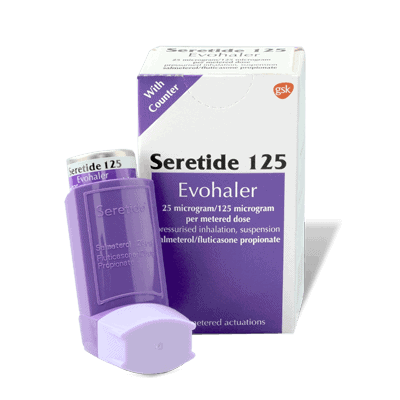
Seretide
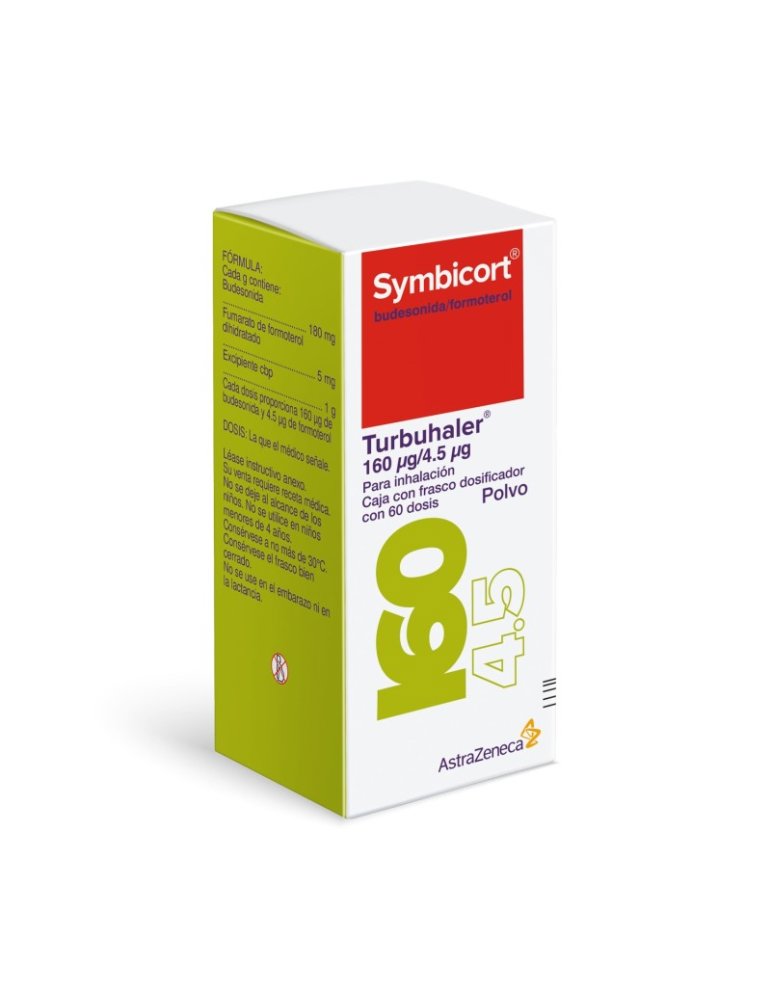
Symbicort Turbuhaler
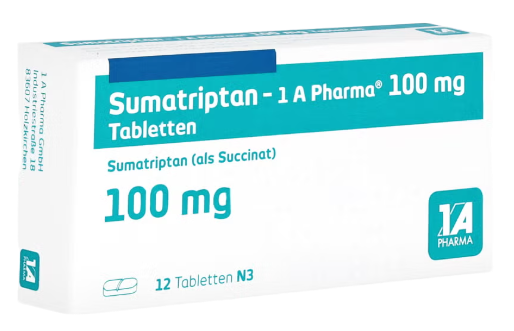
Sumatriptan
Betnovate
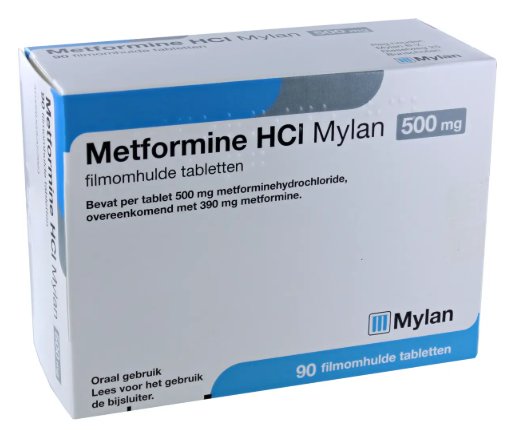
Metformin
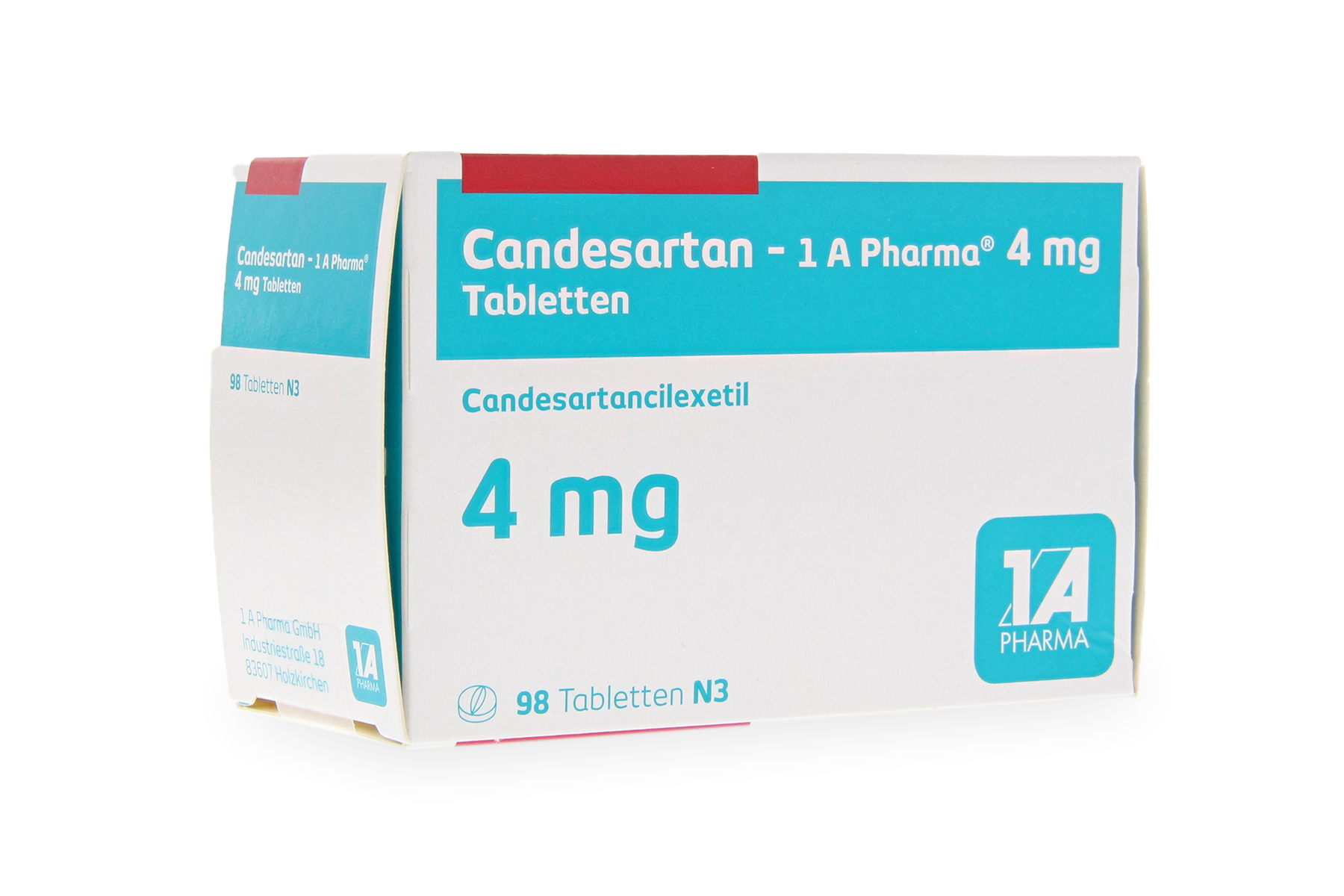
Candesartan
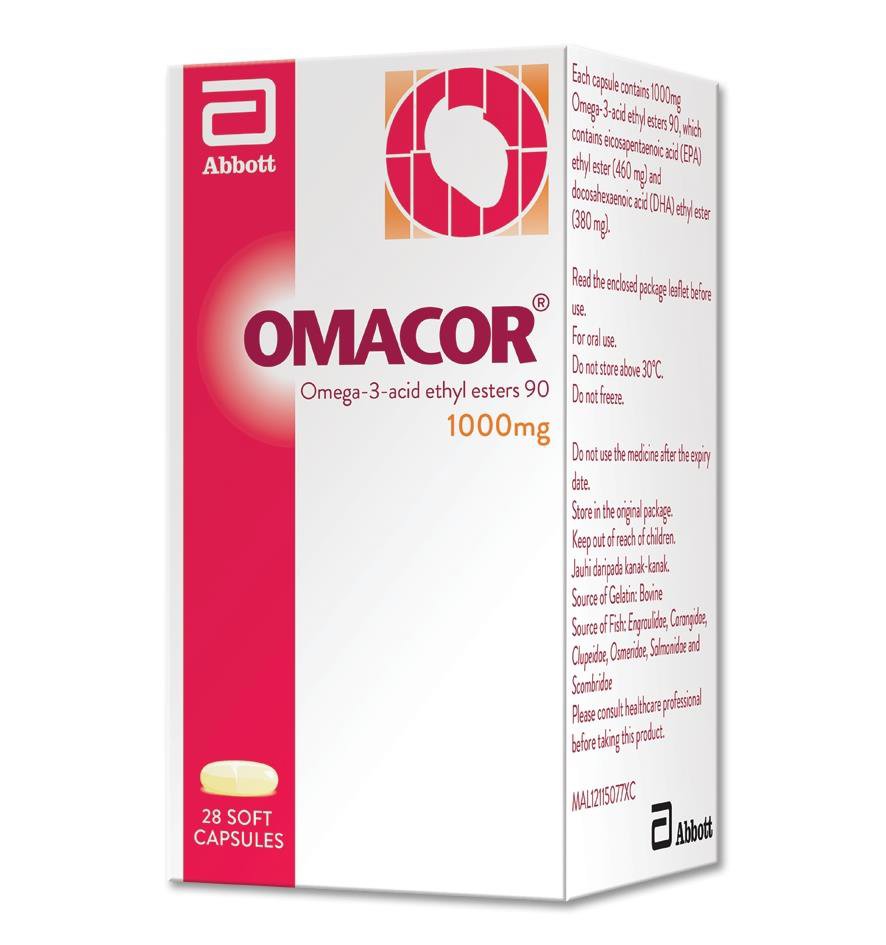
Omacor
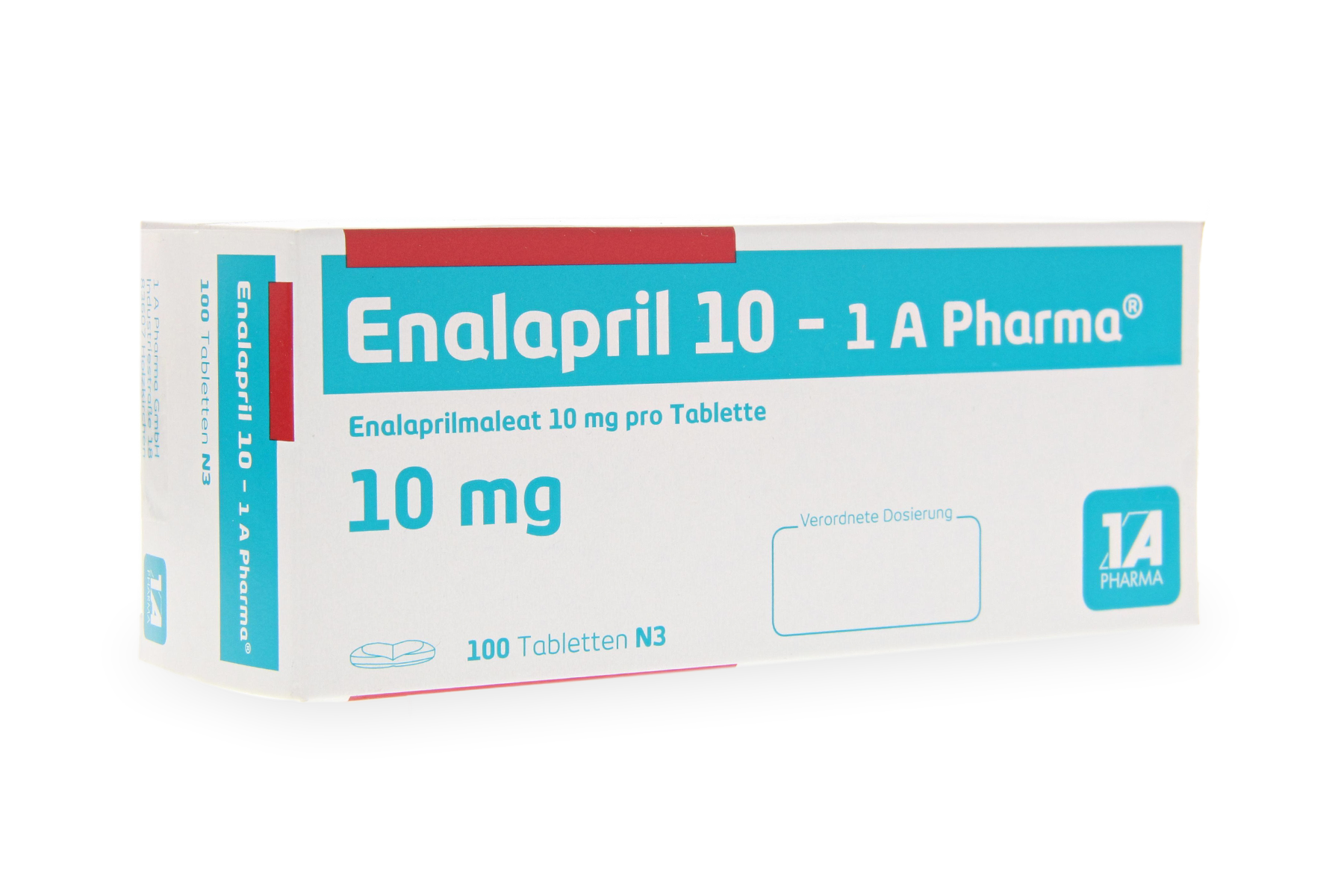
Enalapril
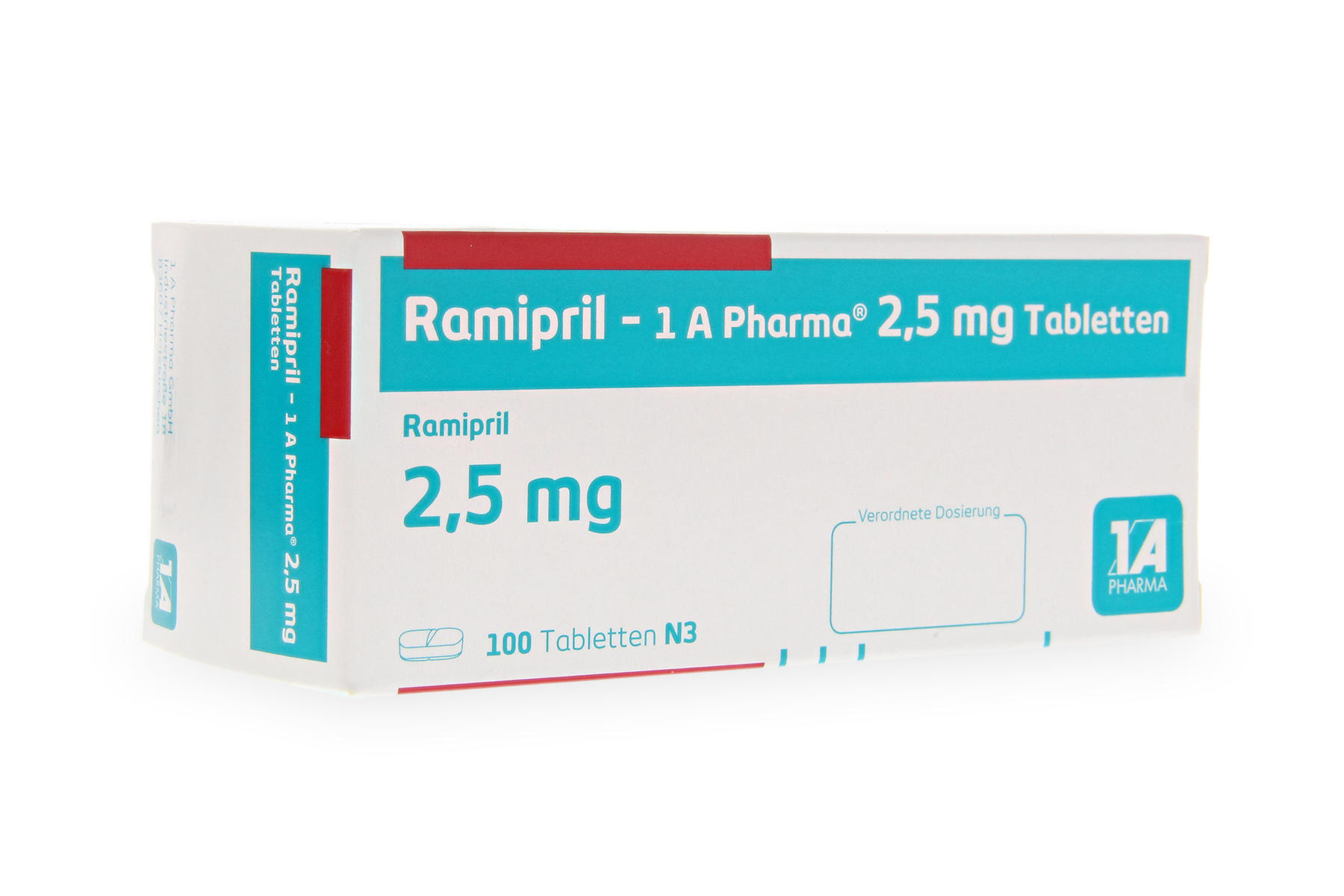
Ramipril
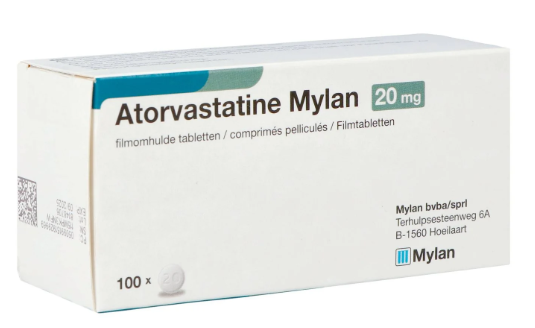
Atorvastatin
Dymista
Mirvaso

Spedra
Salbutamol
Orlistat
Vagifem
Marvelon
Desloratadine
Arcoxia
Levothyroxine
Mercilon
Adenuric

Metoclopramide
Tadalafil
Valsartan
Spironolactone
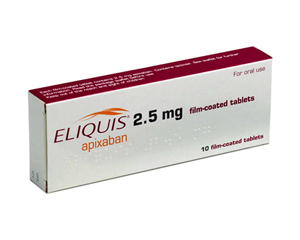
Eliquis
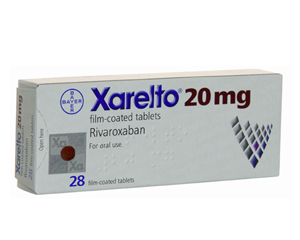
Xarelto

Vardenafil
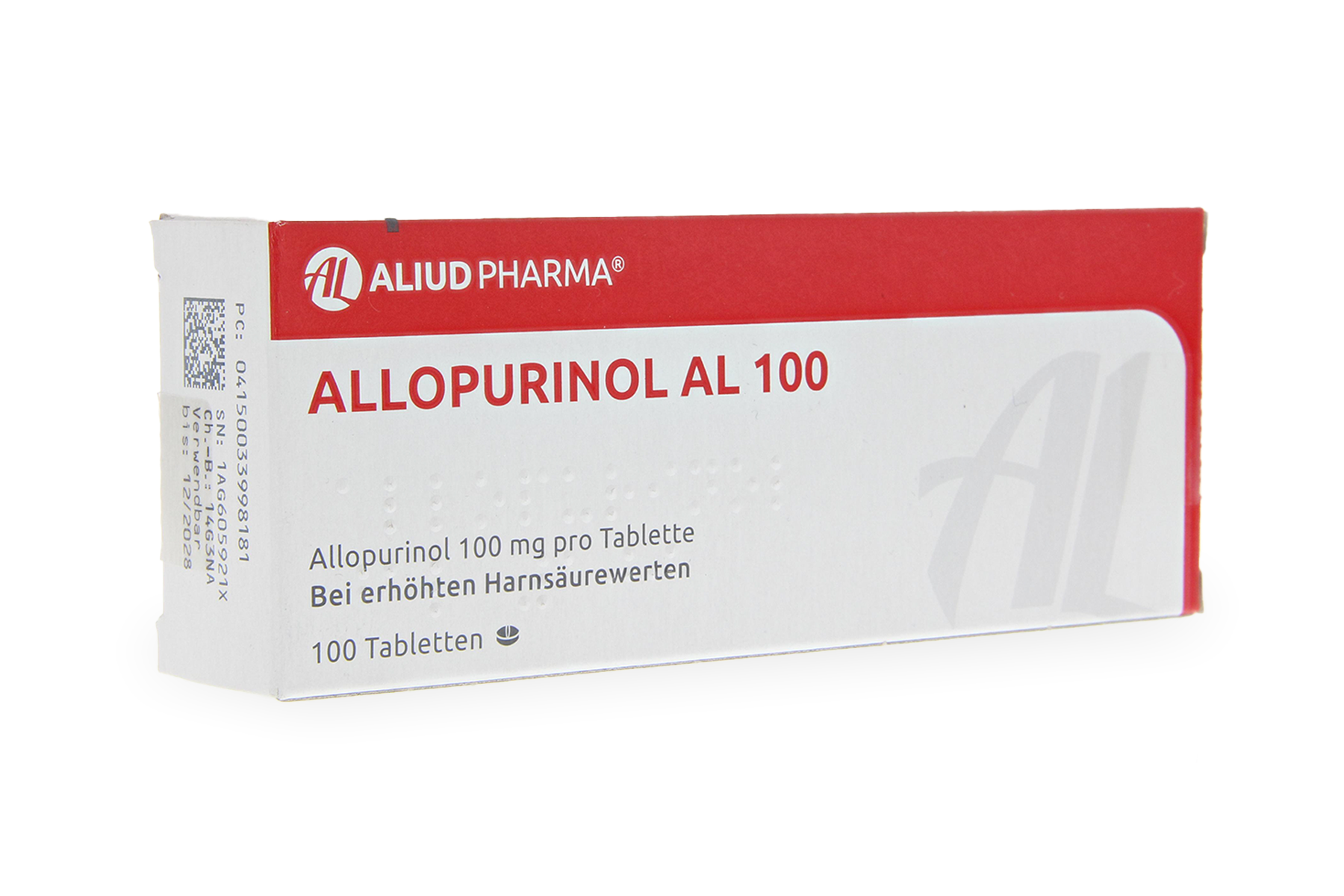
Allopurinol
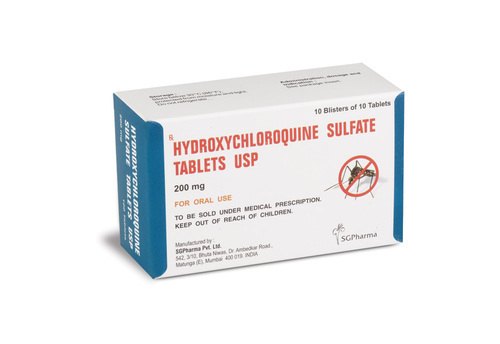
Hydroxychloroquine
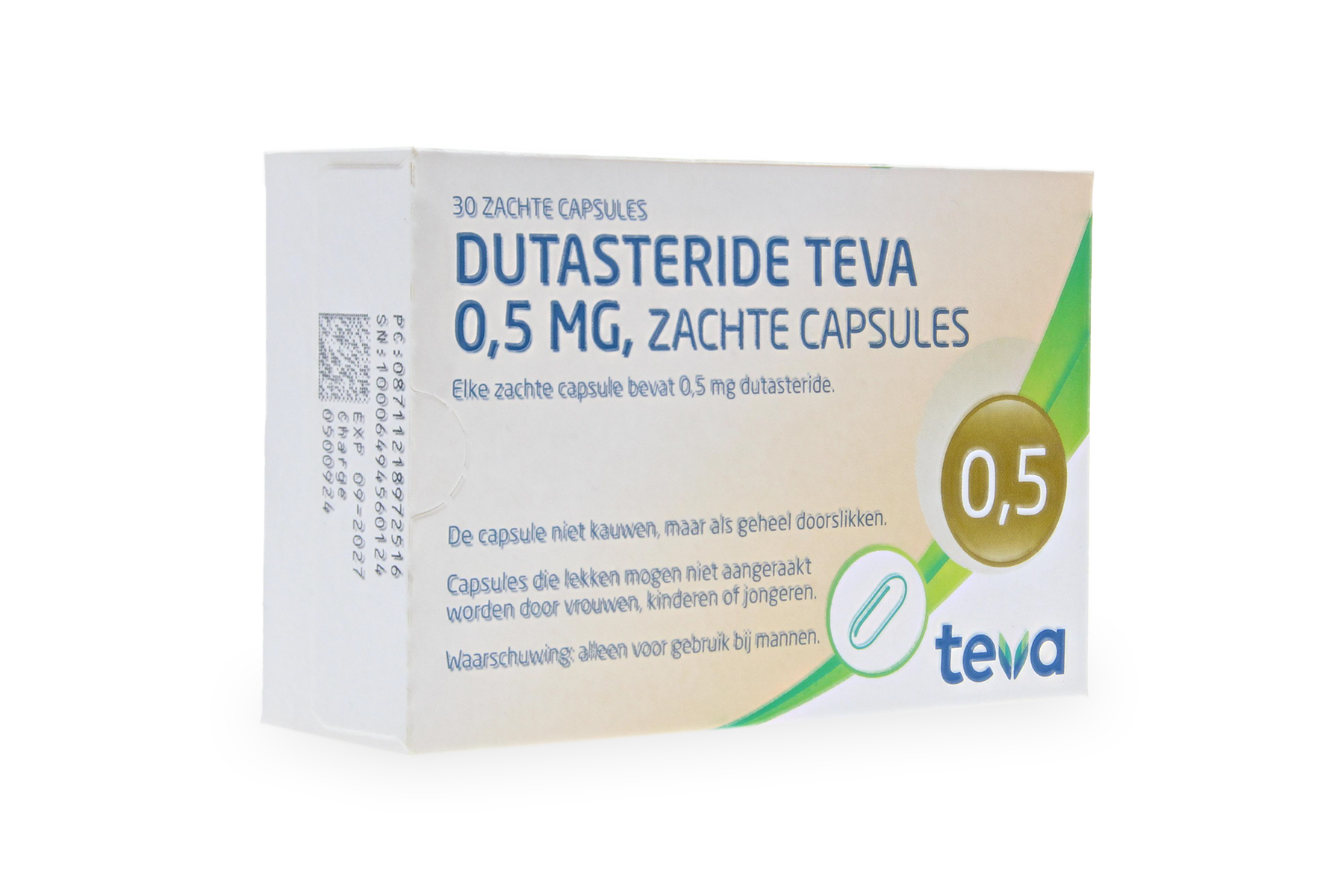
Dutasteride
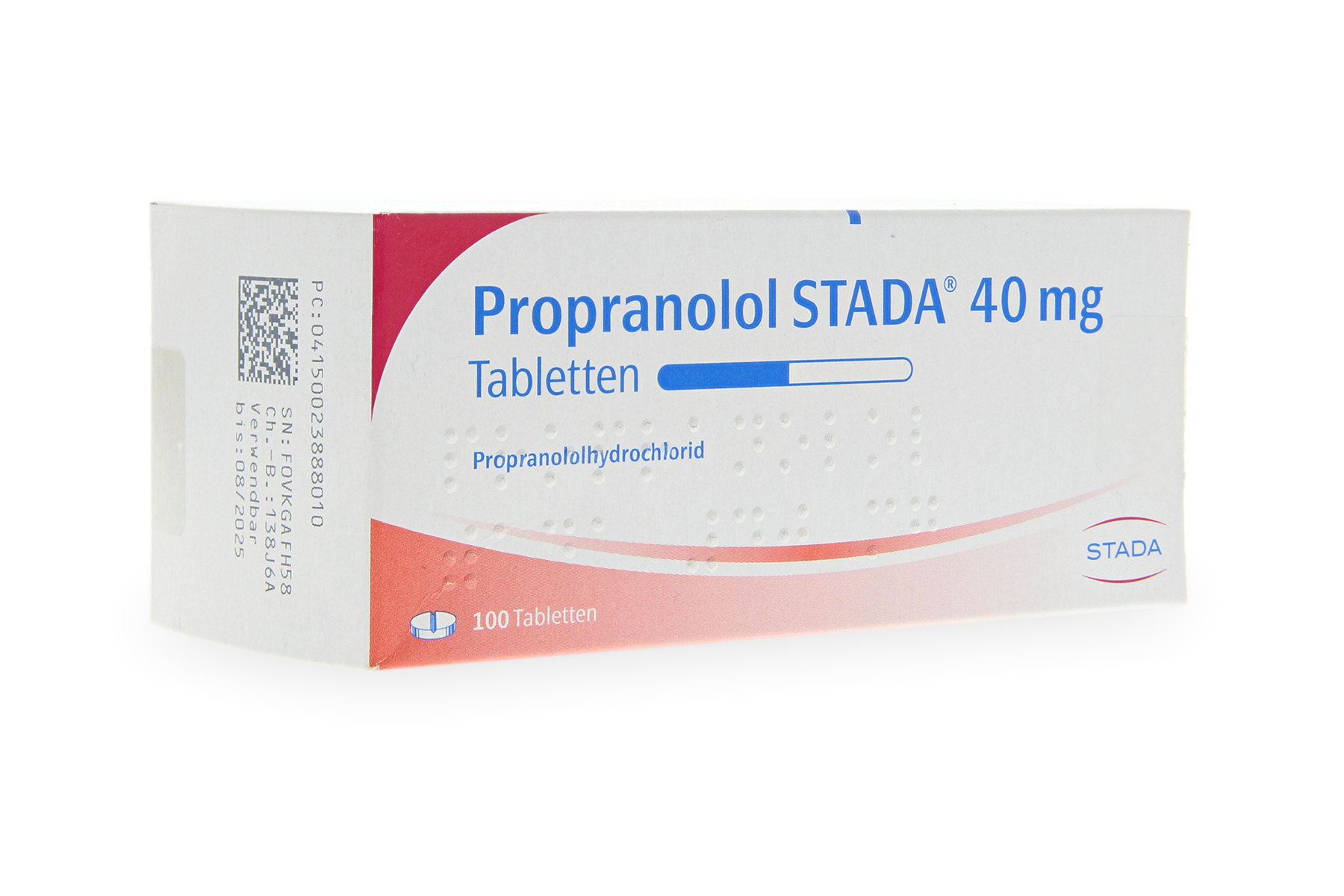
Propranolol

Wegovy
Circadin
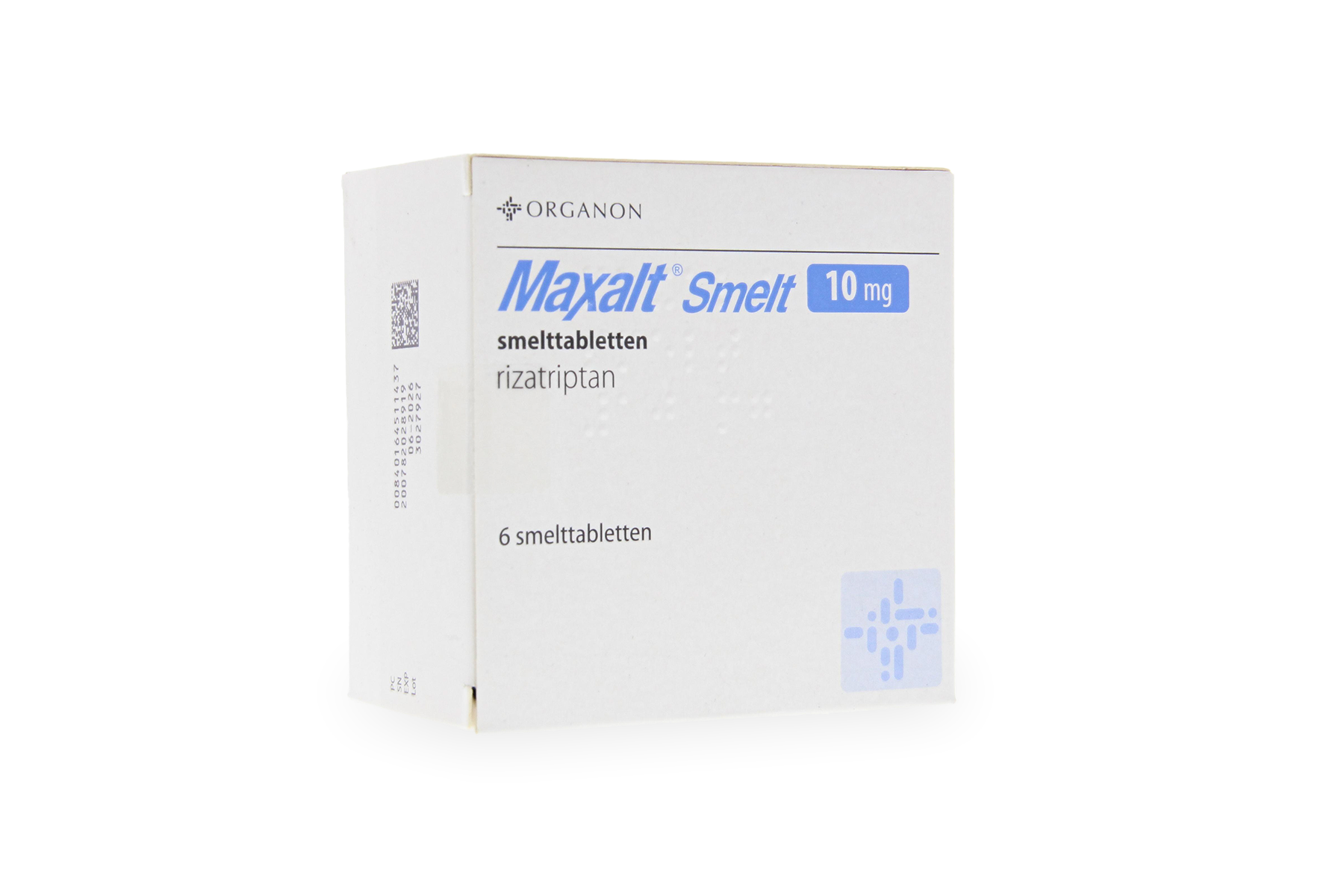
Maxalt
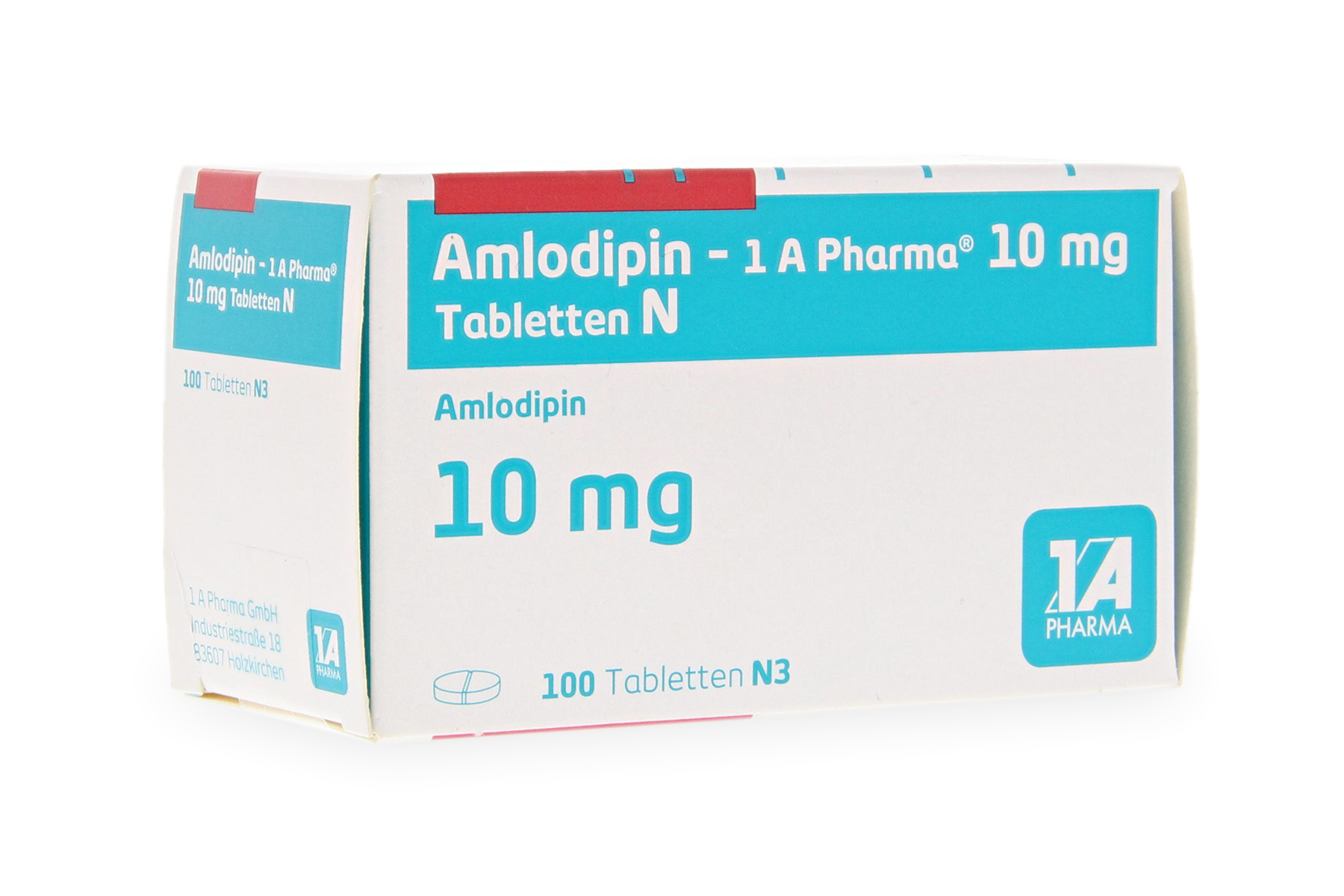
Amlodipine
Evra Patches

Mounjaro
Dermovate
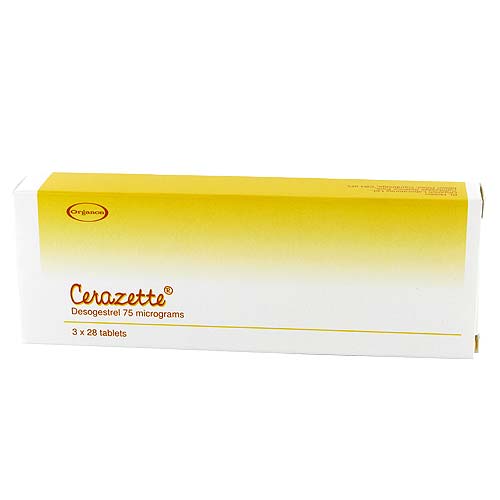
Cerazette

Viagra

Melatonin
Emla Cream
Naproxen
Ventolin

Bricanyl Turbohaler
Doxycycline (Malaria)
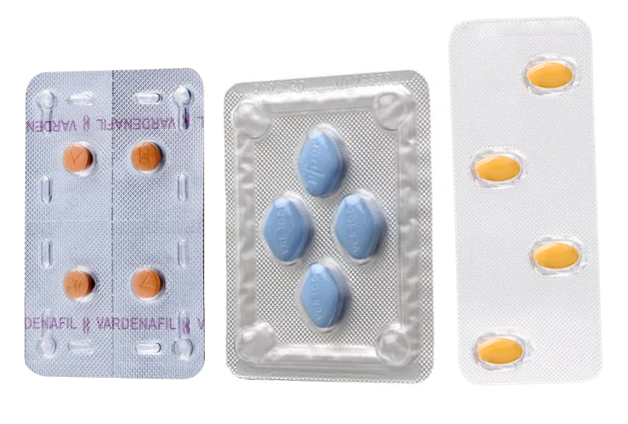
Impotence Trial Pack

Microgynon 30
Fucidin
Bisoprolol
Losartan
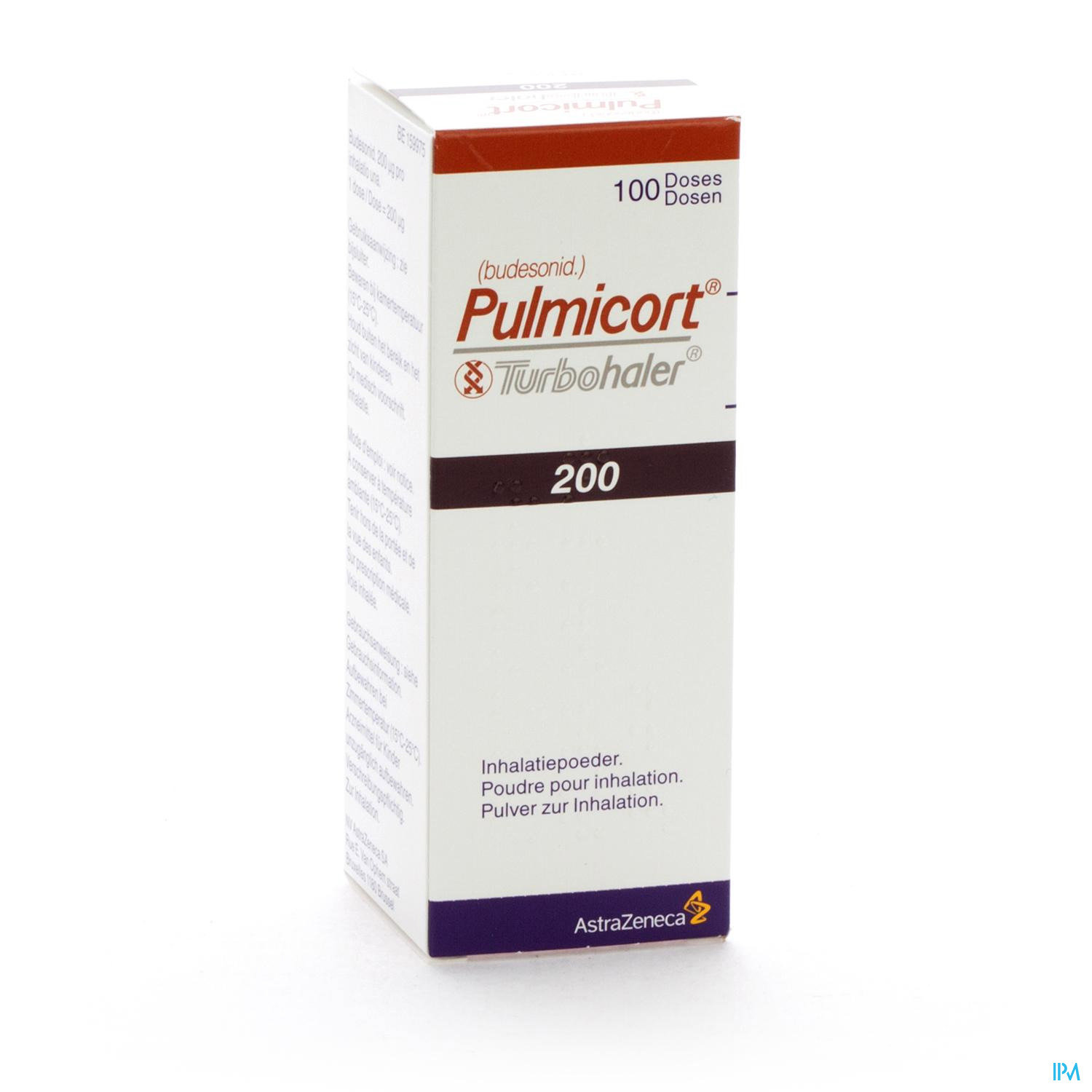
Pulmicort Turbohaler
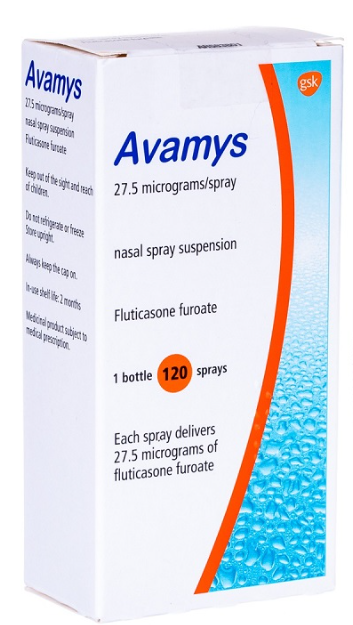
Avamys
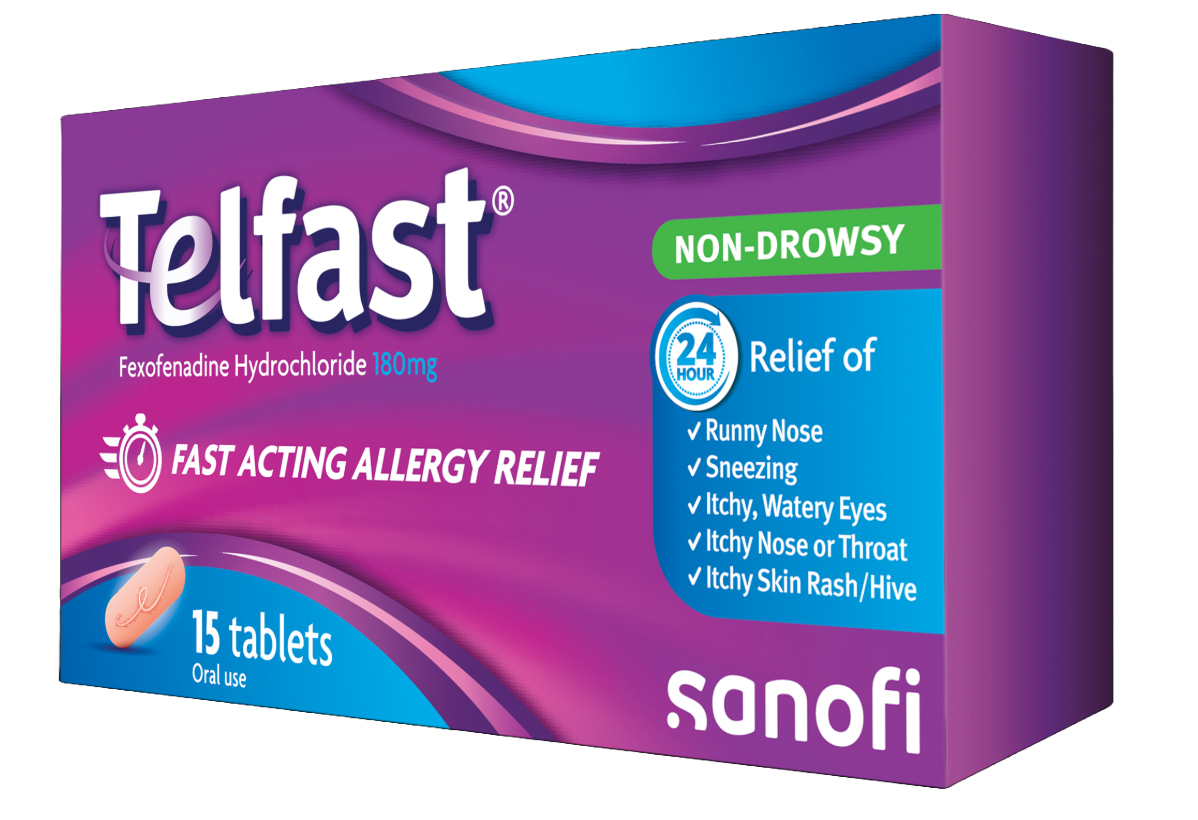
Telfast
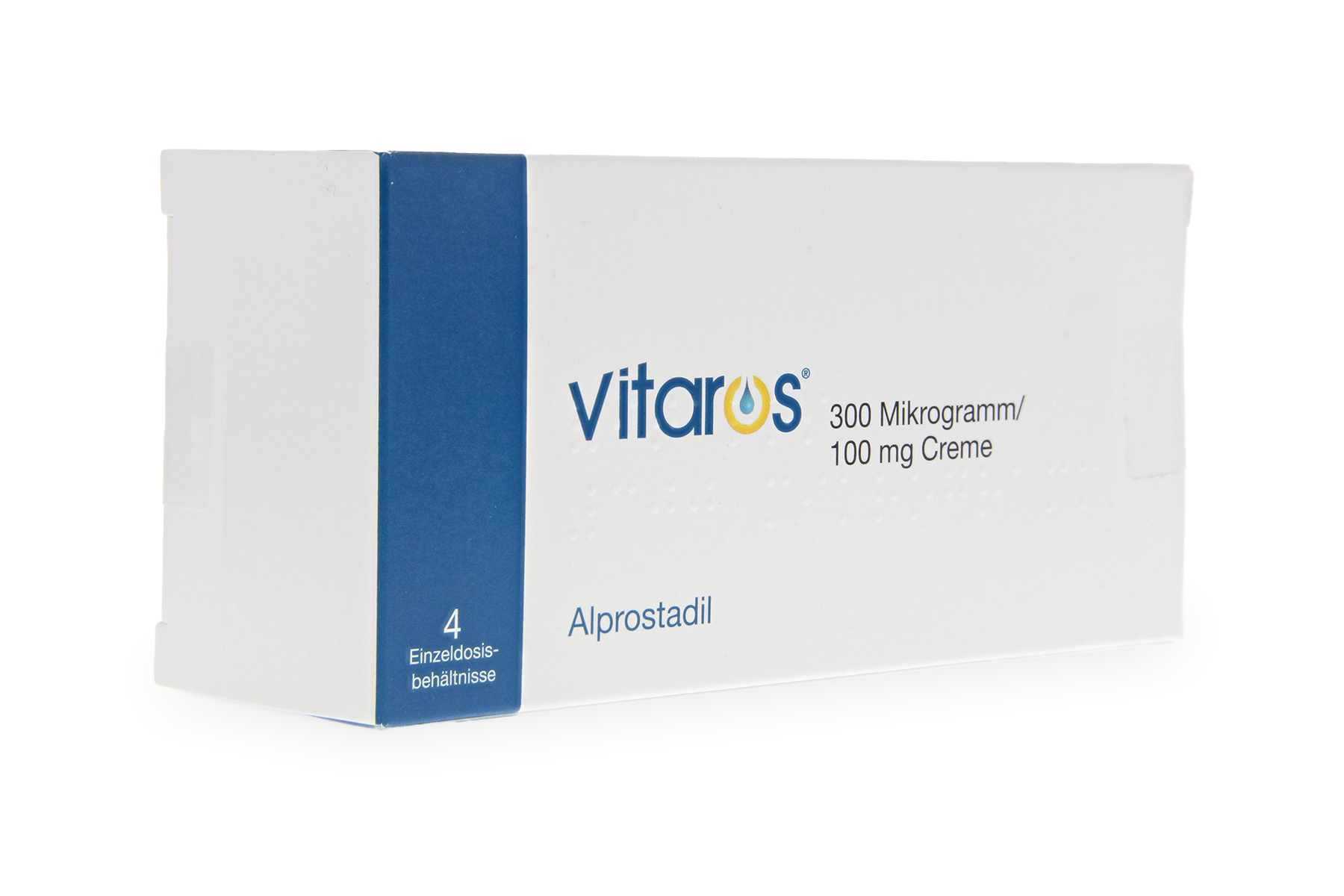
Vitaros

Zyloric
Kliovance
Bactroban
Elocon
Clindamycin
Montelukast
Aciclovir
Proscar

Differin
Nasonex Nasal Spray
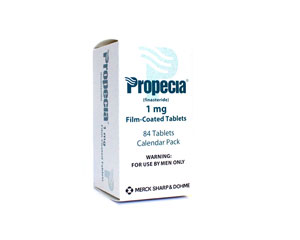
Propecia
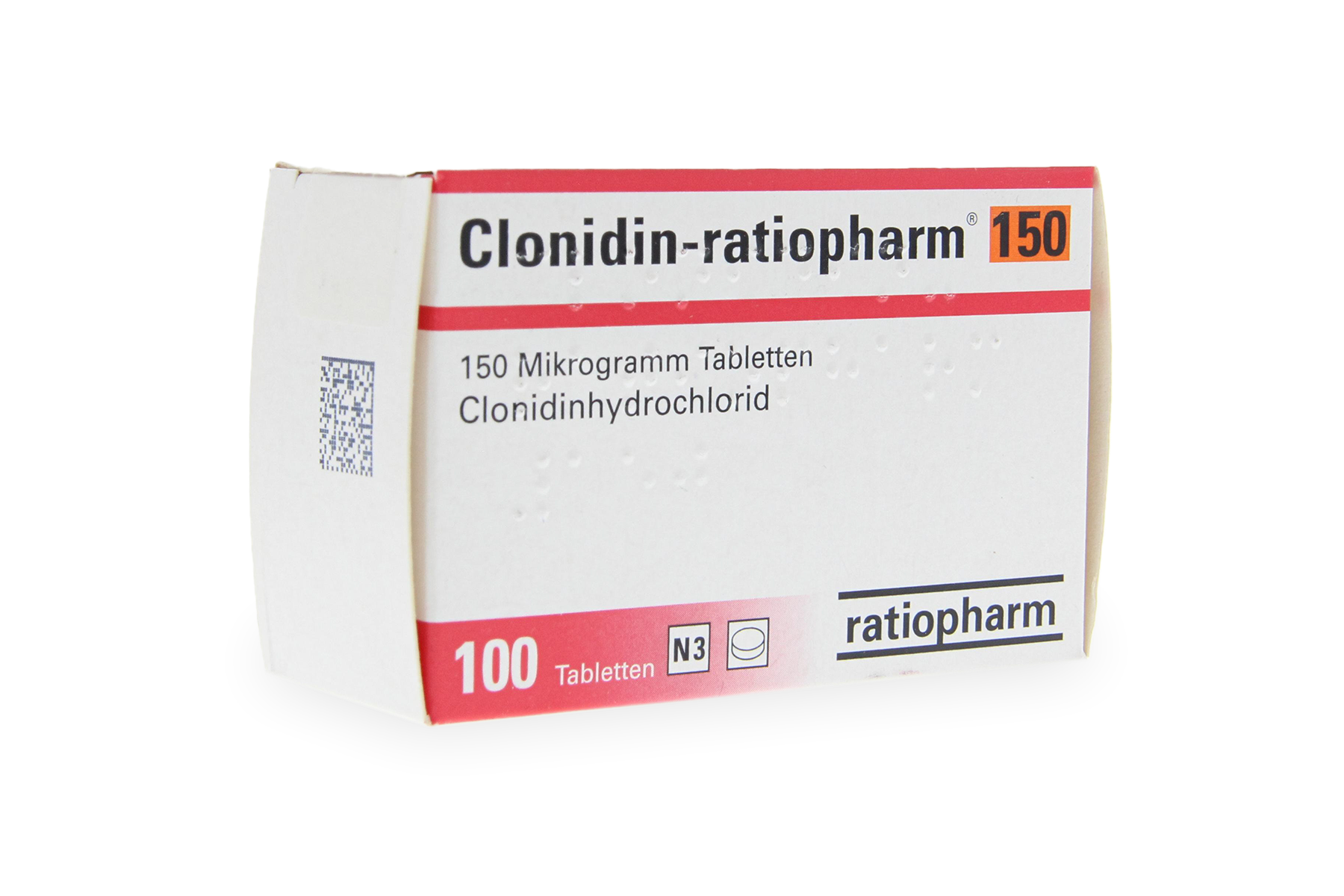
Clonidine
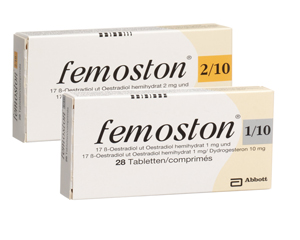
Femoston
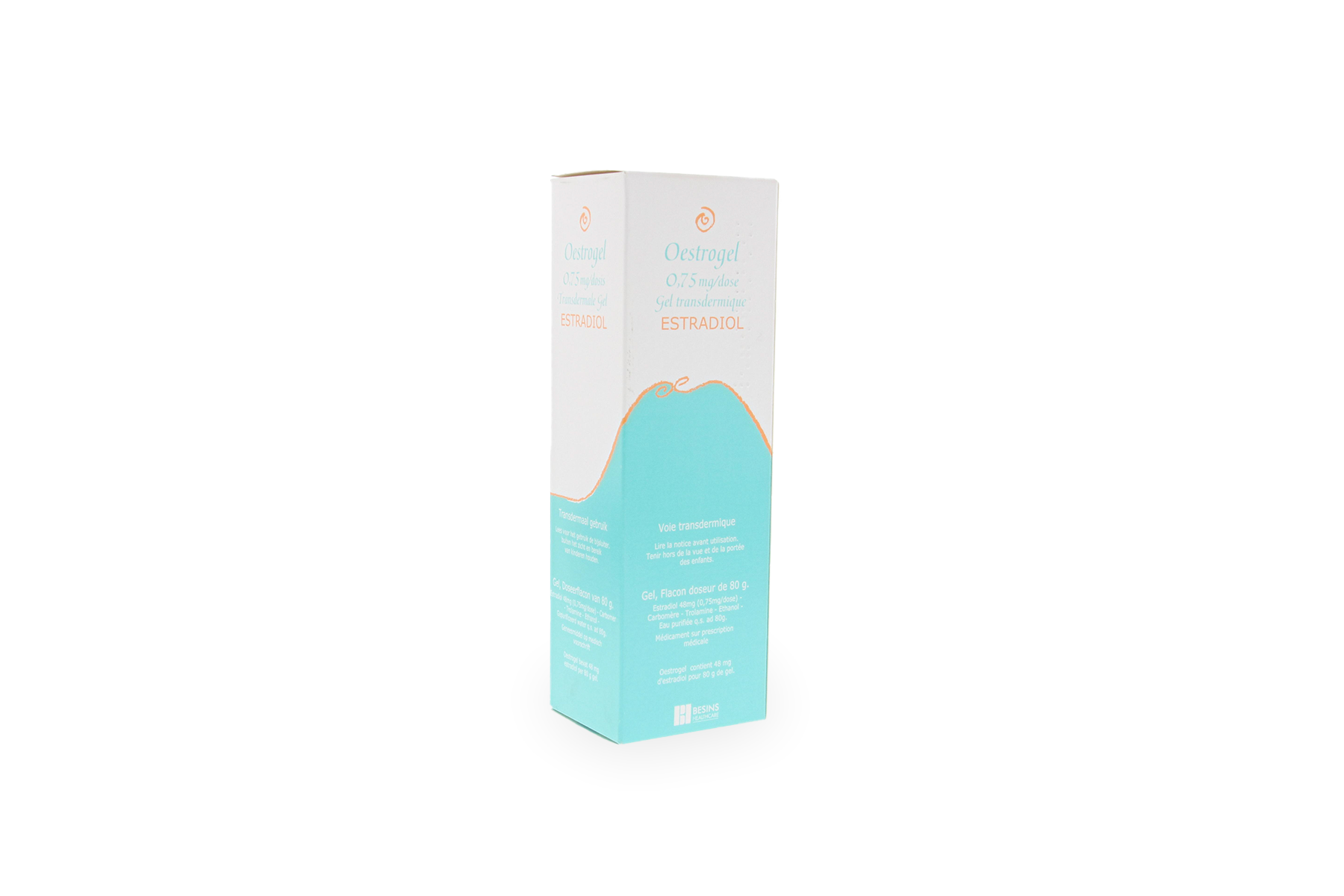
Oestrogel
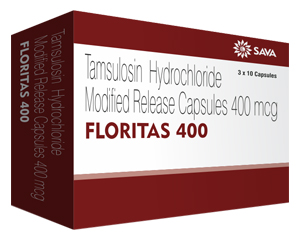
Tamsulosin MR
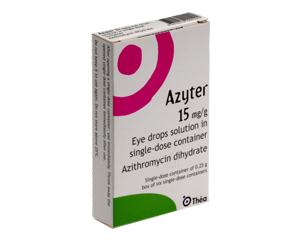
Azyter
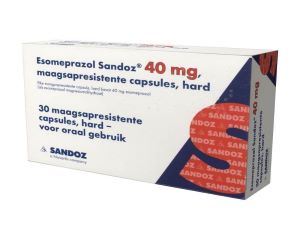
Esomeprazole
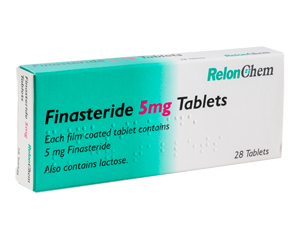
Proscar (Finasteride)
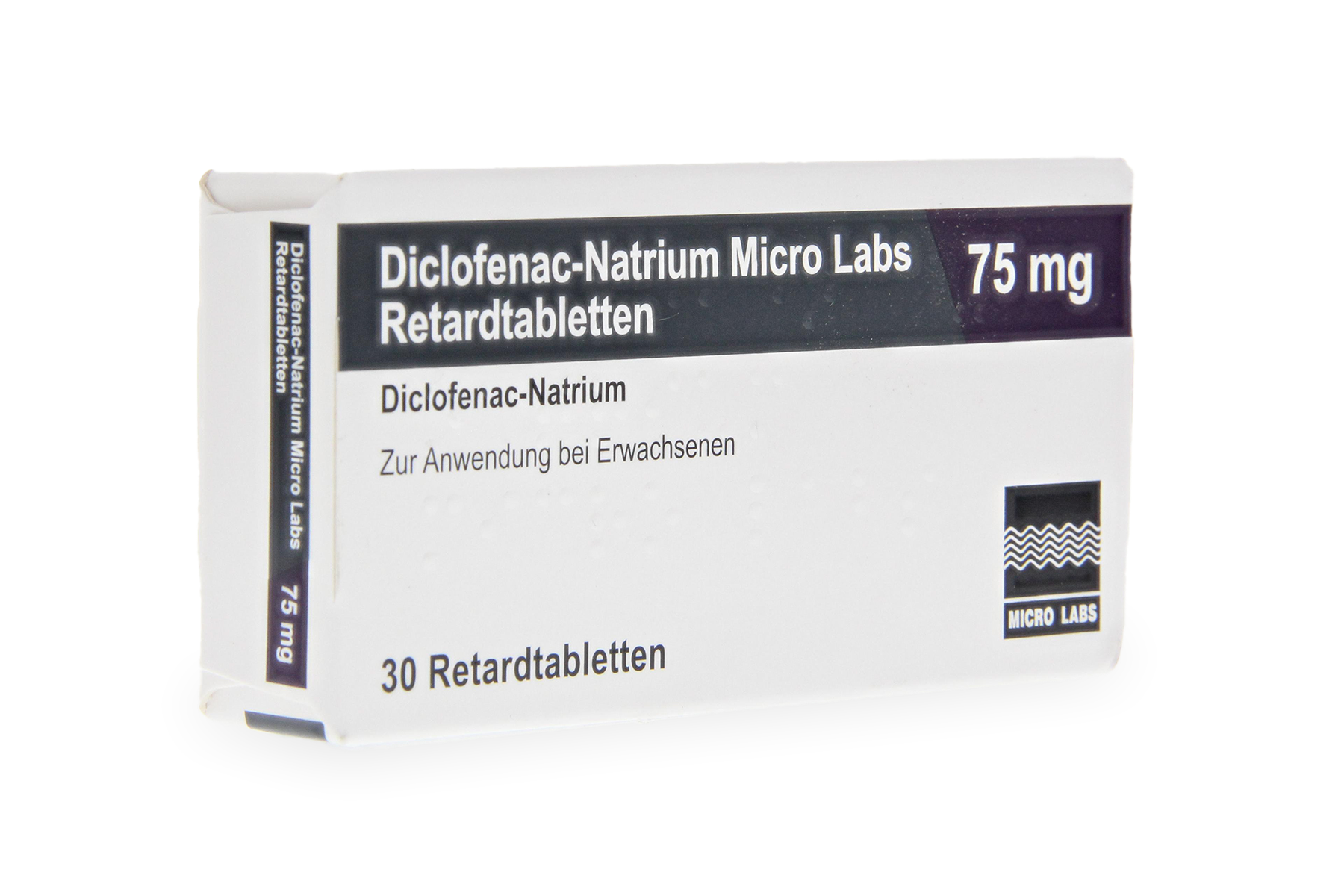
Diclofenac SR
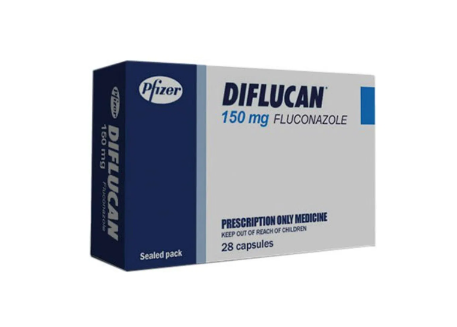
Diflucan
Crestor
Lansoprazole
Vesicare
Flixotide
Serevent
Atenolol
Janumet
Zomig
Cholesterol Treatments
What Is High Cholesterol?
Cholesterol is a waxy, fat-like substance that the body needs to build cell membranes, produce hormones, and manufacture vitamin D. The liver makes all the cholesterol the body requires, but additional cholesterol enters the bloodstream through dietary sources, particularly foods high in saturated fat.
Problems arise when too much low-density lipoprotein (LDL) cholesterol circulates in the blood. LDL particles can deposit cholesterol in the walls of arteries, forming fatty plaques that narrow the vessels and restrict blood flow. Over time, this process, known as atherosclerosis, significantly increases the risk of heart attack and stroke.
High-density lipoprotein (HDL) cholesterol, by contrast, helps remove excess cholesterol from the arteries and transport it back to the liver for disposal. A healthy cholesterol profile involves keeping LDL low, HDL high, and total cholesterol within recommended limits. Because high cholesterol produces no symptoms, regular blood tests are the only reliable way to detect it.
Cholesterol-Lowering Medications
Statins are the most widely prescribed class of cholesterol-lowering medication and remain the gold standard for reducing cardiovascular risk. Medications such as atorvastatin, rosuvastatin, and simvastatin work by inhibiting an enzyme in the liver responsible for cholesterol production, leading to a significant reduction in circulating LDL levels. At optimal doses, statins can lower LDL by 30 to 50 per cent.
For patients who cannot tolerate statins or who need additional LDL reduction, ezetimibe may be added. This medication works in the gut by blocking the absorption of dietary cholesterol. PCSK9 inhibitors, administered by injection, are reserved for patients with familial hypercholesterolaemia or those at very high cardiovascular risk who have not reached target levels with other treatments.
Fibrates, such as gemfibrozil and fenofibrate, are primarily used to lower triglyceride levels and may modestly raise HDL. They are sometimes prescribed alongside a statin in patients with mixed dyslipidaemia, though the combination requires monitoring due to an increased risk of muscle-related side effects.
Diet and Lifestyle for Healthy Cholesterol
Dietary modifications can have a meaningful impact on cholesterol levels. Reducing intake of saturated fats found in red meat, full-fat dairy, and processed foods is the single most effective dietary change. Replacing saturated fats with unsaturated alternatives such as olive oil, nuts, avocados, and oily fish helps shift the balance towards a healthier lipid profile.
Soluble fibre, found in oats, barley, beans, lentils, and certain fruits, binds cholesterol in the digestive tract and promotes its excretion. Plant sterols and stanols, available in fortified spreads and yoghurt drinks, have been shown to lower LDL by up to 10 per cent when consumed regularly.
Regular physical activity raises HDL cholesterol and improves overall cardiovascular fitness. Aiming for at least 150 minutes of moderate exercise per week, combined with maintaining a healthy weight and limiting alcohol intake, creates a strong foundation for long-term heart health. For some individuals with mildly elevated cholesterol and no other risk factors, lifestyle measures alone may be sufficient to avoid the need for medication.
Understanding Your Cholesterol Numbers
A standard lipid panel blood test measures total cholesterol, LDL cholesterol, HDL cholesterol, and triglycerides. In the UK, total cholesterol below 5 mmol/L is considered desirable for the general population, with LDL ideally below 3 mmol/L. For individuals at high cardiovascular risk, such as those with existing heart disease or diabetes, more aggressive targets may apply.
The ratio of total cholesterol to HDL is also used as a marker of cardiovascular risk. A ratio below 4 is considered good, while higher ratios suggest a greater proportion of harmful cholesterol relative to the protective kind. Triglyceride levels should ideally be below 1.7 mmol/L; elevated levels are associated with metabolic syndrome and an increased risk of pancreatitis.
Your GP or prescriber will interpret your results in the context of your overall risk profile, which includes factors such as age, sex, smoking status, blood pressure, and family history. Risk calculators such as QRISK3 help estimate the probability of a cardiovascular event over the next ten years and guide decisions about whether to initiate statin therapy.
Managing Cholesterol Long Term
Cholesterol management is a lifelong commitment. For most patients on statin therapy, the medication is continued indefinitely because stopping it allows cholesterol levels to rise back to their pre-treatment baseline. Side effects are uncommon but may include muscle aches, digestive upset, and, rarely, liver enzyme elevation. These should be reported to your prescriber, who may adjust the dose or switch to an alternative statin.
Regular monitoring, typically with an annual blood test, ensures that treatment is achieving target levels and allows for early detection of any adverse effects. Liver function tests are usually checked before starting treatment and again after a few months.
Ordering repeat prescriptions for cholesterol medication through a regulated online pharmacy is a convenient option for patients with stable, well-controlled lipid levels. The process involves confirming your current regimen, providing recent blood test results if requested, and completing a brief health update. As always, periodic face-to-face reviews with your GP remain an important part of comprehensive cardiovascular care.
Frequently Asked Questions
At what cholesterol level should I take statins?
Do statins have serious side effects?
How long does it take for statins to lower cholesterol?
What lifestyle changes help lower cholesterol?
Dr. Ross Elledge
General Practitioner · General & Family Medicine
Verified Healthcare Professional
TopDoctors ProfileThis website provides general information about medicines for educational purposes only. Always consult your doctor or pharmacist before taking any medication.