
Diabetes Treatments
Type 2 diabetes affects over 4 million people in the UK. Effective management through medication, blood sugar monitoring and lifestyle changes can prevent serious complications. Online consultations make repeat prescriptions and treatment reviews more accessible.
Metformin is the first-line oral treatment for type 2 diabetes
GLP-1 agonists offer both glucose control and weight management
Regular HbA1c monitoring tracks long-term blood sugar control
Early treatment prevents complications affecting eyes, kidneys and nerves

Cialis
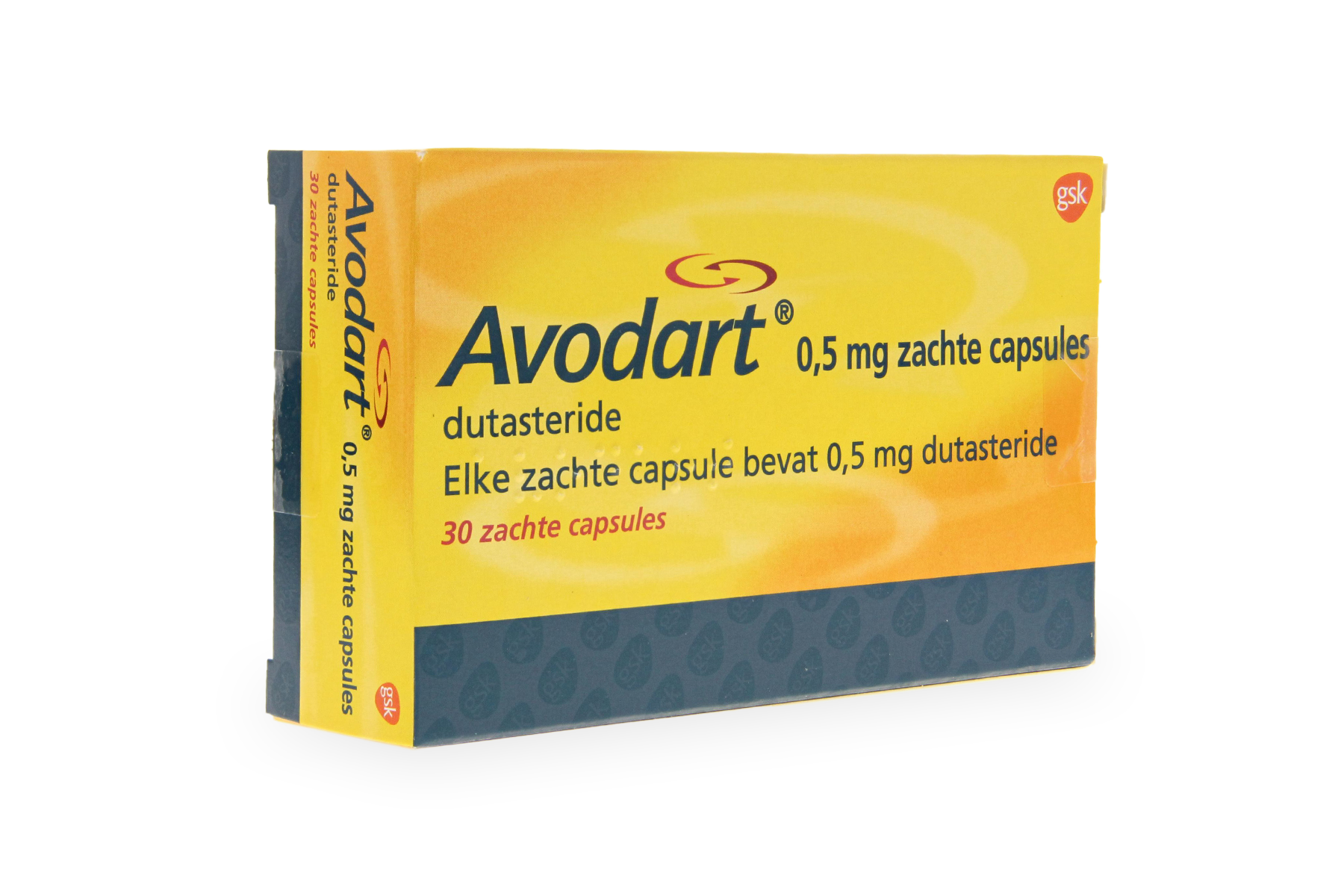
Avodart
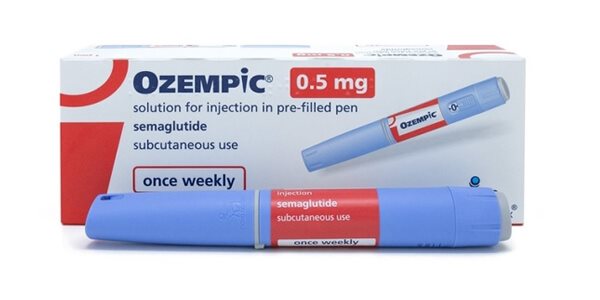
Ozempic

Nuvaring
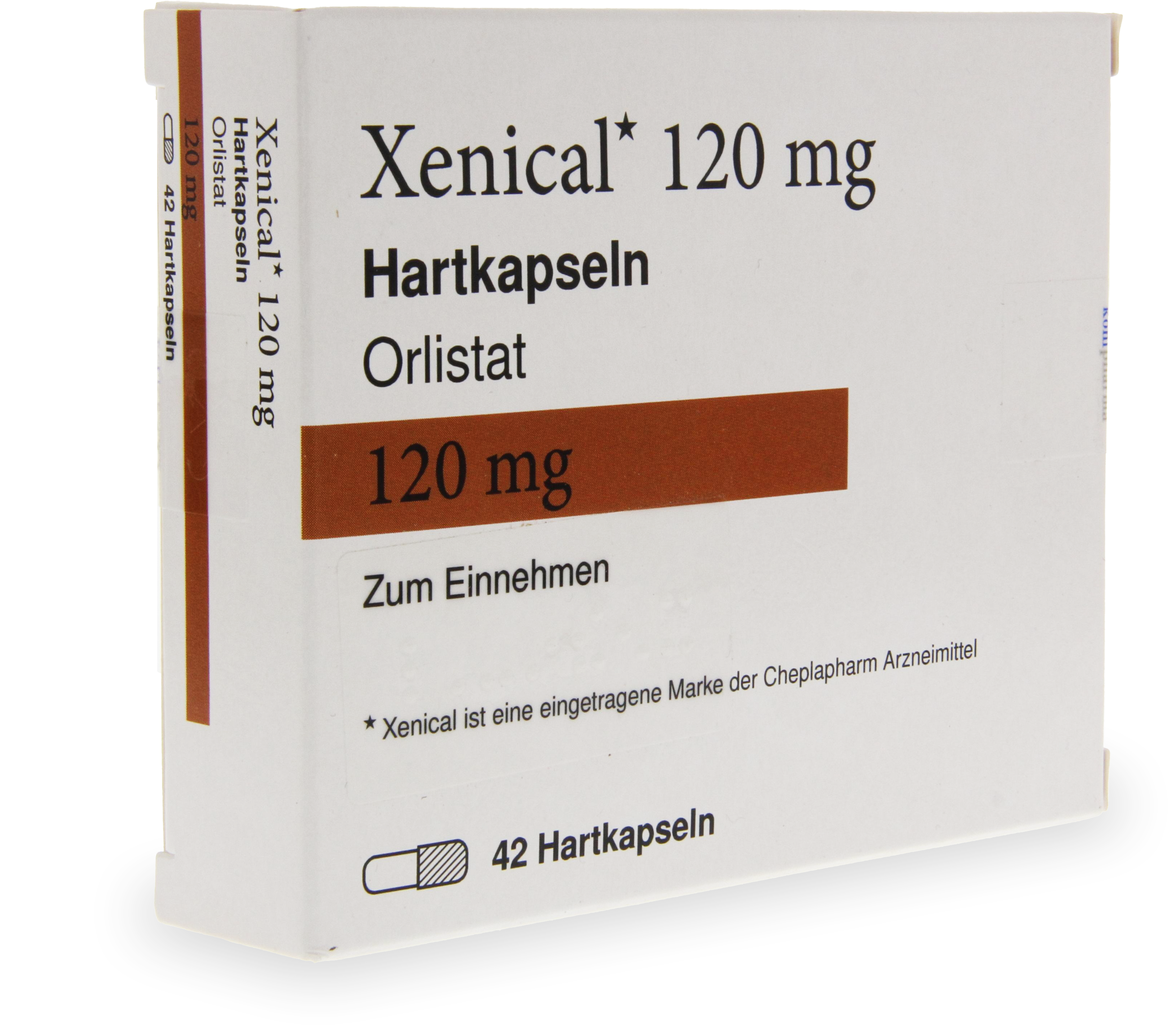
Xenical

Fluconazole

Yasmin
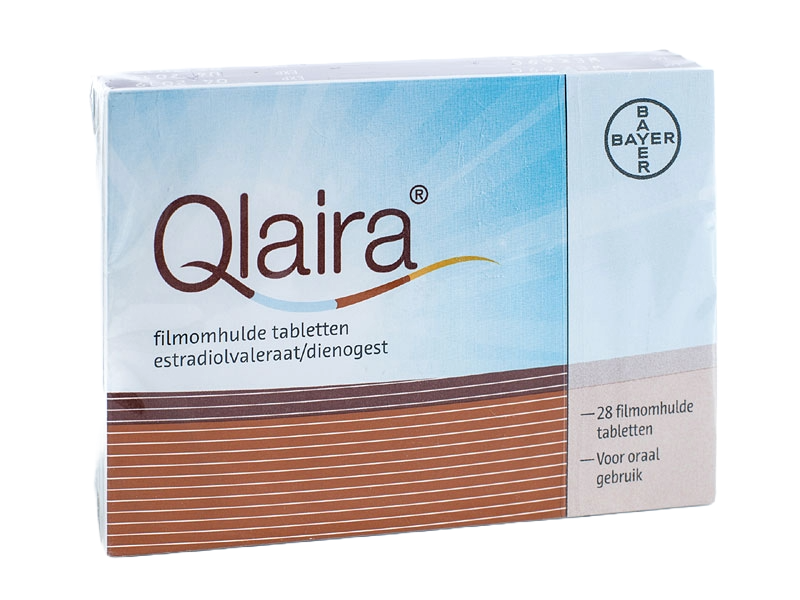
Qlaira
Ciprofloxacin

Utrogestan
Priligy

Furosemide

Omeprazole

Pantoprazole

Sildenafil

Seretide

Symbicort Turbuhaler
Sumatriptan

Betnovate

Metformin
Candesartan
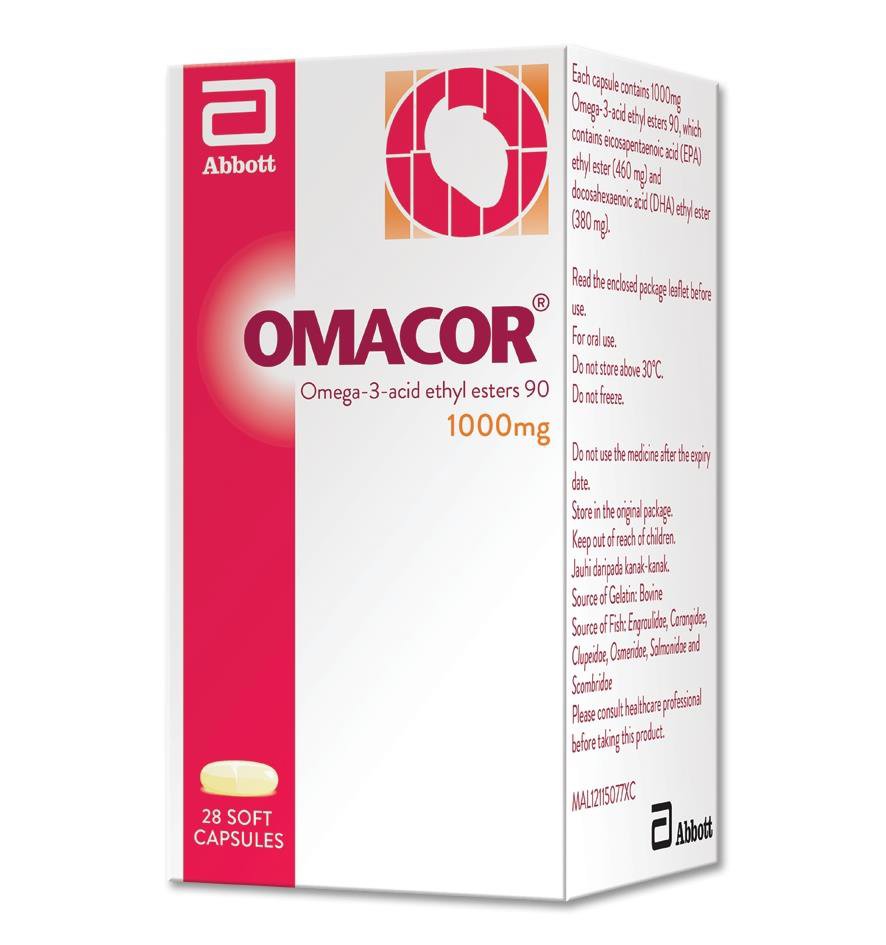
Omacor
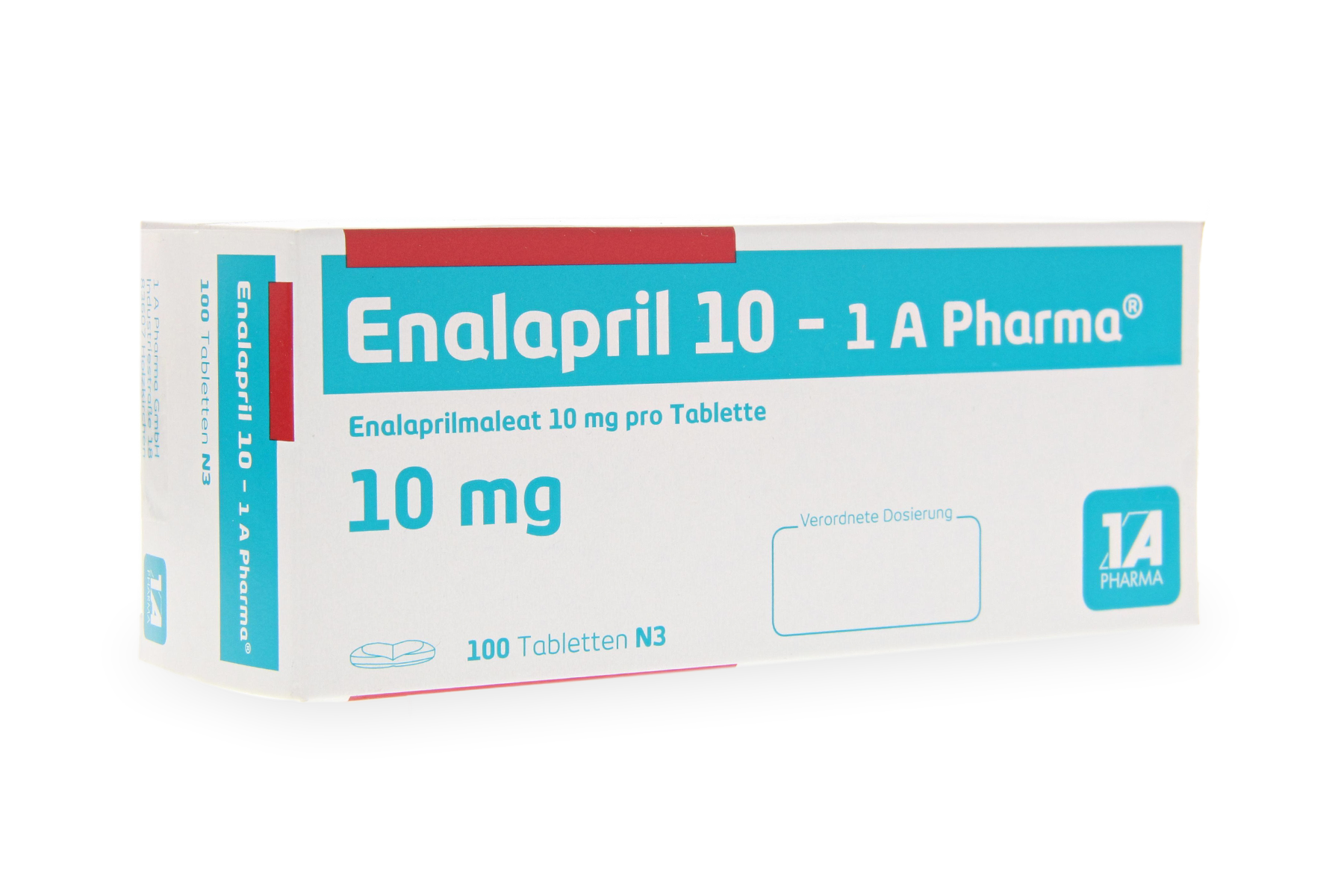
Enalapril
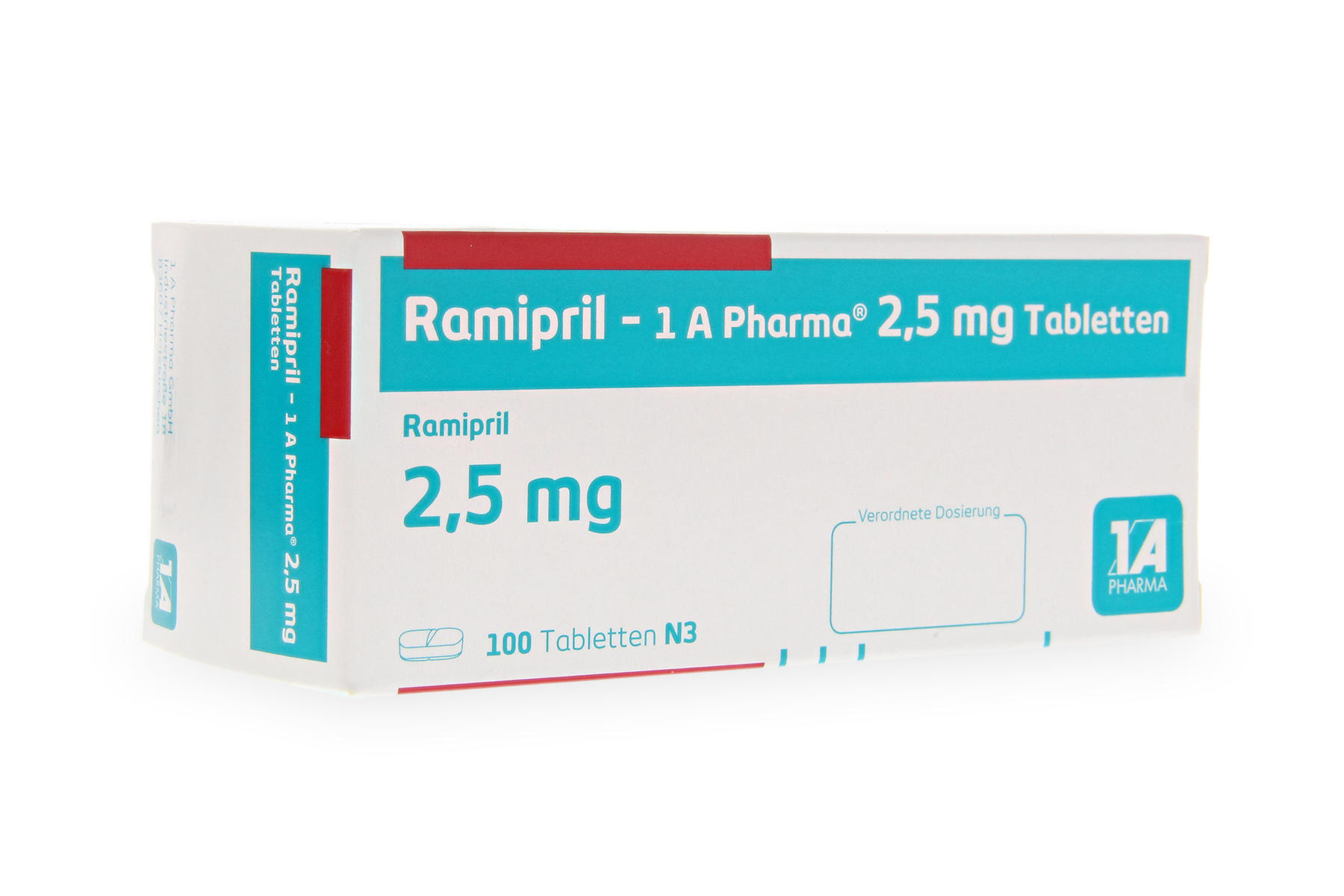
Ramipril

Atorvastatin

Dymista
Mirvaso

Spedra

Salbutamol
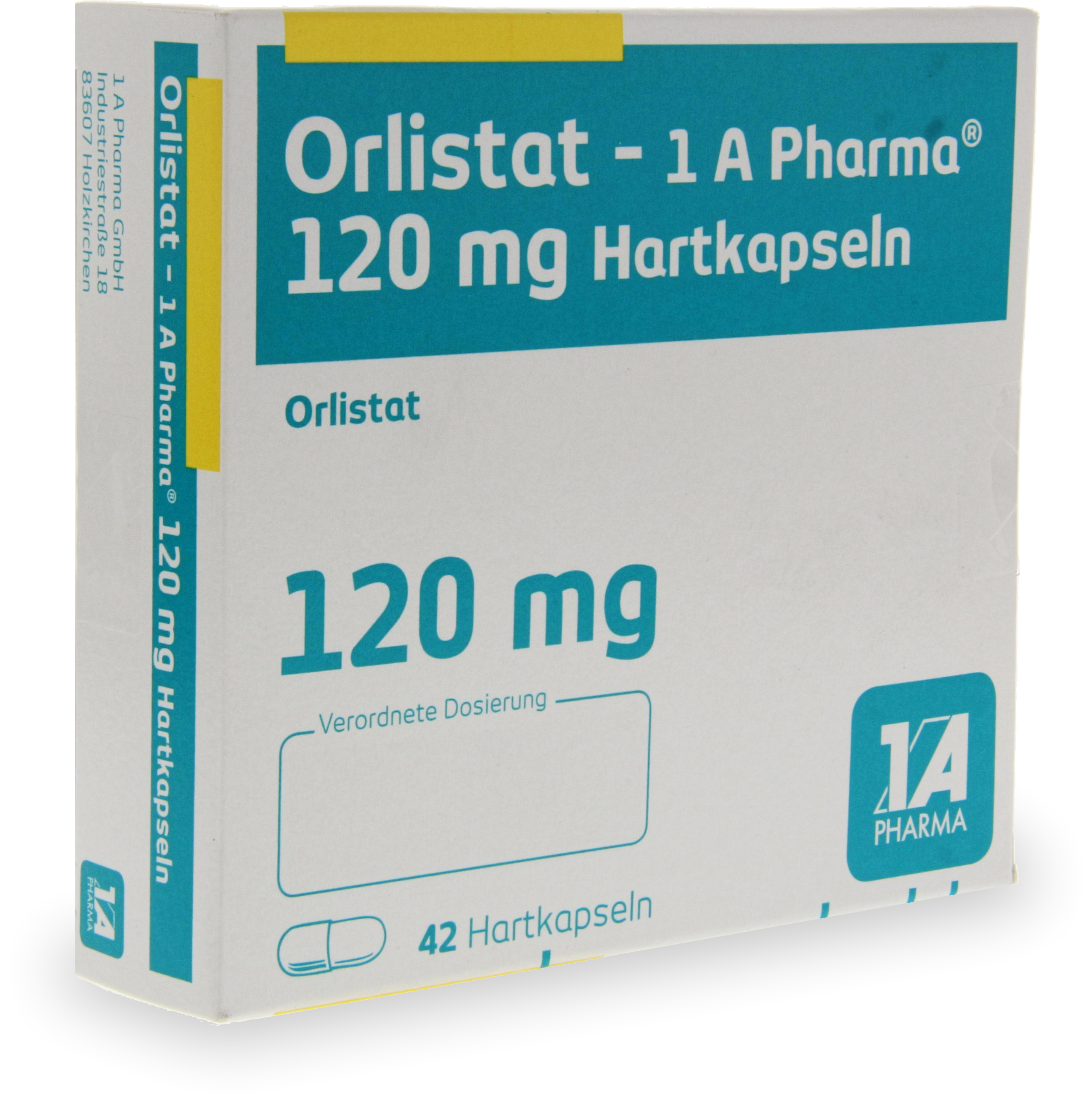
Orlistat

Vagifem

Marvelon
Desloratadine
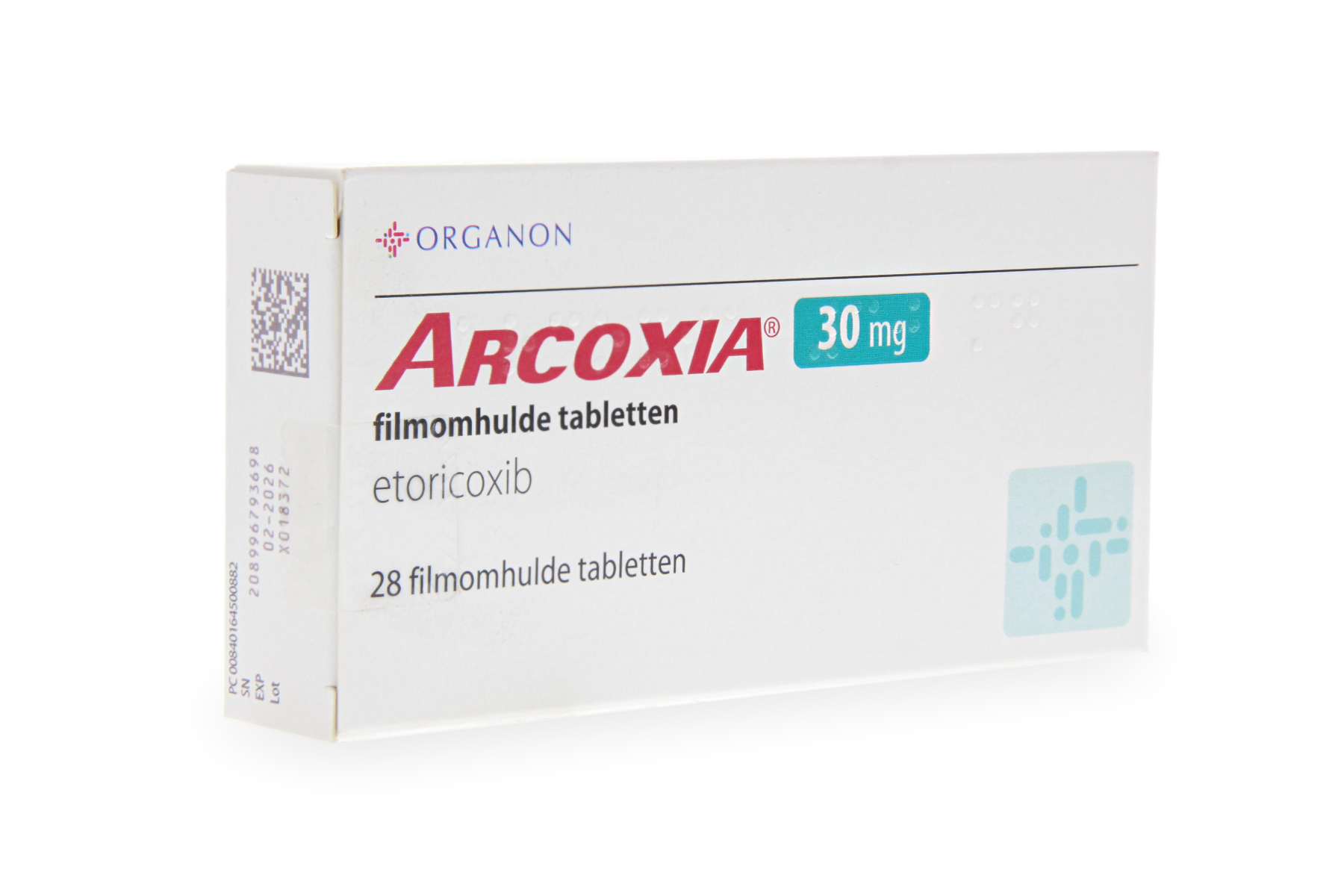
Arcoxia
Levothyroxine

Mercilon
Adenuric

Metoclopramide

Tadalafil

Valsartan
Spironolactone
Eliquis
Xarelto

Vardenafil
Allopurinol
Hydroxychloroquine
Dutasteride
Propranolol

Wegovy

Circadin

Maxalt
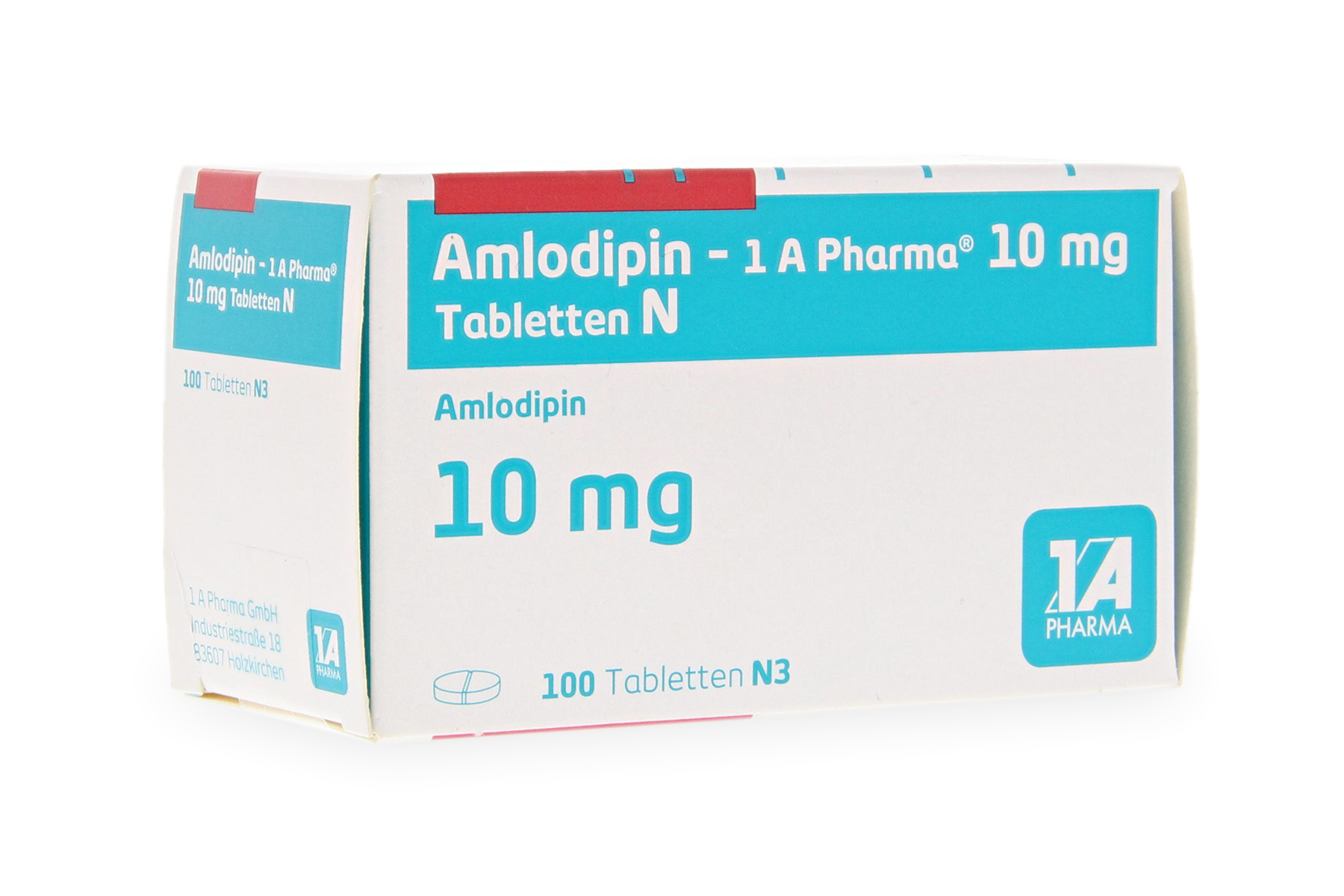
Amlodipine
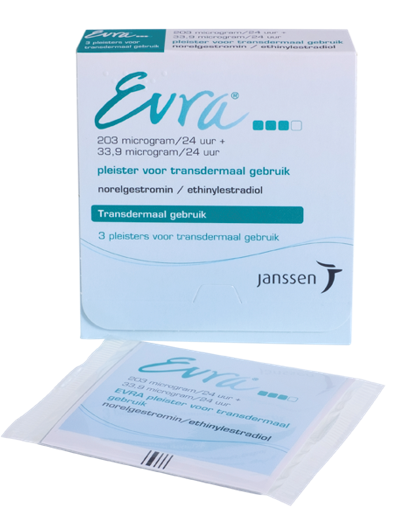
Evra Patches

Mounjaro

Dermovate

Cerazette

Viagra

Melatonin
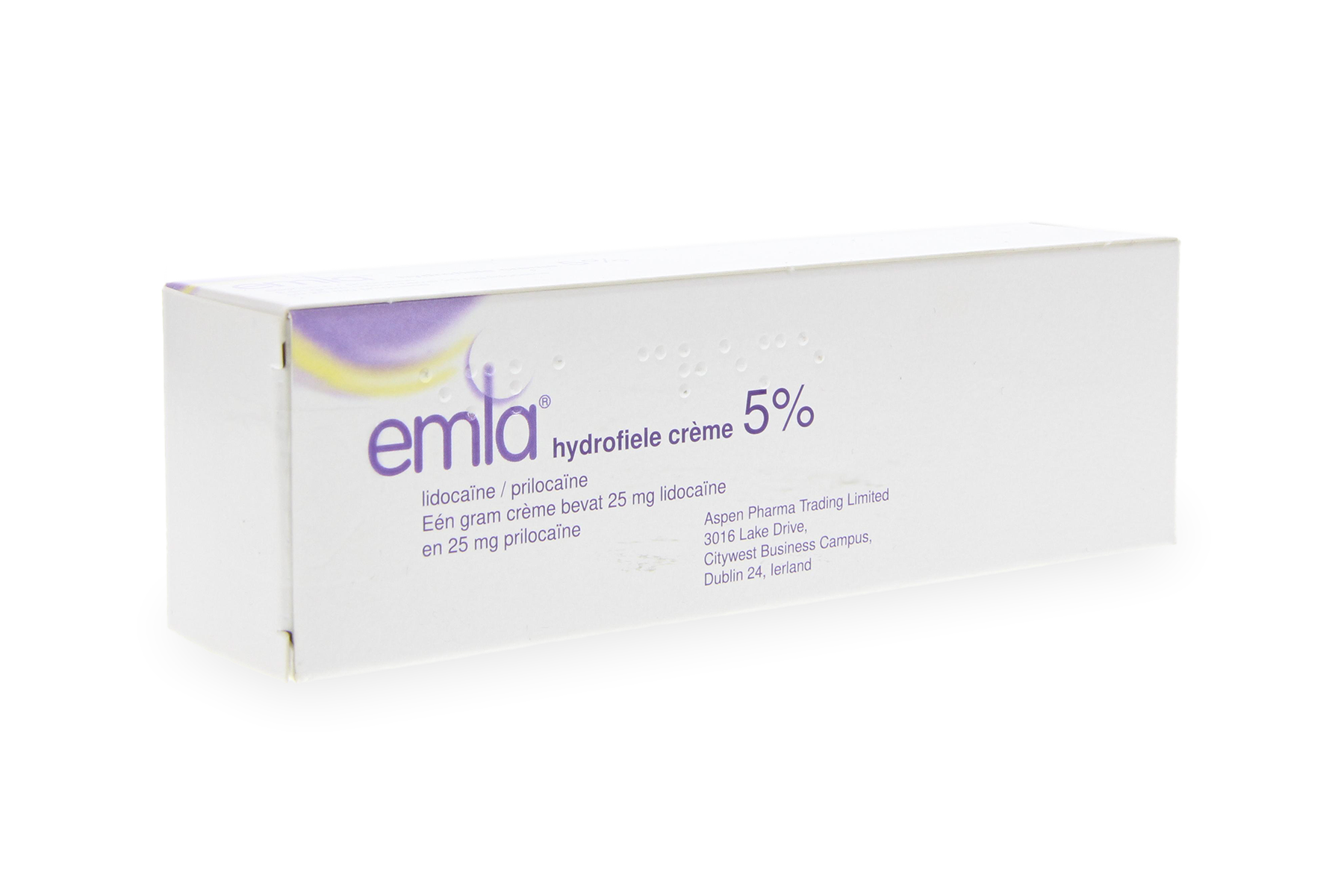
Emla Cream
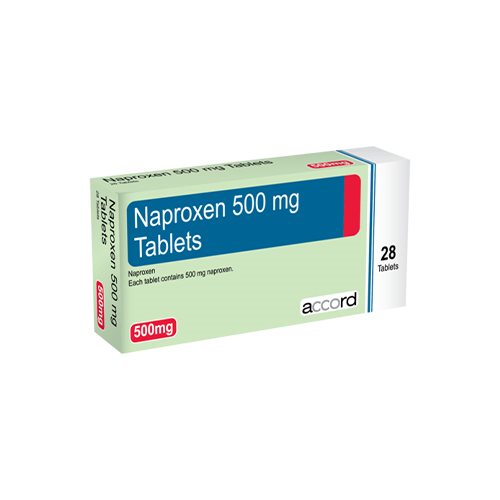
Naproxen
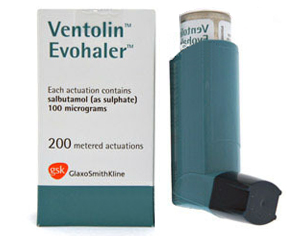
Ventolin

Bricanyl Turbohaler
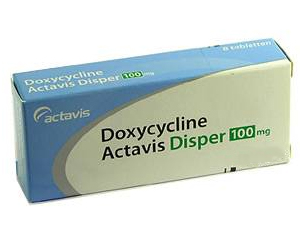
Doxycycline (Malaria)
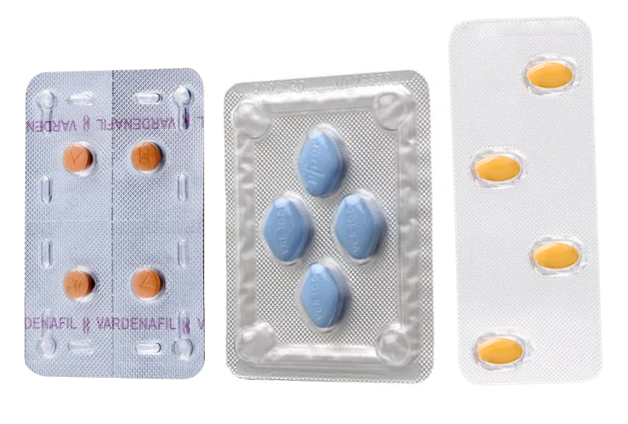
Impotence Trial Pack

Microgynon 30

Fucidin

Bisoprolol

Losartan

Pulmicort Turbohaler

Avamys

Telfast

Vitaros

Zyloric
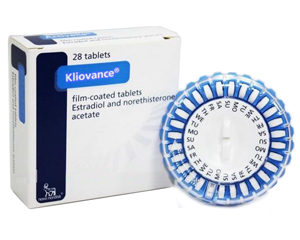
Kliovance

Bactroban
Elocon
Clindamycin
Montelukast
Aciclovir

Proscar

Differin
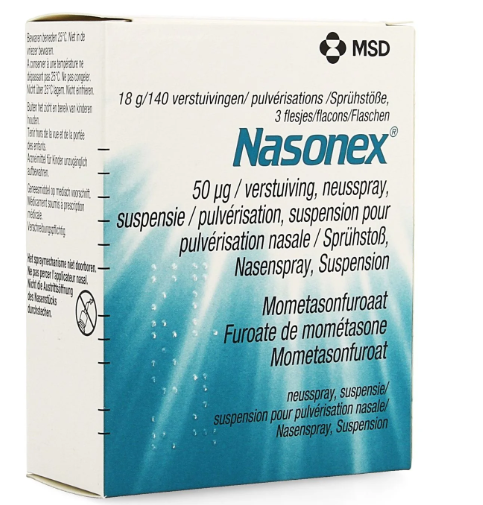
Nasonex Nasal Spray

Propecia
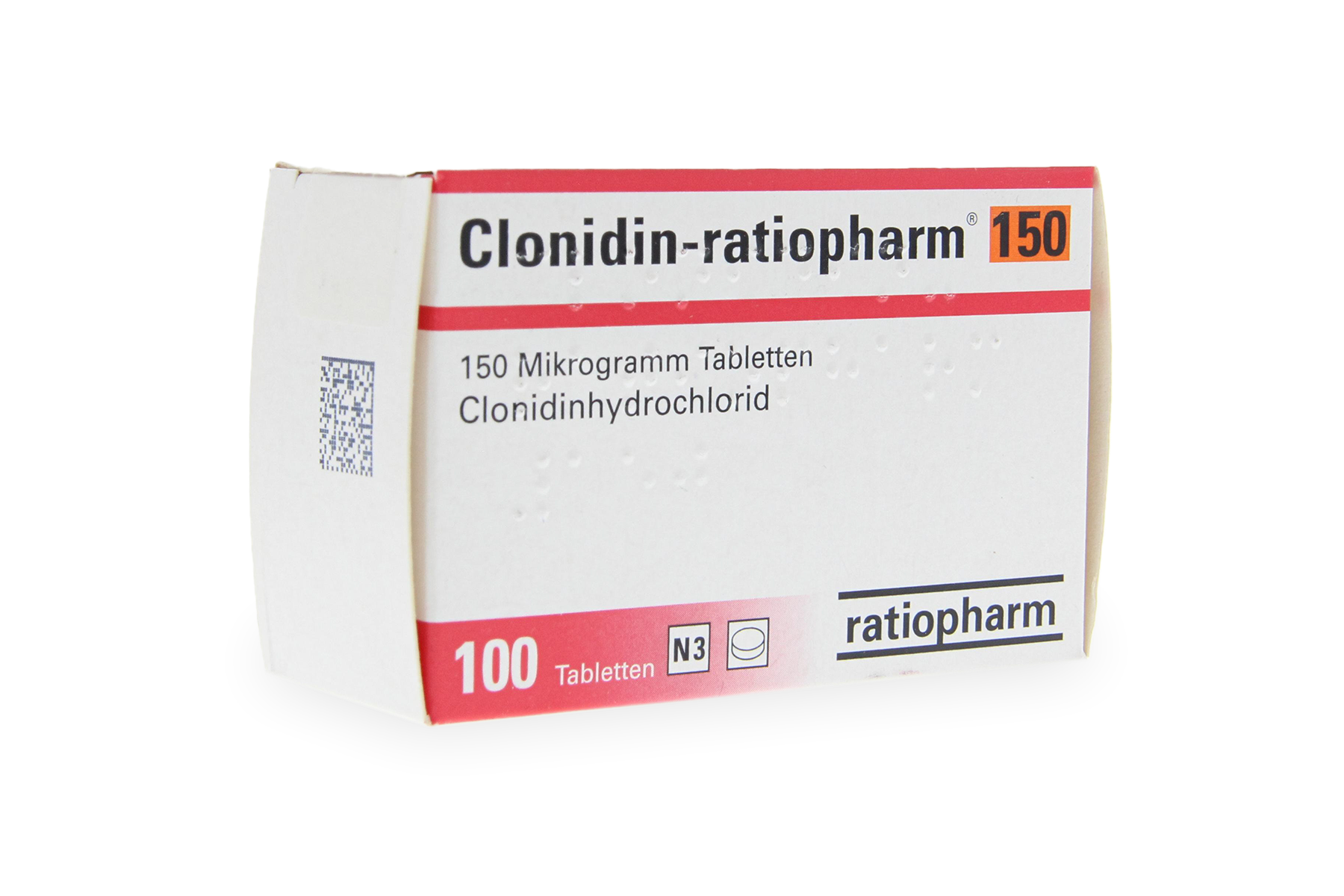
Clonidine

Femoston

Oestrogel

Tamsulosin MR
Azyter

Esomeprazole
Proscar (Finasteride)

Diclofenac SR

Diflucan
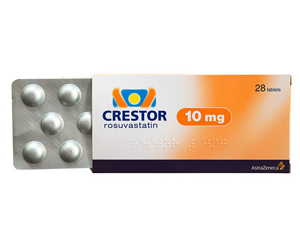
Crestor
Lansoprazole
Vesicare

Flixotide
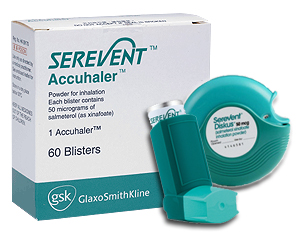
Serevent

Atenolol
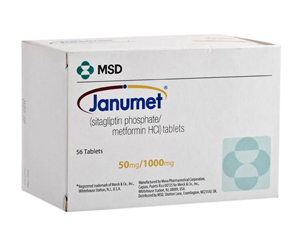
Janumet
Zomig
Diabetes Treatments
Understanding Diabetes
Diabetes mellitus is a chronic metabolic condition characterised by elevated blood glucose levels. It occurs either because the pancreas produces insufficient insulin (type 1) or because the body's cells do not respond properly to the insulin that is produced (type 2). Left unmanaged, high blood sugar damages blood vessels, nerves, and organs throughout the body.
Type 2 diabetes accounts for around 90 per cent of all cases and is strongly associated with excess weight, physical inactivity, and a family history of the condition. It develops gradually, often over years, and many people are diagnosed incidentally during routine blood tests. Type 1 diabetes is an autoimmune condition that typically presents in childhood or adolescence and requires lifelong insulin therapy.
Gestational diabetes occurs during pregnancy and usually resolves after delivery, but it significantly increases the mother's risk of developing type 2 diabetes later in life. Early diagnosis and effective management of all forms of diabetes are essential for preventing complications such as cardiovascular disease, kidney failure, retinopathy, and peripheral neuropathy.
Medications for Type 2 Diabetes
Metformin remains the first-line treatment for type 2 diabetes in most international guidelines. It works primarily by reducing glucose production in the liver and improving the body's sensitivity to insulin. It is well tolerated by most patients, does not cause weight gain, and has a long track record of safety. Extended-release formulations, such as Glucophage SR, may reduce the gastrointestinal side effects that some people experience with standard metformin.
When metformin alone is insufficient to achieve target blood glucose levels, additional medications may be added. SGLT2 inhibitors (such as empagliflozin and dapagliflozin) work by causing the kidneys to excrete excess glucose in the urine and have shown cardiovascular and renal protective benefits. DPP-4 inhibitors (gliptins) enhance the body's own incretin hormones to stimulate insulin release after meals.
GLP-1 receptor agonists, including semaglutide (Ozempic) and liraglutide, are injectable medications that have demonstrated impressive blood sugar reductions alongside significant weight loss. For patients with type 2 diabetes who are overweight, they offer a dual benefit that few other treatments can match. Insulin therapy may eventually be required if oral and injectable non-insulin treatments do not provide adequate control.
Blood Sugar Monitoring
Regular blood glucose monitoring is a cornerstone of diabetes self-management. For people using insulin or sulphonylureas, fingerprick testing with a blood glucose meter provides real-time information that guides meal choices, physical activity, and insulin dosing. Most clinicians recommend testing before meals and at bedtime, with additional checks during illness or changes in routine.
Continuous glucose monitors (CGMs) and flash glucose monitors (such as the FreeStyle Libre) have transformed diabetes care for many patients. These small sensors, worn on the arm or abdomen, provide glucose readings every few minutes and display trends on a smartphone or dedicated reader. They reduce the need for fingerpricks and can alert the wearer to dangerous highs or lows before symptoms develop.
The HbA1c blood test, taken every three to six months, measures average blood glucose over the preceding two to three months. It remains the gold standard for assessing overall diabetes control. Most guidelines recommend a target HbA1c below 48 mmol/mol (6.5 per cent) for the majority of patients, though individual targets may be higher for those at risk of hypoglycaemia or with limited life expectancy.
Diet, Exercise, and Lifestyle
Dietary management is fundamental to diabetes care. There is no single "diabetic diet," but general principles include choosing foods with a low glycaemic index, eating regular meals, moderating carbohydrate portions, and including plenty of vegetables, lean protein, and healthy fats. Reducing sugary drinks, refined carbohydrates, and processed foods has a direct impact on post-meal blood glucose spikes.
Physical activity improves insulin sensitivity and helps control weight, blood pressure, and cholesterol. A combination of aerobic exercise (walking, cycling, swimming) and resistance training (weights, bodyweight exercises) is ideal. Even modest increases in activity, such as a daily 30-minute walk, can lower HbA1c by a clinically meaningful amount.
Weight loss is particularly beneficial for people with type 2 diabetes. The DiRECT trial demonstrated that a structured weight-management programme could achieve diabetes remission in nearly half of participants who lost 10 kg or more. While remission is not possible for everyone, any degree of weight loss improves metabolic health and reduces the risk of diabetes-related complications.
Preventing Complications
The long-term complications of diabetes are largely preventable with good glucose control, blood pressure management, and cholesterol reduction. Annual screening for diabetic retinopathy (eye disease), nephropathy (kidney disease), and neuropathy (nerve damage) allows early detection and intervention before irreversible damage occurs.
Foot care deserves particular attention. Diabetes can reduce sensation in the feet, meaning injuries or infections may go unnoticed. Daily foot inspections, well-fitting footwear, and prompt treatment of any cuts, blisters, or calluses help prevent serious problems. An annual professional foot assessment is recommended for all people with diabetes.
Cardiovascular disease is the leading cause of death among people with type 2 diabetes. Managing blood pressure, taking a statin if indicated, and not smoking are at least as important as blood glucose control in reducing overall risk. A comprehensive approach that addresses all modifiable risk factors offers the best protection and the best chance of living a long, healthy life with diabetes.
Frequently Asked Questions
What is the best medication for type 2 diabetes?
Can I manage my diabetes prescription online?
What HbA1c level is considered well-controlled?
What is the target HbA1c level for most diabetics?
Dr. Ross Elledge
General Practitioner · General & Family Medicine
Verified Healthcare Professional
TopDoctors ProfileThis website provides general information about medicines for educational purposes only. Always consult your doctor or pharmacist before taking any medication.