
Gout Treatments
Gout is the most common form of inflammatory arthritis, caused by uric acid crystal deposits in joints. Acute attacks cause severe pain, usually in the big toe. Both acute treatment and long-term prevention are available through online prescription.
Colchicine and NSAIDs treat acute gout attacks
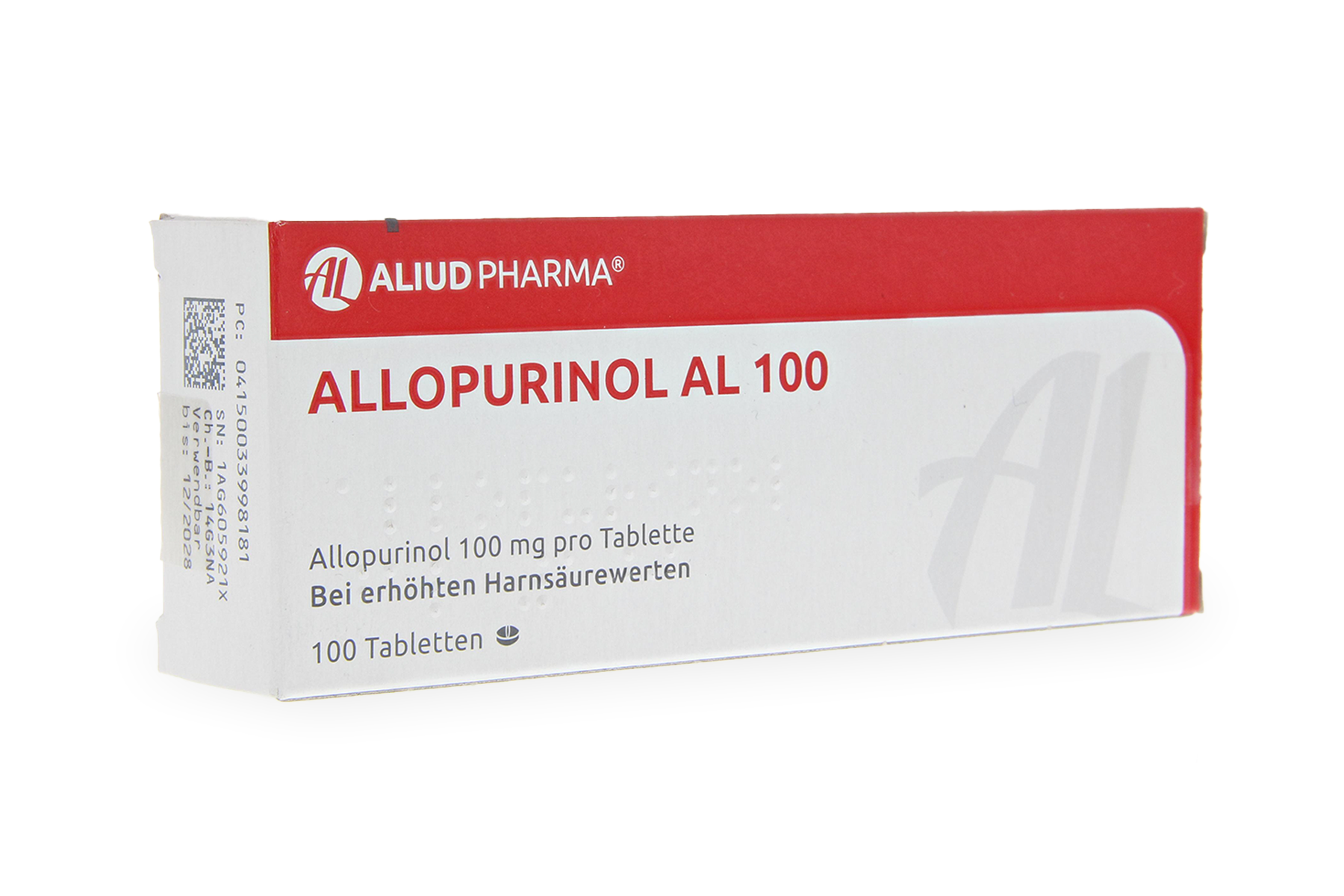
Allopurinol is the standard long-term uric acid lowering treatment
Lifestyle factors including diet and alcohol affect uric acid levels
Regular blood tests monitor uric acid levels during treatment

Cialis
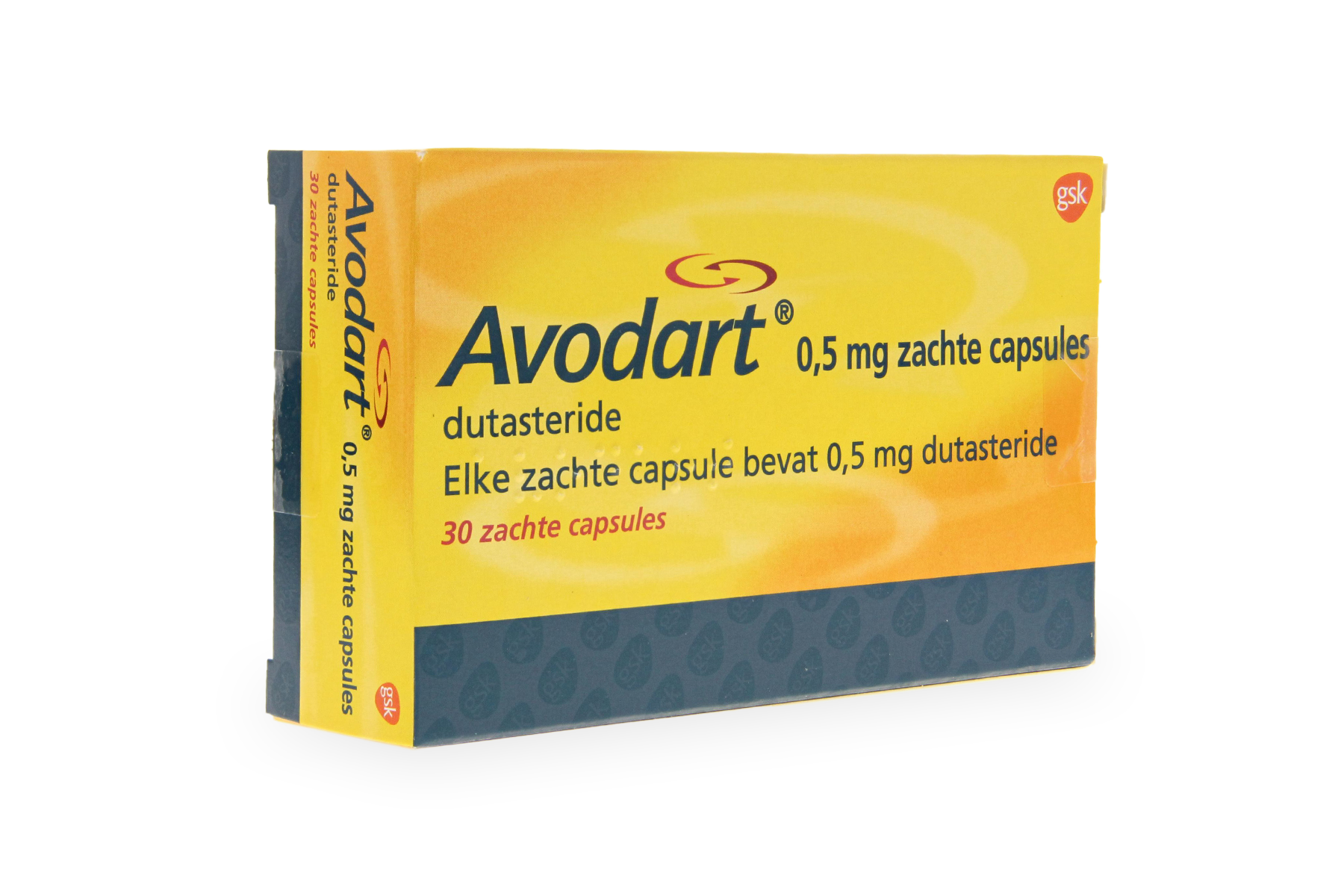
Avodart
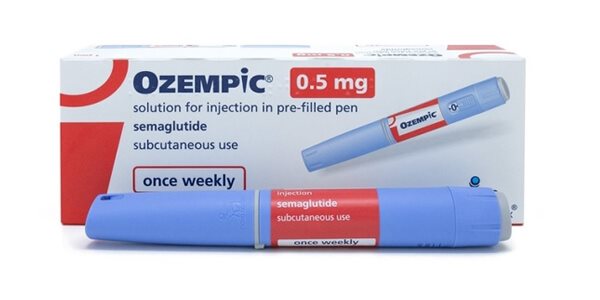
Ozempic

Nuvaring
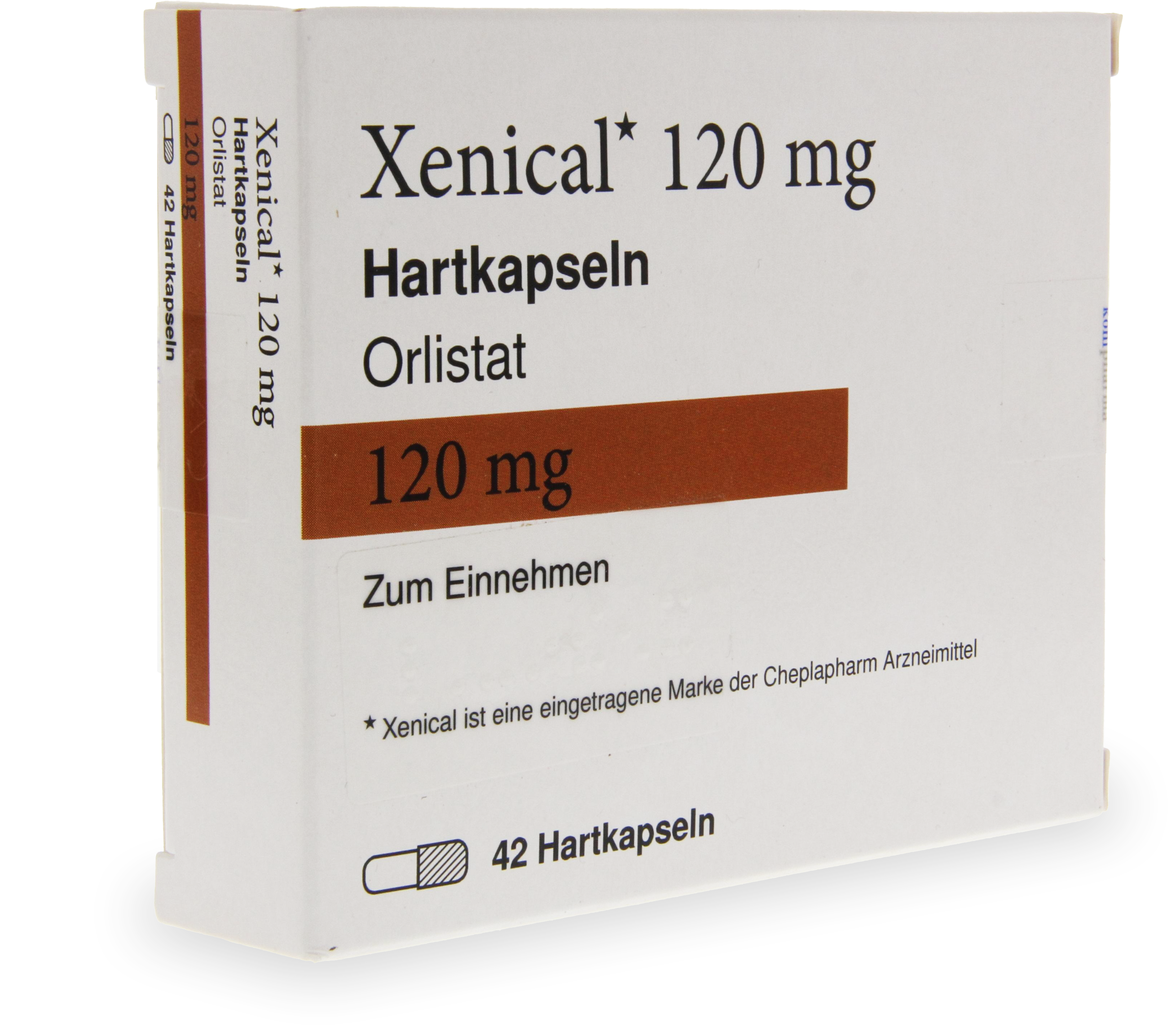
Xenical
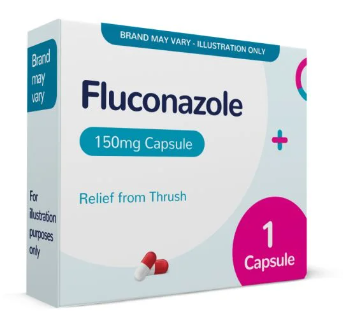
Fluconazole
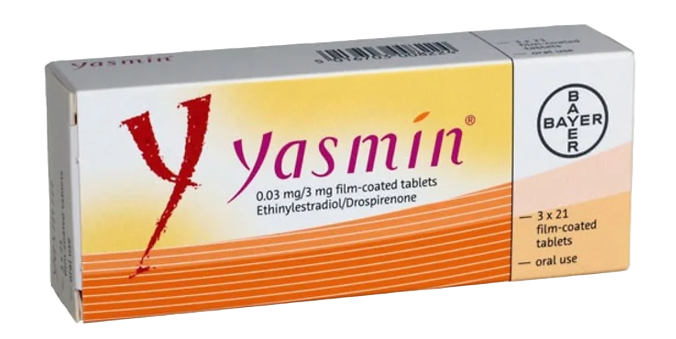
Yasmin
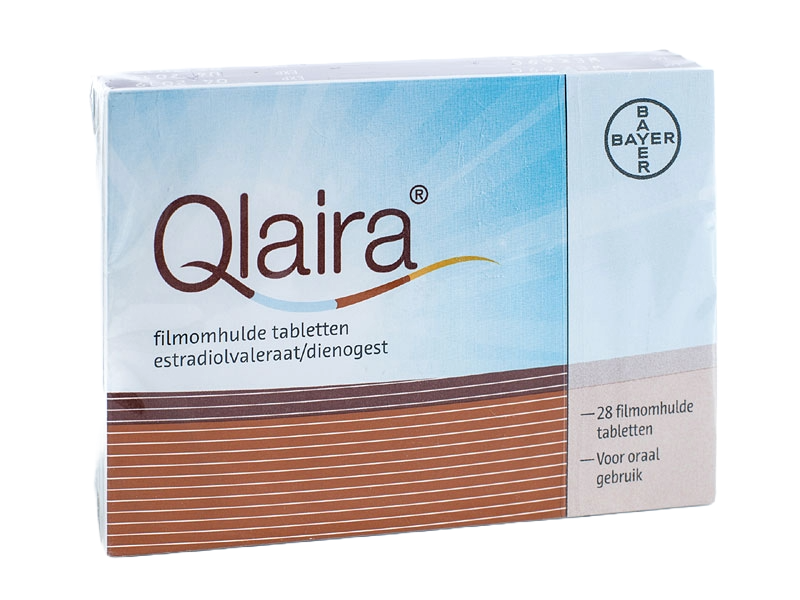
Qlaira
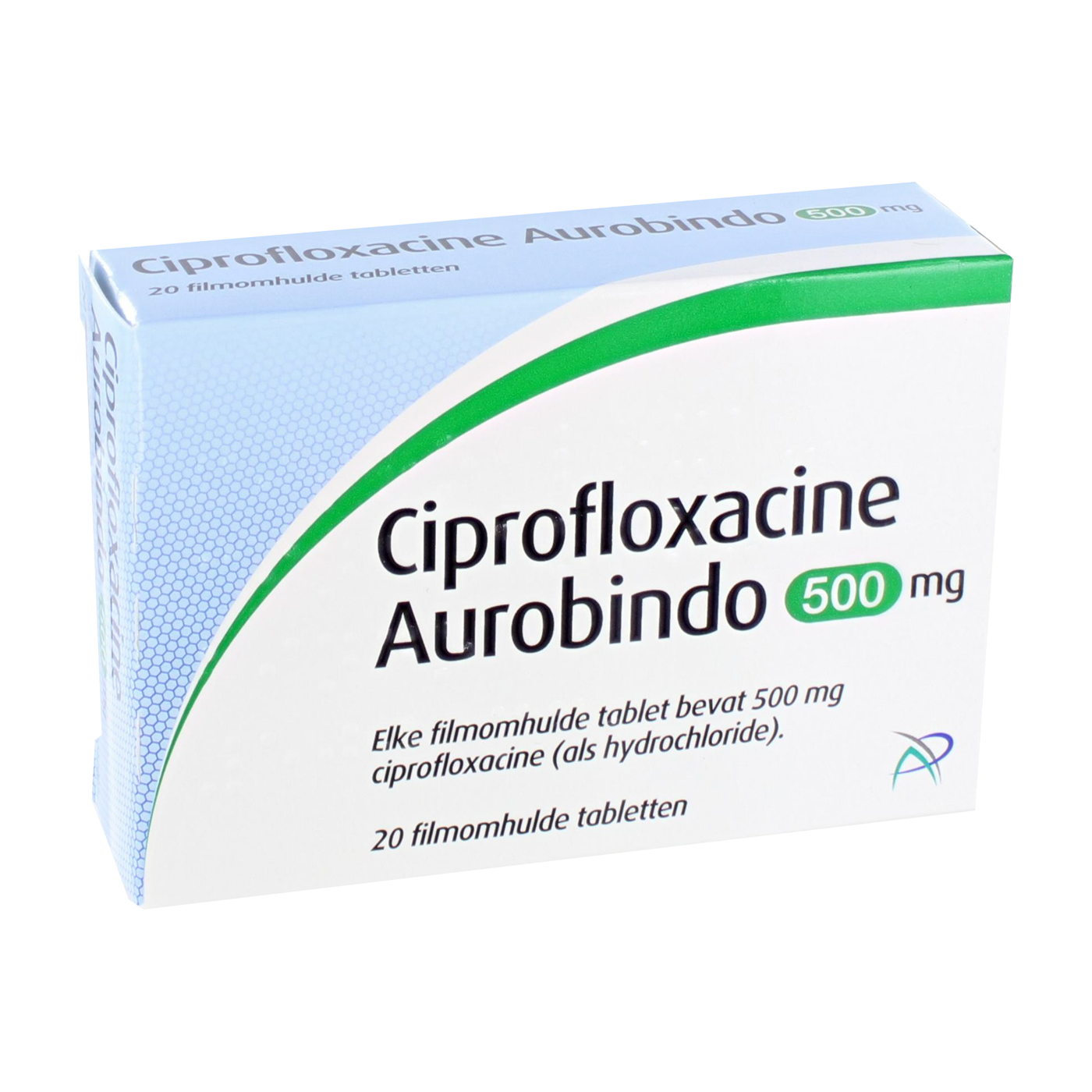
Ciprofloxacin
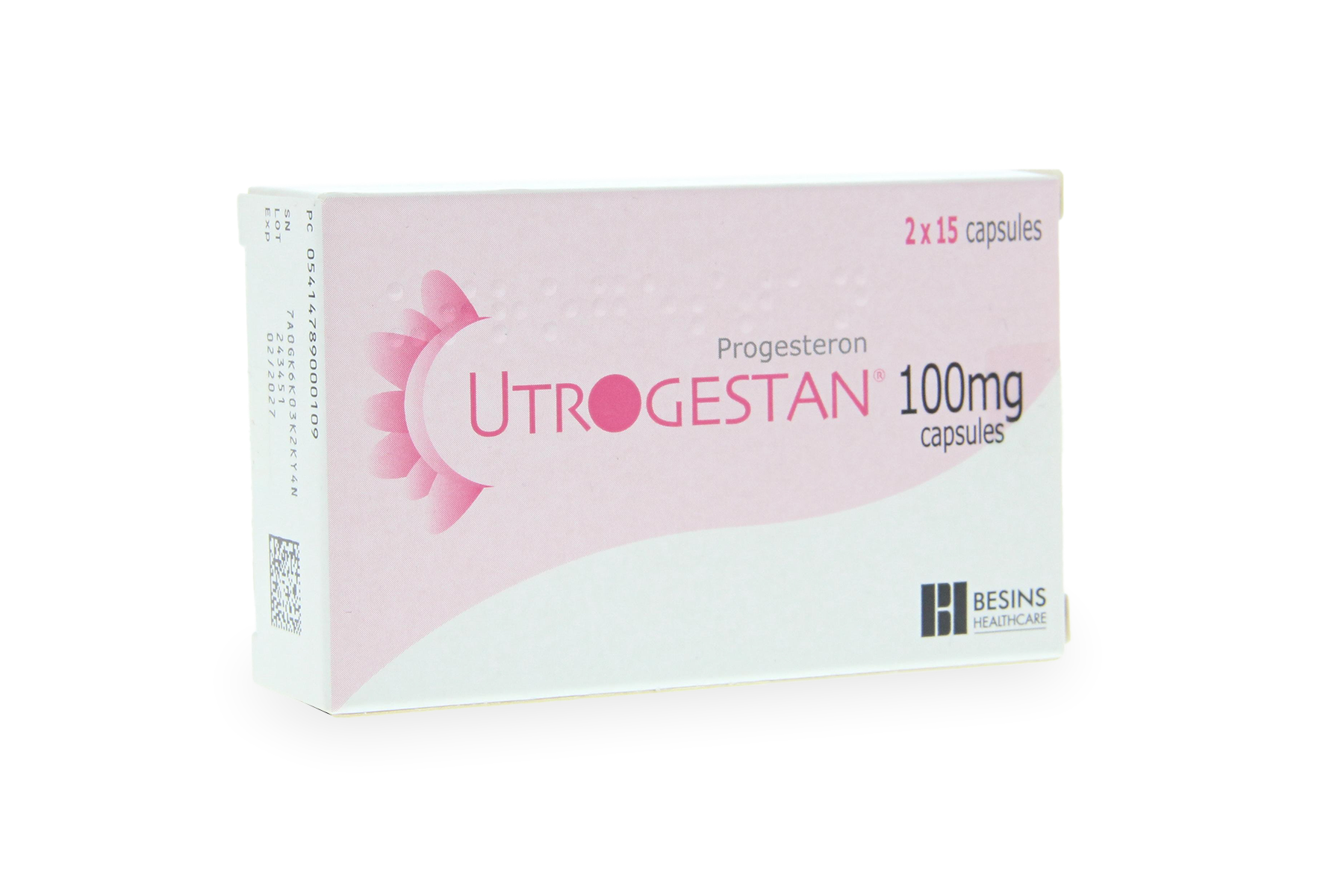
Utrogestan
Priligy
Furosemide
Omeprazole
Pantoprazole

Sildenafil
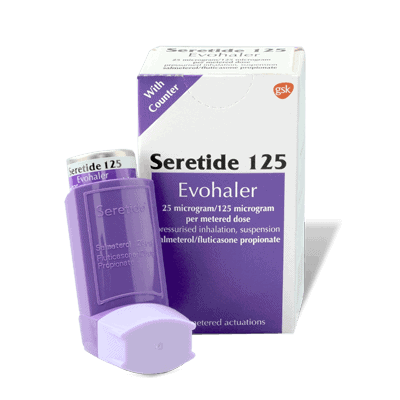
Seretide
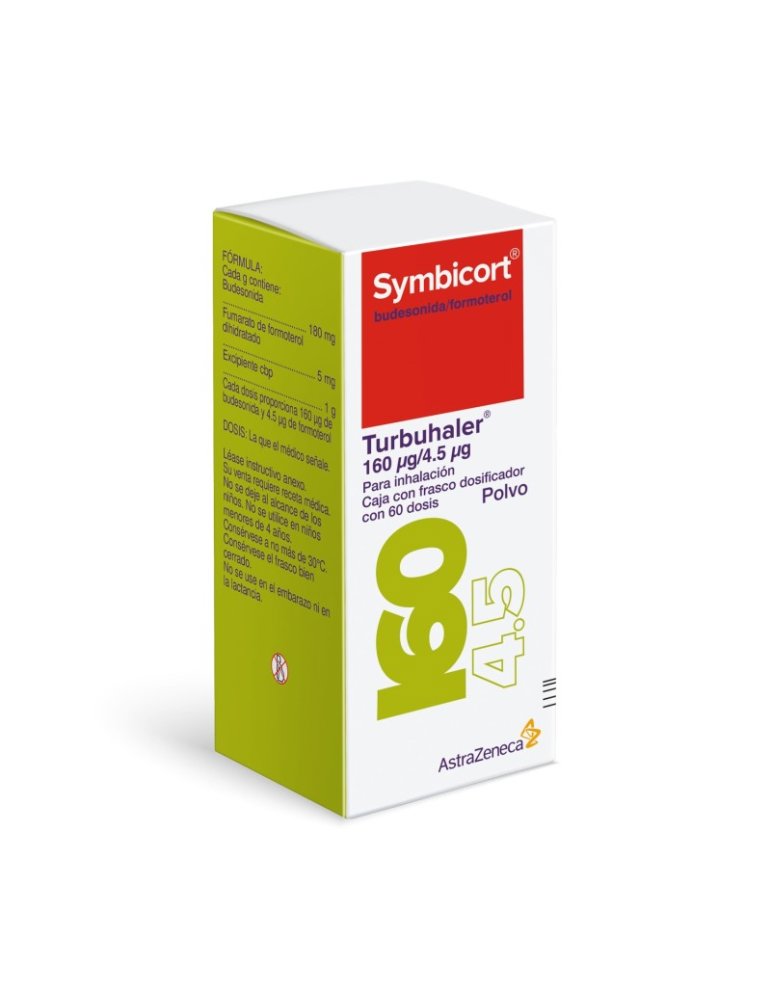
Symbicort Turbuhaler
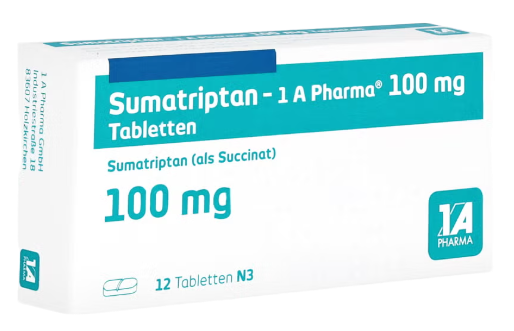
Sumatriptan
Betnovate
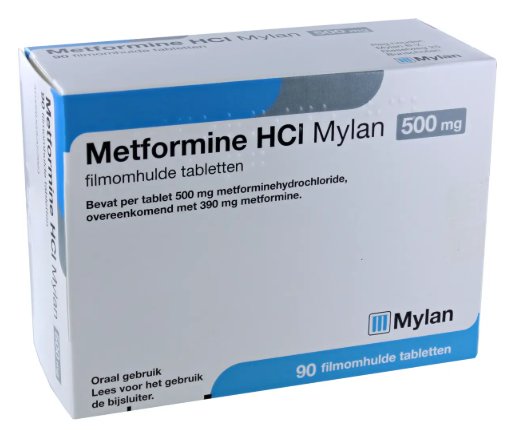
Metformin
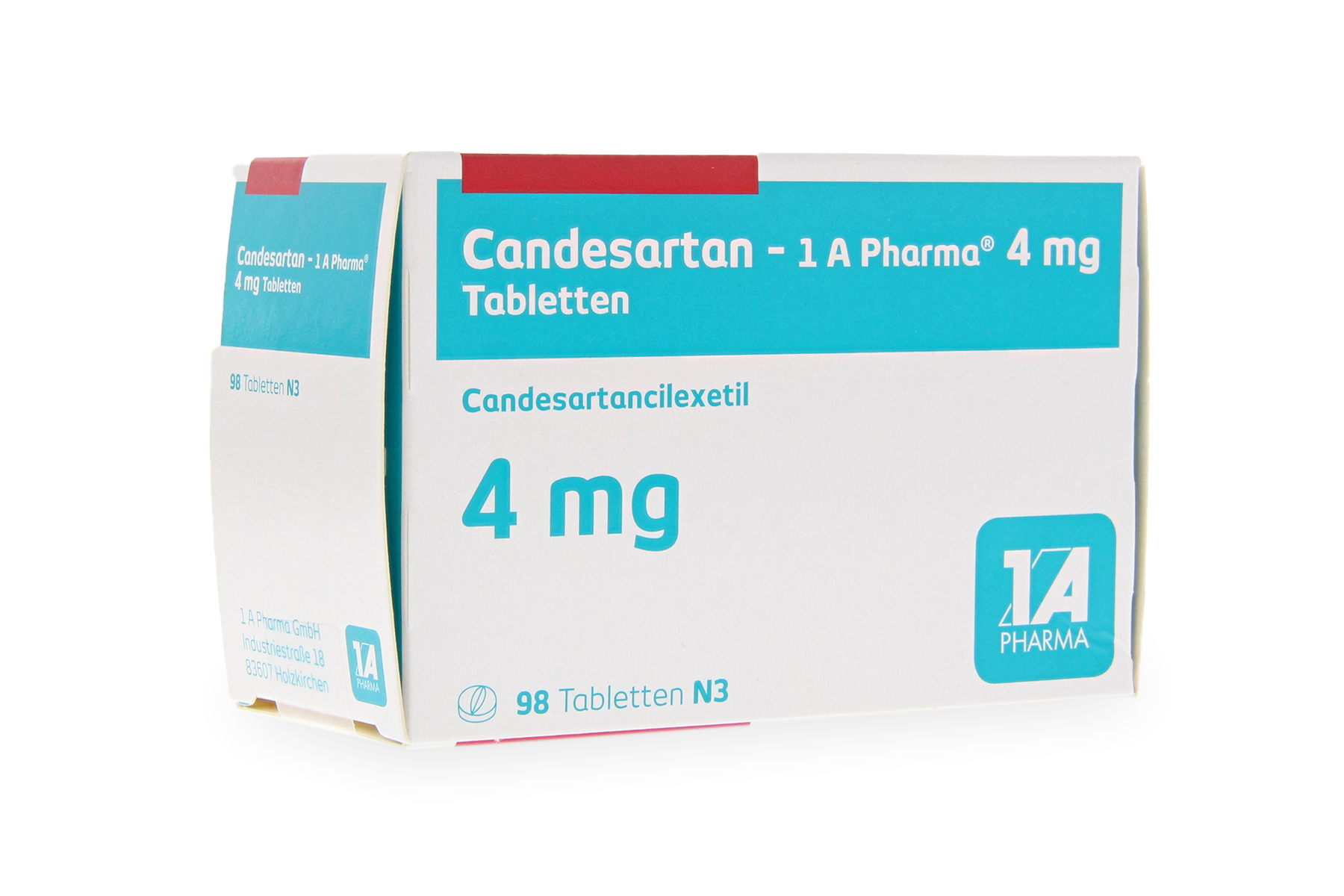
Candesartan
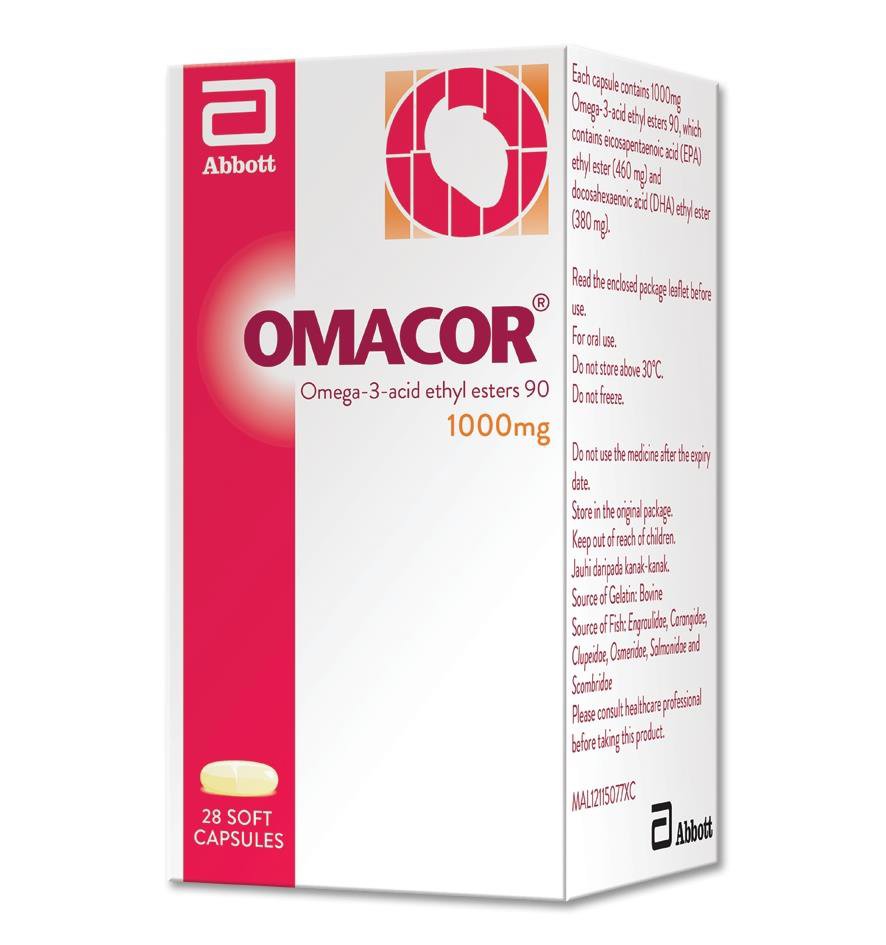
Omacor
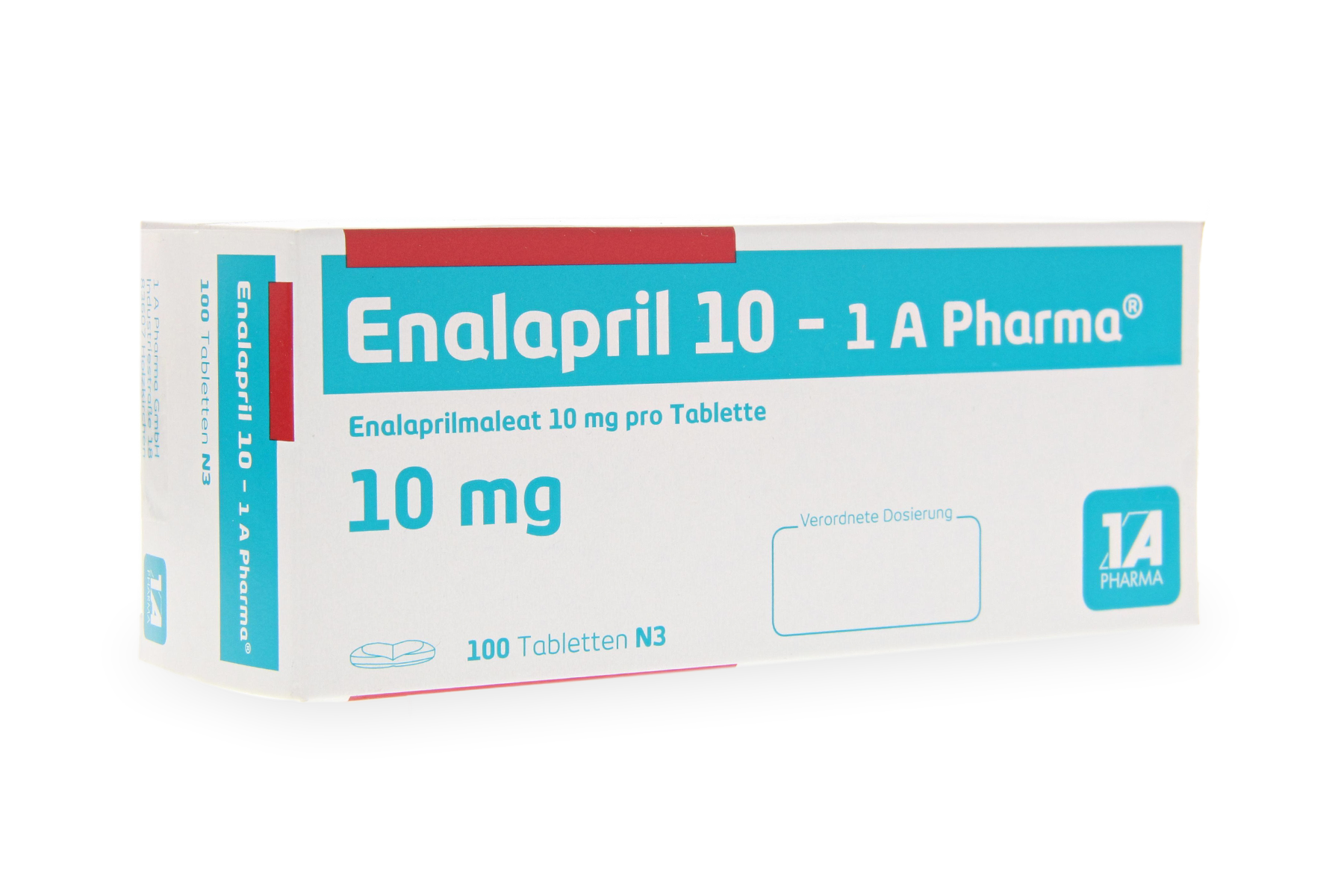
Enalapril
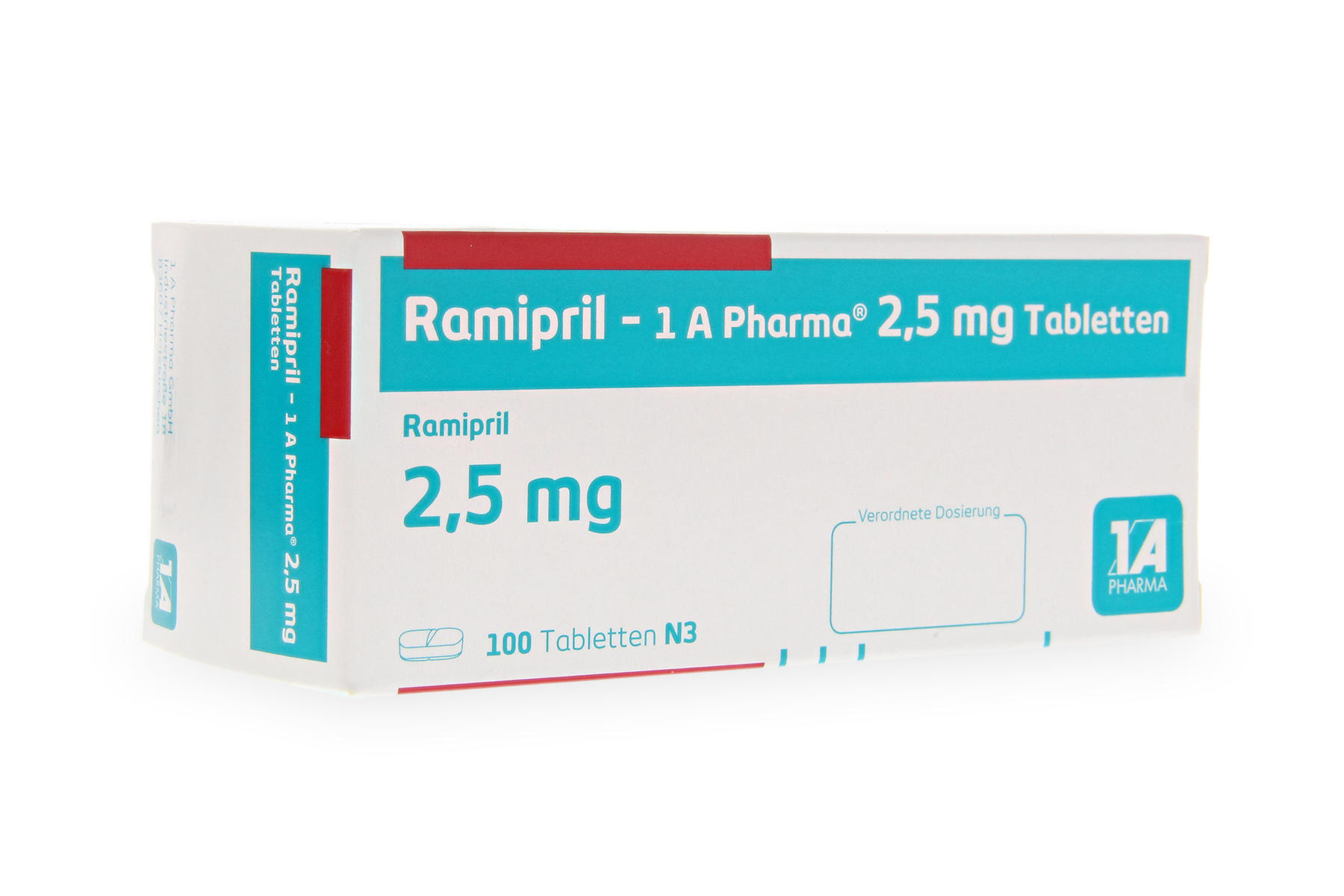
Ramipril
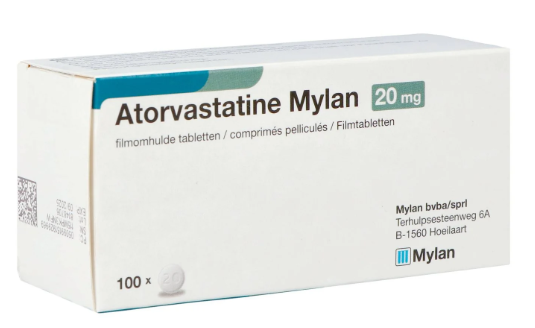
Atorvastatin
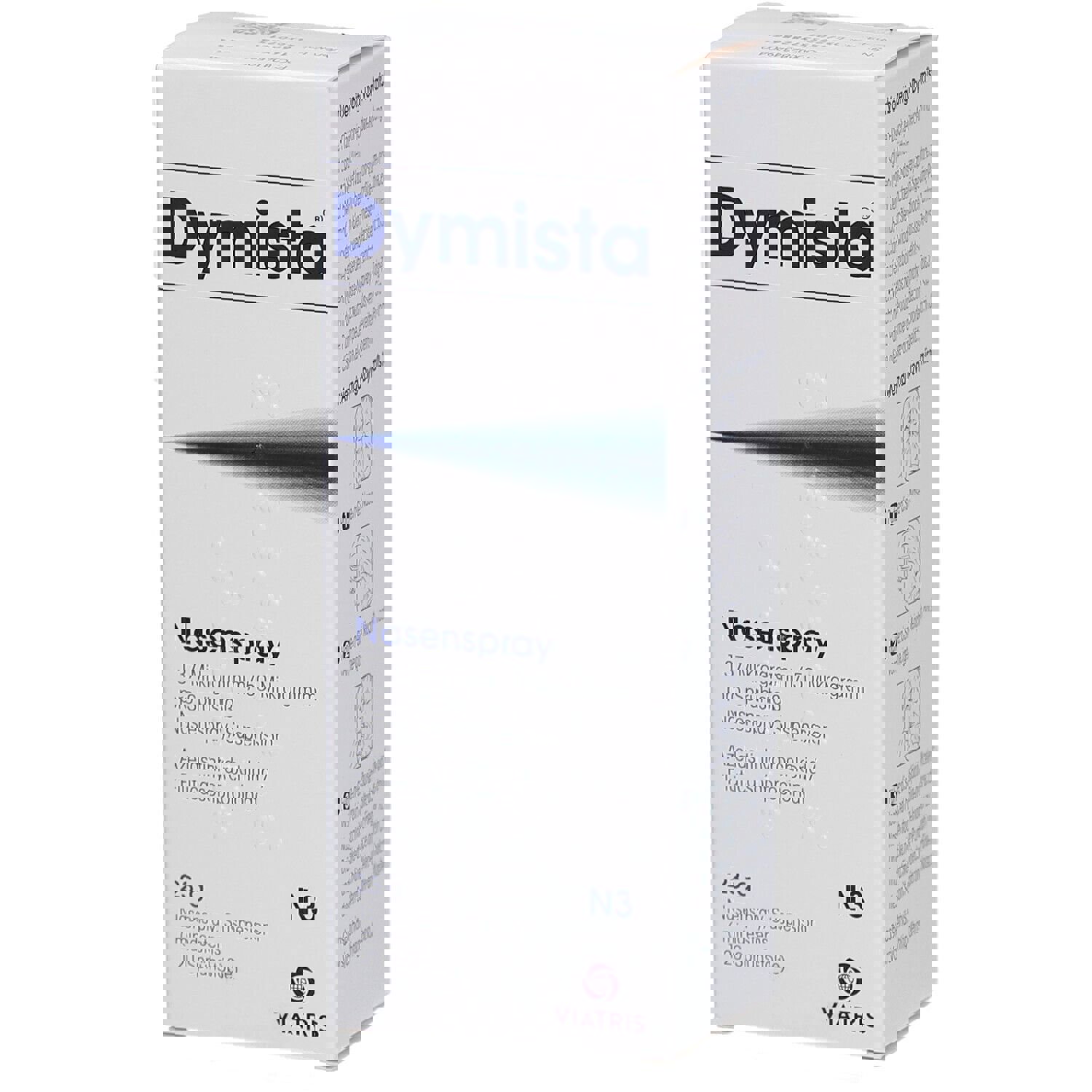
Dymista
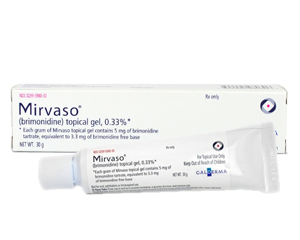
Mirvaso

Spedra
Salbutamol
Orlistat
Vagifem
Marvelon
Desloratadine
Arcoxia
Levothyroxine
Mercilon
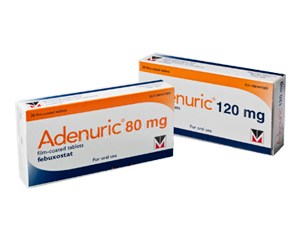
Adenuric

Metoclopramide
Tadalafil
Valsartan
Spironolactone
Eliquis
Xarelto

Vardenafil
Allopurinol
Hydroxychloroquine
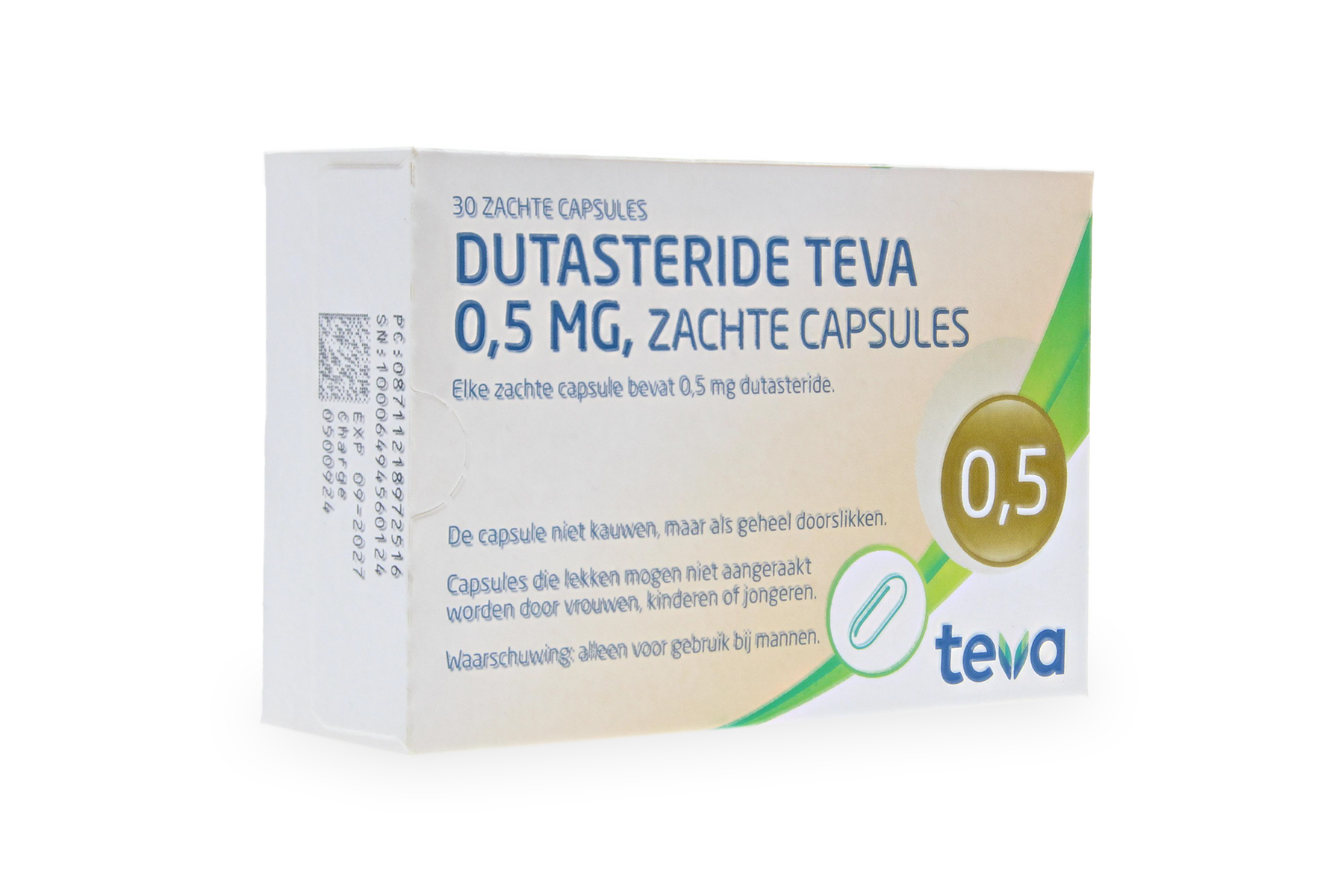
Dutasteride
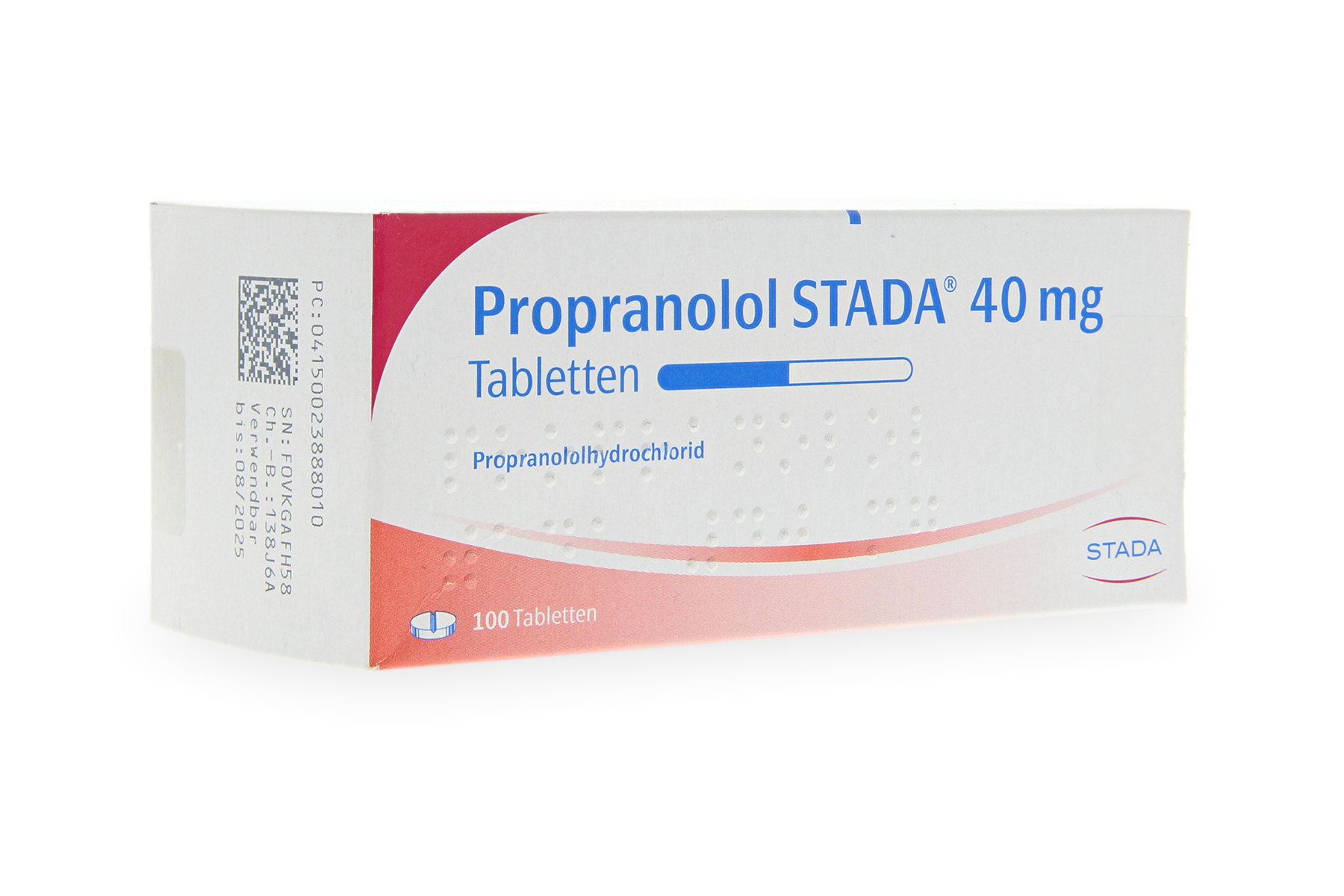
Propranolol

Wegovy
Circadin
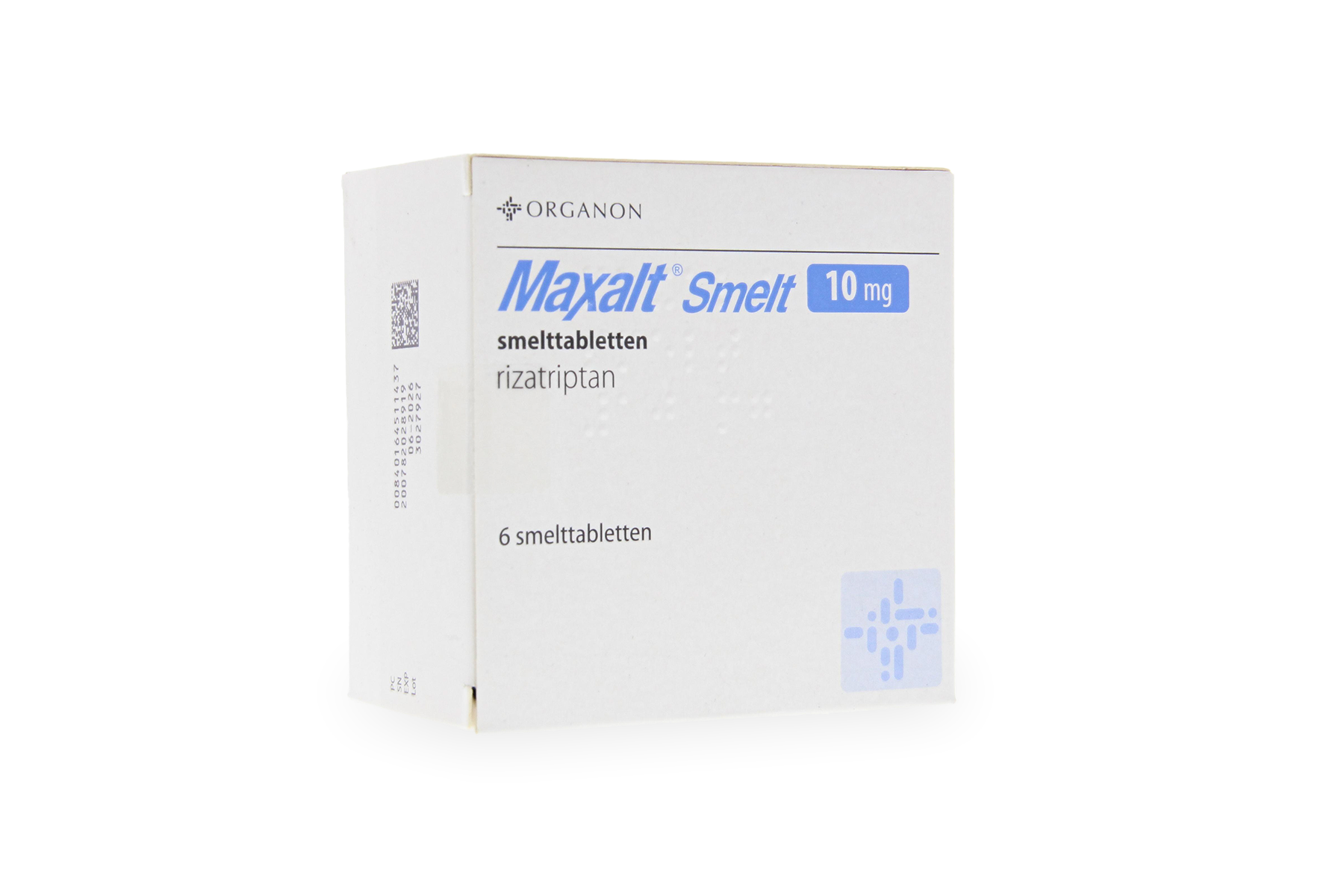
Maxalt
Amlodipine
Evra Patches

Mounjaro
Dermovate
Cerazette

Viagra

Melatonin
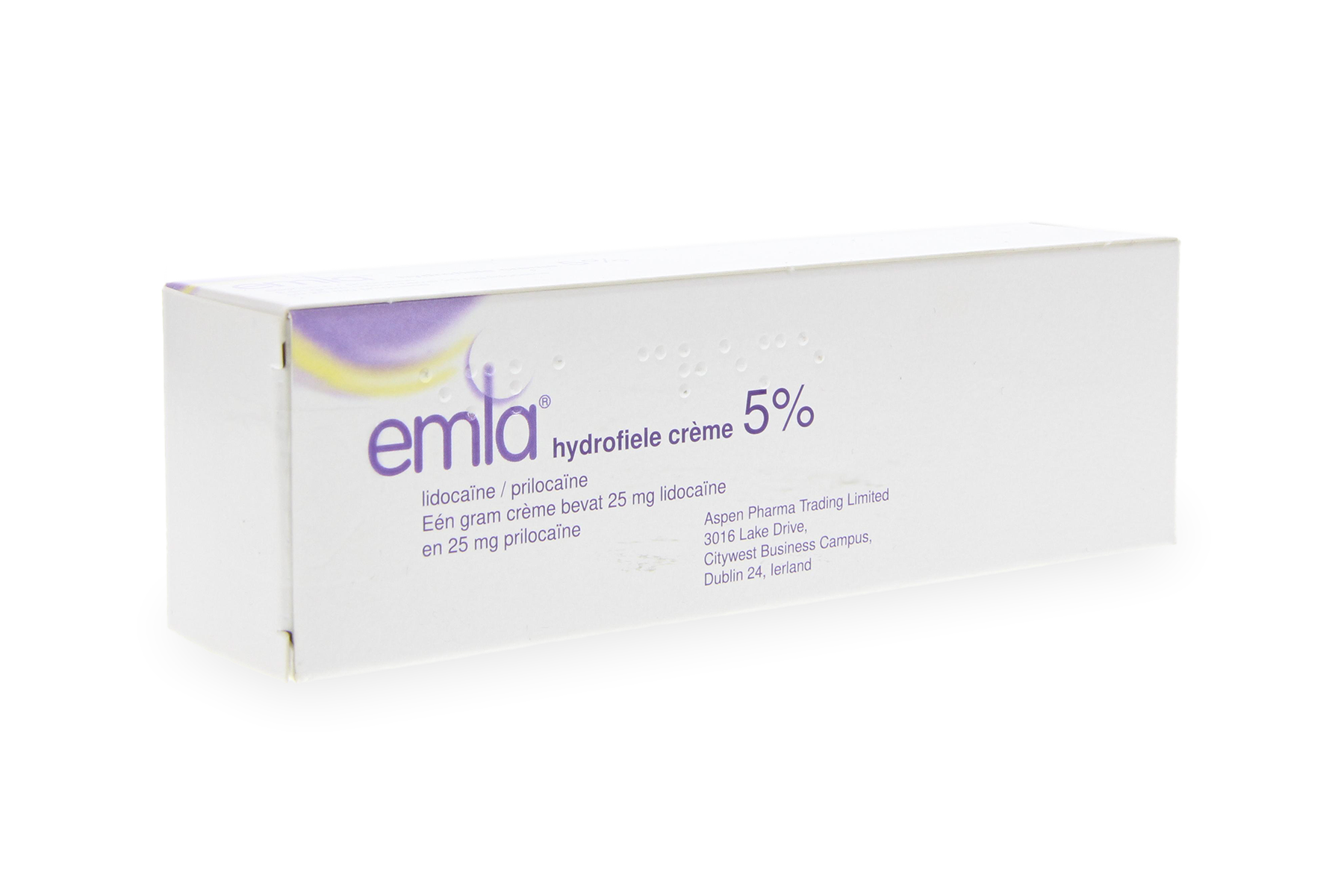
Emla Cream
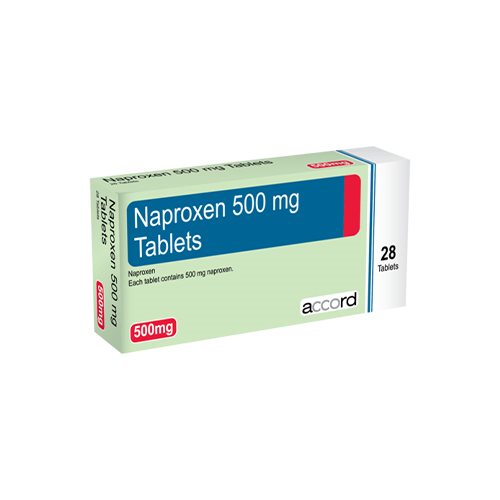
Naproxen
Ventolin

Bricanyl Turbohaler
Doxycycline (Malaria)
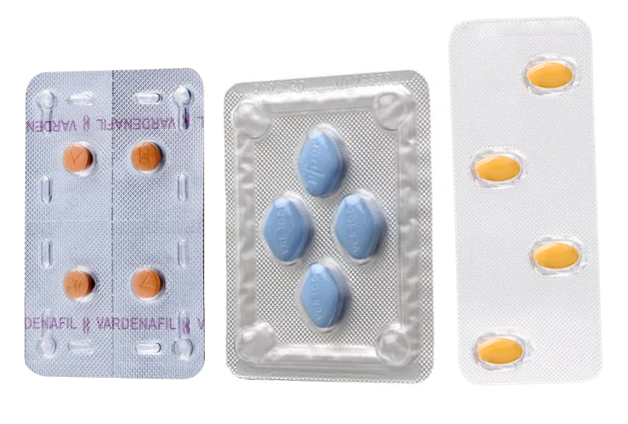
Impotence Trial Pack

Microgynon 30
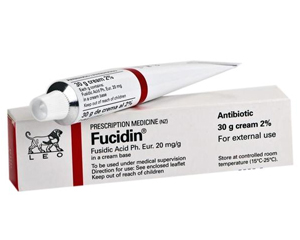
Fucidin
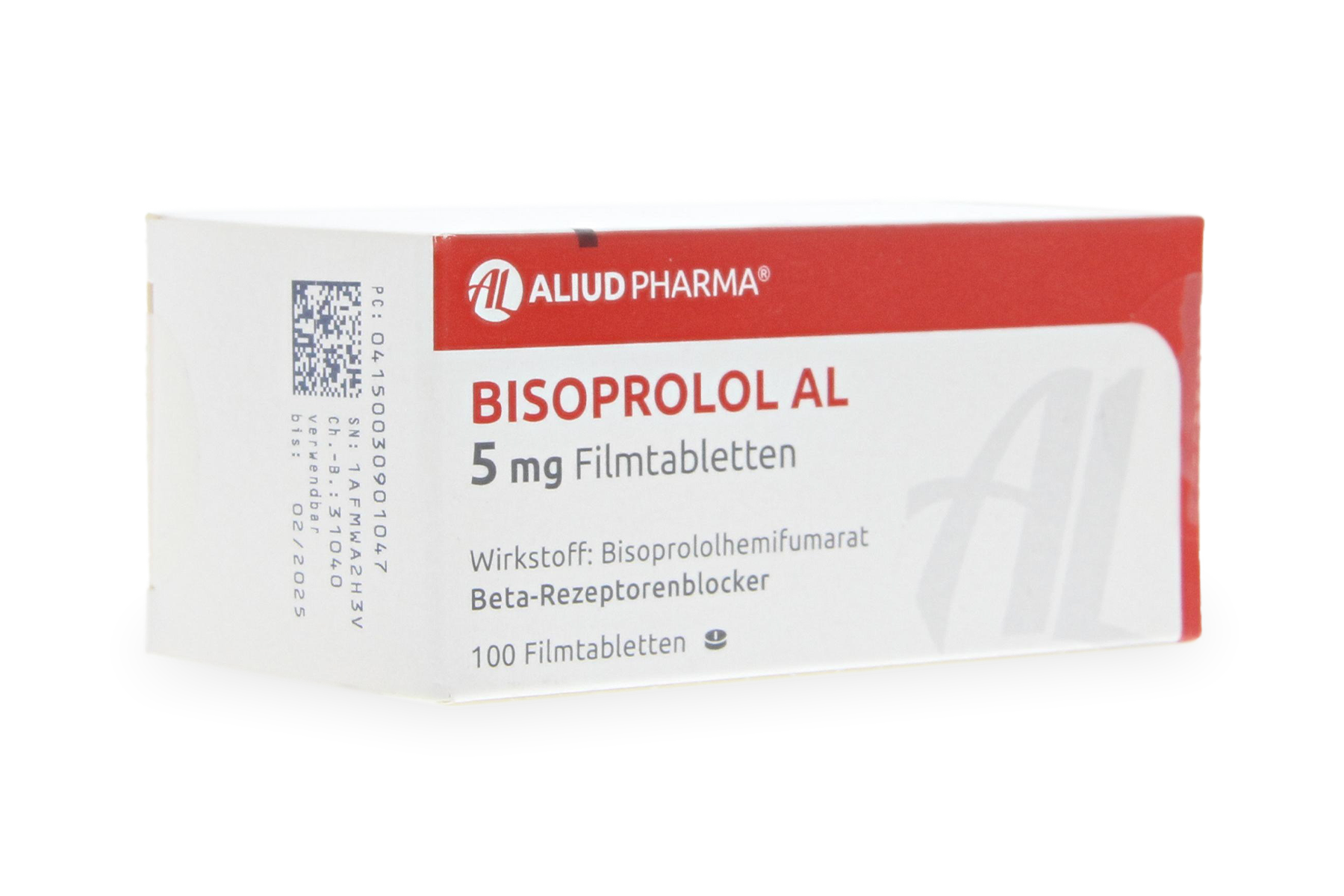
Bisoprolol
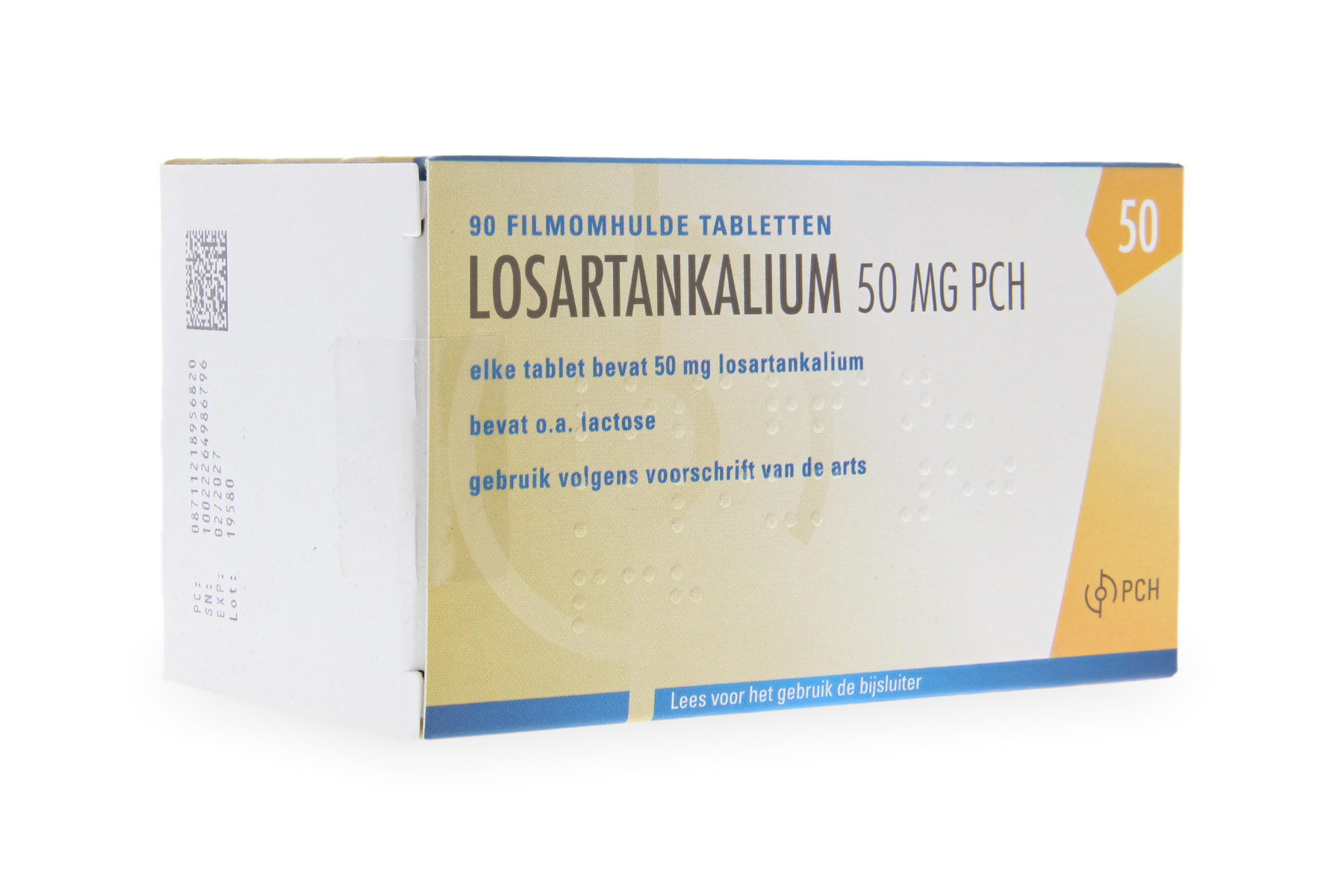
Losartan
Pulmicort Turbohaler
Avamys
Telfast
Vitaros

Zyloric
Kliovance
Bactroban
Elocon
Clindamycin
Montelukast
Aciclovir
Proscar

Differin
Nasonex Nasal Spray
Propecia
Clonidine
Femoston
Oestrogel
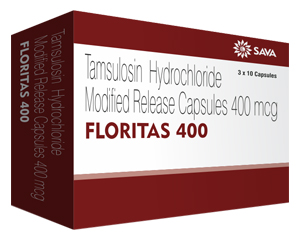
Tamsulosin MR
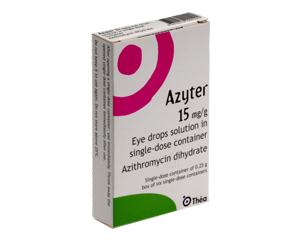
Azyter
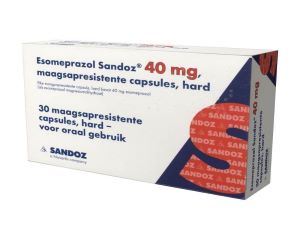
Esomeprazole
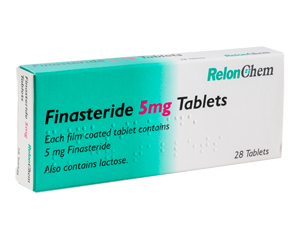
Proscar (Finasteride)
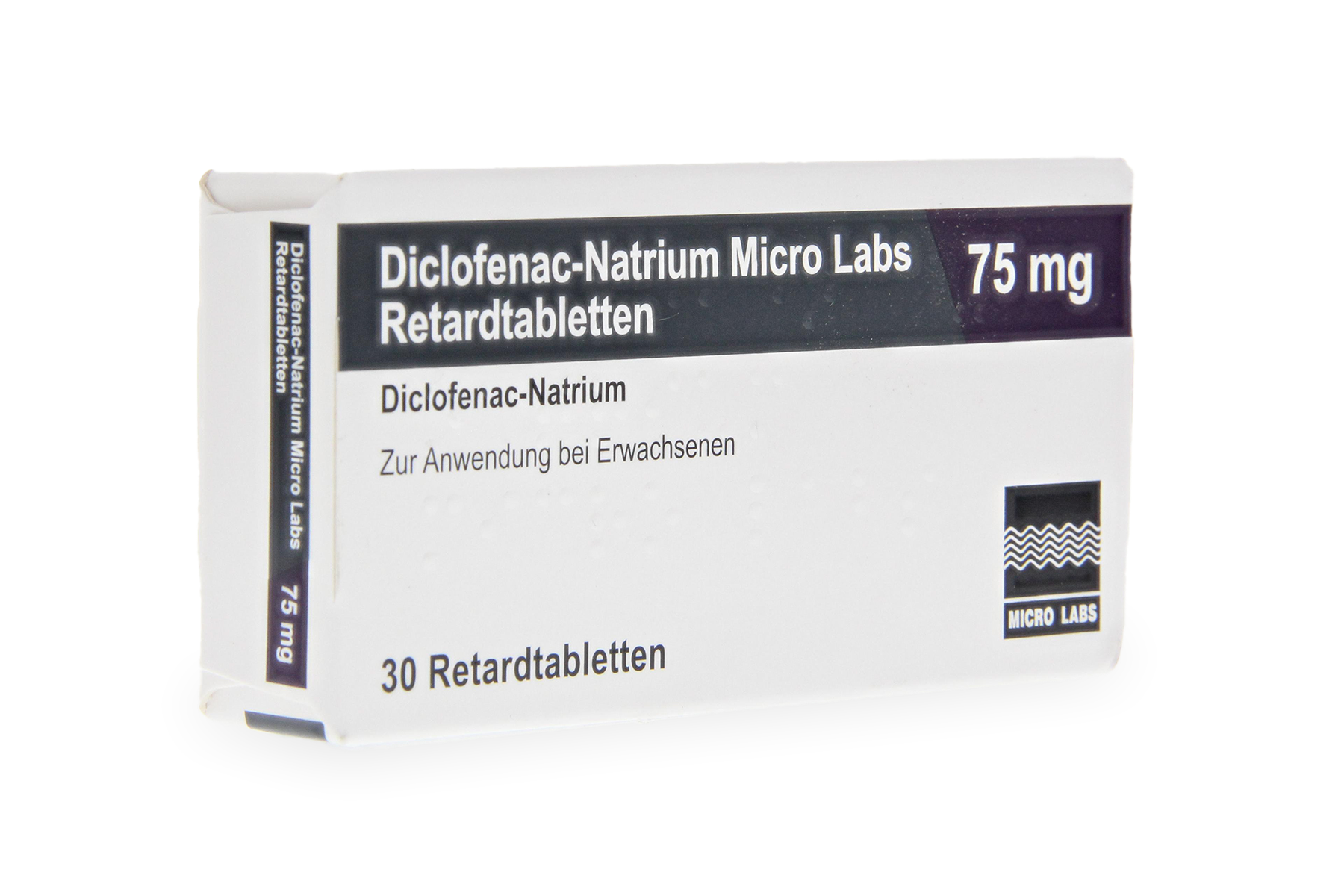
Diclofenac SR
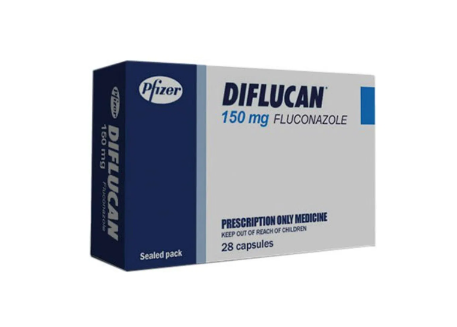
Diflucan
Crestor
Lansoprazole
Vesicare
Flixotide
Serevent
Atenolol
Janumet
Zomig
Gout Treatments
What Is Gout?
Gout is a form of inflammatory arthritis caused by the accumulation of uric acid crystals in the joints. It produces sudden, severe attacks of pain, swelling, redness, and warmth, most commonly in the big toe, though it can affect any joint. An acute gout attack often strikes without warning, frequently waking people from sleep with the sensation that the affected joint is on fire.
Uric acid is a normal waste product formed when the body breaks down purines, substances found naturally in the body and in certain foods. Under normal circumstances, uric acid dissolves in the blood, passes through the kidneys, and is excreted in urine. When the body produces too much uric acid or the kidneys excrete too little, levels build up (a condition called hyperuricaemia) and needle-sharp crystals can form in and around joints.
Gout is more common in men than women and becomes increasingly prevalent with age. Risk factors include obesity, high blood pressure, diabetes, kidney disease, excessive alcohol consumption (particularly beer), and a diet rich in red meat and shellfish. Certain medications, including thiazide diuretics and low-dose aspirin, can also elevate uric acid levels.
Treating Acute Gout Attacks
The priority during an acute gout attack is rapid pain relief. Non-steroidal anti-inflammatory drugs (NSAIDs) such as naproxen or indomethacin are the first-line treatment and should be started at full dose as soon as symptoms appear. They are most effective when taken within the first 24 hours of an attack.
Colchicine is an alternative for patients who cannot take NSAIDs. It works by dampening the inflammatory response to uric acid crystals and is most effective when given early. The modern dosing regimen of 500 micrograms two to three times daily is much better tolerated than the older high-dose protocols, though diarrhoea remains a common side effect.
Corticosteroids, either by mouth (prednisolone) or injected directly into the affected joint, are reserved for patients who cannot tolerate both NSAIDs and colchicine, or for those with multiple affected joints. Resting the joint, elevating the limb, and applying an ice pack wrapped in a towel can provide additional comfort during an attack.
Preventing Future Attacks
Long-term management of gout focuses on lowering serum uric acid to a level that prevents crystal formation and allows existing deposits to dissolve. Allopurinol is the most commonly prescribed urate-lowering therapy and works by inhibiting the enzyme xanthine oxidase, which produces uric acid. It is started at a low dose and increased gradually, with the target being a serum uric acid below 360 micromol/L (or below 300 micromol/L for those with tophi or frequent attacks).
Febuxostat is an alternative xanthine oxidase inhibitor for patients who cannot tolerate allopurinol. Uricosuric agents such as sulfinpyrazone increase the excretion of uric acid by the kidneys and may be used alone or in combination with a xanthine oxidase inhibitor for resistant cases.
When starting urate-lowering therapy, there is an initial risk of triggering a gout flare as crystals begin to dissolve. To mitigate this, low-dose colchicine or an NSAID is usually co-prescribed as prophylaxis for the first three to six months of treatment. It is essential not to stop urate-lowering therapy during an acute attack, as doing so can worsen and prolong the flare.
Diet and Lifestyle for Gout
Dietary and lifestyle modifications complement pharmacological treatment and can reduce the frequency of gout attacks. Limiting intake of high-purine foods, including organ meats, game, anchovies, sardines, and shellfish, helps lower uric acid production. Reducing alcohol, particularly beer and spirits, is equally important, as alcohol both increases uric acid production and impairs its excretion.
Staying well hydrated supports renal excretion of uric acid. Aiming for at least two litres of water per day, and more during hot weather or physical activity, is a simple but effective measure. Dairy products, particularly low-fat varieties, and cherries have been associated with lower uric acid levels and a reduced risk of gout attacks in observational studies.
Maintaining a healthy weight through gradual, sustainable means is beneficial, as obesity is a major risk factor for gout. However, crash dieting and very low-calorie diets should be avoided because rapid weight loss can temporarily raise uric acid levels and trigger an attack. A balanced approach to weight management, combined with regular physical activity, supports both joint health and overall metabolic wellbeing.
Living with Gout Long Term
Gout is a chronic condition, but with consistent treatment and lifestyle management, most patients can achieve excellent control and prevent joint damage. Adherence to urate-lowering therapy is the single most important factor; studies show that patients who maintain target uric acid levels for two or more years experience a dramatic reduction in flare frequency.
Regular blood tests, typically every six to twelve months once a stable dose is established, ensure that uric acid remains at target and that kidney and liver function are within normal limits. If your medication needs adjustment, early detection through monitoring allows timely changes before symptoms recur.
Gout medications, including allopurinol, febuxostat, and colchicine, can be conveniently reordered through regulated online pharmacies. The consultation process involves confirming your current regimen, providing recent blood test results, and reporting any changes in symptoms. For new or undiagnosed joint pain, however, a proper clinical assessment is essential to rule out other causes such as septic arthritis, pseudogout, or rheumatoid arthritis.
Frequently Asked Questions
What is the fastest treatment for a gout attack?
How does allopurinol prevent gout?
When should I start long-term gout prevention?
What foods should I avoid if I have gout?
Dr. Ross Elledge
General Practitioner · General & Family Medicine
Verified Healthcare Professional
TopDoctors ProfileThis website provides general information about medicines for educational purposes only. Always consult your doctor or pharmacist before taking any medication.