
Hair Loss Treatments
Male pattern baldness affects around 50% of men by age 50. Prescription treatments such as finasteride can halt hair loss and promote regrowth in the majority of men. Early treatment produces the best results, and online prescriptions make access convenient.
Finasteride blocks DHT, the hormone that causes male pattern baldness
Clinical studies show 90% of men halt further hair loss with treatment
Visible regrowth typically appears after 3–6 months of consistent use
Minoxidil can be used alongside finasteride for enhanced results

Cialis
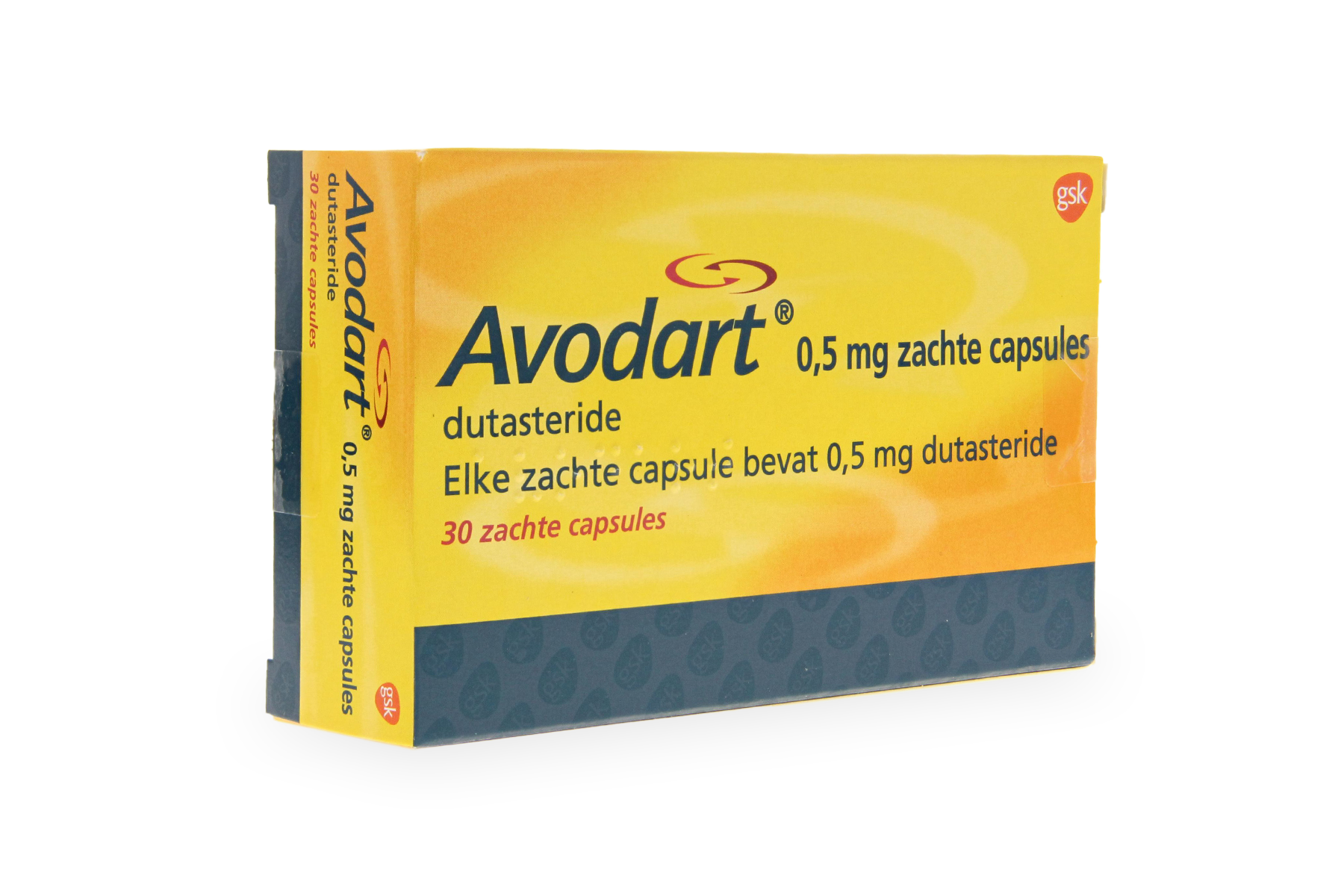
Avodart
Ozempic

Nuvaring
Xenical
Fluconazole
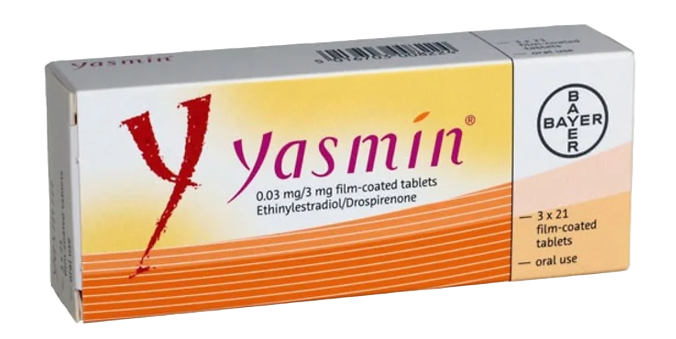
Yasmin
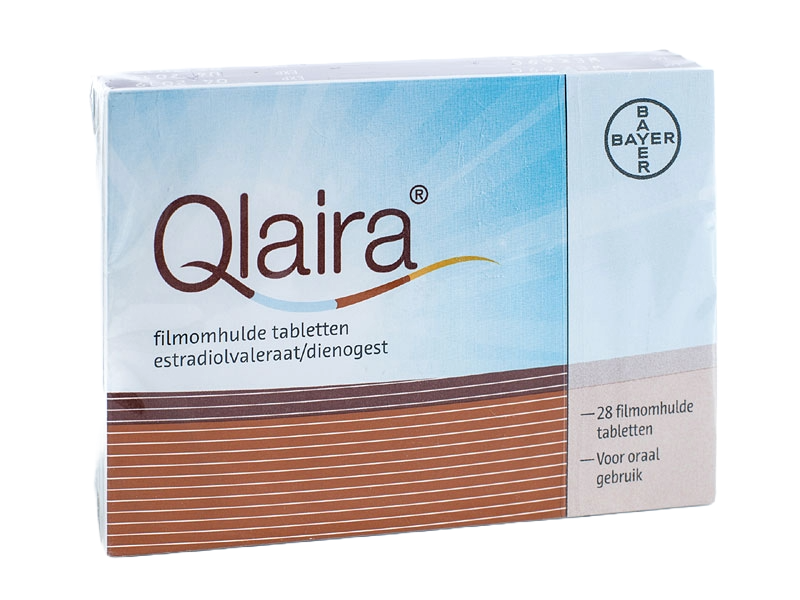
Qlaira
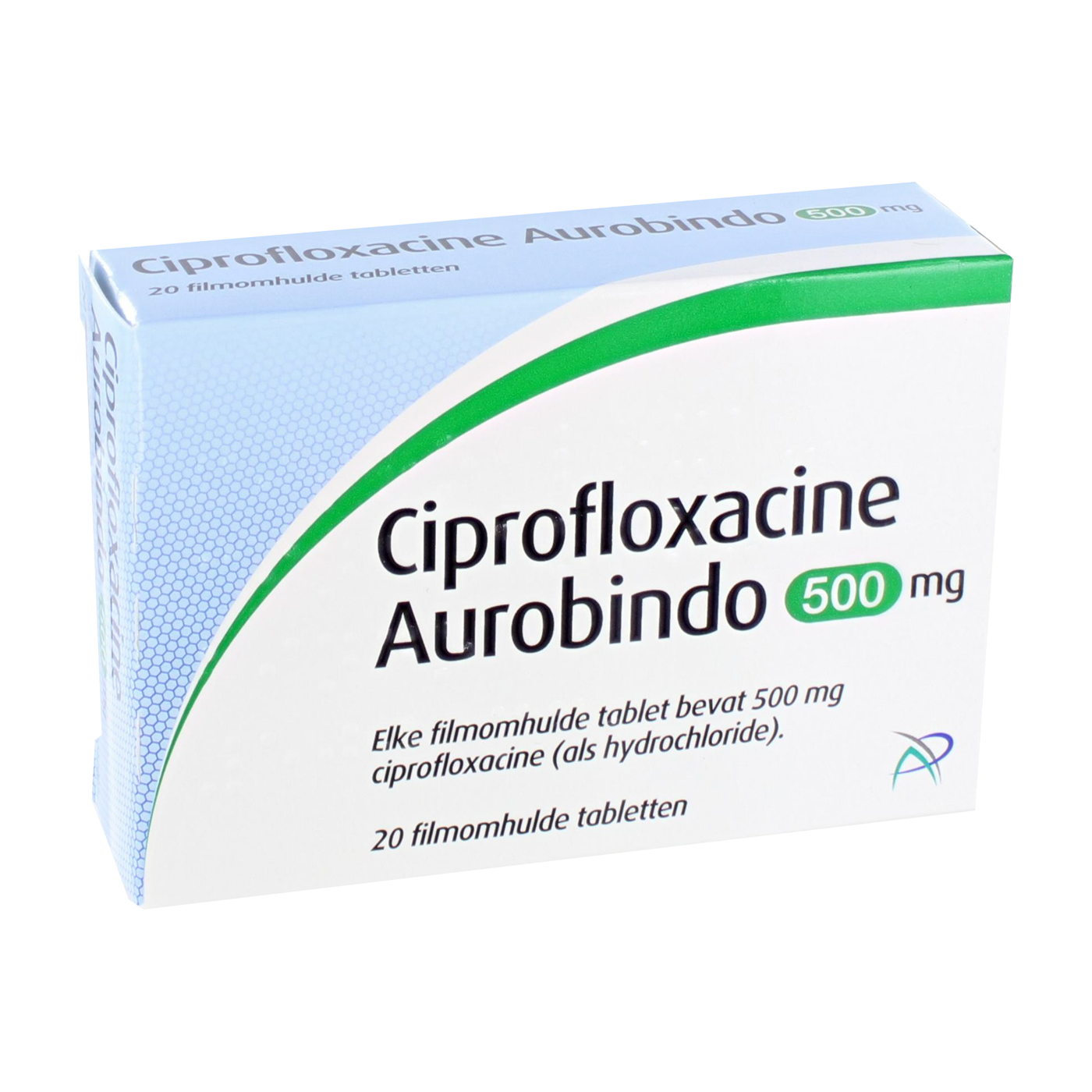
Ciprofloxacin
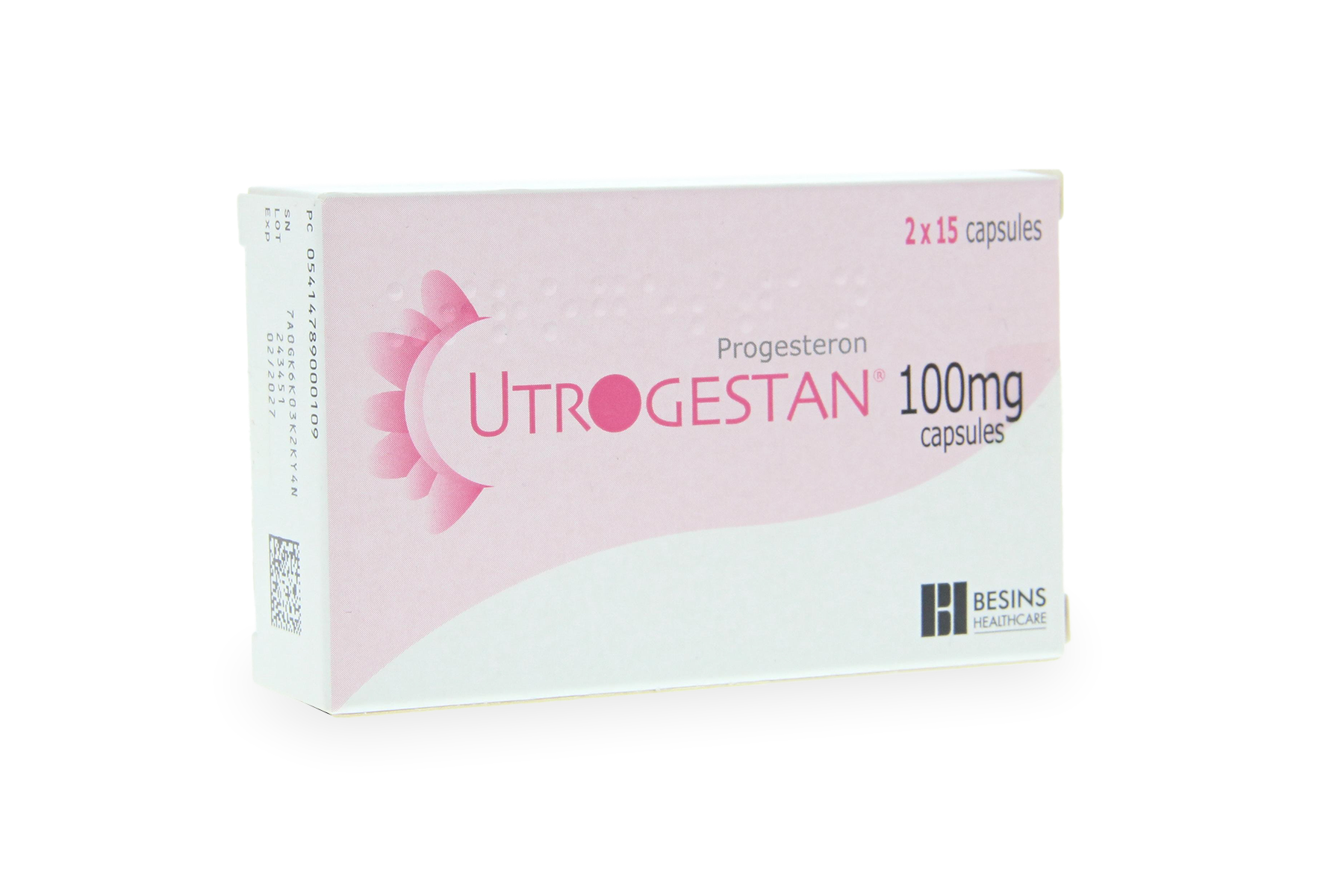
Utrogestan
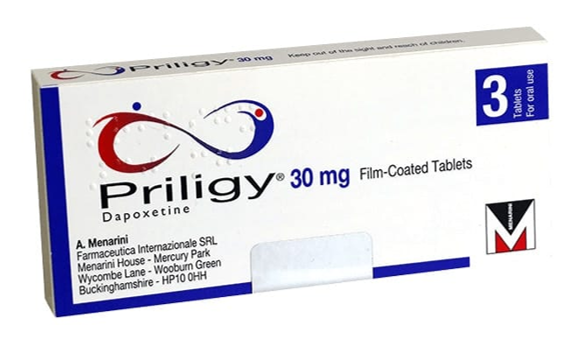
Priligy
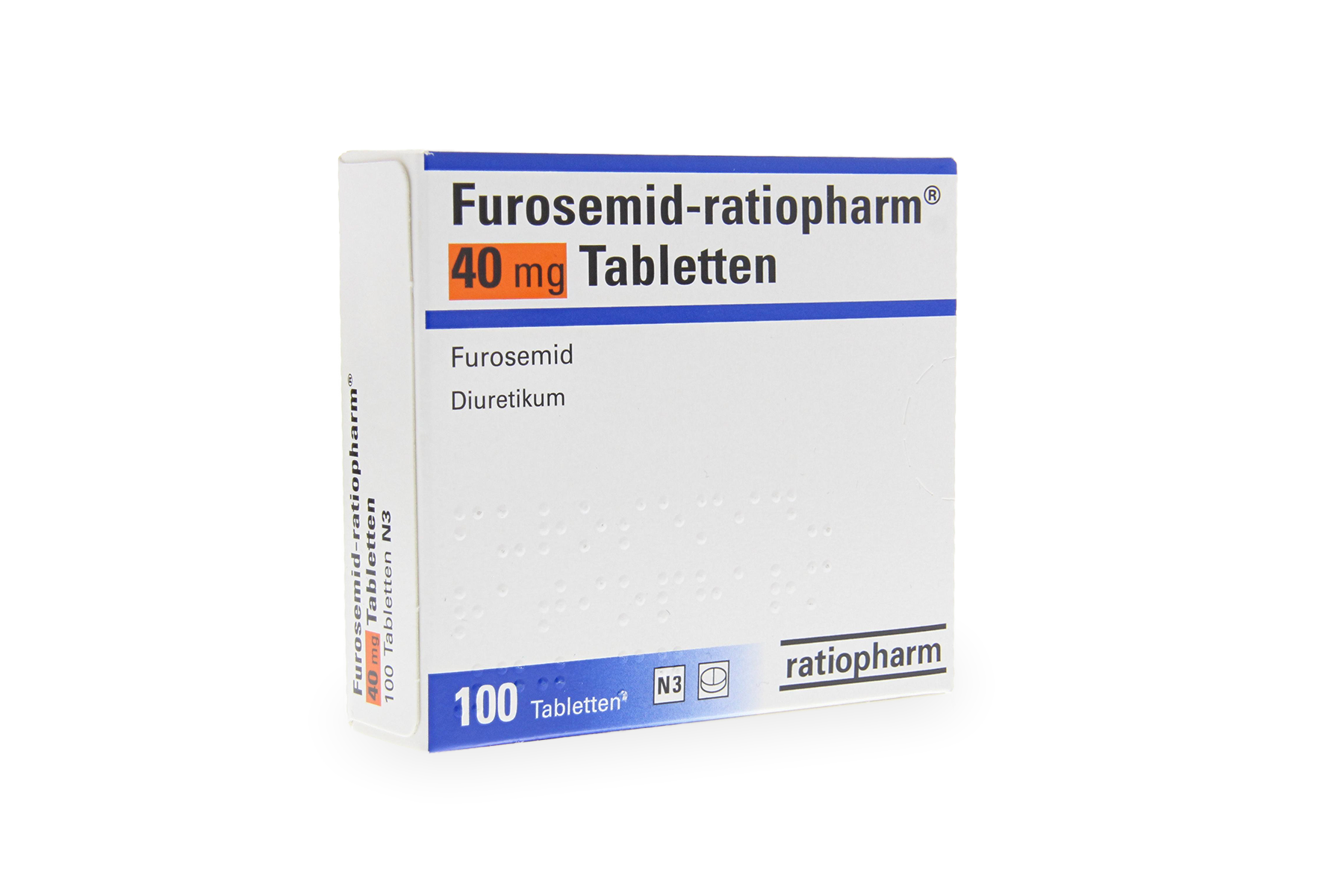
Furosemide
Omeprazole

Pantoprazole

Sildenafil
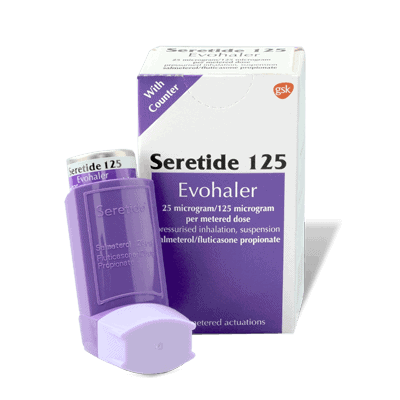
Seretide
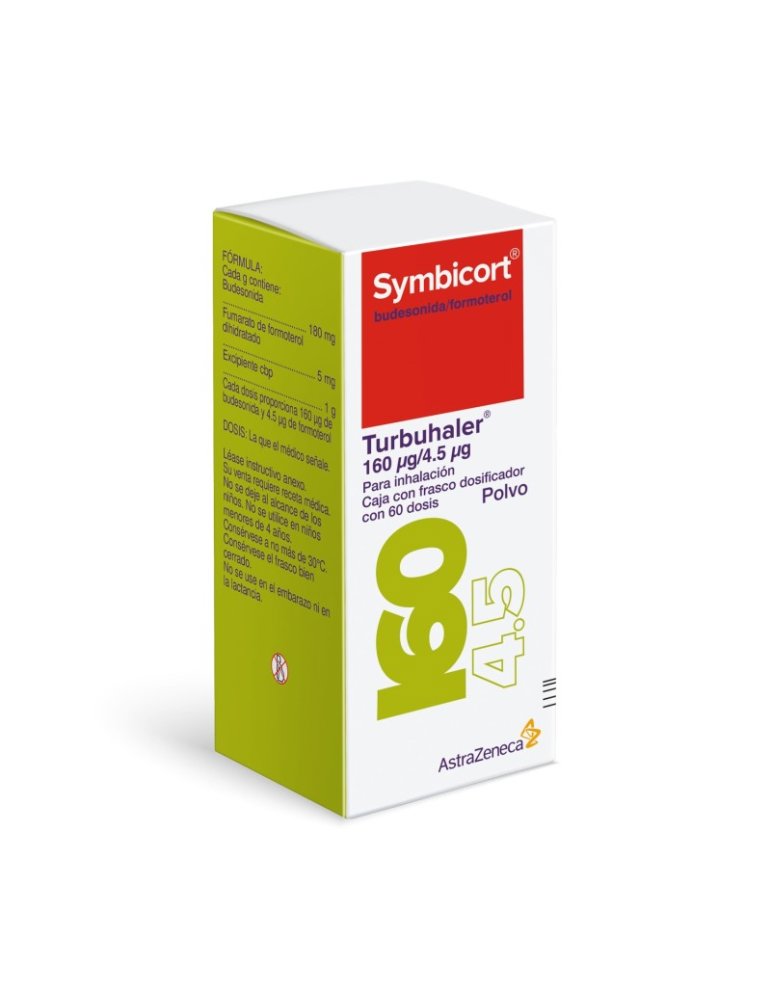
Symbicort Turbuhaler
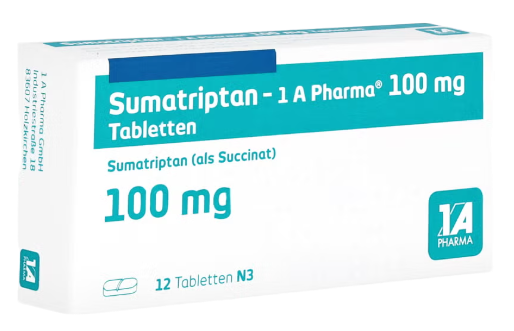
Sumatriptan
Betnovate
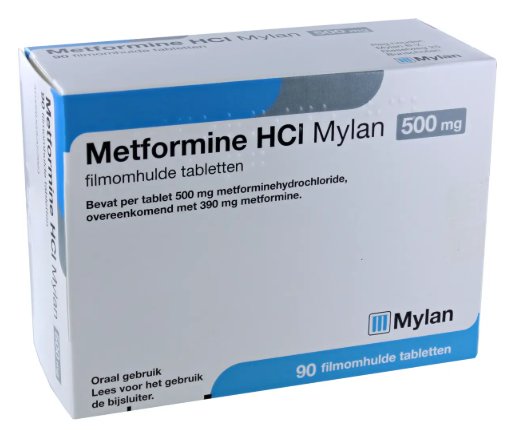
Metformin
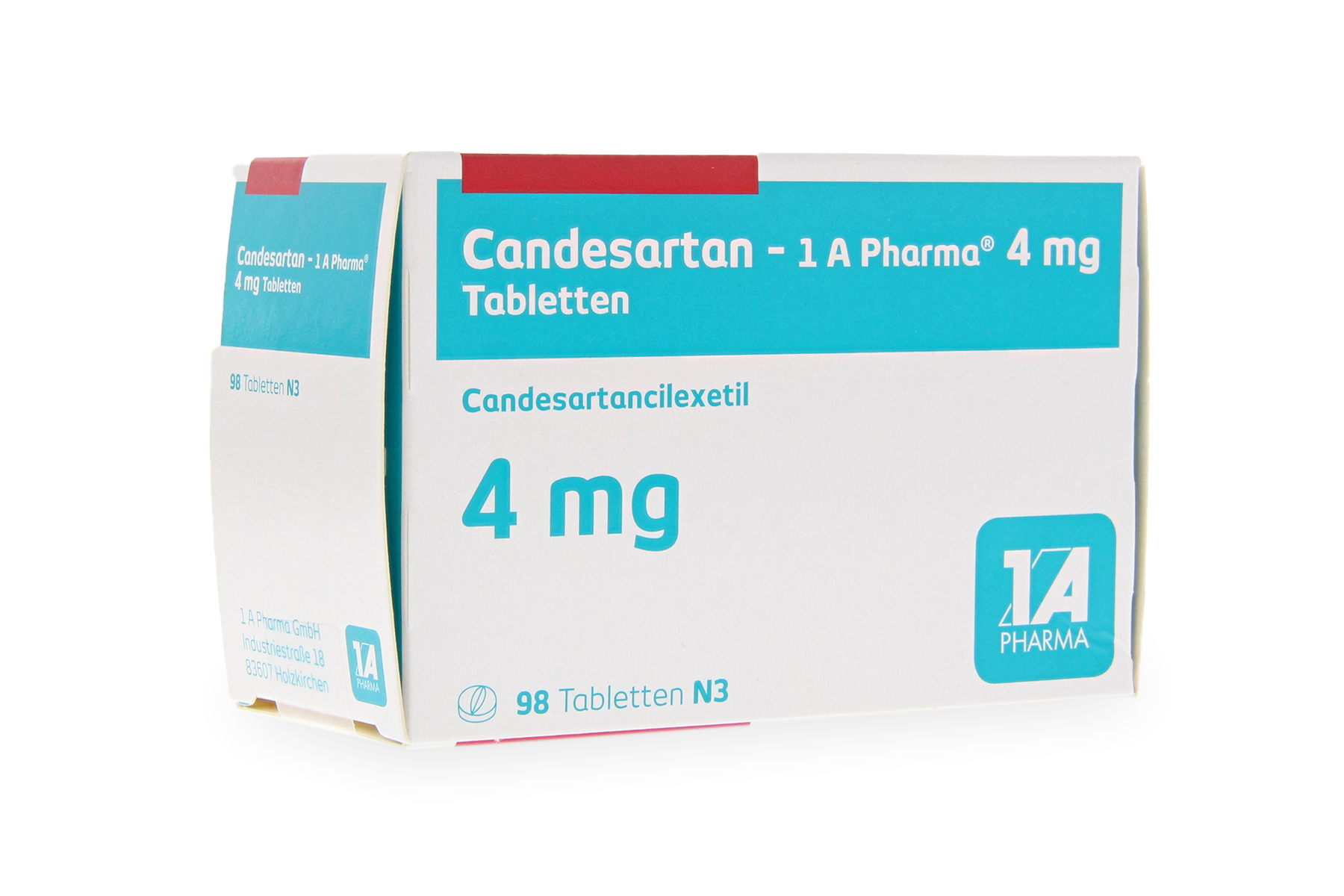
Candesartan
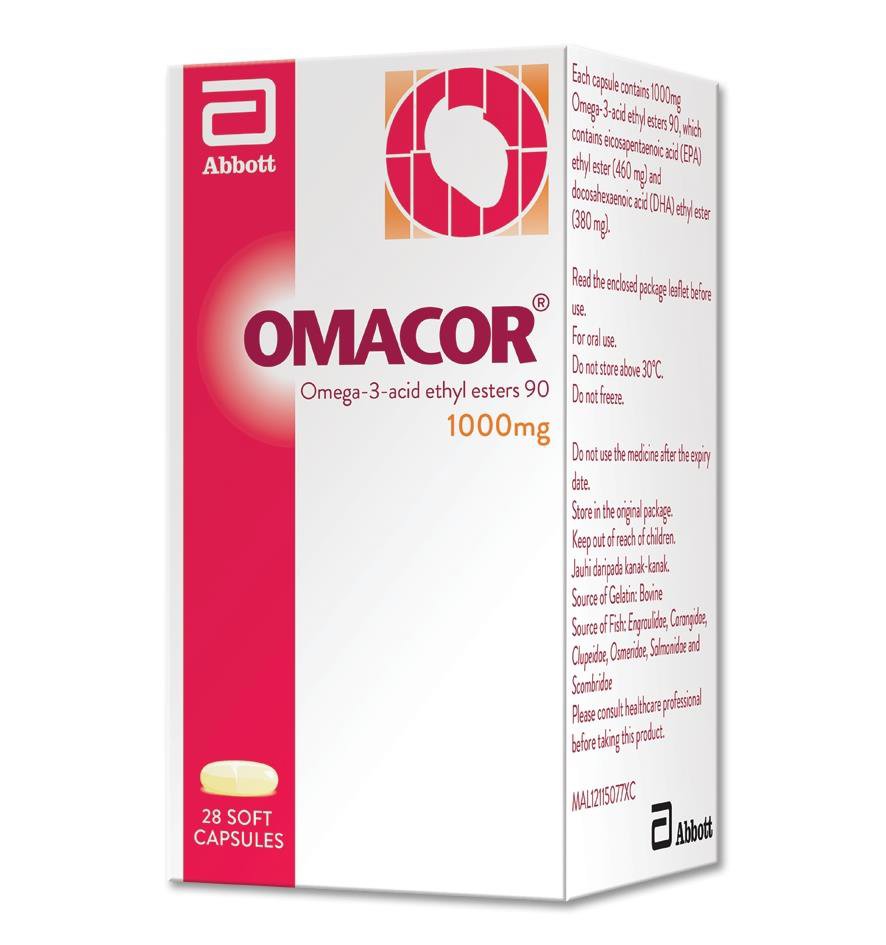
Omacor
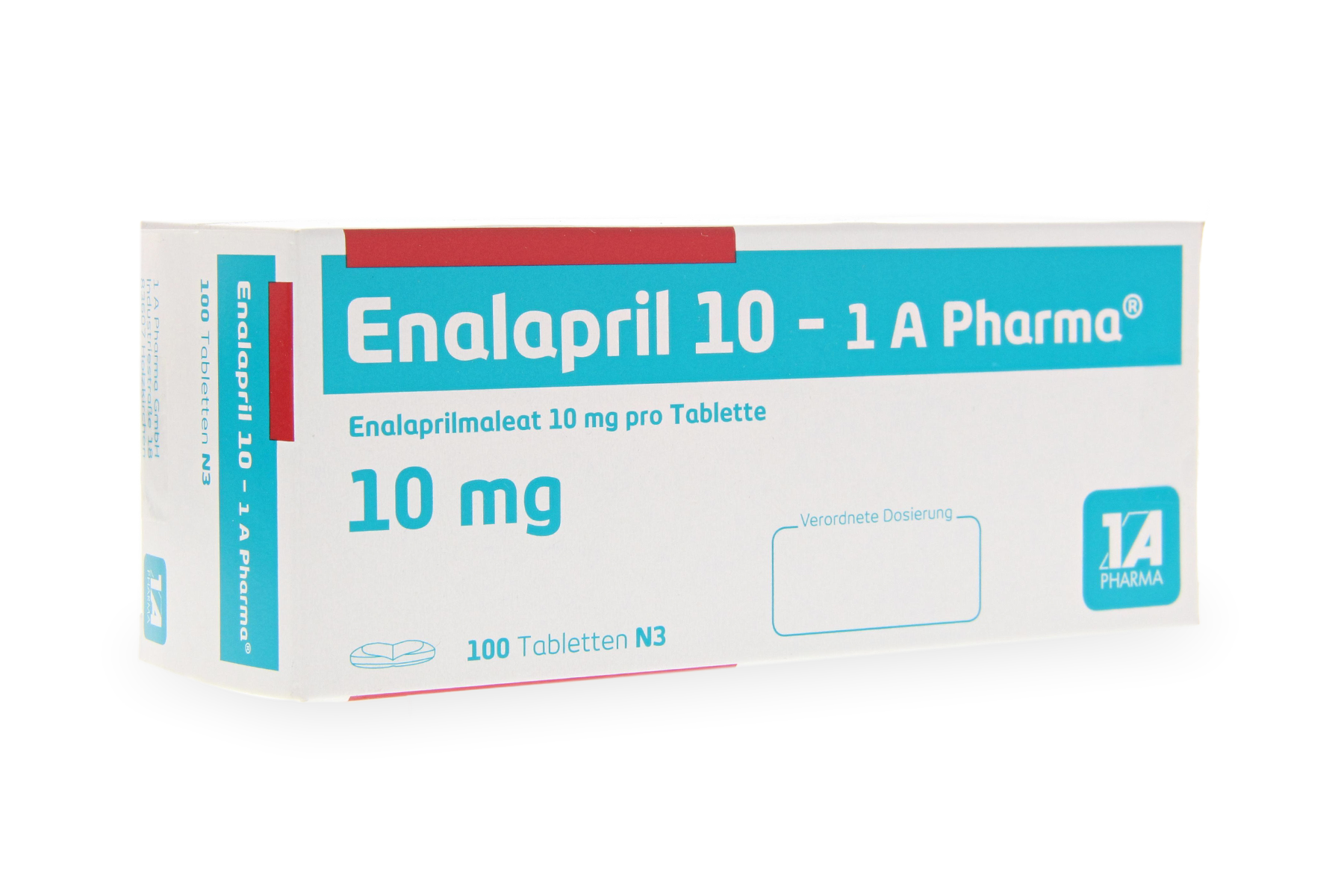
Enalapril
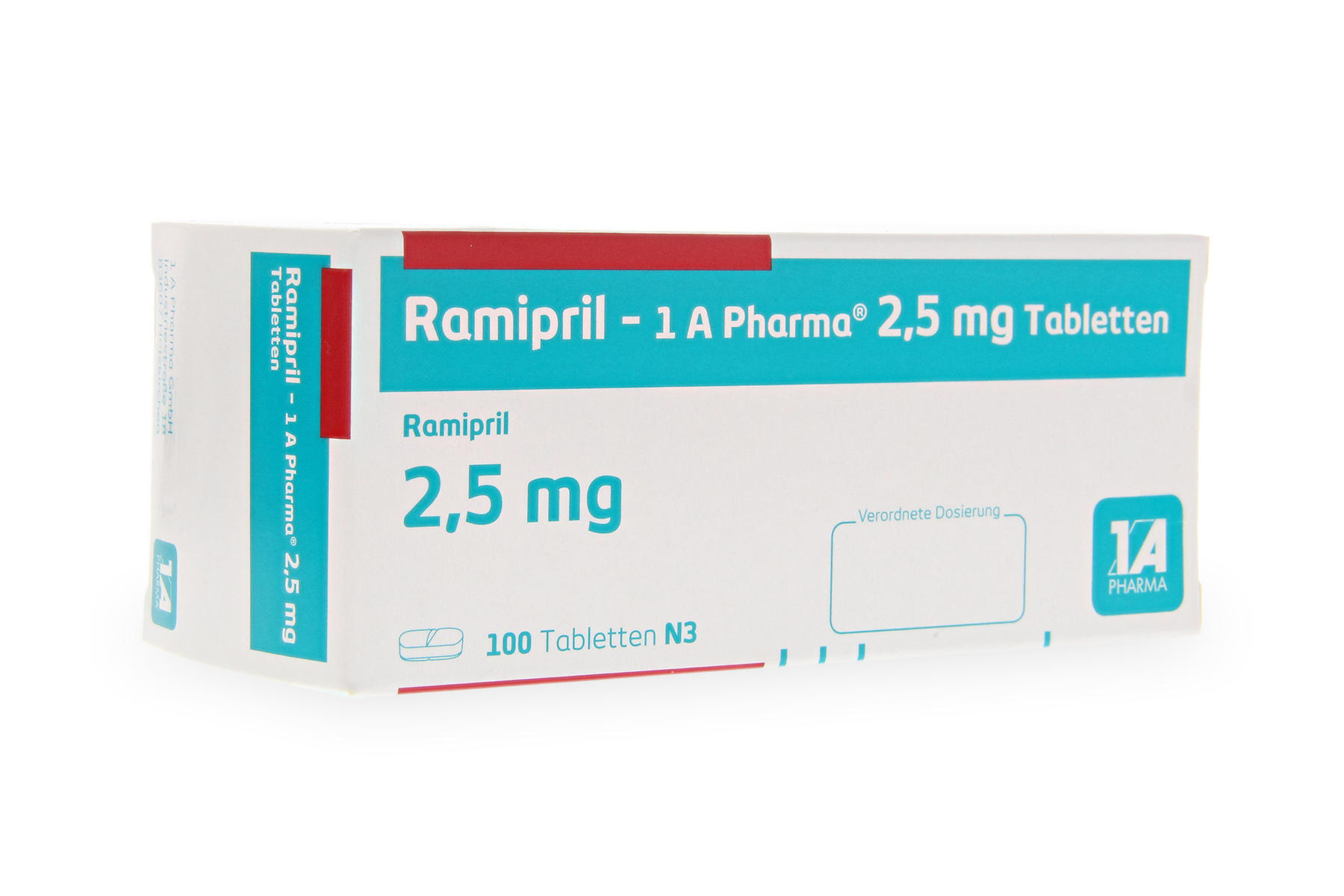
Ramipril
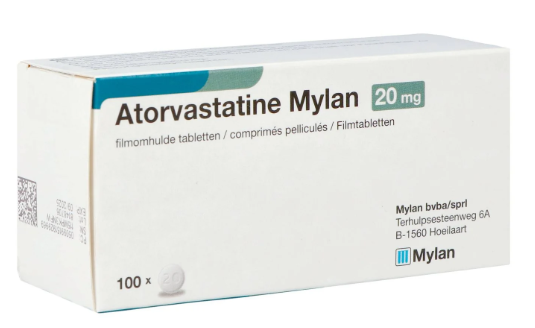
Atorvastatin
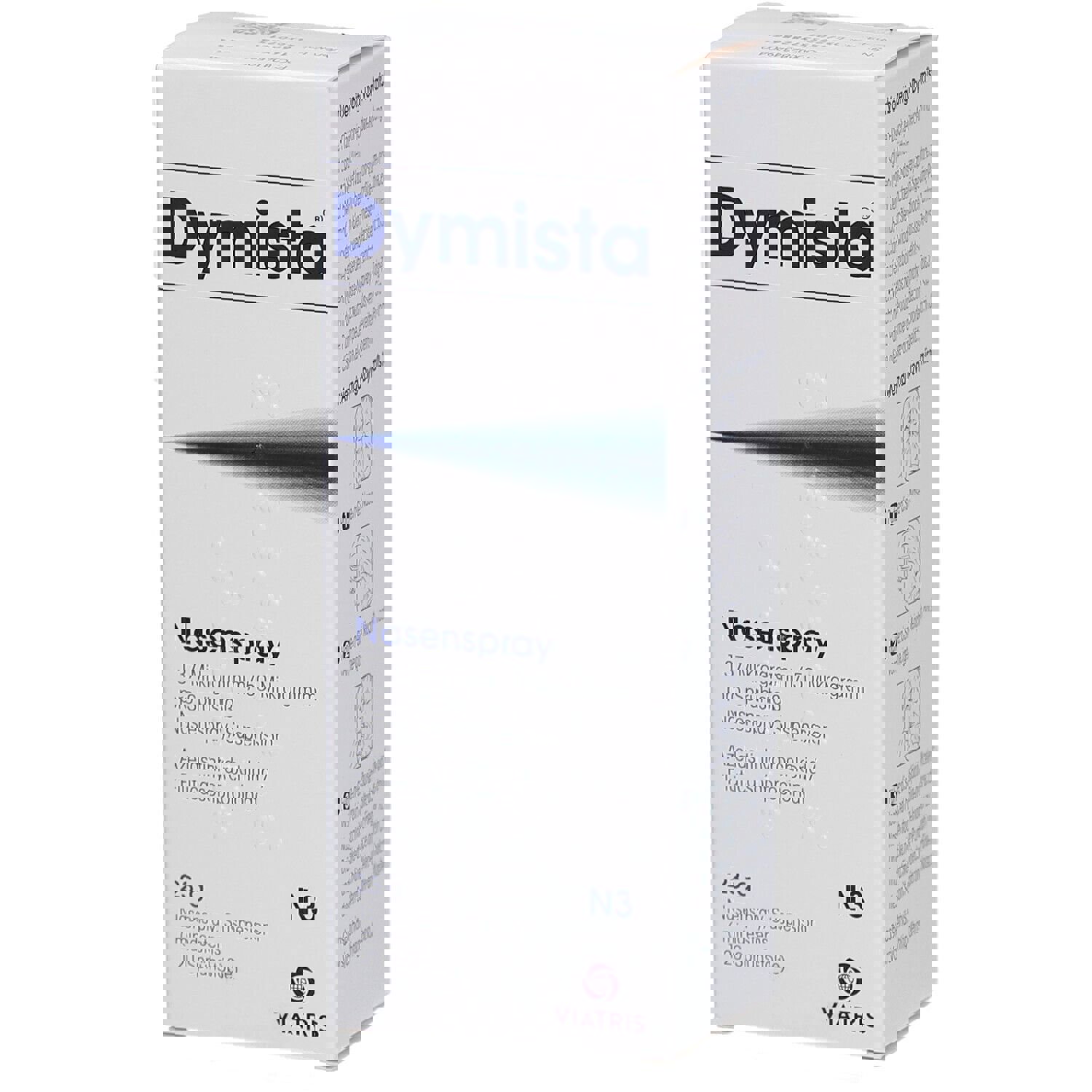
Dymista
Mirvaso

Spedra
Salbutamol
Orlistat
Vagifem
Marvelon
Desloratadine
Arcoxia
Levothyroxine
Mercilon
Adenuric

Metoclopramide
Tadalafil

Valsartan
Spironolactone
Eliquis
Xarelto

Vardenafil
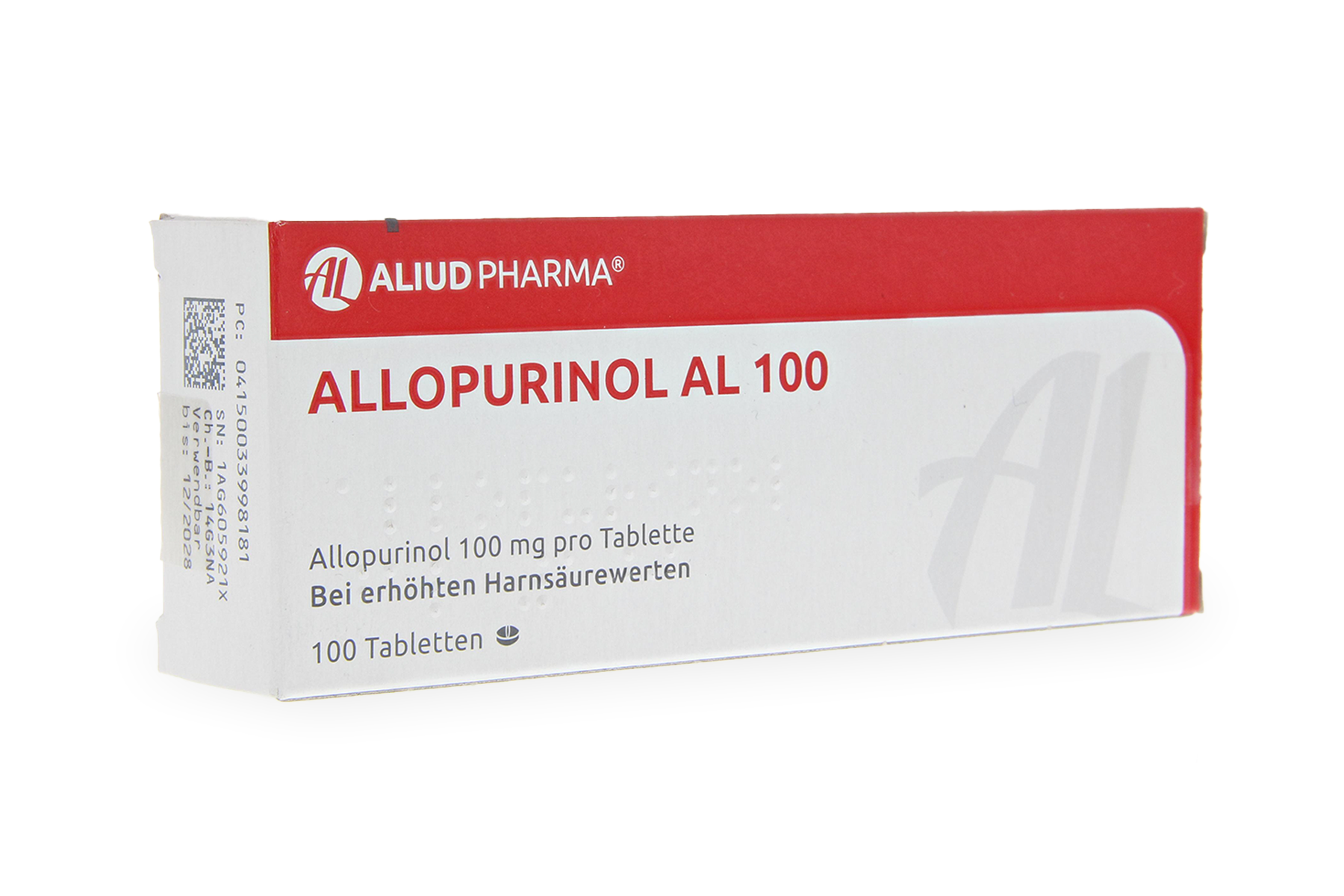
Allopurinol
Hydroxychloroquine
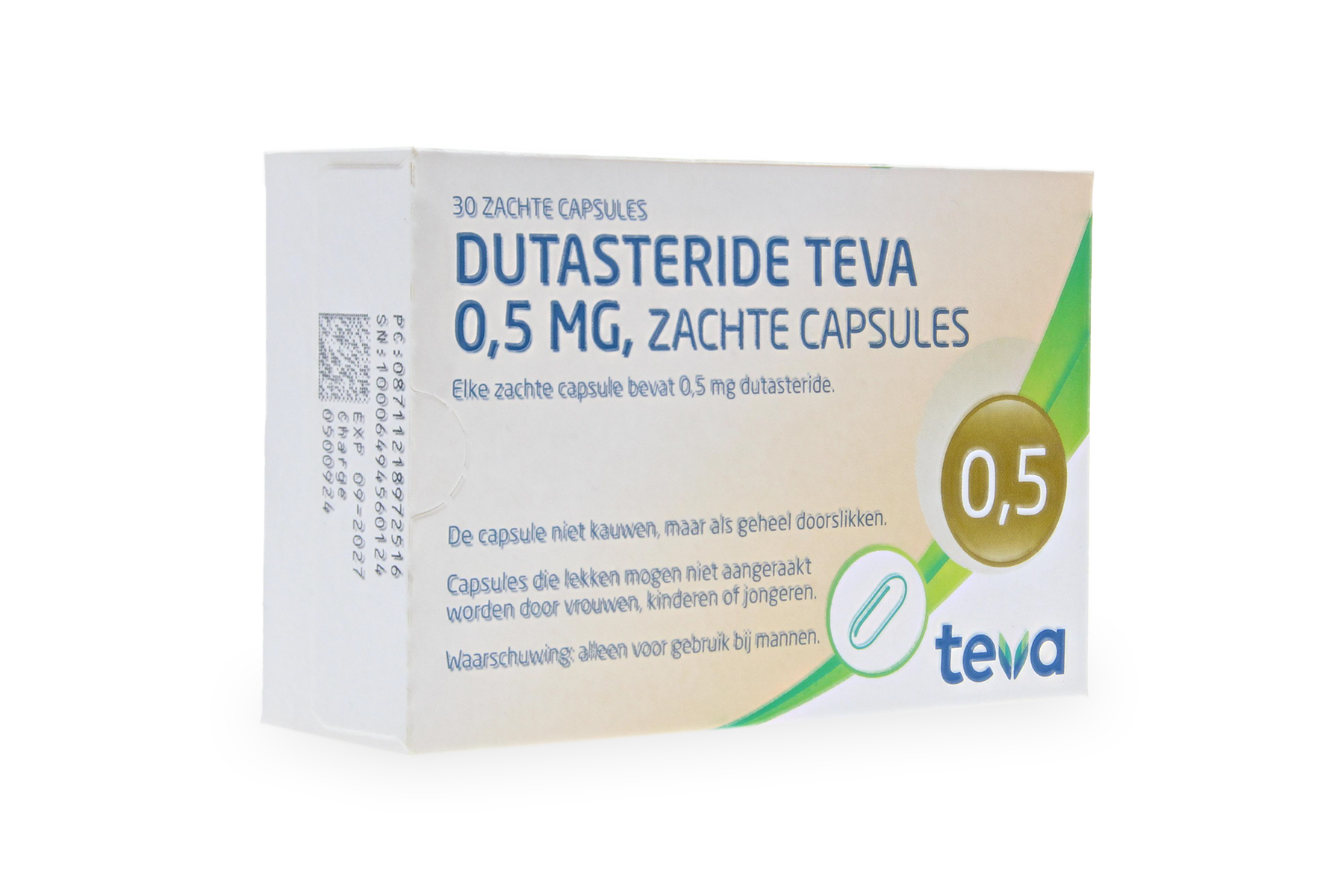
Dutasteride
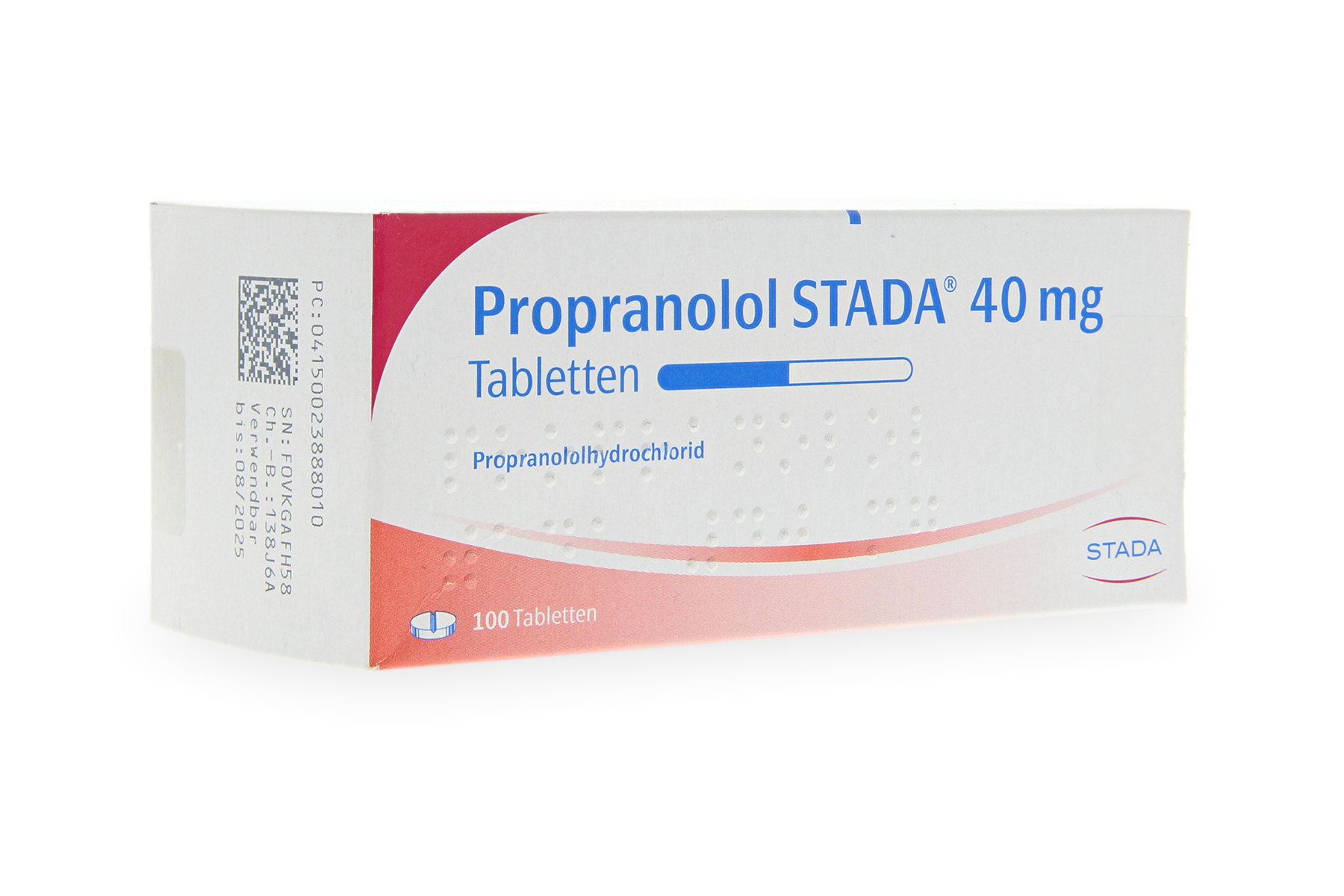
Propranolol

Wegovy
Circadin
Maxalt
Amlodipine
Evra Patches

Mounjaro
Dermovate
Cerazette

Viagra

Melatonin
Emla Cream
Naproxen
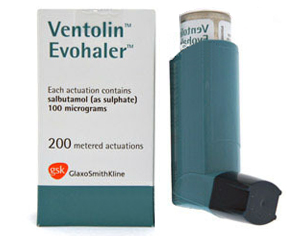
Ventolin

Bricanyl Turbohaler
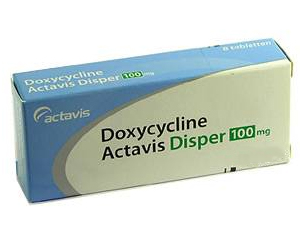
Doxycycline (Malaria)
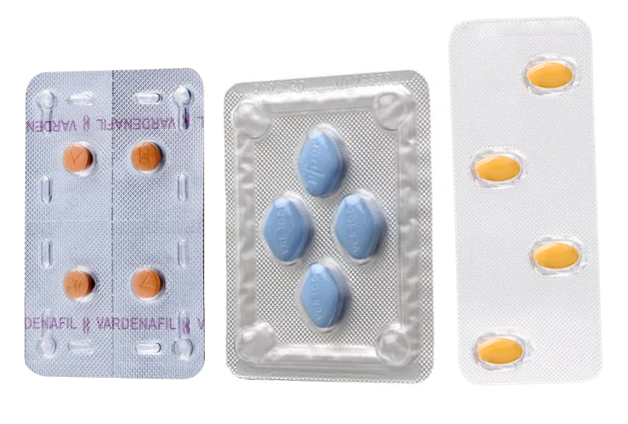
Impotence Trial Pack

Microgynon 30
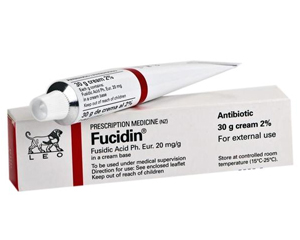
Fucidin
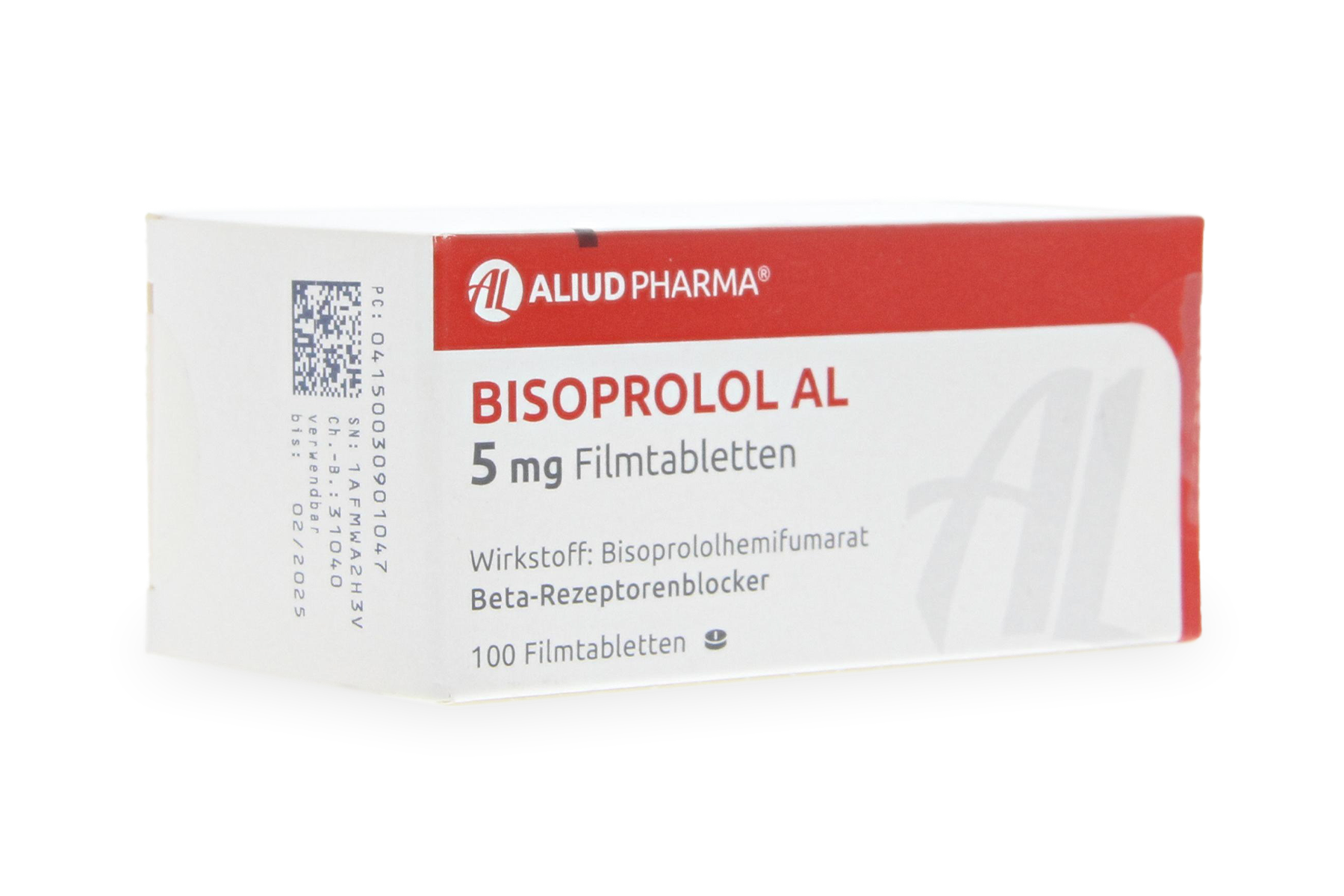
Bisoprolol
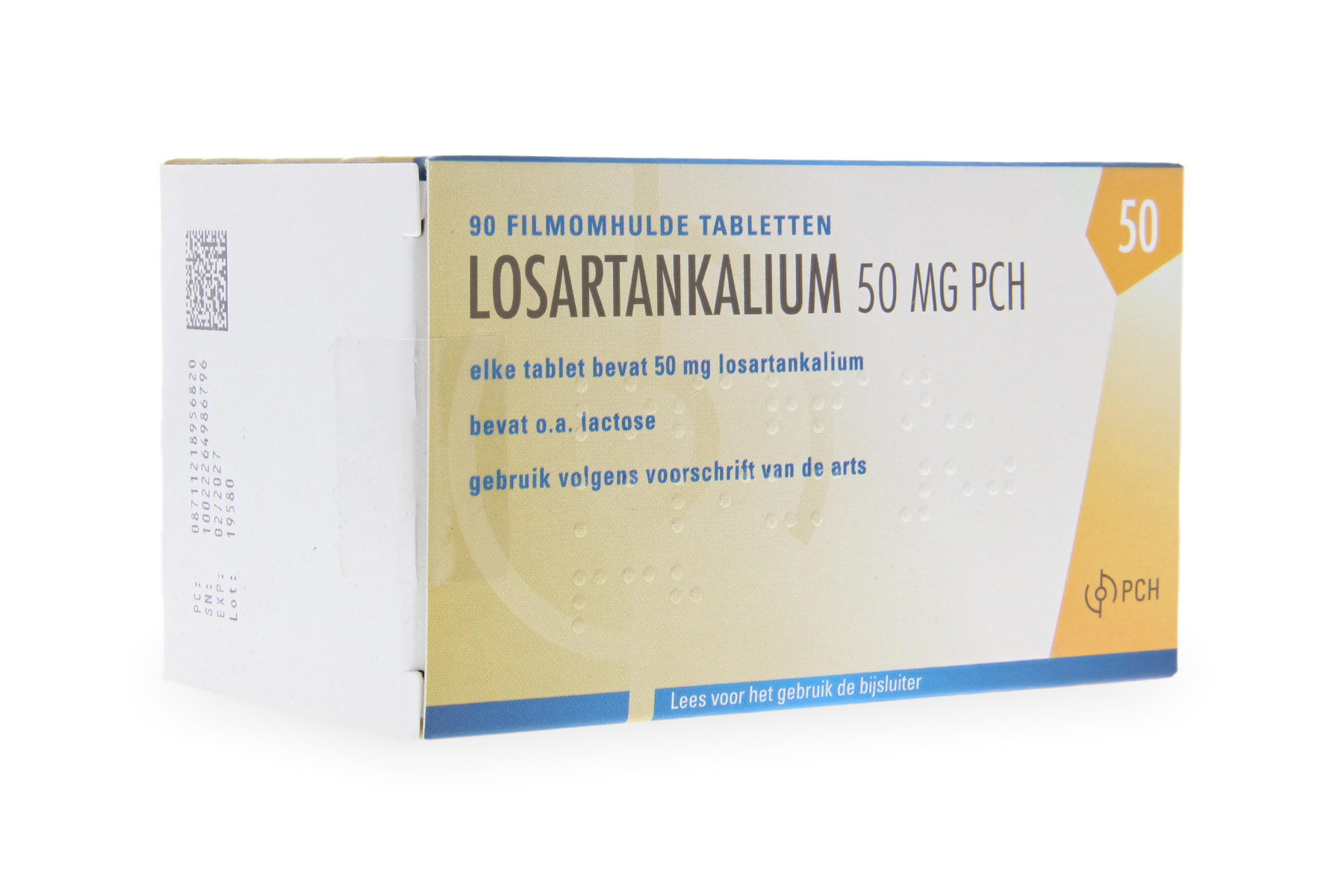
Losartan
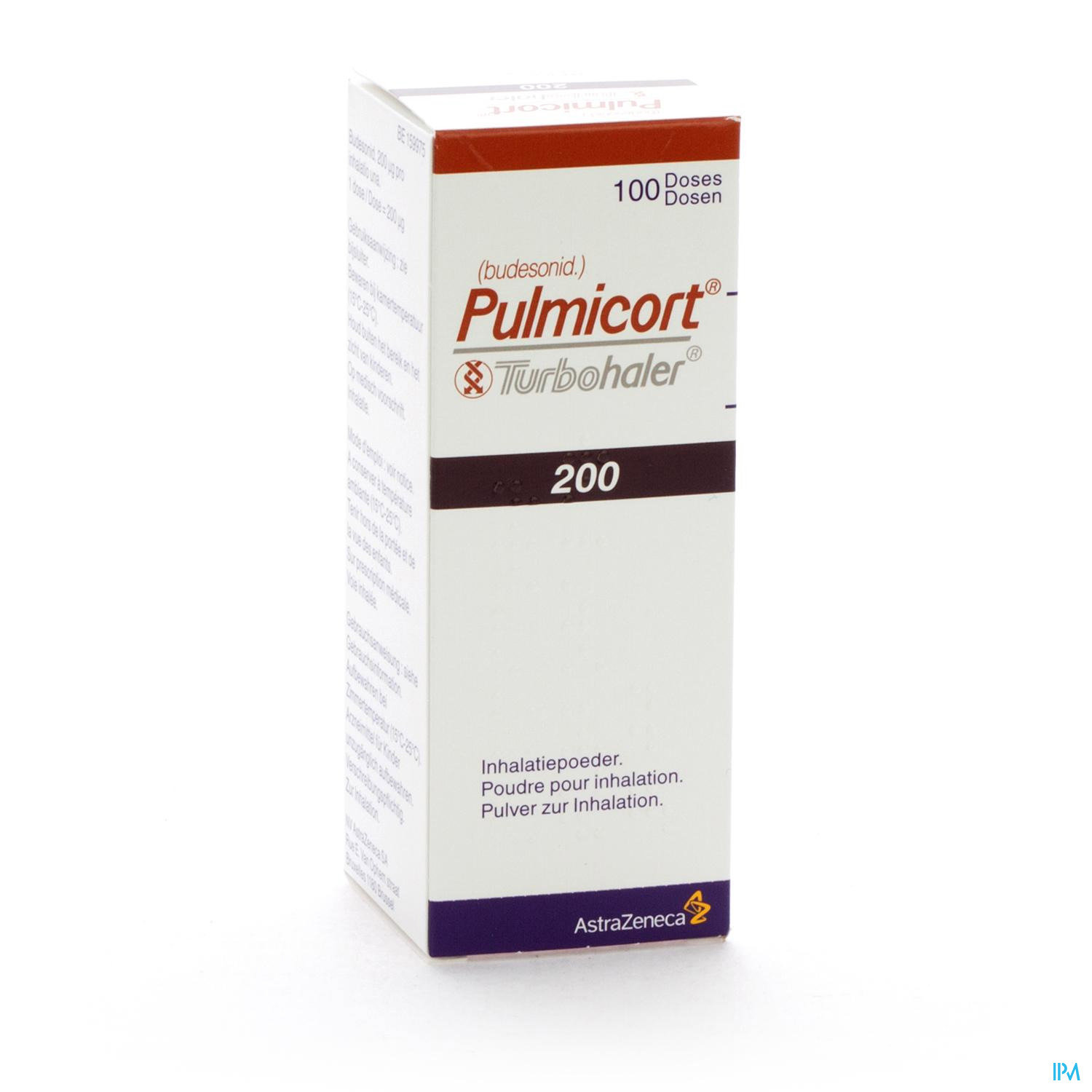
Pulmicort Turbohaler
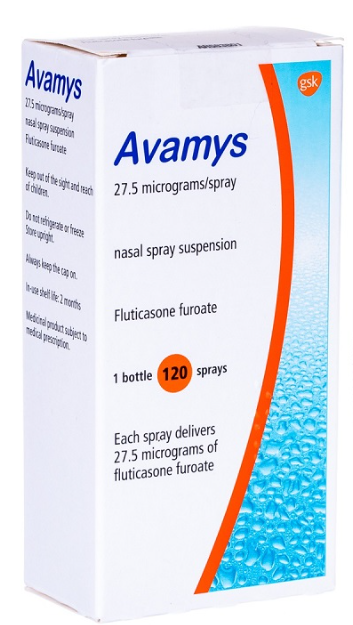
Avamys

Telfast
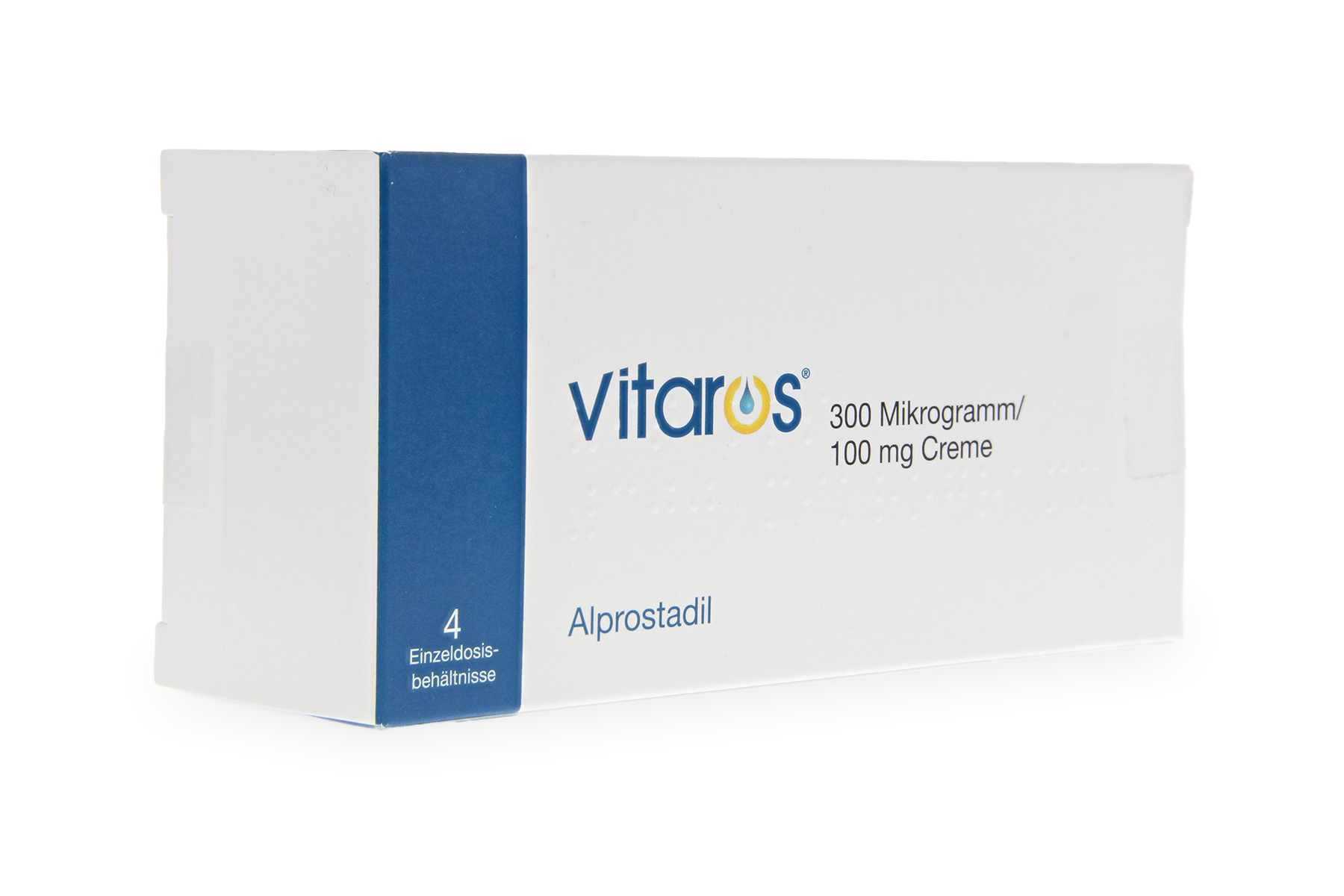
Vitaros

Zyloric
Kliovance
Bactroban
Elocon
Clindamycin
Montelukast
Aciclovir
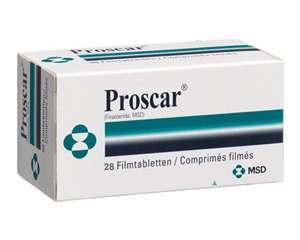
Proscar

Differin
Nasonex Nasal Spray
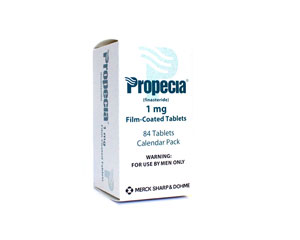
Propecia
Clonidine
Femoston
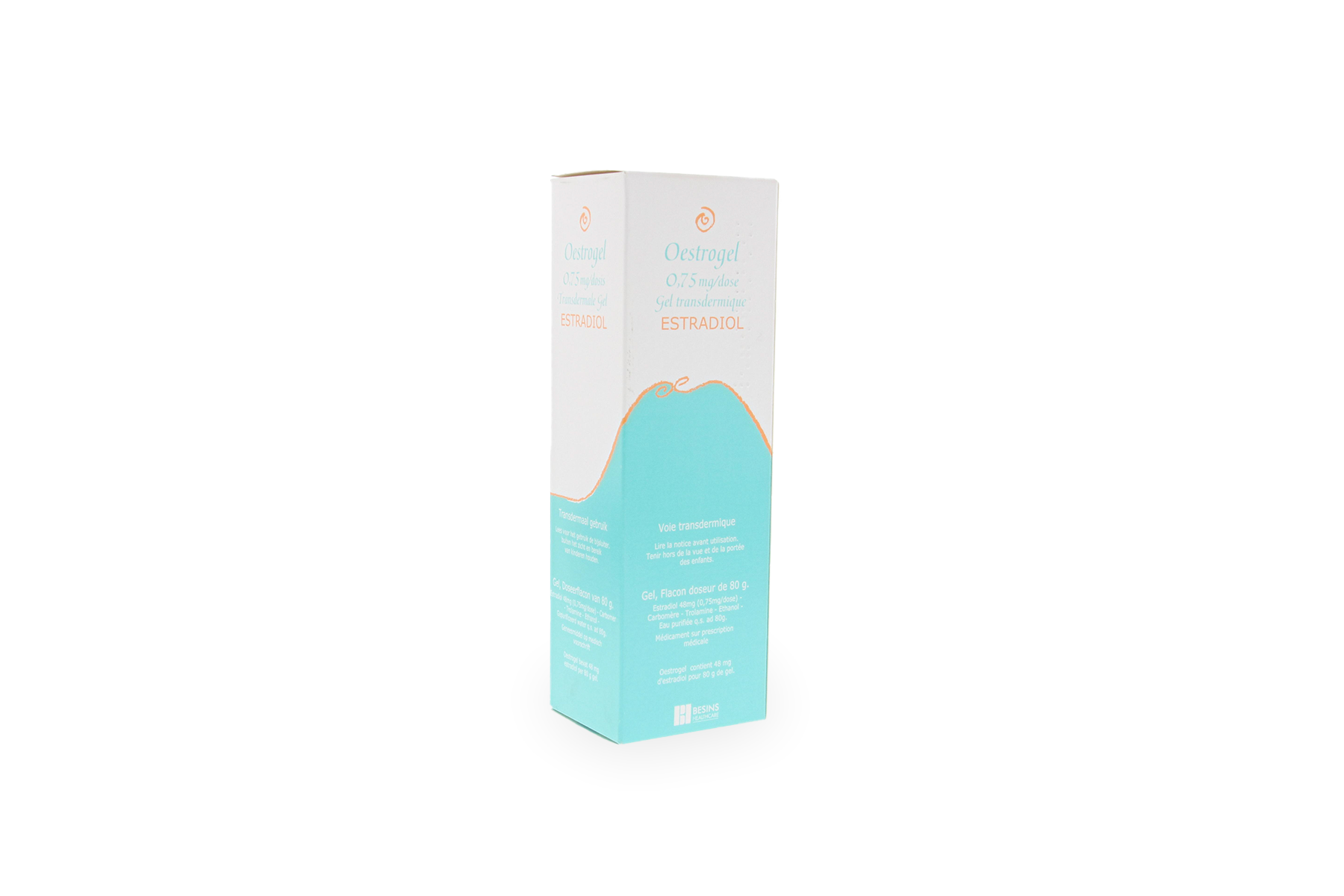
Oestrogel
Tamsulosin MR
Azyter
Esomeprazole
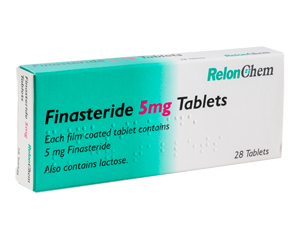
Proscar (Finasteride)
Diclofenac SR
Diflucan
Crestor
Lansoprazole
Vesicare
Flixotide
Serevent
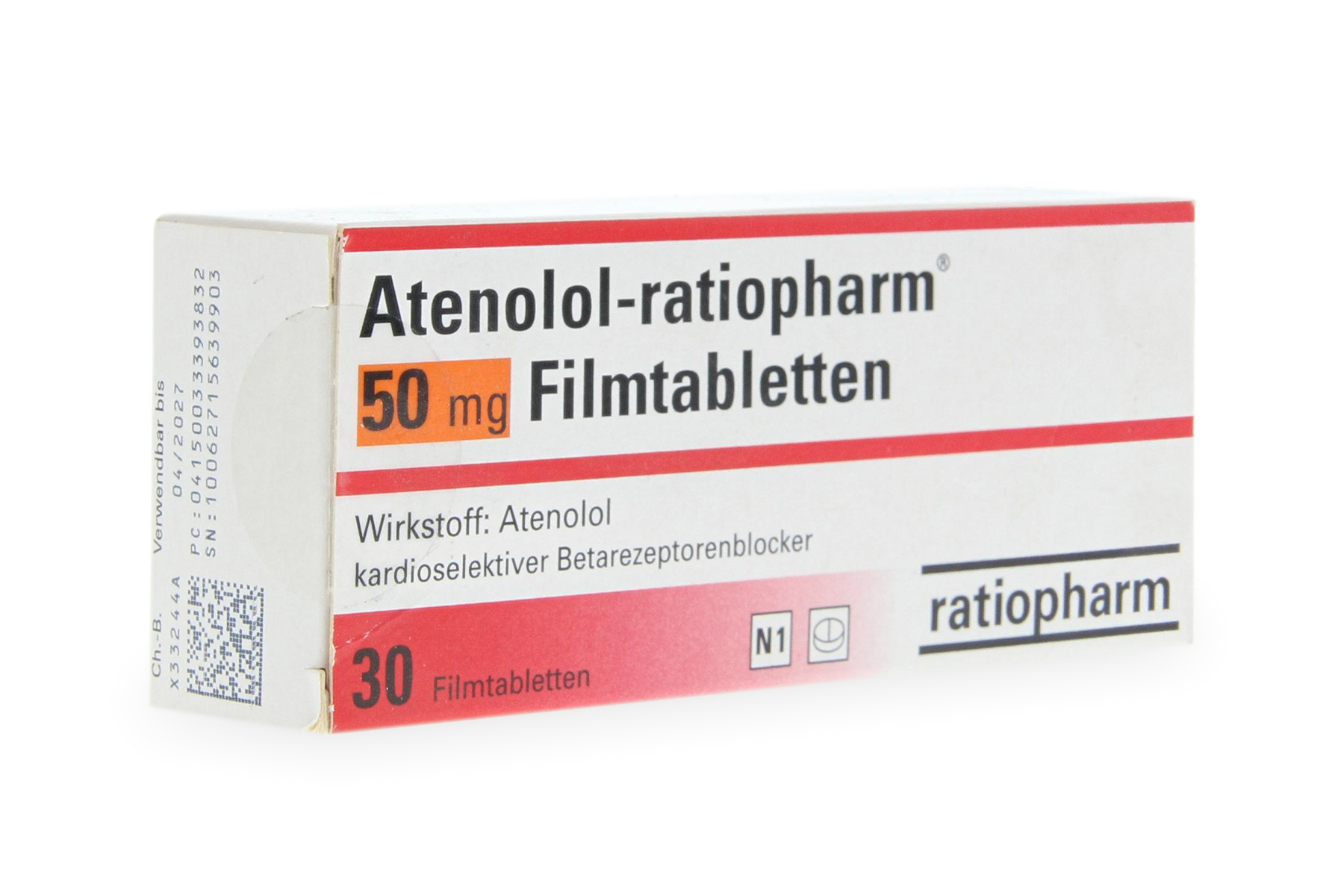
Atenolol
Janumet
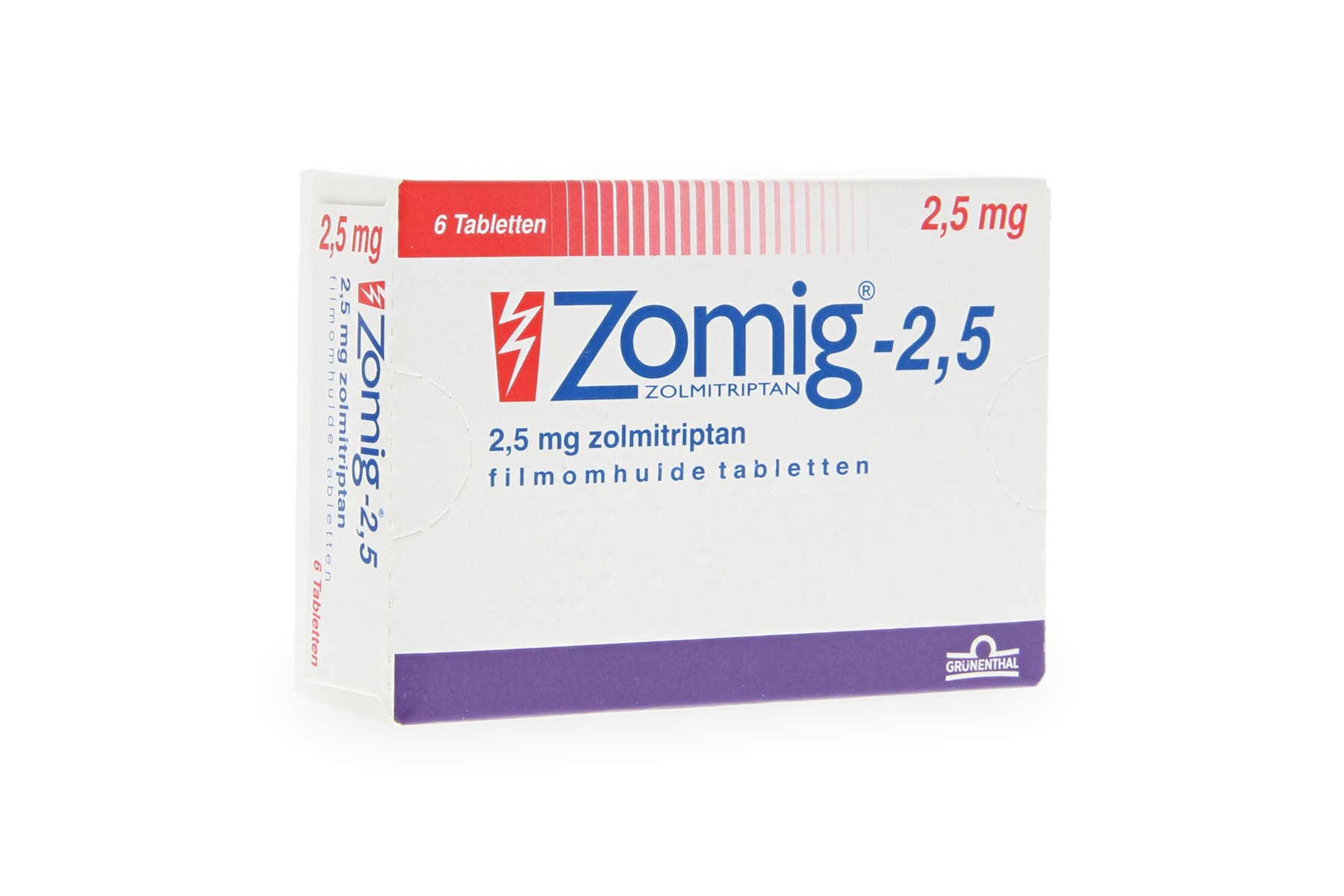
Zomig
Hair Loss Treatments
Understanding Hair Loss
Hair loss, medically known as alopecia, affects both men and women and can have a significant impact on self-esteem and emotional wellbeing. The most common form is androgenetic alopecia, also called male-pattern or female-pattern baldness, which is driven by genetic sensitivity to dihydrotestosterone (DHT), a hormone derived from testosterone.
In men, androgenetic alopecia typically begins with a receding hairline at the temples and thinning at the crown, eventually progressing to partial or complete baldness on top of the head. In women, the pattern is usually more diffuse, with general thinning across the scalp rather than defined bald patches. The condition tends to worsen gradually over years and, without treatment, the hair loss is permanent.
Other causes of hair loss include telogen effluvium (temporary shedding triggered by stress, illness, or hormonal changes), alopecia areata (an autoimmune condition causing patchy hair loss), thyroid disorders, nutritional deficiencies (particularly iron and vitamin D), and certain medications. Identifying the underlying cause is important because it determines which treatment approach is most appropriate.
Prescription Treatments for Hair Loss
Finasteride is the most widely prescribed oral treatment for male-pattern hair loss. It works by inhibiting the enzyme 5-alpha reductase, which converts testosterone to DHT. By lowering DHT levels in the scalp, finasteride slows hair loss and, in many cases, promotes regrowth. Clinical trials have shown that around two thirds of men experience visible improvement after 12 months of daily use.
Minoxidil, available as a topical solution or foam, is another established treatment that can be used by both men and women. Although its exact mechanism is not fully understood, it is thought to widen blood vessels in the scalp and prolong the growth phase of the hair cycle. Minoxidil is available over the counter and is most effective when applied consistently twice daily.
For women, treatment options are more limited. Finasteride is generally not prescribed for pre-menopausal women due to the risk of harm to a developing foetus. Minoxidil remains the primary pharmacological option, though anti-androgen medications such as spironolactone may be considered in certain cases under specialist guidance. Addressing any underlying nutritional deficiencies or hormonal imbalances is also an important part of the treatment plan.
What Results to Expect
Patience is essential when treating hair loss. Both finasteride and minoxidil take time to produce visible results, typically three to six months for finasteride and four to six months for minoxidil. Initial shedding during the first few weeks of treatment can be disheartening, but it is actually a positive sign indicating that weaker hairs are being replaced by stronger, healthier ones.
Results vary between individuals. Some people experience significant regrowth, others notice a slowing or stabilisation of hair loss, and a minority see little change. Consistency is critical; stopping treatment allows DHT levels to rise again (in the case of finasteride) or removes the growth-stimulating effect (in the case of minoxidil), and any gains are typically lost within six to twelve months.
Photographic documentation at regular intervals provides the most objective way to assess progress. Taking pictures in consistent lighting from the same angles every three months allows both you and your prescriber to evaluate whether the treatment is working and to make informed decisions about continuing, adjusting, or combining therapies.
Side Effects and Safety
Finasteride is generally well tolerated, but a small percentage of men experience sexual side effects including reduced libido, erectile difficulty, and decreased ejaculate volume. These effects are usually mild and reversible upon stopping the medication, though rare reports of persistent symptoms have been documented. Discussing these potential effects with a prescriber before starting treatment allows for an informed decision.
Minoxidil's most common side effects are scalp irritation, dryness, and flaking, particularly with alcohol-based formulations. Switching to a foam product often resolves these issues. Unwanted facial hair growth can occur in women if the solution comes into contact with the face, so careful application is important.
Neither finasteride nor minoxidil should be handled by pregnant women or women who may become pregnant, as both carry potential risks to foetal development. Finasteride tablets should not be crushed or broken, and minoxidil-treated areas should be dry before close physical contact.
Beyond Medication
While prescription treatments form the cornerstone of hair-loss management, complementary approaches can support and enhance results. A balanced diet rich in protein, iron, zinc, biotin, and omega-3 fatty acids provides the nutrients the hair follicle needs to function optimally. Blood tests to check for deficiencies are a sensible first step.
Low-level laser therapy (LLLT) devices, available as combs, helmets, or caps, are FDA-cleared for hair loss and may stimulate follicular activity when used alongside medication. Platelet-rich plasma (PRP) injections, in which concentrated growth factors from your own blood are injected into the scalp, are gaining popularity, though long-term evidence remains limited.
For advanced hair loss that has not responded to medical therapy, surgical hair transplantation offers a permanent solution. Modern techniques such as follicular unit extraction (FUE) produce natural-looking results with minimal scarring. A thorough consultation with a specialist trichologist or dermatologist can help you explore all available options and develop a plan tailored to your stage of hair loss and personal goals.
Frequently Asked Questions
Does finasteride really work for hair loss?
How long does it take to see results from hair loss treatment?
What happens if I stop taking finasteride?
How long before I see results from hair loss treatment?
Dr. Ross Elledge
General Practitioner · General & Family Medicine
Verified Healthcare Professional
TopDoctors ProfileThis website provides general information about medicines for educational purposes only. Always consult your doctor or pharmacist before taking any medication.