
Heart & Blood Pressure Treatments
High blood pressure affects around 1 in 3 UK adults and is a leading risk factor for heart disease and stroke. Effective medications can reduce blood pressure to safe levels. Regular monitoring and repeat prescriptions are easily managed through online consultations.
ACE inhibitors, ARBs and calcium channel blockers are first-line treatments
Treatment reduces the risk of heart attack, stroke and kidney disease
Blood pressure should be checked regularly for dose adjustments
Lifestyle changes complement medication for best results

Cialis
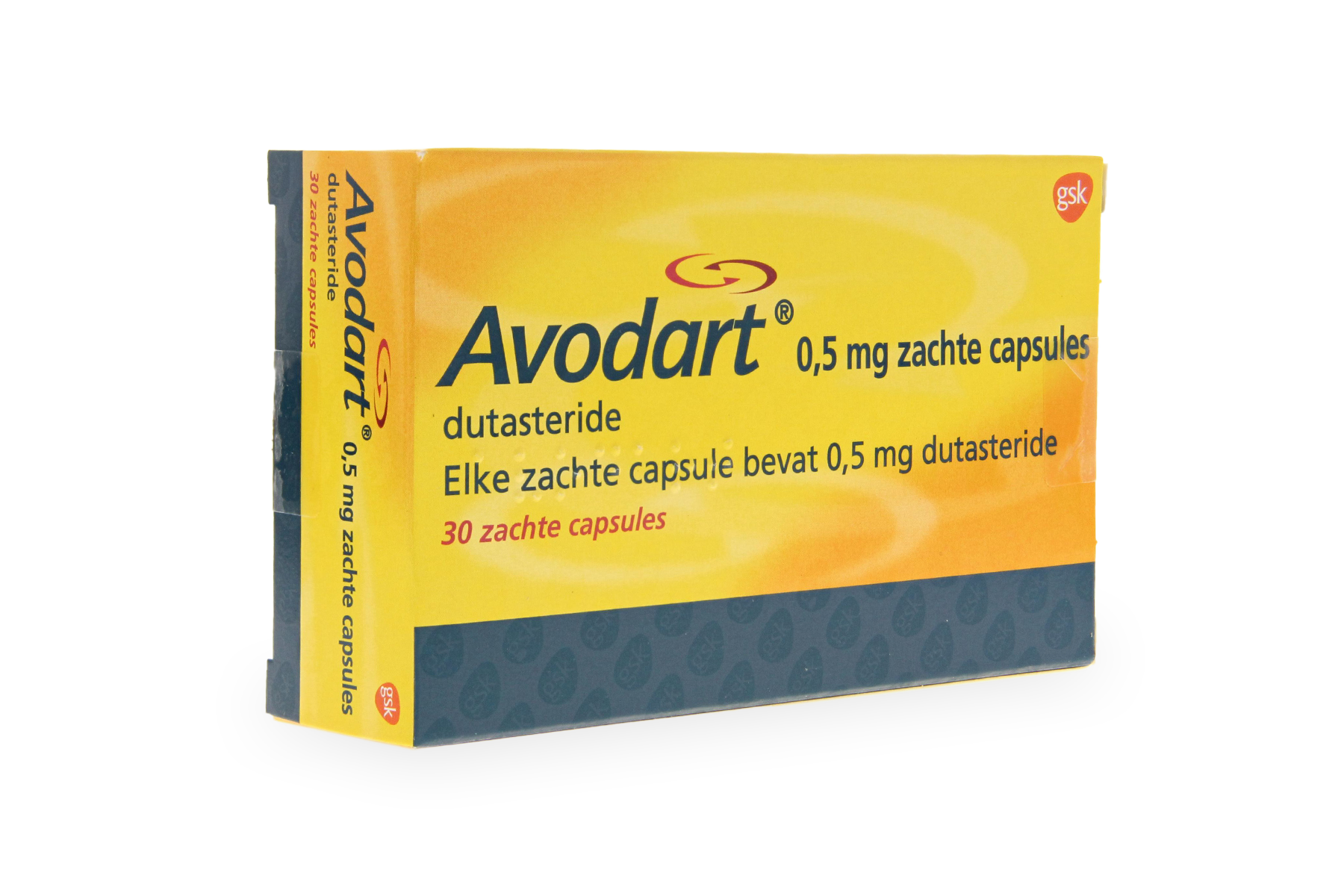
Avodart
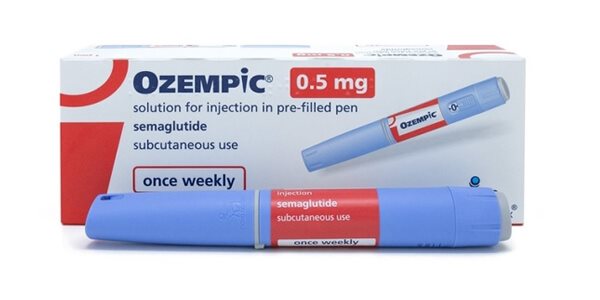
Ozempic

Nuvaring
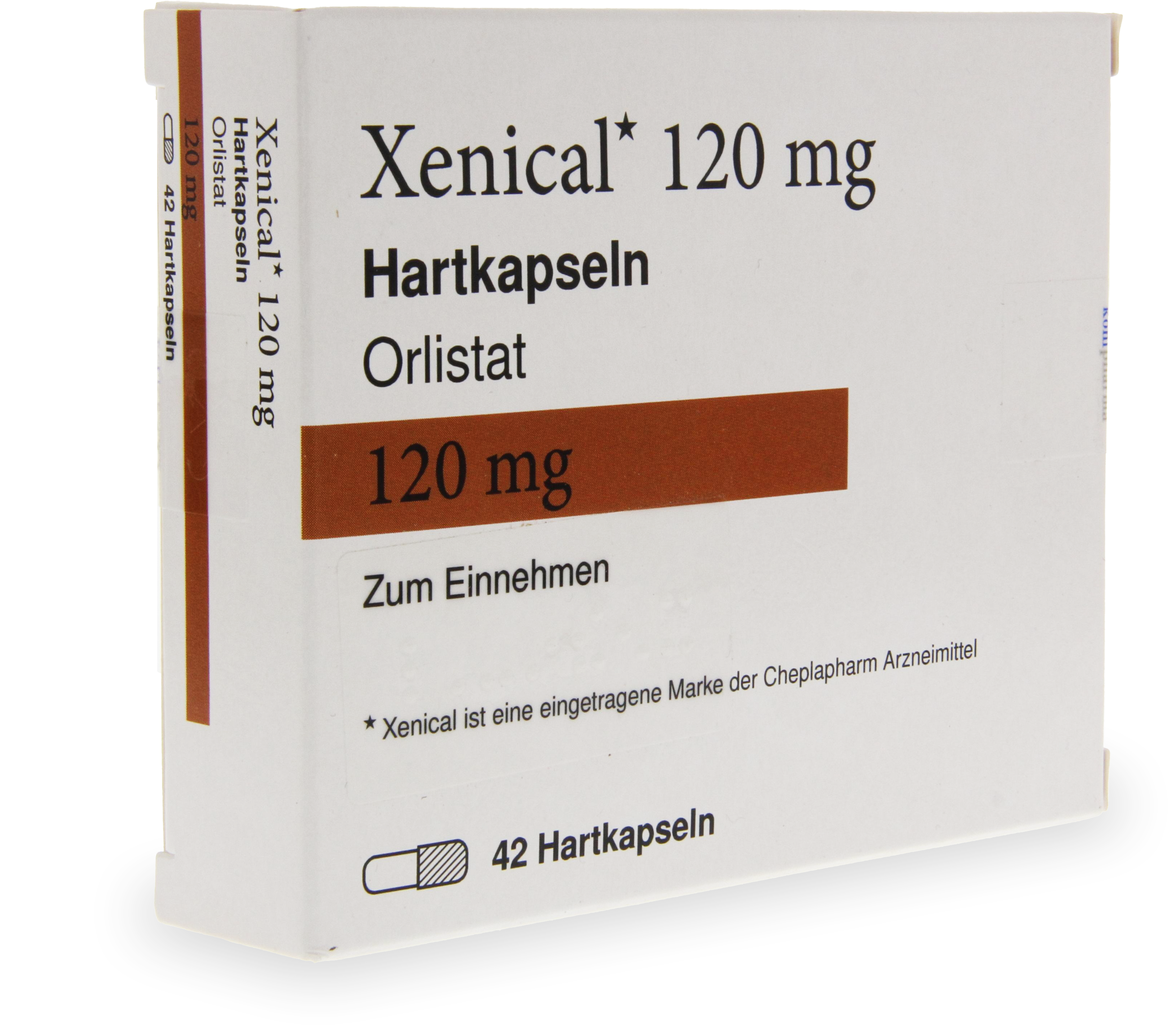
Xenical
Fluconazole
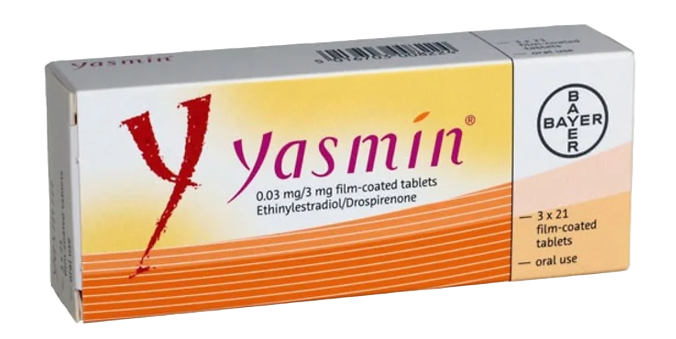
Yasmin
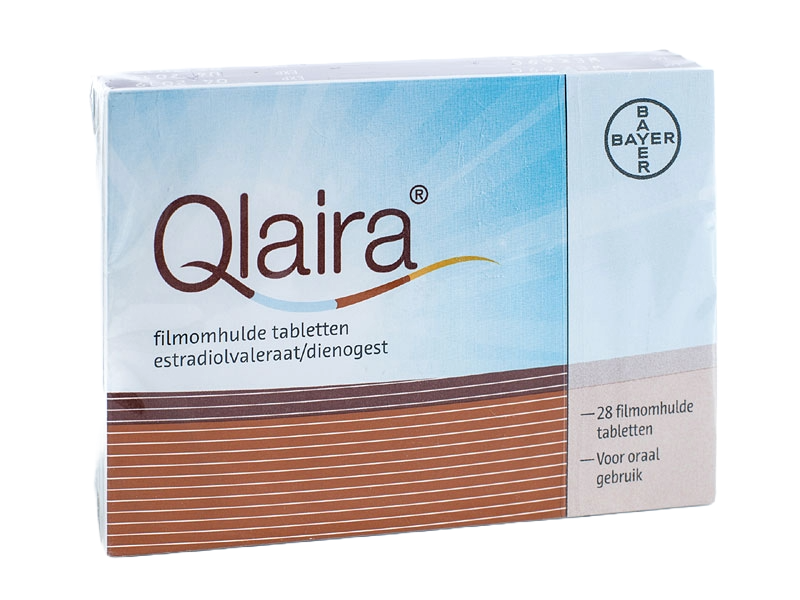
Qlaira
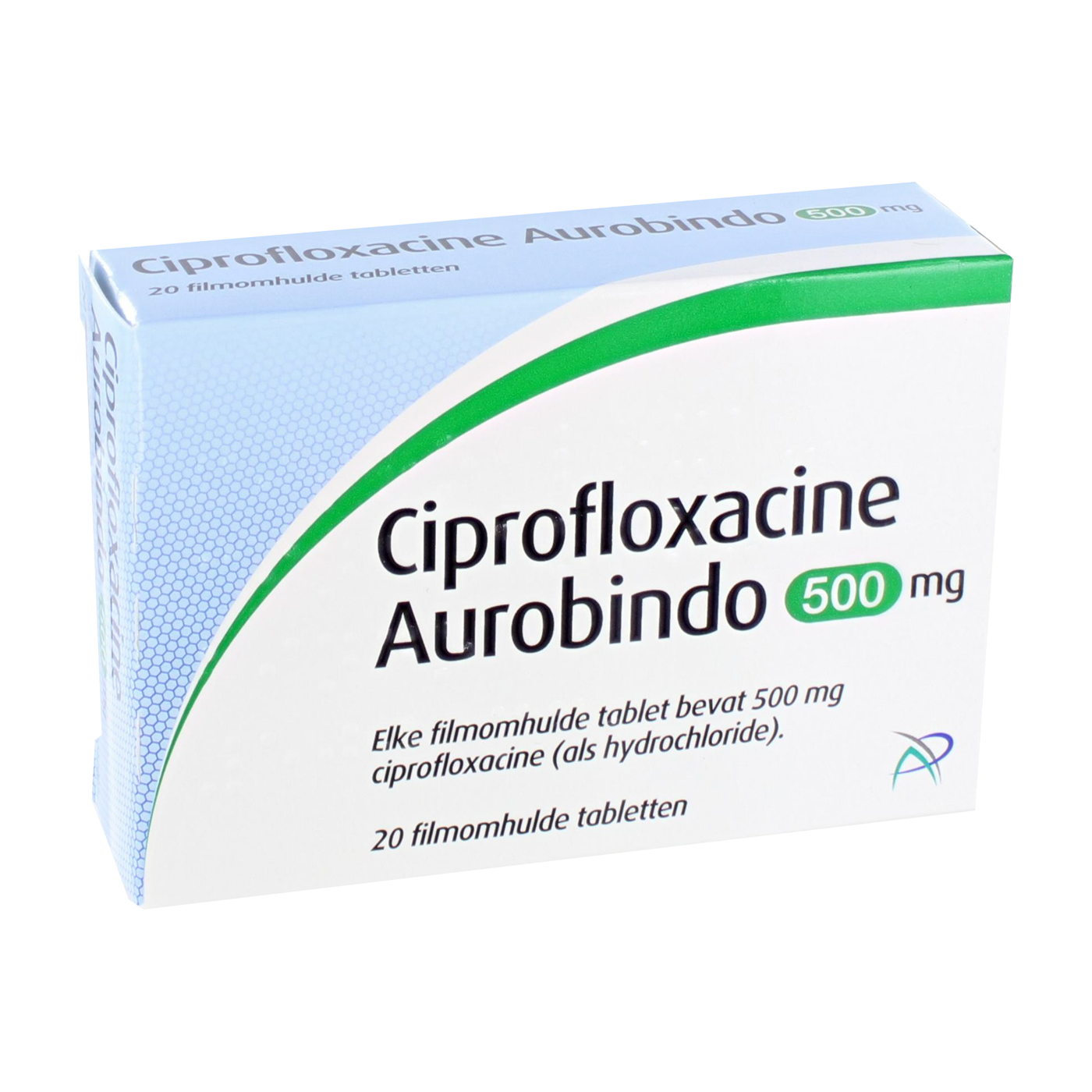
Ciprofloxacin
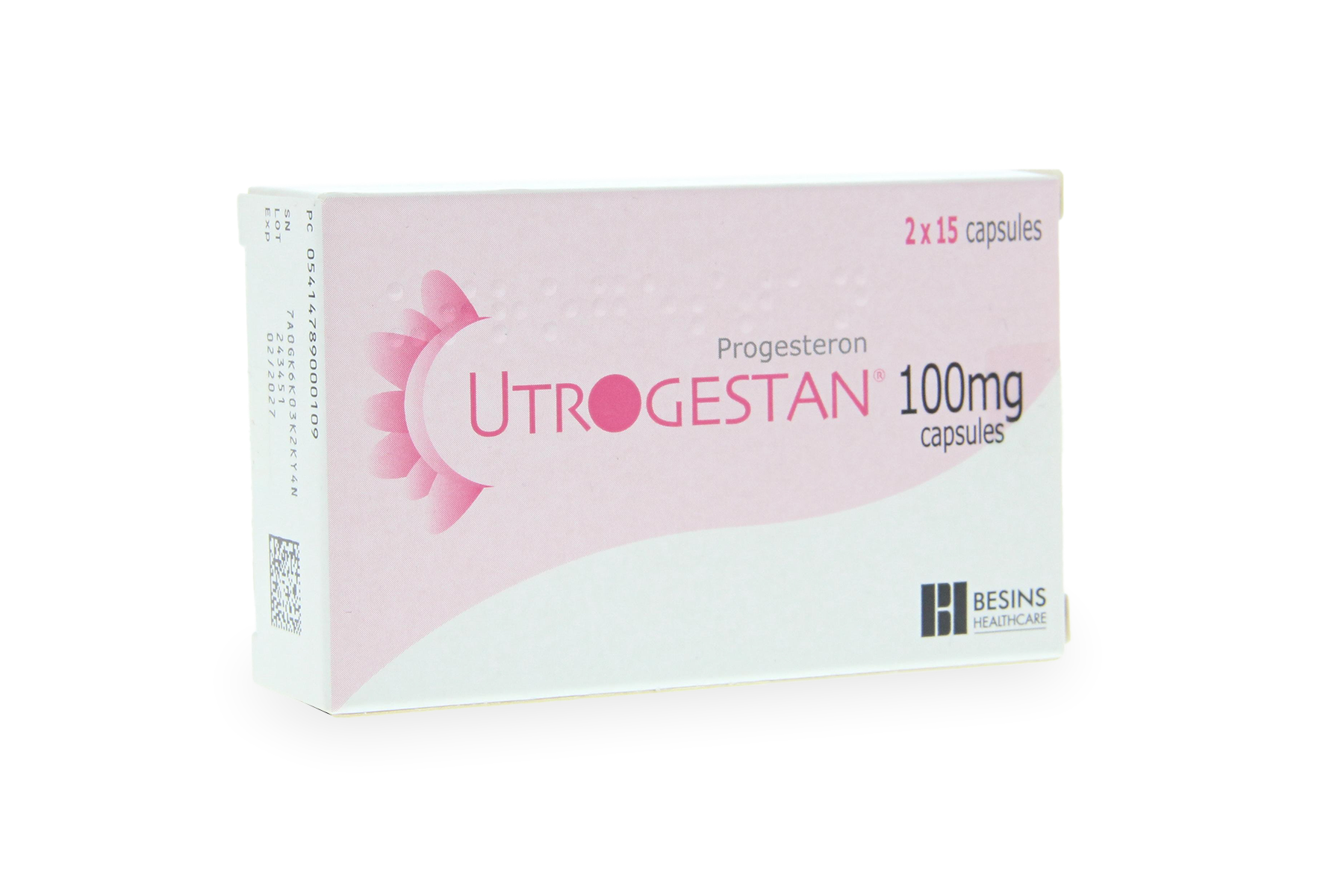
Utrogestan
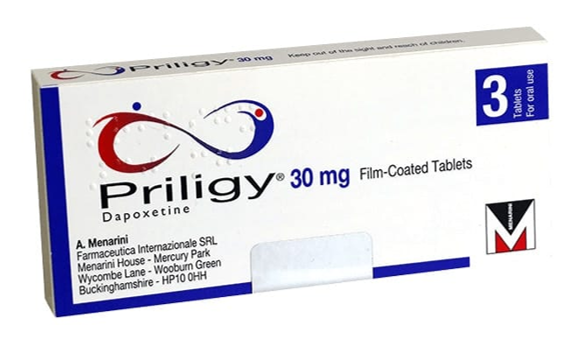
Priligy
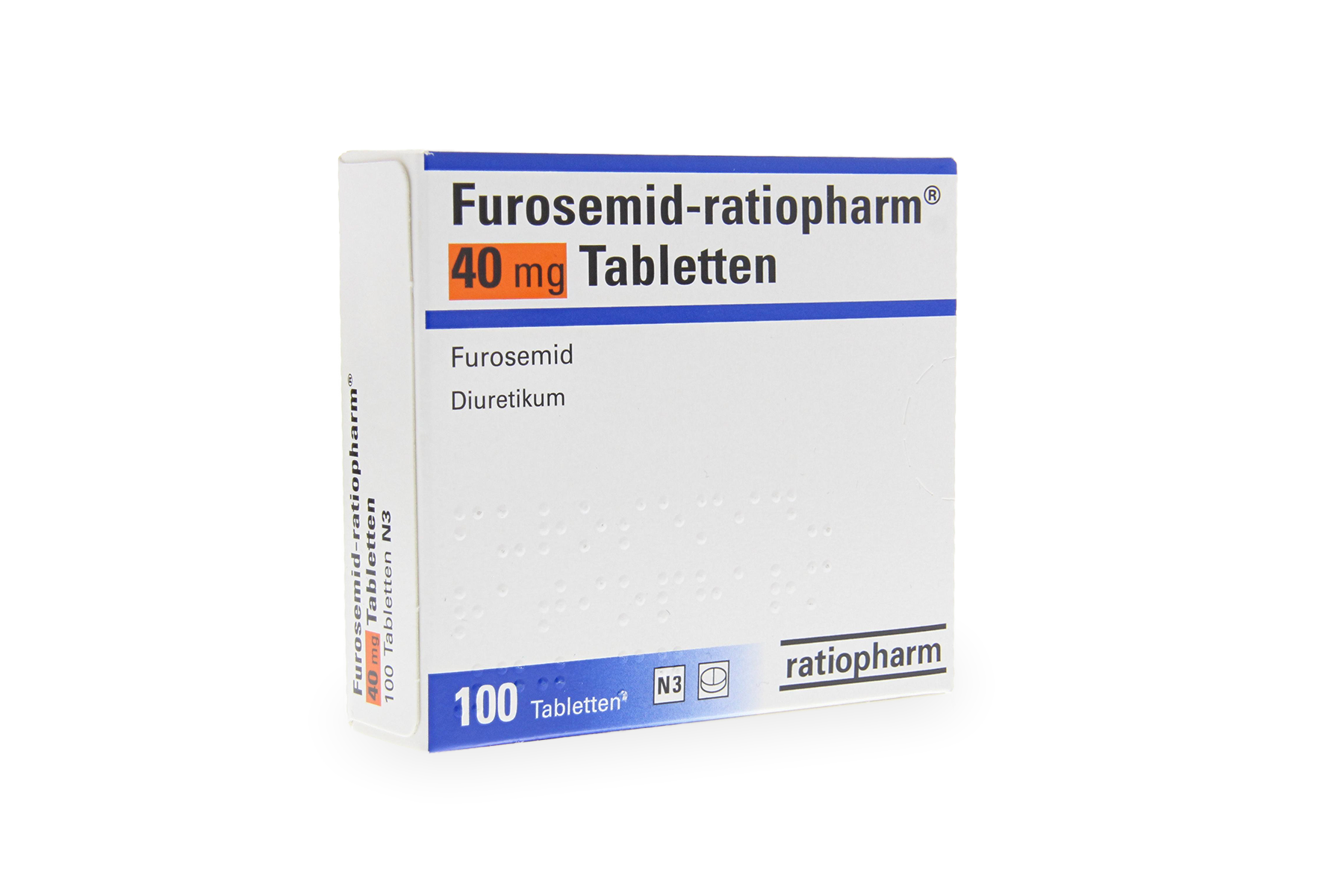
Furosemide
Omeprazole
Pantoprazole

Sildenafil
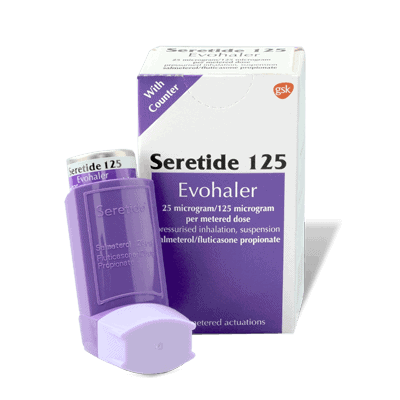
Seretide
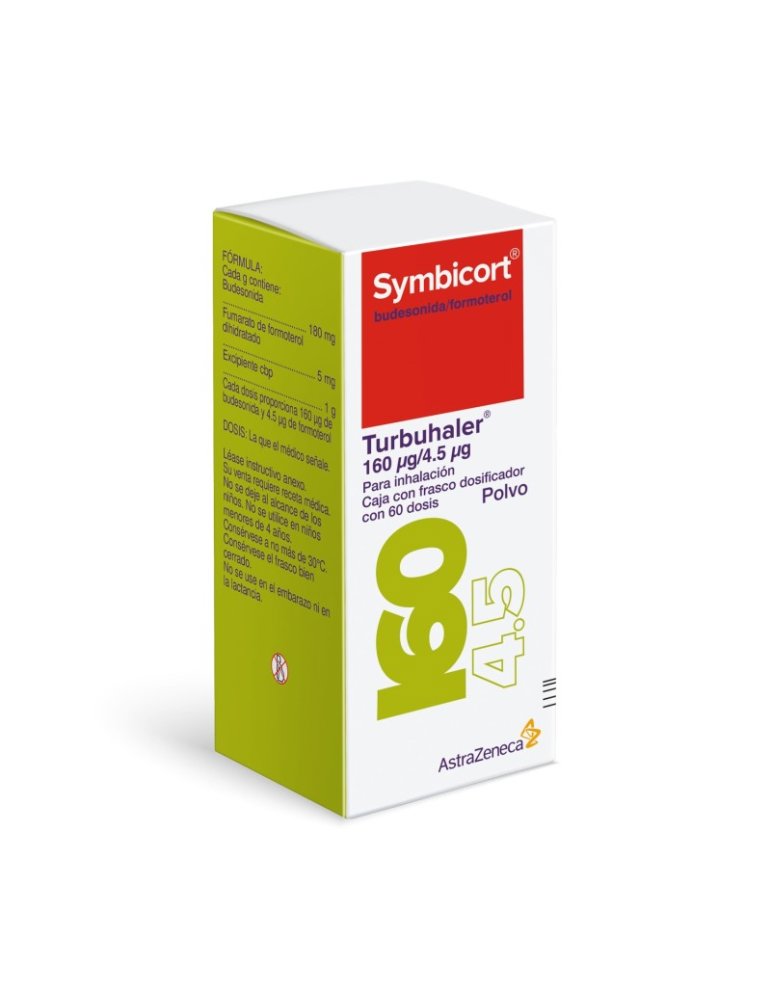
Symbicort Turbuhaler
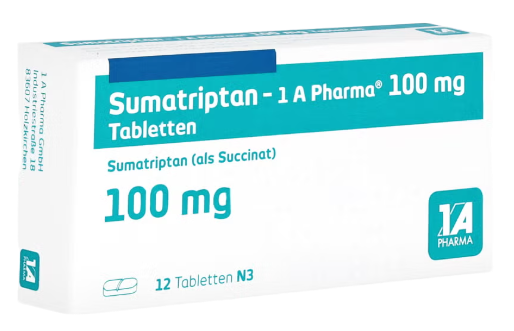
Sumatriptan
Betnovate
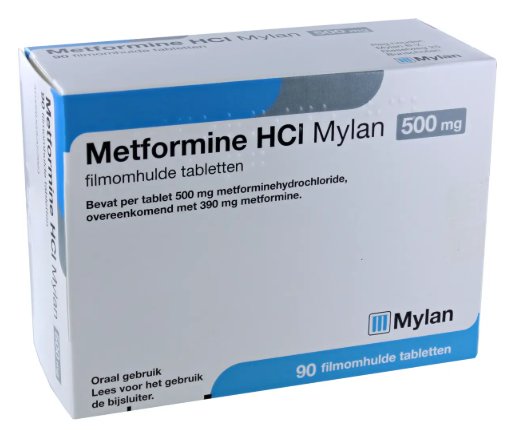
Metformin
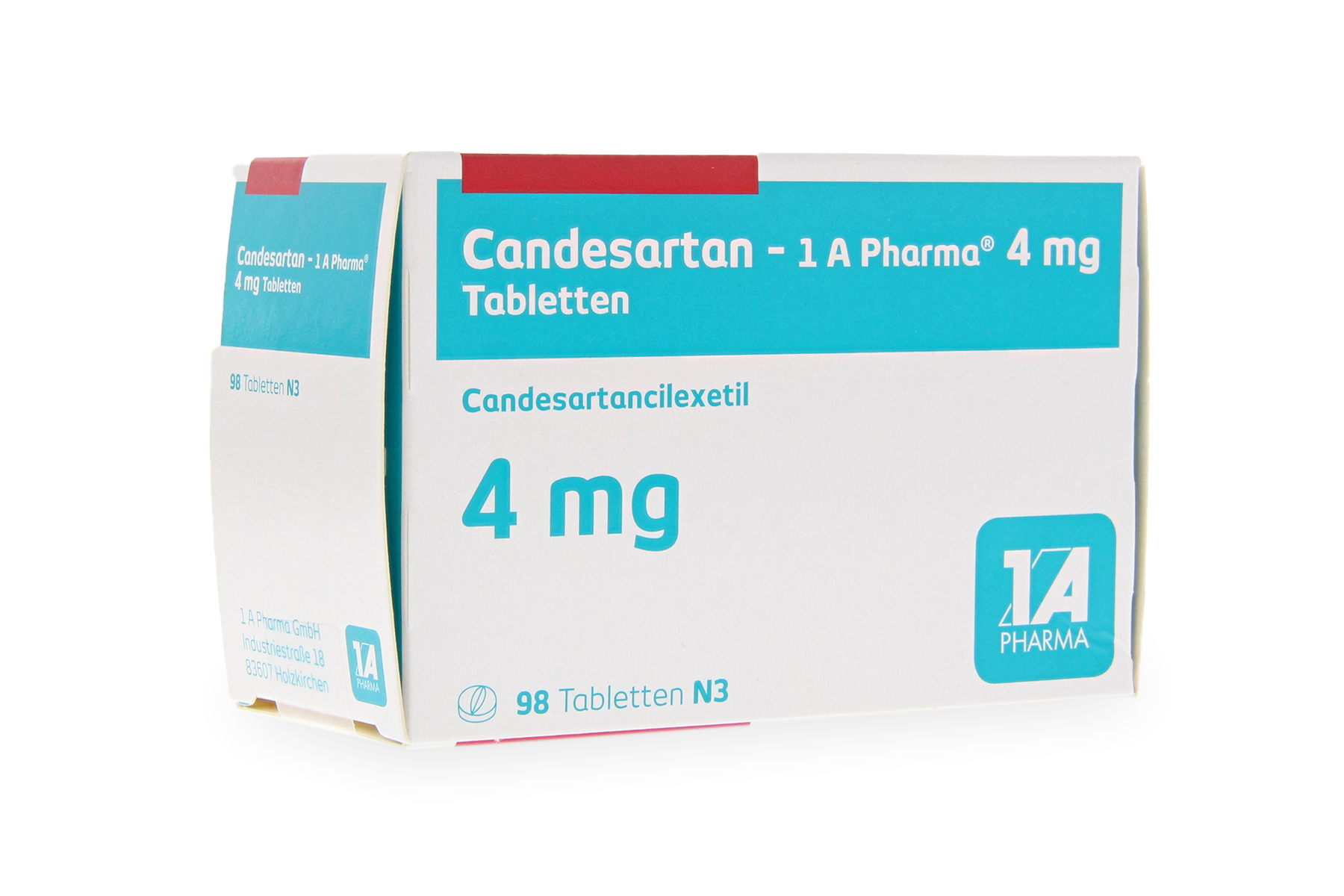
Candesartan
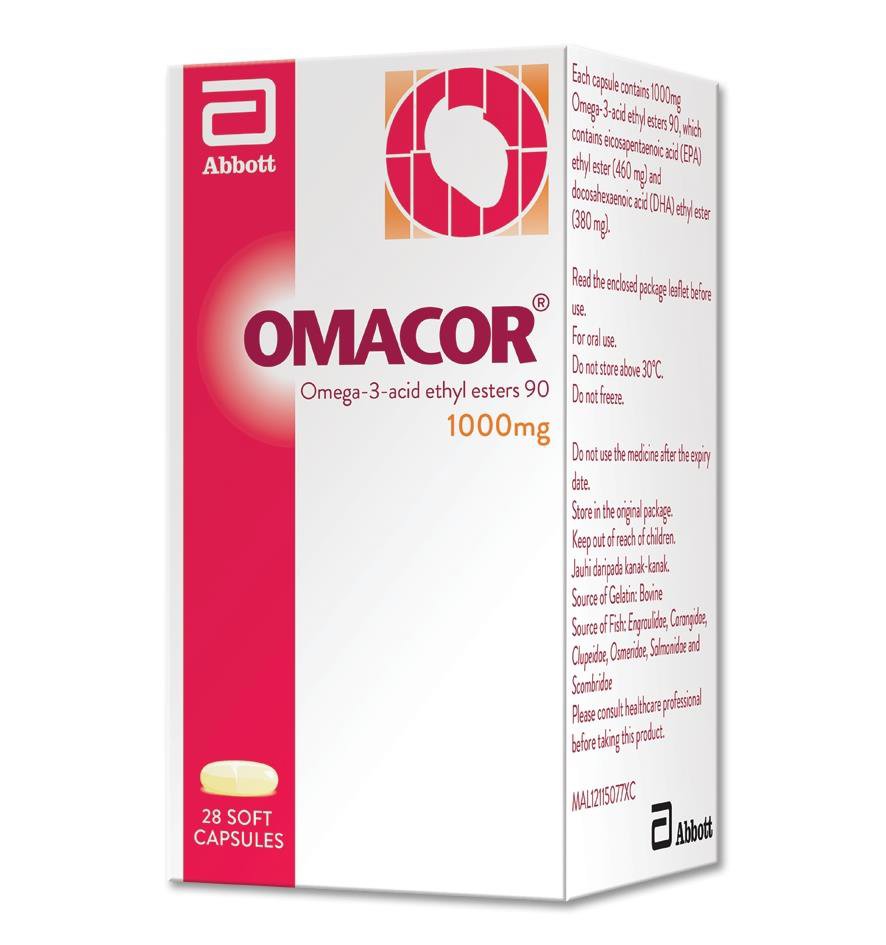
Omacor
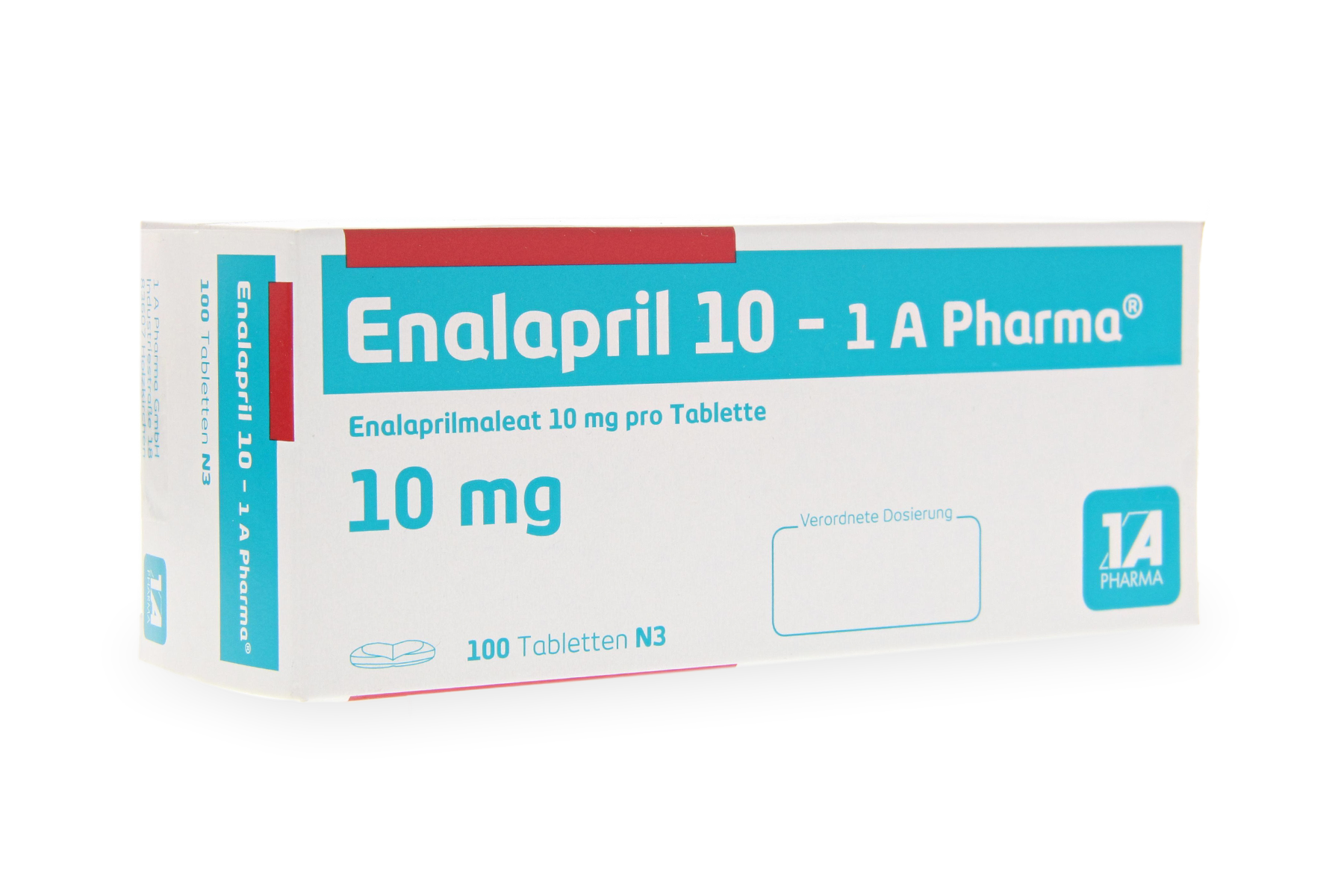
Enalapril
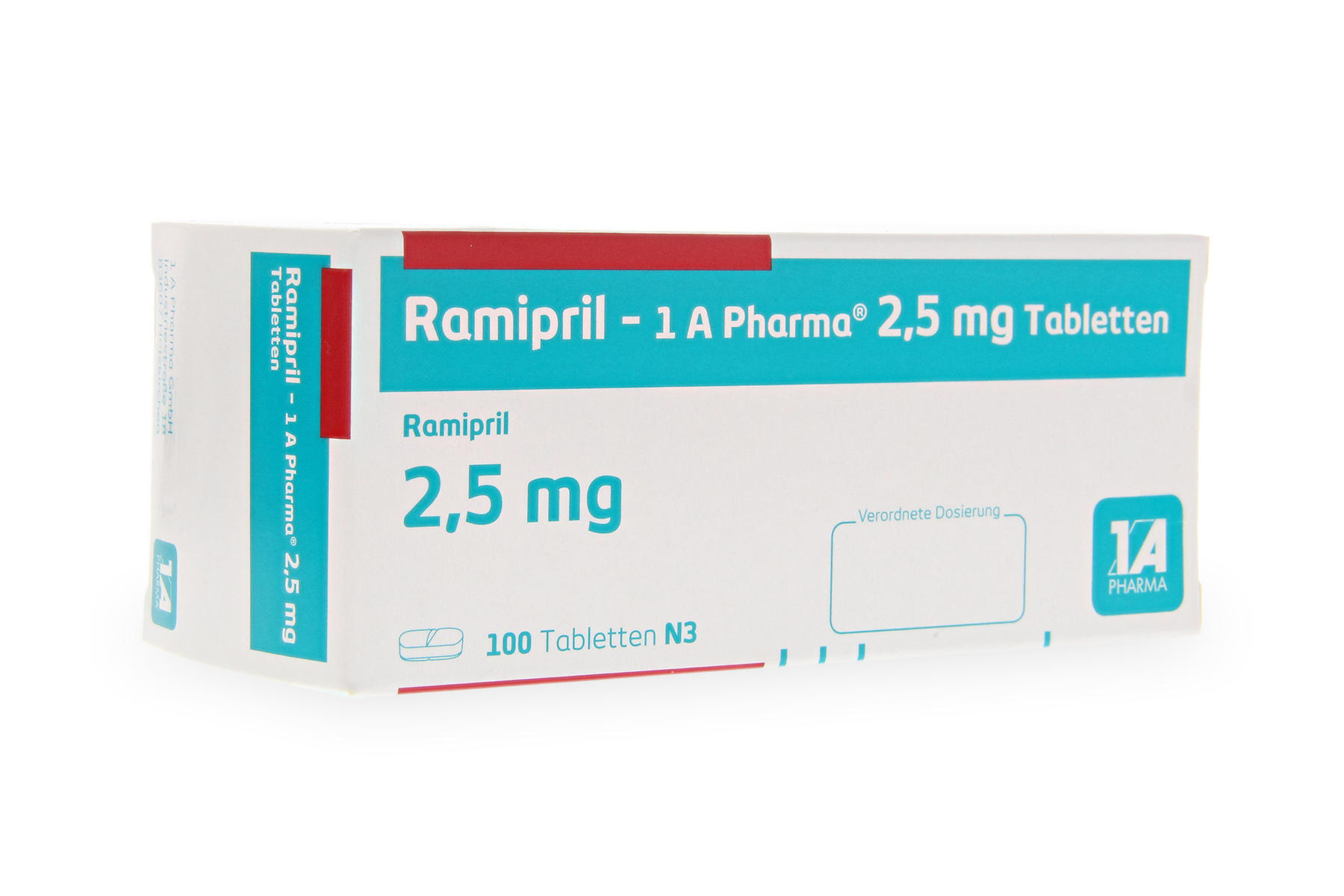
Ramipril
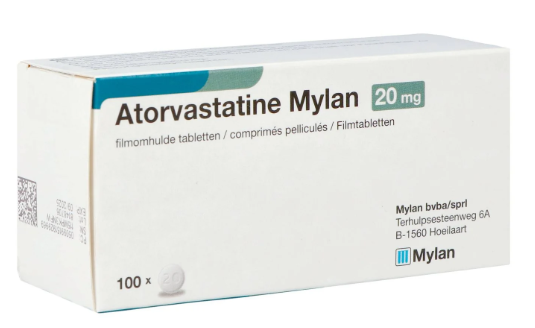
Atorvastatin
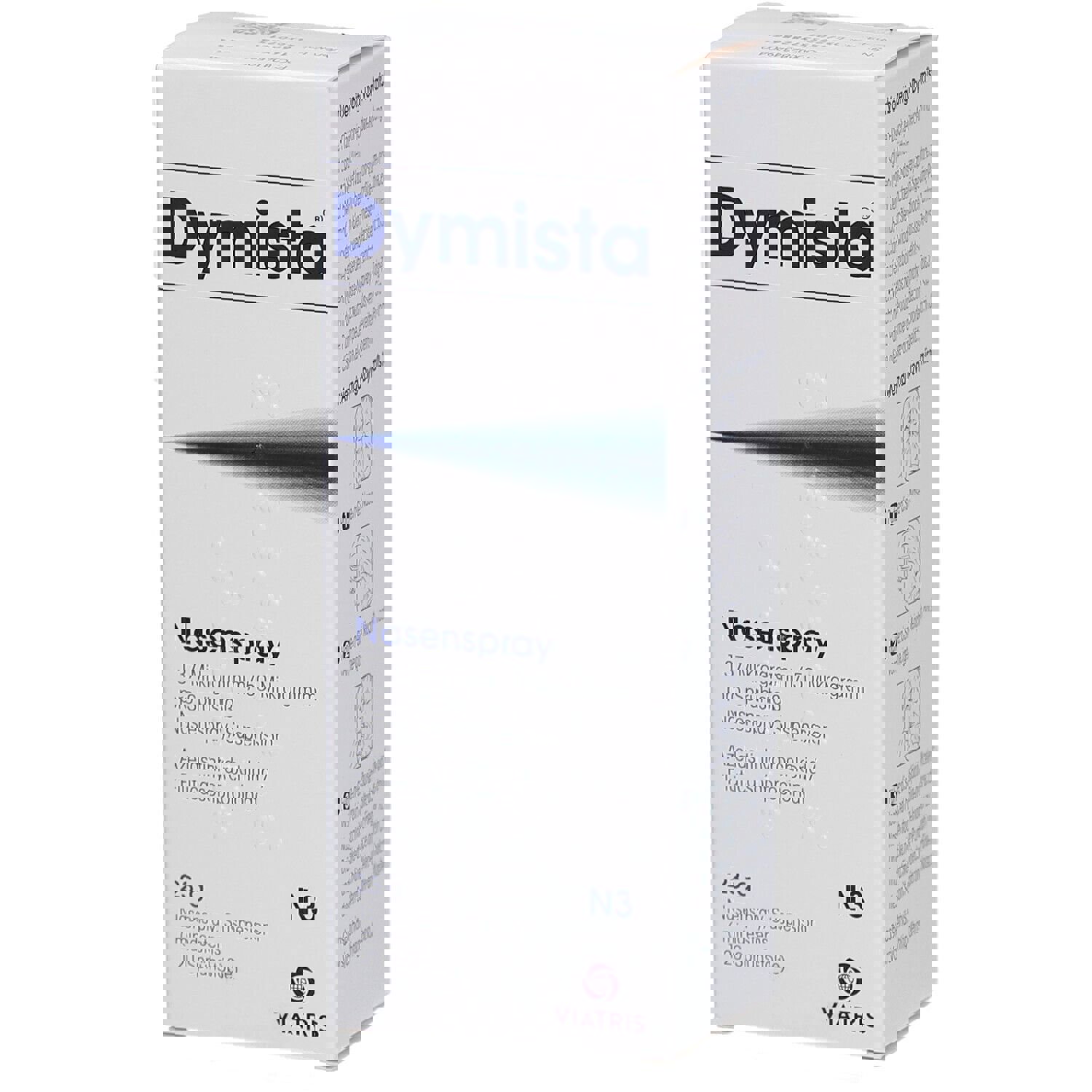
Dymista
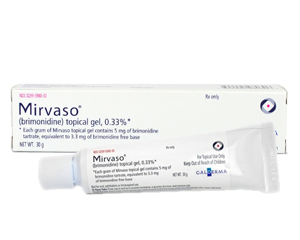
Mirvaso

Spedra
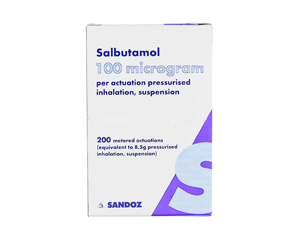
Salbutamol
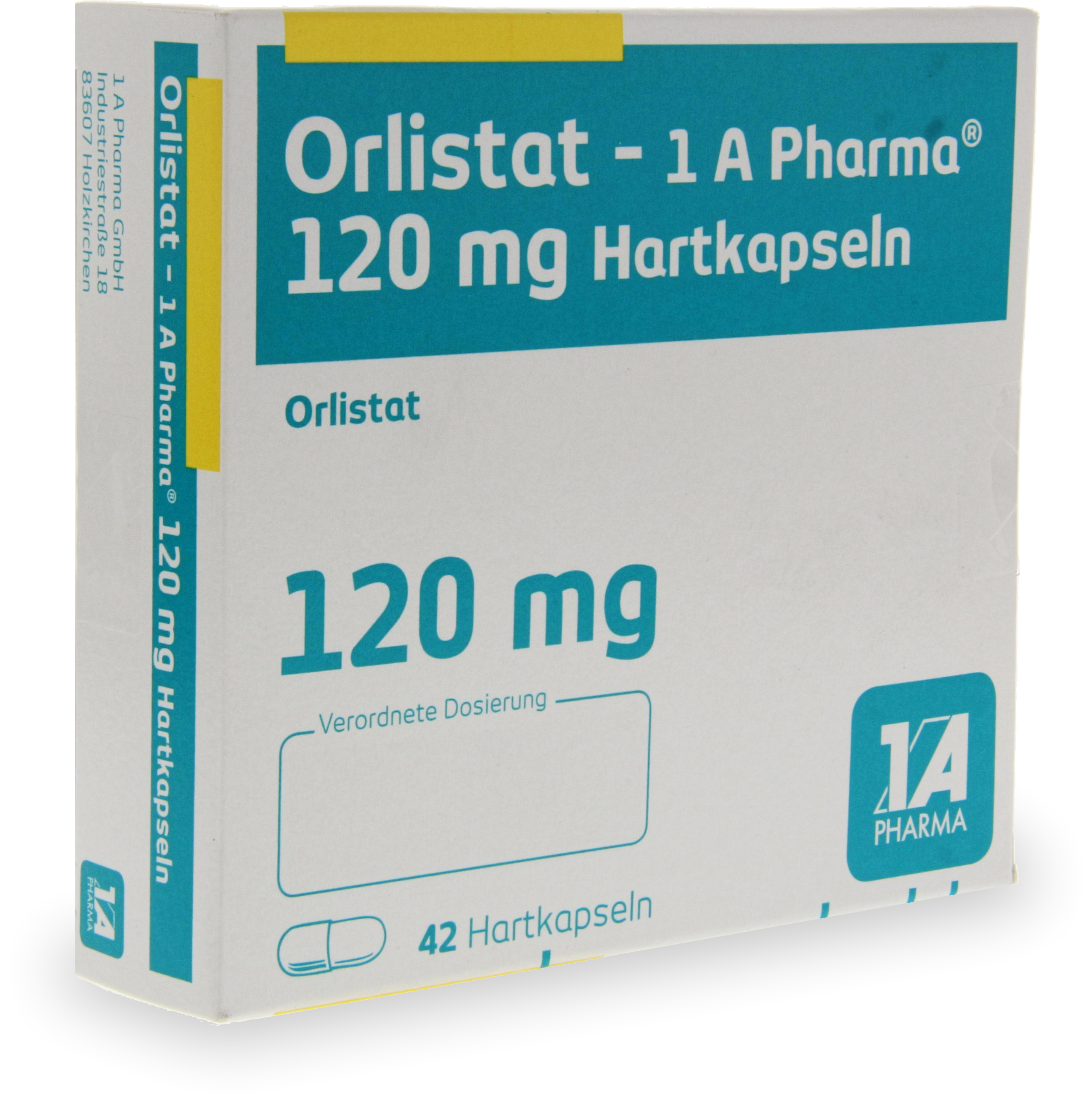
Orlistat
Vagifem
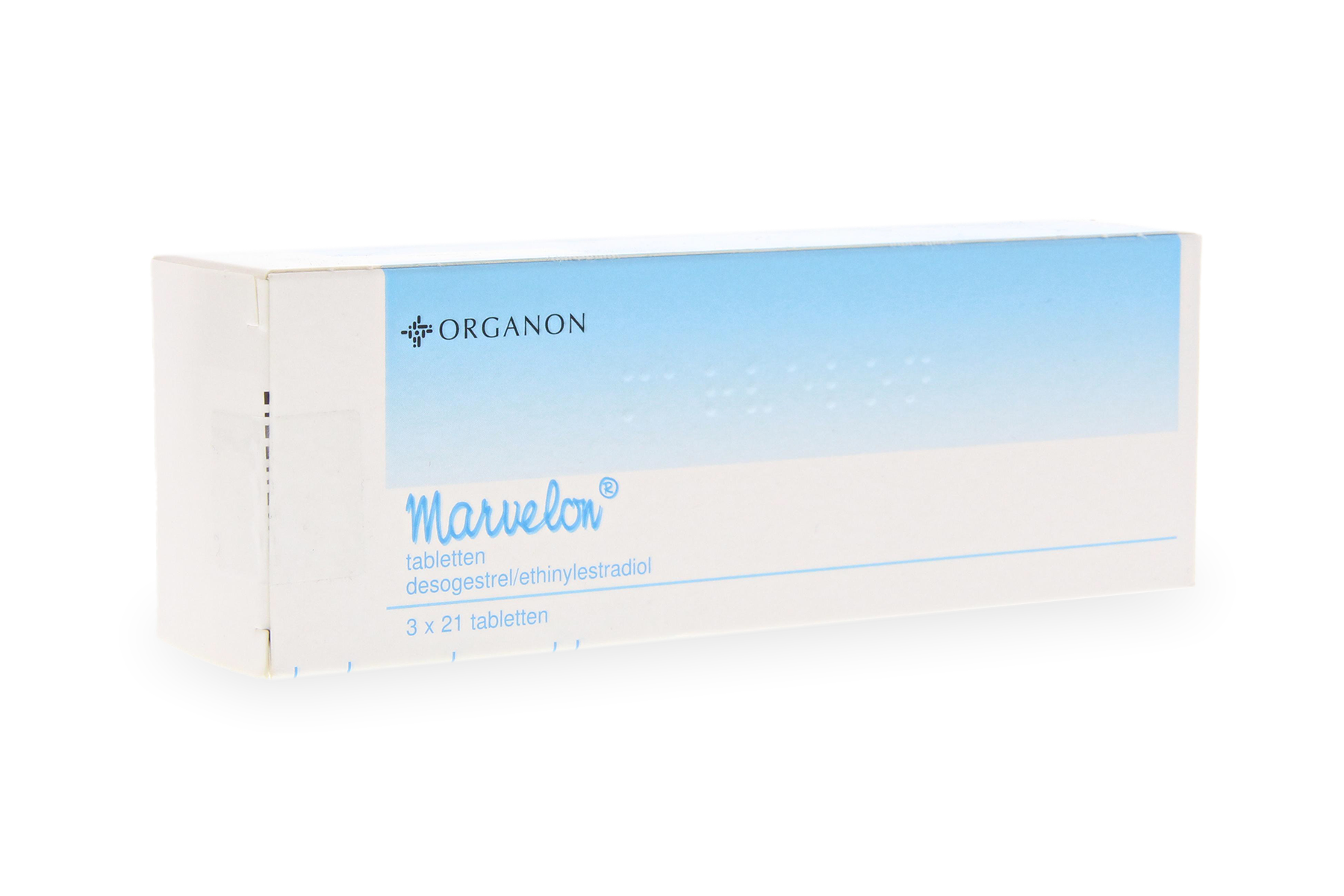
Marvelon
Desloratadine
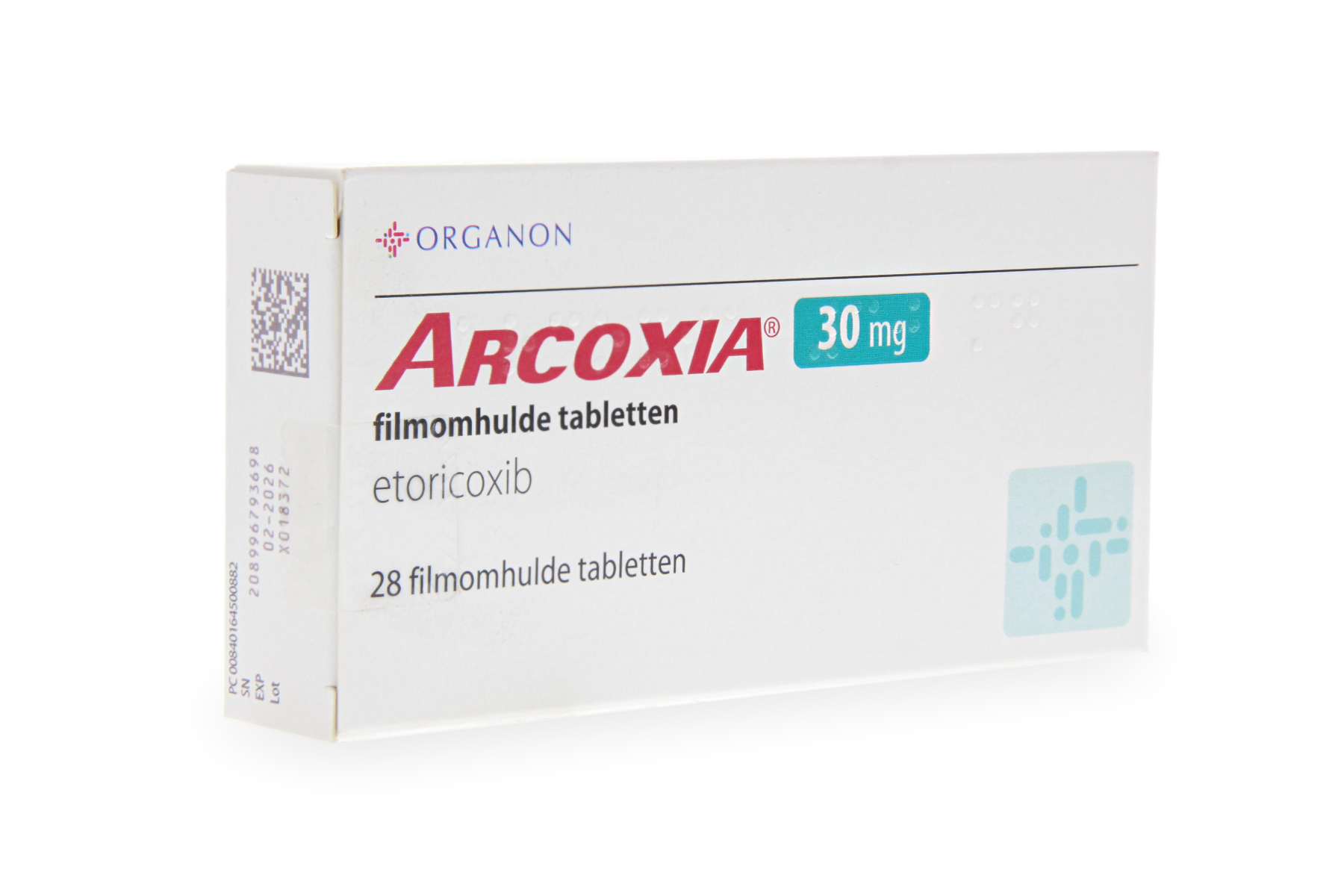
Arcoxia
Levothyroxine
Mercilon
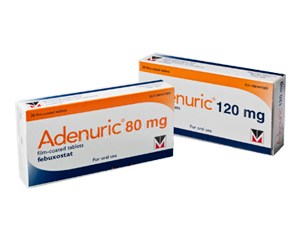
Adenuric

Metoclopramide
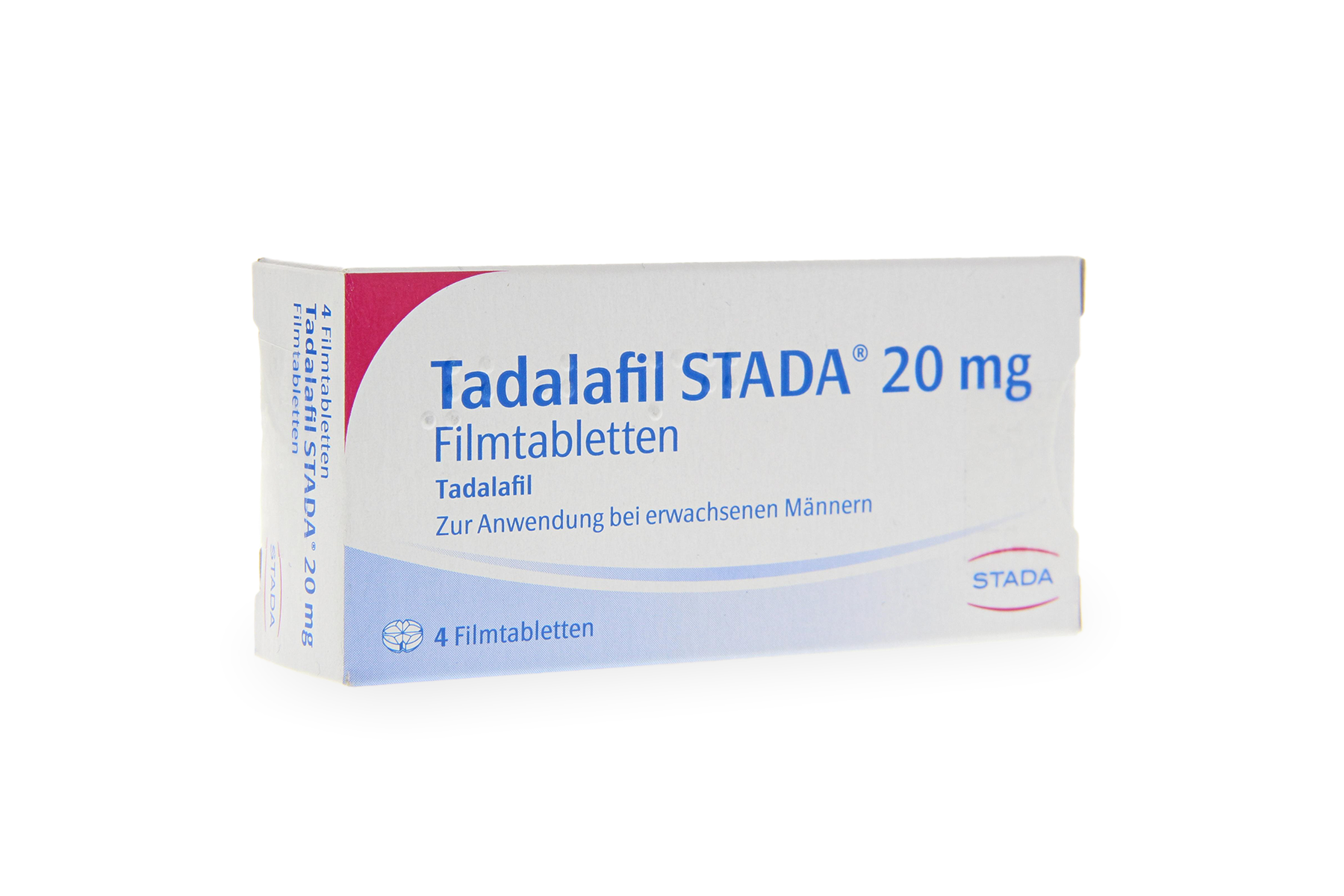
Tadalafil
Valsartan
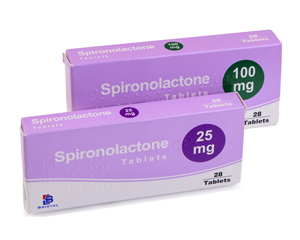
Spironolactone
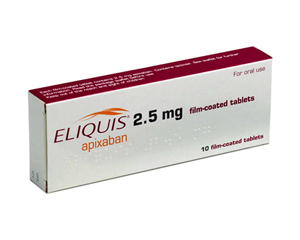
Eliquis
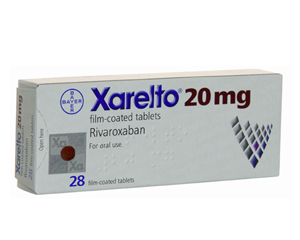
Xarelto

Vardenafil
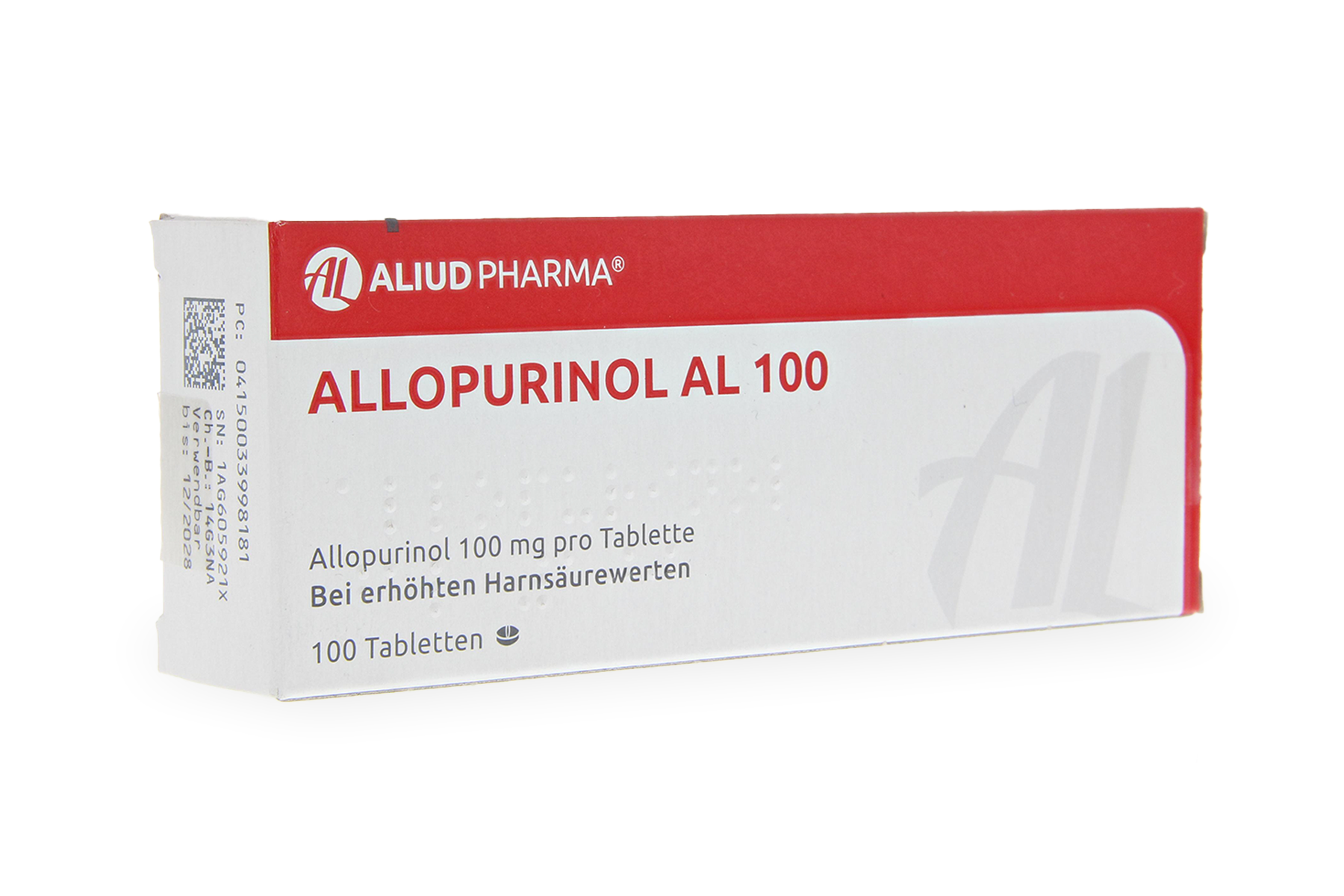
Allopurinol
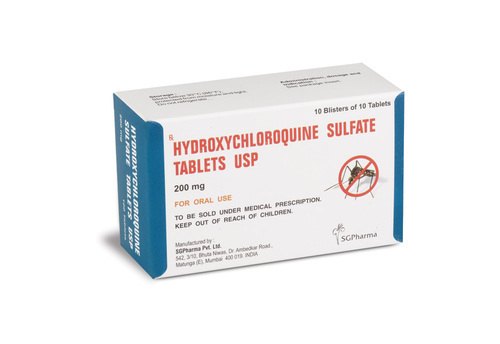
Hydroxychloroquine
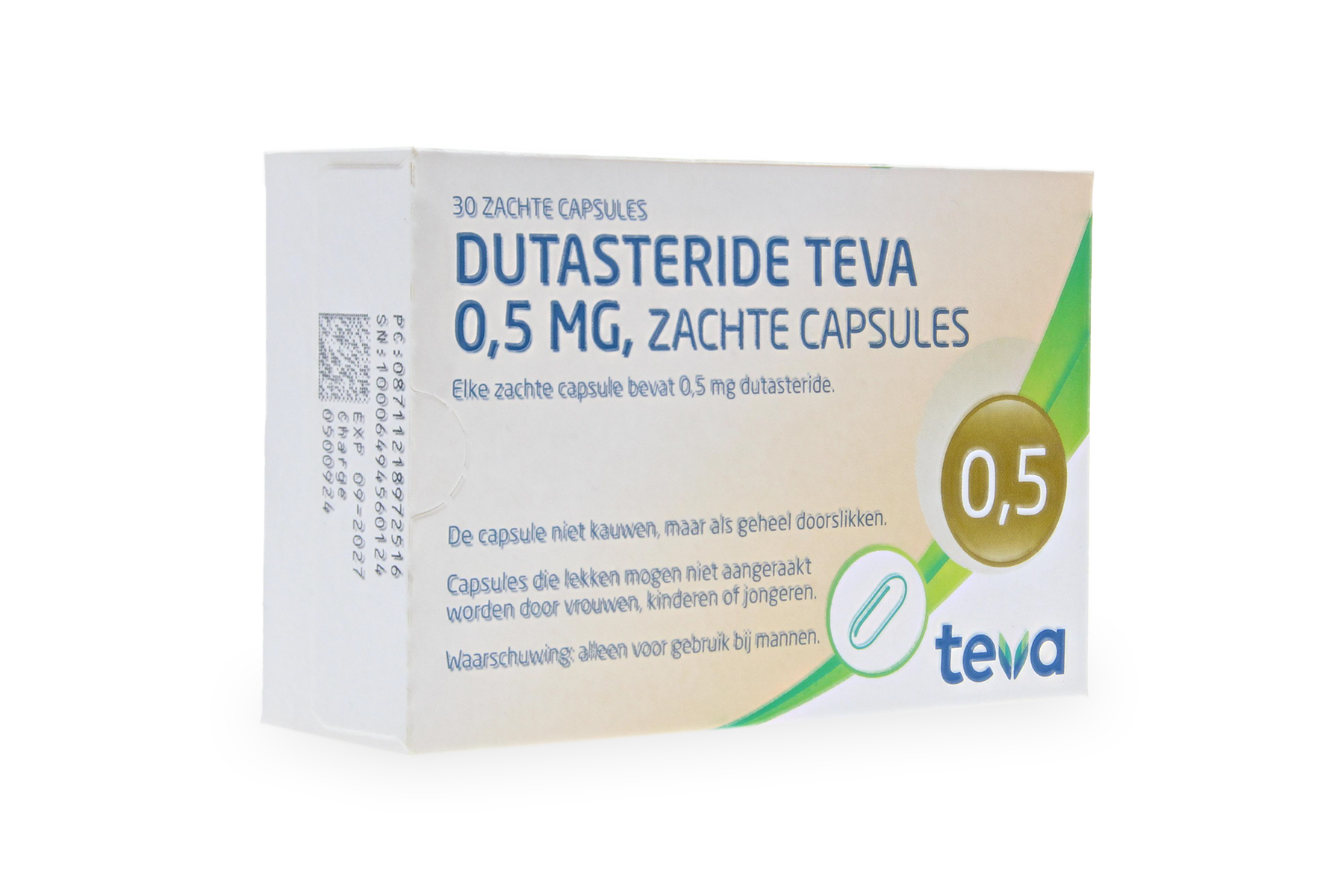
Dutasteride
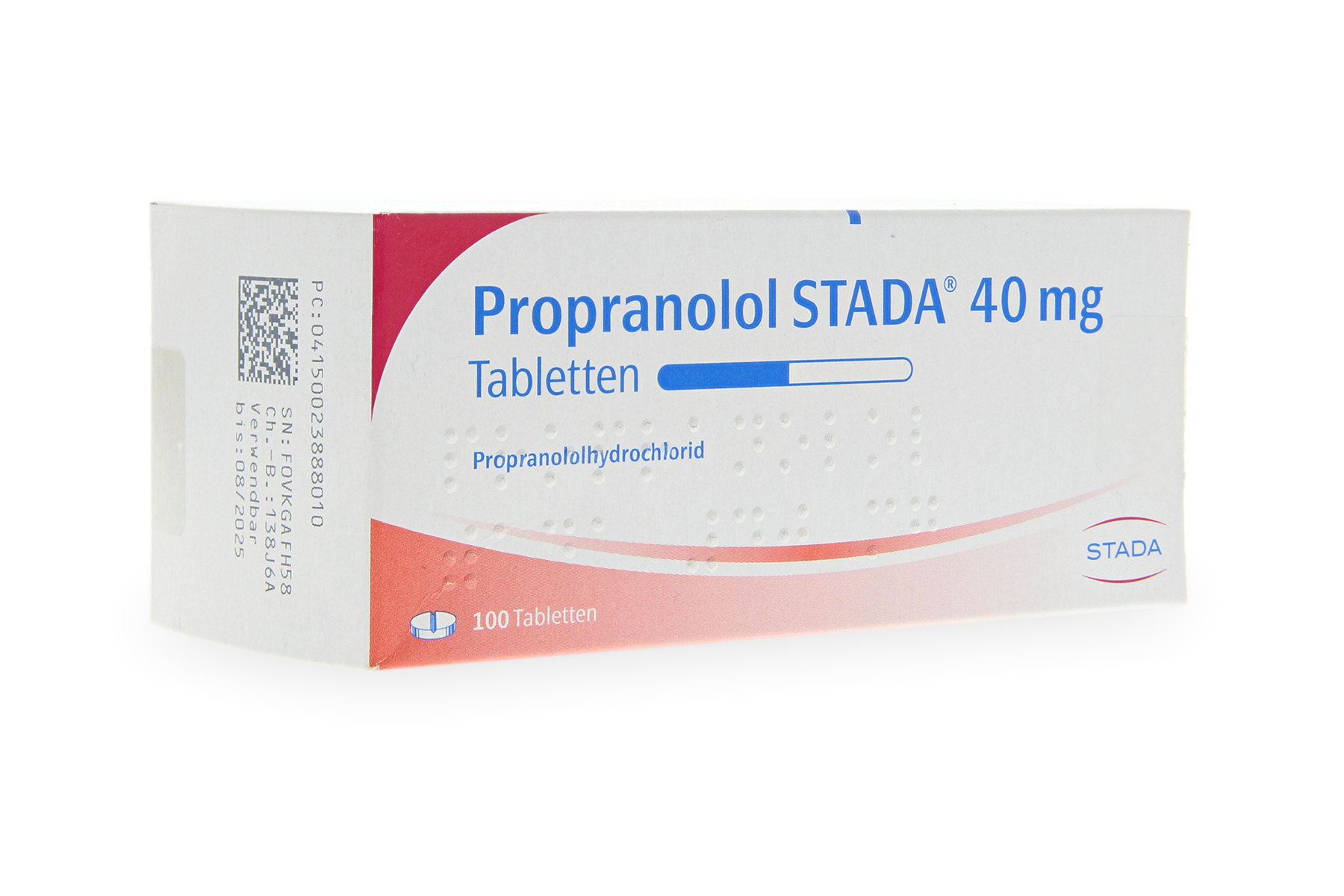
Propranolol

Wegovy
Circadin
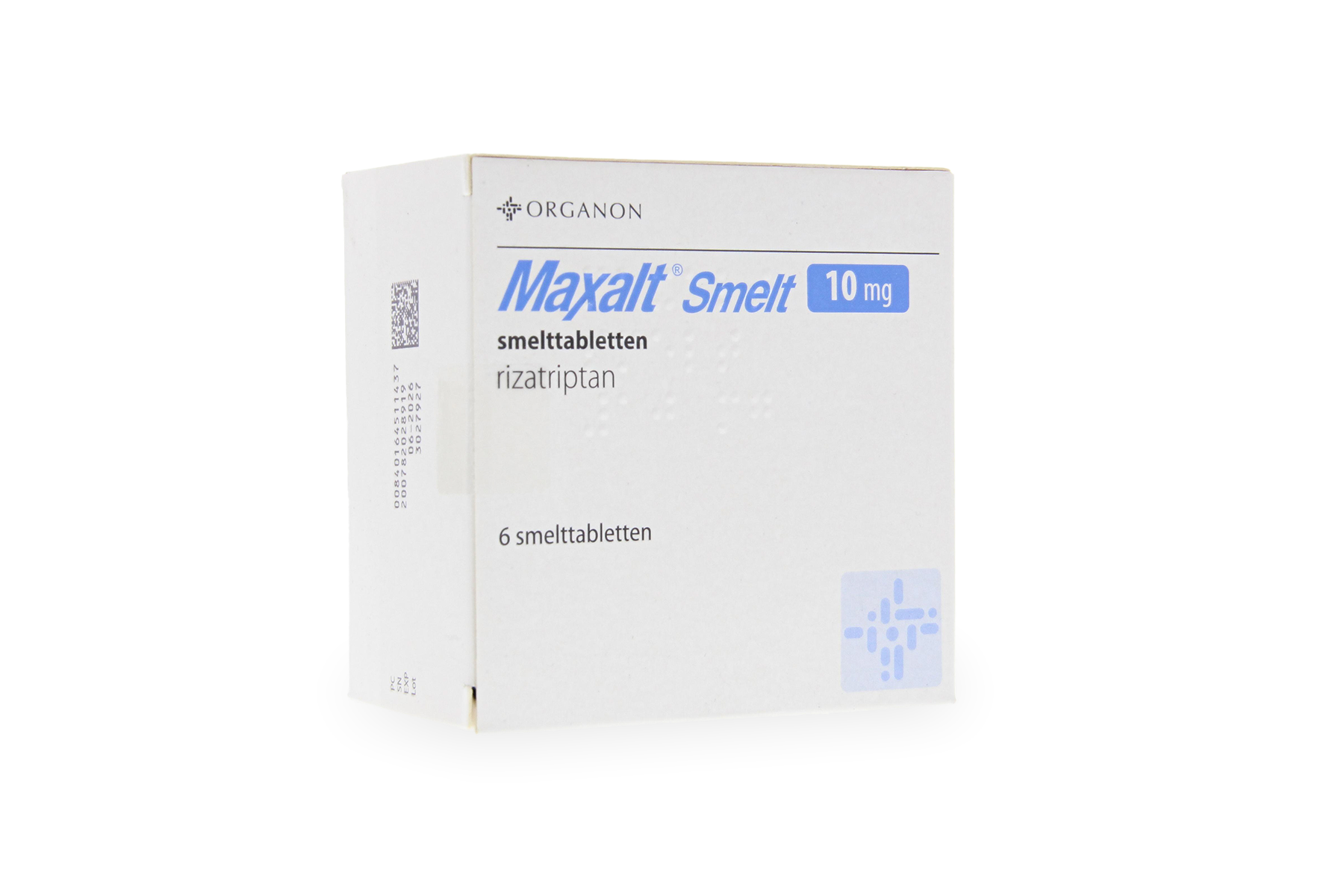
Maxalt
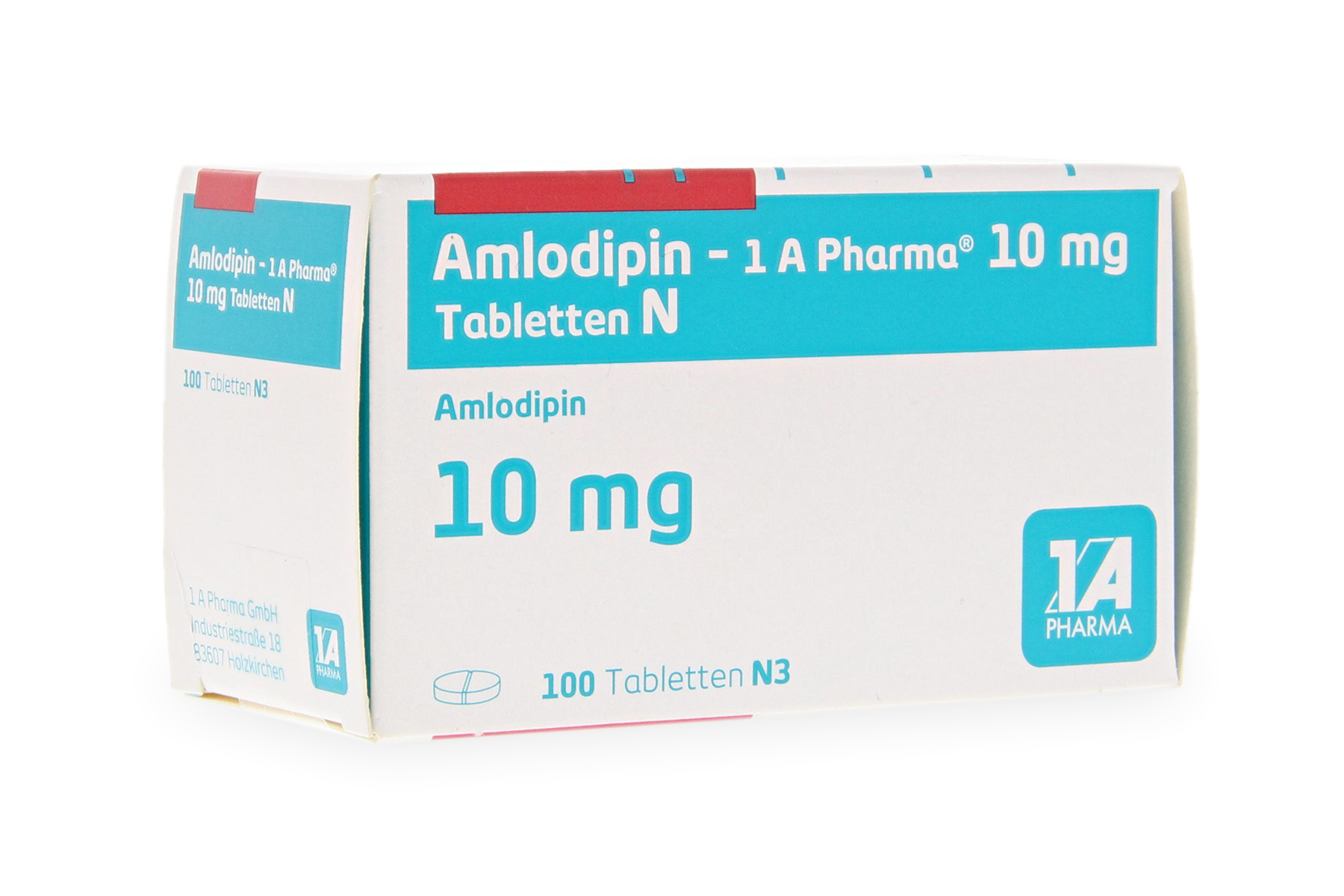
Amlodipine
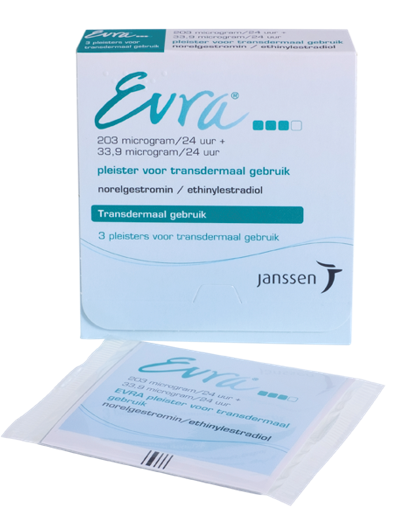
Evra Patches

Mounjaro

Dermovate
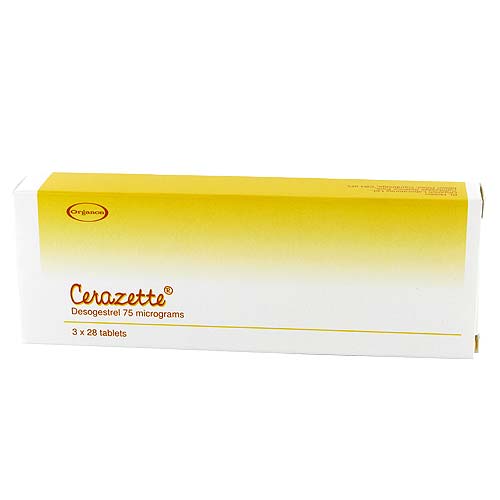
Cerazette

Viagra

Melatonin
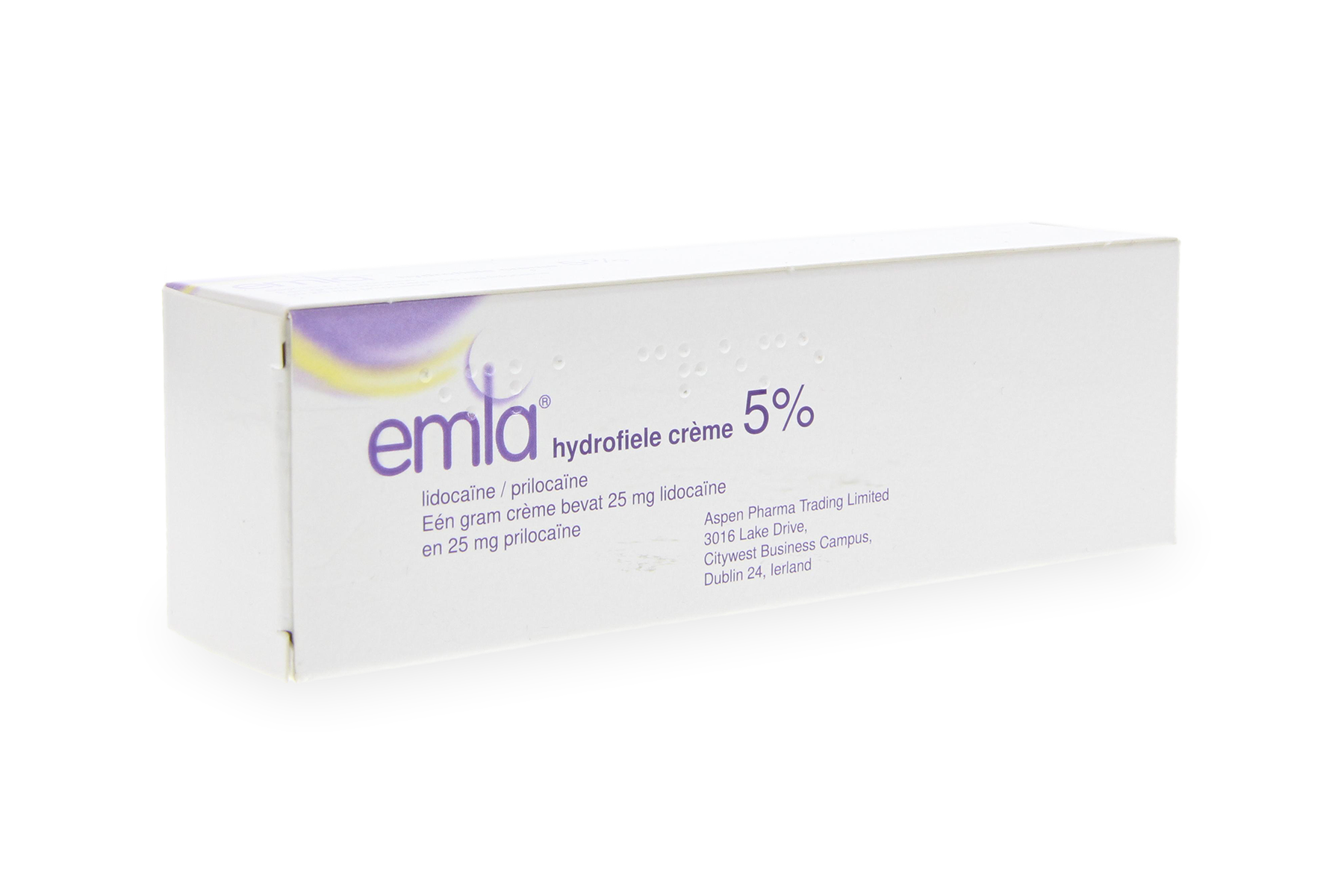
Emla Cream
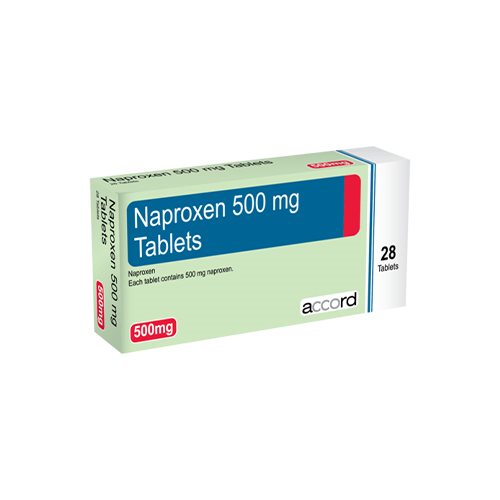
Naproxen
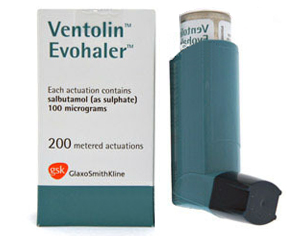
Ventolin

Bricanyl Turbohaler
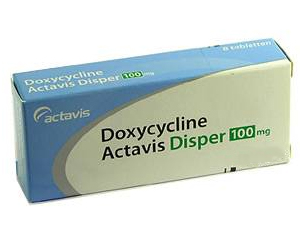
Doxycycline (Malaria)
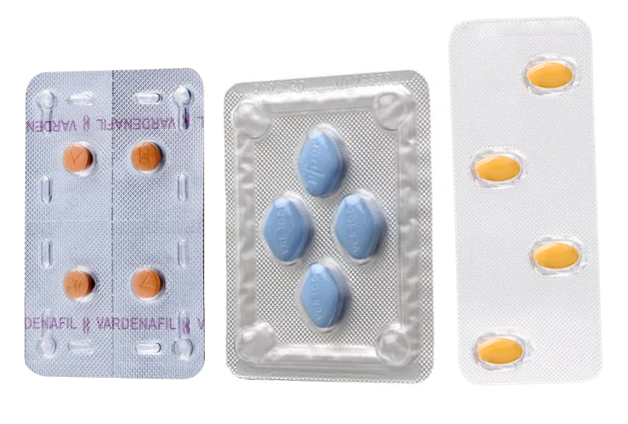
Impotence Trial Pack

Microgynon 30
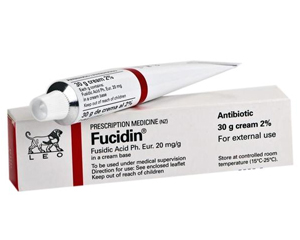
Fucidin
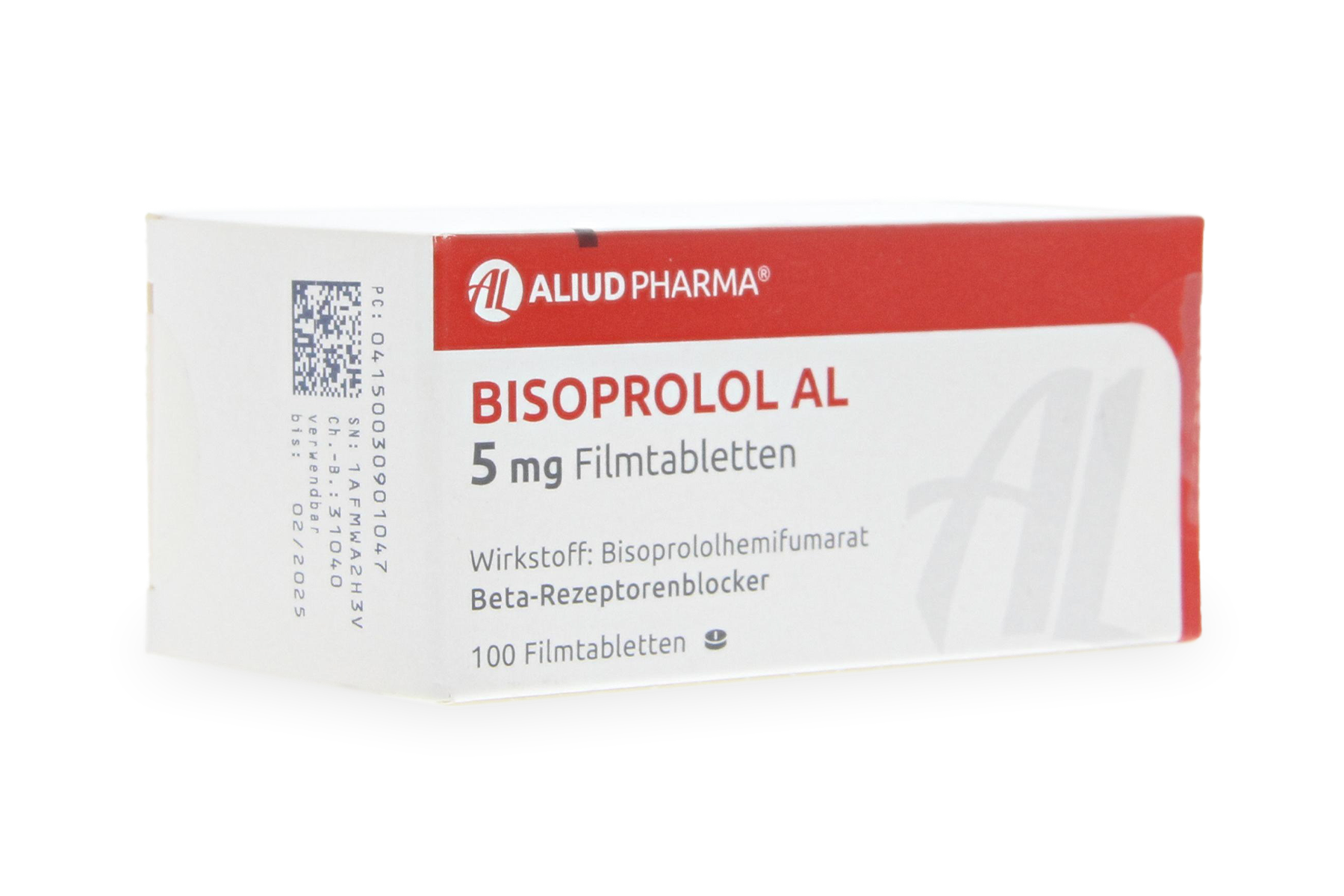
Bisoprolol
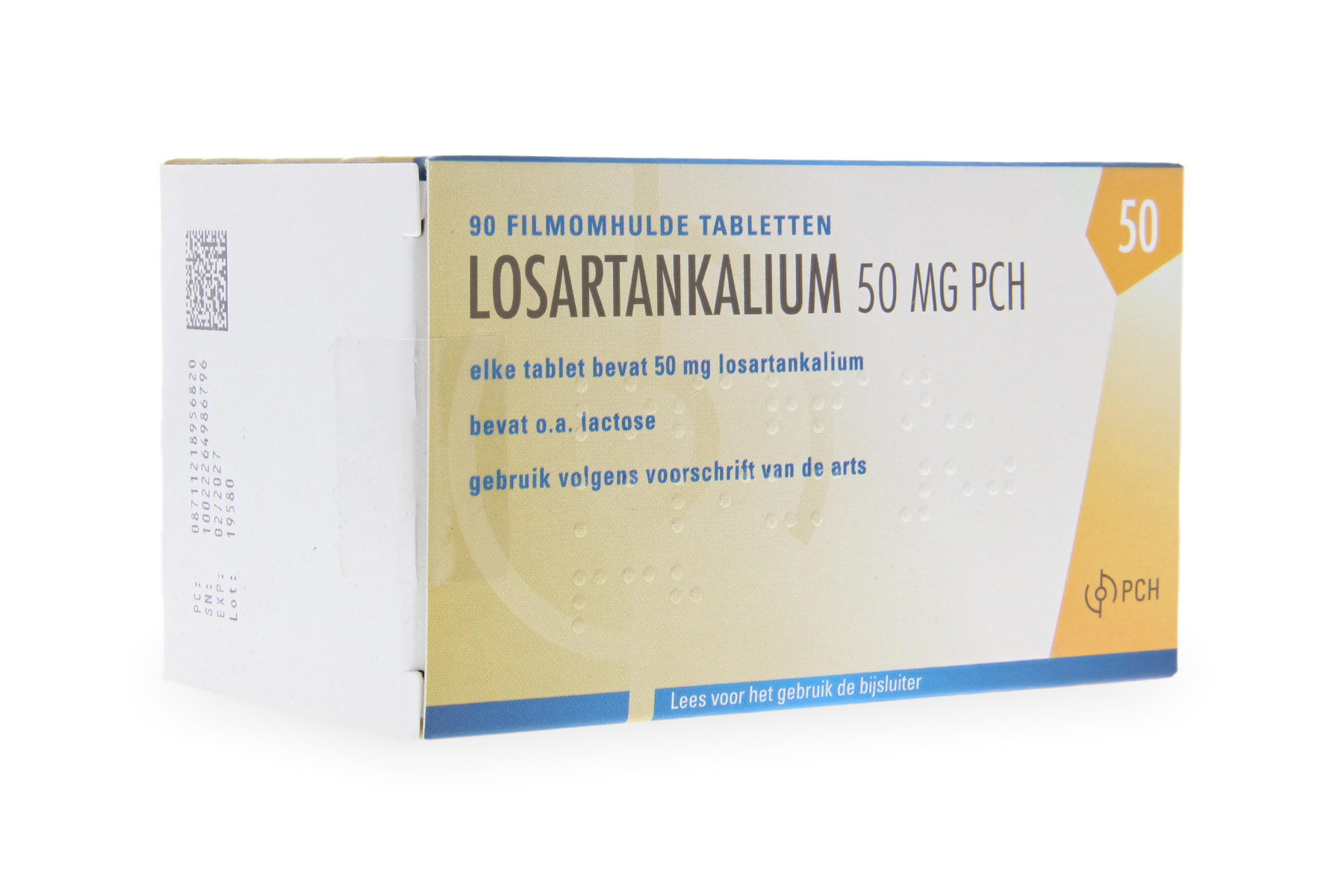
Losartan
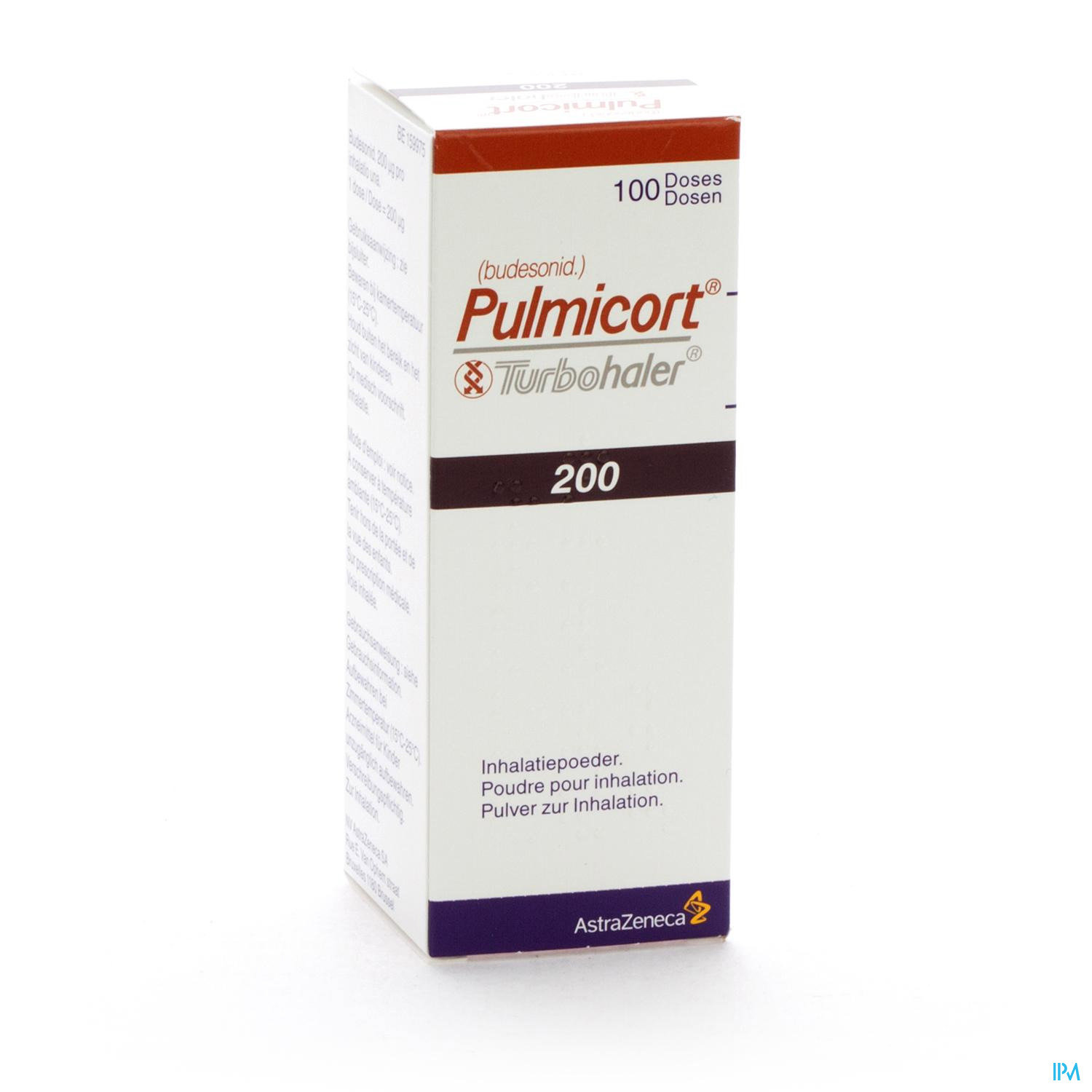
Pulmicort Turbohaler
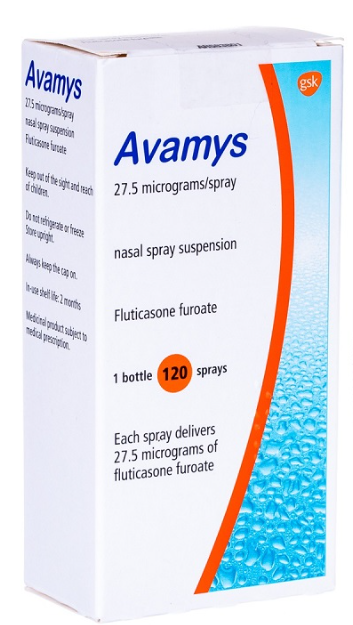
Avamys
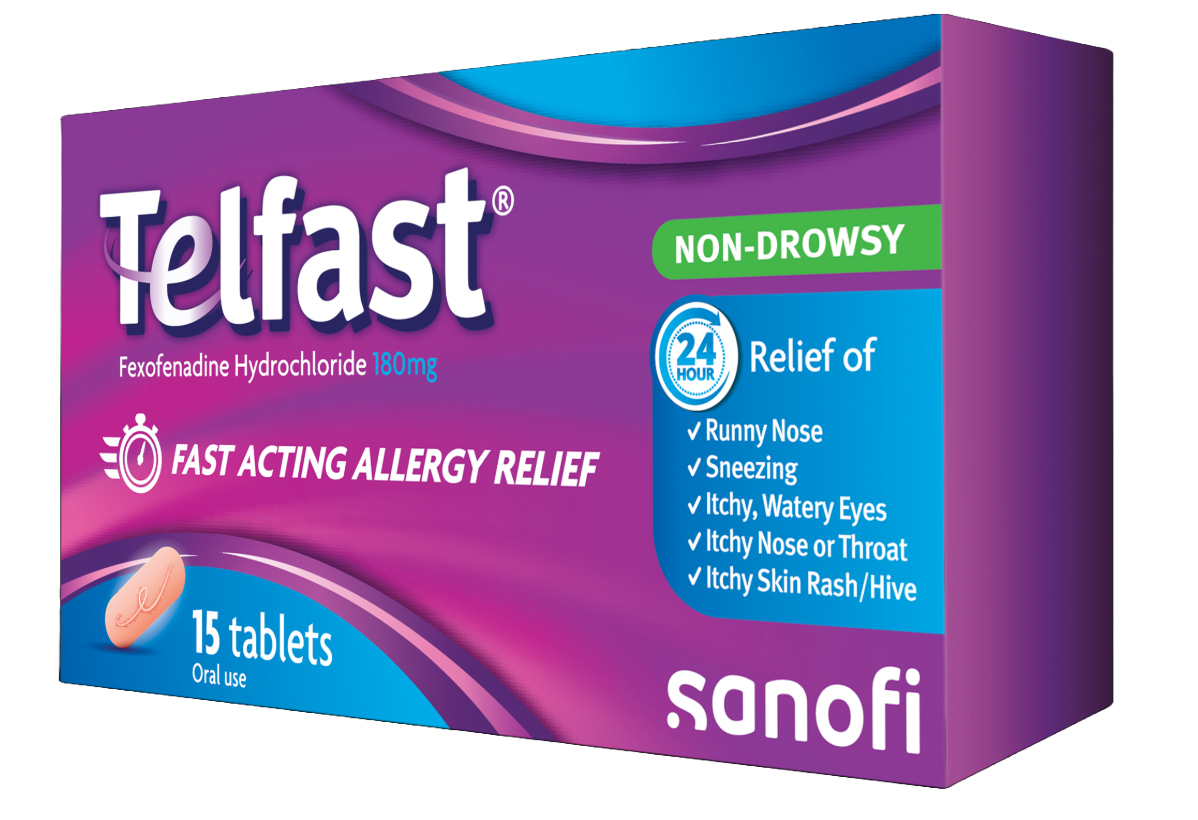
Telfast
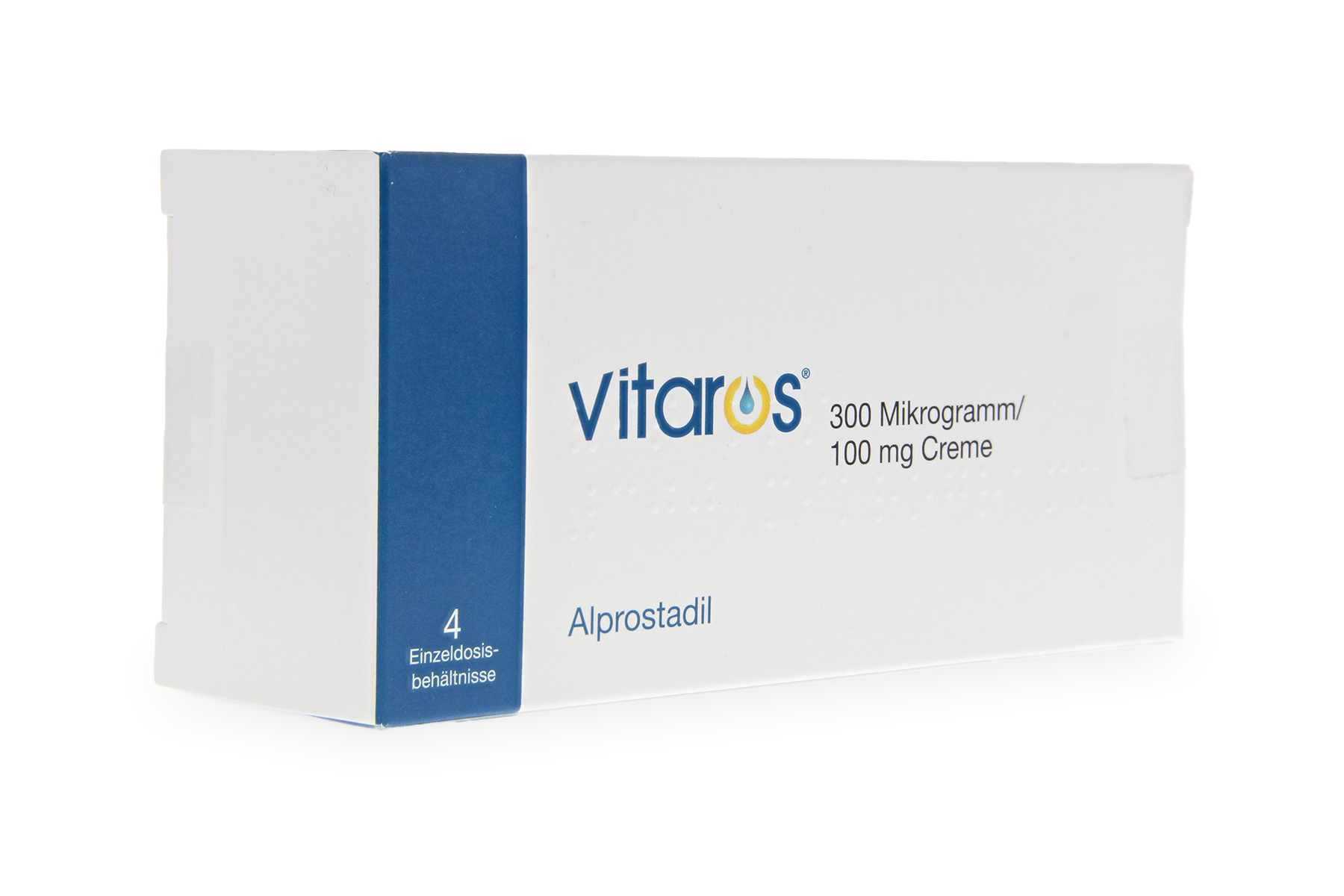
Vitaros

Zyloric
Kliovance
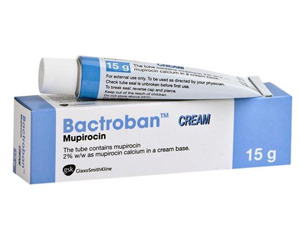
Bactroban
Elocon
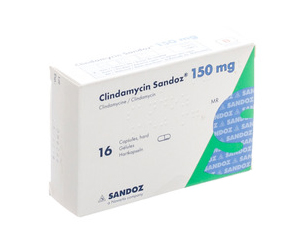
Clindamycin
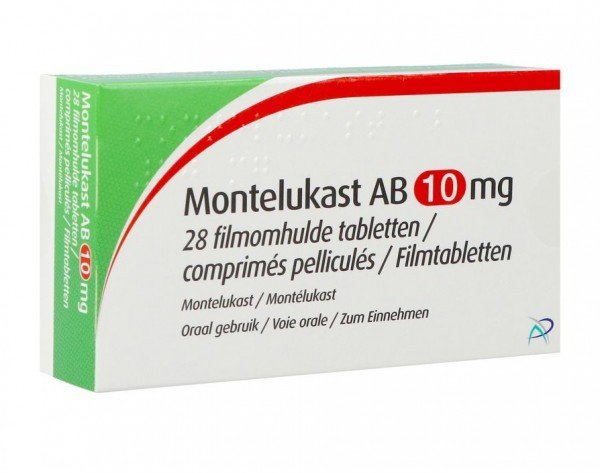
Montelukast
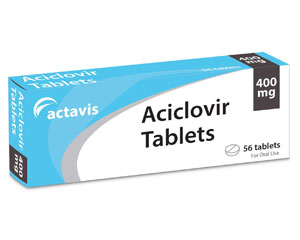
Aciclovir
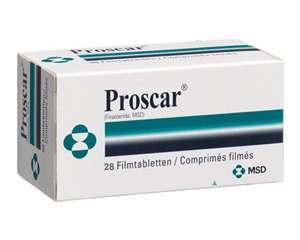
Proscar

Differin
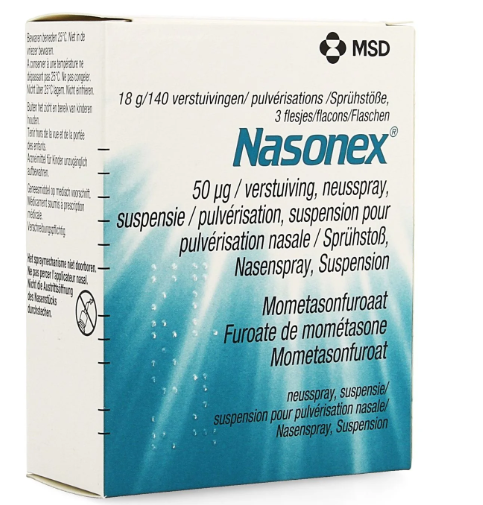
Nasonex Nasal Spray
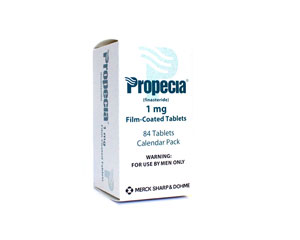
Propecia
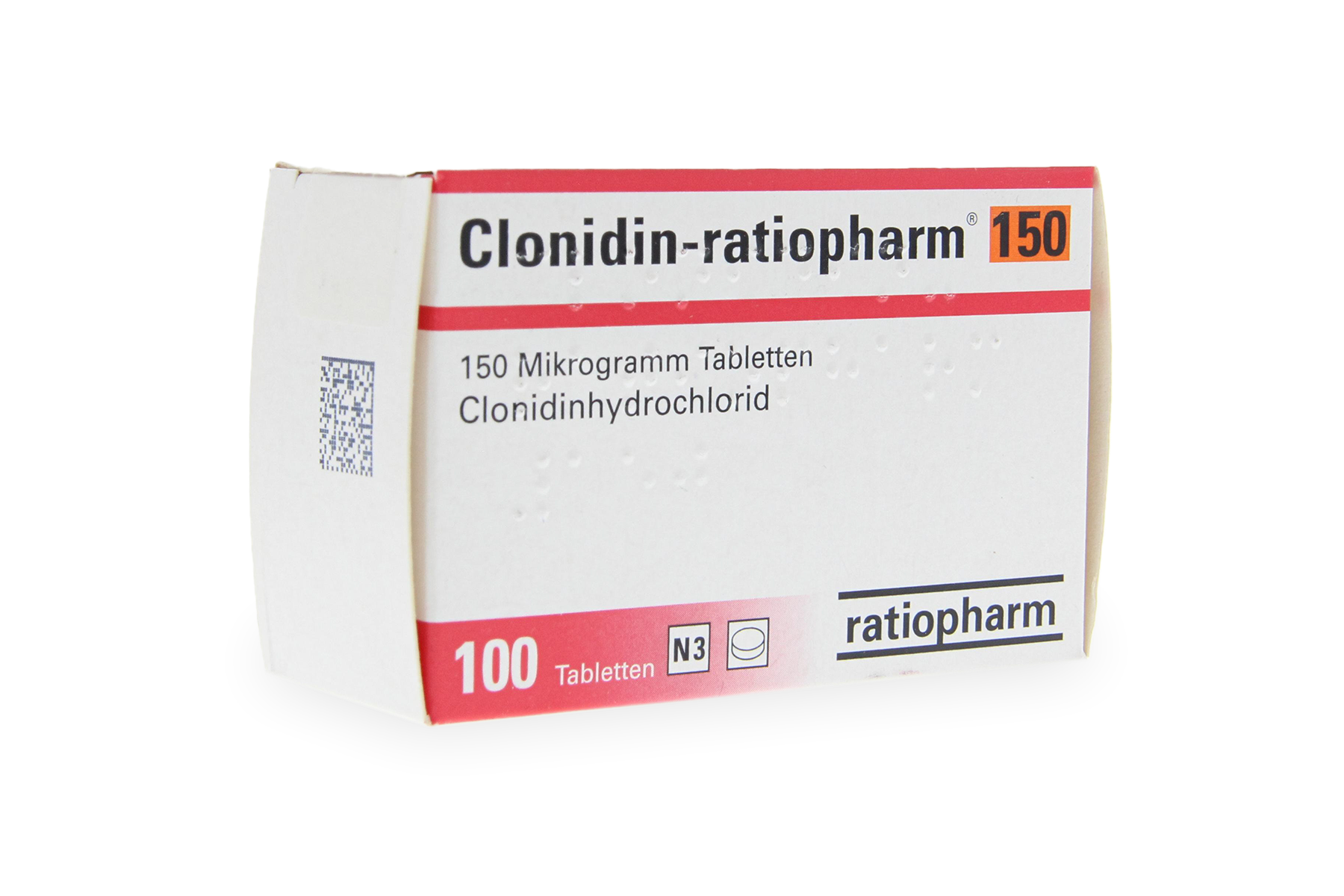
Clonidine

Femoston

Oestrogel
Tamsulosin MR
Azyter
Esomeprazole
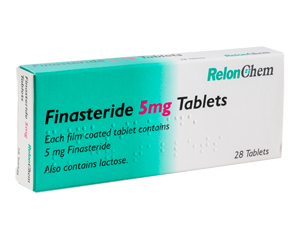
Proscar (Finasteride)

Diclofenac SR
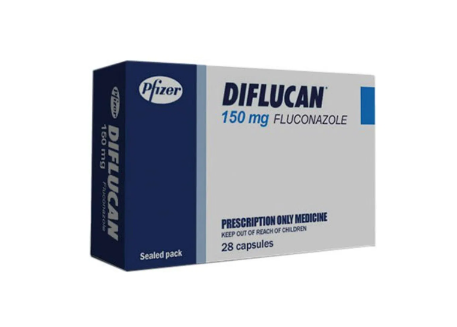
Diflucan
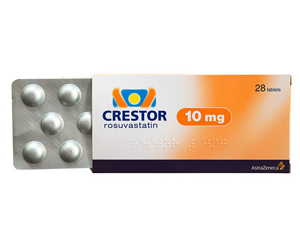
Crestor
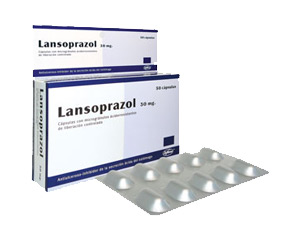
Lansoprazole
Vesicare
Flixotide
Serevent
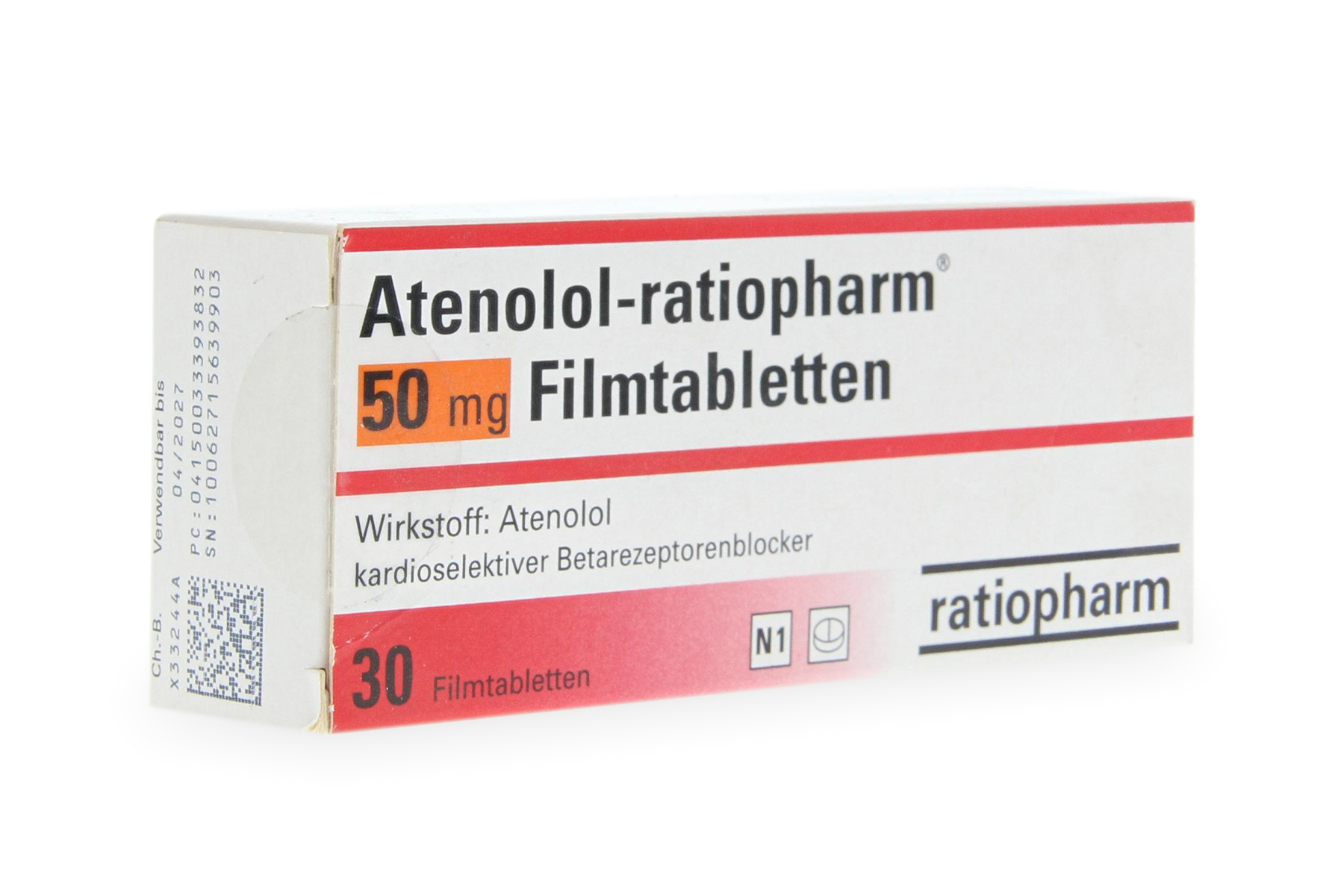
Atenolol
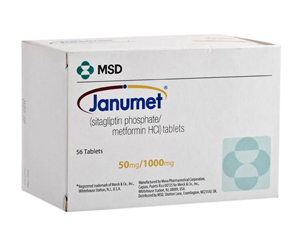
Janumet
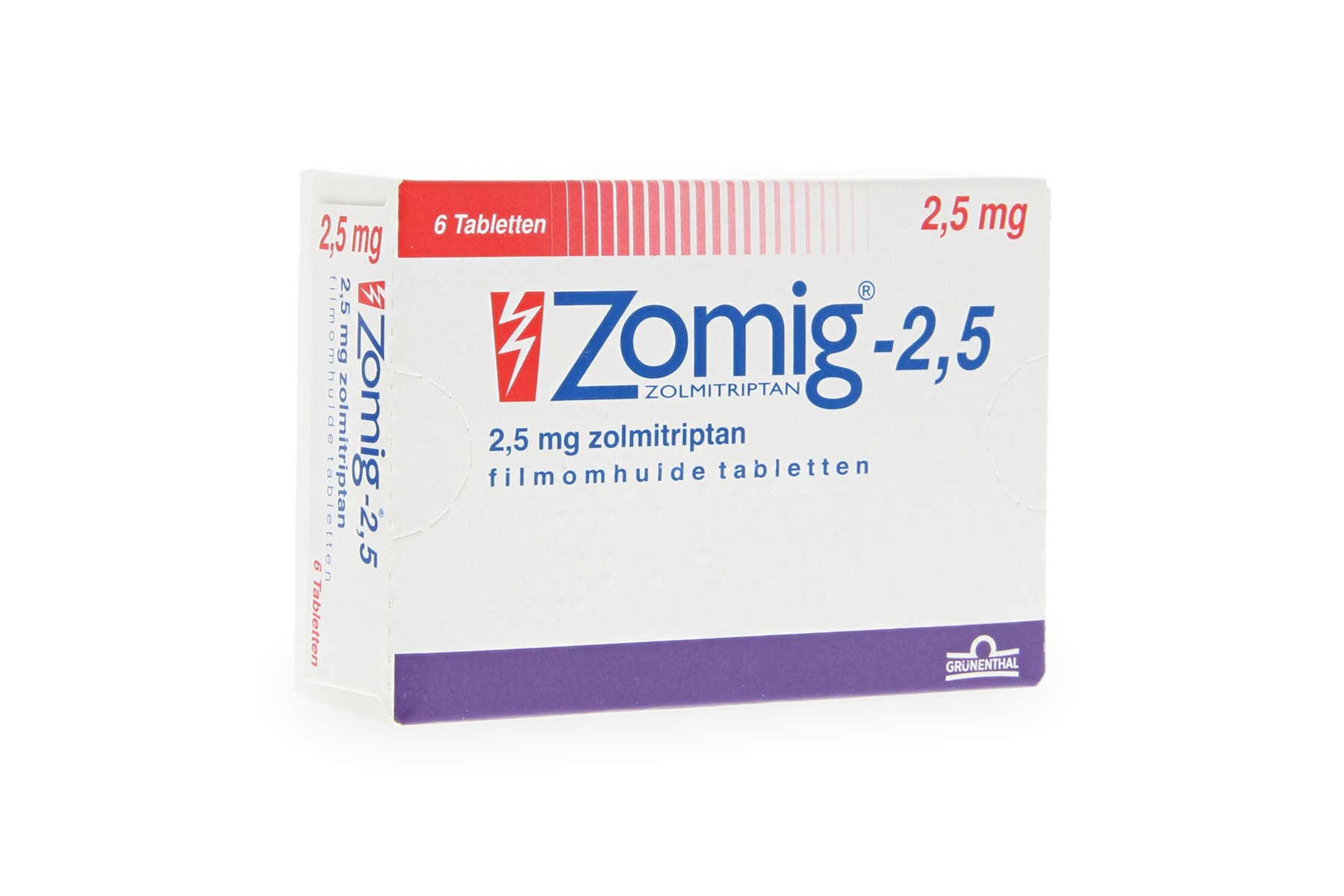
Zomig
Heart & Blood Pressure Treatments
Understanding Blood Pressure and Heart Health
High blood pressure, known medically as hypertension, is one of the leading risk factors for heart disease, stroke, and kidney failure. It affects approximately one in four adults in the UK, yet many people are unaware they have it because it rarely produces noticeable symptoms until significant damage has already occurred.
Blood pressure is measured in millimetres of mercury (mmHg) and expressed as two numbers. The systolic reading (the higher number) represents the pressure when the heart contracts, while the diastolic reading reflects the pressure between beats. A consistently elevated reading above 140/90 mmHg is generally classified as hypertension, though target levels may vary depending on age, ethnicity, and coexisting conditions.
The causes of high blood pressure include a combination of genetic predisposition, dietary factors (particularly excess salt and alcohol), physical inactivity, obesity, and chronic stress. In a minority of cases, an identifiable underlying condition such as kidney disease or an adrenal gland disorder is responsible, a situation known as secondary hypertension.
Blood Pressure Medications
Several classes of medication are used to lower blood pressure, often in combination. ACE inhibitors (such as ramipril and lisinopril) and angiotensin receptor blockers (ARBs, such as losartan and candesartan) work by relaxing blood vessels and reducing the workload on the heart. They are typically the first choice for many patients, particularly those with diabetes or kidney disease.
Calcium channel blockers, including amlodipine and felodipine, relax the walls of the arteries and are commonly prescribed for older patients or those of African or Caribbean descent, in whom they tend to be particularly effective. Thiazide-like diuretics, such as indapamide, reduce blood volume by encouraging the kidneys to excrete more sodium and water.
Beta-blockers, including bisoprolol and atenolol, slow the heart rate and reduce the force of contraction. While they are no longer the first-line treatment for uncomplicated hypertension, they remain important for patients with concurrent heart failure, angina, or certain arrhythmias. Most people tolerate blood pressure medication well, and finding the right combination is a process of careful titration guided by regular monitoring.
Lifestyle Measures for a Healthy Heart
Medication works best alongside lifestyle changes, and for those with mildly elevated blood pressure, lifestyle modifications alone may be sufficient to bring readings into the normal range. Reducing salt intake to less than 6 grams per day is one of the most effective dietary interventions, as excess sodium causes the body to retain fluid and raises vascular pressure.
Regular physical activity, aiming for at least 150 minutes of moderate-intensity exercise per week, strengthens the heart muscle and improves the elasticity of blood vessels. Maintaining a healthy weight is equally important; losing even 5 to 10 per cent of body weight can produce a clinically meaningful reduction in blood pressure.
Limiting alcohol to no more than 14 units per week, quitting smoking, managing stress, and eating a balanced diet rich in fruits, vegetables, and whole grains all contribute to cardiovascular health. The DASH (Dietary Approaches to Stop Hypertension) eating plan, which emphasises potassium-rich foods and limits saturated fat, has been shown in clinical trials to lower systolic blood pressure by up to 11 mmHg.
Monitoring and Self-Management
Home blood pressure monitoring empowers patients to track their readings between clinic appointments and provides a more accurate picture of day-to-day control than occasional surgery measurements. Validated upper-arm monitors are widely available and easy to use. Taking readings at the same time each day, while seated and relaxed, produces the most reliable results.
Keeping a log of your readings, along with notes on diet, exercise, and any symptoms, helps your prescriber make informed decisions about medication adjustments. Ambulatory blood pressure monitoring, where a device takes readings automatically over a 24-hour period, may be used to confirm a diagnosis or assess treatment effectiveness.
Regular review appointments, typically every six to twelve months once blood pressure is stable, allow for blood tests to check kidney function, cholesterol, and blood glucose. These checks are important because hypertension often coexists with other cardiovascular risk factors, and managing them collectively provides the greatest protection against heart attack and stroke.
Ordering Heart and Blood Pressure Medication Online
Patients on established blood pressure medication can order repeat prescriptions conveniently through regulated online pharmacy services. The process involves confirming your current medication, providing a recent blood pressure reading, and answering questions about any changes to your health since your last prescription.
Online services are particularly useful for patients whose condition is stable and well-controlled, avoiding the need to book a GP appointment solely for a repeat prescription. However, they do not replace the need for periodic clinical reviews, blood tests, and medication adjustments.
If you are experiencing new or worsening symptoms such as persistent headaches, visual disturbances, chest pain, or ankle swelling, you should seek a face-to-face medical assessment rather than simply reordering your medication. Early intervention for uncontrolled hypertension can prevent serious complications including stroke, heart failure, and chronic kidney disease.
Frequently Asked Questions
What blood pressure reading requires medication?
Can I get blood pressure medication online?
Do blood pressure medications have side effects?
Can I stop taking blood pressure medication once my readings are normal?
Dr. Ross Elledge
General Practitioner · General & Family Medicine
Verified Healthcare Professional
TopDoctors ProfileThis website provides general information about medicines for educational purposes only. Always consult your doctor or pharmacist before taking any medication.