
Men's Health Treatments
Men's health covers a broad range of conditions from hormonal imbalances to prostate health. Many conditions are easily treatable but often go unaddressed due to embarrassment. Confidential online consultations remove barriers and provide access to effective prescription treatments.
Testosterone replacement therapy for clinically low testosterone
Prostate medications to manage BPH symptoms
Sexual health treatments prescribed discreetly online
Regular health check-ups help catch issues early

Cialis
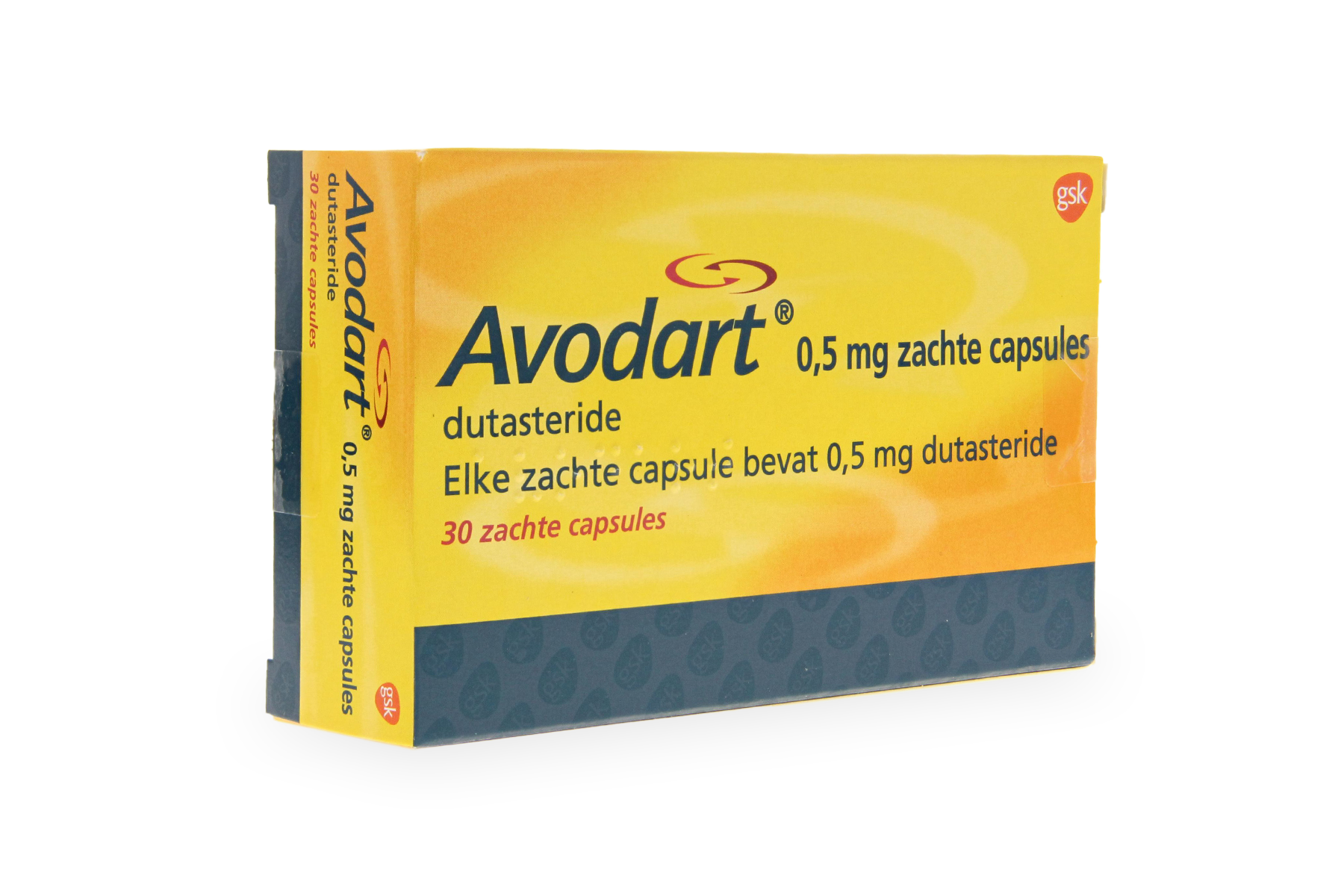
Avodart
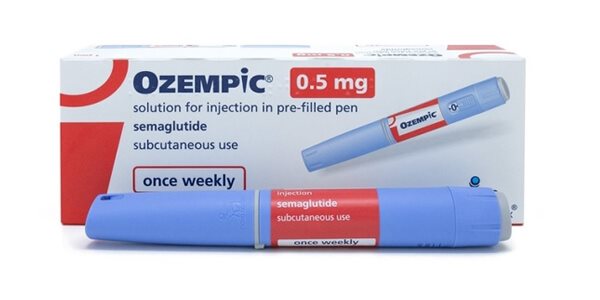
Ozempic

Nuvaring
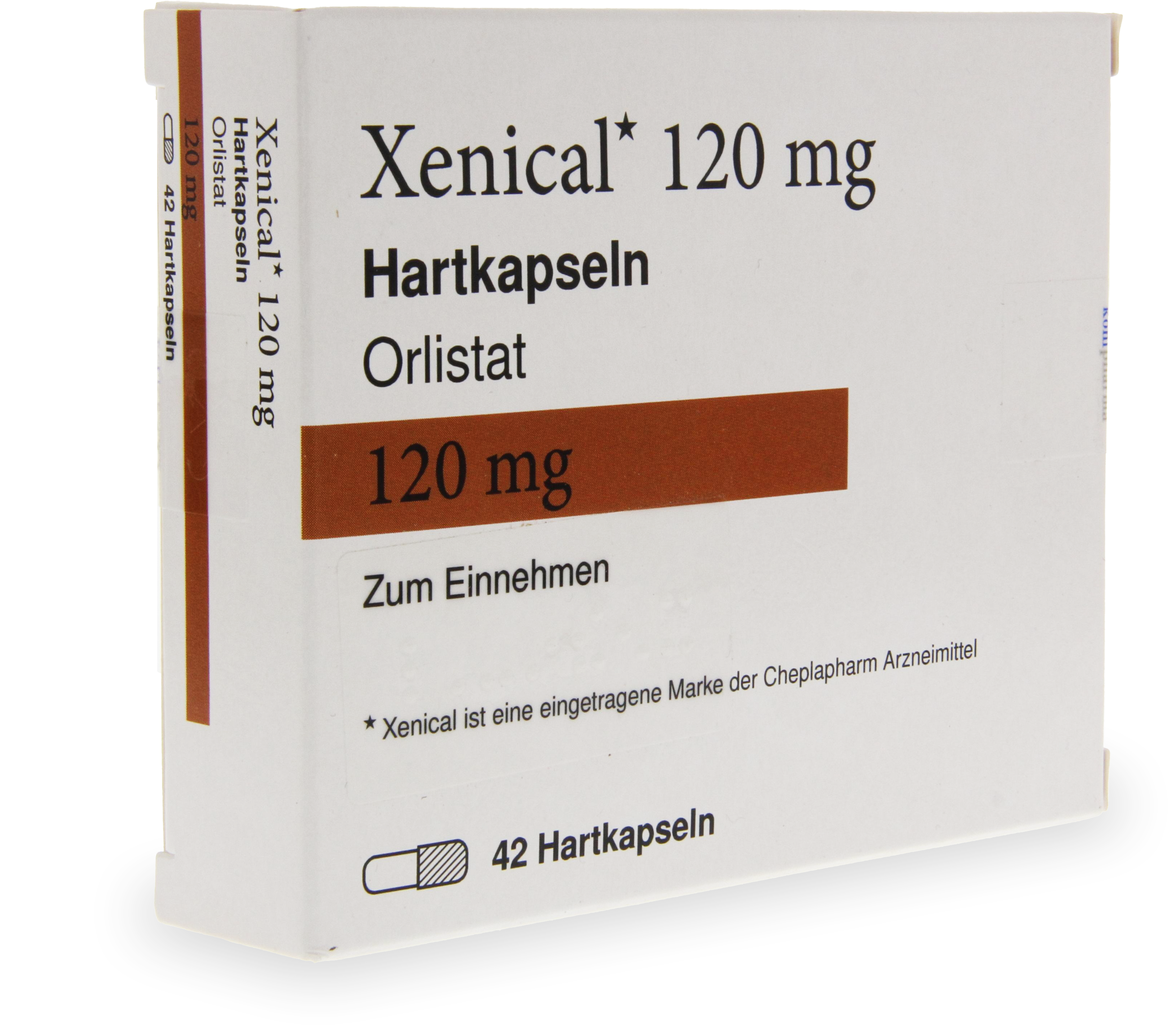
Xenical
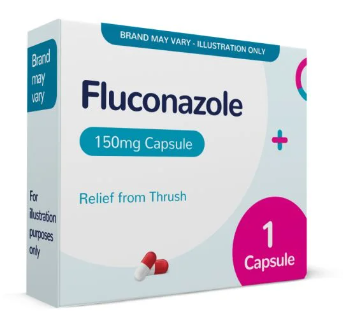
Fluconazole

Yasmin

Qlaira
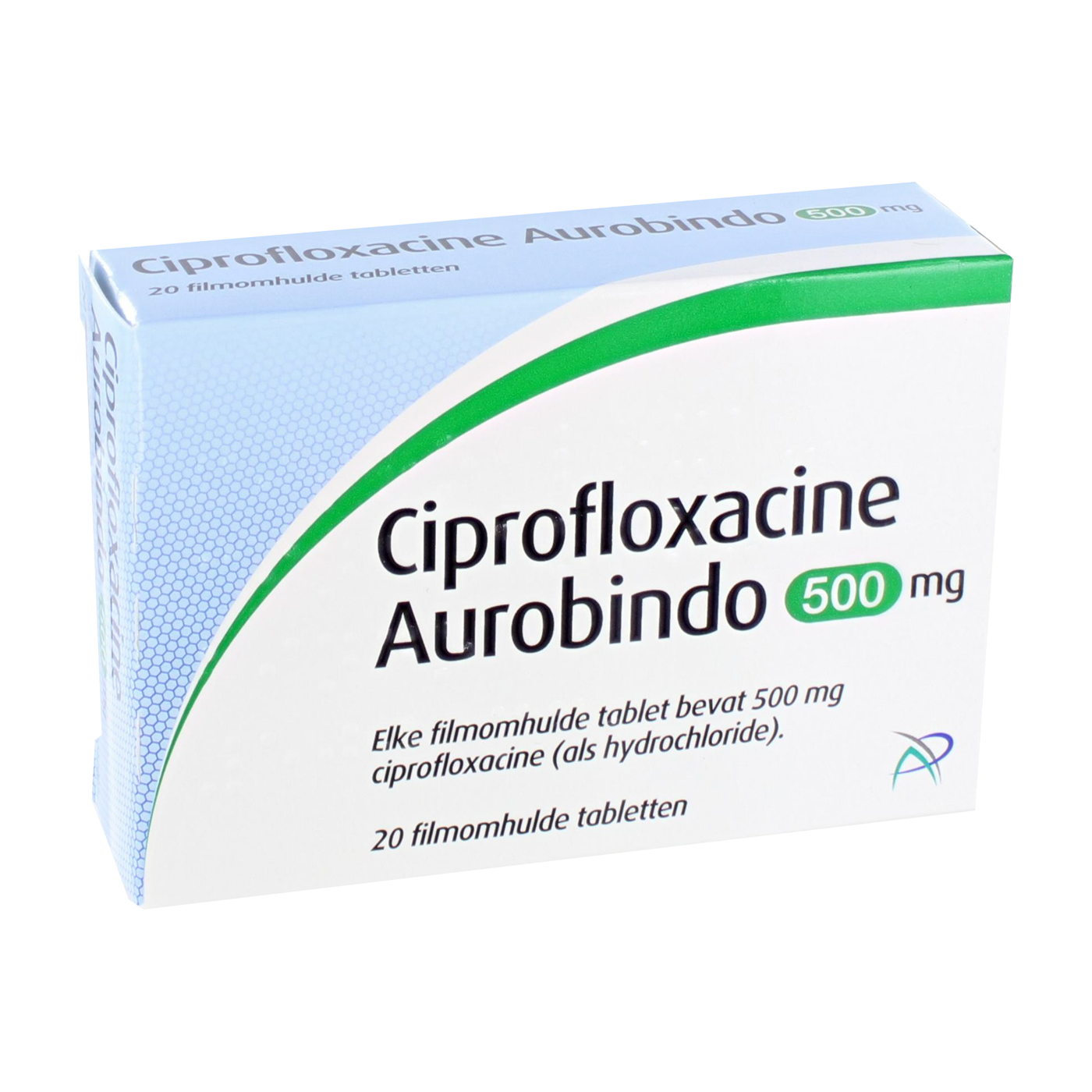
Ciprofloxacin

Utrogestan
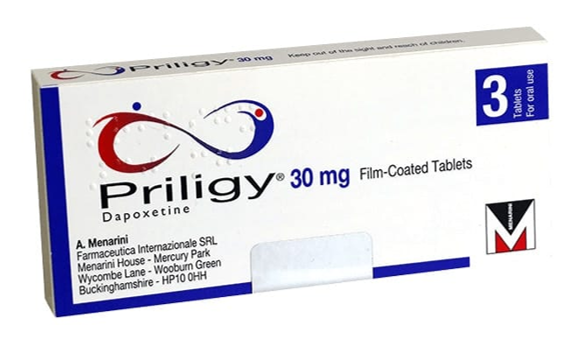
Priligy

Furosemide

Omeprazole

Pantoprazole

Sildenafil

Seretide

Symbicort Turbuhaler

Sumatriptan

Betnovate
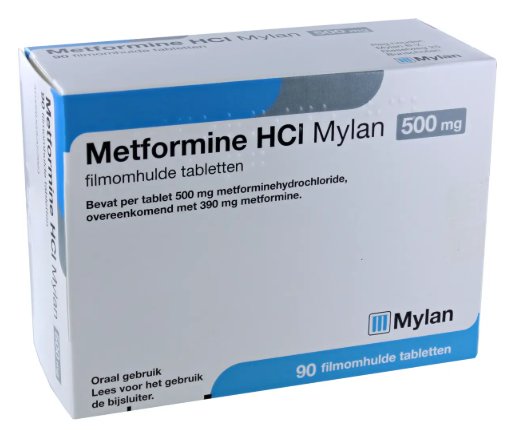
Metformin
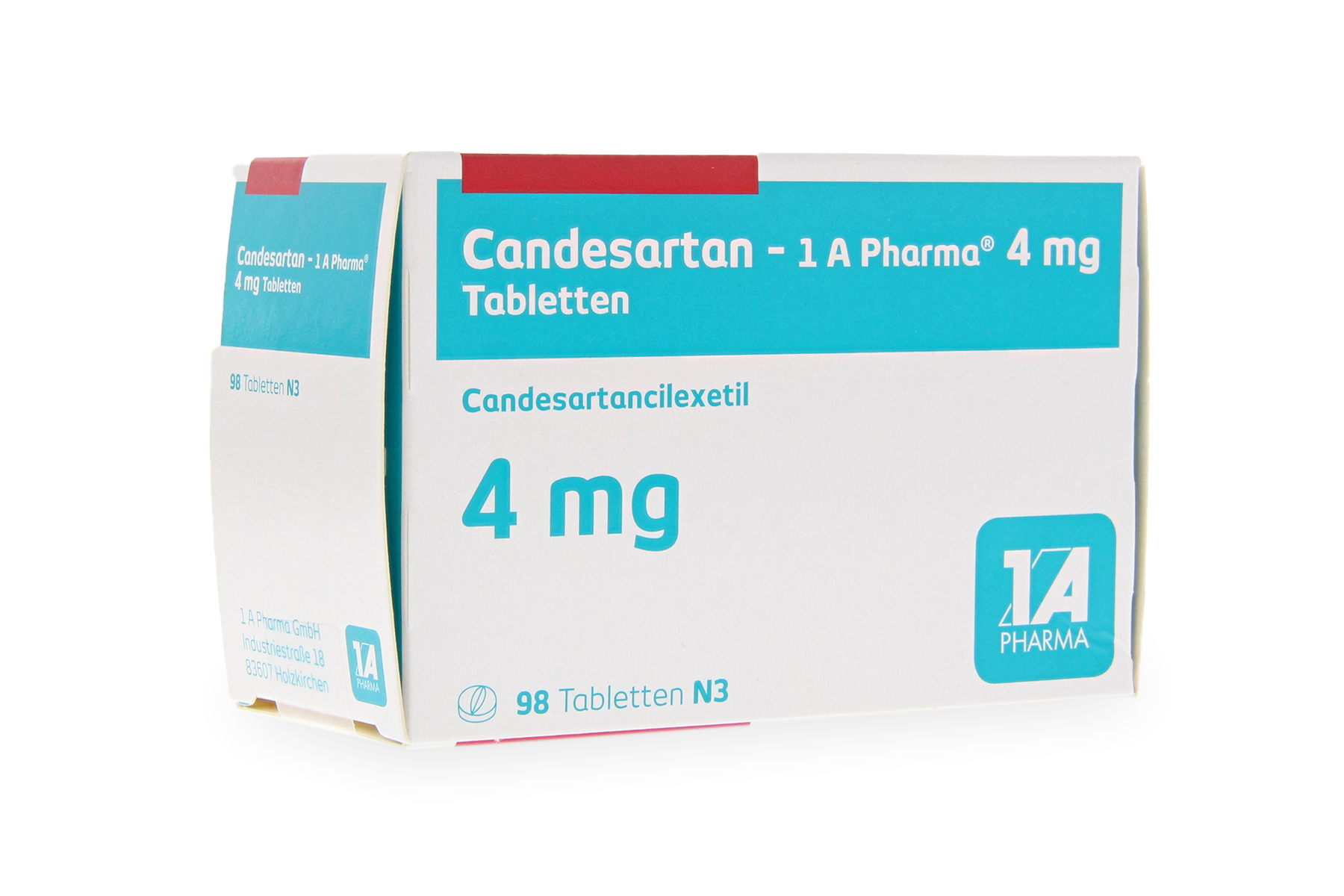
Candesartan

Omacor
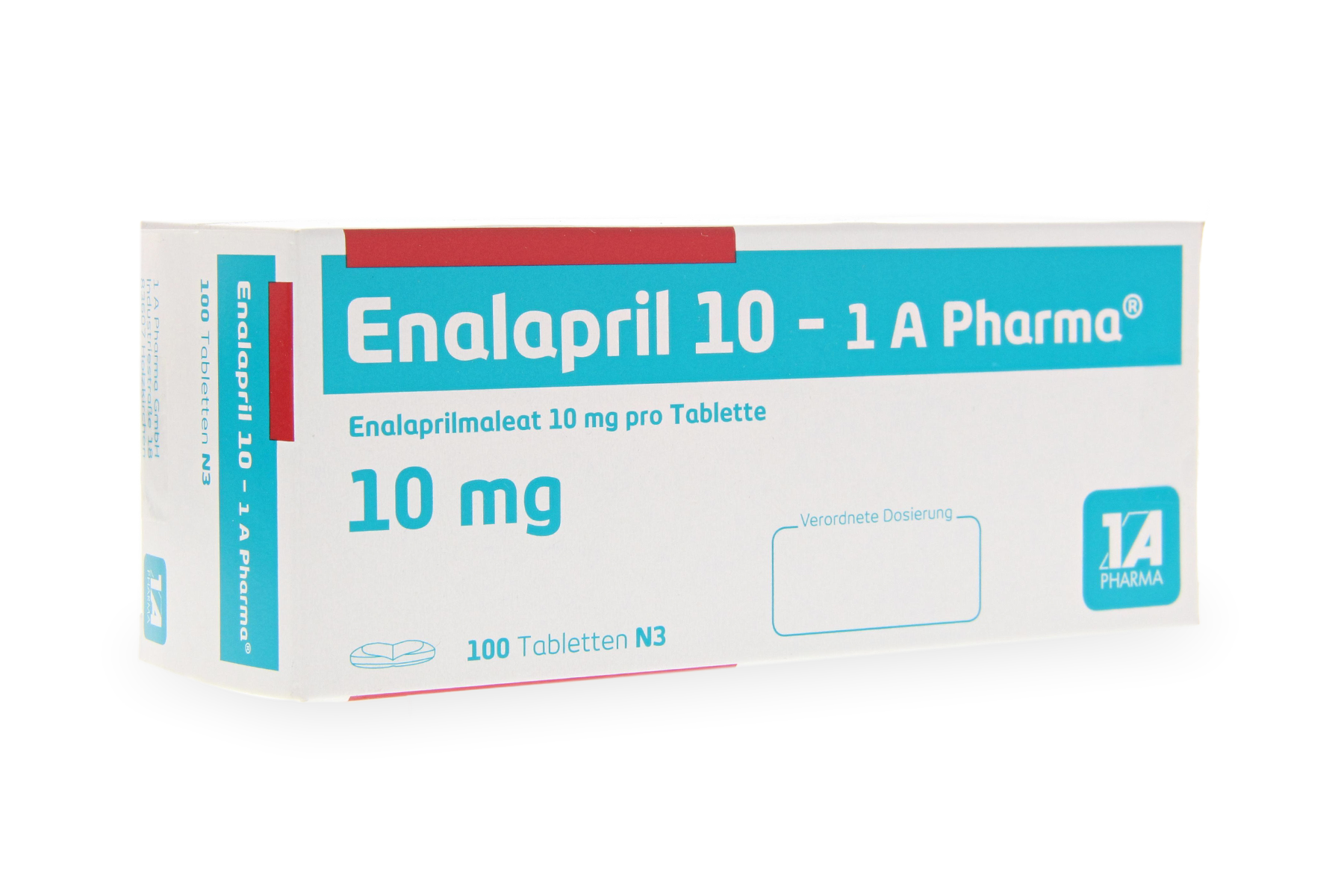
Enalapril
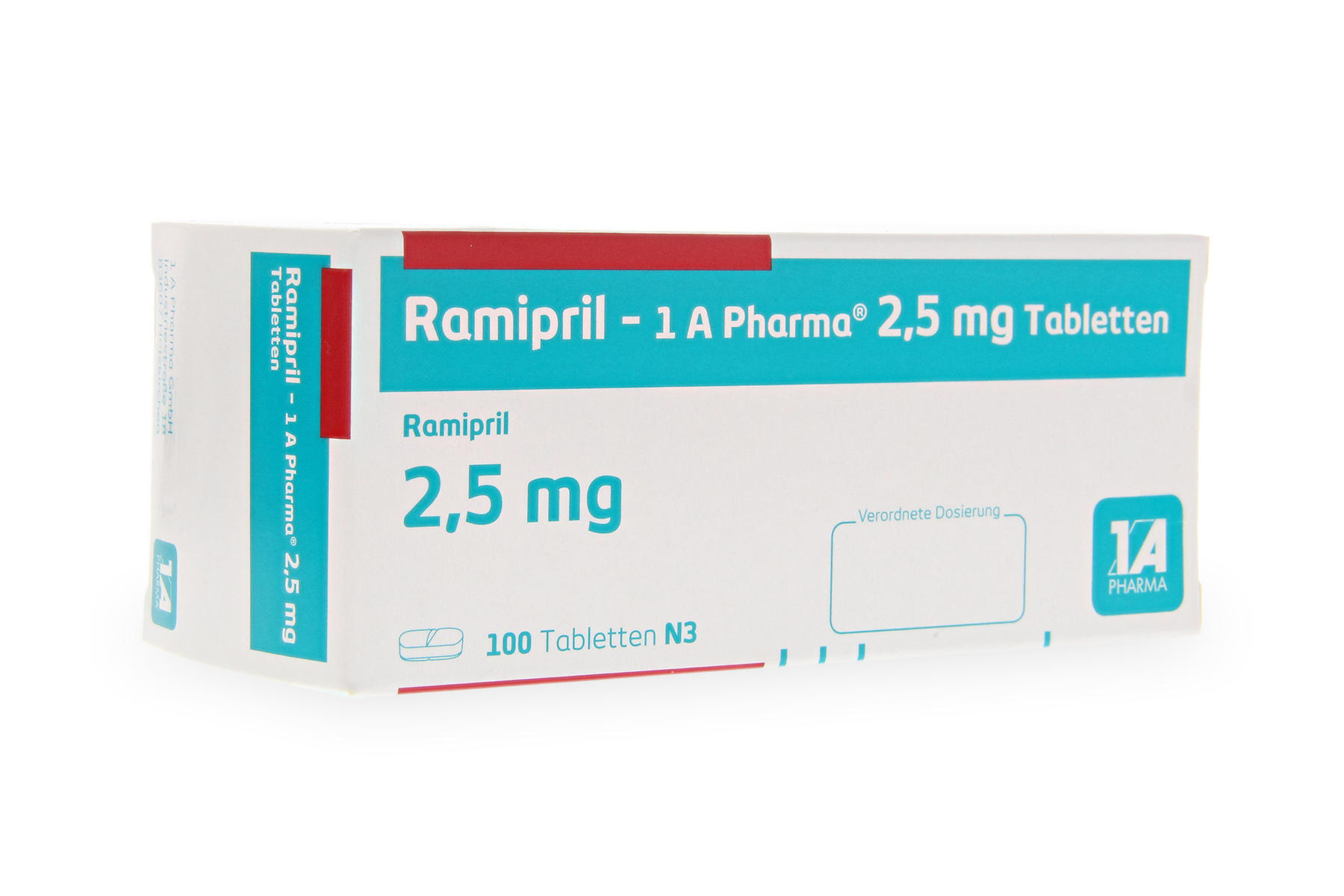
Ramipril
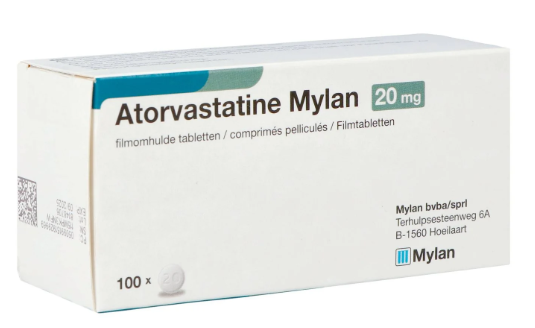
Atorvastatin

Dymista
Mirvaso

Spedra

Salbutamol

Orlistat

Vagifem

Marvelon
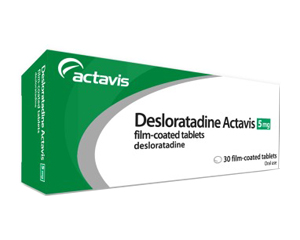
Desloratadine
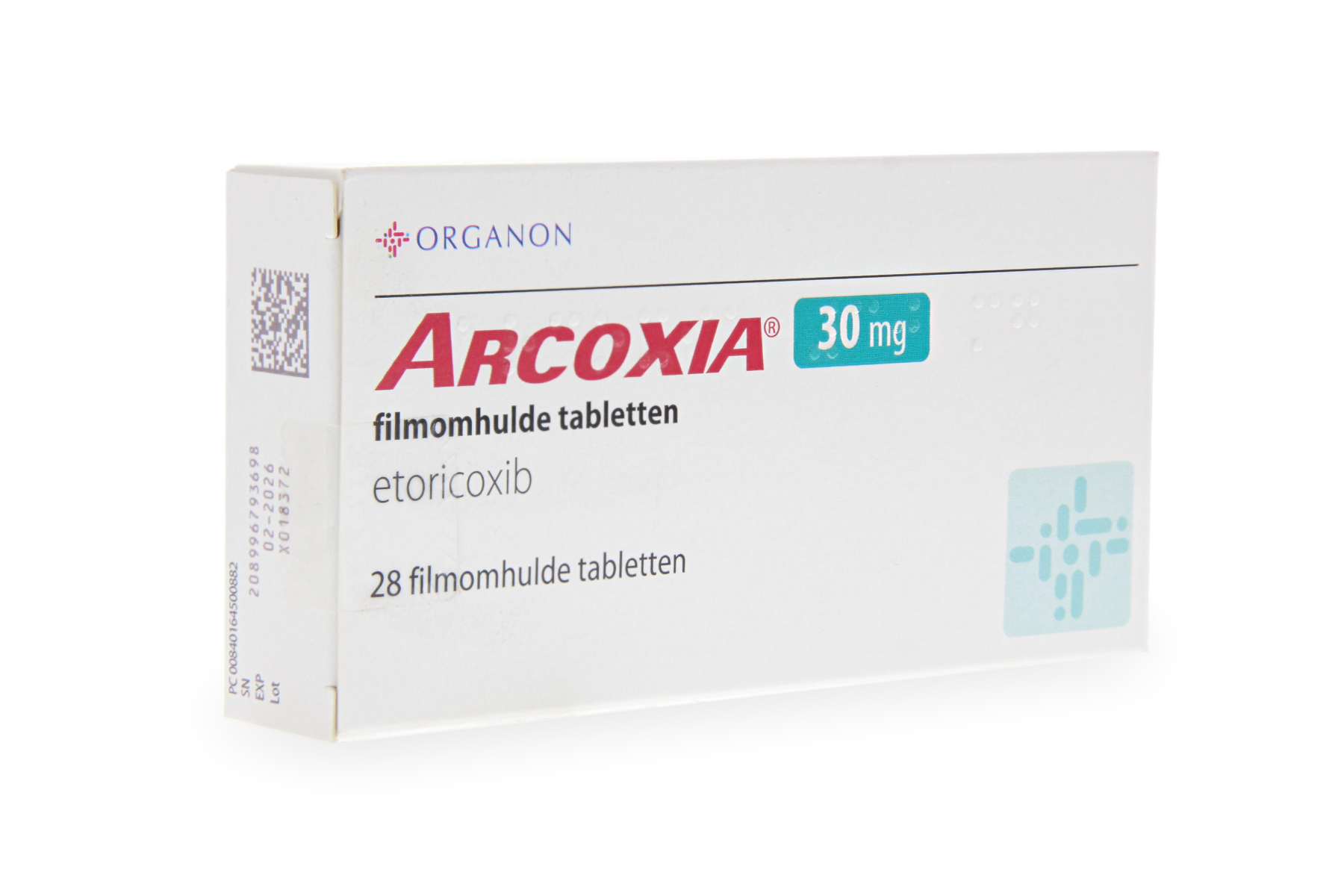
Arcoxia
Levothyroxine

Mercilon
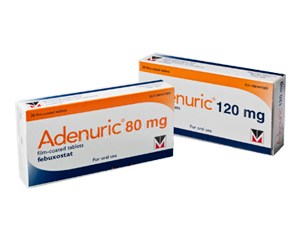
Adenuric

Metoclopramide
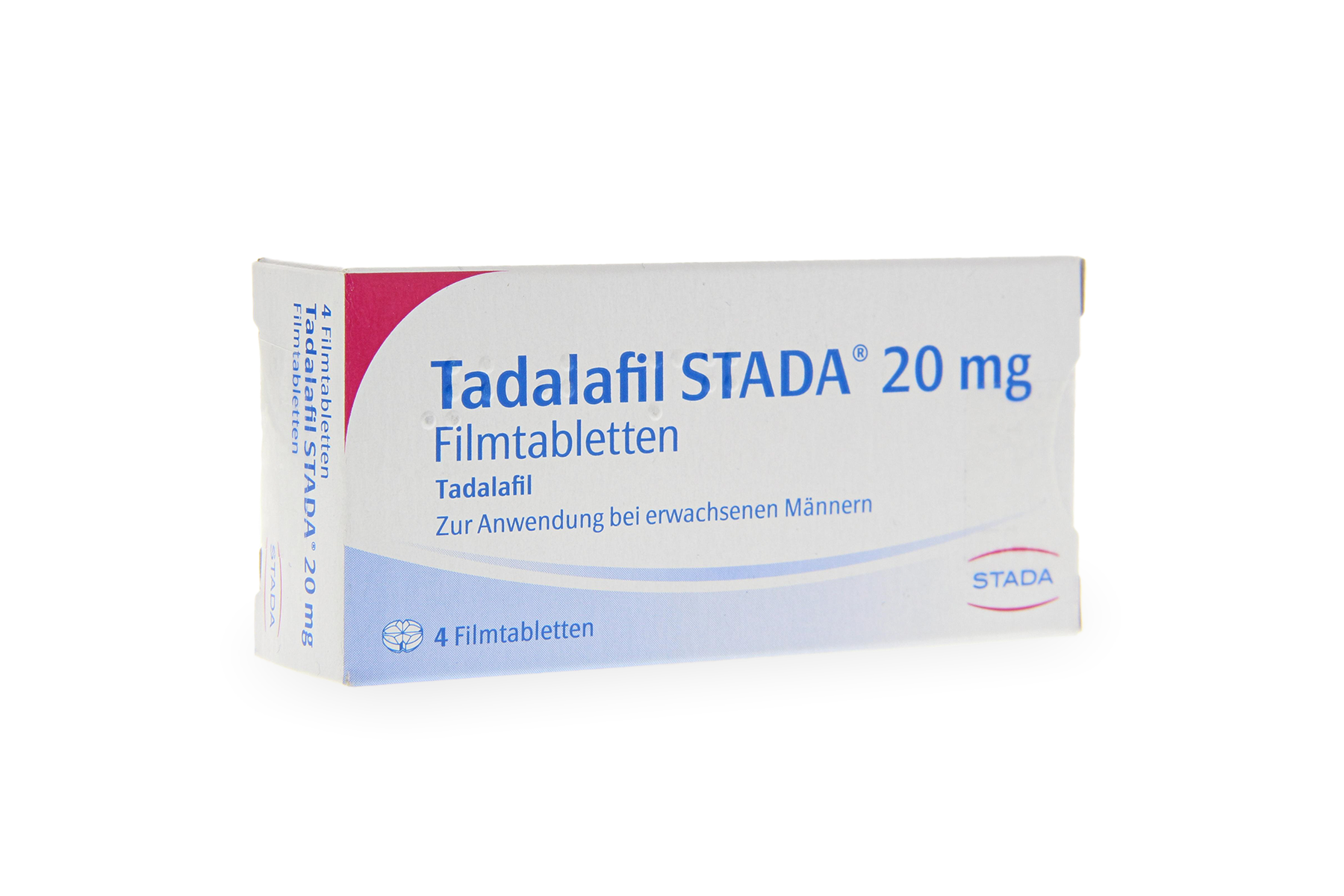
Tadalafil

Valsartan
Spironolactone
Eliquis
Xarelto

Vardenafil
Allopurinol
Hydroxychloroquine
Dutasteride
Propranolol

Wegovy

Circadin

Maxalt
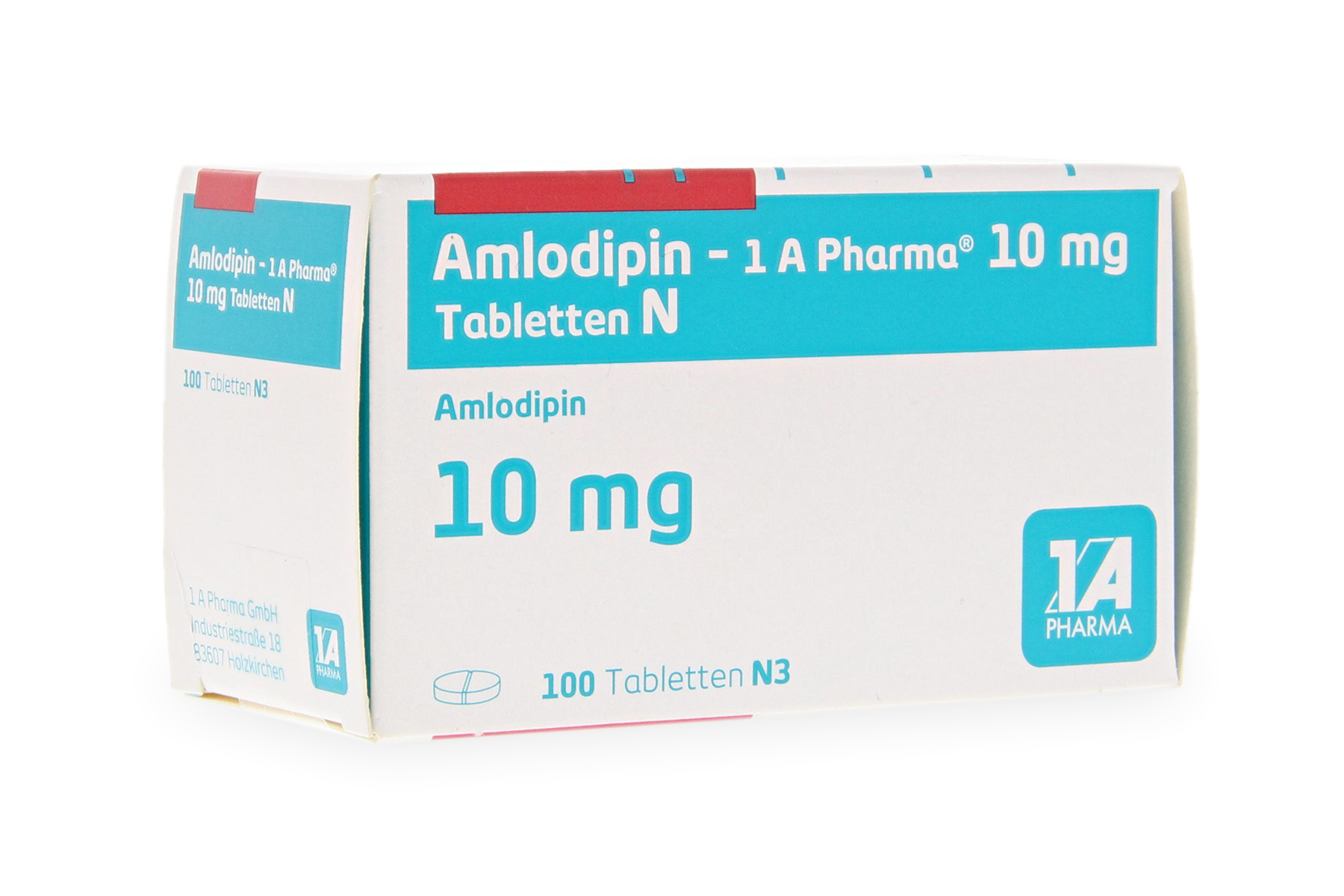
Amlodipine
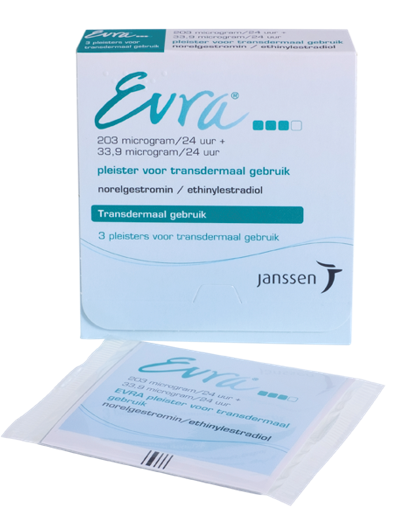
Evra Patches

Mounjaro

Dermovate

Cerazette

Viagra

Melatonin
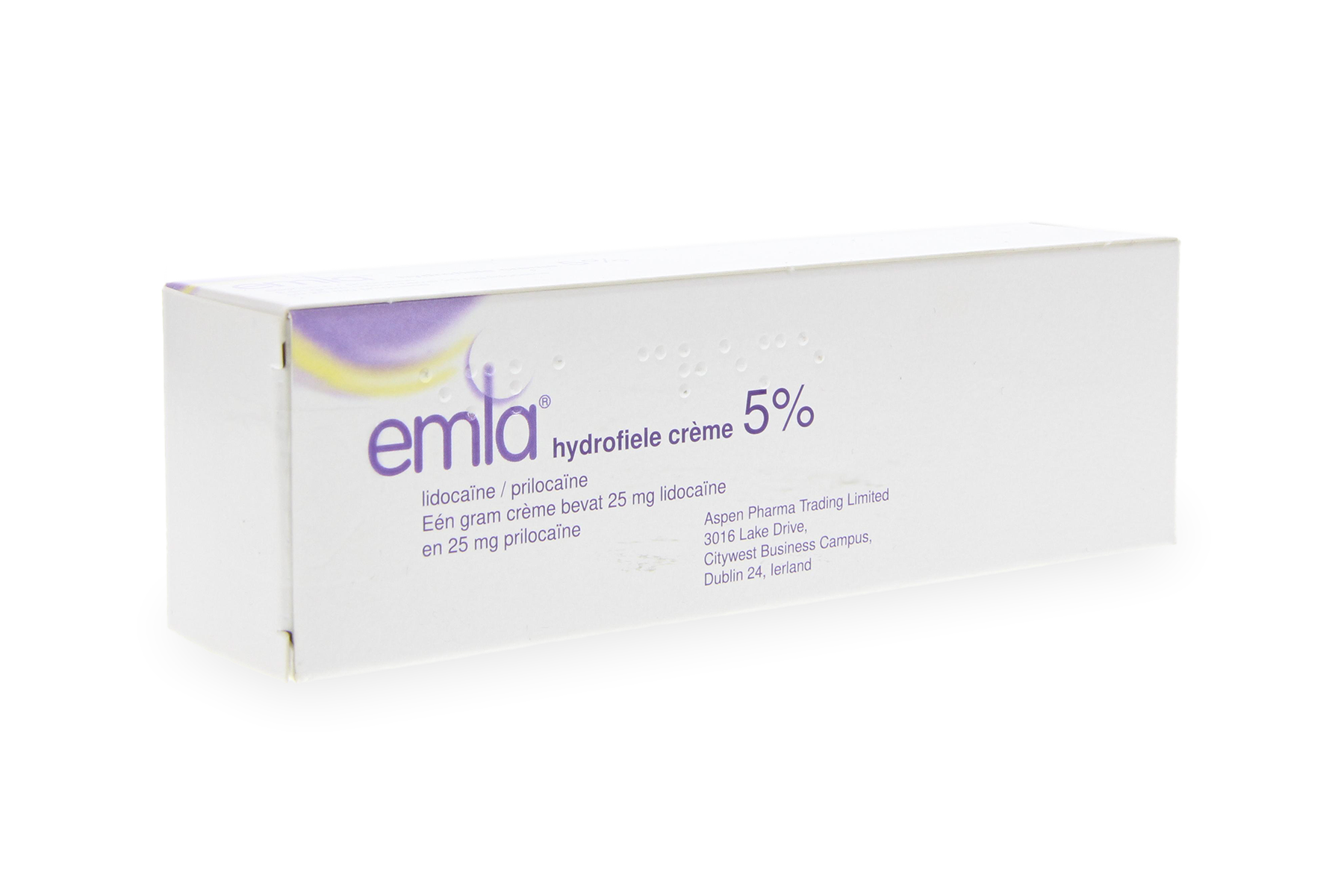
Emla Cream
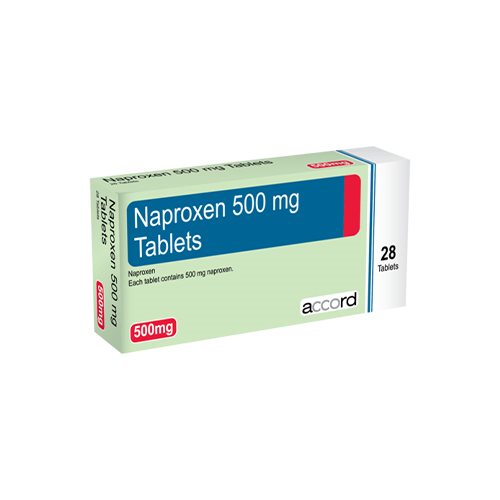
Naproxen
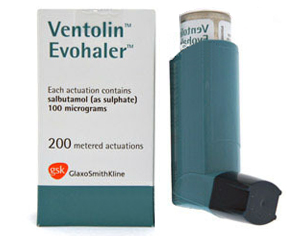
Ventolin

Bricanyl Turbohaler
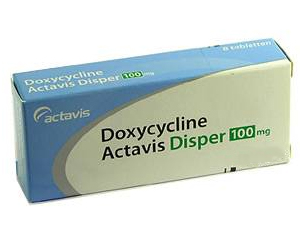
Doxycycline (Malaria)

Impotence Trial Pack

Microgynon 30
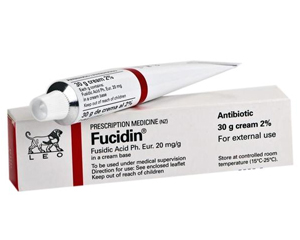
Fucidin

Bisoprolol

Losartan

Pulmicort Turbohaler

Avamys
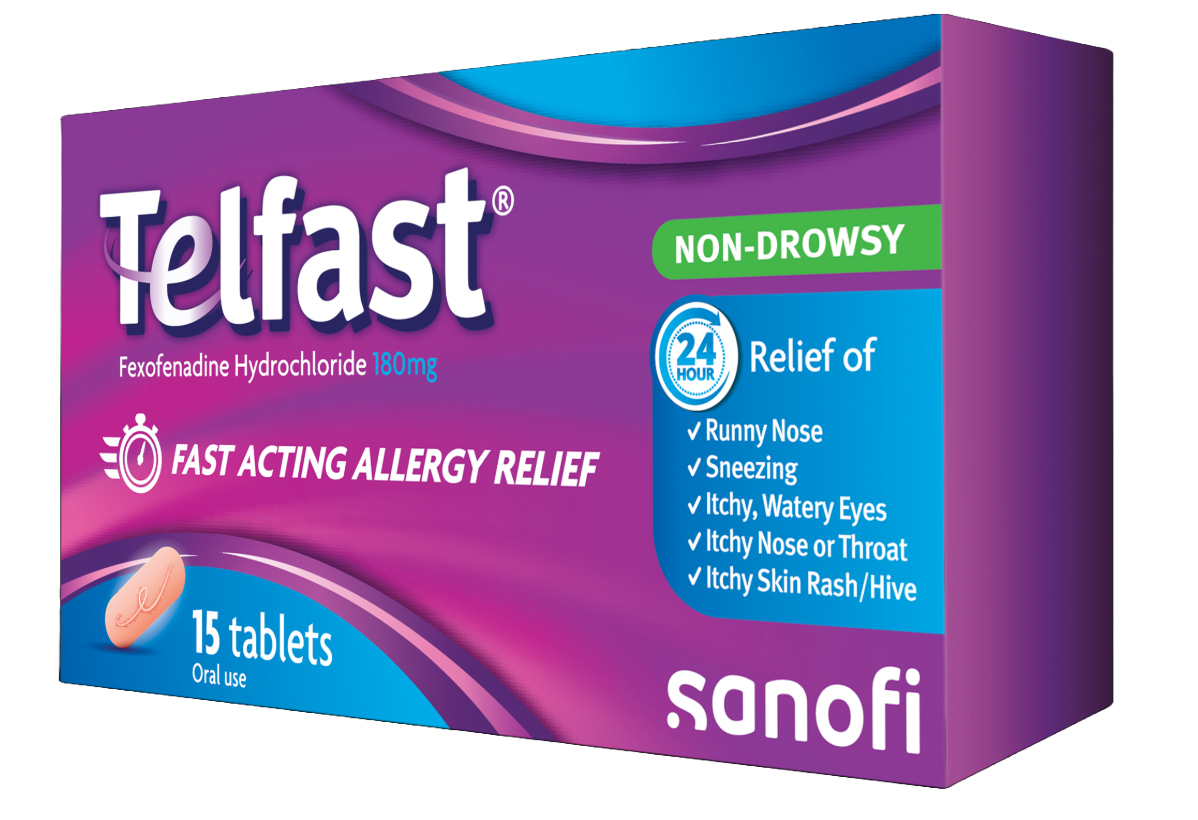
Telfast

Vitaros

Zyloric
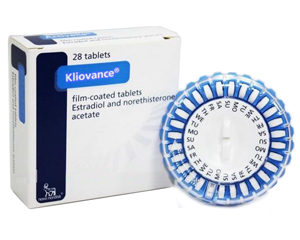
Kliovance

Bactroban

Elocon
Clindamycin
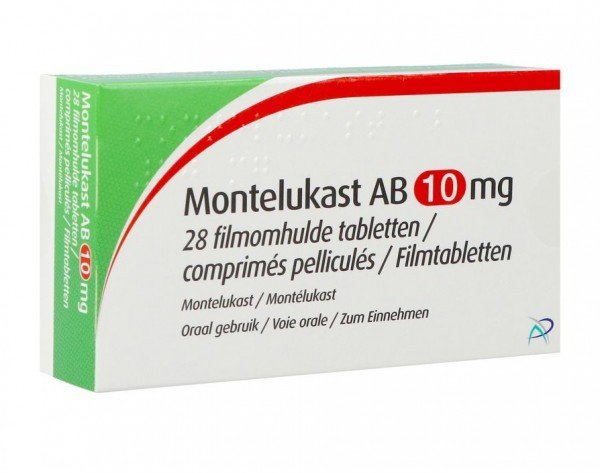
Montelukast
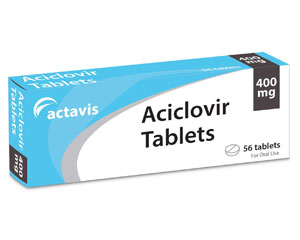
Aciclovir

Proscar

Differin
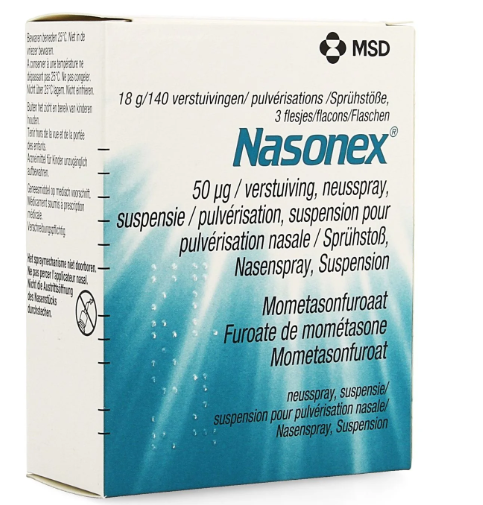
Nasonex Nasal Spray

Propecia
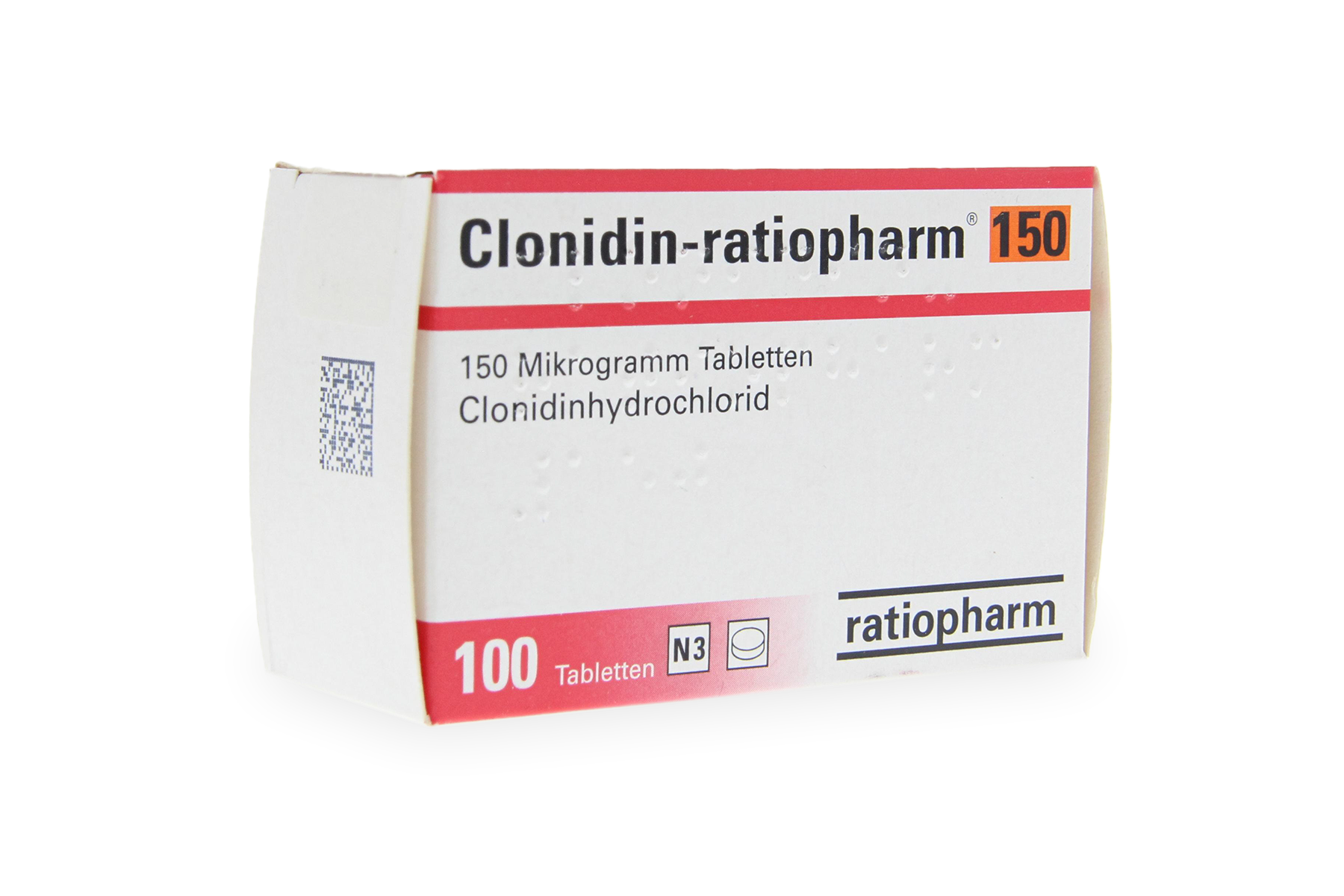
Clonidine

Femoston

Oestrogel

Tamsulosin MR
Azyter

Esomeprazole
Proscar (Finasteride)

Diclofenac SR

Diflucan
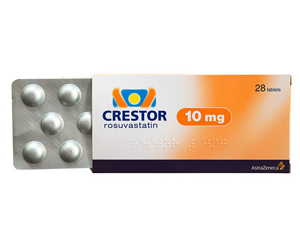
Crestor

Lansoprazole
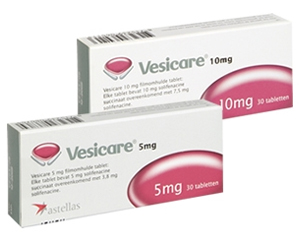
Vesicare
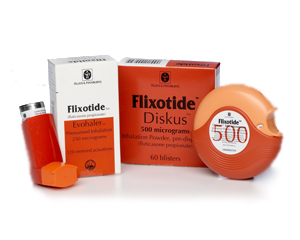
Flixotide
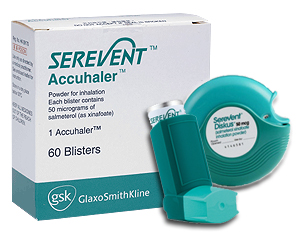
Serevent

Atenolol
Janumet
Zomig
Men's Health Treatments
Men's Health: Breaking the Silence
Men, on average, live shorter lives than women, are more likely to die from preventable causes, and are significantly less likely to visit a doctor. Cultural expectations around masculinity, a tendency to dismiss symptoms, and discomfort discussing health concerns all contribute to this disparity. Yet many of the conditions that disproportionately affect men are highly treatable when caught early.
Cardiovascular disease remains the leading cause of death in men, followed closely by cancer (particularly lung, prostate, and bowel cancer). Mental health is another area of critical concern: men account for roughly three quarters of suicides in the UK, and rates of alcohol and substance misuse are higher than in women. These statistics underscore the importance of regular health checks and a willingness to seek help.
Sexual and reproductive health issues, including erectile dysfunction, premature ejaculation, low testosterone, and prostate conditions, are common but frequently go unaddressed. Open conversations with healthcare providers, routine screening where recommended, and timely treatment can significantly improve both physical health and quality of life.
Common Men's Health Conditions
Erectile dysfunction affects an estimated half of all men between the ages of 40 and 70 to some degree. Far from being merely an inconvenience, it can be an early marker of cardiovascular disease and should prompt a comprehensive health assessment. Effective treatments, including PDE5 inhibitors like sildenafil and tadalafil, are available and have transformed the management of this condition.
Benign prostatic hyperplasia (BPH), an enlargement of the prostate gland, becomes increasingly common with age and can cause bothersome urinary symptoms including frequency, urgency, weak flow, and nocturia. Alpha-blockers and 5-alpha reductase inhibitors are the mainstay of medical treatment, with surgical options reserved for severe or refractory cases.
Low testosterone (hypogonadism) can cause fatigue, reduced libido, mood changes, decreased muscle mass, and increased body fat. Diagnosis requires blood tests showing consistently low testosterone levels alongside compatible symptoms. Testosterone replacement therapy, available as gels, injections, or patches, can restore levels to the normal range, though it requires ongoing monitoring.
Mental Health and Wellbeing
The stigma surrounding mental health in men remains a significant barrier to seeking help. Many men express emotional distress through irritability, anger, risk-taking behaviour, or increased alcohol consumption rather than recognising and articulating feelings of sadness or anxiety. Learning to identify these patterns is the first step towards getting support.
Effective treatments for depression and anxiety are readily available. Talking therapies such as cognitive behavioural therapy (CBT) have a strong evidence base, and many men find structured, goal-oriented approaches particularly helpful. Antidepressant medication may be recommended for moderate to severe symptoms, and the combination of therapy and medication is often the most effective strategy.
Building social connections, maintaining physical fitness, and finding healthy outlets for stress are protective factors that should not be underestimated. Regular exercise has been shown in clinical trials to be as effective as antidepressant medication for mild to moderate depression. If you or someone you know is struggling, reaching out to a GP, a mental health helpline, or a trusted friend is an important and courageous step.
Screening and Prevention
Preventive health checks allow the early detection of conditions when they are most treatable. Men over 40 should have their blood pressure, cholesterol, and blood glucose checked regularly, as these are key modifiable risk factors for heart disease and stroke. The NHS Health Check programme offers a free assessment every five years for adults aged 40 to 74.
Prostate cancer is the most common cancer in men in the UK. While there is no national screening programme due to the limitations of the PSA blood test, men concerned about their risk, particularly those with a family history or of African or Caribbean descent, should discuss testing with their GP. Bowel cancer screening, using a home stool test, is offered from age 60 (or 50 in Scotland) and should always be completed when invited.
Testicular cancer, though relatively rare, predominantly affects younger men aged 15 to 45. Regular self-examination to check for lumps, swelling, or changes in size or texture takes only a few minutes and can lead to early diagnosis, at which stage the cure rate exceeds 95 per cent.
Accessing Men's Health Services Online
Online healthcare services have removed many of the barriers that prevent men from seeking treatment. Consultations for sensitive conditions such as erectile dysfunction, premature ejaculation, and hair loss can be completed from home, without the need for a face-to-face appointment that some men find uncomfortable.
The process is straightforward and confidential. A medical questionnaire covers your symptoms, health history, and current medications. A qualified prescriber reviews your responses and, if appropriate, issues a prescription that is dispensed and delivered in discreet packaging. If the prescriber determines that further investigation or in-person assessment is needed, you will be advised accordingly.
While online services are excellent for managing established conditions and obtaining repeat prescriptions, they complement rather than replace regular GP care. Annual health checks, cancer screening, and management of chronic conditions benefit from the continuity and comprehensive assessment that a primary care relationship provides.
Frequently Asked Questions
What are signs of low testosterone?
Can I get men's health treatments online?
At what age should men start prostate screening?
At what age should men start regular health checks?
Dr. Ross Elledge
General Practitioner · General & Family Medicine
Verified Healthcare Professional
TopDoctors ProfileThis website provides general information about medicines for educational purposes only. Always consult your doctor or pharmacist before taking any medication.