
Migraine Treatments
Migraines affect around 1 in 7 people worldwide and can be severely debilitating. Prescription triptans are specifically designed to treat migraine attacks, while preventive treatments can reduce their frequency. An online doctor can help find the right treatment plan.
Triptans are the gold-standard acute migraine treatment
Preventive medications can reduce migraine frequency by 50% or more
Treatment works best when taken at the first sign of an attack
Different triptan formulations suit different patient needs

Cialis
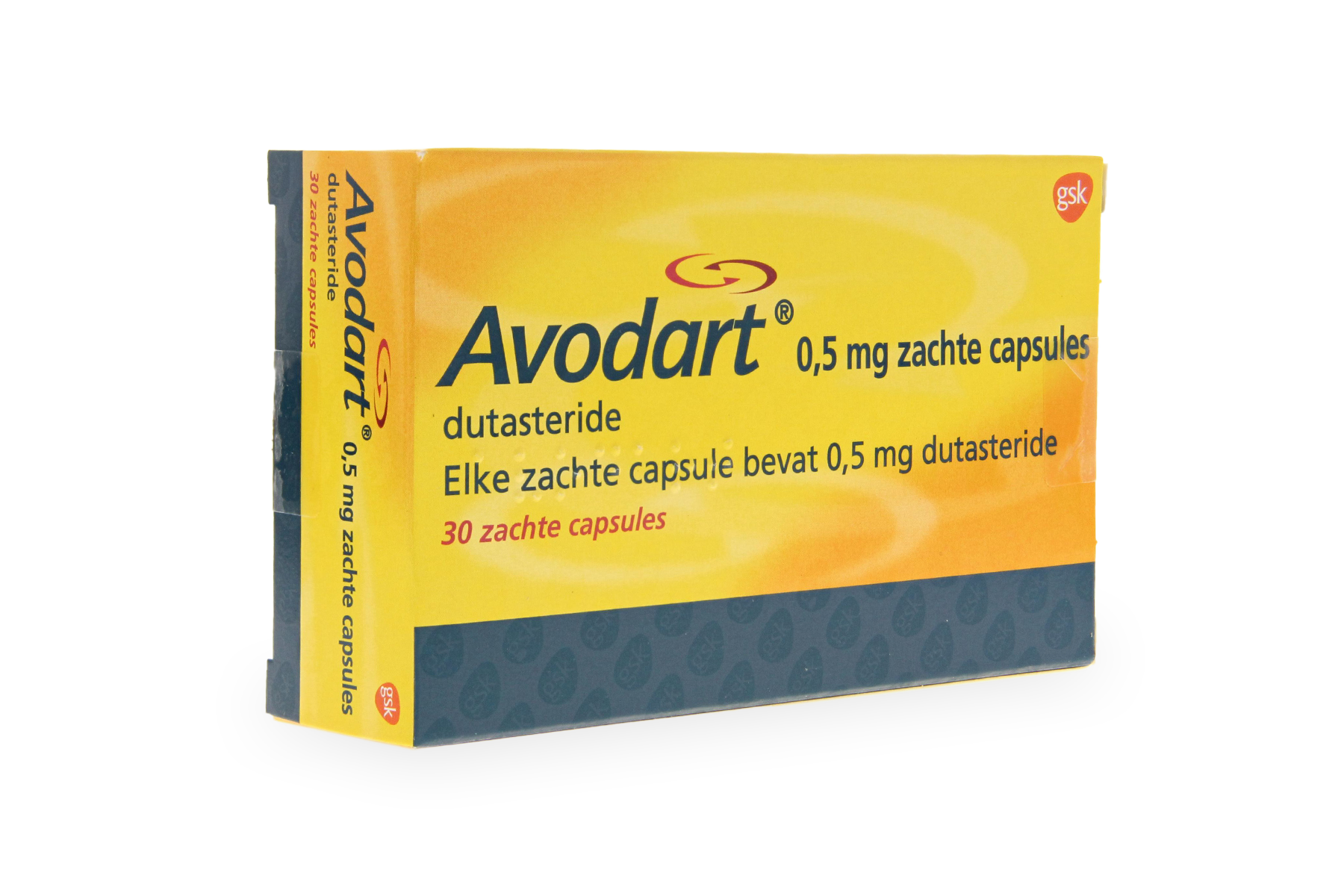
Avodart
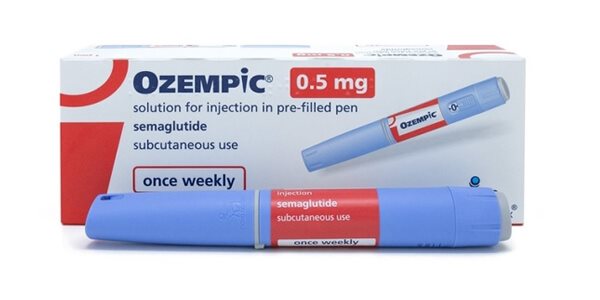
Ozempic

Nuvaring
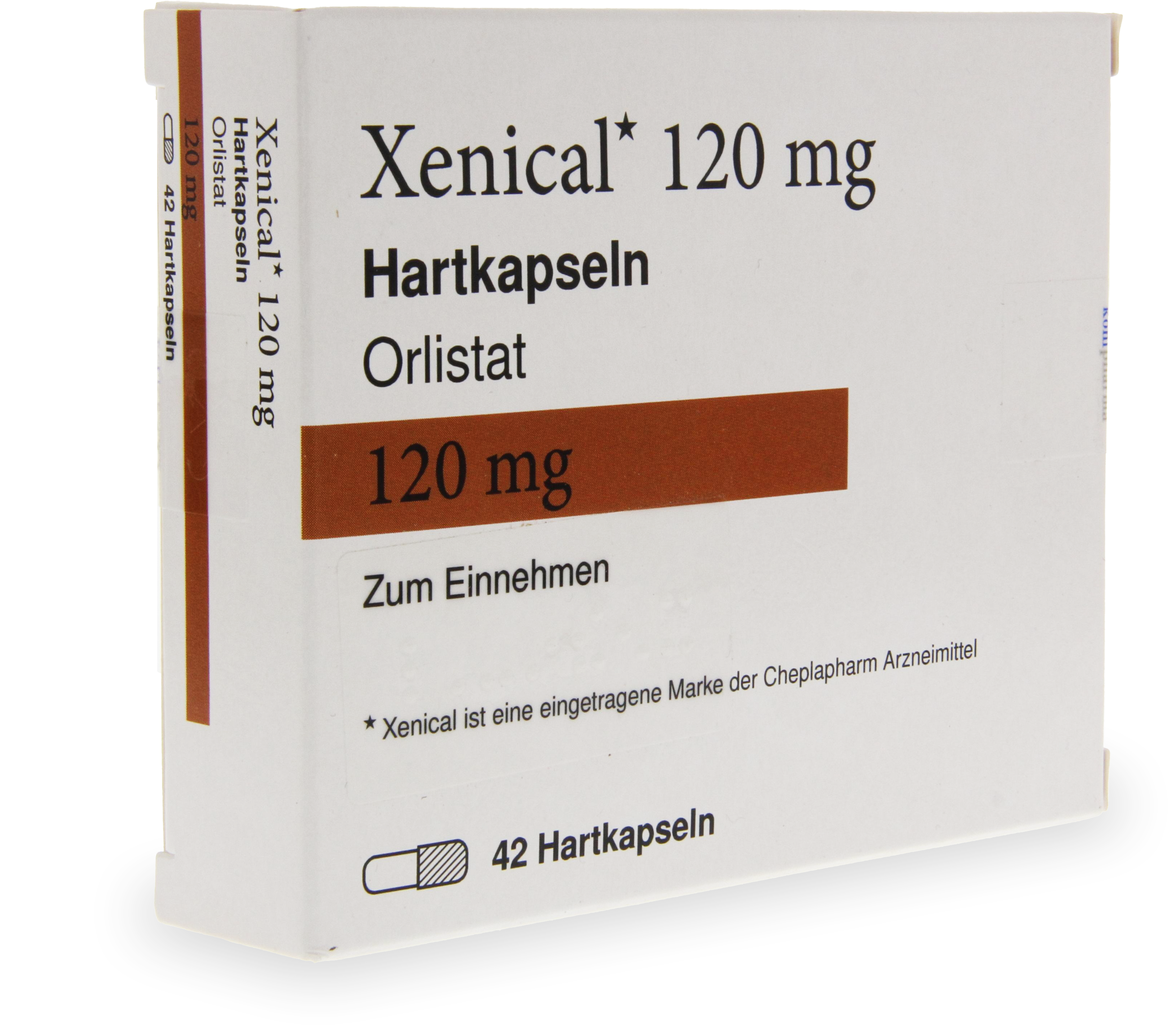
Xenical
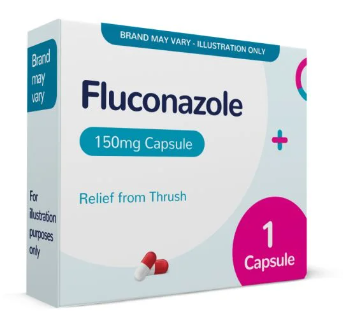
Fluconazole
Yasmin
Qlaira
Ciprofloxacin
Utrogestan
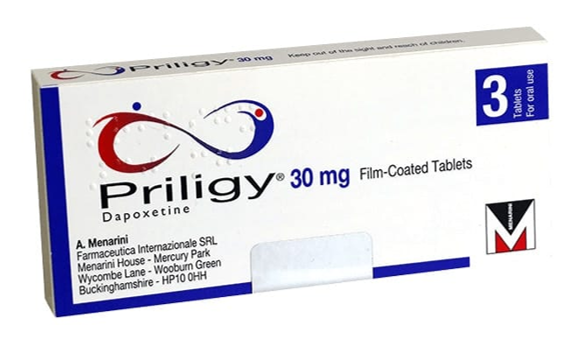
Priligy
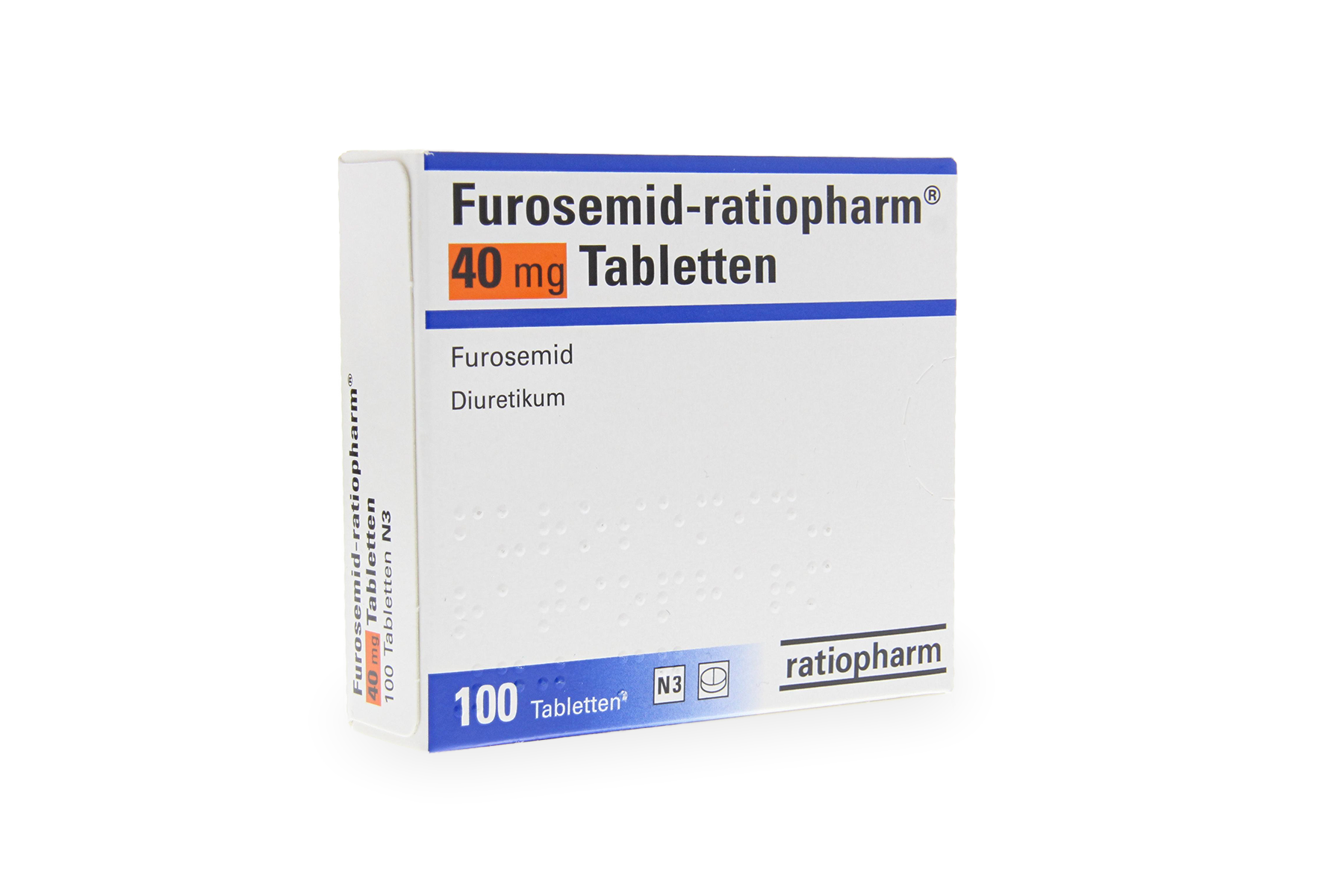
Furosemide
Omeprazole
Pantoprazole

Sildenafil
Seretide
Symbicort Turbuhaler
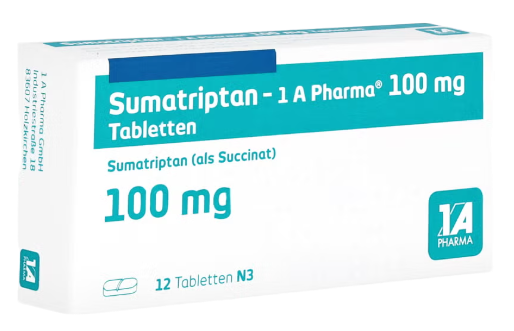
Sumatriptan
Betnovate
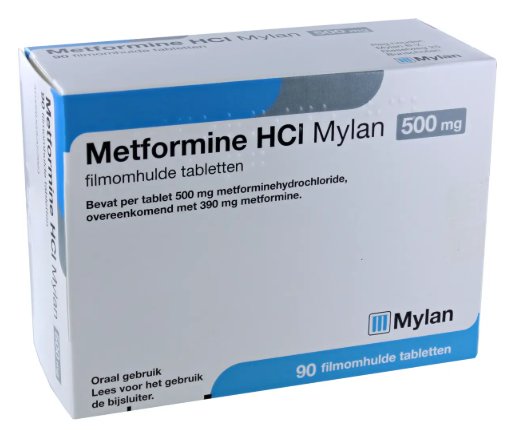
Metformin
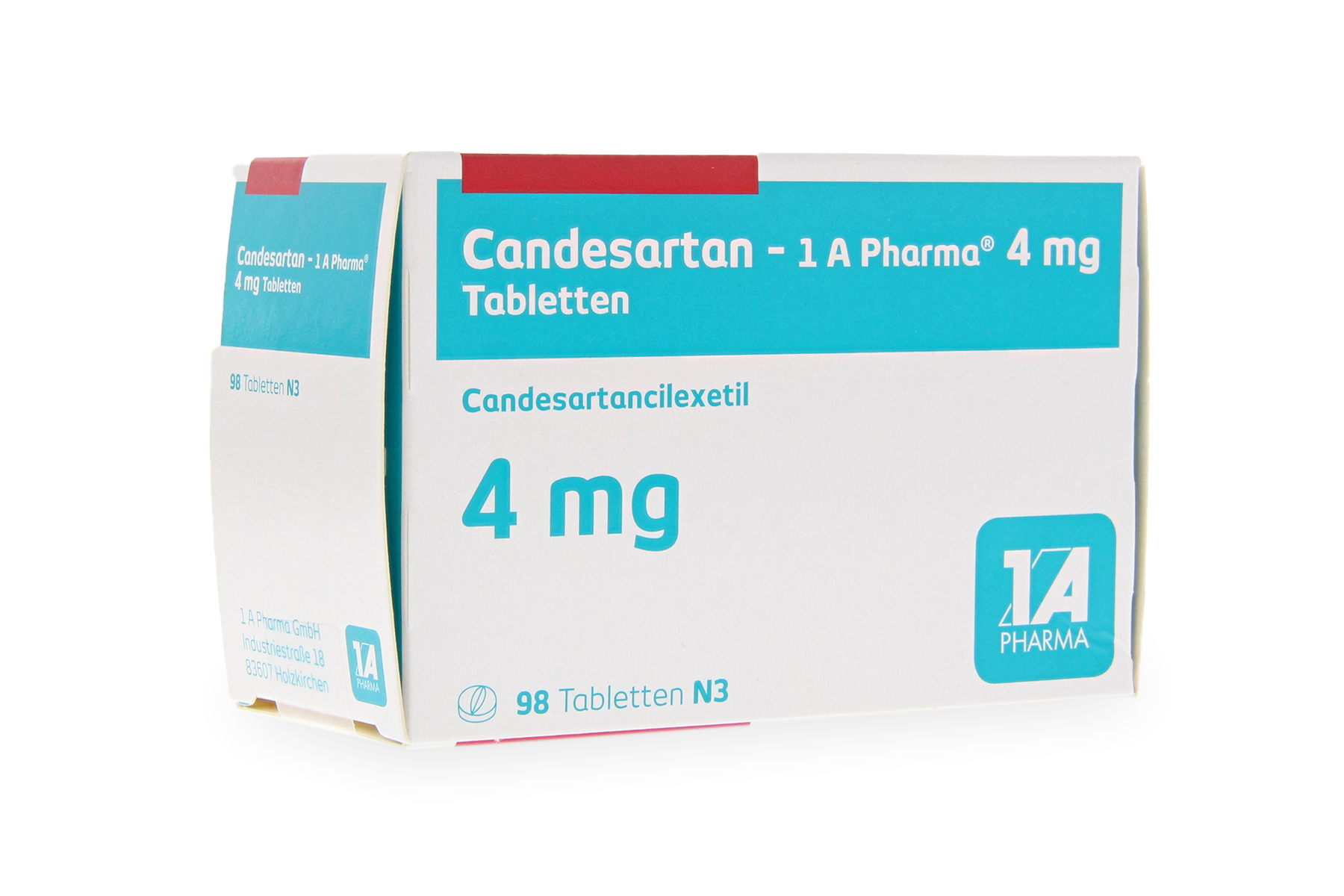
Candesartan
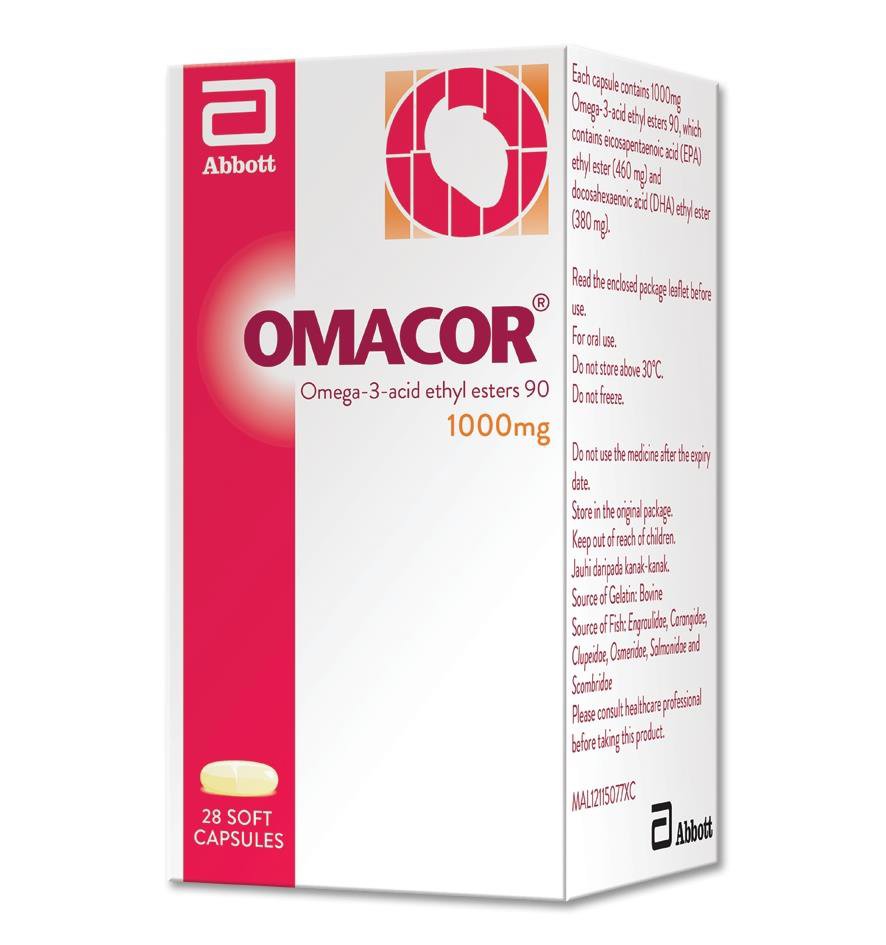
Omacor
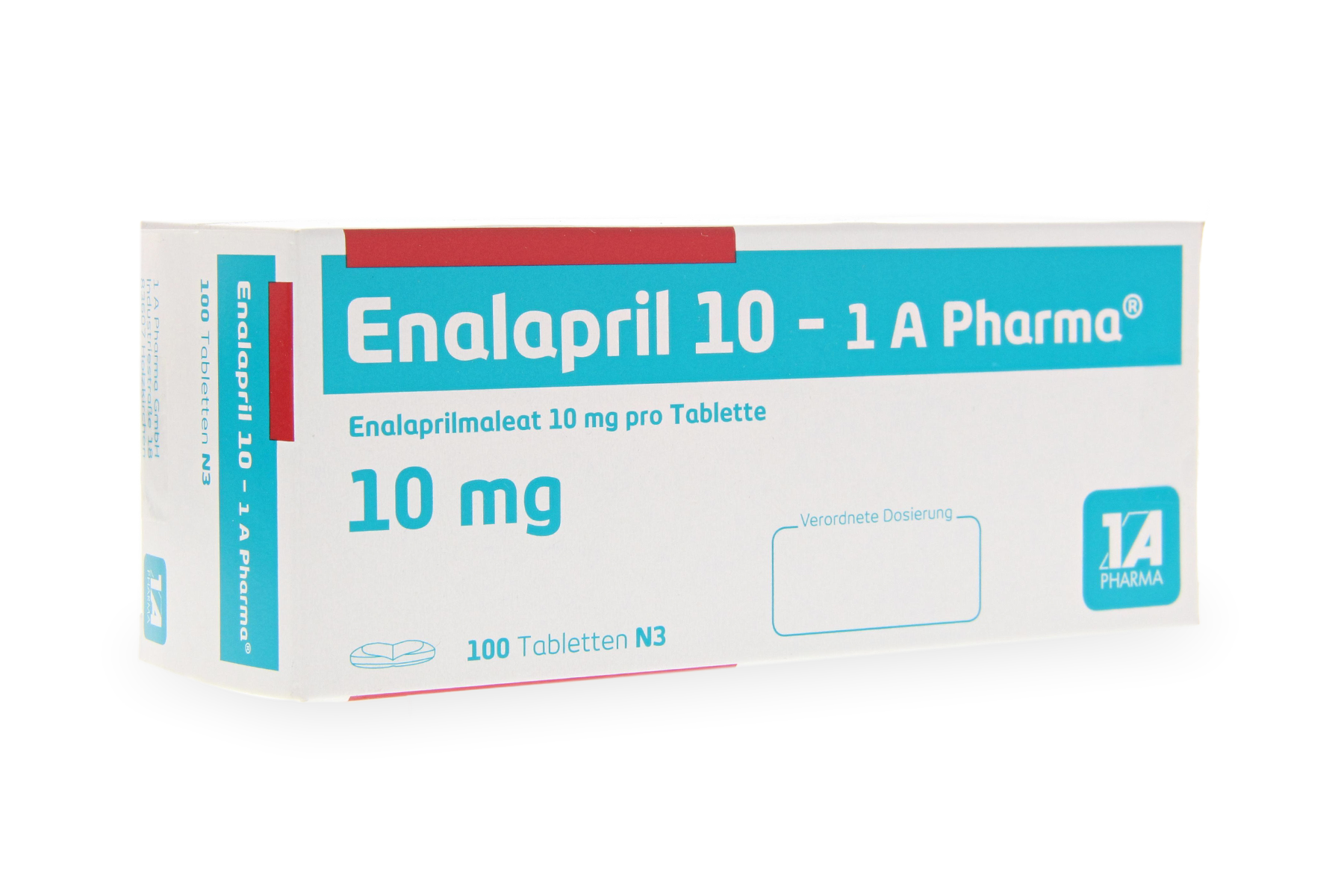
Enalapril
Ramipril
Atorvastatin
Dymista
Mirvaso

Spedra
Salbutamol
Orlistat
Vagifem
Marvelon
Desloratadine
Arcoxia
Levothyroxine
Mercilon
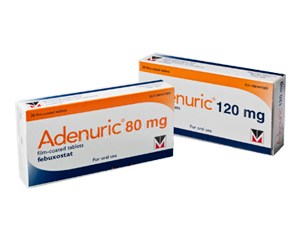
Adenuric

Metoclopramide
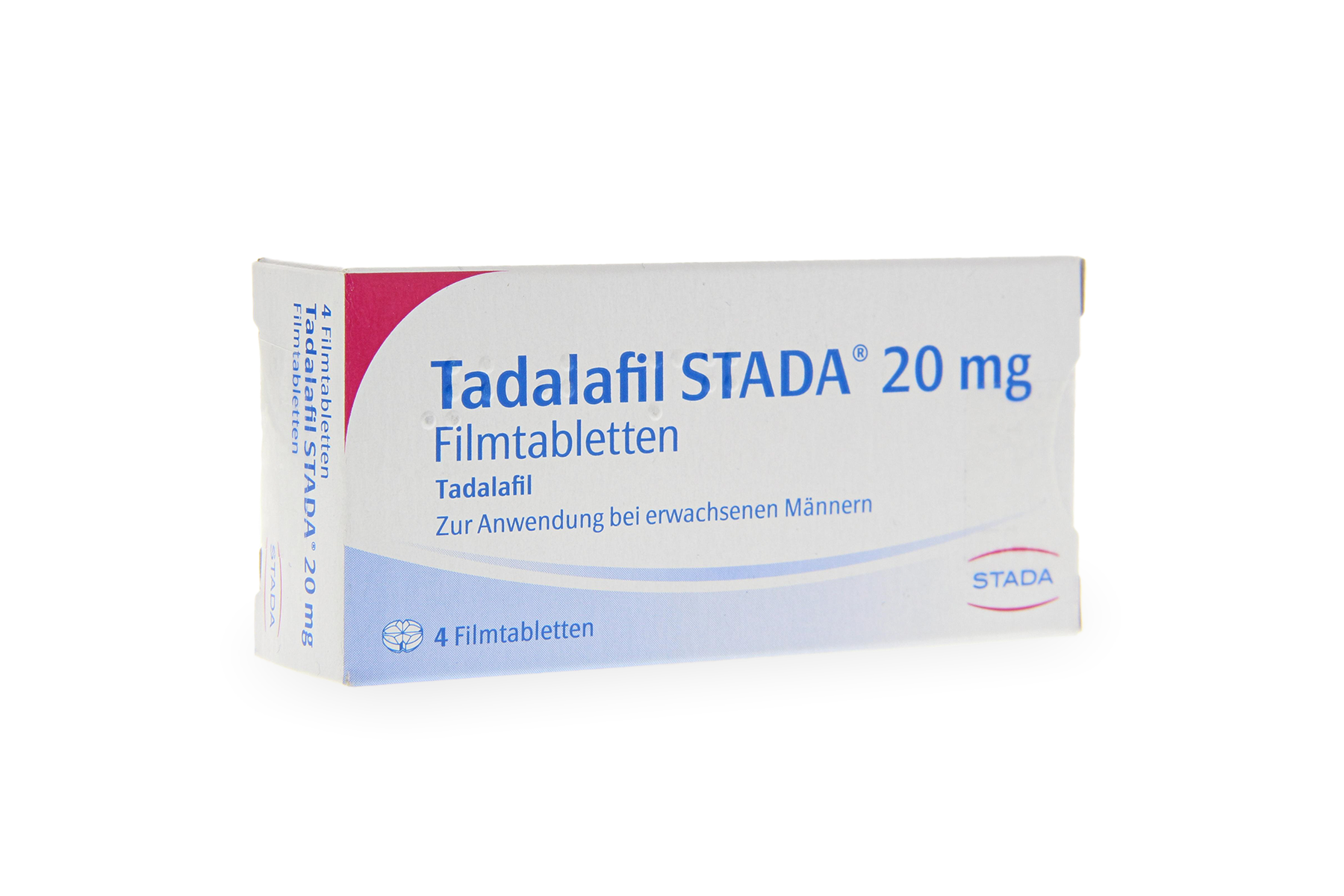
Tadalafil
Valsartan
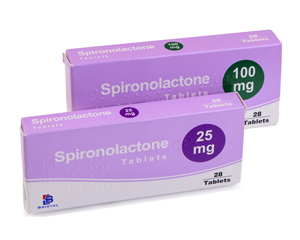
Spironolactone
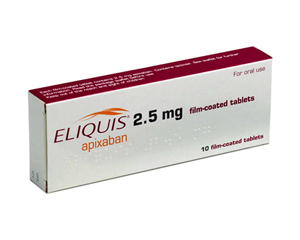
Eliquis
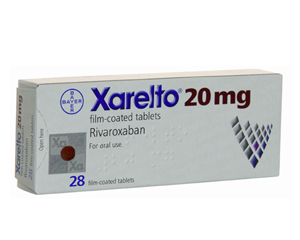
Xarelto

Vardenafil
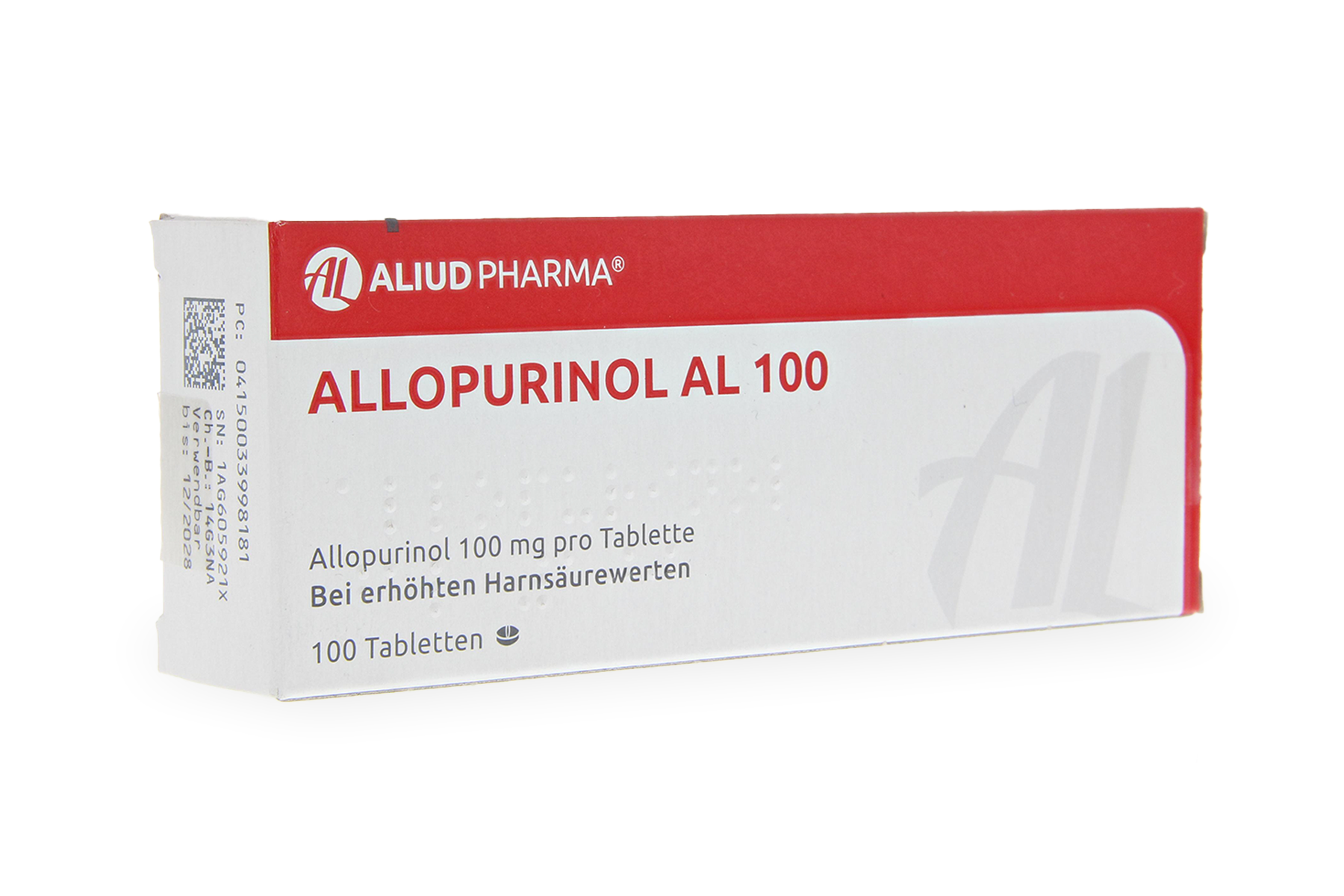
Allopurinol
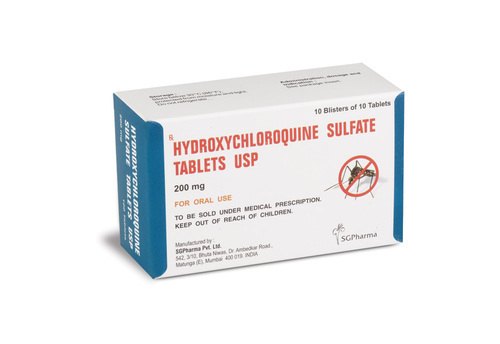
Hydroxychloroquine
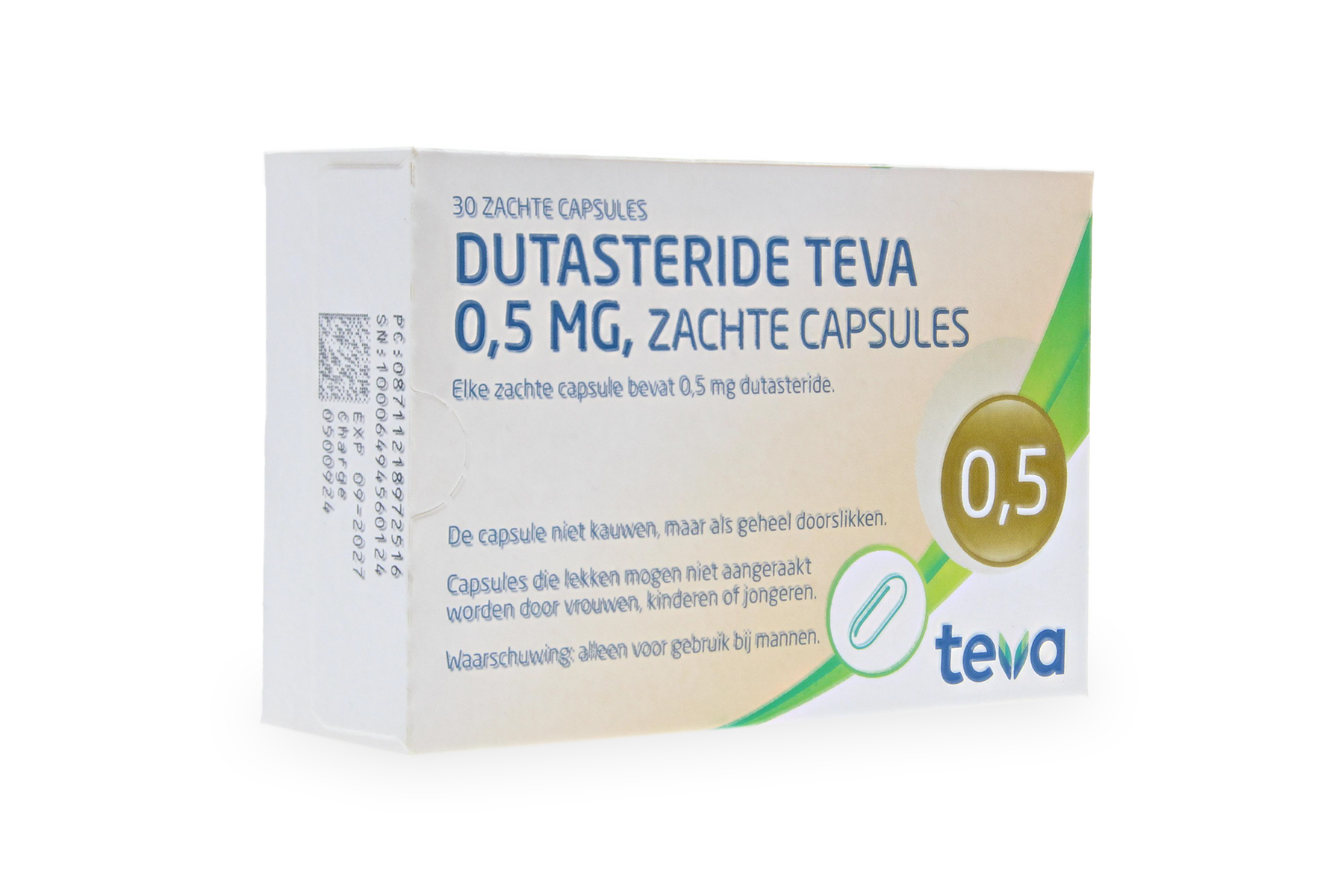
Dutasteride
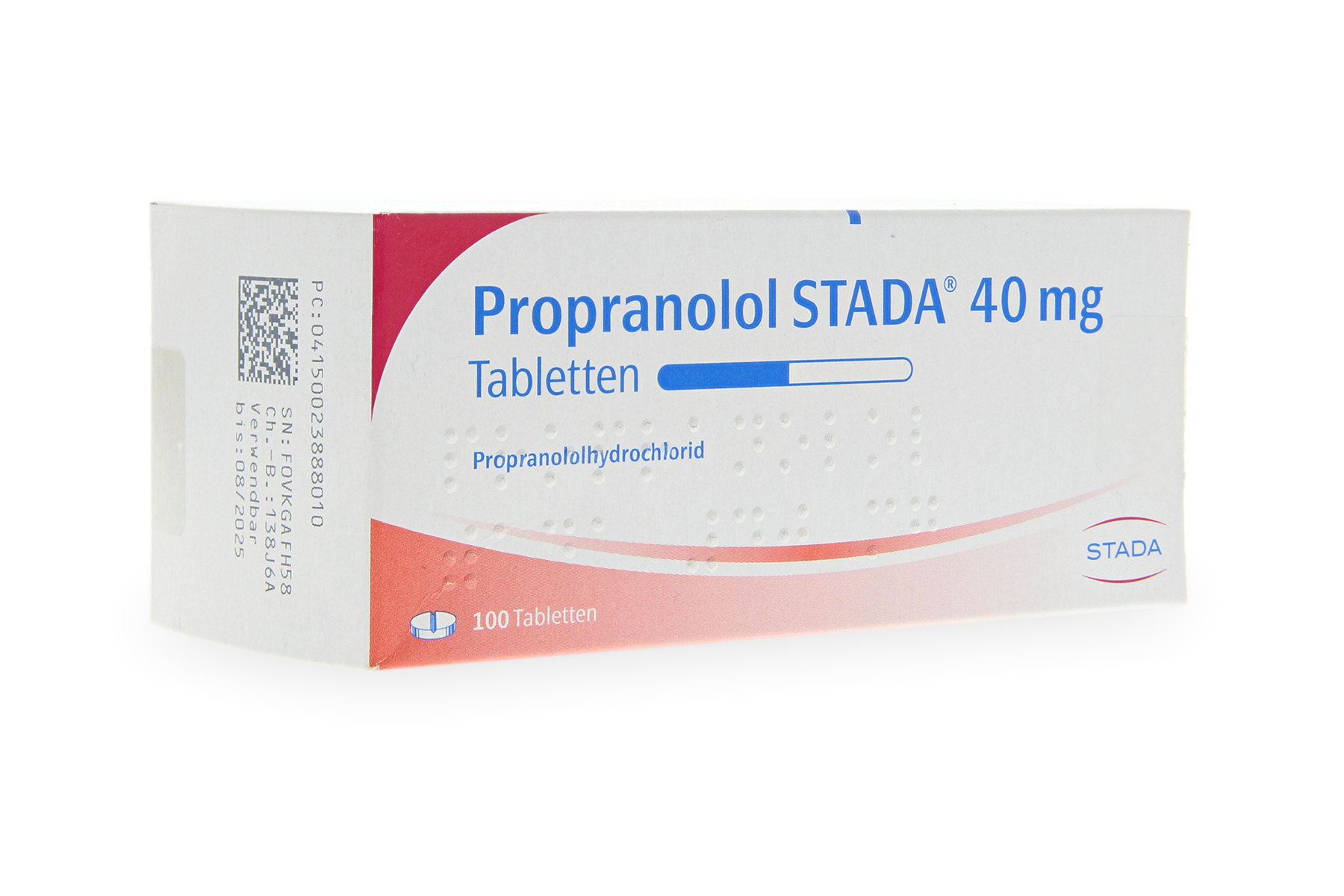
Propranolol

Wegovy
Circadin
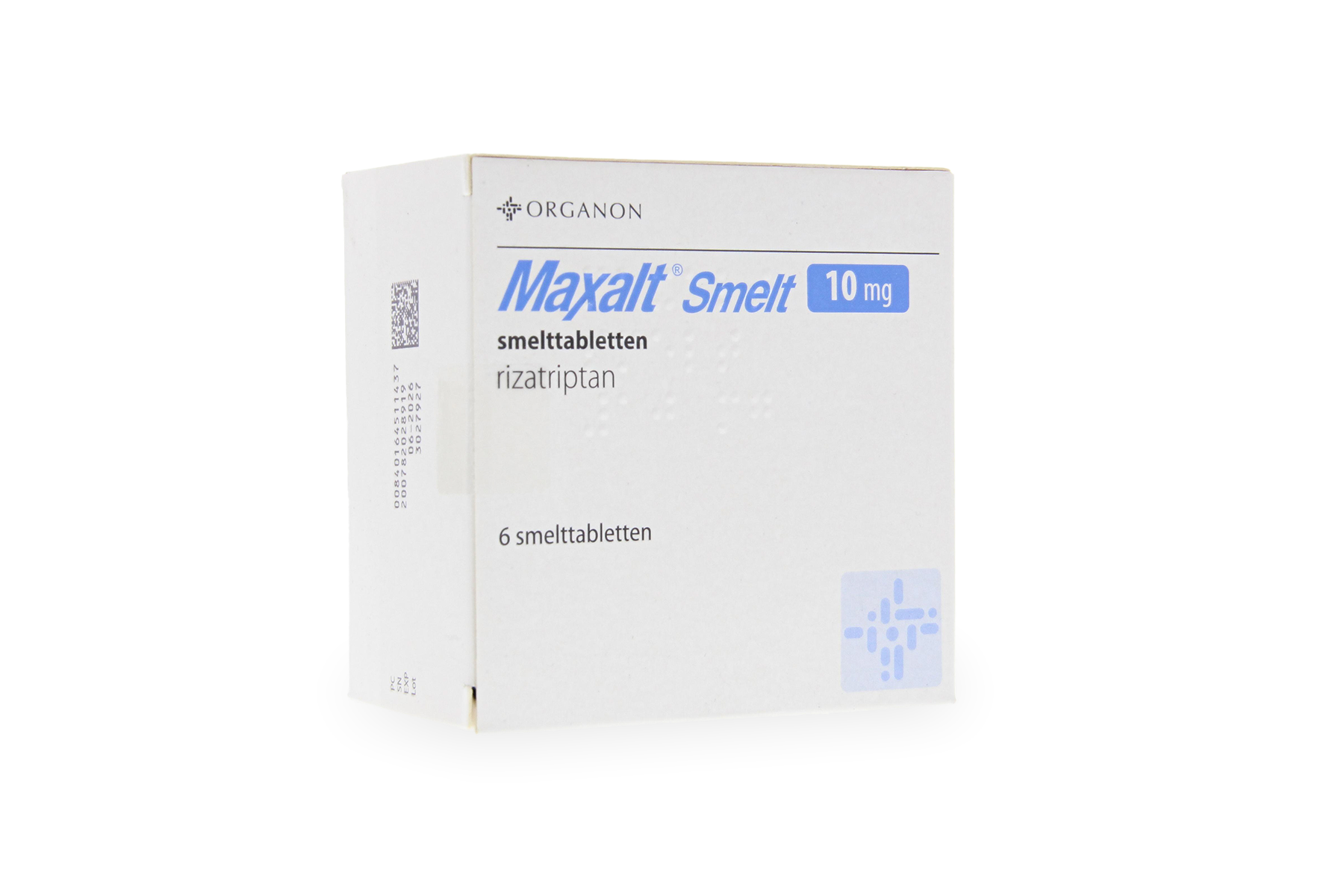
Maxalt
Amlodipine
Evra Patches

Mounjaro
Dermovate
Cerazette

Viagra

Melatonin
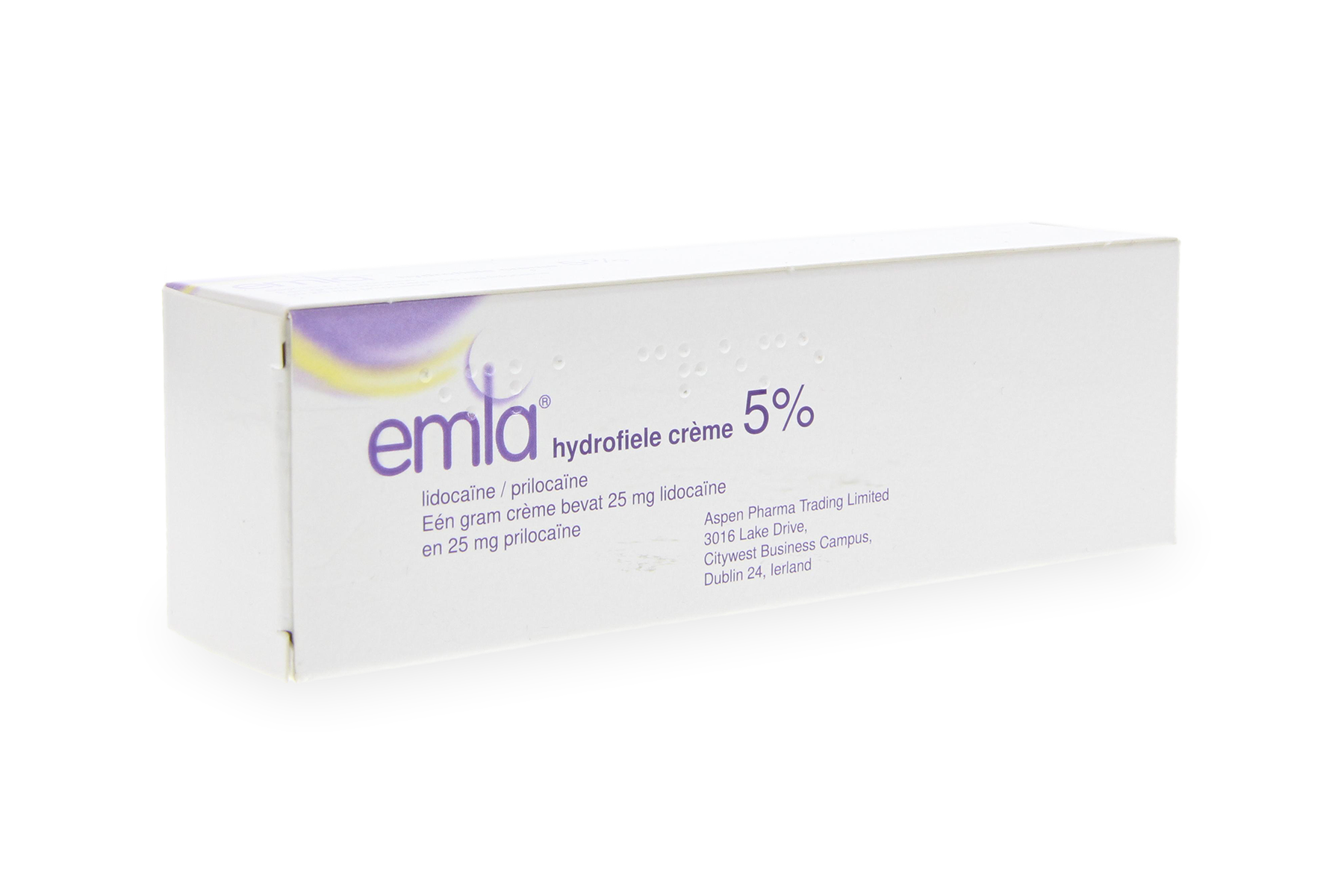
Emla Cream
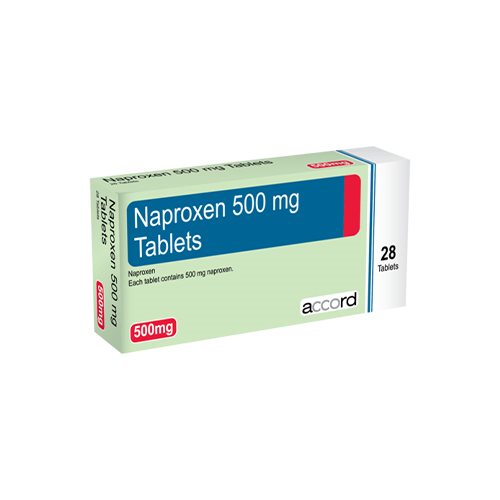
Naproxen
Ventolin

Bricanyl Turbohaler
Doxycycline (Malaria)
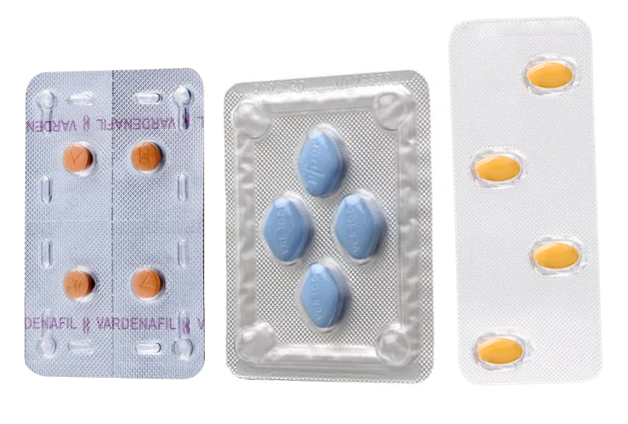
Impotence Trial Pack

Microgynon 30
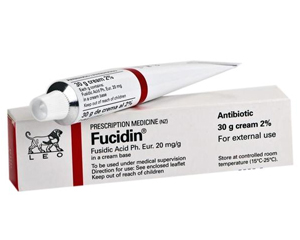
Fucidin
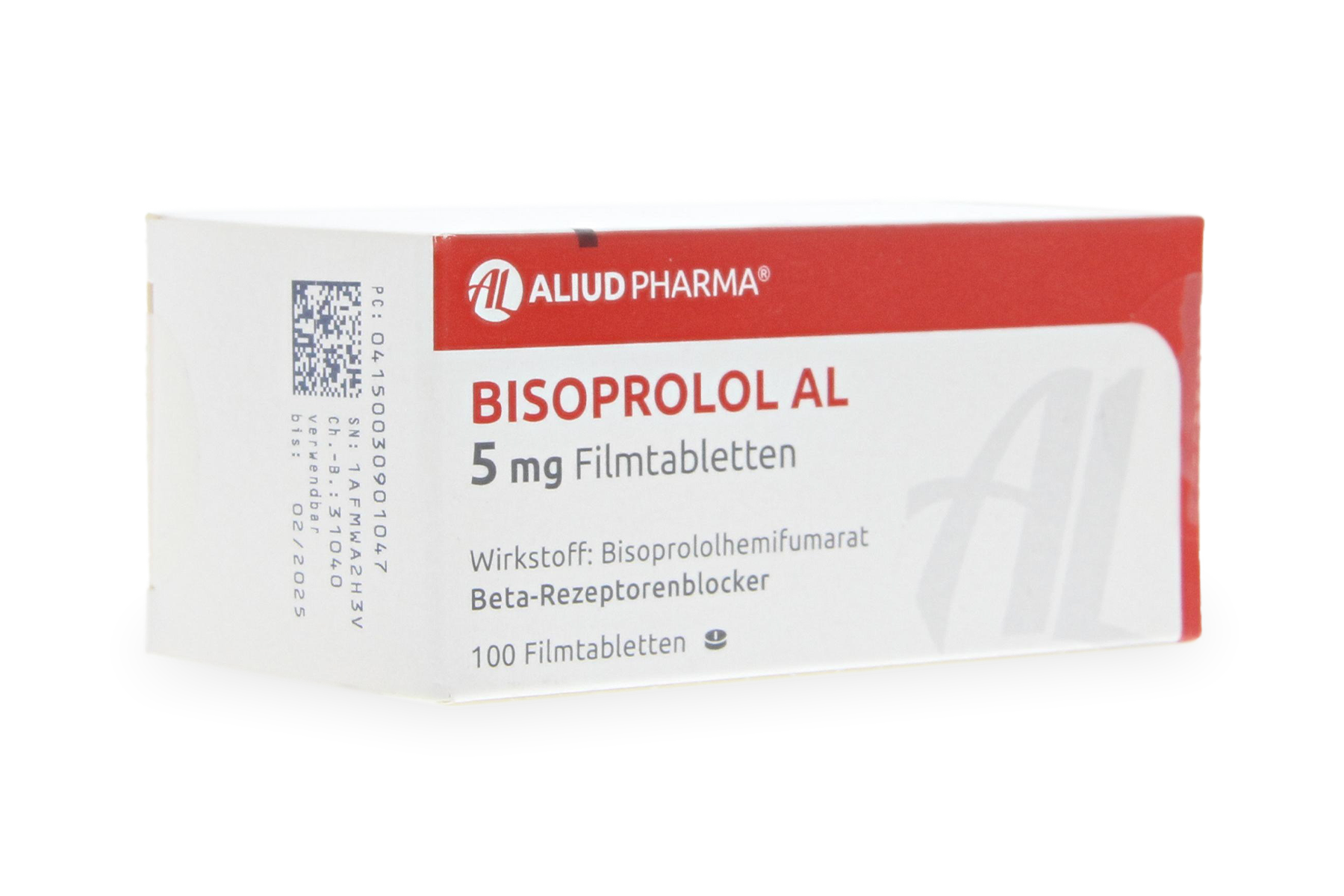
Bisoprolol
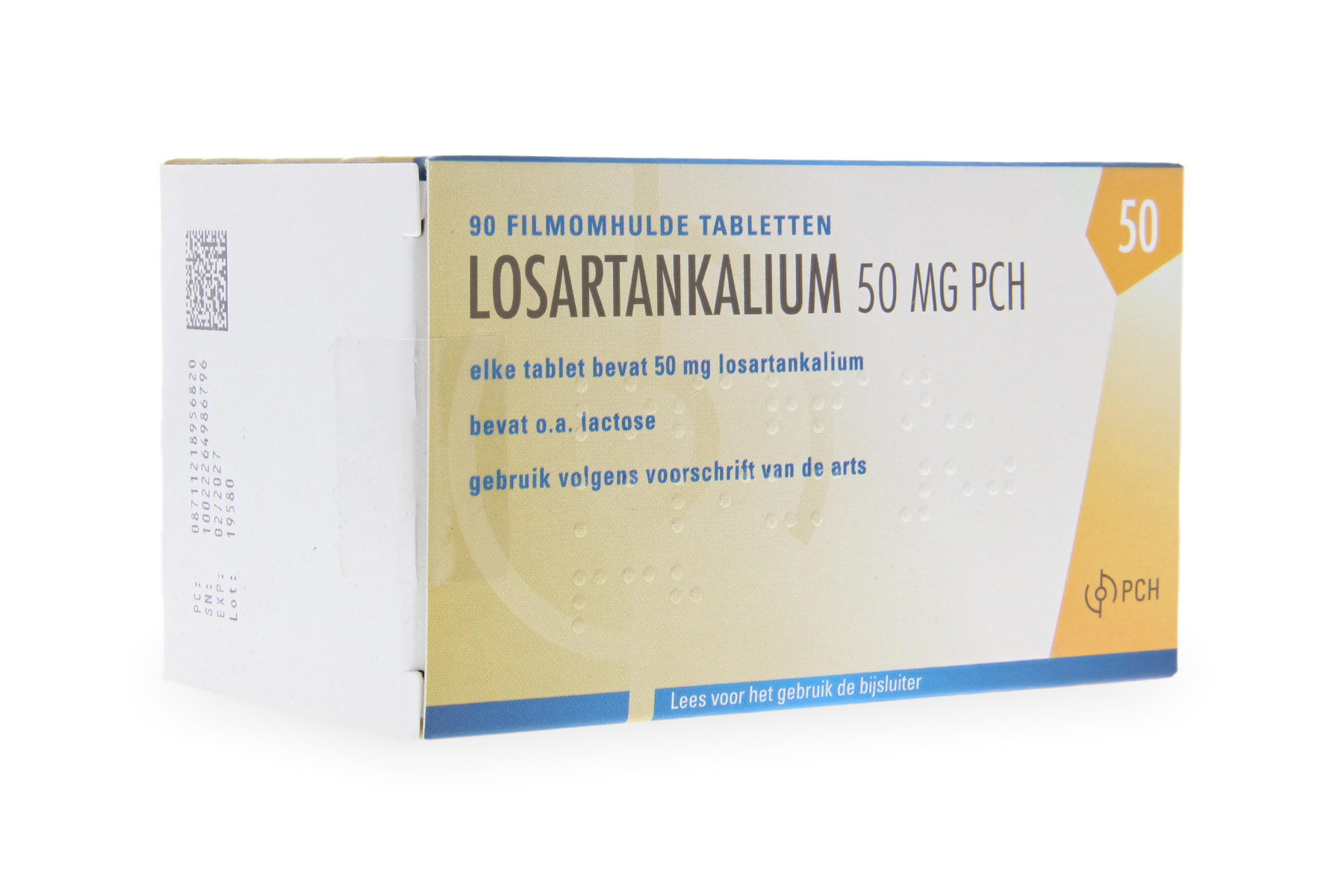
Losartan
Pulmicort Turbohaler
Avamys
Telfast
Vitaros

Zyloric
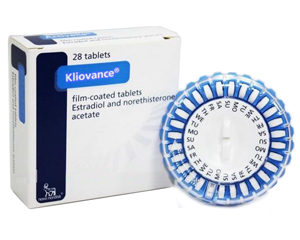
Kliovance

Bactroban
Elocon
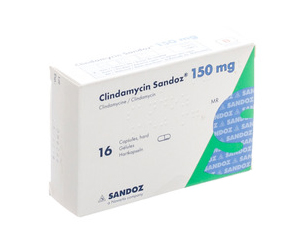
Clindamycin
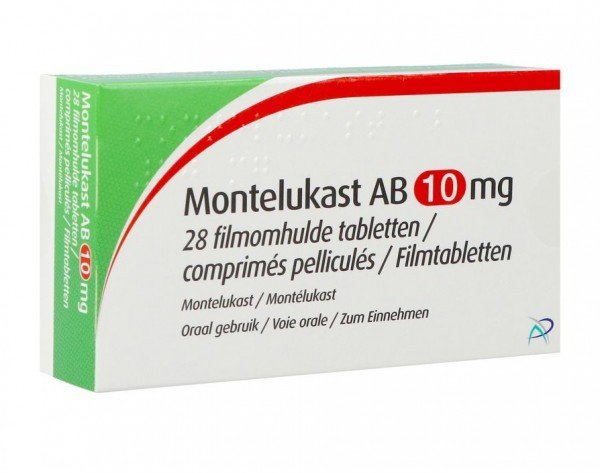
Montelukast
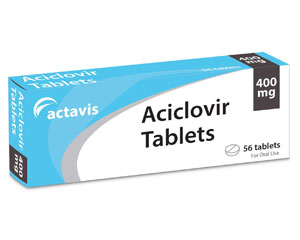
Aciclovir
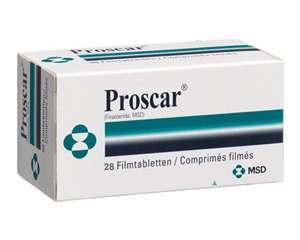
Proscar

Differin
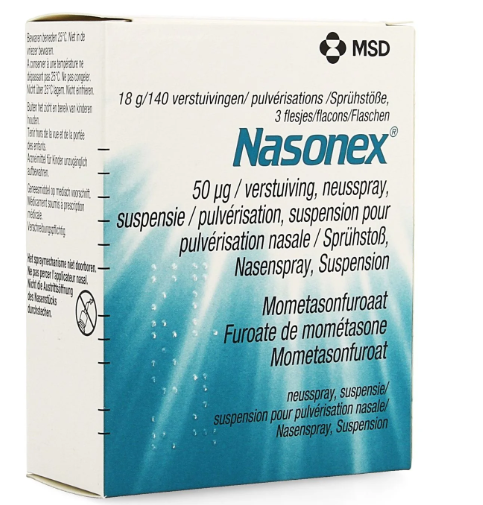
Nasonex Nasal Spray

Propecia
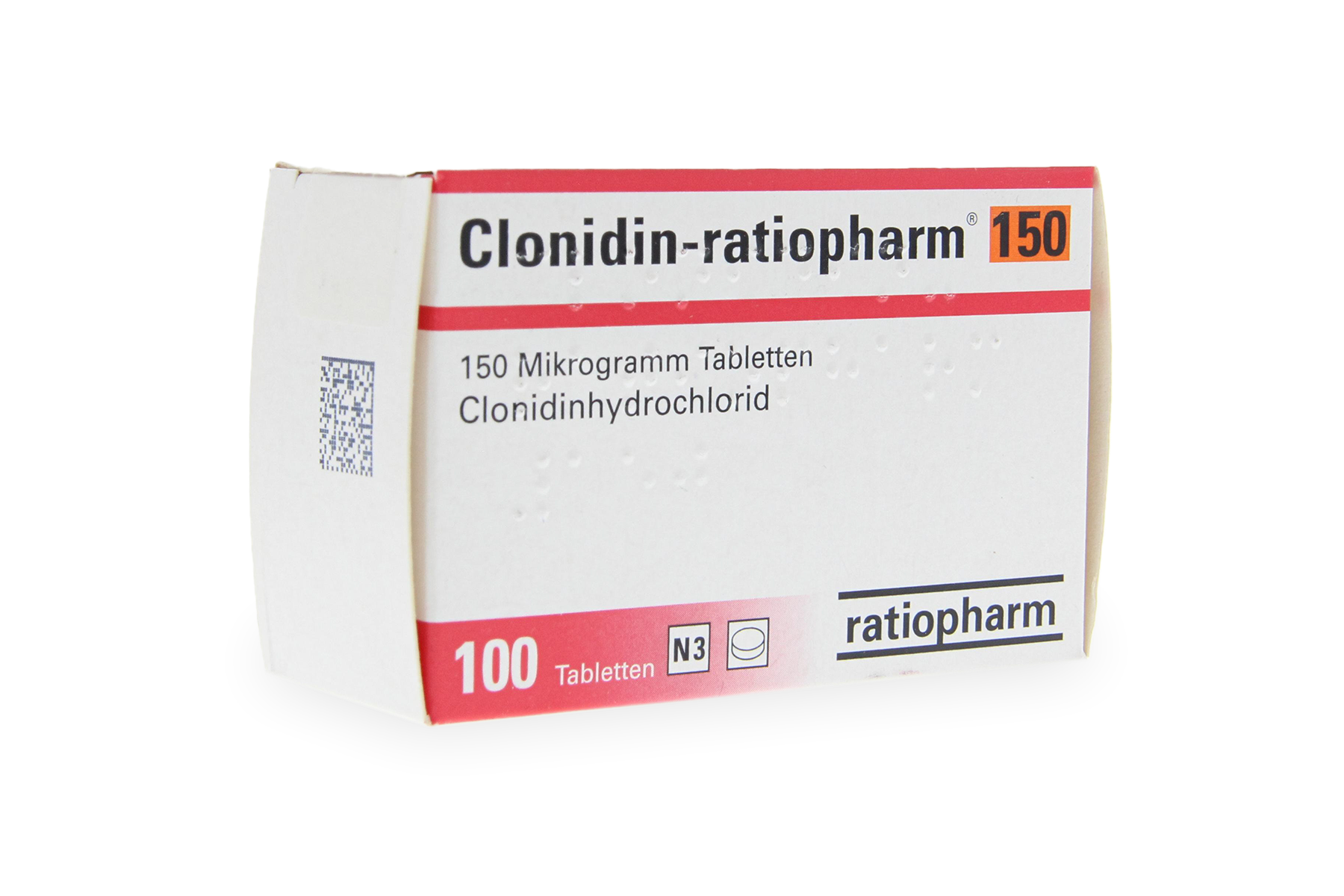
Clonidine
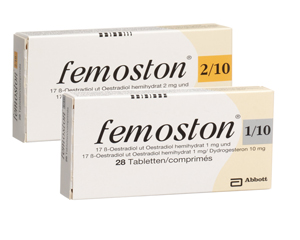
Femoston
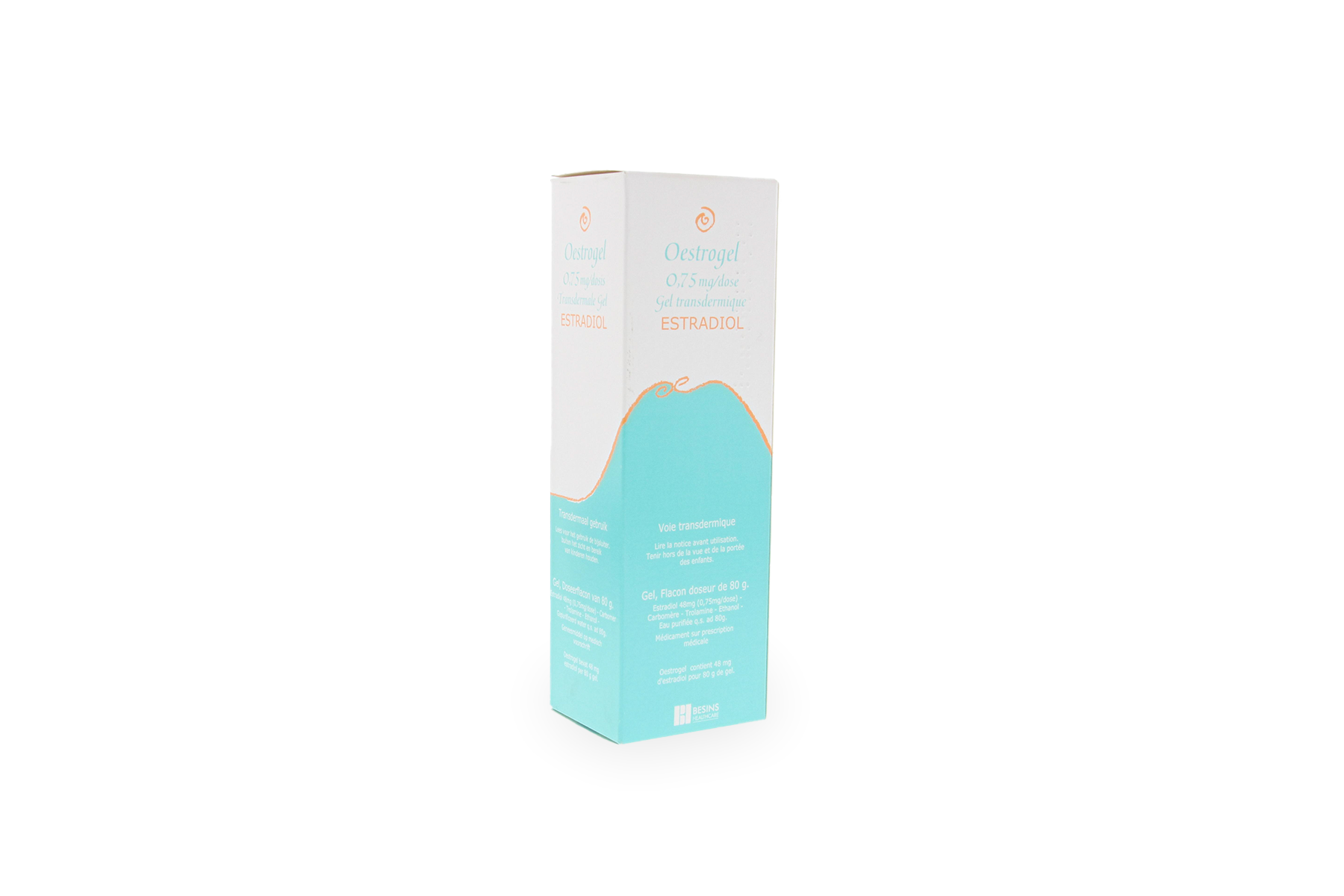
Oestrogel
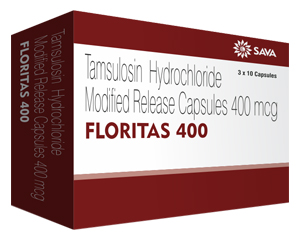
Tamsulosin MR
Azyter
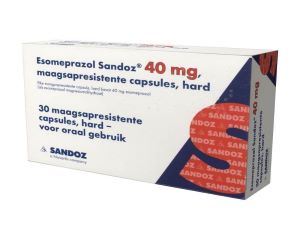
Esomeprazole
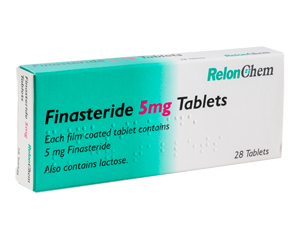
Proscar (Finasteride)
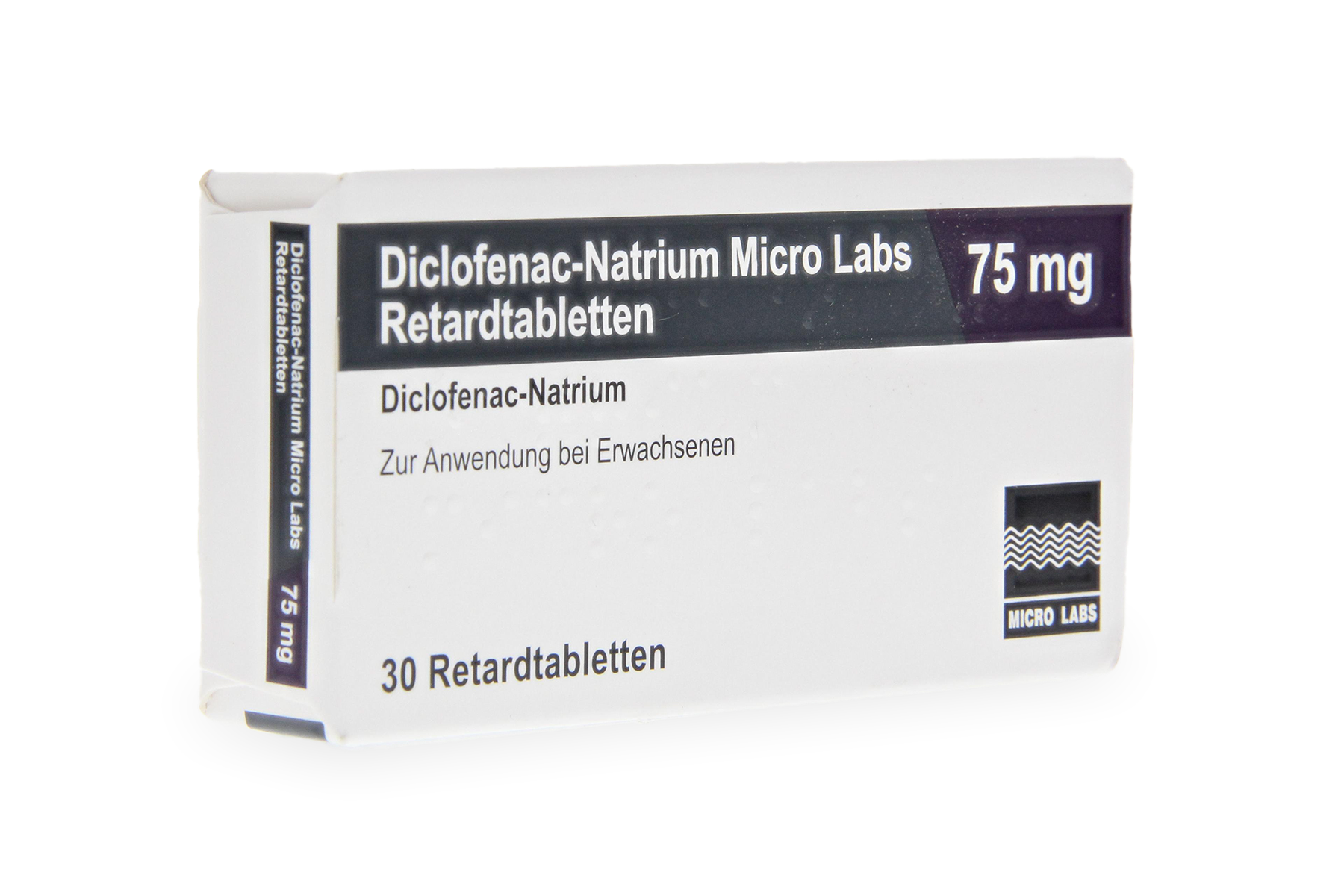
Diclofenac SR
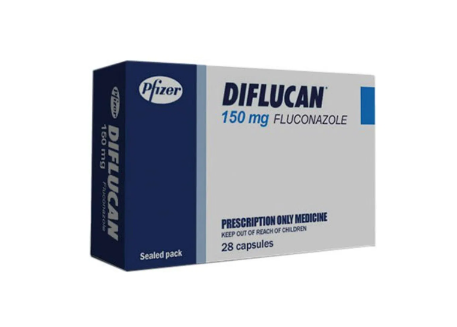
Diflucan
Crestor
Lansoprazole
Vesicare
Flixotide
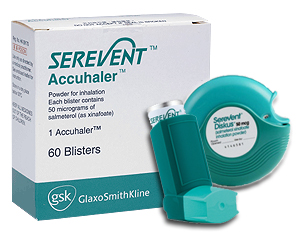
Serevent
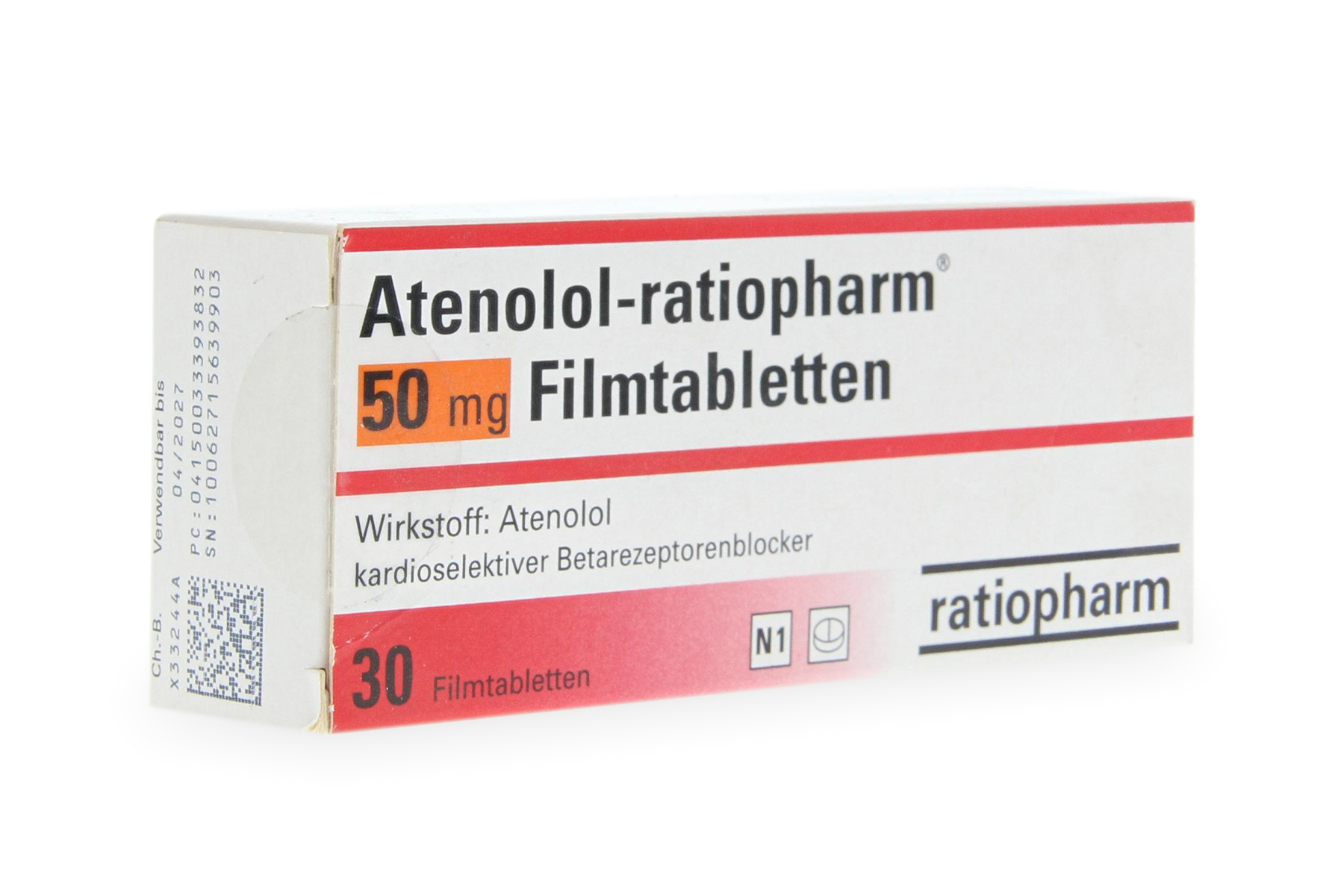
Atenolol
Janumet
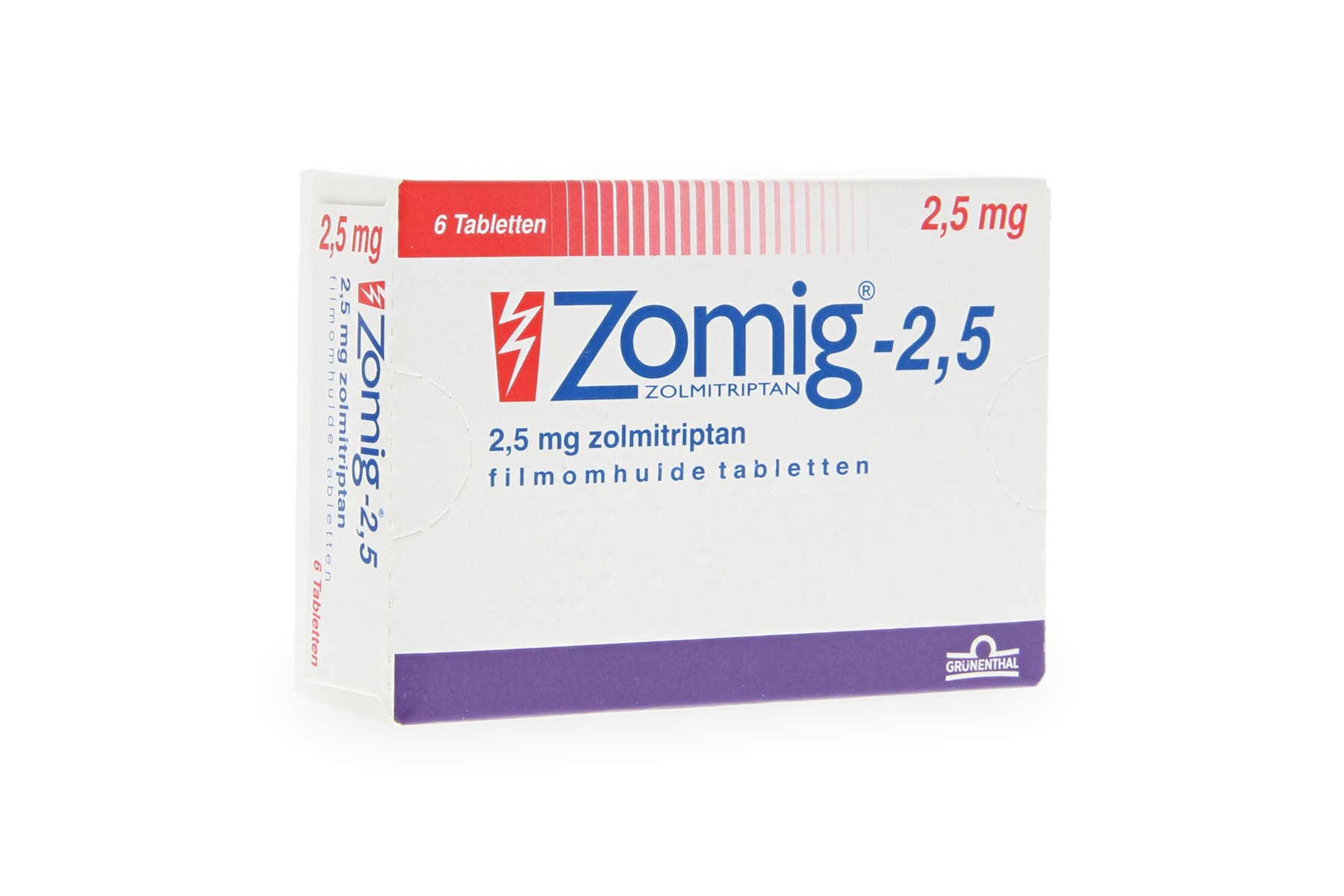
Zomig
Migraine Treatments
What Is Migraine?
Migraine is far more than just a bad headache. It is a complex neurological condition that affects around one in seven people worldwide, making it one of the most common causes of disability. A migraine attack typically involves a severe, throbbing headache on one side of the head, often accompanied by nausea, vomiting, and heightened sensitivity to light, sound, and sometimes smell.
Some people experience an "aura" before the headache phase, which may include visual disturbances such as flashing lights or zigzag patterns, tingling in the face or hands, or difficulty speaking. These neurological symptoms usually last between 20 and 60 minutes and can be alarming, though they are generally harmless.
Migraine attacks can last anywhere from four hours to three days if untreated, and their frequency varies enormously. Some people have episodes only a few times a year, while others suffer more than 15 headache days per month, a pattern classified as chronic migraine. Understanding your personal triggers and having an effective treatment plan are essential for minimising the impact of the condition on daily life.
Acute Migraine Treatments
The goal of acute treatment is to relieve symptoms quickly and completely, allowing the person to resume normal activities. Triptans are the gold standard for moderate to severe migraine attacks. Sumatriptan, rizatriptan, and zolmitriptan work by narrowing blood vessels around the brain and blocking pain pathways in the brainstem. They are most effective when taken early in an attack, ideally as soon as the headache begins.
For milder attacks, or as an adjunct to triptans, simple analgesics such as aspirin, ibuprofen, or paracetamol can be effective, particularly in soluble or fast-dissolving formulations. Anti-sickness medications like domperidone or metoclopramide address nausea and also improve the absorption of oral painkillers, which can be slowed during a migraine due to gastric stasis.
It is important to avoid overusing acute treatments. Taking painkillers or triptans on more than ten days per month can paradoxically lead to medication-overuse headache, a chronic daily headache pattern that resolves only when the offending medication is withdrawn. Keeping a headache diary helps track frequency and spot this pattern early.
Preventive Treatments
Preventive therapy is recommended when migraines occur frequently (four or more attacks per month), are particularly severe or prolonged, or do not respond adequately to acute treatment. The aim is to reduce the frequency, severity, and duration of attacks, not to stop them entirely.
Several classes of medication are used for migraine prevention. Beta-blockers such as propranolol are among the best-studied options and are often a first choice, particularly for patients who also have anxiety or high blood pressure. Amitriptyline, a tricyclic antidepressant used at low doses, is another established option. Topiramate and sodium valproate are anticonvulsants that have shown efficacy in clinical trials.
For patients who do not respond to or cannot tolerate oral preventives, CGRP monoclonal antibodies represent a newer class of treatment designed specifically for migraine. Administered by monthly or quarterly injection, they target the calcitonin gene-related peptide pathway, which is central to migraine pathophysiology. Botulinum toxin injections are licensed for chronic migraine and are typically administered by a specialist every 12 weeks.
Identifying and Managing Triggers
While not every migraine attack has an identifiable trigger, many people find that certain factors consistently precede their episodes. Common triggers include stress (or, paradoxically, the relaxation that follows a stressful period), hormonal fluctuations around menstruation, irregular sleep patterns, skipping meals, dehydration, and specific dietary items such as alcohol, aged cheese, and caffeine.
Environmental triggers include bright or flickering lights, strong smells, loud noises, and changes in weather or altitude. Screen time, particularly in poorly lit environments, can also provoke attacks in susceptible individuals.
Keeping a migraine diary that records attack timing, potential triggers, symptoms, and treatment response is one of the most useful self-management tools available. Over time, patterns emerge that allow targeted avoidance strategies. Lifestyle regularity is key: eating at consistent times, maintaining a stable sleep schedule, staying hydrated, and building regular exercise into the week all help stabilise the neurological threshold that keeps migraines at bay.
Living Well with Migraine
Migraine can have a profound impact on work, relationships, and mental health. The unpredictability of attacks, combined with the invisible nature of the condition, can lead to frustration, guilt, and social isolation. Acknowledging migraine as a genuine neurological disorder, rather than minimising it as "just a headache," is an important step for both patients and those around them.
Developing a personalised action plan with your healthcare provider helps you feel more in control. This should cover acute treatment strategies, when to consider preventive therapy, trigger management, and criteria for seeking urgent medical attention. Having medication accessible at all times, whether at home, at work, or while travelling, reduces the anxiety associated with a potential attack.
Support organisations and online communities provide valuable resources, shared experiences, and practical advice. If your migraines are affecting your quality of life despite treatment, a referral to a headache specialist or neurologist can open the door to additional options, including newer targeted therapies and multidisciplinary management programmes.
Frequently Asked Questions
What is the most effective migraine treatment?
Can I get migraine medication prescribed online?
How many migraines per month warrant preventive treatment?
What are triptans and how do they work?
Dr. Ross Elledge
General Practitioner · General & Family Medicine
Verified Healthcare Professional
TopDoctors ProfileThis website provides general information about medicines for educational purposes only. Always consult your doctor or pharmacist before taking any medication.