
Skin Care Treatments
Prescription skin treatments target conditions that over-the-counter products cannot adequately manage. From acne and eczema to fungal infections and rosacea, a licensed online doctor can prescribe targeted medications for effective results.
Prescription retinoids and antibiotics for moderate-to-severe acne
Topical corticosteroids for eczema and dermatitis
Antifungal creams for skin infections
Online consultation for convenient prescription access

Cialis
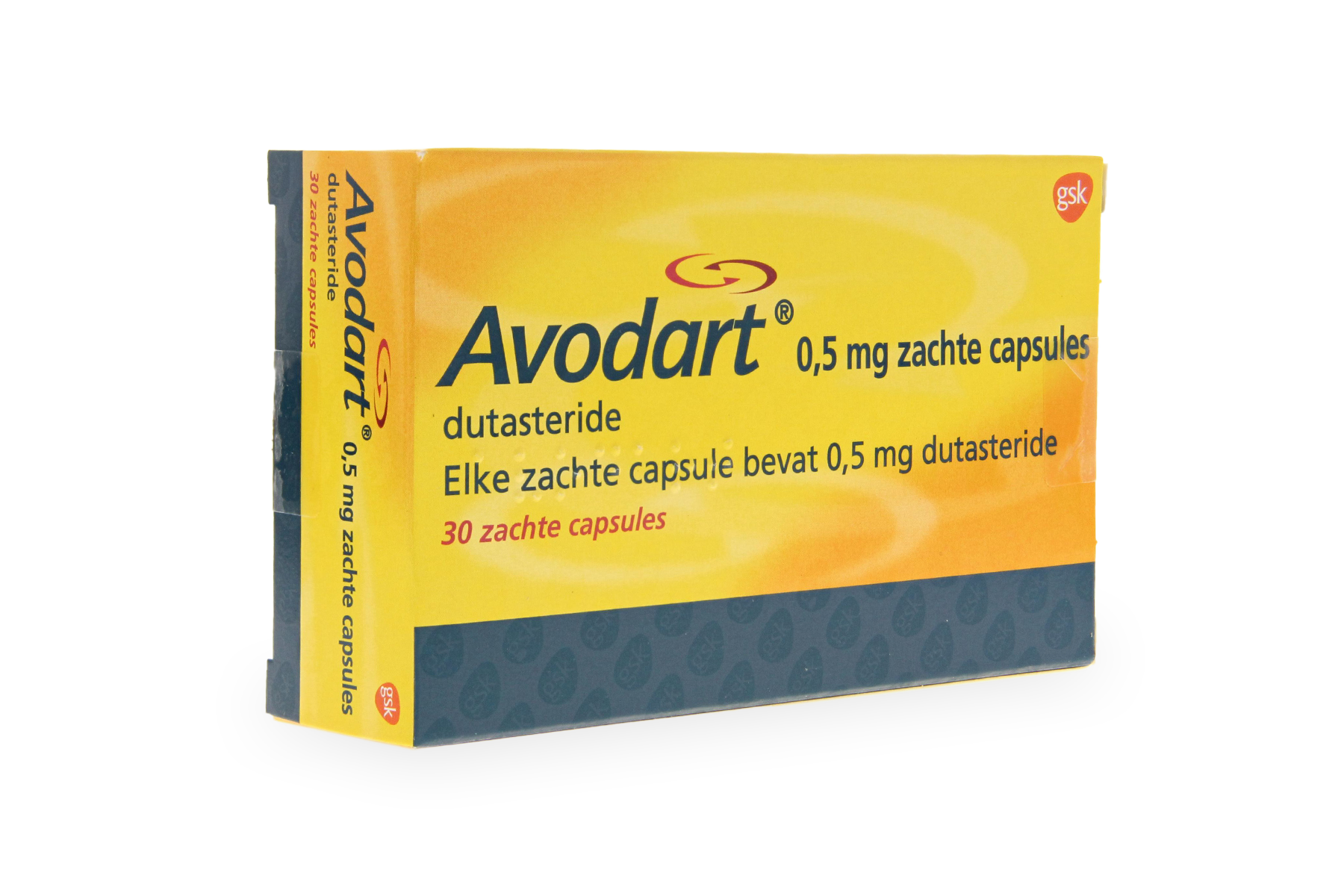
Avodart
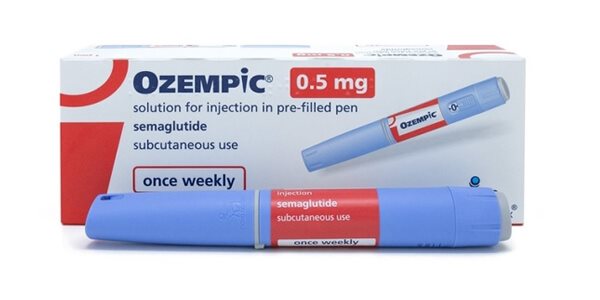
Ozempic

Nuvaring
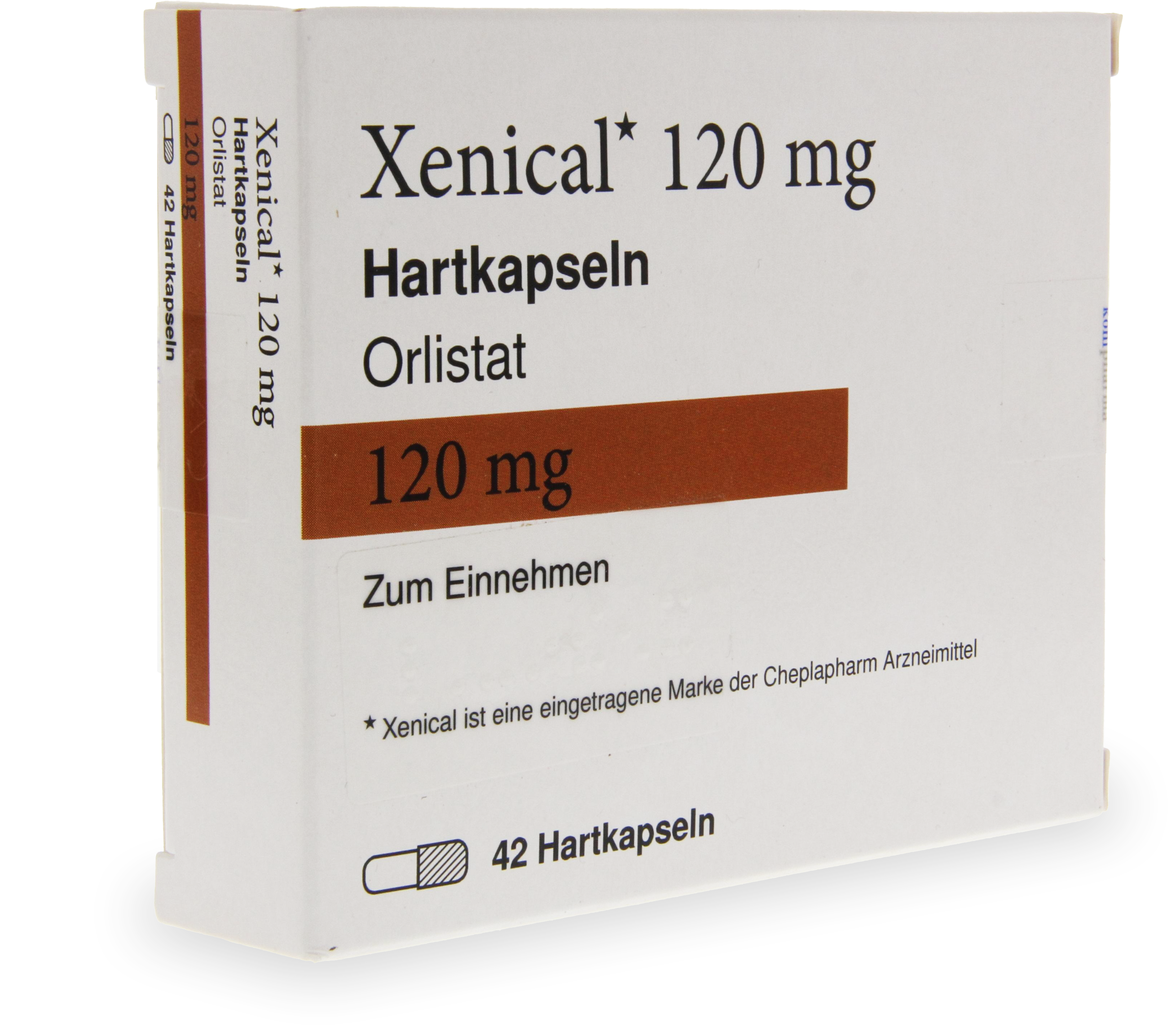
Xenical
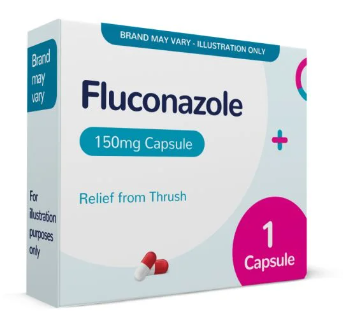
Fluconazole
Yasmin
Qlaira
Ciprofloxacin
Utrogestan
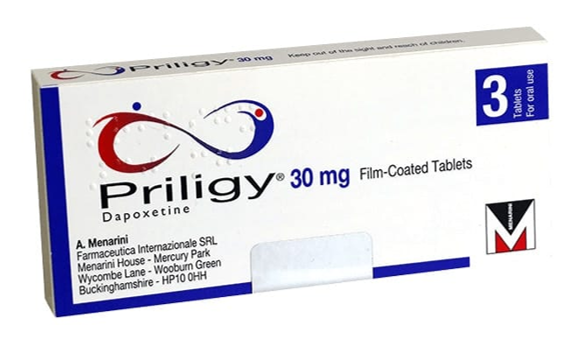
Priligy
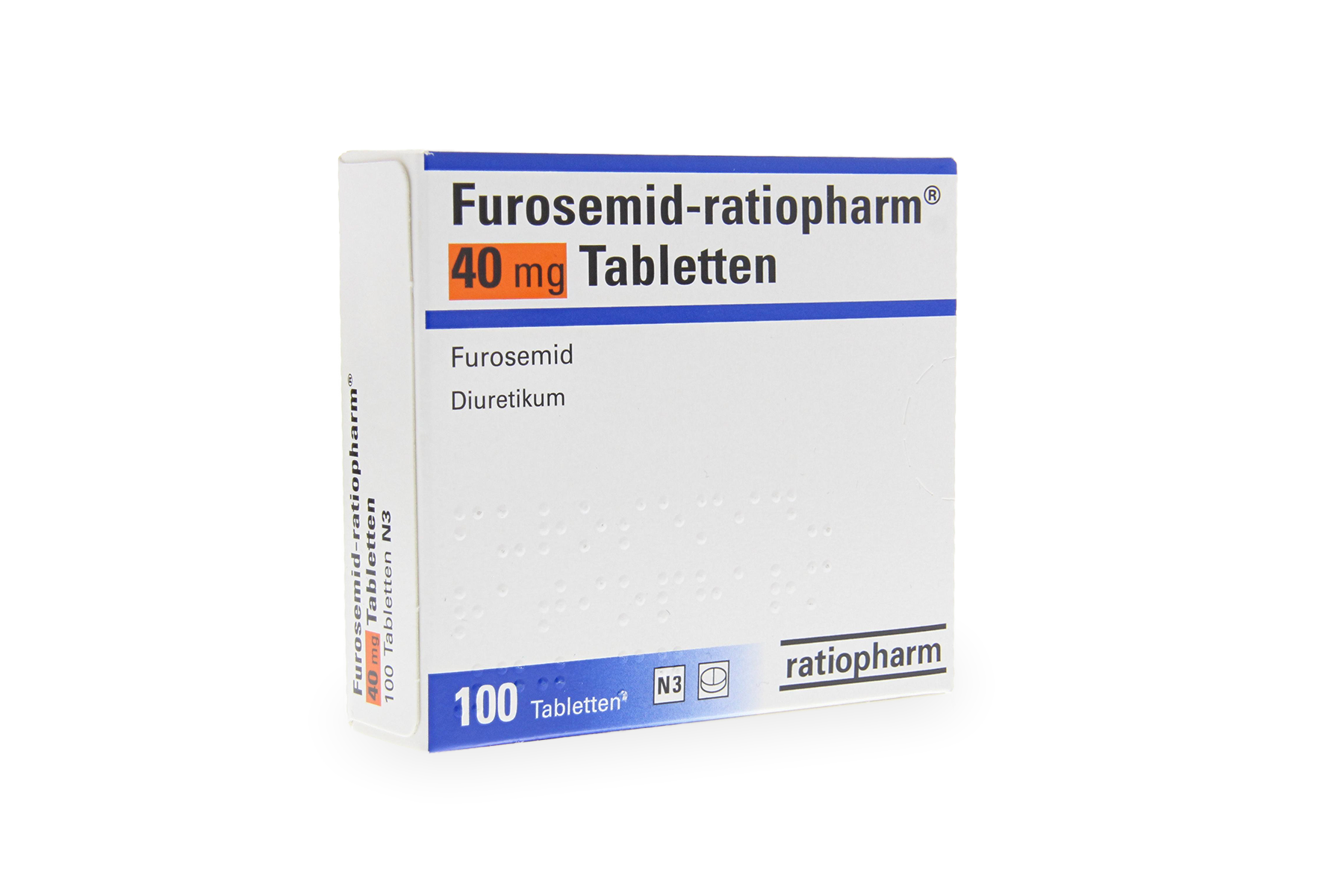
Furosemide
Omeprazole
Pantoprazole

Sildenafil
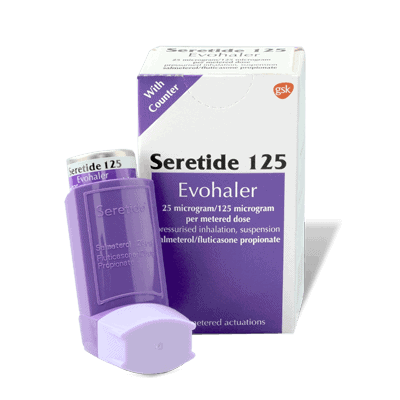
Seretide
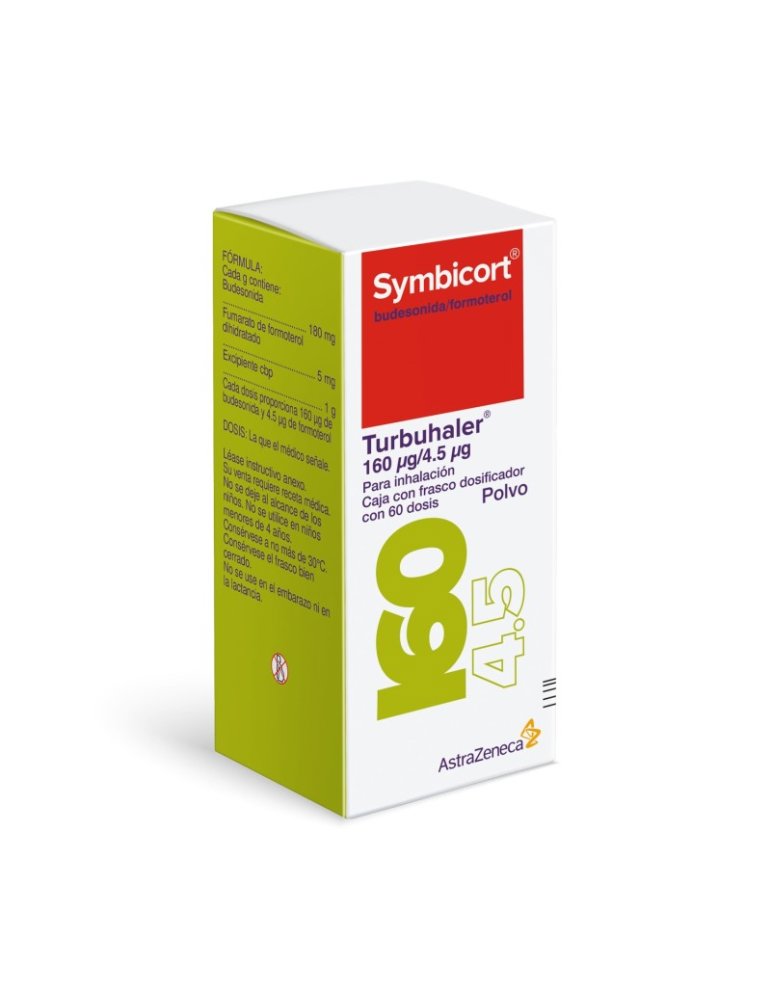
Symbicort Turbuhaler
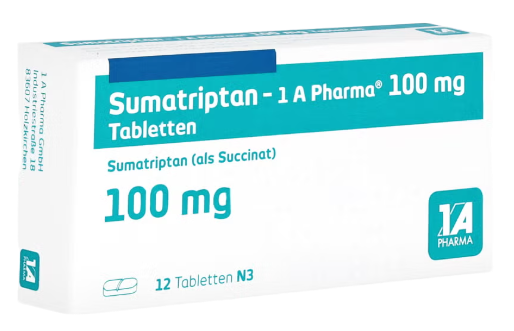
Sumatriptan
Betnovate
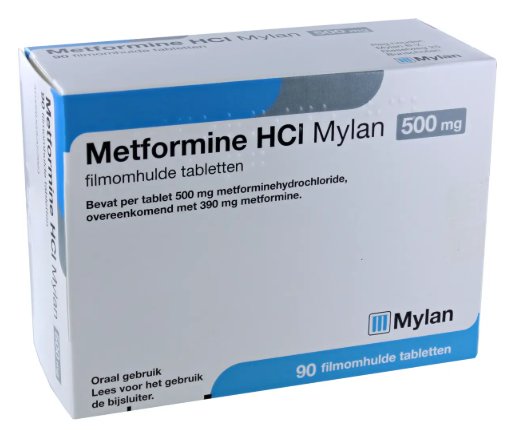
Metformin
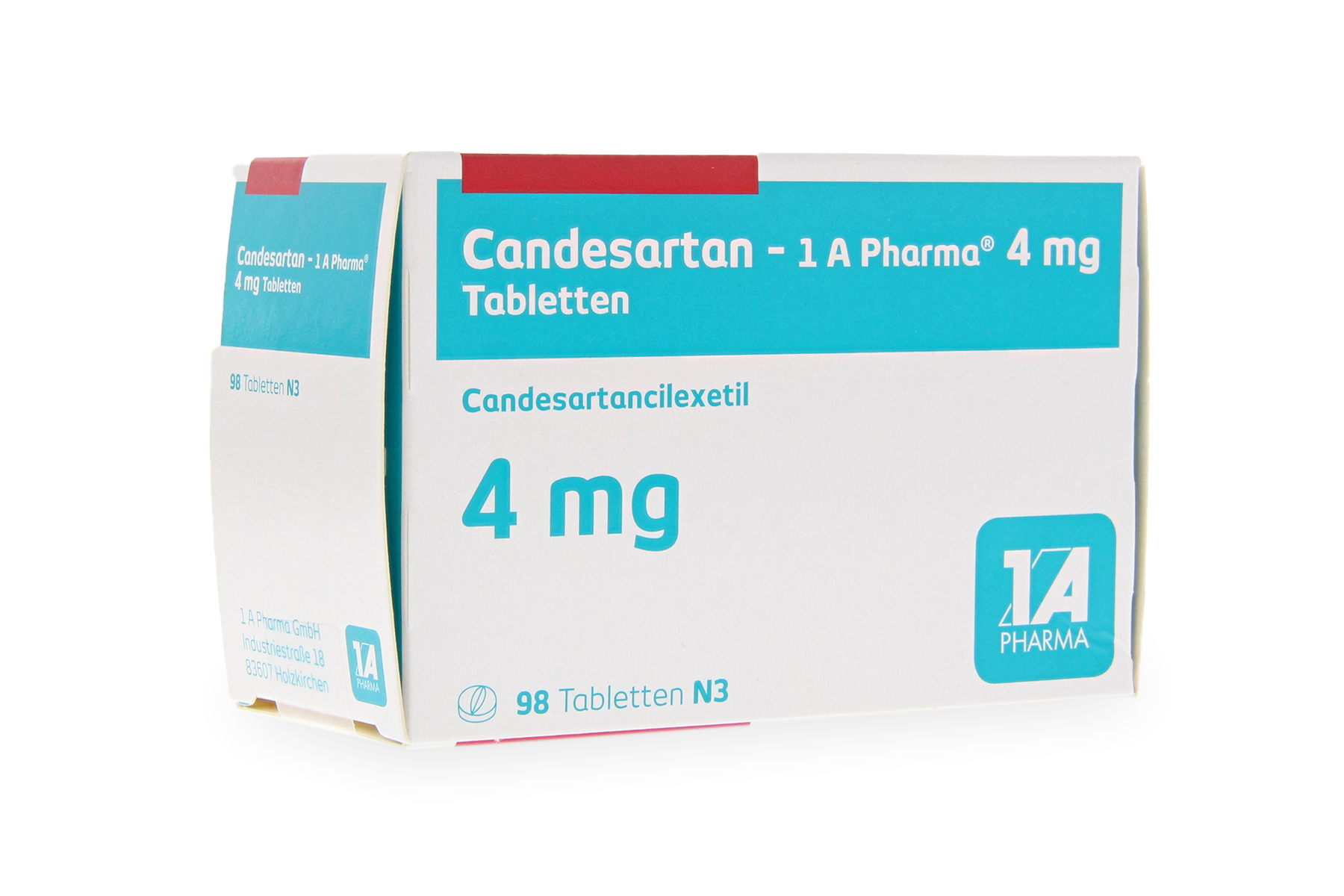
Candesartan
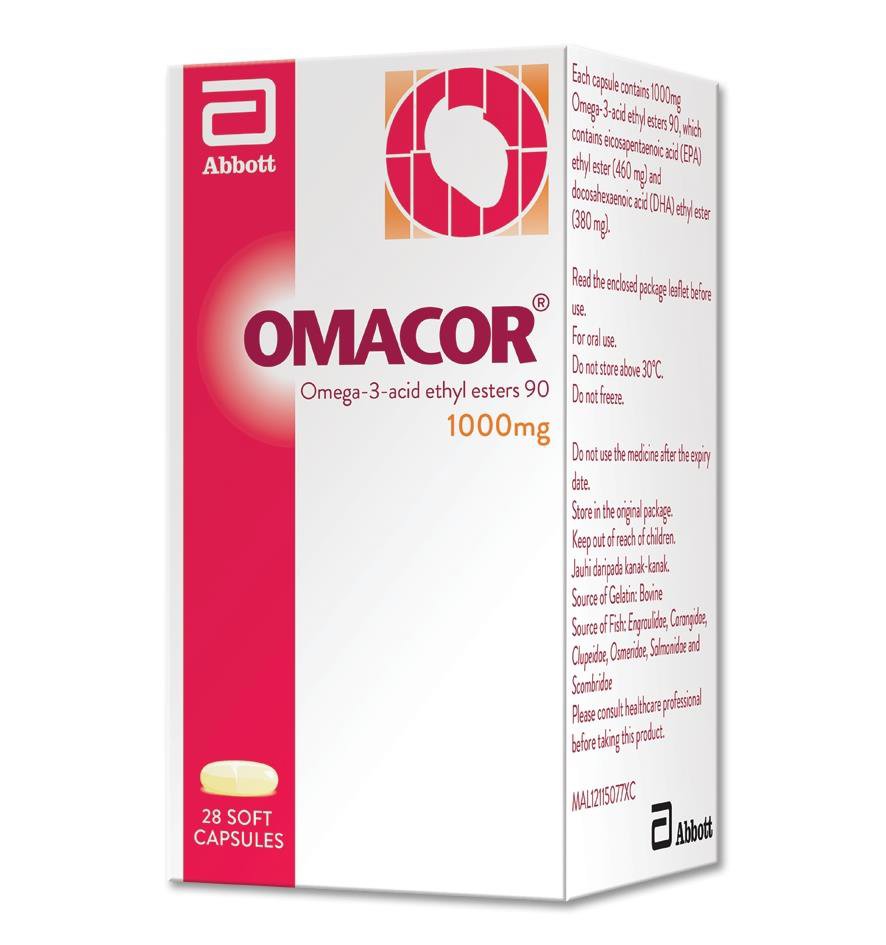
Omacor
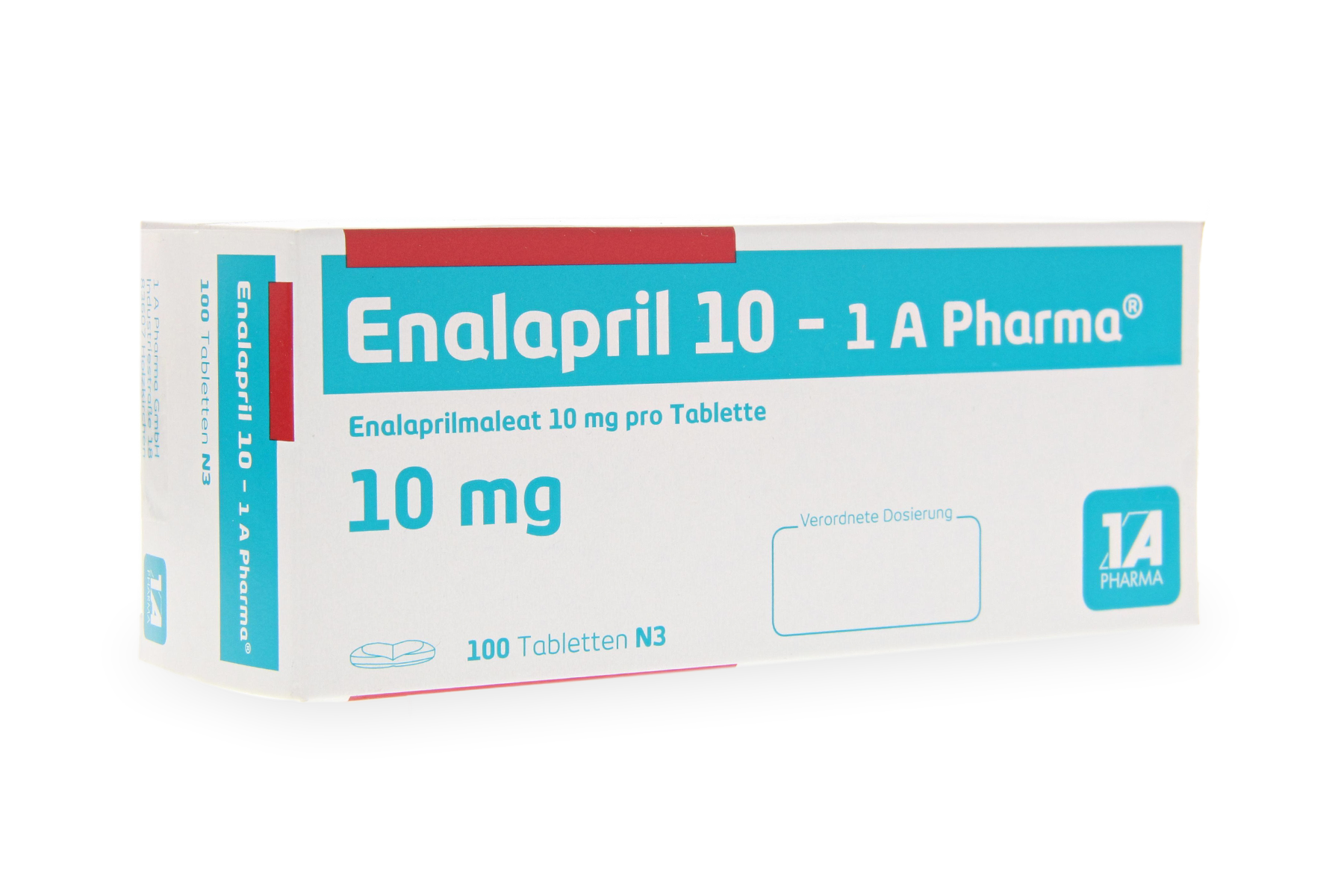
Enalapril
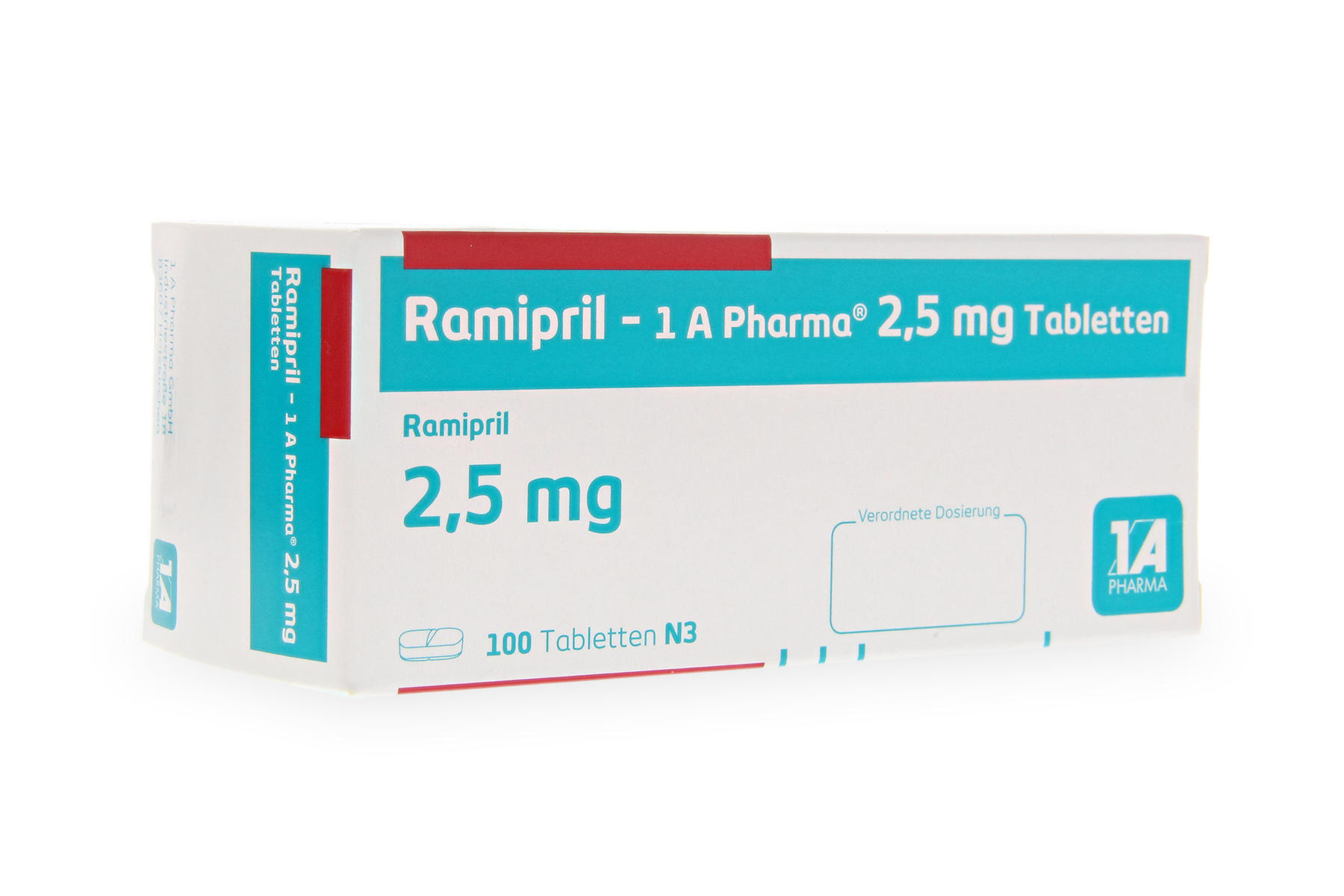
Ramipril
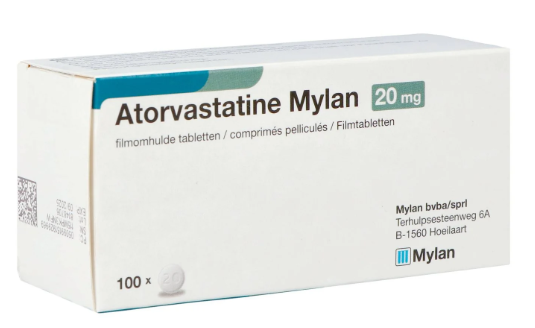
Atorvastatin
Dymista
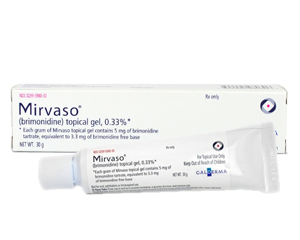
Mirvaso

Spedra
Salbutamol
Orlistat

Vagifem
Marvelon
Desloratadine
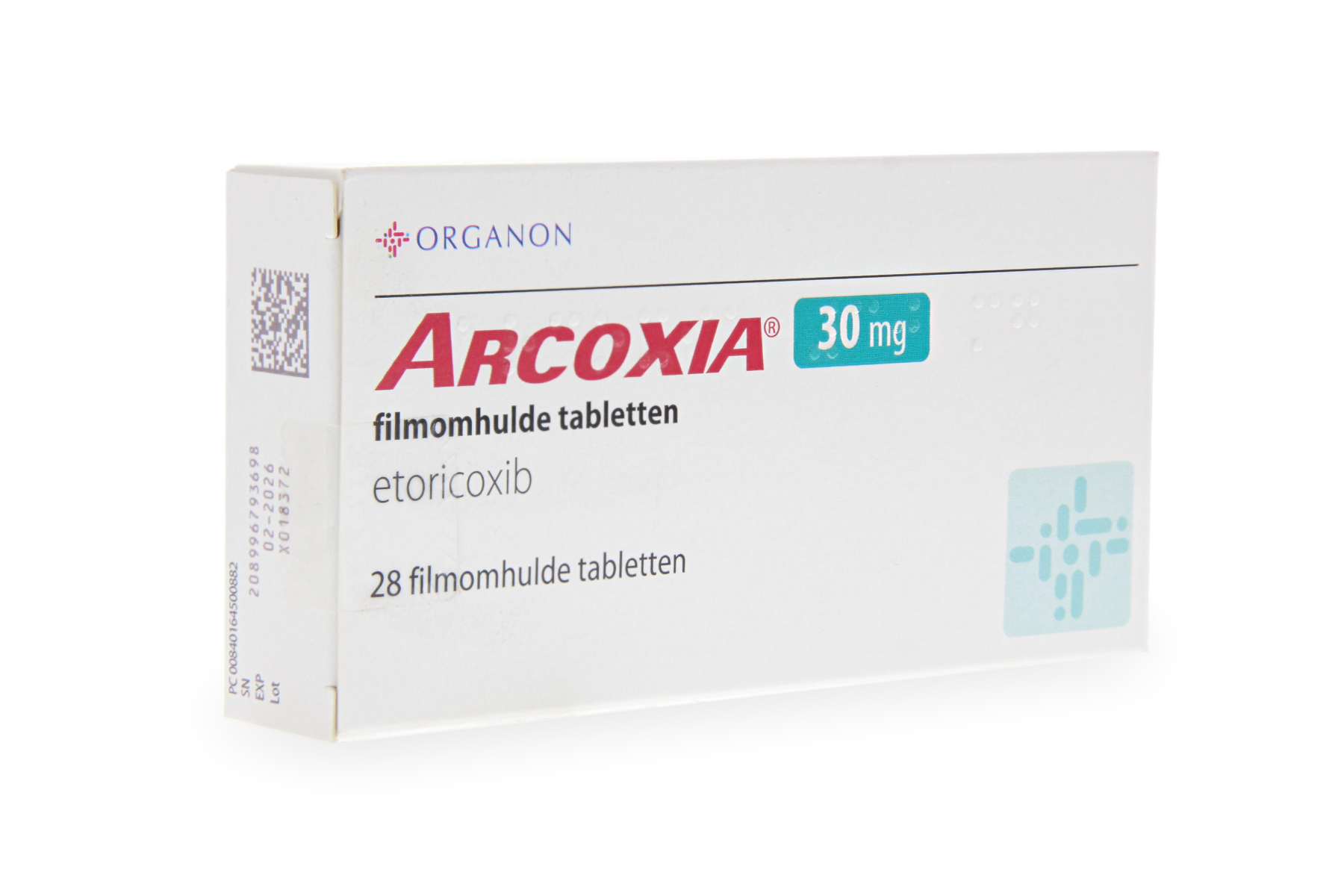
Arcoxia
Levothyroxine
Mercilon
Adenuric

Metoclopramide
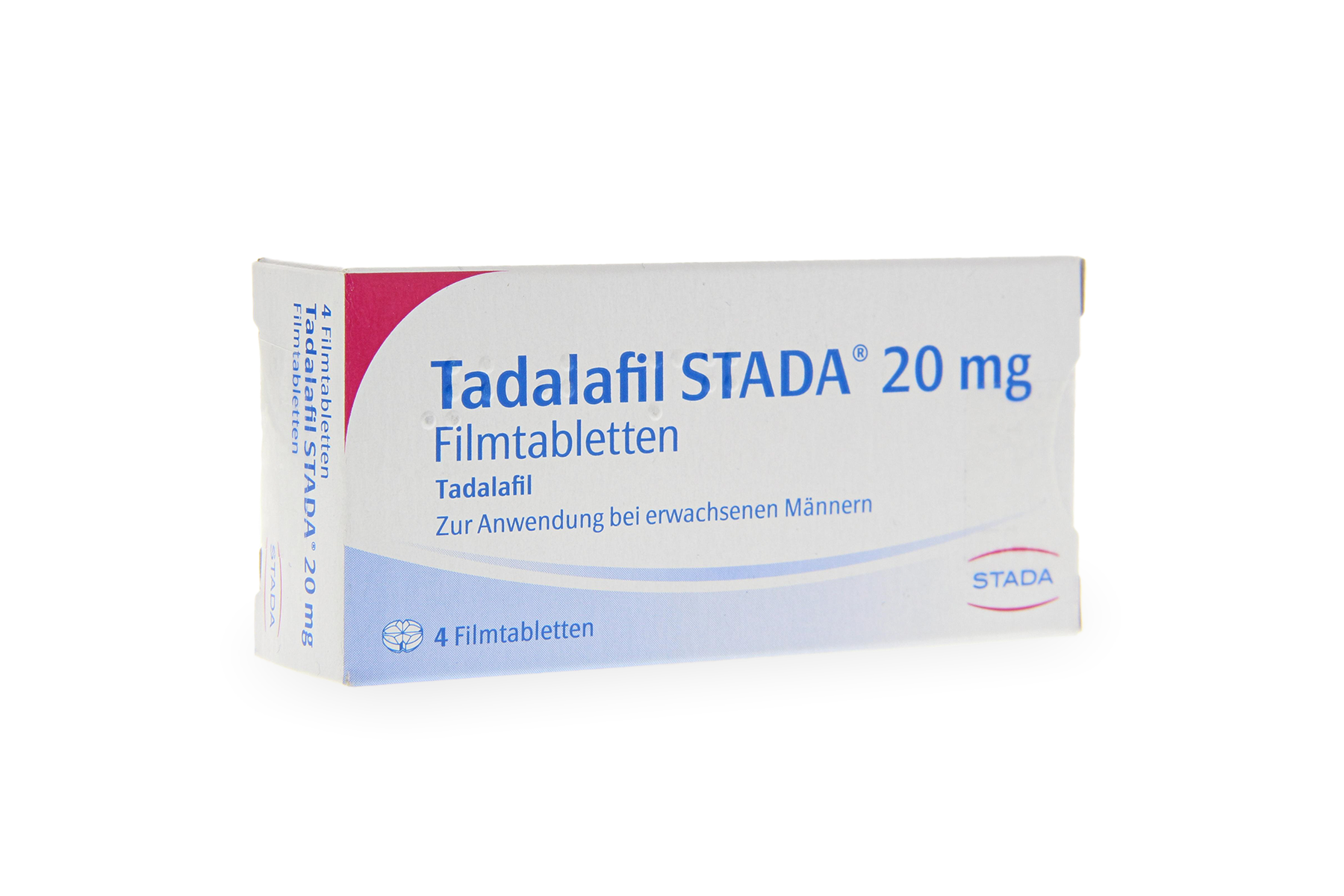
Tadalafil
Valsartan
Spironolactone
Eliquis
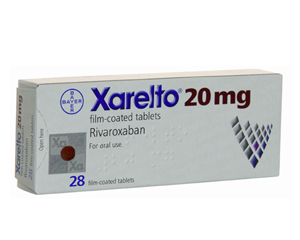
Xarelto

Vardenafil
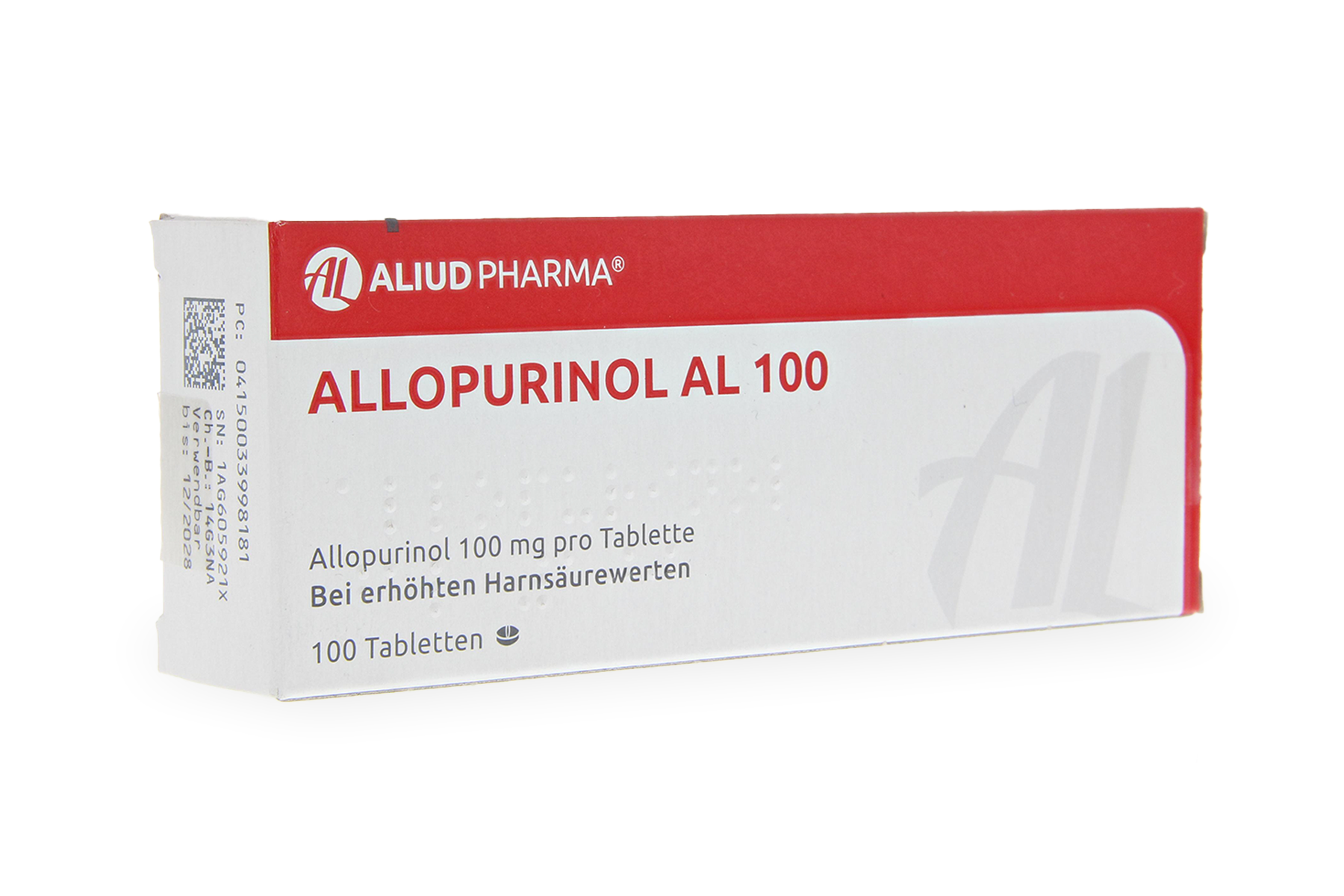
Allopurinol
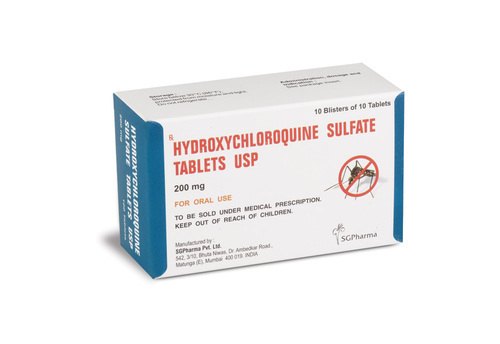
Hydroxychloroquine
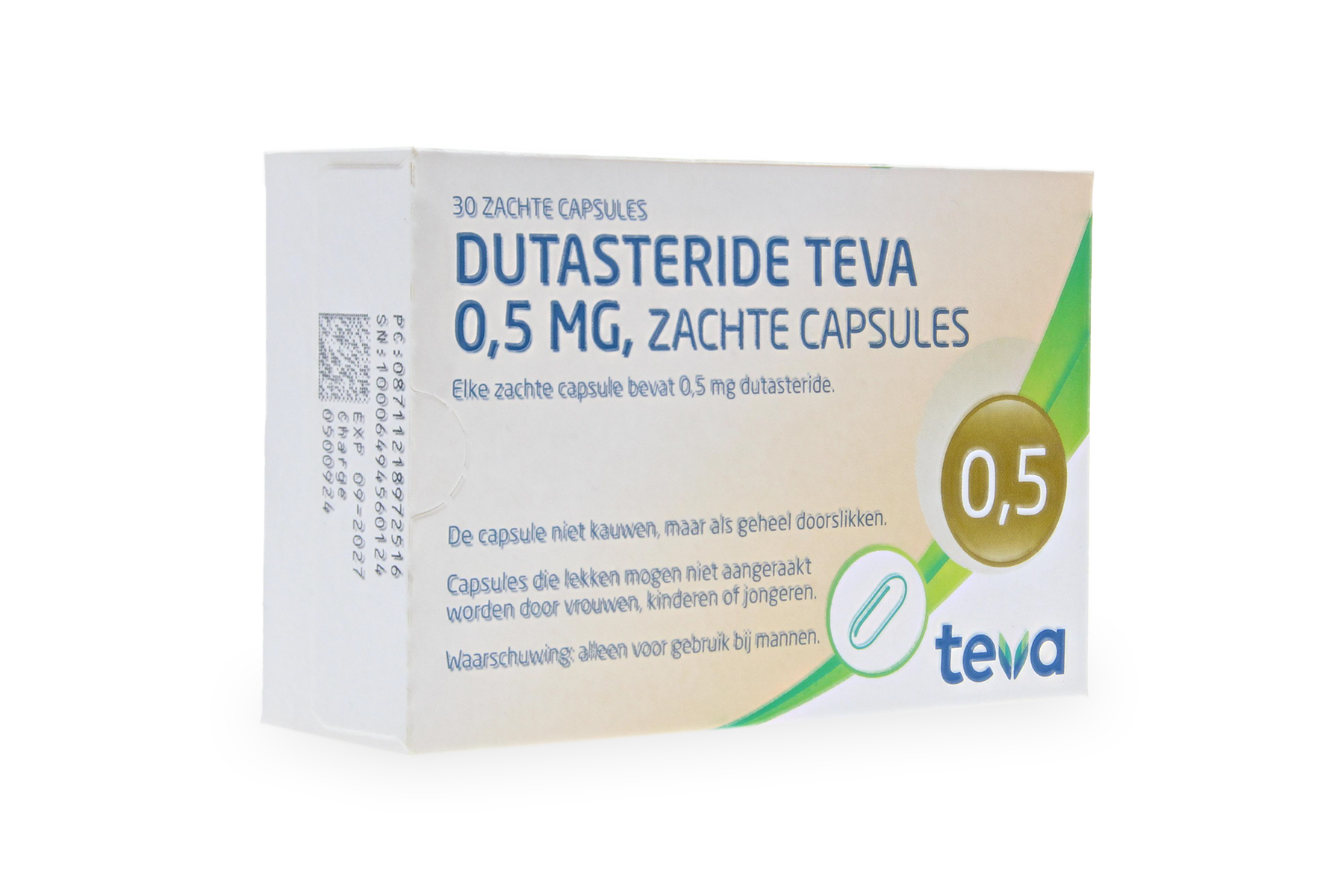
Dutasteride
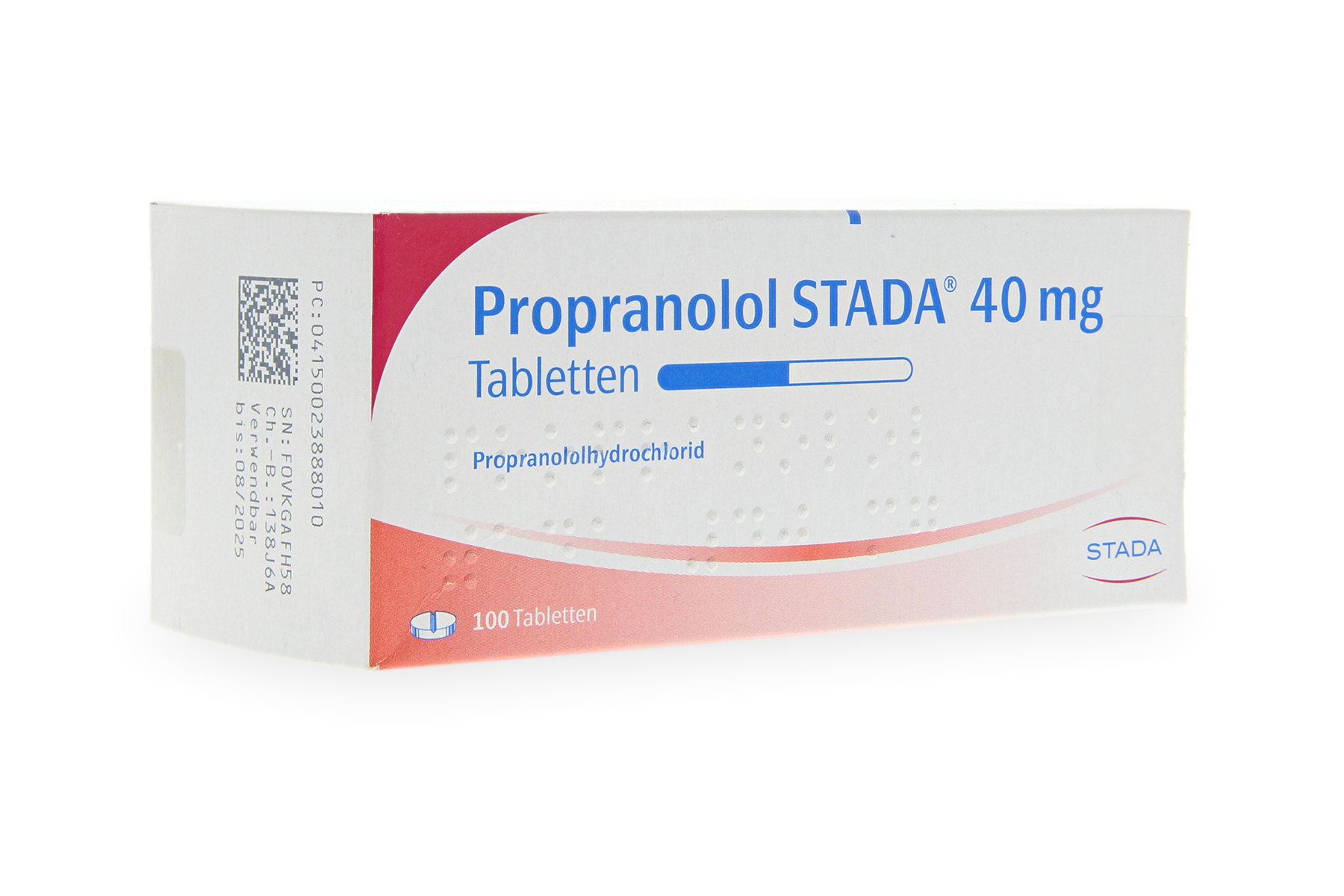
Propranolol

Wegovy
Circadin
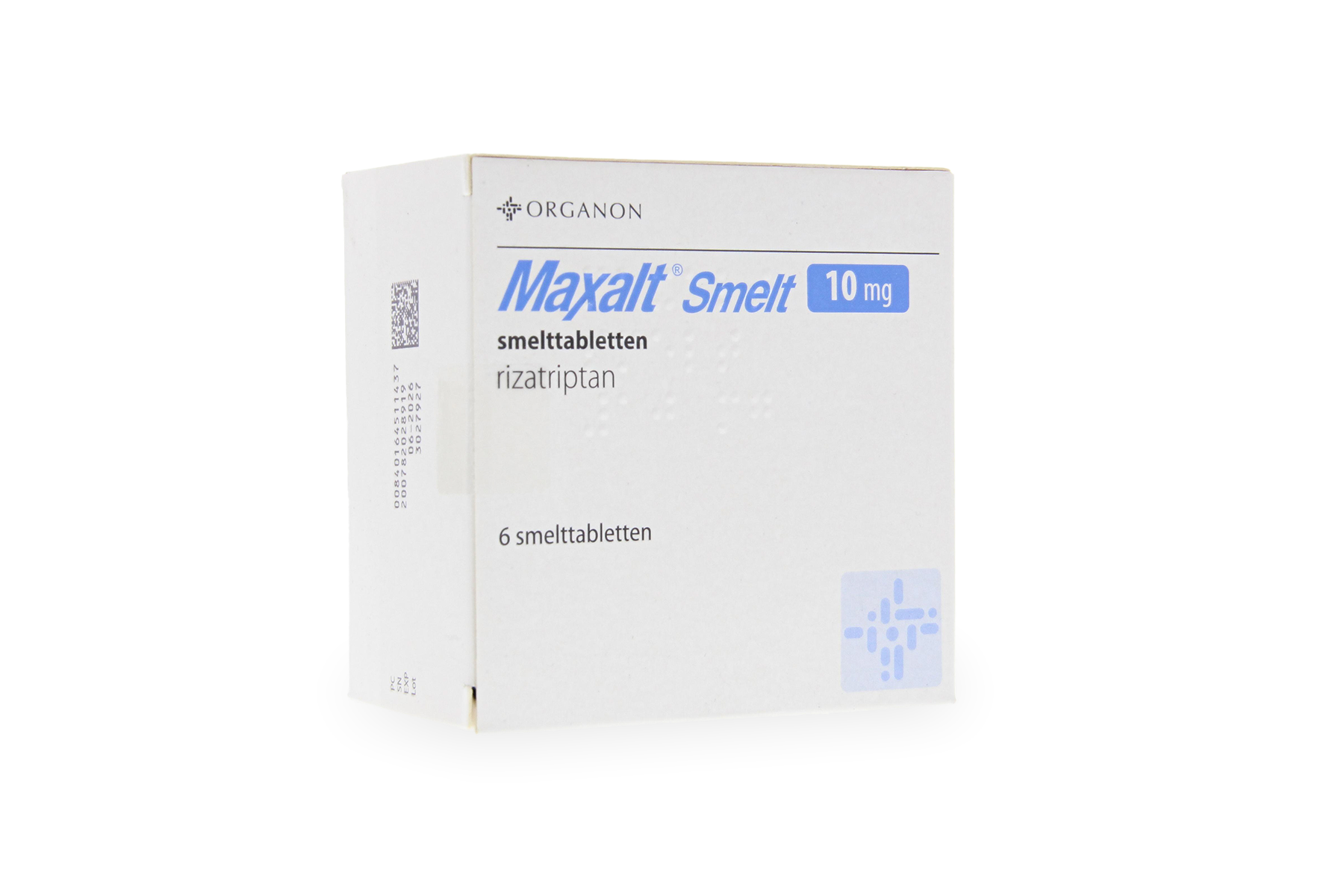
Maxalt
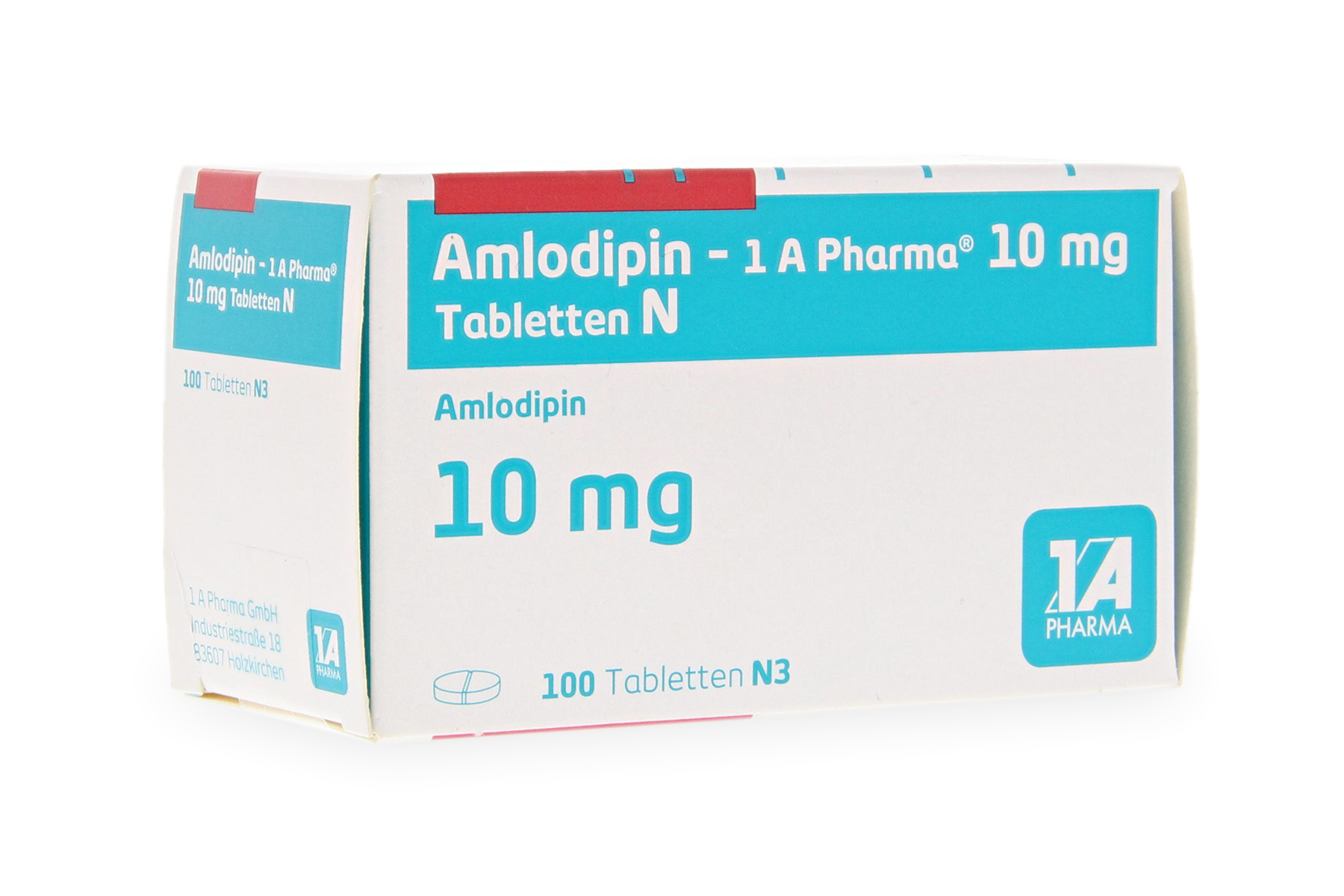
Amlodipine
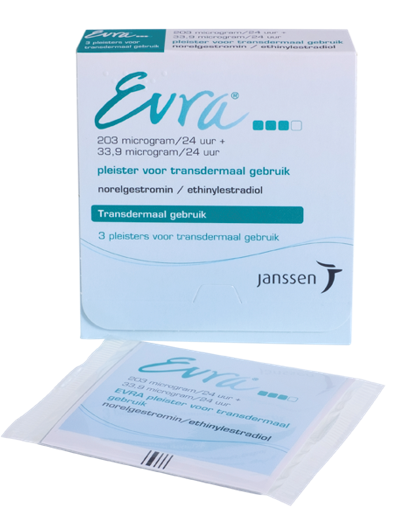
Evra Patches

Mounjaro
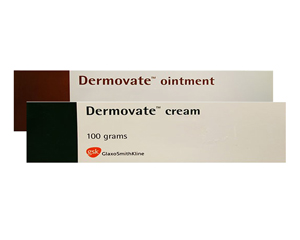
Dermovate
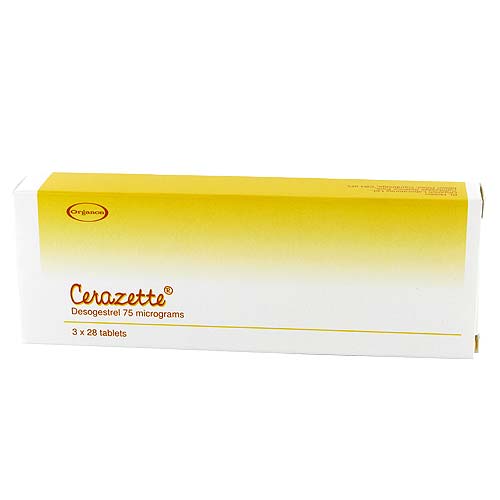
Cerazette

Viagra

Melatonin
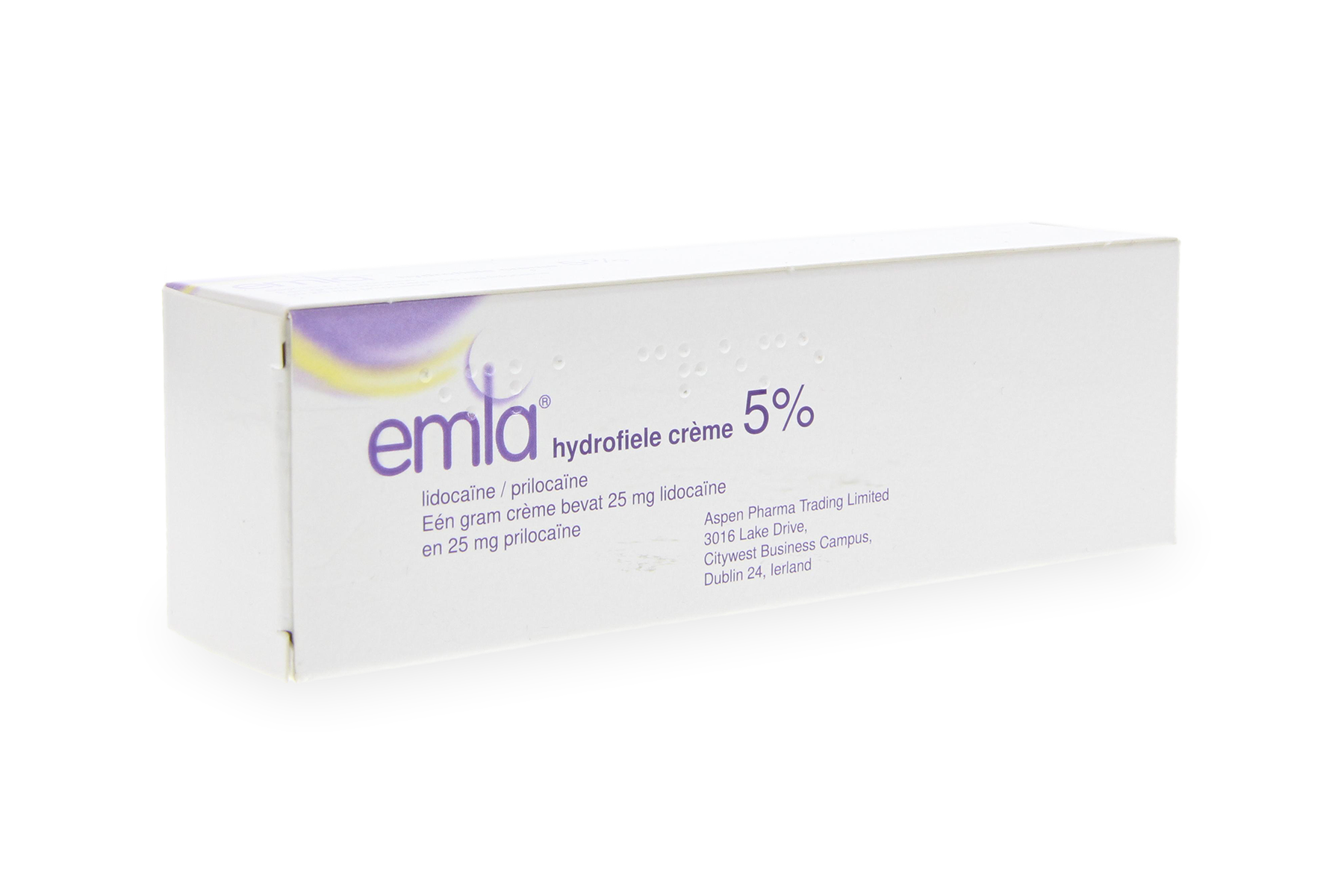
Emla Cream
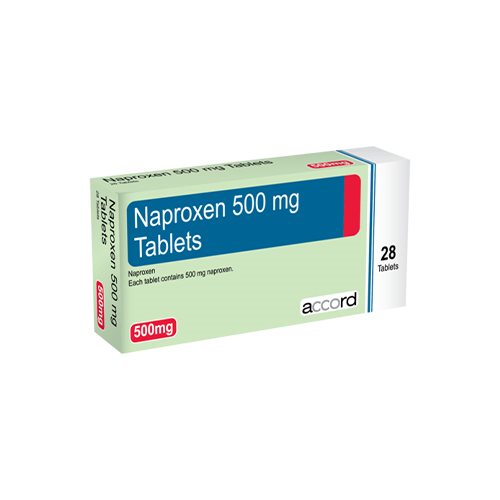
Naproxen
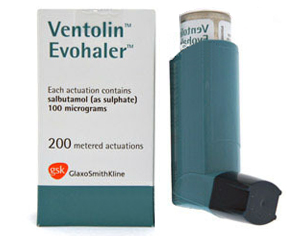
Ventolin

Bricanyl Turbohaler
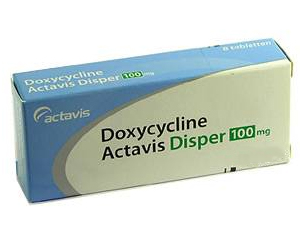
Doxycycline (Malaria)
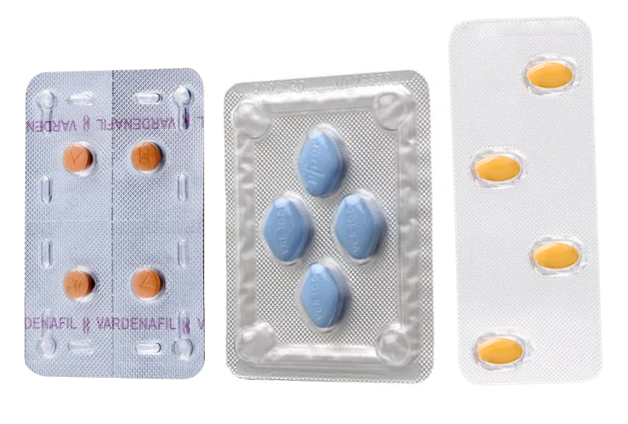
Impotence Trial Pack

Microgynon 30
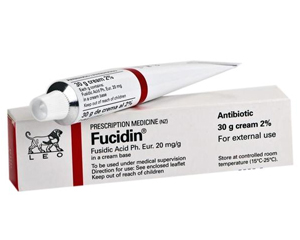
Fucidin
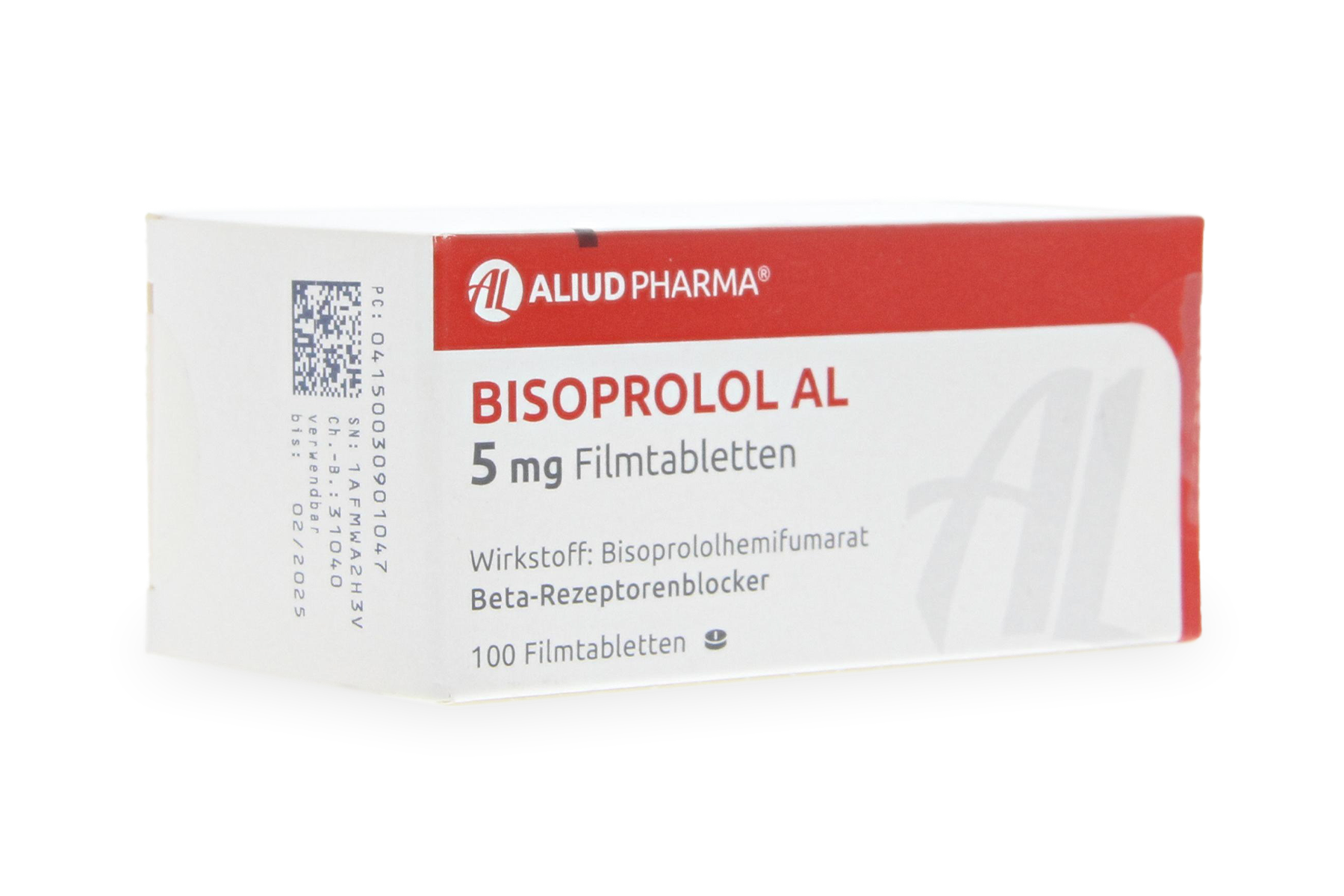
Bisoprolol
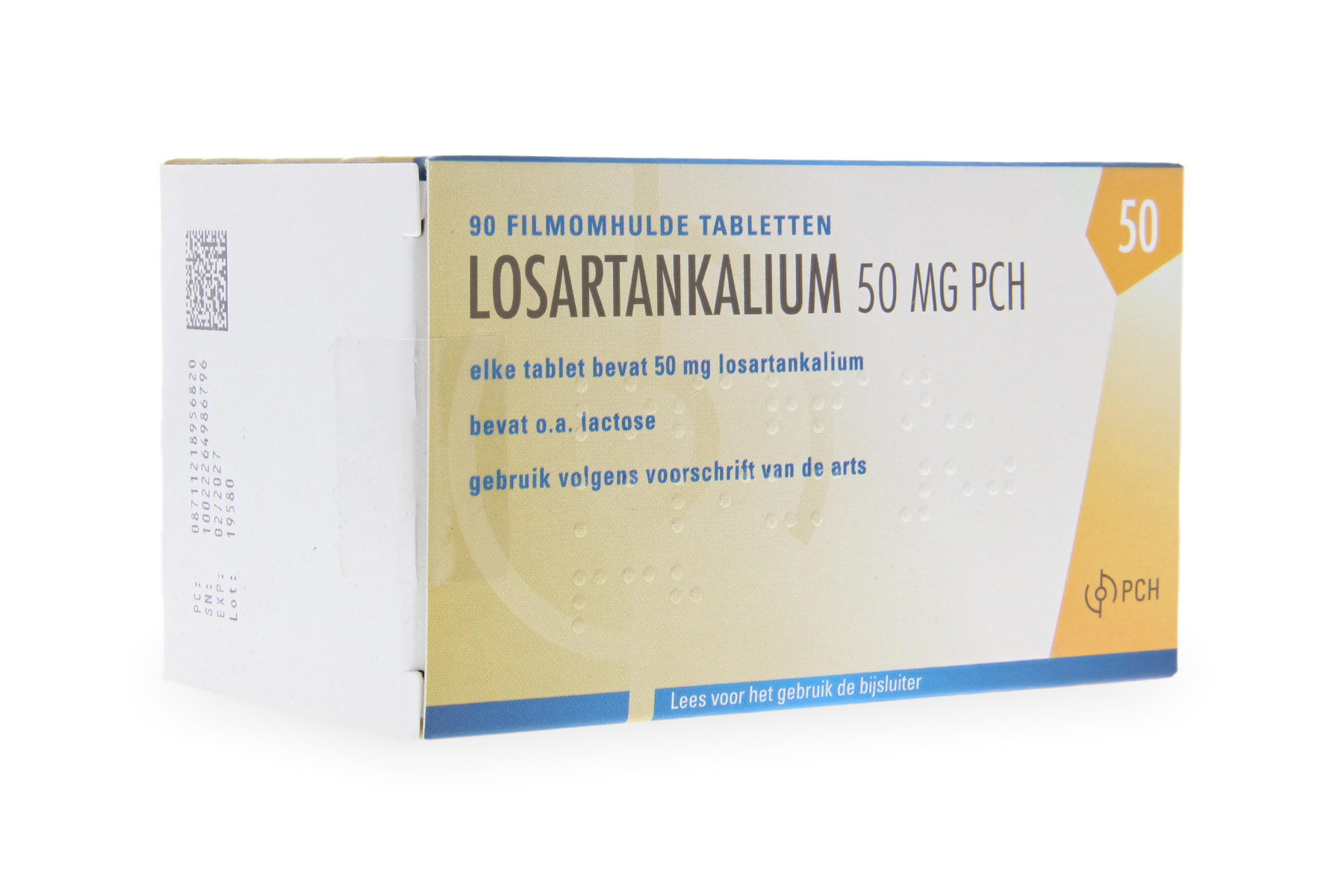
Losartan
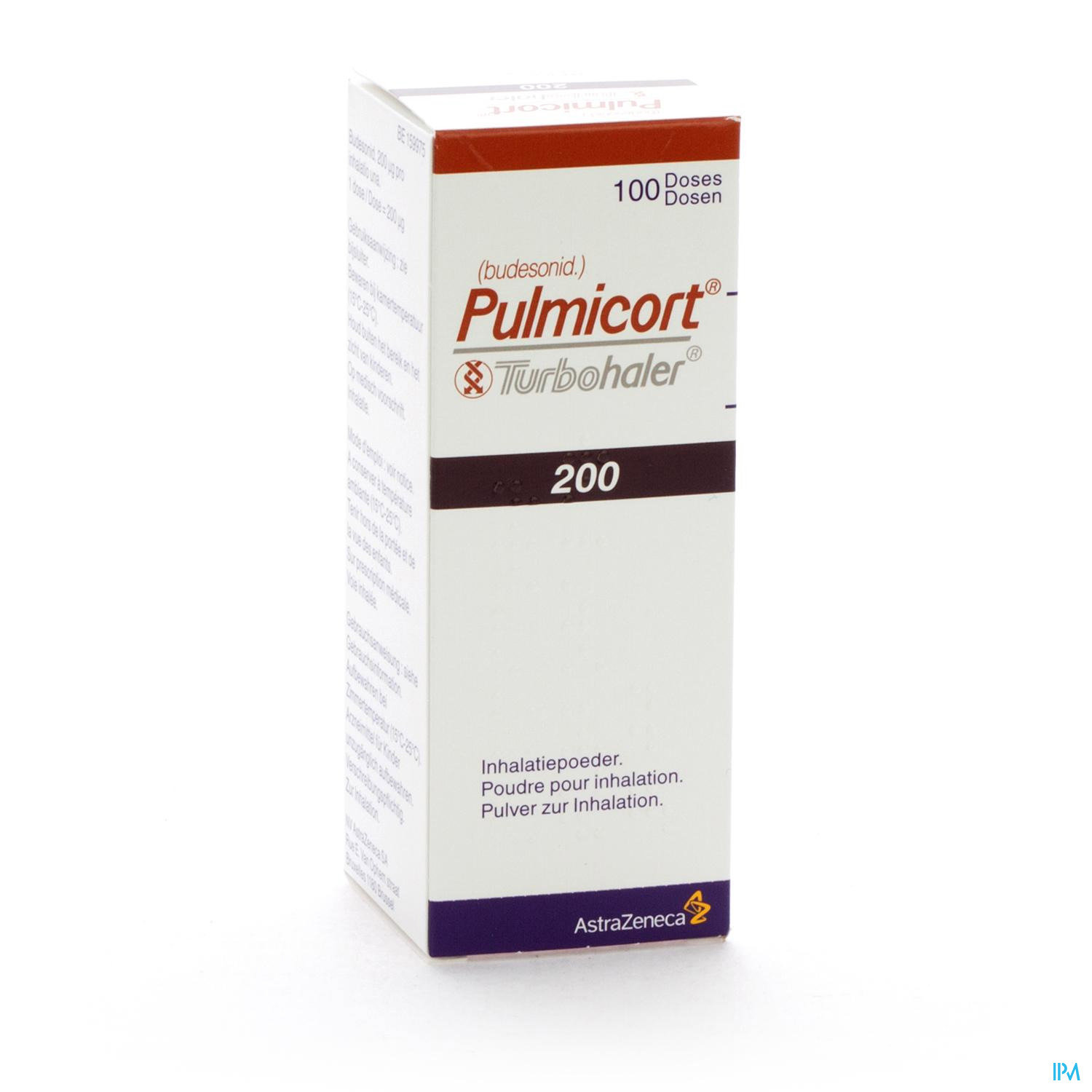
Pulmicort Turbohaler
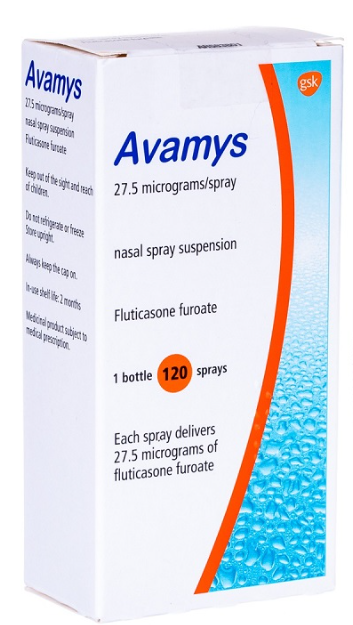
Avamys
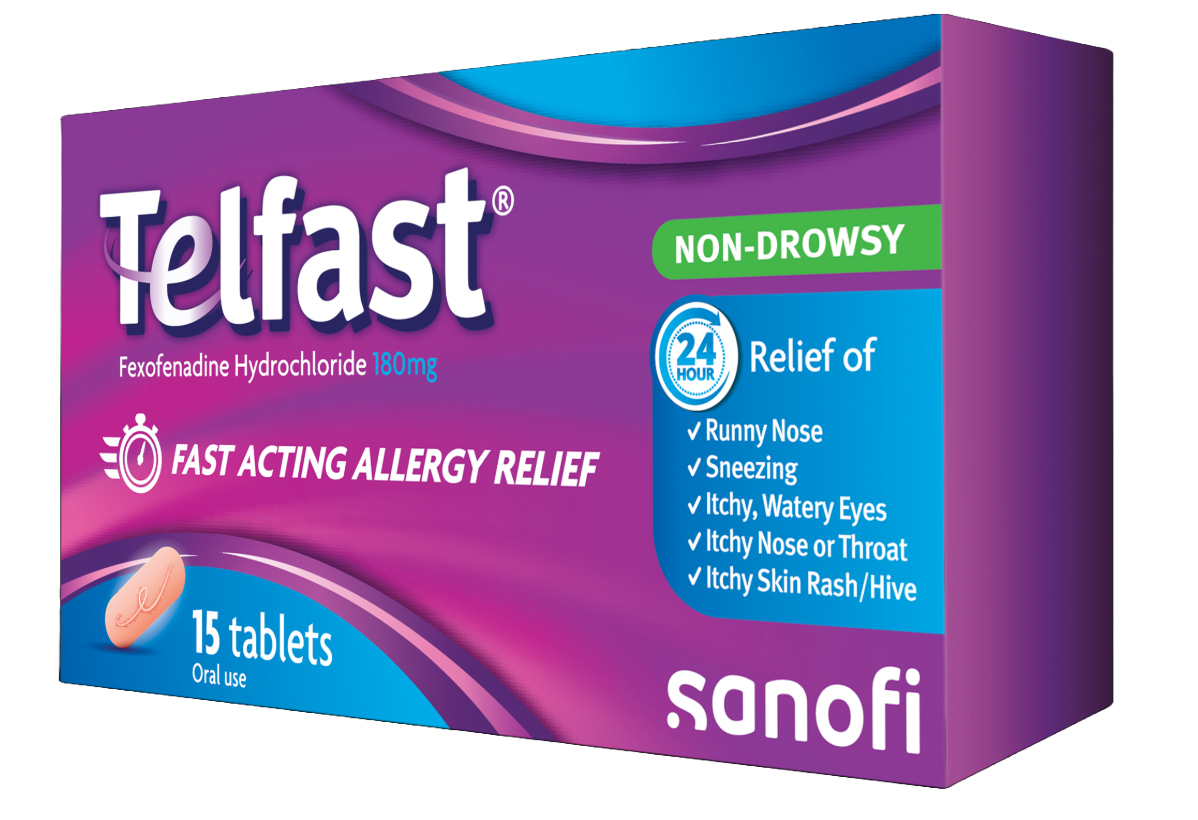
Telfast
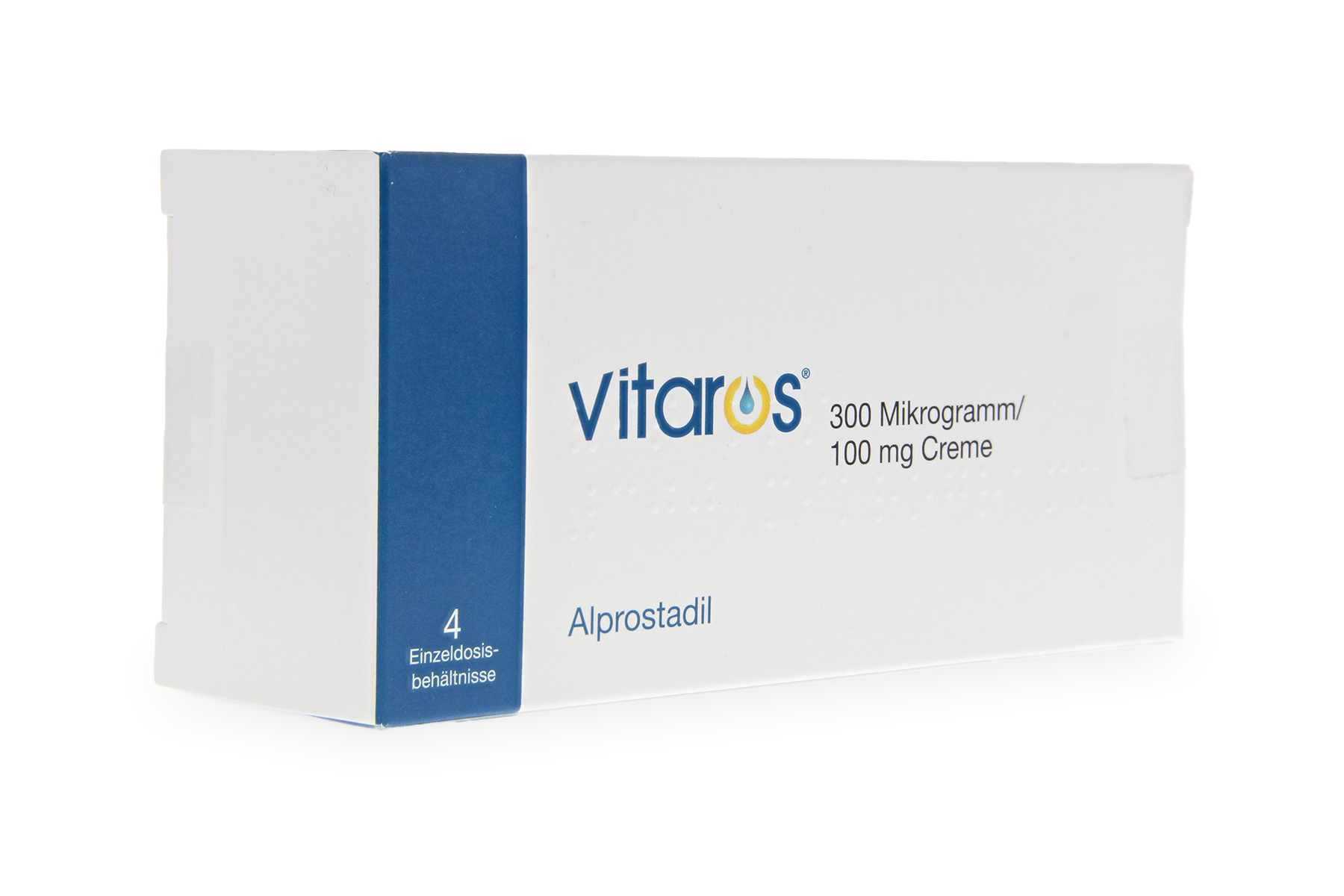
Vitaros

Zyloric
Kliovance
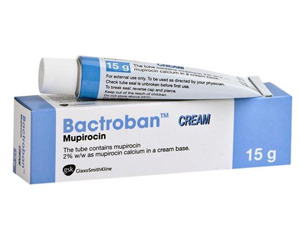
Bactroban
Elocon
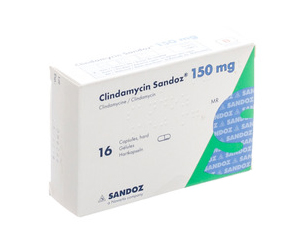
Clindamycin
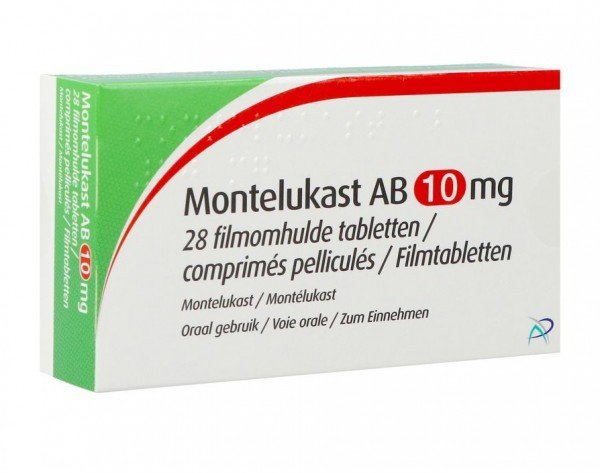
Montelukast
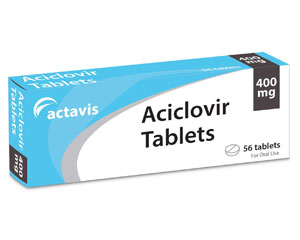
Aciclovir
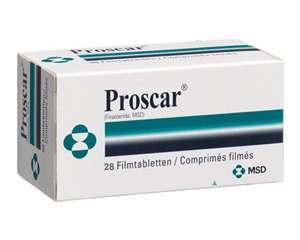
Proscar

Differin
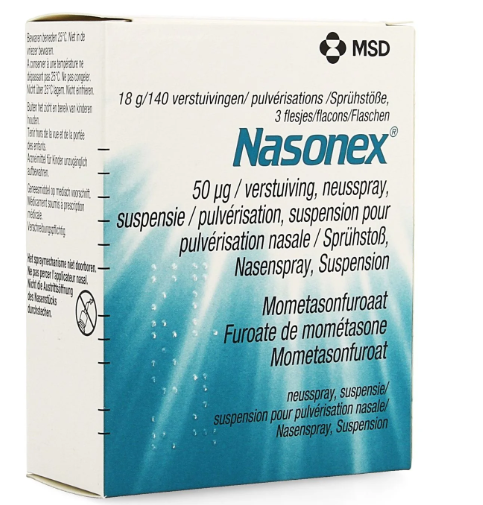
Nasonex Nasal Spray
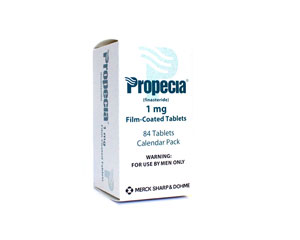
Propecia
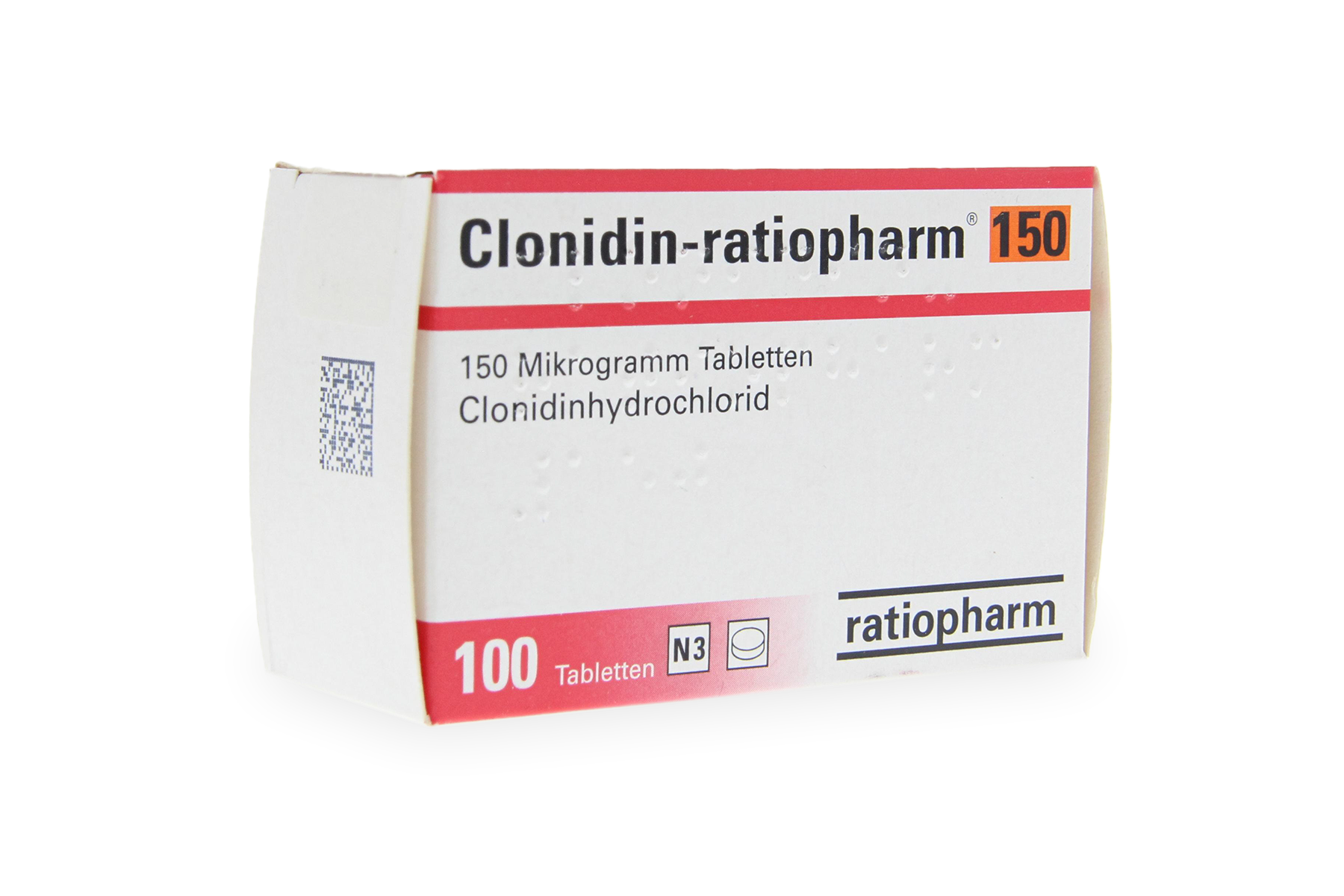
Clonidine
Femoston
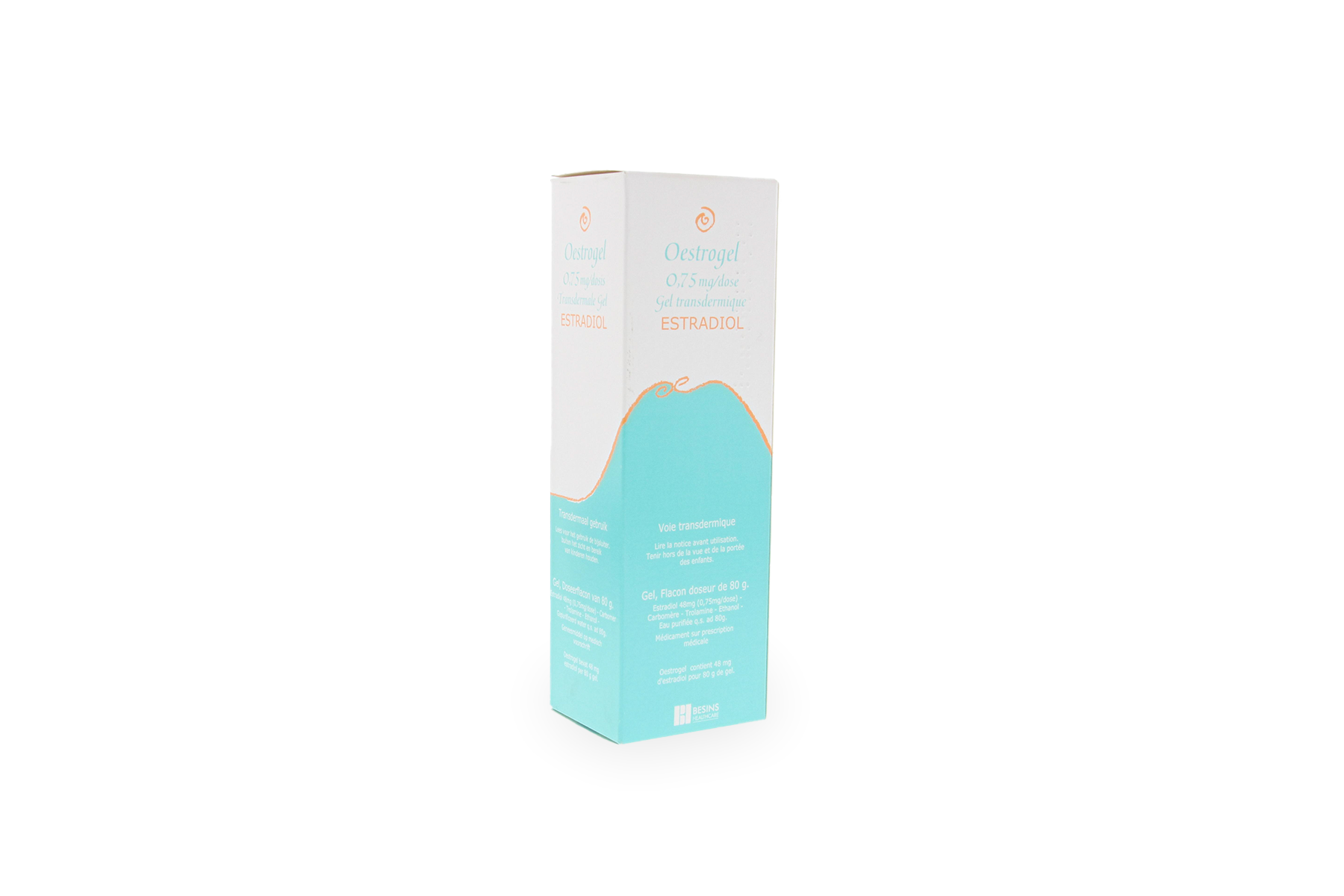
Oestrogel
Tamsulosin MR
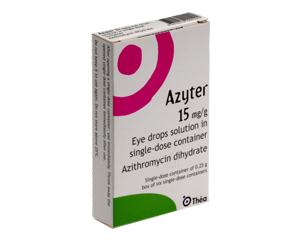
Azyter
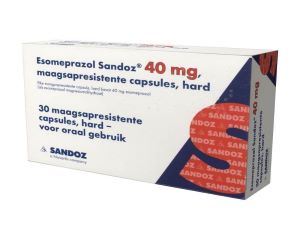
Esomeprazole
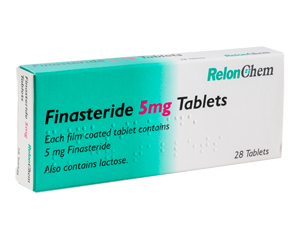
Proscar (Finasteride)
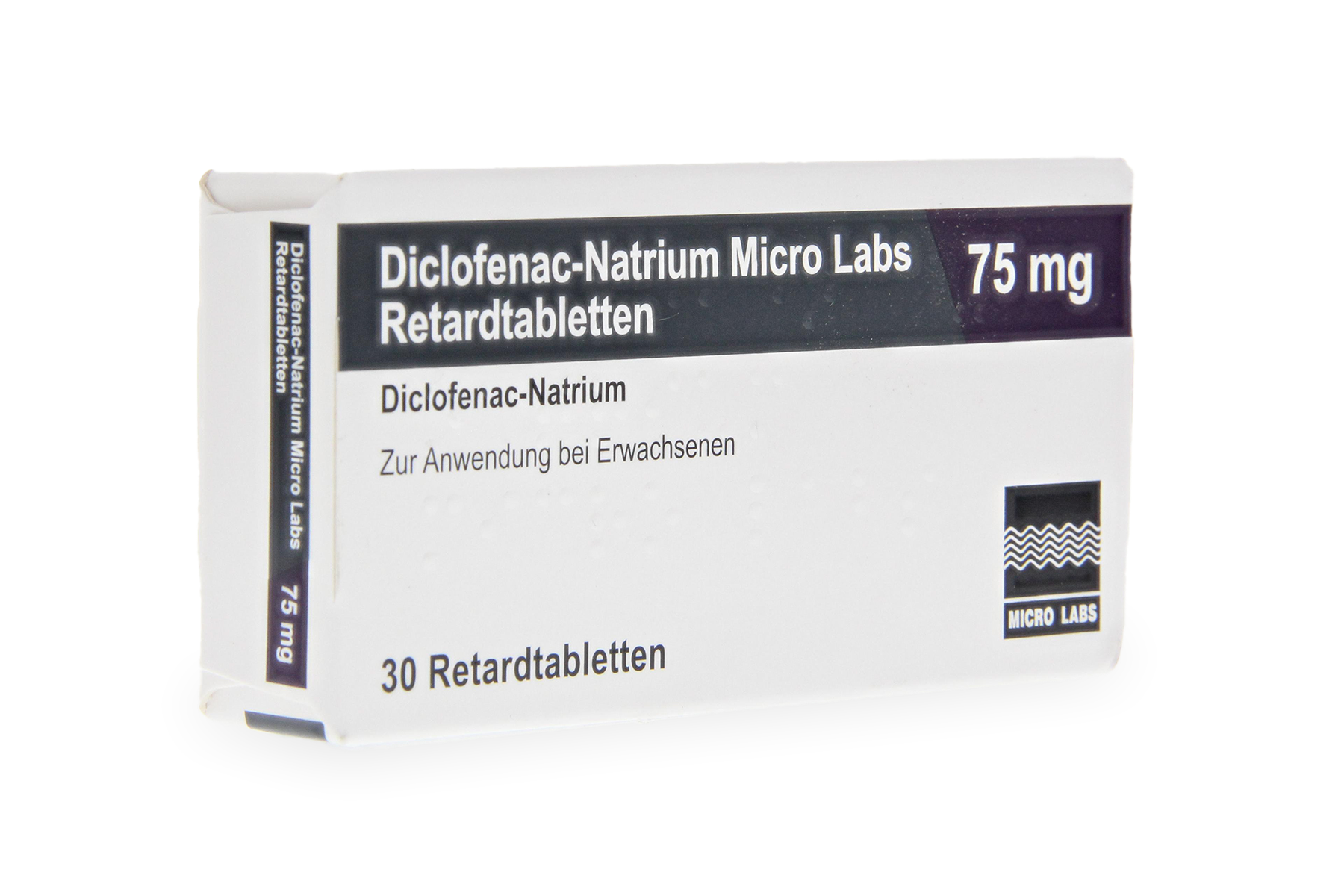
Diclofenac SR
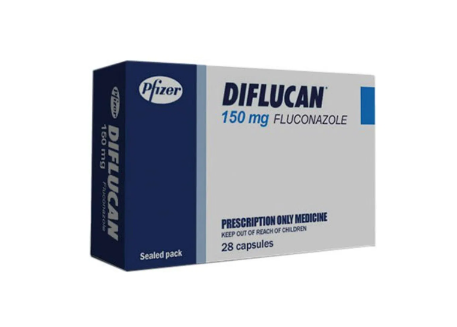
Diflucan
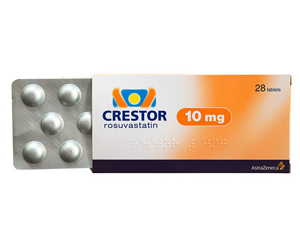
Crestor
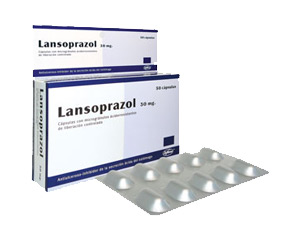
Lansoprazole
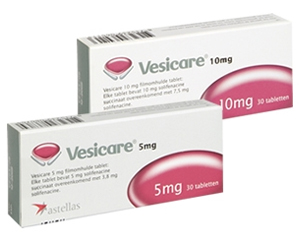
Vesicare
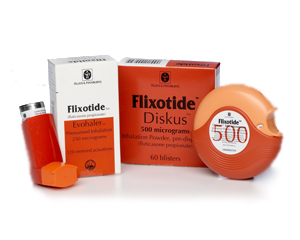
Flixotide
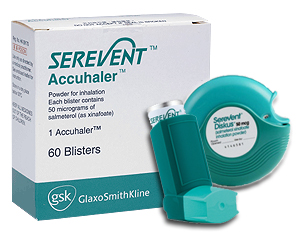
Serevent
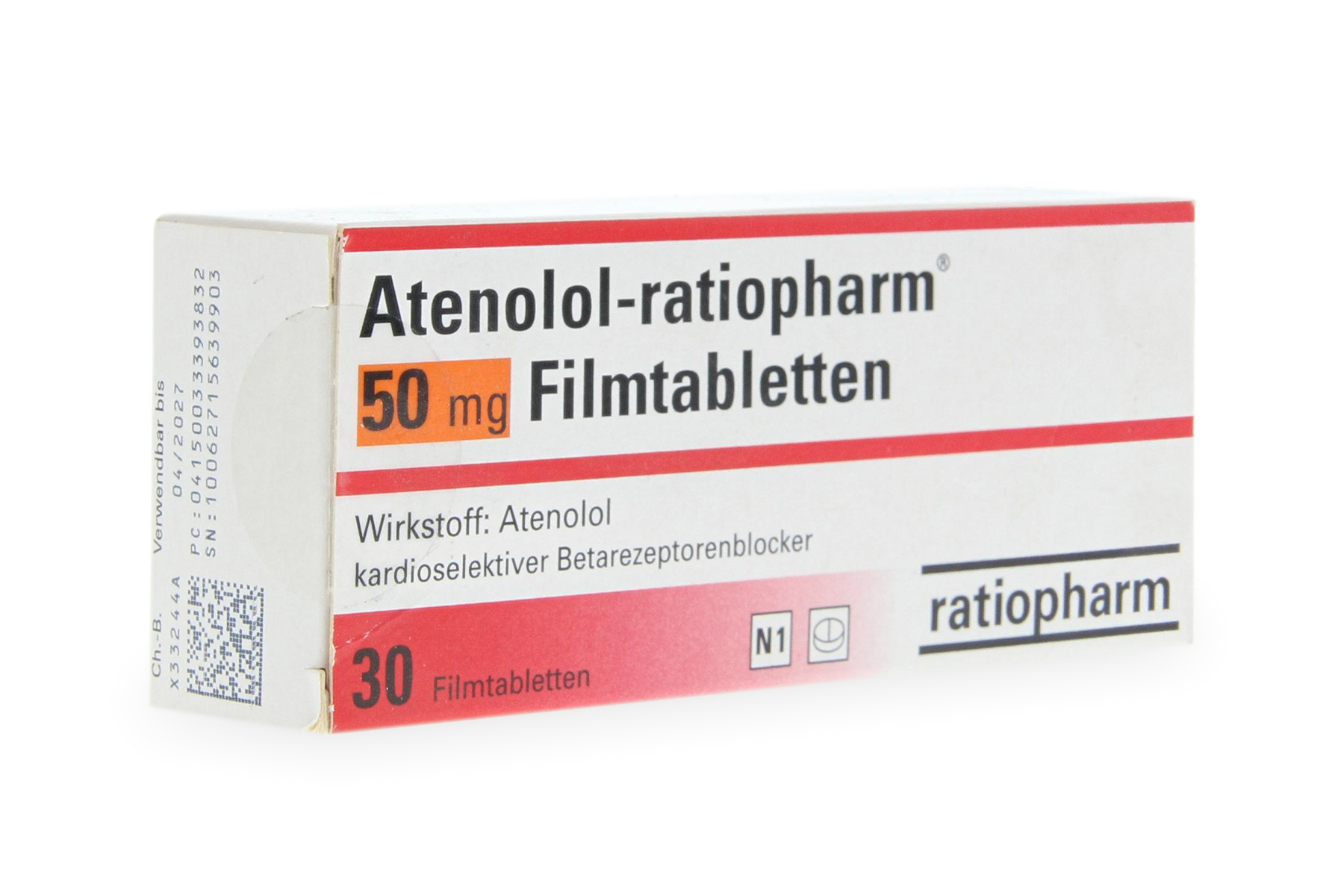
Atenolol
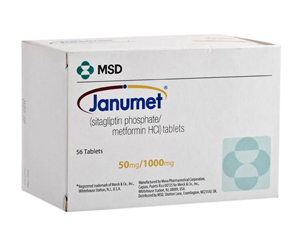
Janumet
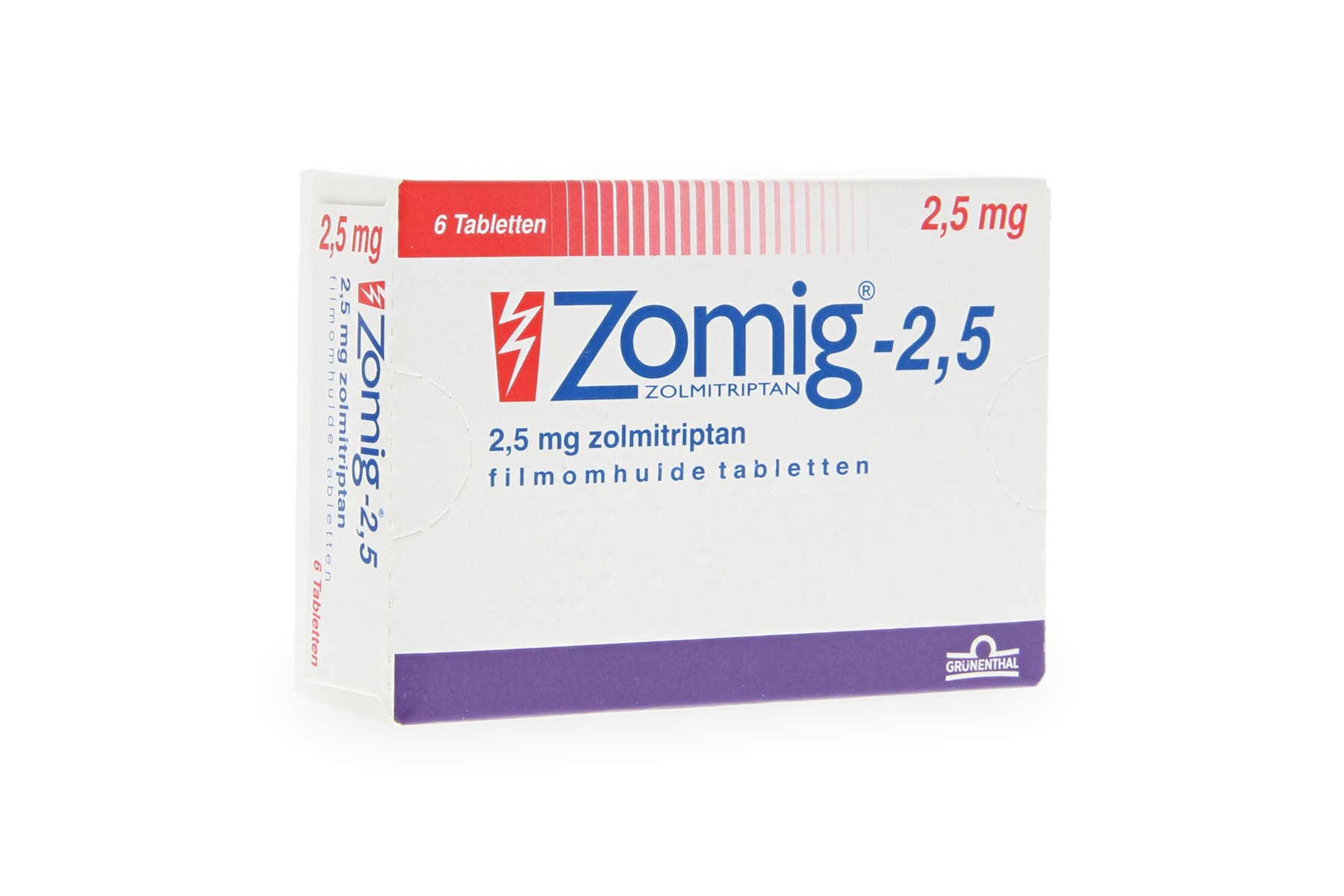
Zomig
Skin Care Treatments
Common Skin Conditions
Skin conditions account for a significant proportion of GP consultations across Europe, and their impact on quality of life is frequently underestimated. Acne, eczema, psoriasis, and rosacea are among the most prevalent, each with distinct causes but a shared tendency to affect self-confidence and emotional wellbeing.
Acne develops when hair follicles become blocked by a combination of excess sebum and dead skin cells, creating an environment in which bacteria thrive. It is most common during adolescence but can persist well into adulthood, particularly in women. Eczema (atopic dermatitis) involves a defective skin barrier that allows moisture to escape and irritants to penetrate, triggering inflammation and intense itching.
Psoriasis is an autoimmune condition in which the skin cell renewal cycle accelerates dramatically, producing thick, scaly plaques that can appear anywhere on the body. Rosacea typically affects the face, causing persistent redness, visible blood vessels, and sometimes acne-like bumps. While none of these conditions is curable in the traditional sense, all can be effectively managed with the right treatment strategy.
Prescription Treatments
Topical treatments form the first line of management for most skin conditions. For acne, options range from benzoyl peroxide and adapalene (a retinoid) to combination gels such as Epiduo and Duac, which tackle both bacterial overgrowth and blocked pores. Topical antibiotics like clindamycin may also be prescribed for inflammatory acne.
Eczema management centres on restoring the skin barrier with regular emollient use, supplemented by topical corticosteroids during flare-ups. Mild steroids such as hydrocortisone are suitable for sensitive areas, while moderate to potent preparations may be needed for thicker skin on the body. Calcineurin inhibitors (tacrolimus, pimecrolimus) offer a steroid-free alternative for long-term use on the face and skin folds.
For rosacea, topical metronidazole gel, azelaic acid, and ivermectin cream are commonly prescribed. Persistent or severe cases of acne, psoriasis, or eczema may require oral treatments, including antibiotics, retinoids, or immunosuppressants, prescribed under specialist supervision.
Skincare Routines That Support Treatment
A thoughtful daily skincare routine can enhance the effectiveness of prescription treatments and reduce the frequency of flare-ups. Gentle cleansing is paramount. Harsh soaps and foaming washes strip the skin of its natural oils, worsening dryness and irritation. A fragrance-free, pH-balanced cleanser used morning and evening is sufficient for most skin types.
Moisturising is non-negotiable for anyone with eczema, psoriasis, or generally dry skin. Emollients should be applied liberally and frequently, ideally within a few minutes of bathing to lock in moisture. For oily or acne-prone skin, lightweight, non-comedogenic moisturisers prevent the dehydration that can paradoxically increase oil production.
Sun protection is an essential but often overlooked step. Many prescription skin treatments, particularly retinoids and certain antibiotics, increase photosensitivity. A broad-spectrum SPF 30 or higher, applied daily regardless of the weather, protects against UV damage, prevents post-inflammatory hyperpigmentation, and reduces the risk of skin cancer.
What to Expect from Treatment
Patience is key when starting a new skin treatment. Most prescription topicals take four to eight weeks to produce visible results, and some, particularly retinoids, may cause initial dryness, peeling, or a temporary worsening of spots before improvement becomes apparent. This adjustment period is normal and does not mean the treatment is failing.
Consistency matters more than intensity. Applying treatments as directed, at the right time of day, and in the correct order relative to other skincare products maximises their benefit. Overuse of active ingredients or layering too many products at once can overwhelm the skin and provoke irritation.
If your prescribed treatment has not produced noticeable improvement after two to three months of consistent use, a follow-up consultation is advisable. Your prescriber may recommend adjusting the strength, switching to a different formulation, or adding a complementary treatment to your regimen.
When to See a Specialist
Most common skin conditions can be managed effectively in primary care or through online consultations. However, certain signs warrant a referral to a dermatologist. These include widespread or rapidly worsening symptoms, failure to respond to first-line treatments, diagnostic uncertainty, and skin lesions that change in size, shape, or colour.
Psoriasis affecting more than 10 per cent of the body surface, or involving the nails, scalp, or joints, may benefit from systemic therapies or biologics that are typically initiated by a specialist. Similarly, severe nodulocystic acne carries a risk of permanent scarring and is best managed with isotretinoin under dermatological supervision.
Online consultations provide a convenient starting point for many skin concerns. Uploading clear photographs of the affected area allows a prescriber to assess the condition remotely and recommend appropriate treatment. For ongoing management of established conditions, regular online reviews can maintain continuity of care without the need for frequent in-person visits.
Frequently Asked Questions
When should I see a doctor about my skin condition?
Can a doctor prescribe acne treatment online?
How long do prescription skin treatments take to work?
How long does prescription skin treatment take to work?
Dr. Ross Elledge
General Practitioner · General & Family Medicine
Verified Healthcare Professional
TopDoctors ProfileThis website provides general information about medicines for educational purposes only. Always consult your doctor or pharmacist before taking any medication.