
Sleep & Anxiety Treatments
Sleep disorders affect around 1 in 3 UK adults, while anxiety disorders are the most common mental health condition. Prescription treatments can provide relief when lifestyle changes alone are insufficient. An online doctor can assess your situation and recommend appropriate medication.
Short-term sleep aids can help re-establish healthy sleep patterns
SSRIs and SNRIs are effective first-line treatments for anxiety
Cognitive behavioural therapy often complements medication
Treatment plans are personalised based on symptom severity

Cialis
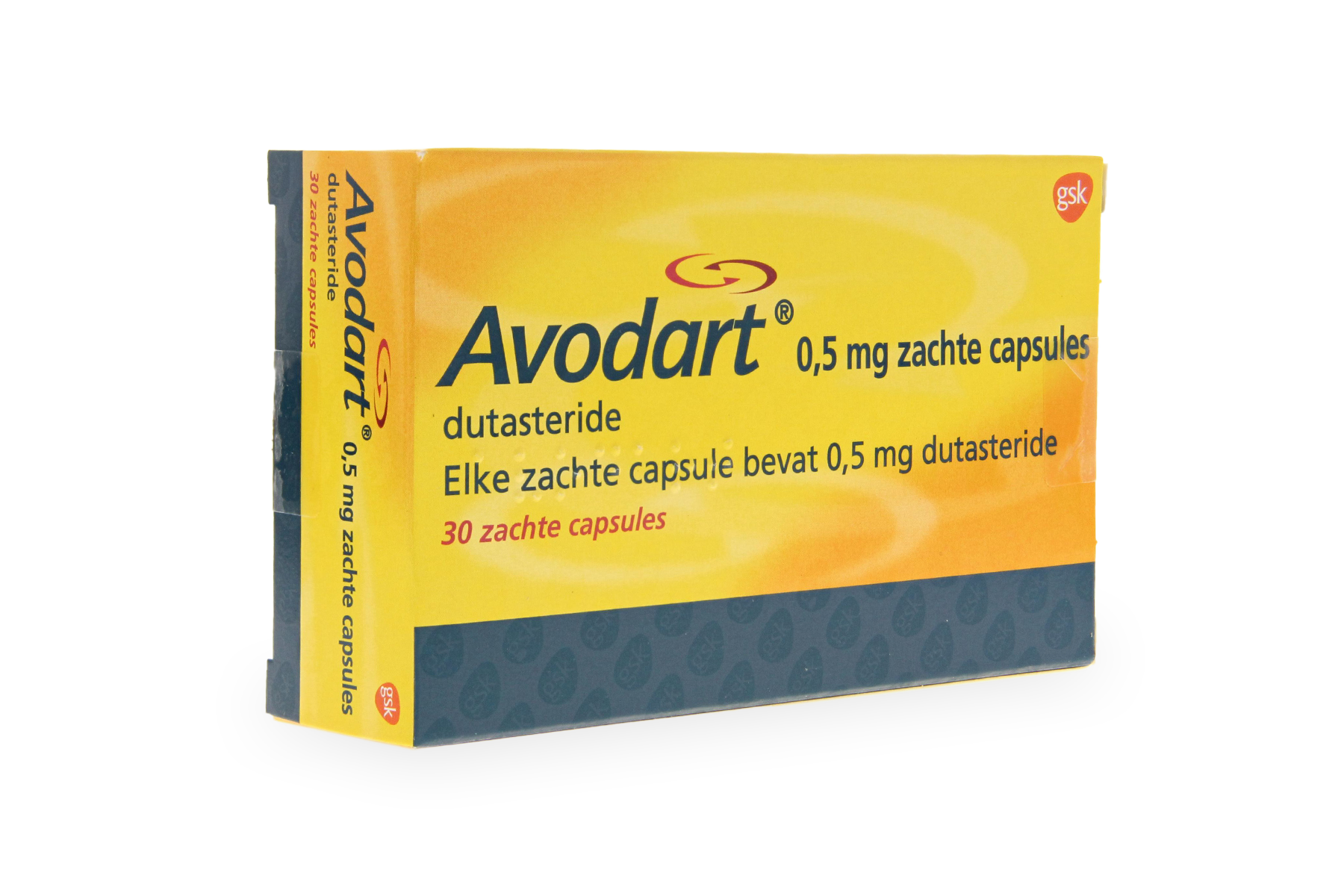
Avodart
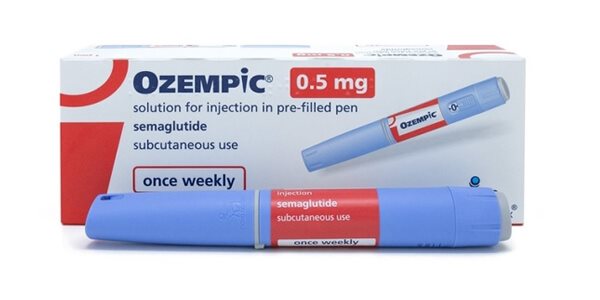
Ozempic

Nuvaring
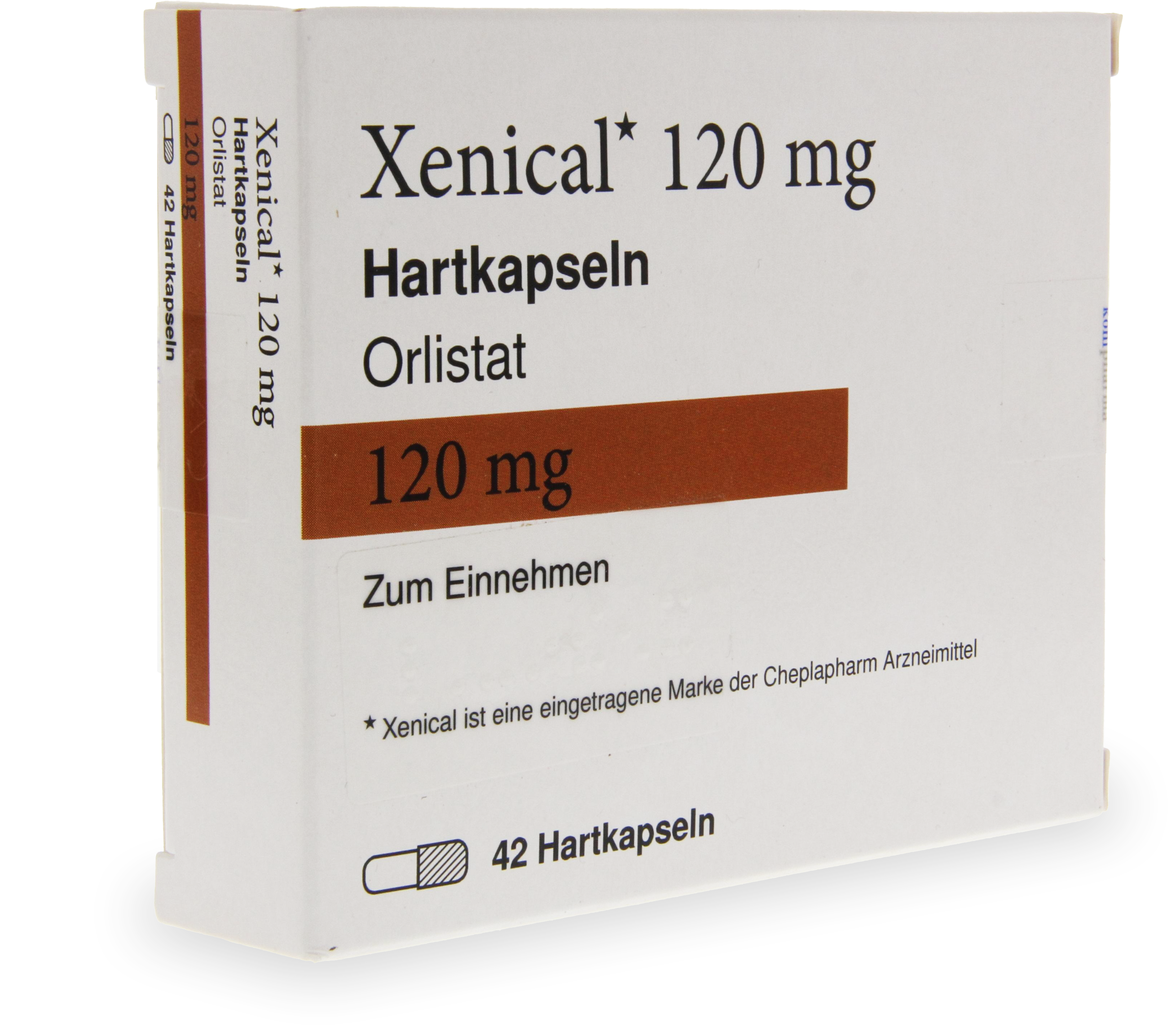
Xenical
Fluconazole

Yasmin
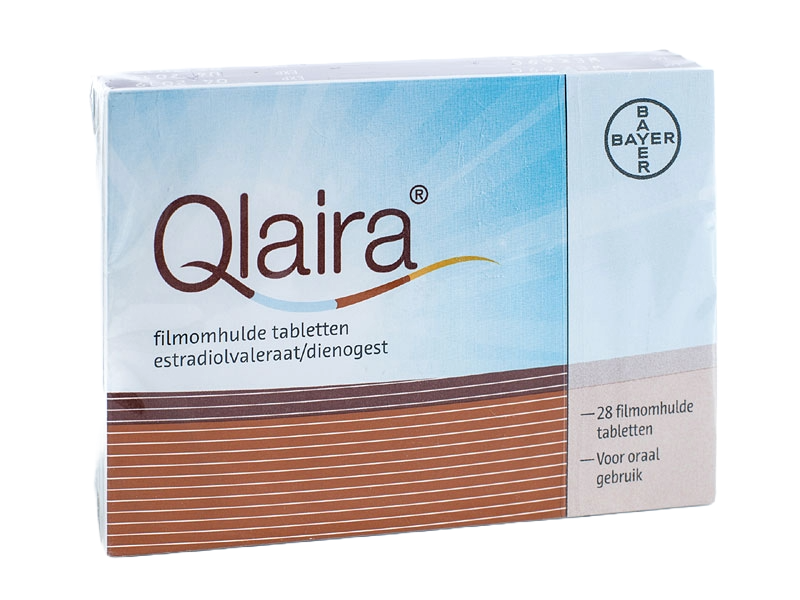
Qlaira
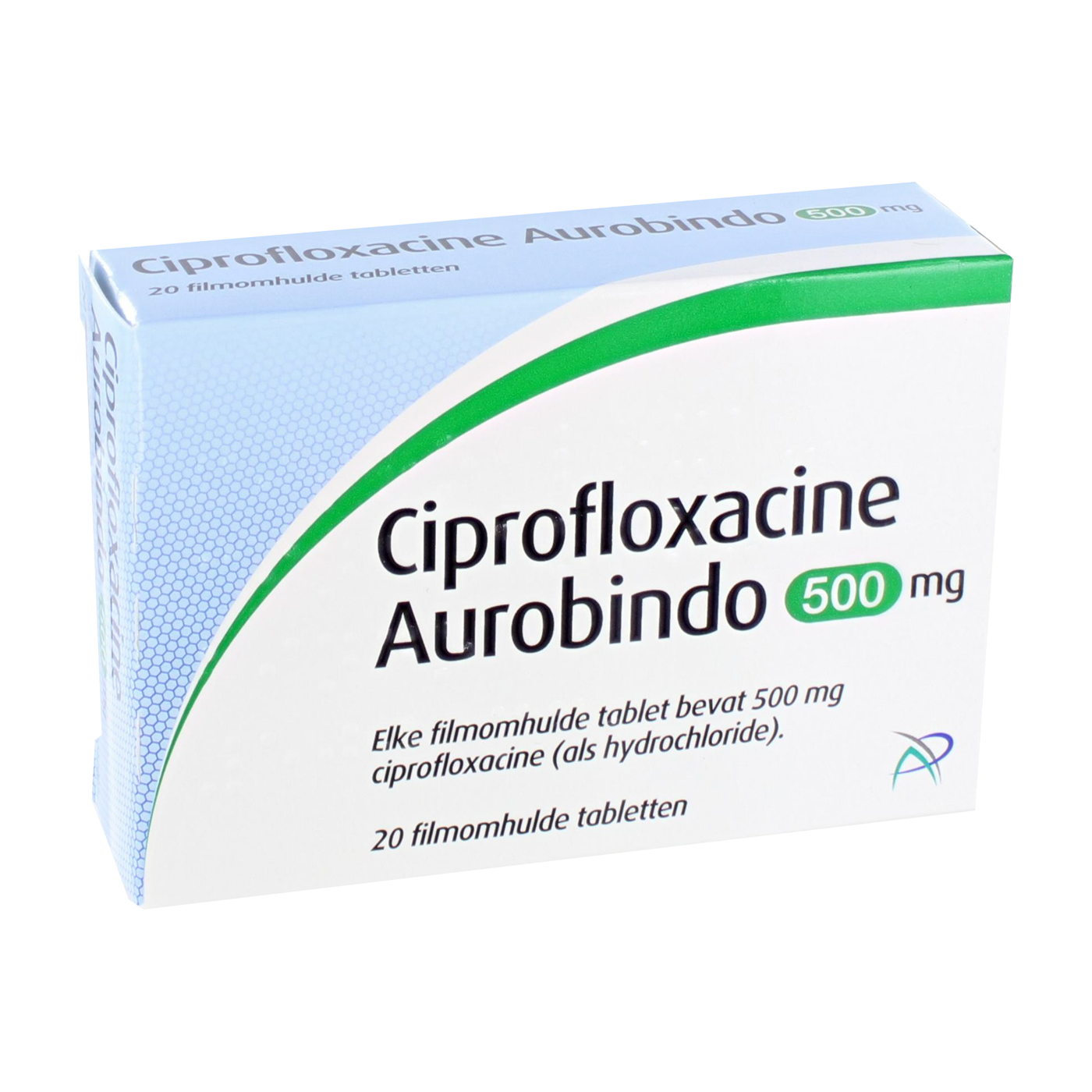
Ciprofloxacin
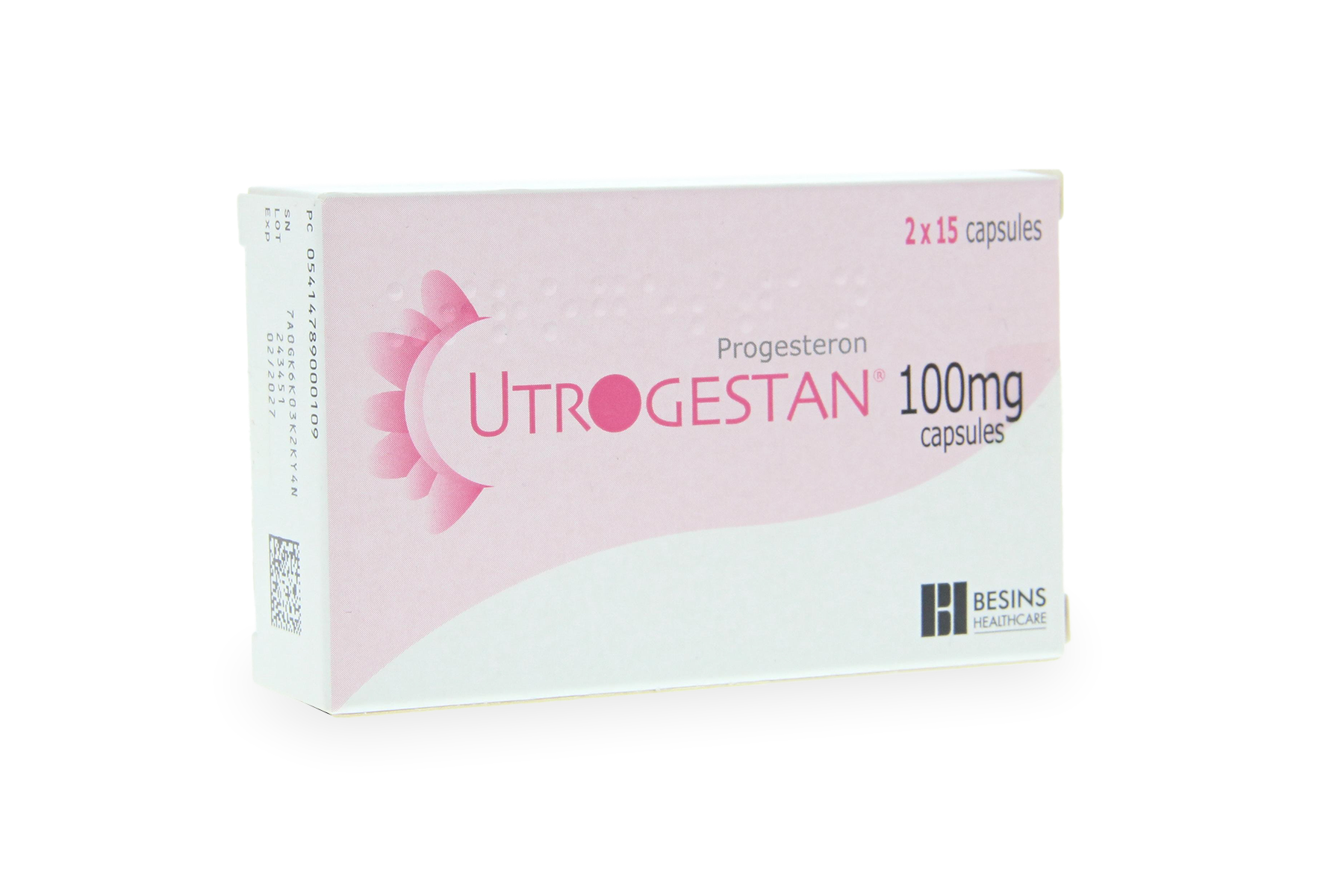
Utrogestan
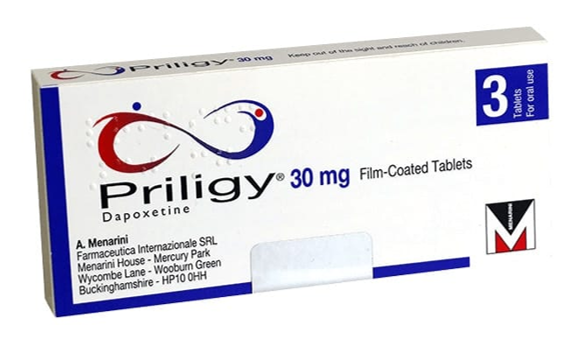
Priligy
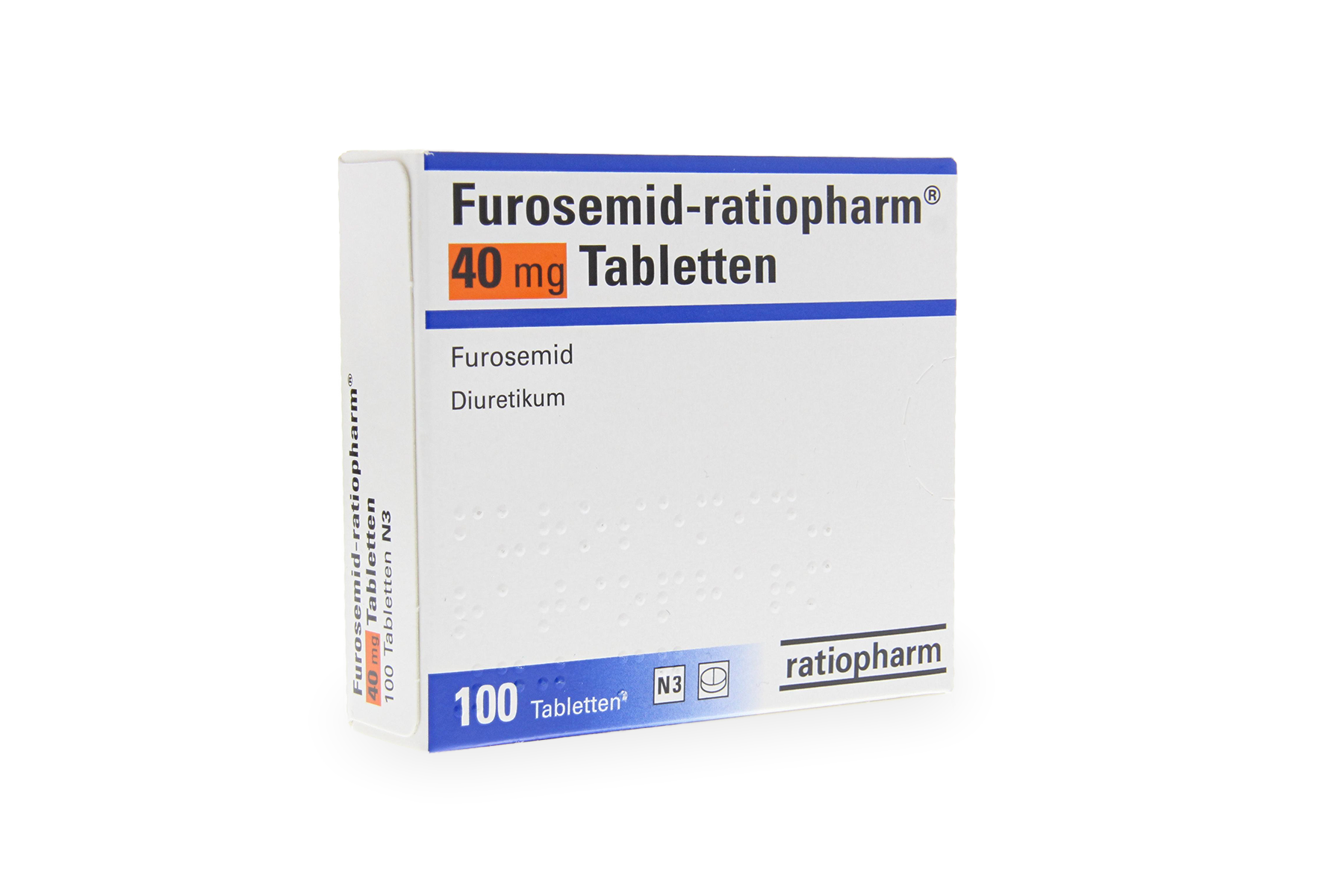
Furosemide
Omeprazole

Pantoprazole

Sildenafil
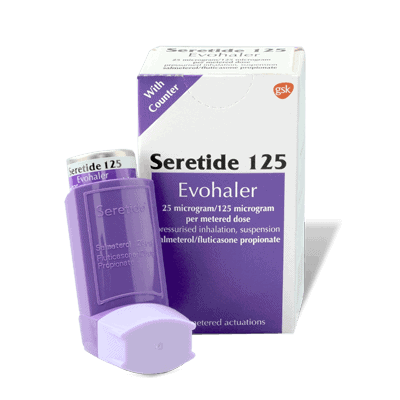
Seretide
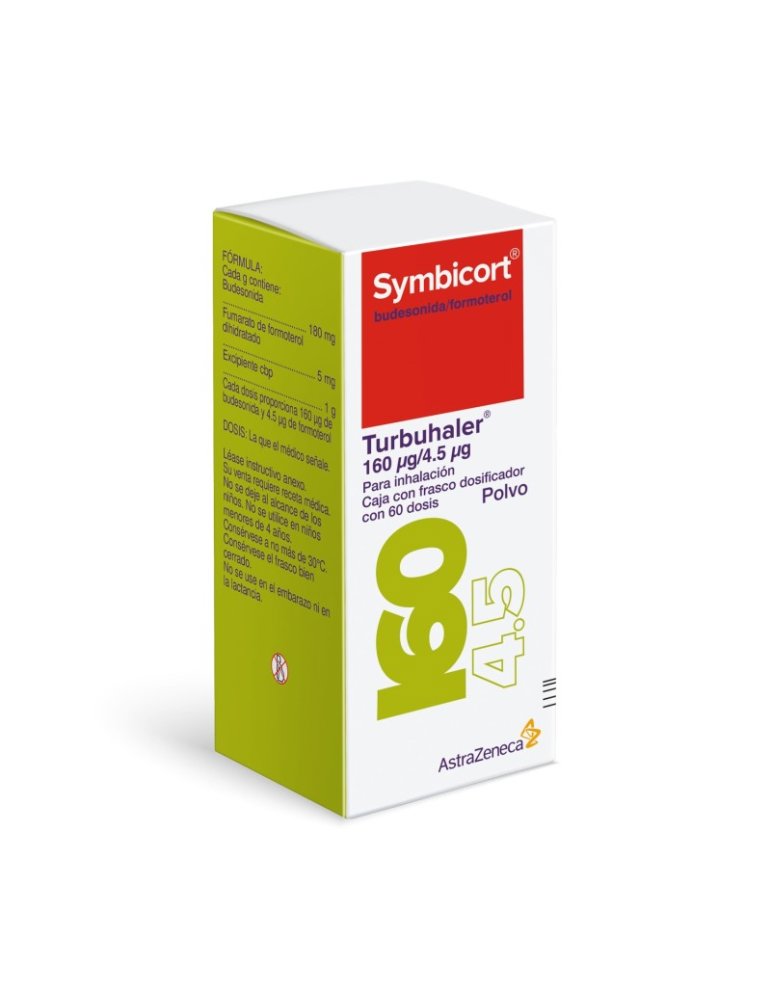
Symbicort Turbuhaler
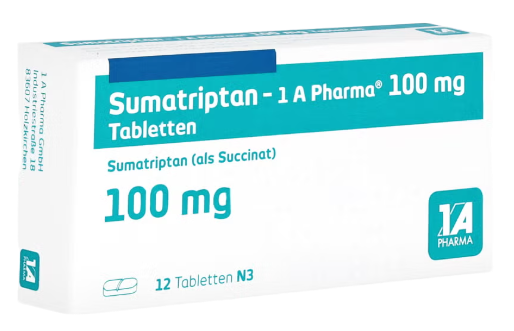
Sumatriptan
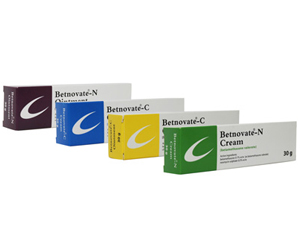
Betnovate
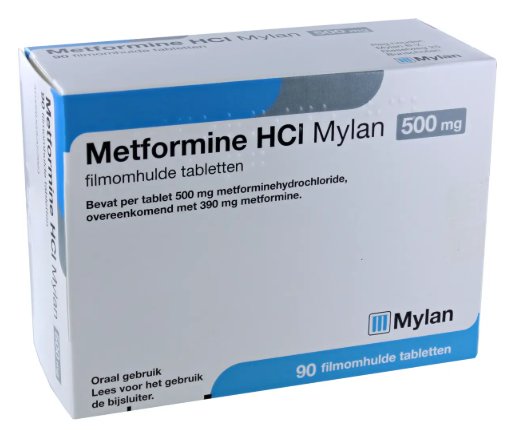
Metformin
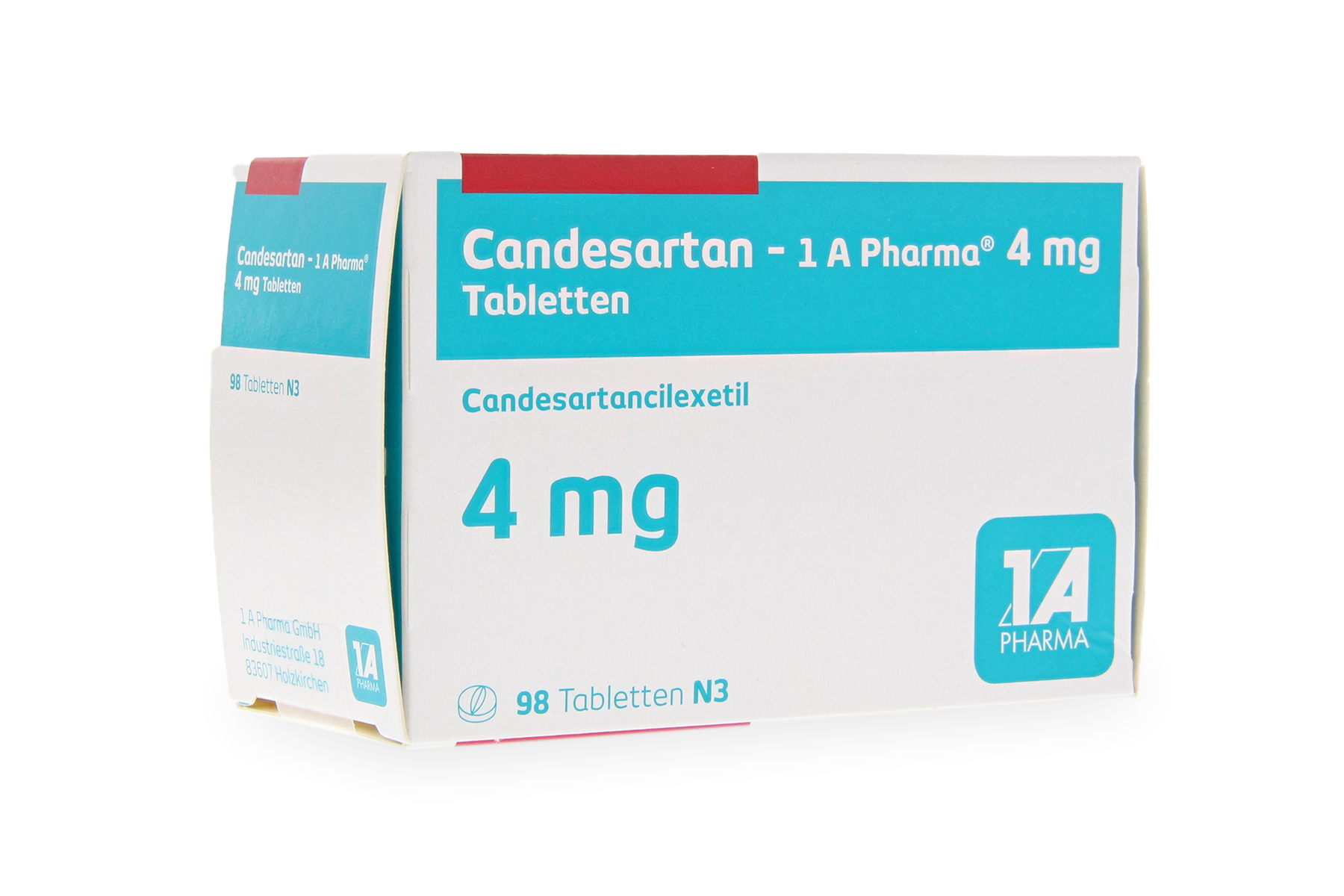
Candesartan
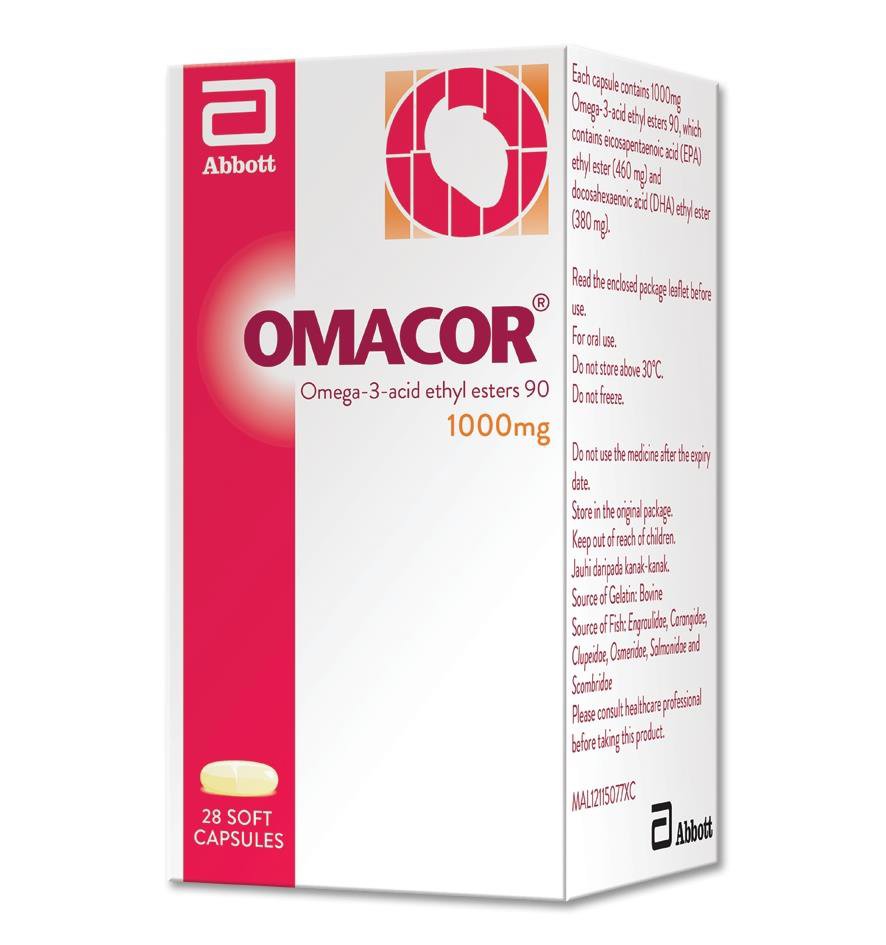
Omacor
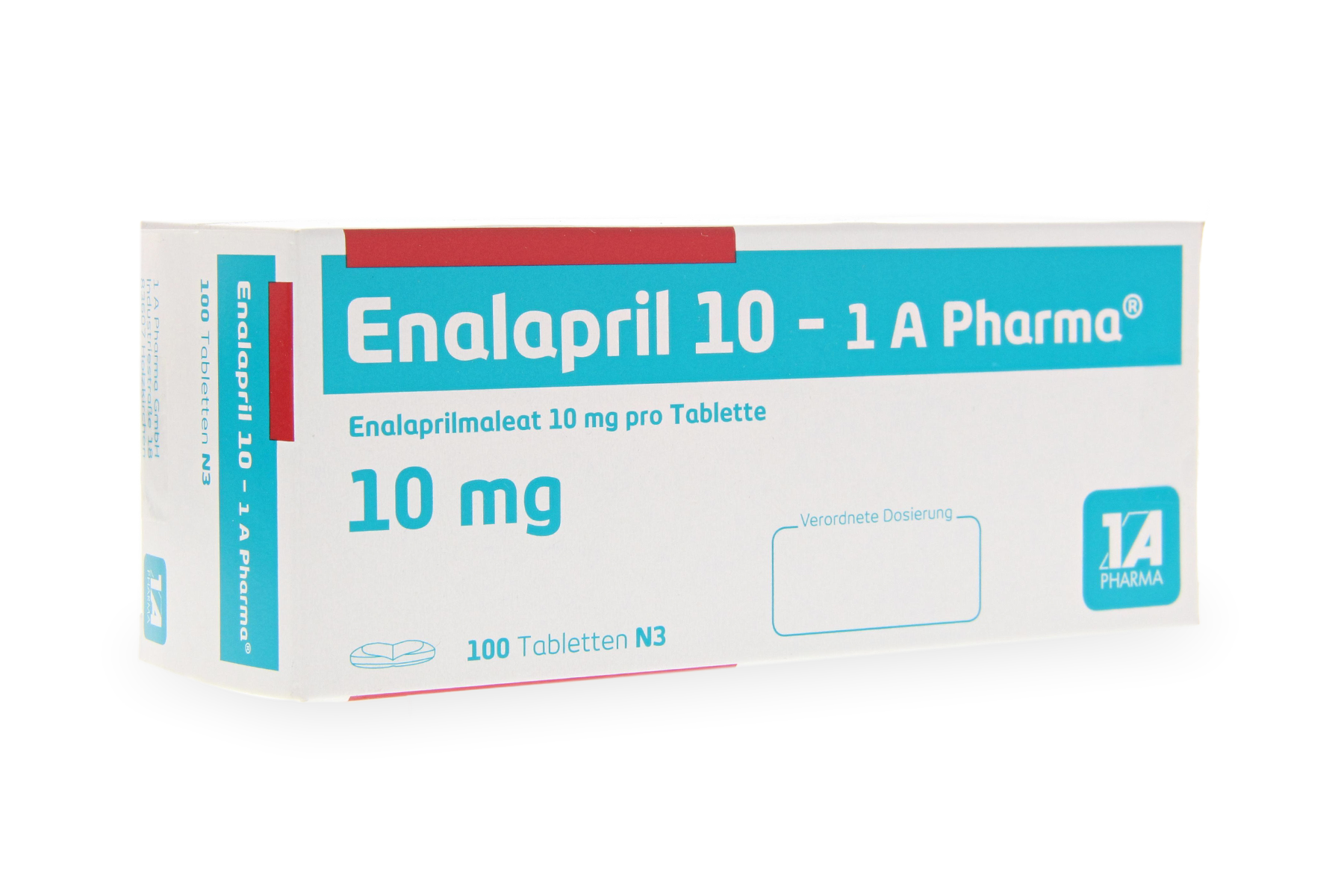
Enalapril
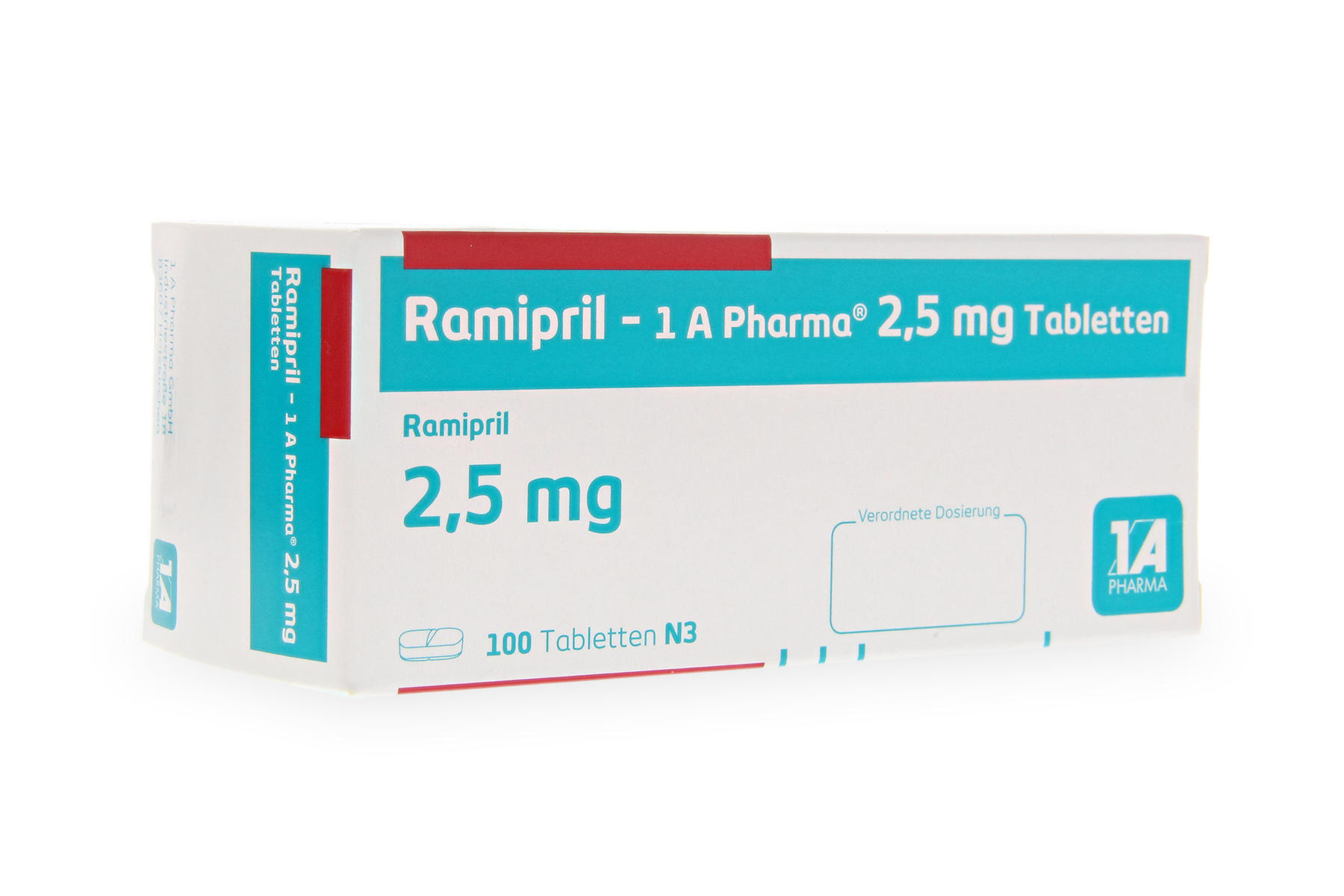
Ramipril
Atorvastatin
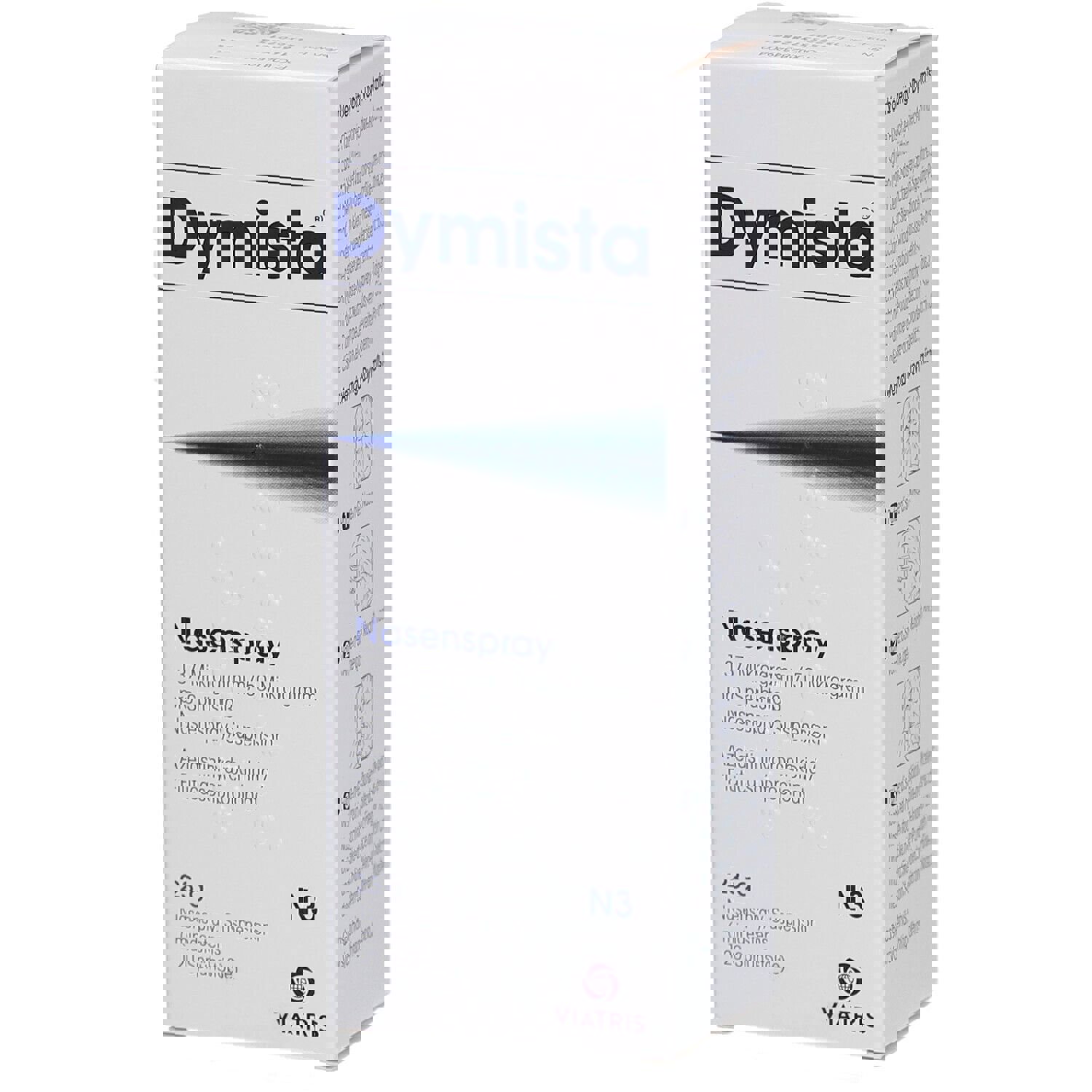
Dymista
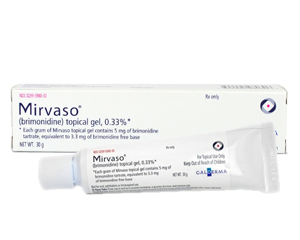
Mirvaso

Spedra
Salbutamol
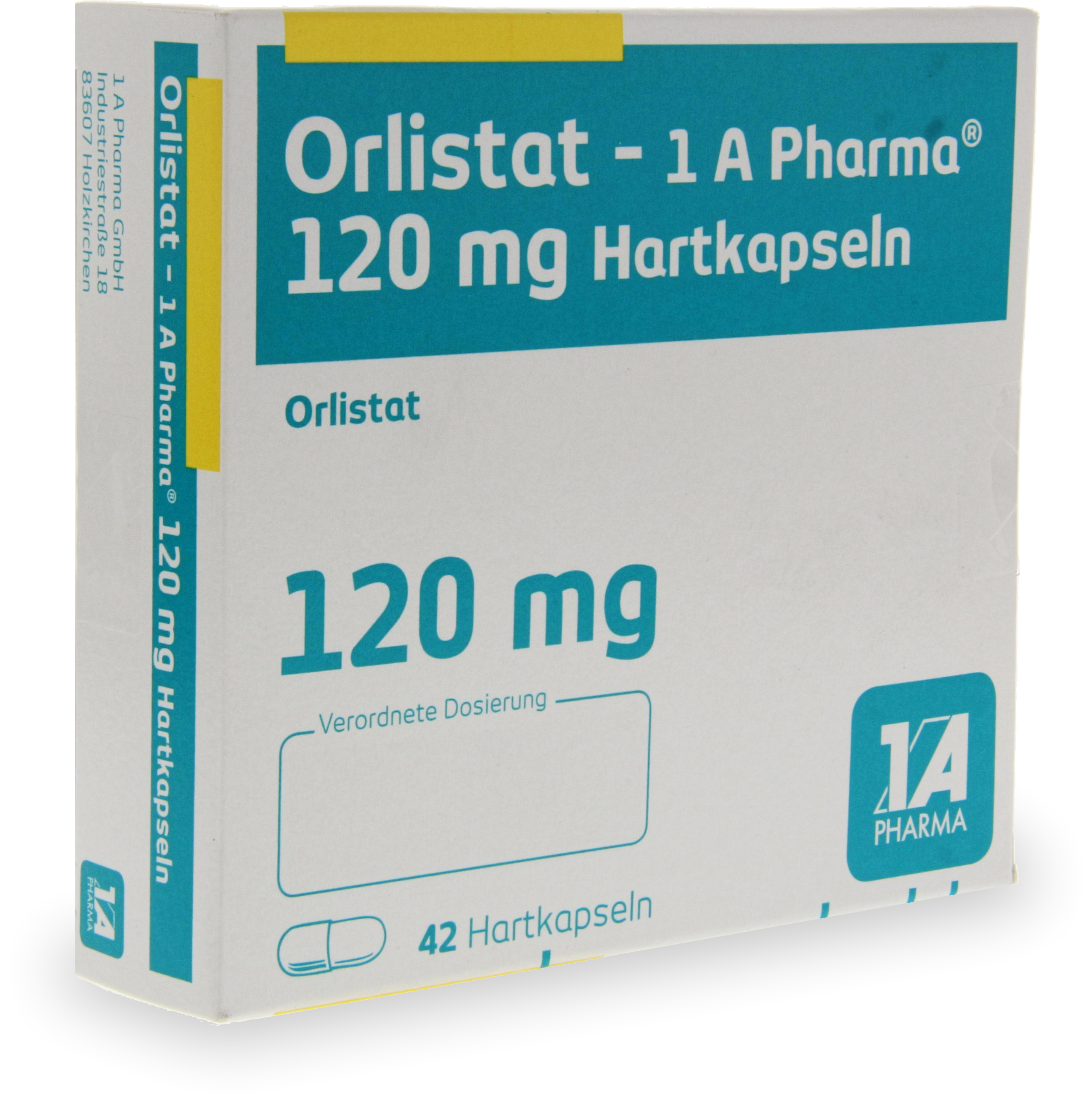
Orlistat

Vagifem
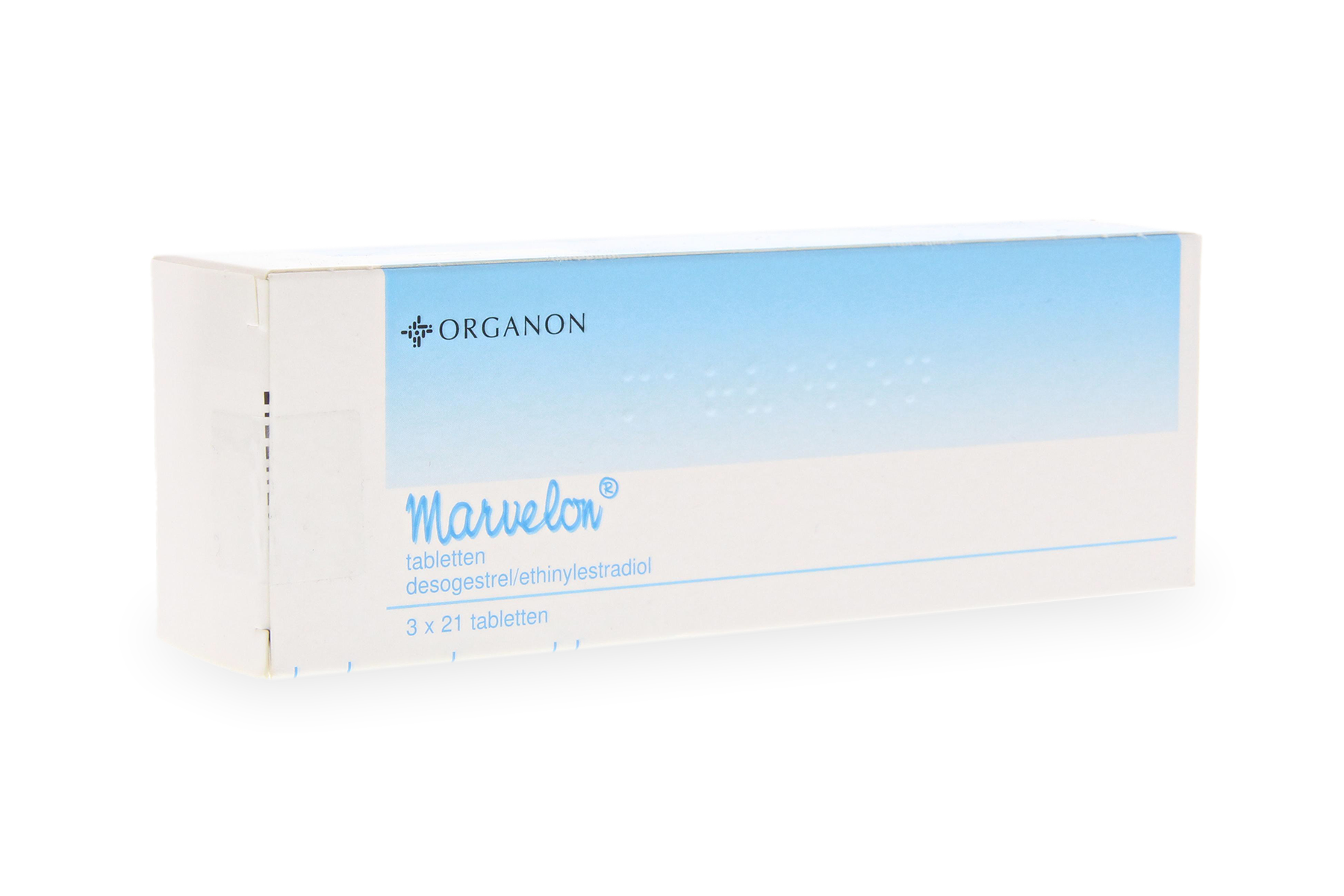
Marvelon
Desloratadine
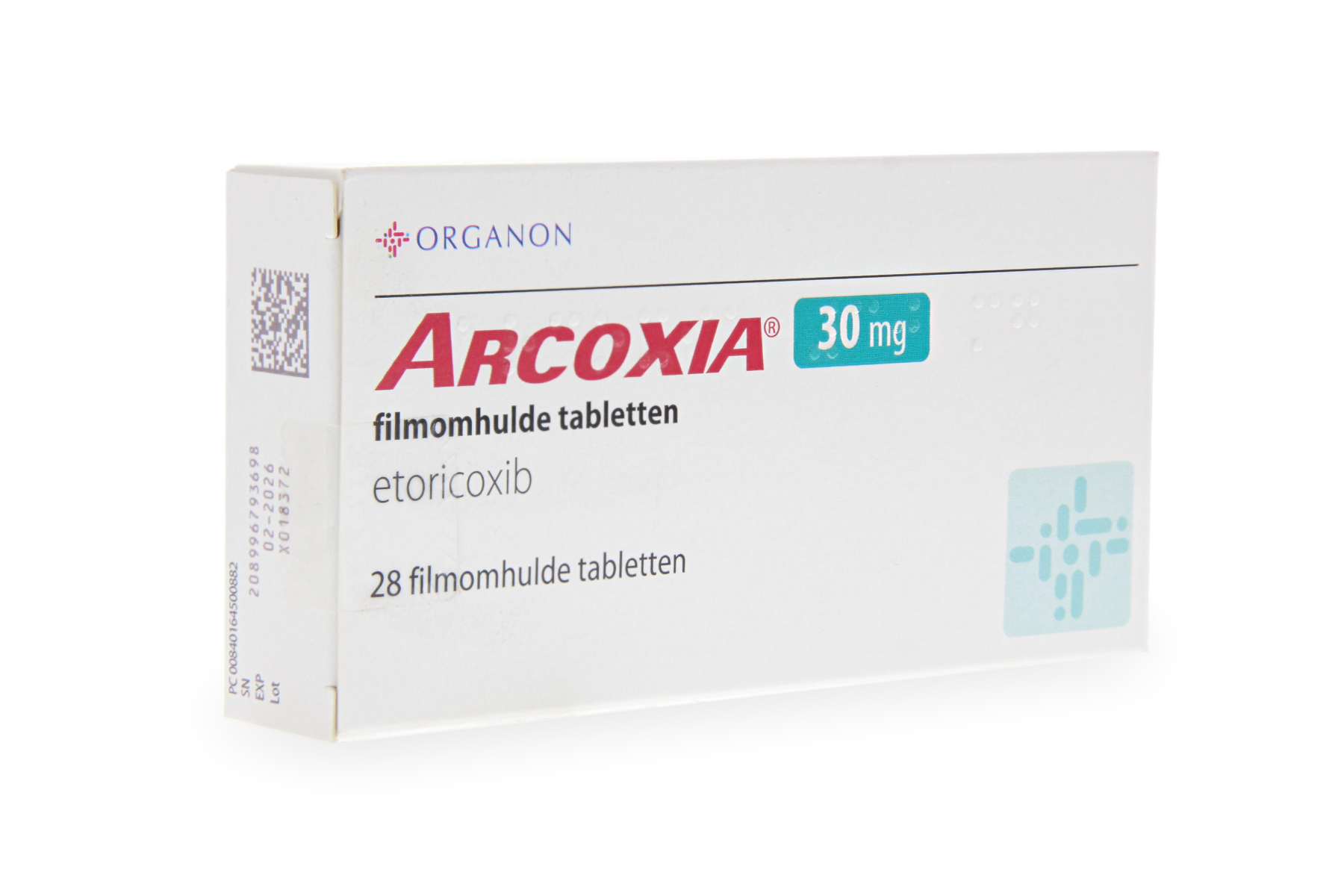
Arcoxia
Levothyroxine
Mercilon
Adenuric

Metoclopramide
Tadalafil
Valsartan
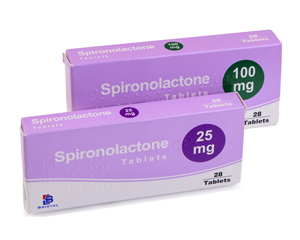
Spironolactone
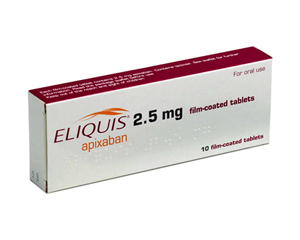
Eliquis
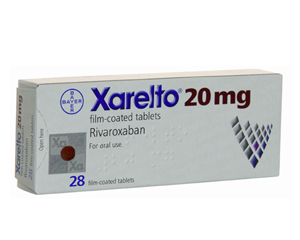
Xarelto

Vardenafil
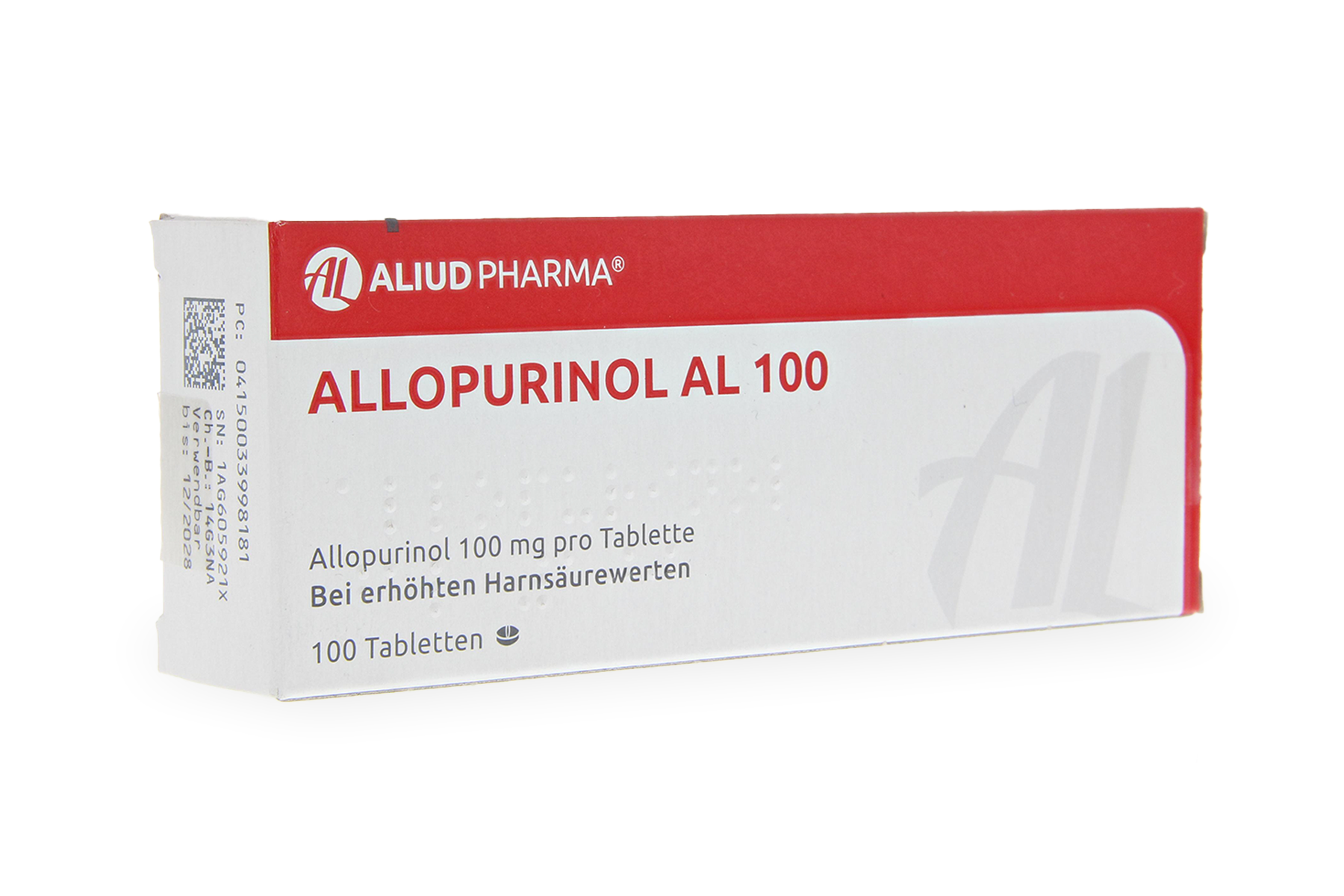
Allopurinol
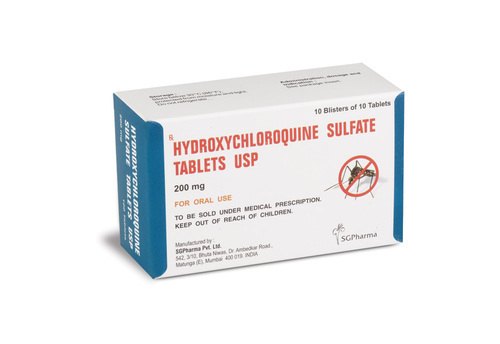
Hydroxychloroquine
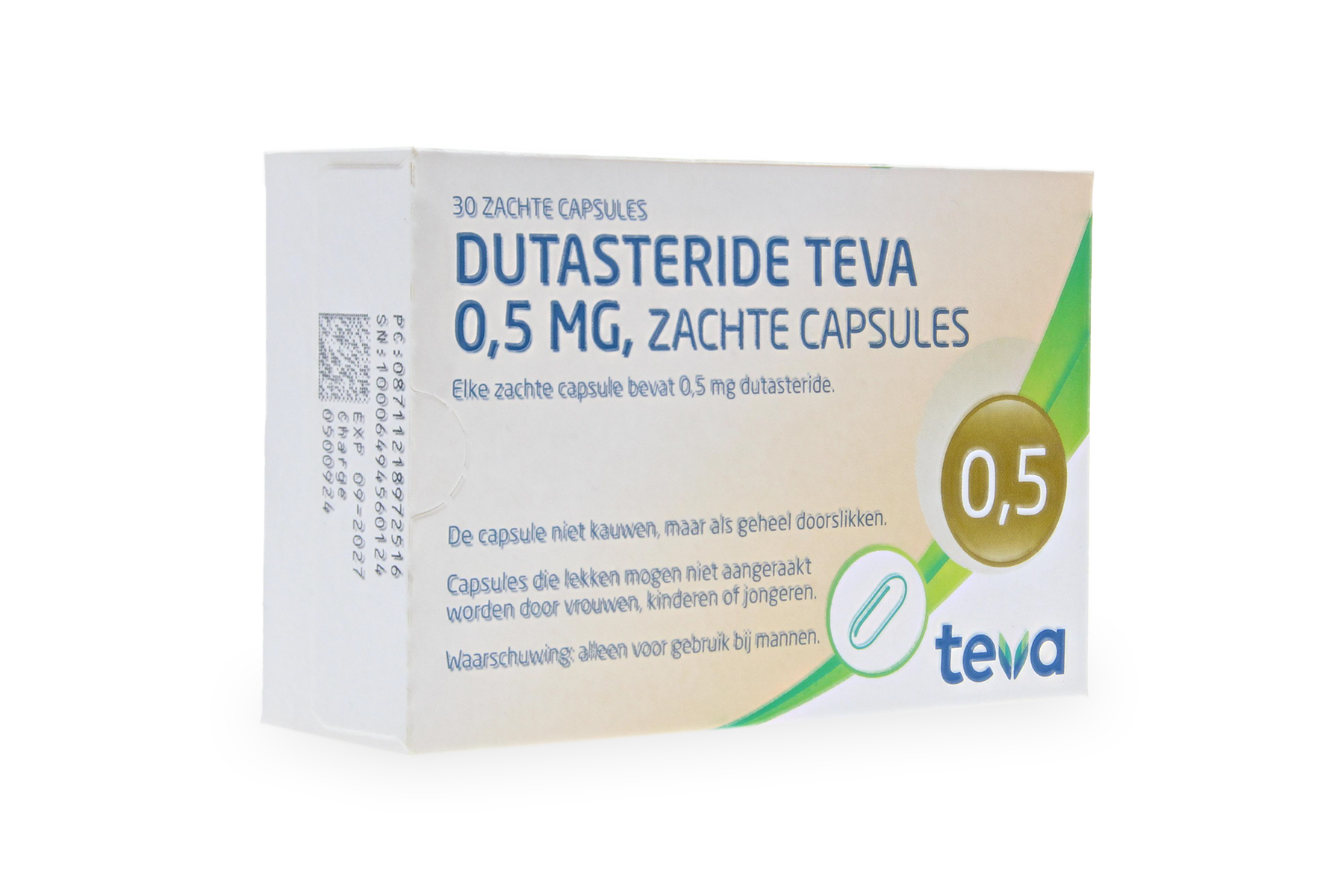
Dutasteride
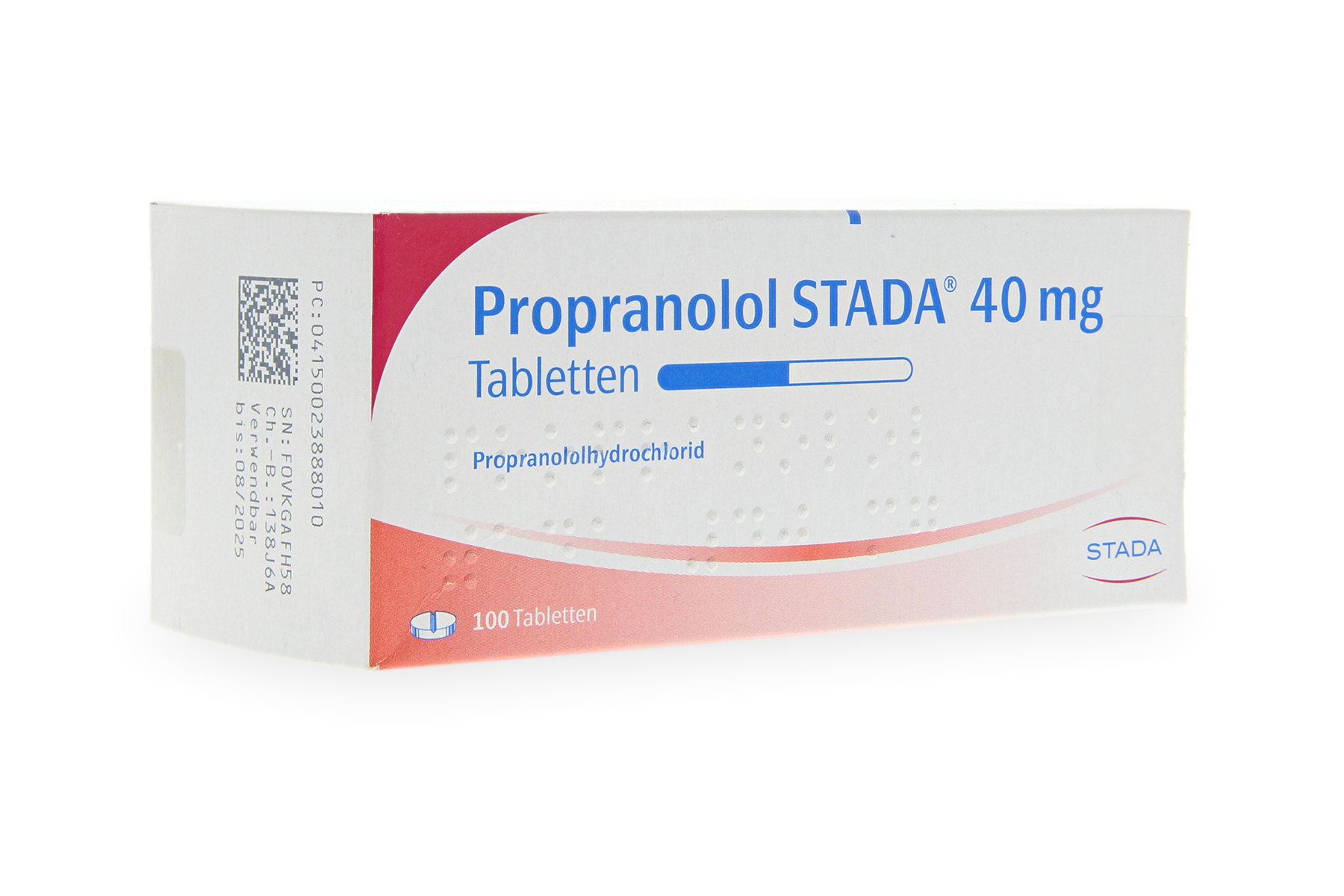
Propranolol

Wegovy
Circadin
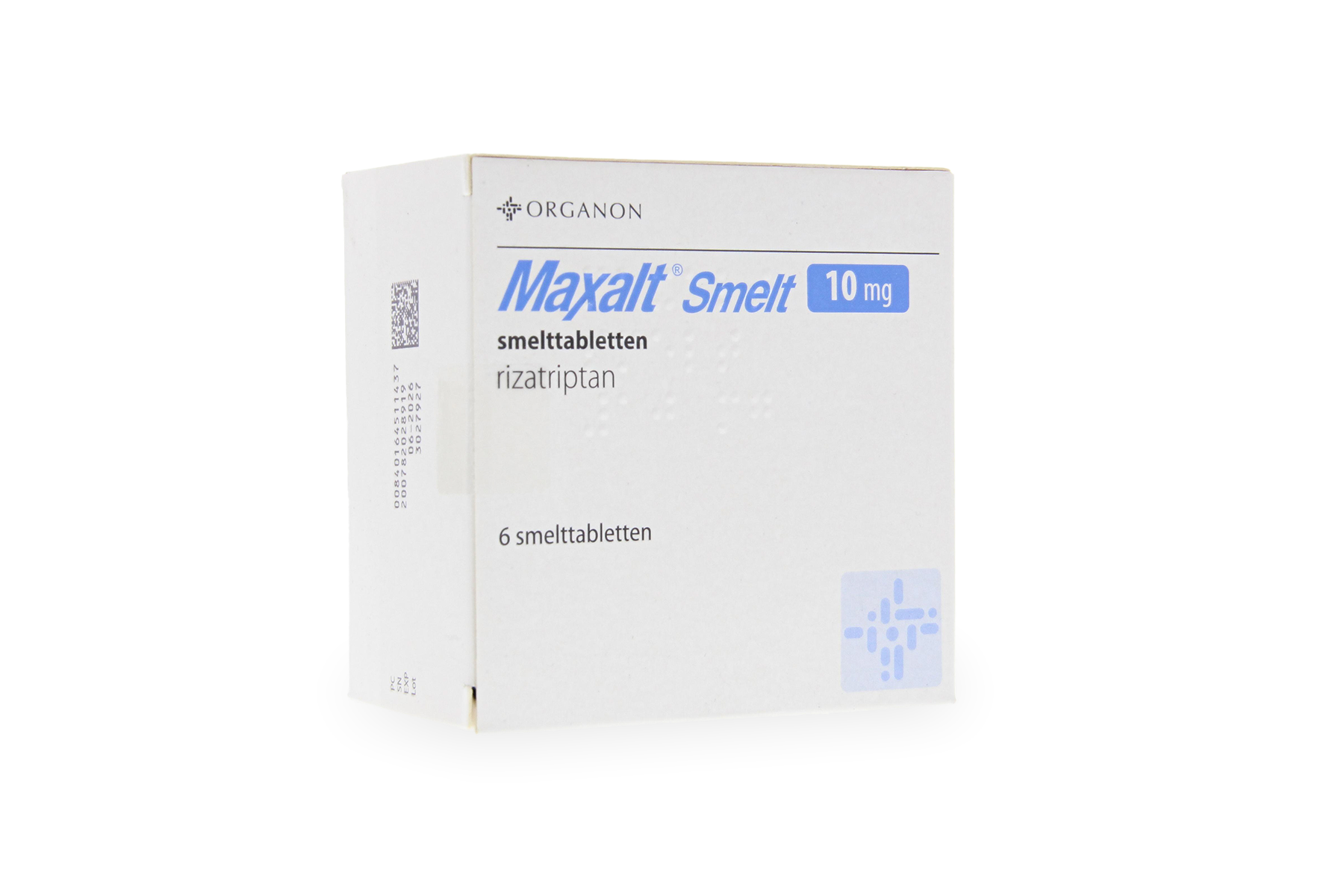
Maxalt
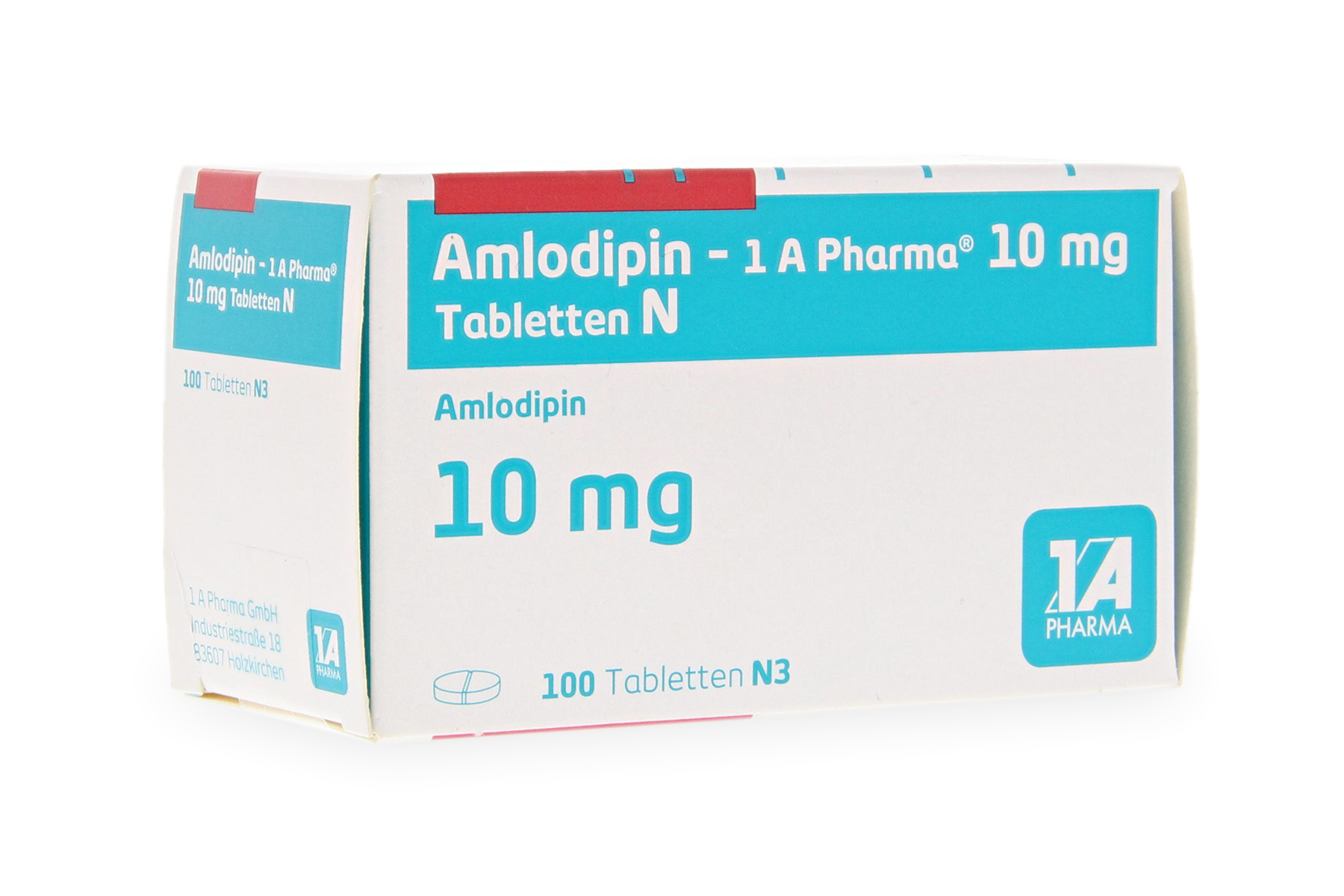
Amlodipine
Evra Patches

Mounjaro

Dermovate
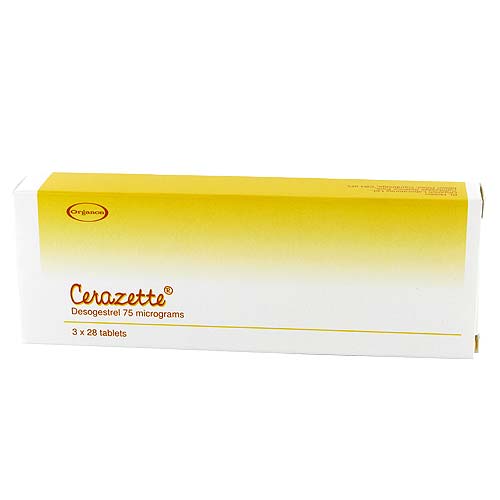
Cerazette

Viagra

Melatonin
Emla Cream
Naproxen
Ventolin

Bricanyl Turbohaler
Doxycycline (Malaria)

Impotence Trial Pack

Microgynon 30
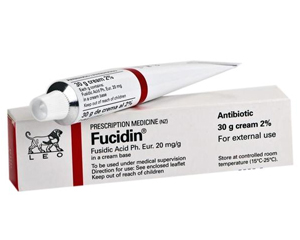
Fucidin
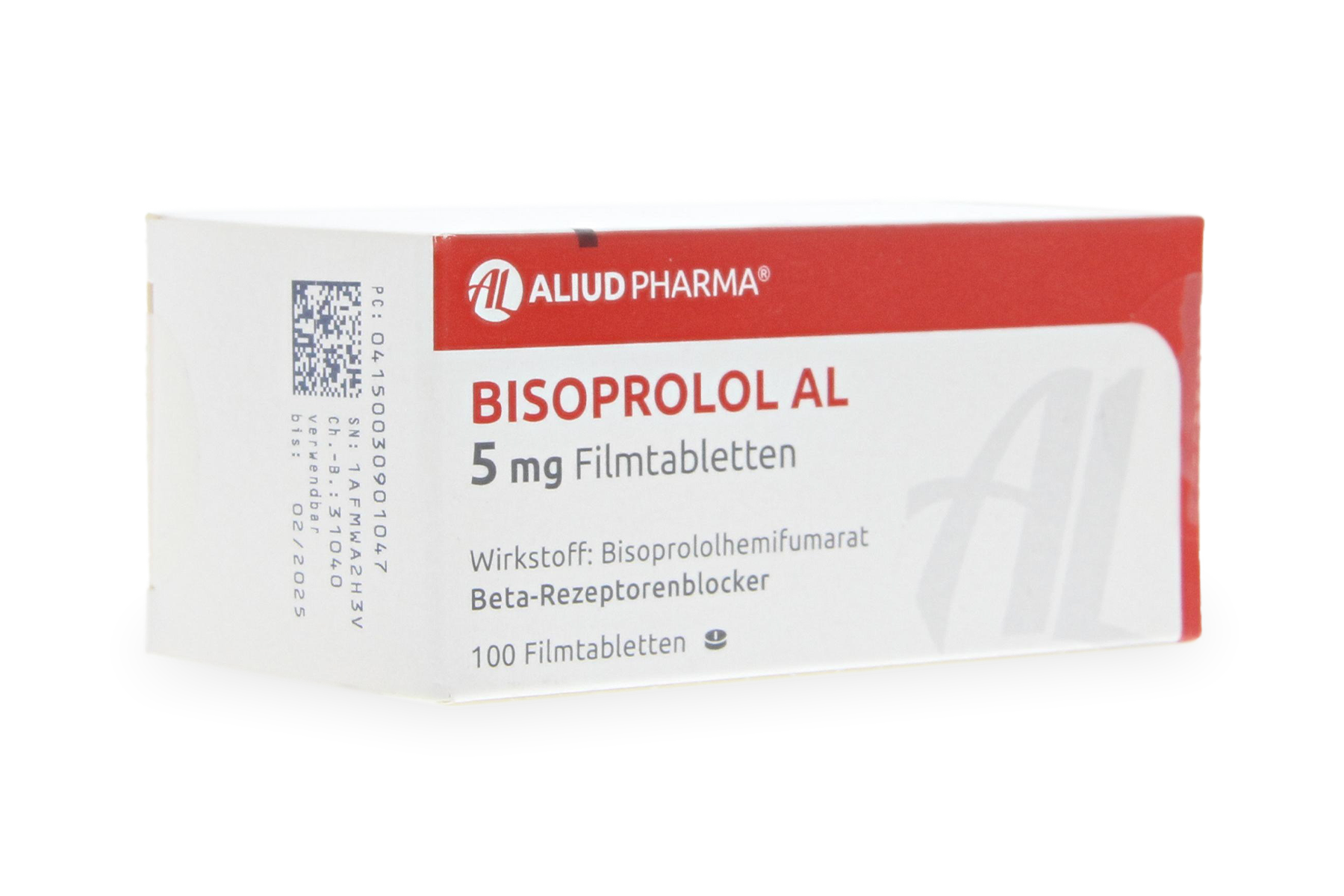
Bisoprolol
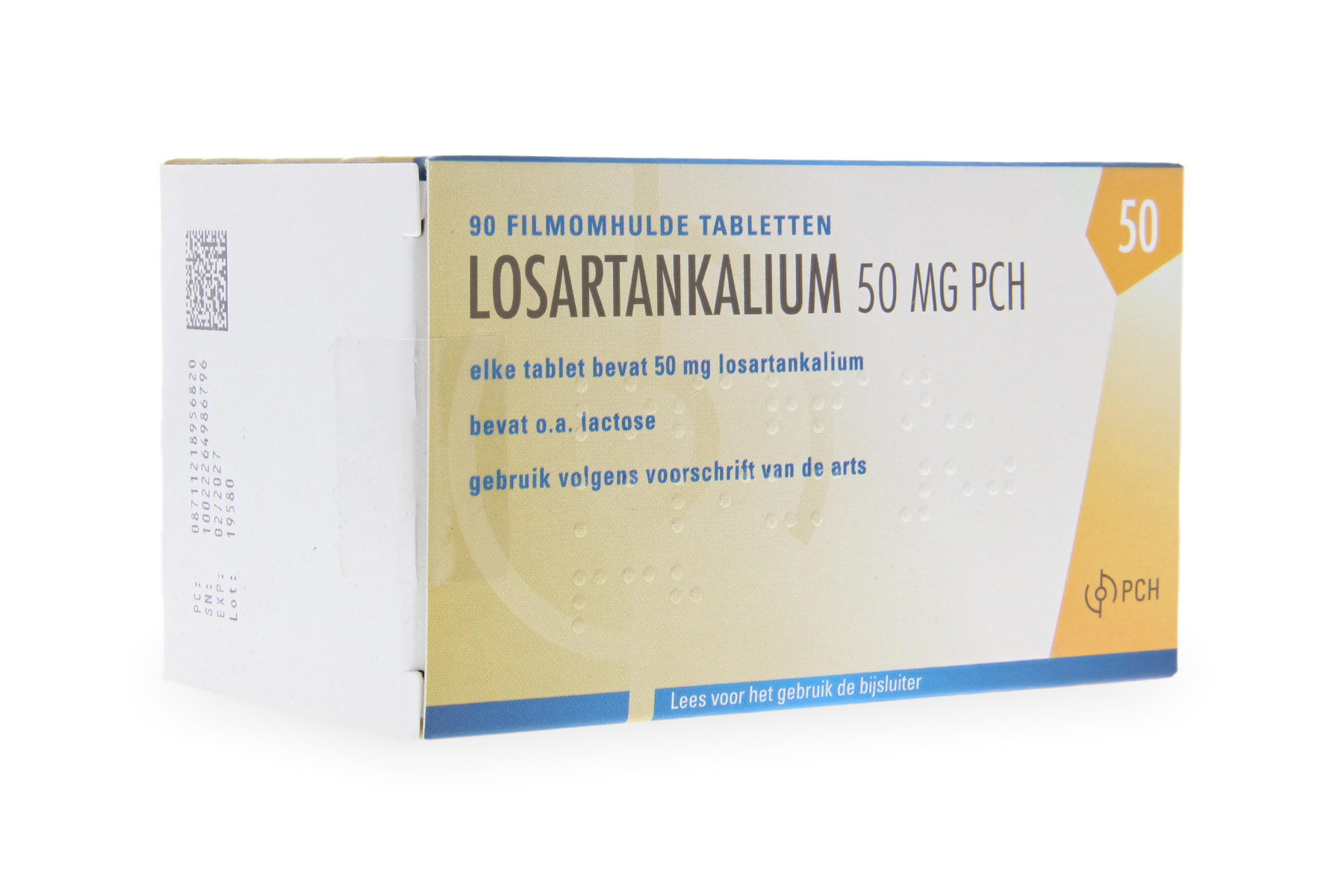
Losartan
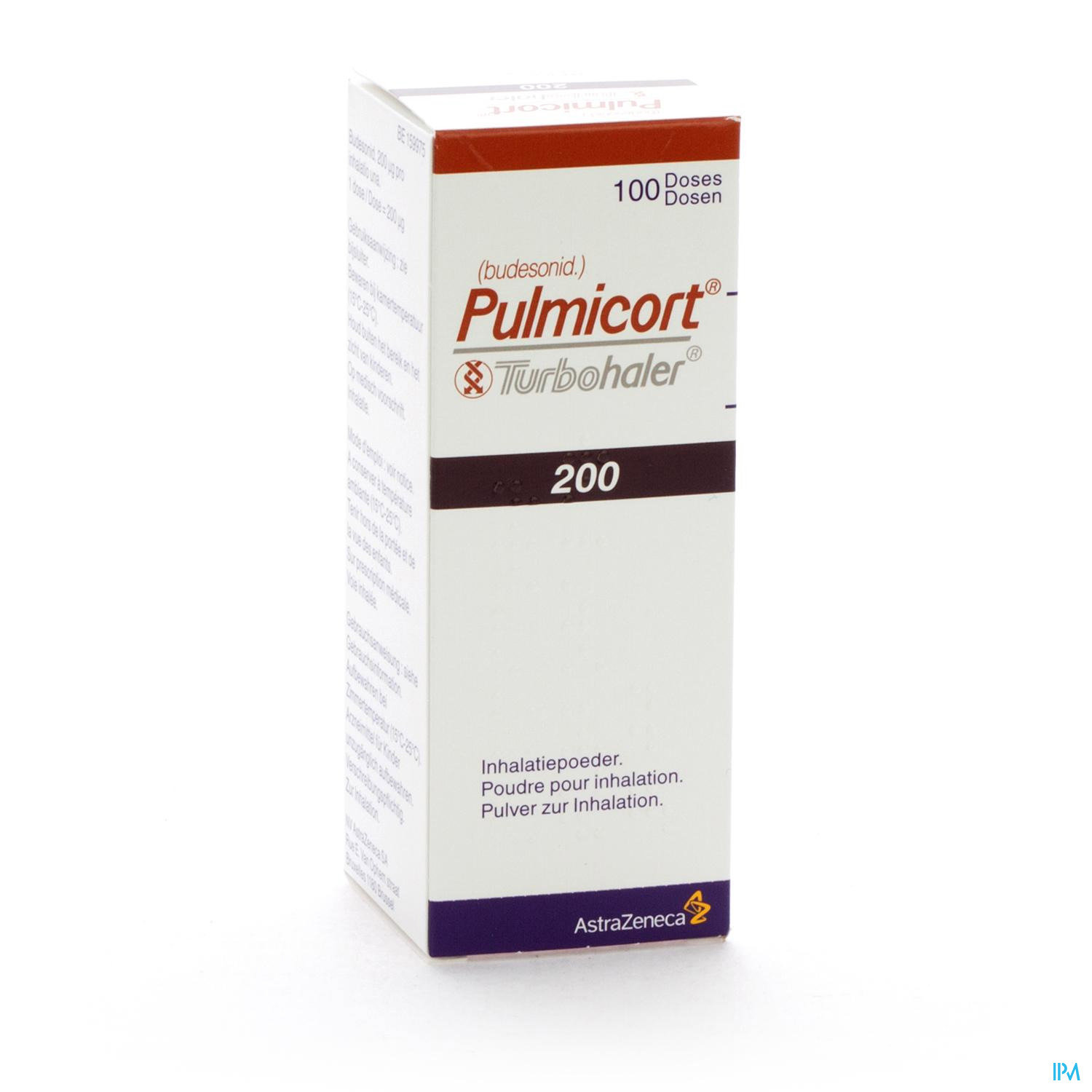
Pulmicort Turbohaler
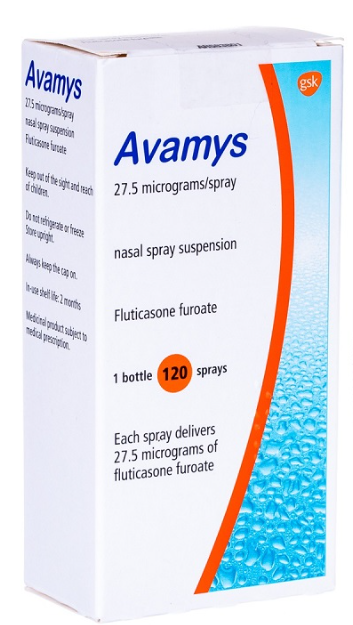
Avamys
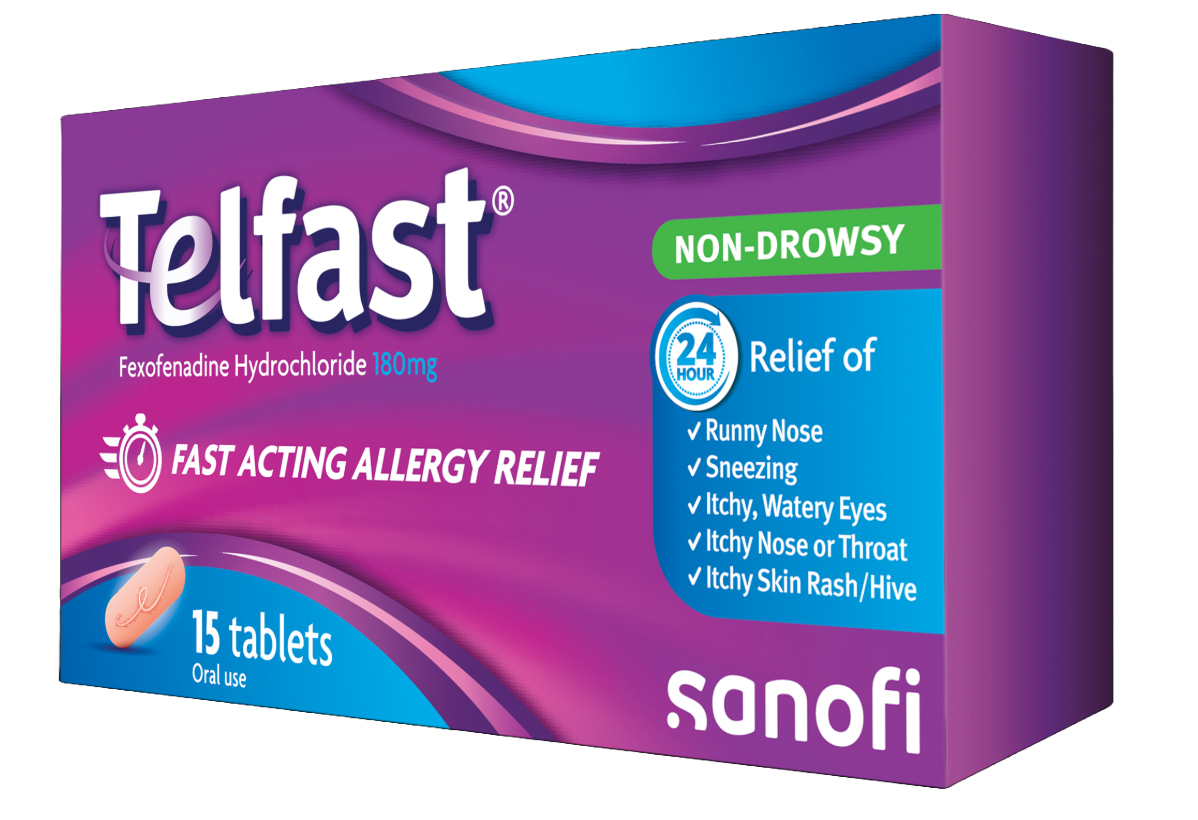
Telfast
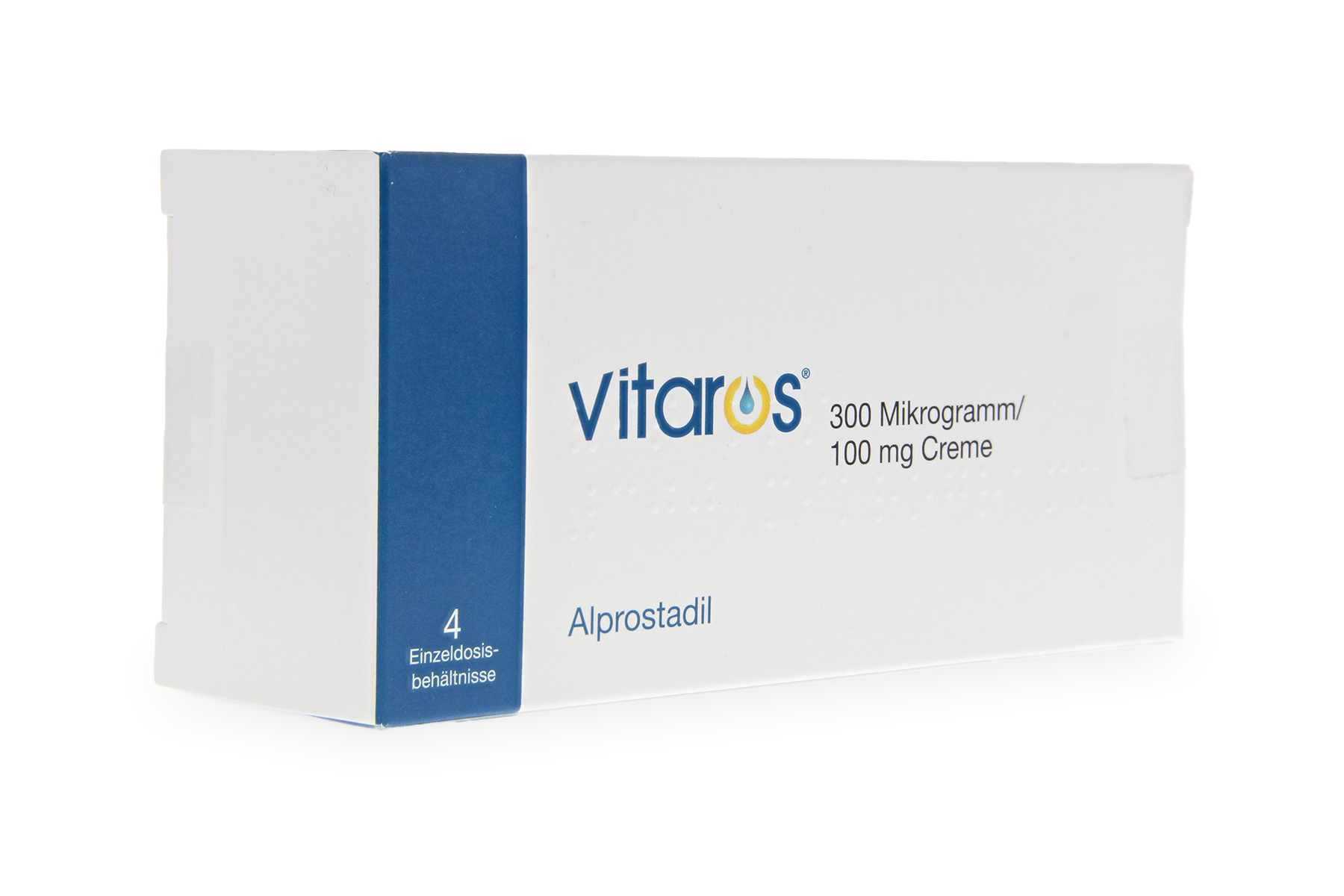
Vitaros

Zyloric
Kliovance
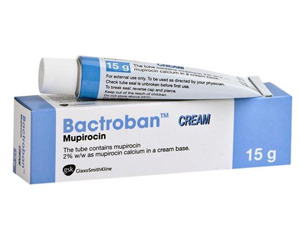
Bactroban
Elocon
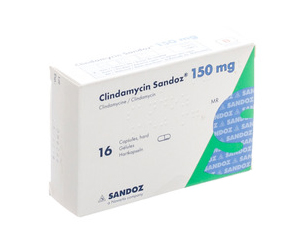
Clindamycin
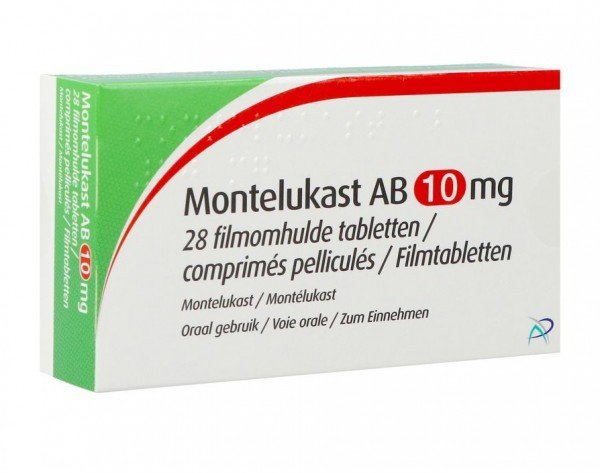
Montelukast
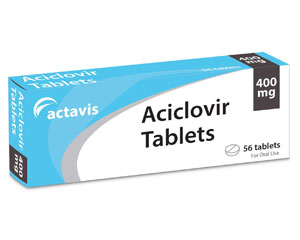
Aciclovir

Proscar

Differin
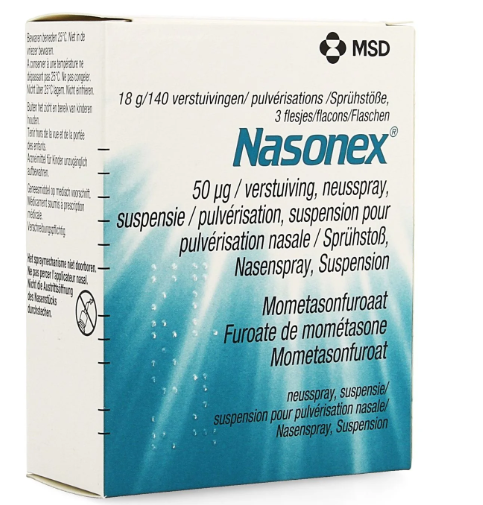
Nasonex Nasal Spray

Propecia
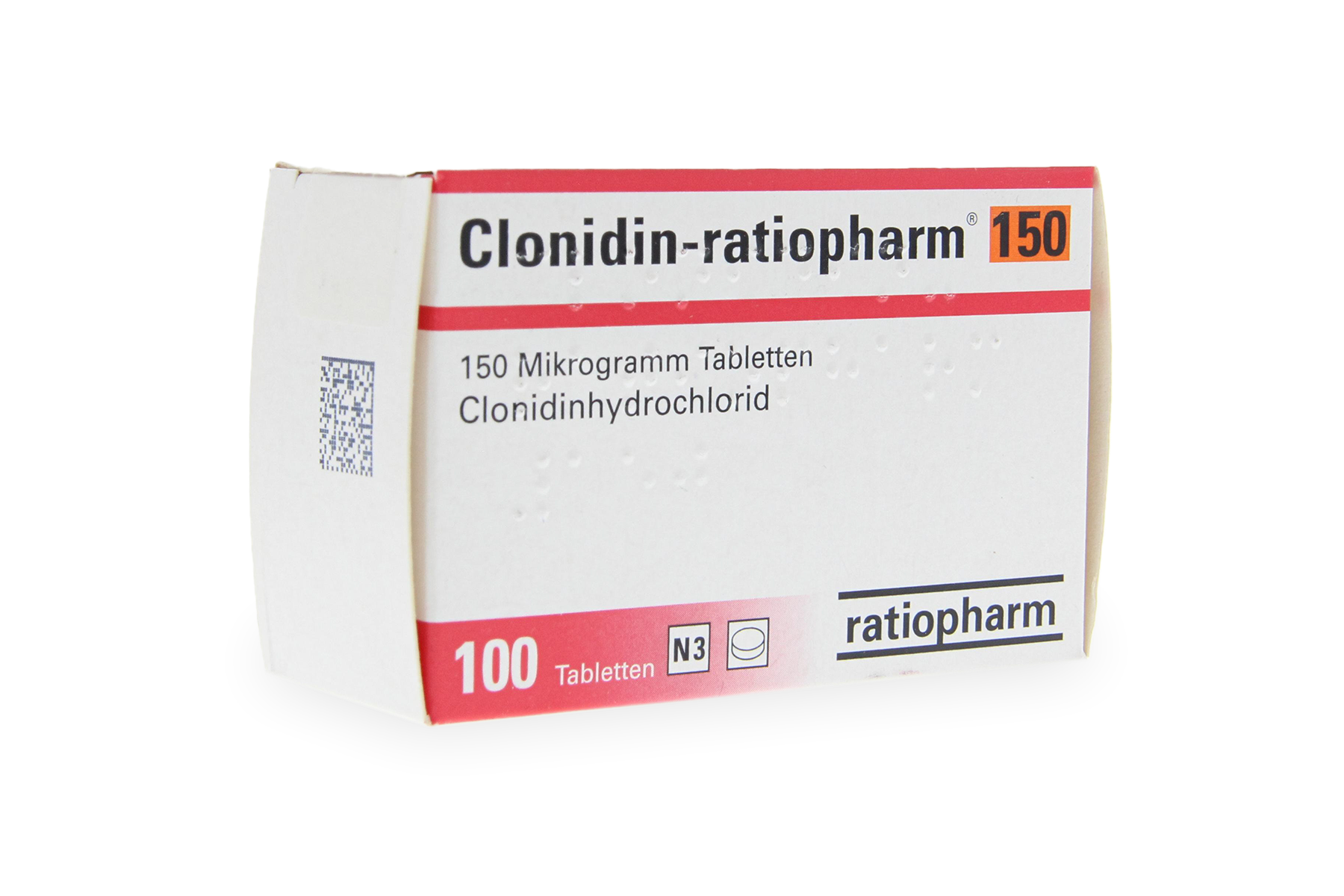
Clonidine
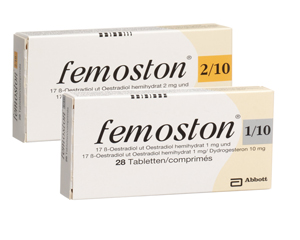
Femoston
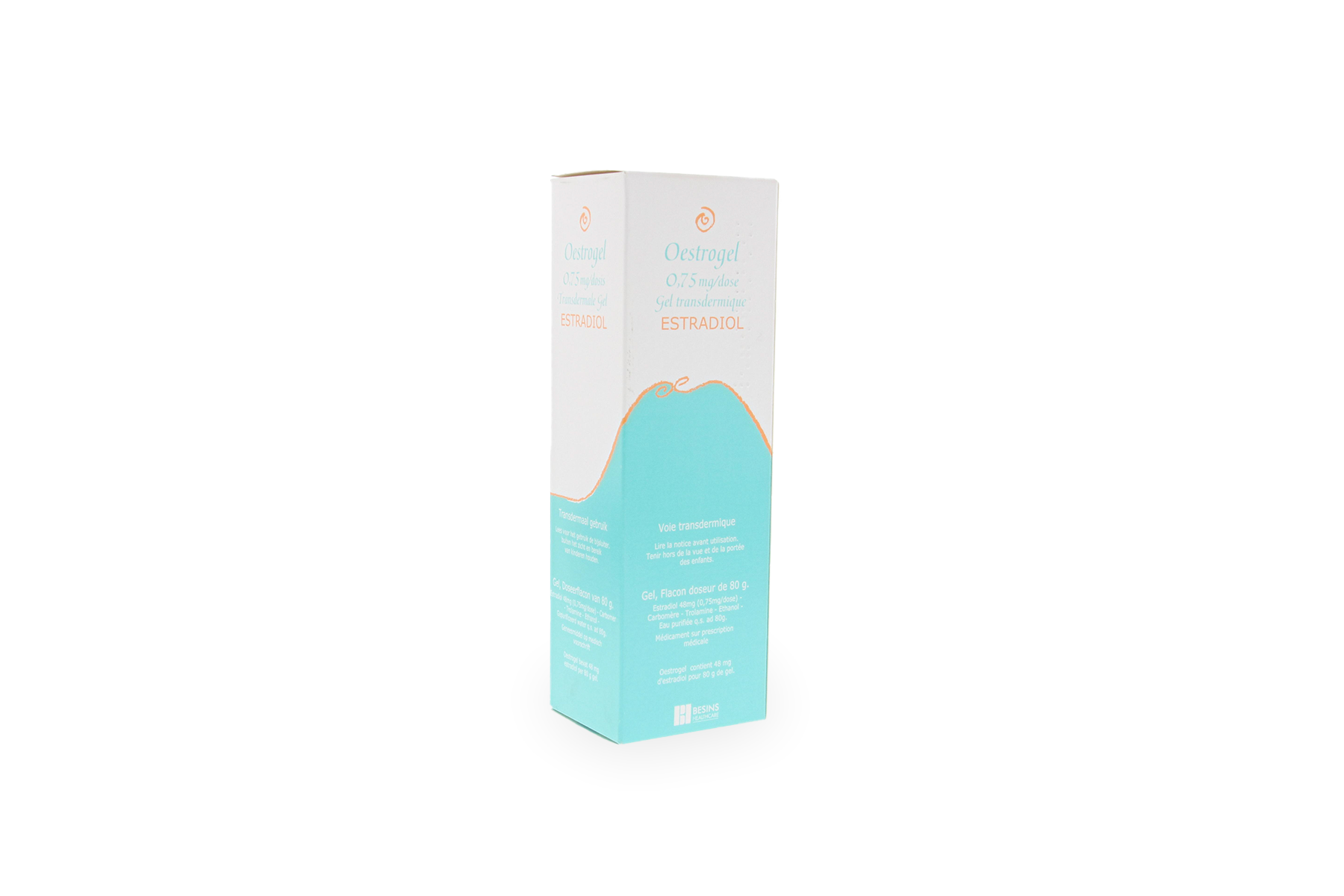
Oestrogel
Tamsulosin MR
Azyter
Esomeprazole
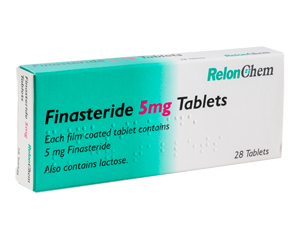
Proscar (Finasteride)

Diclofenac SR

Diflucan
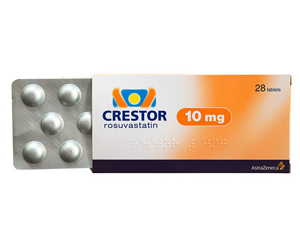
Crestor
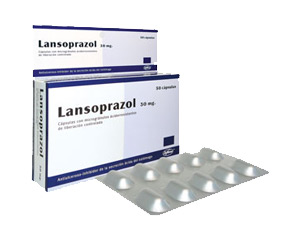
Lansoprazole
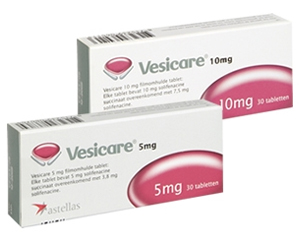
Vesicare
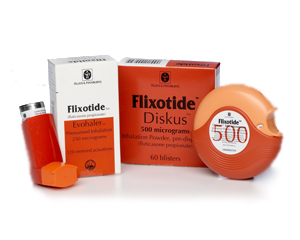
Flixotide
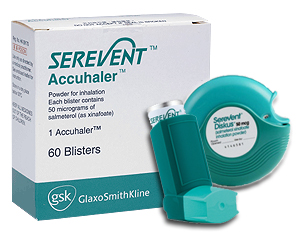
Serevent
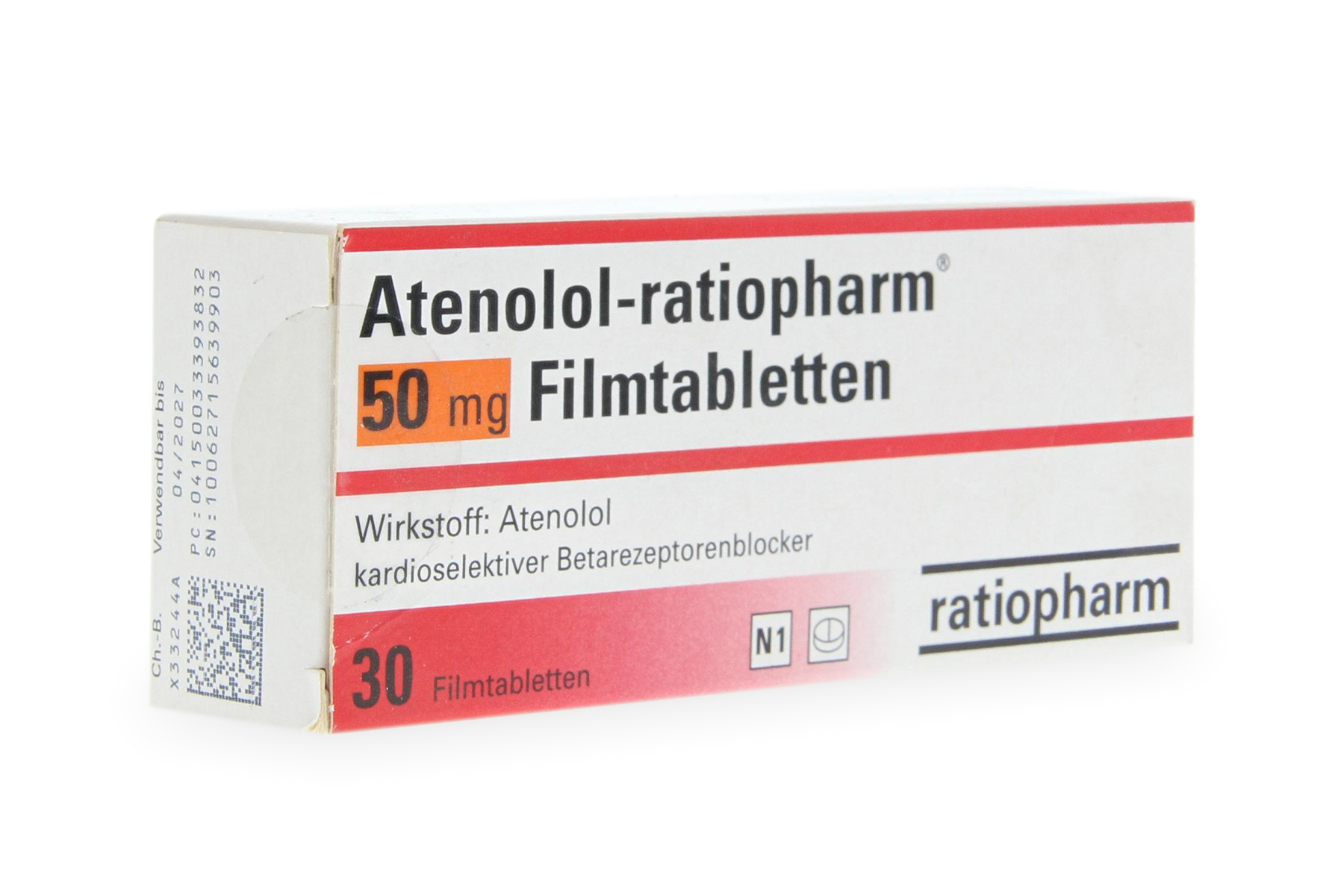
Atenolol
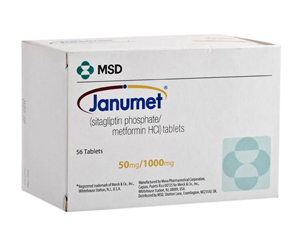
Janumet
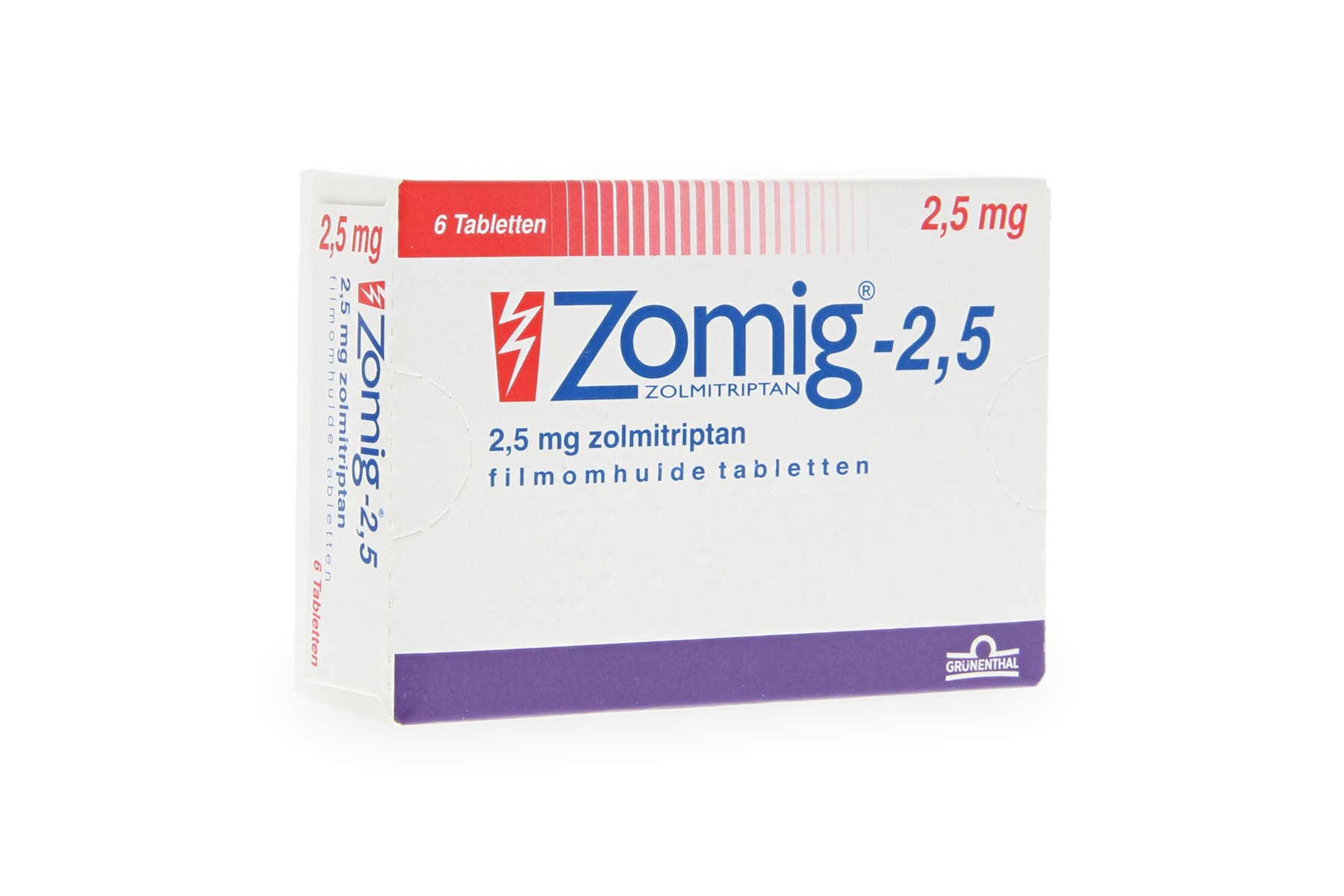
Zomig
Sleep & Anxiety Treatments
The Link Between Sleep and Anxiety
Sleep and anxiety exist in a bidirectional relationship: anxiety makes it harder to fall and stay asleep, while poor sleep amplifies anxious thoughts and emotional reactivity. This vicious cycle affects millions of people across Europe and is a leading reason for both GP consultations and lost productivity.
Insomnia, defined as difficulty falling asleep, staying asleep, or waking too early despite adequate opportunity, affects around one in three adults at some point. When it persists for three months or more, it is classified as chronic insomnia and may require structured intervention. Anxiety disorders, including generalised anxiety disorder (GAD), social anxiety, and panic disorder, are the most common mental health conditions, affecting approximately 1 in 10 adults.
The consequences of sustained poor sleep extend beyond daytime tiredness. Chronic sleep deprivation is associated with impaired concentration, weakened immune function, weight gain, and an increased risk of cardiovascular disease, diabetes, and depression. Addressing sleep and anxiety together, rather than in isolation, produces the best outcomes.
Treatments for Anxiety
Cognitive behavioural therapy (CBT) is recommended as the first-line treatment for most anxiety disorders. It helps people identify and challenge unhelpful thought patterns, develop coping strategies, and gradually face feared situations through structured exposure. CBT is available through the NHS, privately, and increasingly through digital platforms and guided self-help programmes.
When therapy alone is insufficient, or when symptoms are moderate to severe, medication may be recommended. Selective serotonin reuptake inhibitors (SSRIs) such as sertraline and escitalopram are the first-choice pharmacological treatments for generalised anxiety, social anxiety, and panic disorder. They take two to four weeks to reach full effect, and treatment is usually continued for at least six to twelve months.
Benzodiazepines (such as diazepam) provide rapid relief from acute anxiety but are recommended only for short-term use (two to four weeks) due to the risk of tolerance, dependence, and withdrawal. Beta-blockers like propranolol are sometimes used to manage the physical symptoms of anxiety, such as palpitations and tremor, particularly in performance-related situations.
Improving Sleep Without Medication
Cognitive behavioural therapy for insomnia (CBT-I) is the gold-standard treatment for chronic insomnia and is recommended before sleeping tablets by all major guidelines. It addresses the thoughts, behaviours, and habits that perpetuate sleeplessness and typically produces sustained improvement within four to eight sessions.
Sleep hygiene forms the foundation of good sleep. This includes maintaining a consistent wake time (even at weekends), keeping the bedroom cool, dark, and quiet, avoiding screens for at least an hour before bed, and limiting caffeine after midday. The bed should be associated with sleep and intimacy only; reading, watching television, or working in bed weakens this association.
Relaxation techniques such as progressive muscle relaxation, diaphragmatic breathing, and mindfulness meditation can reduce the physiological arousal that keeps the mind racing at night. Regular physical activity improves sleep quality, but vigorous exercise within two to three hours of bedtime can be counterproductive. Building a predictable wind-down routine signals to the body that it is time to transition from wakefulness to sleep.
When Medication May Help
Short-term use of sleeping tablets may be considered when insomnia is severe and non-pharmacological measures have been insufficient. The "Z-drugs" (zopiclone and zolpidem) are the most commonly prescribed hypnotics and work by enhancing the activity of GABA, a calming neurotransmitter in the brain. They are effective at initiating sleep but are recommended for no more than two to four weeks to avoid dependence.
Melatonin, a hormone that regulates the sleep-wake cycle, is available on prescription for adults over 55 with primary insomnia. It is particularly useful for adjusting circadian rhythm disruptions, such as those caused by shift work or jet lag, and has a favourable safety profile with minimal risk of dependence.
Antihistamines with sedative properties (such as promethazine) are sometimes used as a short-term sleep aid, though daytime drowsiness can be a limiting factor. For anxiety-related insomnia, treating the underlying anxiety with an SSRI or CBT often resolves the sleep disturbance as a secondary benefit, reducing the need for dedicated sleep medication.
Seeking Professional Help
If sleep difficulties or anxiety symptoms persist for more than a few weeks and are affecting your daily functioning, relationships, or work, professional help is advisable. Your GP is a good starting point and can assess for underlying causes, discuss treatment options, and refer you for specialist care if needed.
Online mental health platforms have expanded access to therapy, particularly for people in areas with long NHS waiting lists or those who prefer the privacy of remote sessions. Many services offer structured CBT programmes with therapist support, and some are available free of charge through NHS-commissioned providers such as IAPT (Improving Access to Psychological Therapies).
For patients already established on anxiety or sleep medication, repeat prescriptions can be obtained through regulated online pharmacies following a clinical review. However, benzodiazepines and Z-drugs are subject to stricter prescribing controls and are not available for long-term repeat supply without ongoing clinical oversight. If your current treatment is not working, a reassessment is the appropriate next step.
Frequently Asked Questions
What medication is prescribed for anxiety in the UK?
Can I get sleeping tablets prescribed online?
How long can I take sleep medication?
Are sleeping tablets addictive?
Dr. Ross Elledge
General Practitioner · General & Family Medicine
Verified Healthcare Professional
TopDoctors ProfileThis website provides general information about medicines for educational purposes only. Always consult your doctor or pharmacist before taking any medication.