
Smoking Cessation Treatments
Quitting smoking is the single most important thing you can do for your health. Prescription stop smoking treatments can double or triple your chances of success. An online doctor can help you choose the right approach and provide ongoing support.
Prescription aids double or triple quit success rates
Varenicline (Champix) is the most effective single stop-smoking treatment
NRT combinations (patch + fast-acting) improve outcomes
Support alongside medication produces the best results

Cialis
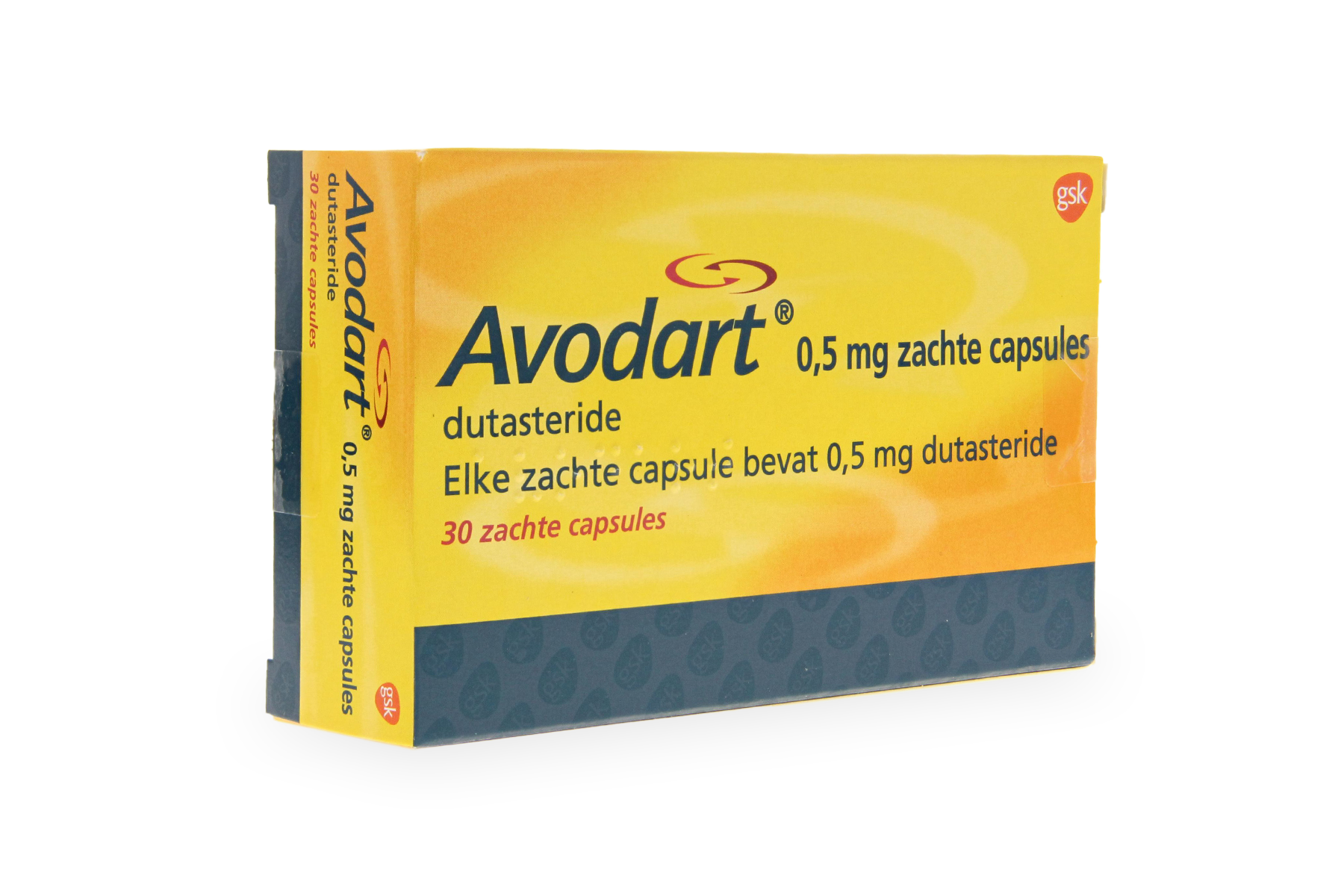
Avodart
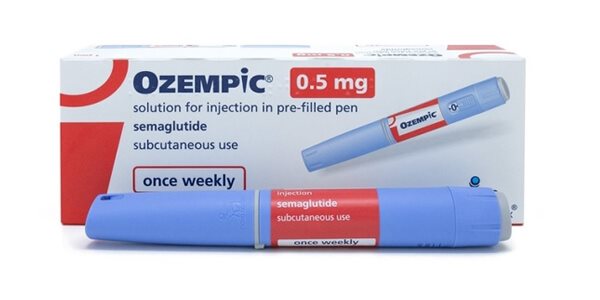
Ozempic

Nuvaring
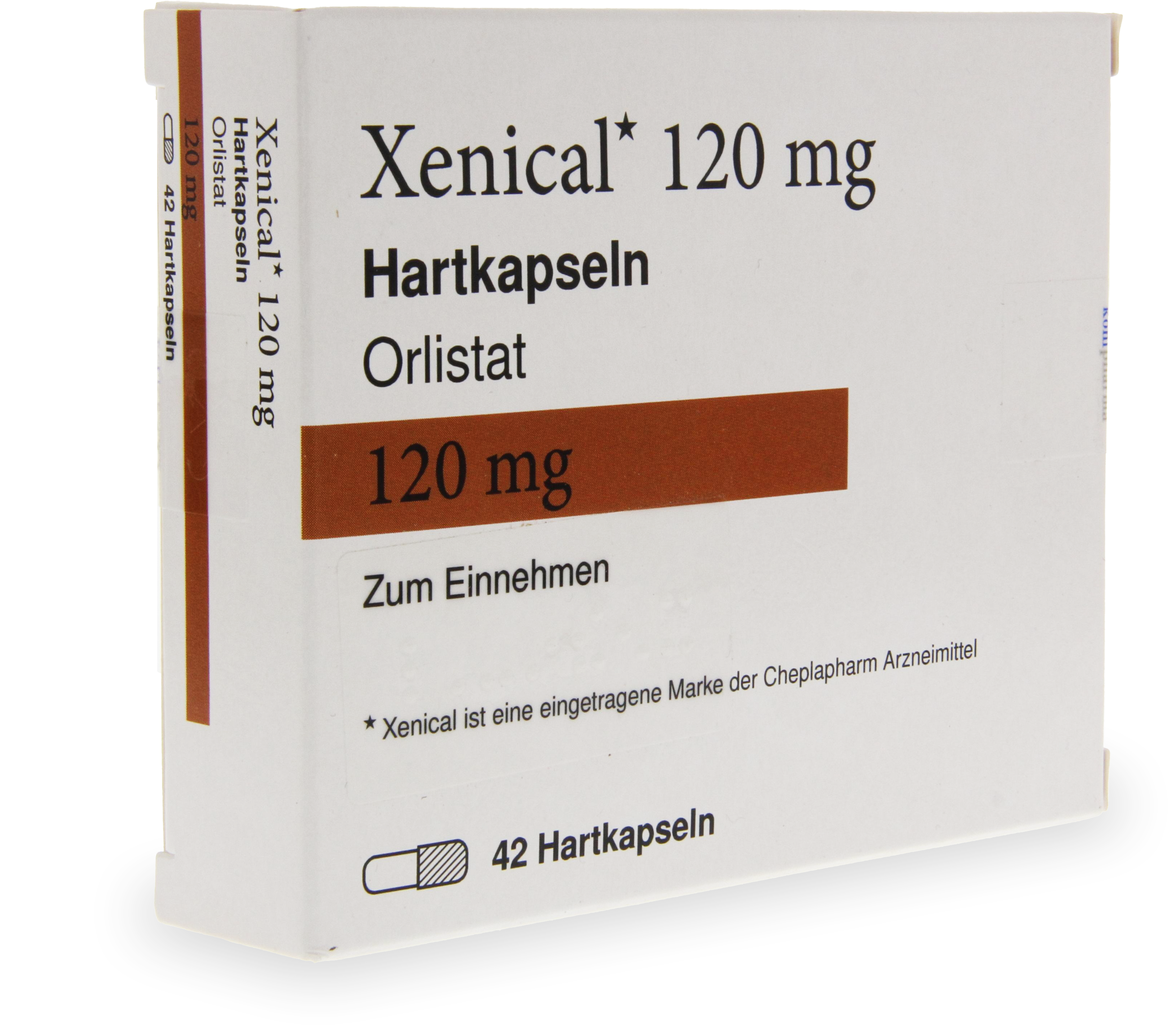
Xenical
Fluconazole
Yasmin
Qlaira
Ciprofloxacin
Utrogestan
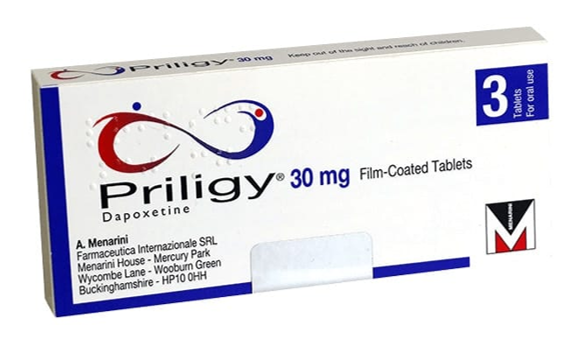
Priligy
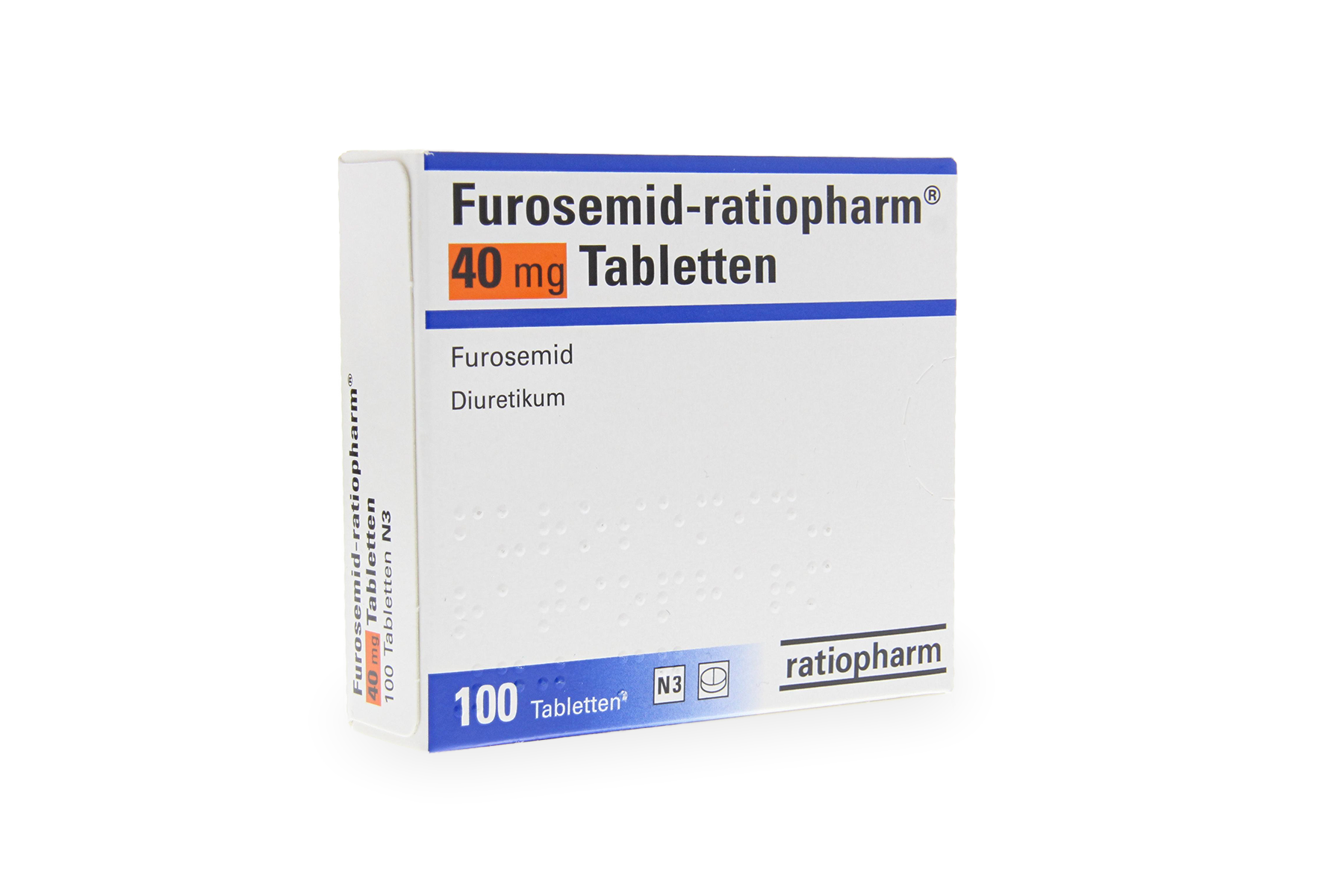
Furosemide
Omeprazole
Pantoprazole

Sildenafil
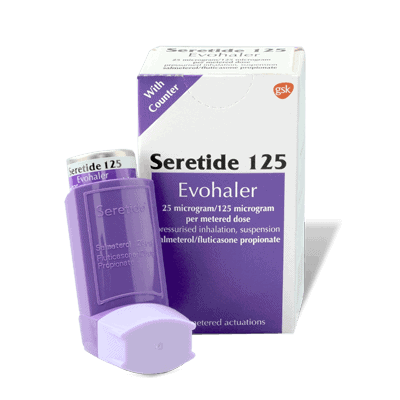
Seretide
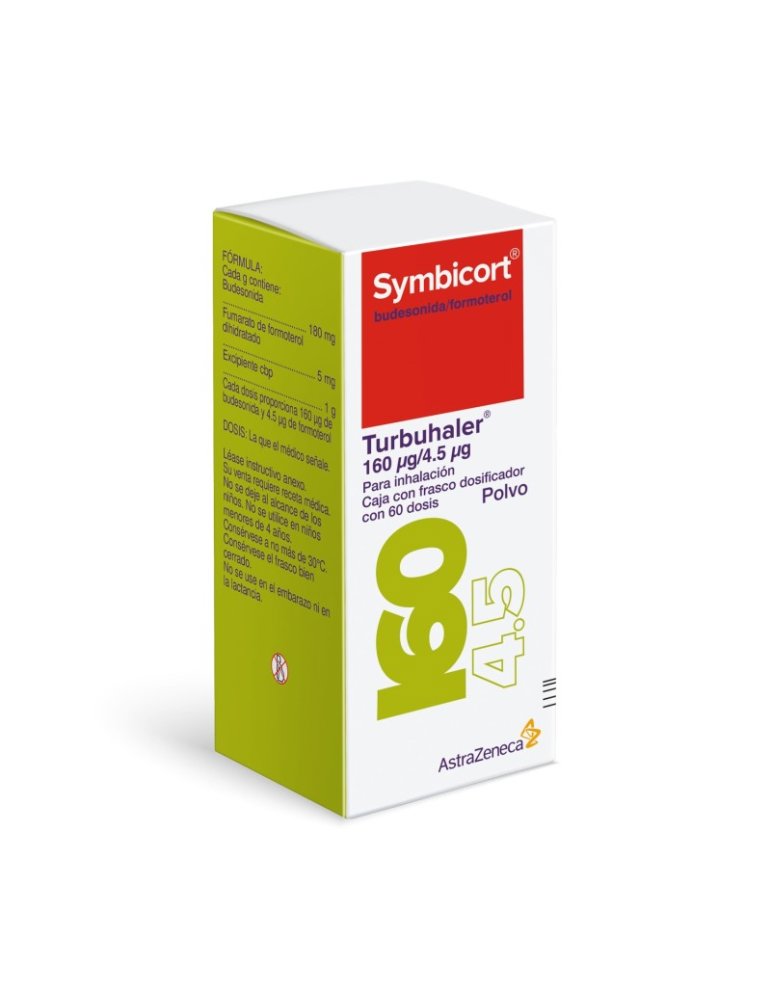
Symbicort Turbuhaler
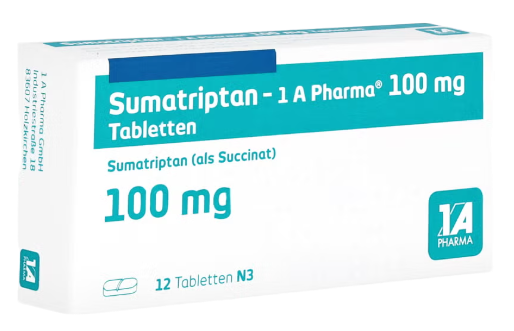
Sumatriptan
Betnovate
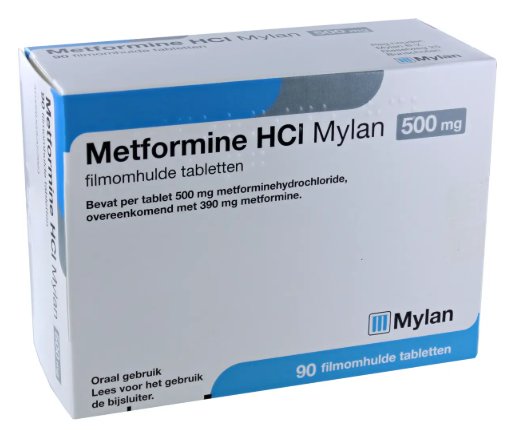
Metformin
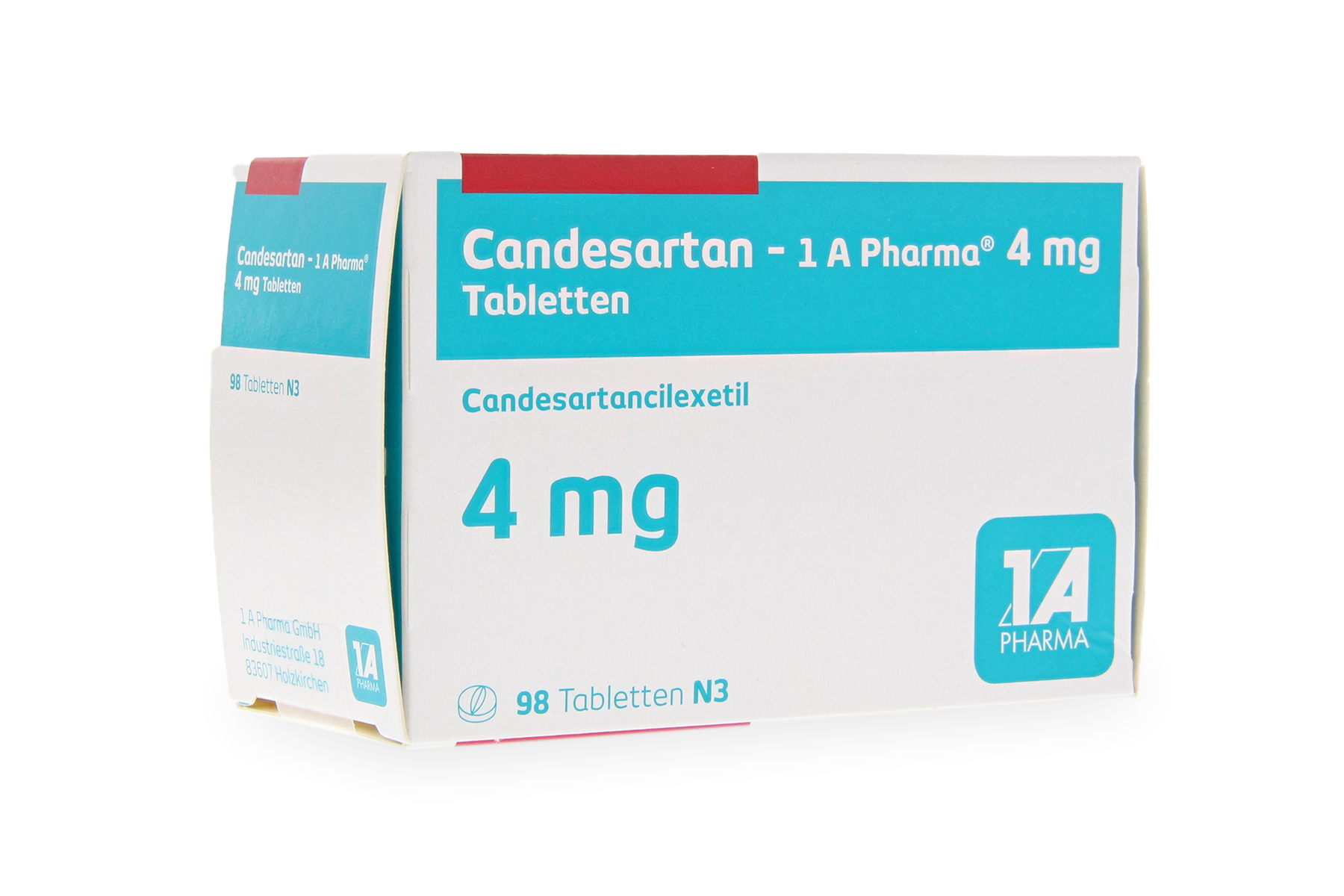
Candesartan
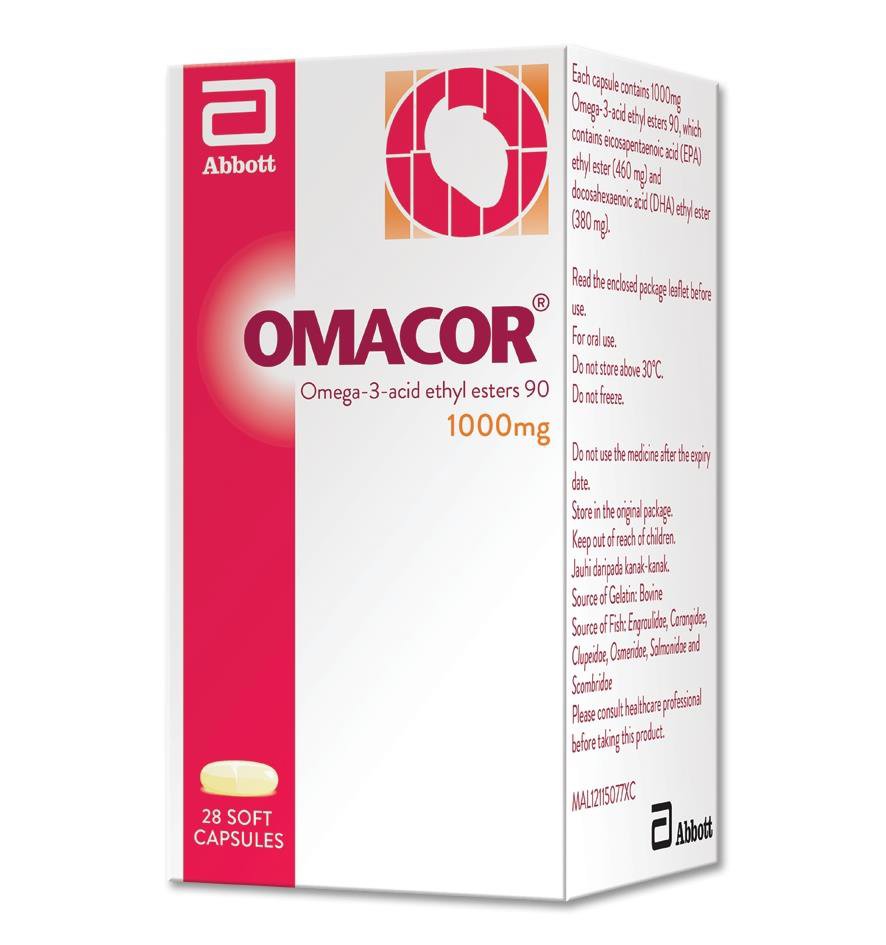
Omacor
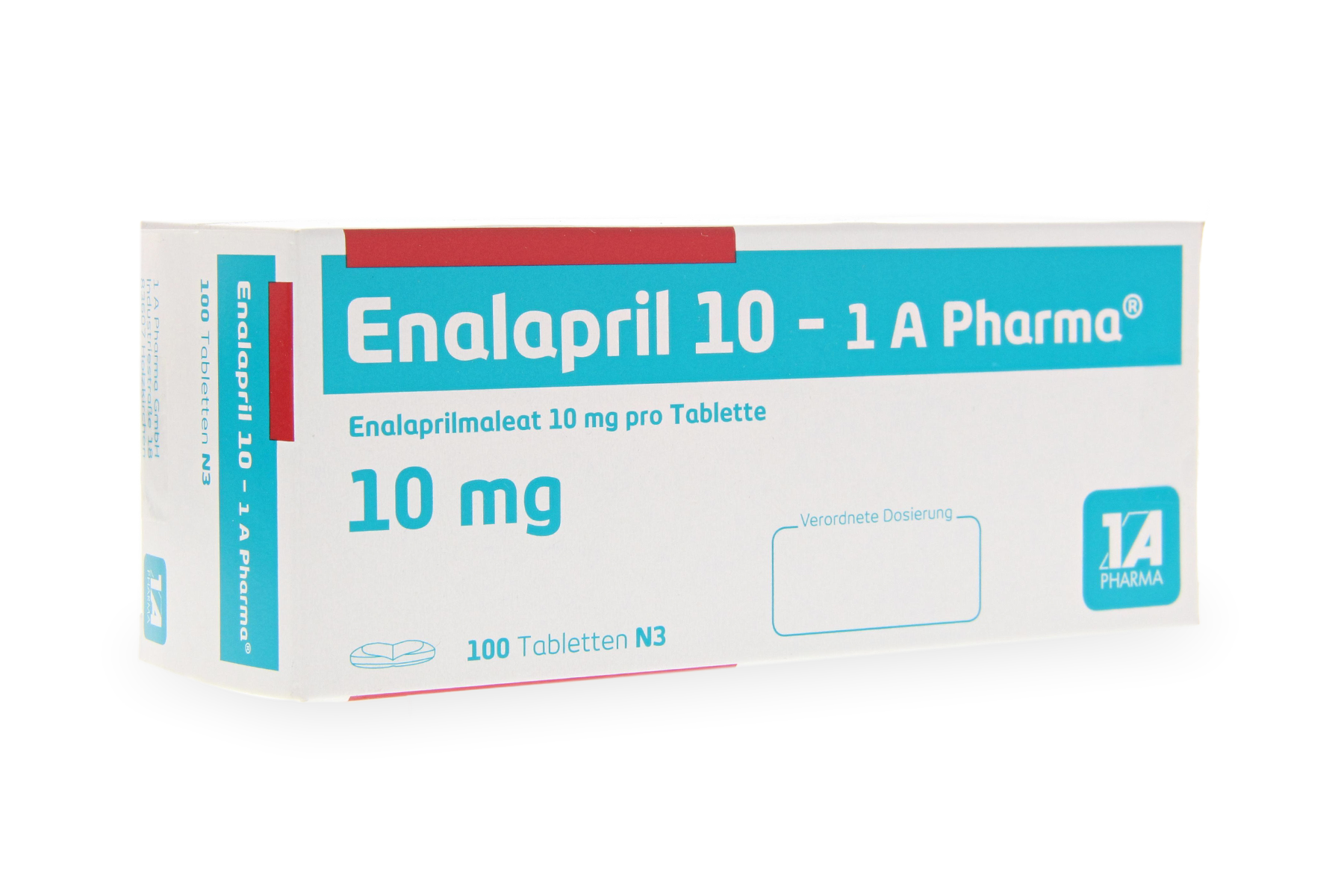
Enalapril
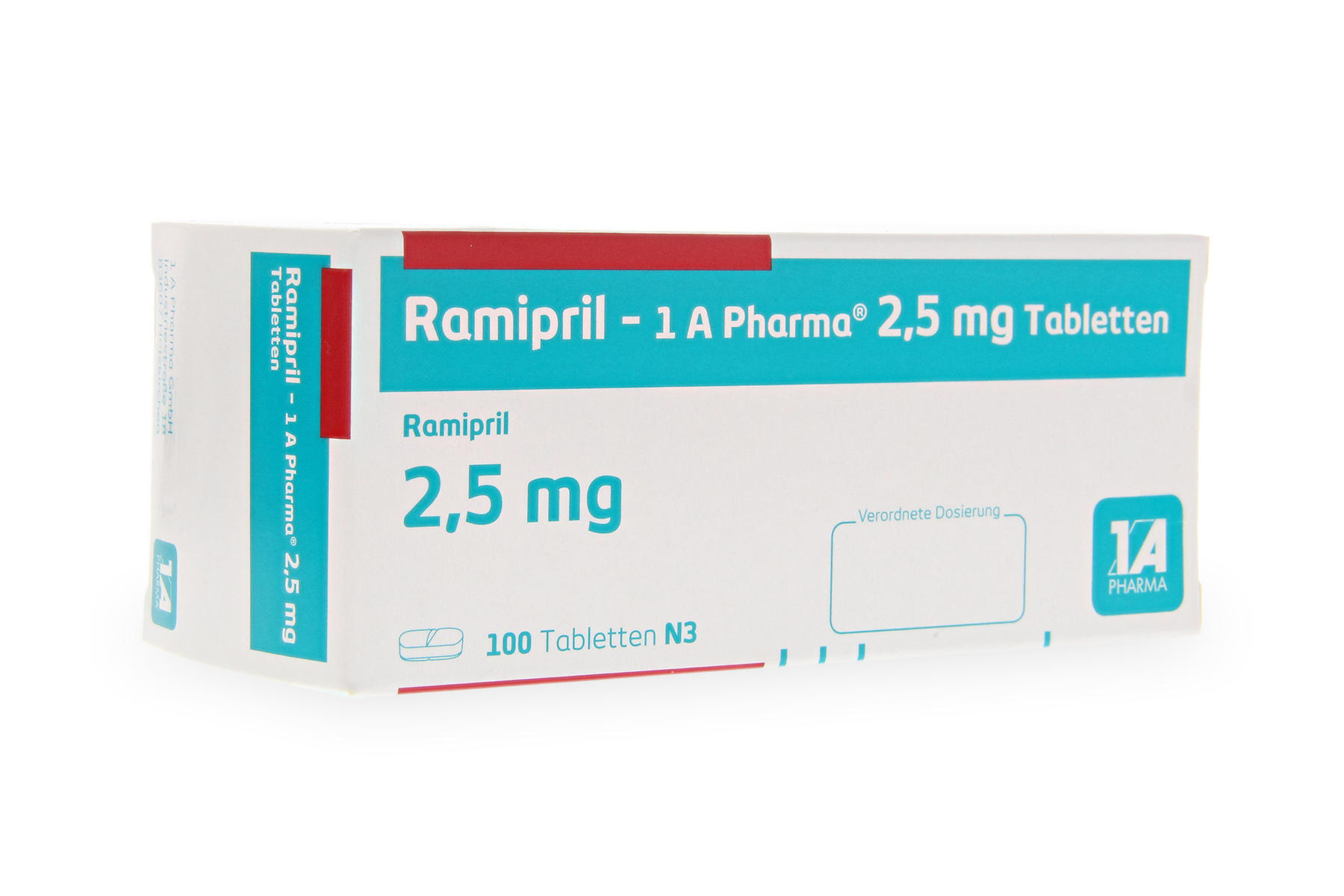
Ramipril
Atorvastatin
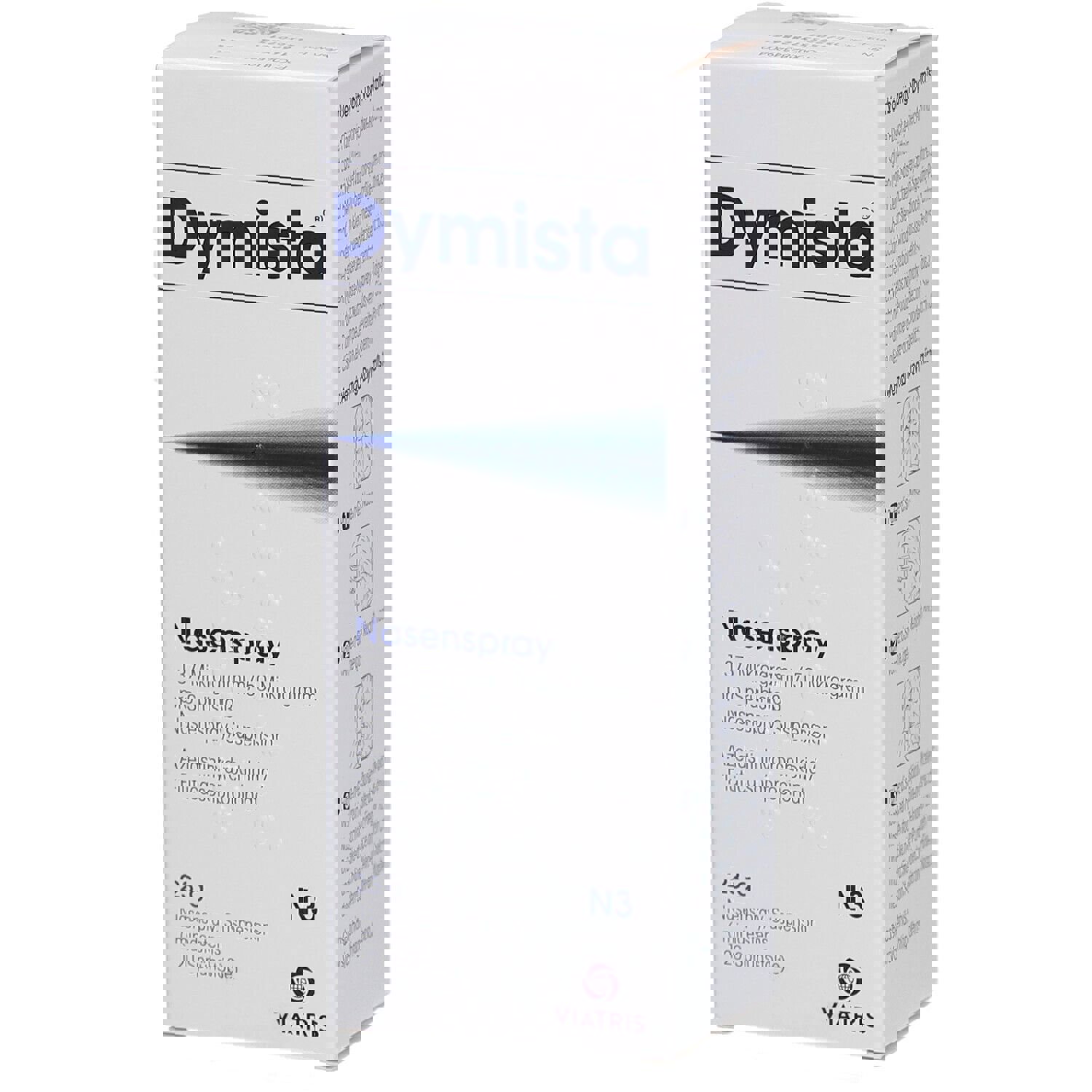
Dymista
Mirvaso

Spedra
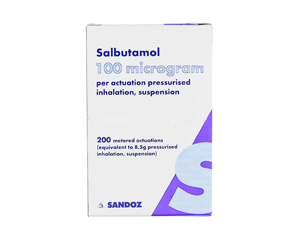
Salbutamol
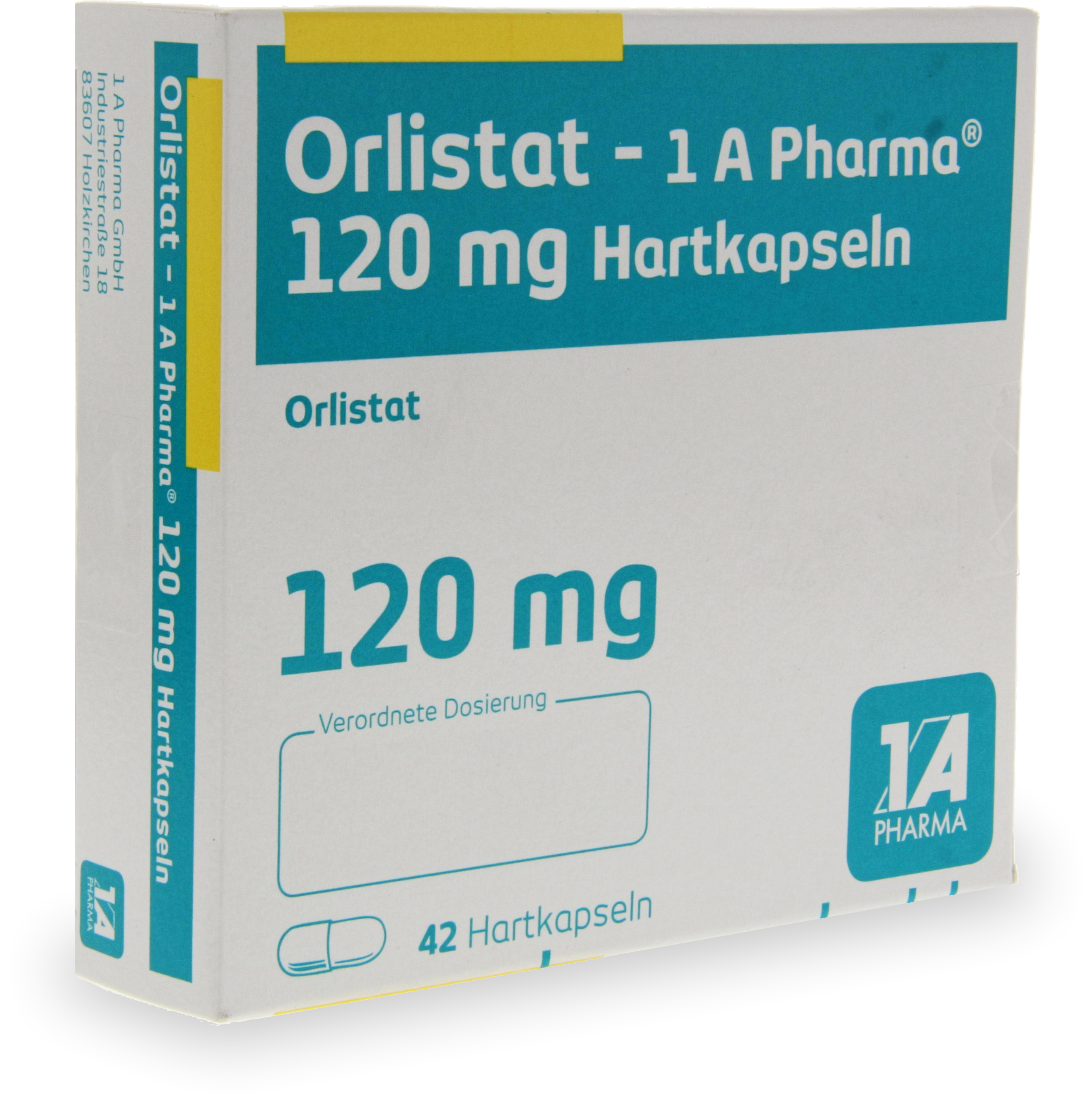
Orlistat
Vagifem
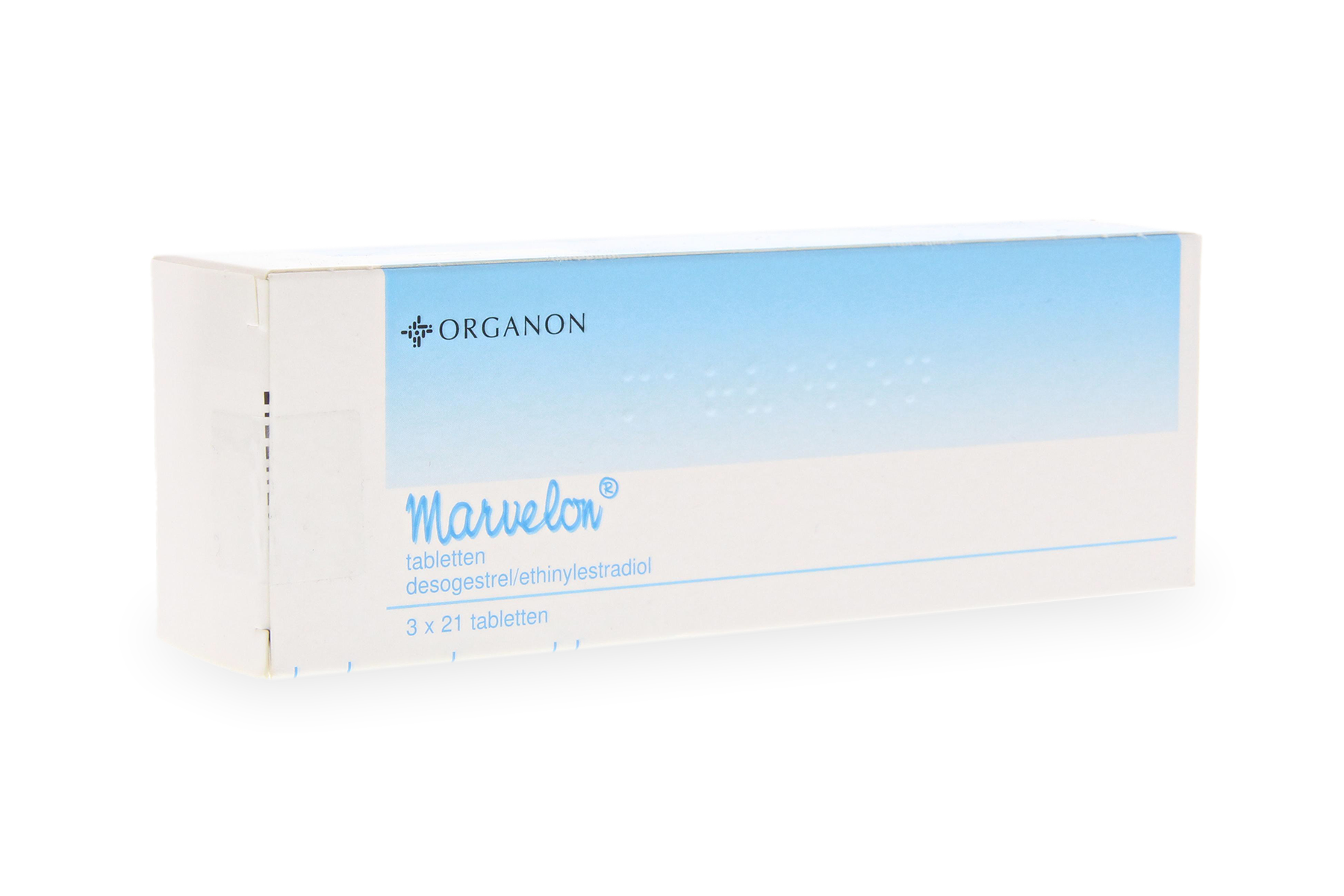
Marvelon
Desloratadine
Arcoxia
Levothyroxine
Mercilon
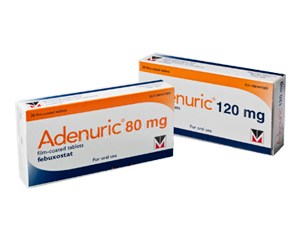
Adenuric

Metoclopramide
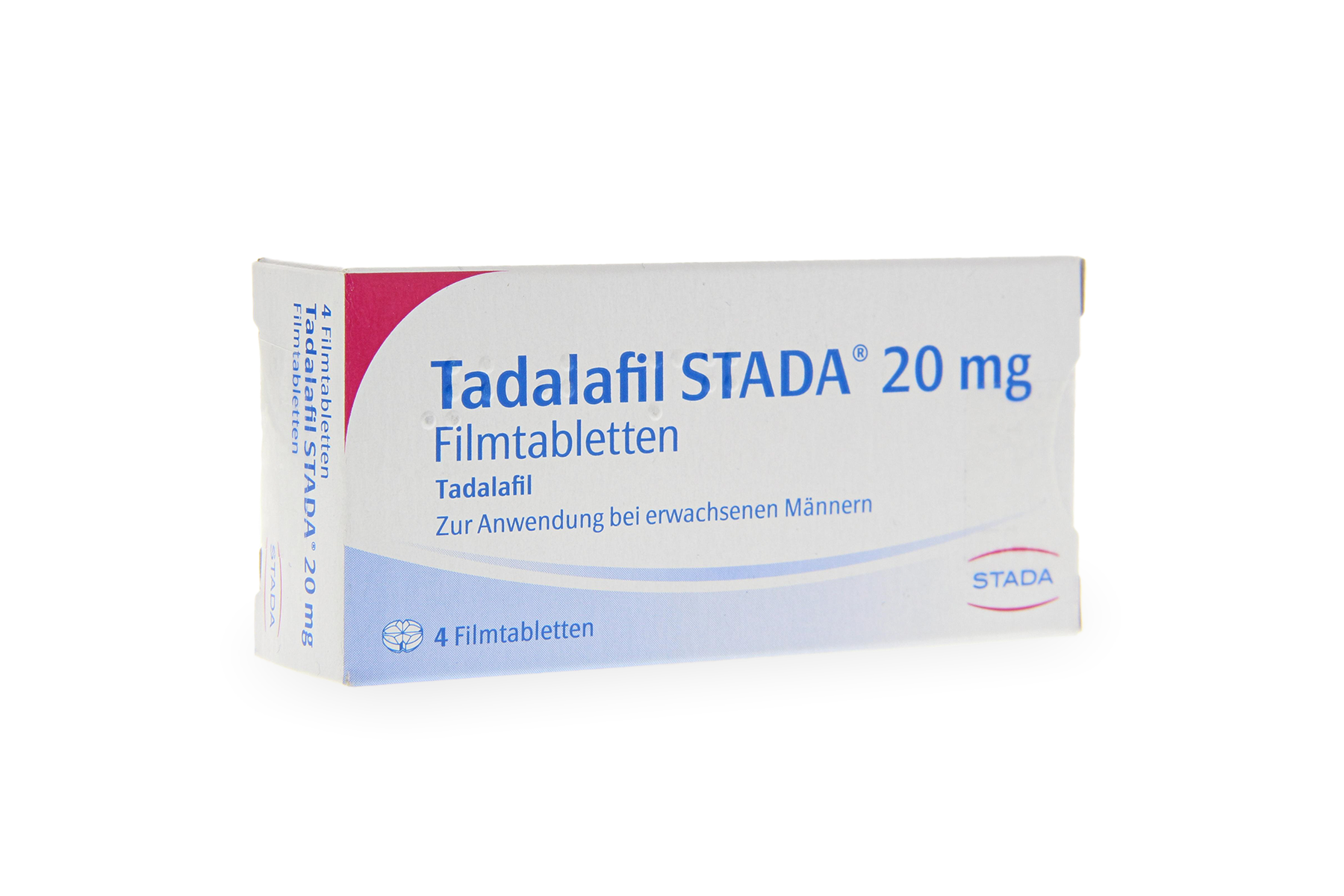
Tadalafil
Valsartan
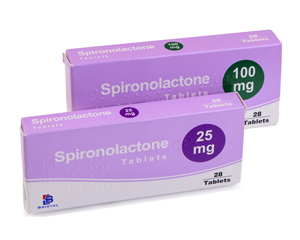
Spironolactone
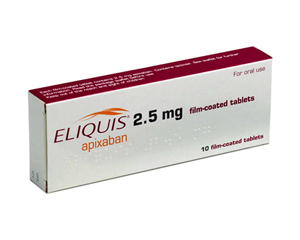
Eliquis
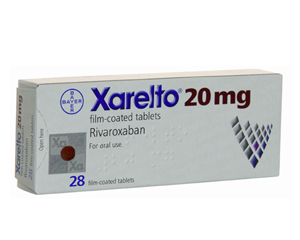
Xarelto

Vardenafil
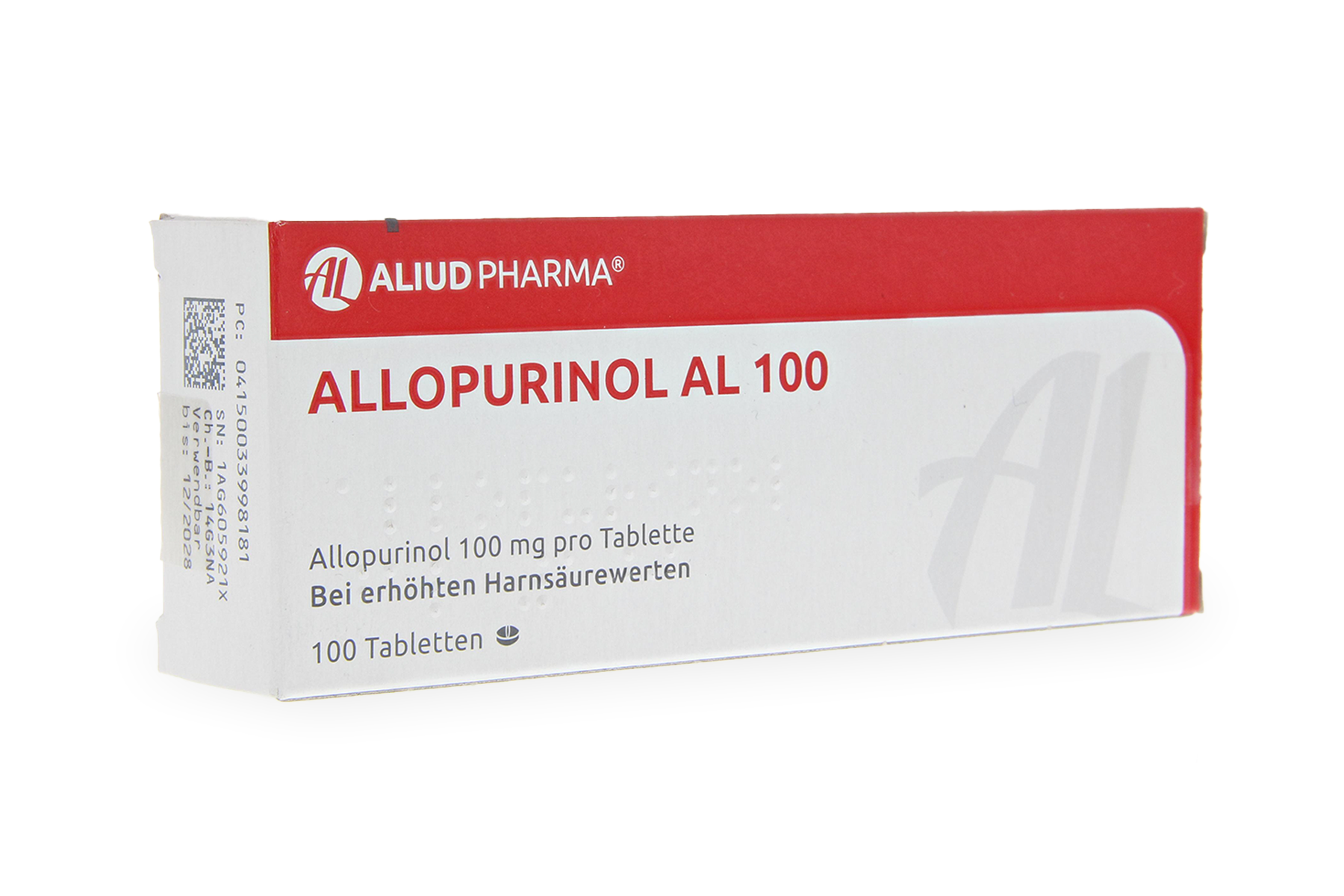
Allopurinol
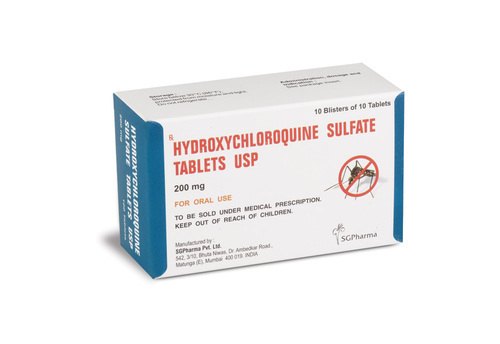
Hydroxychloroquine
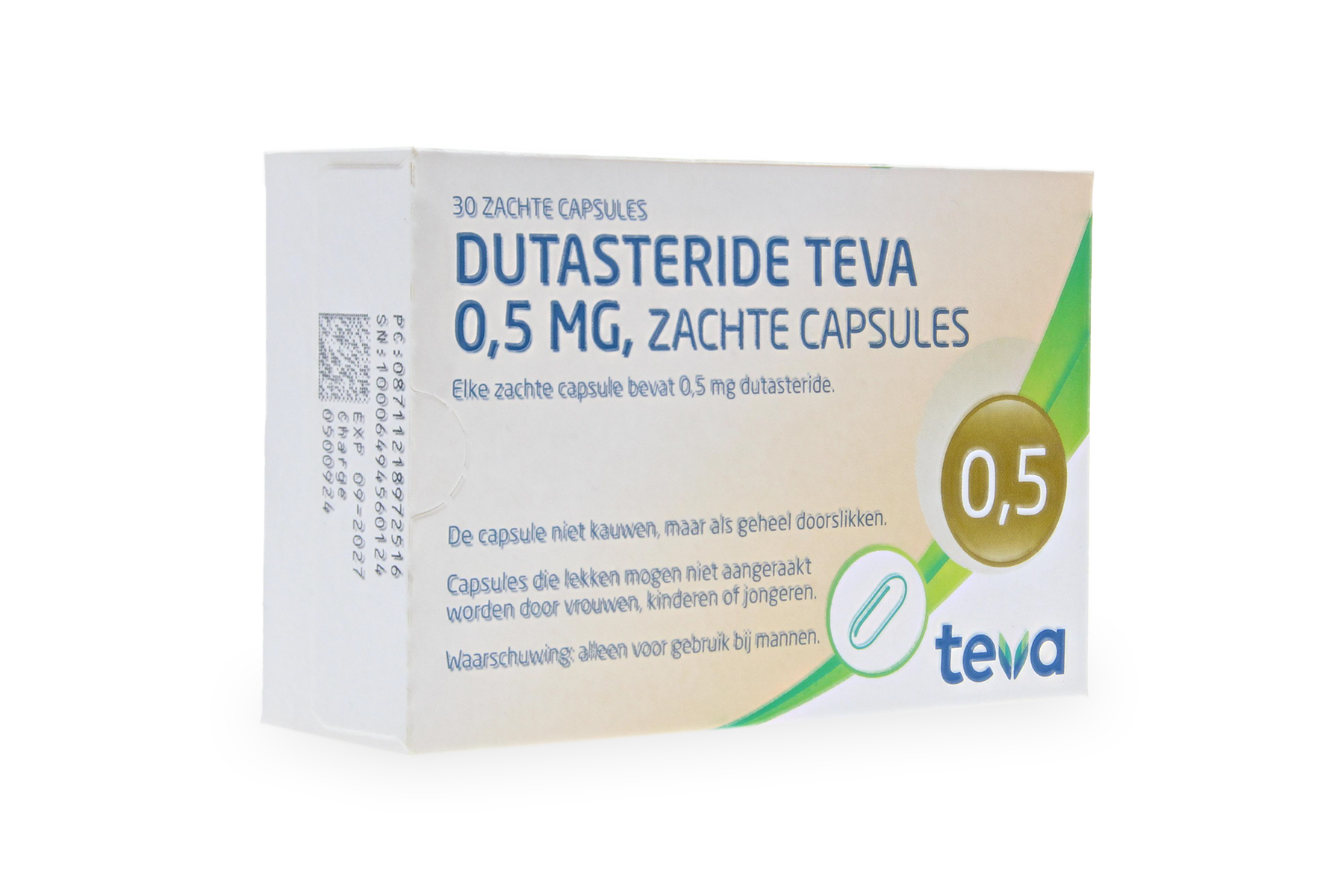
Dutasteride
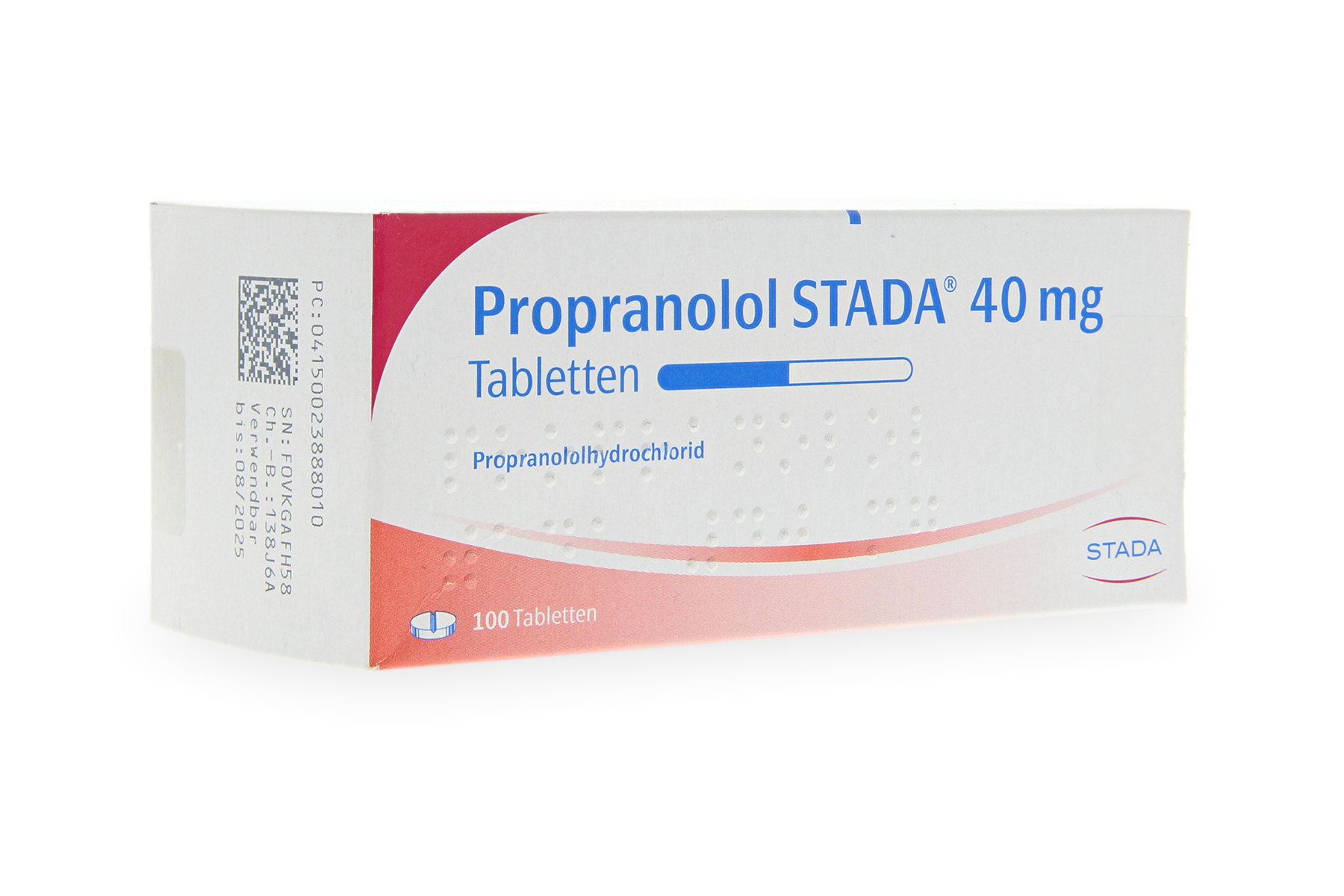
Propranolol

Wegovy
Circadin
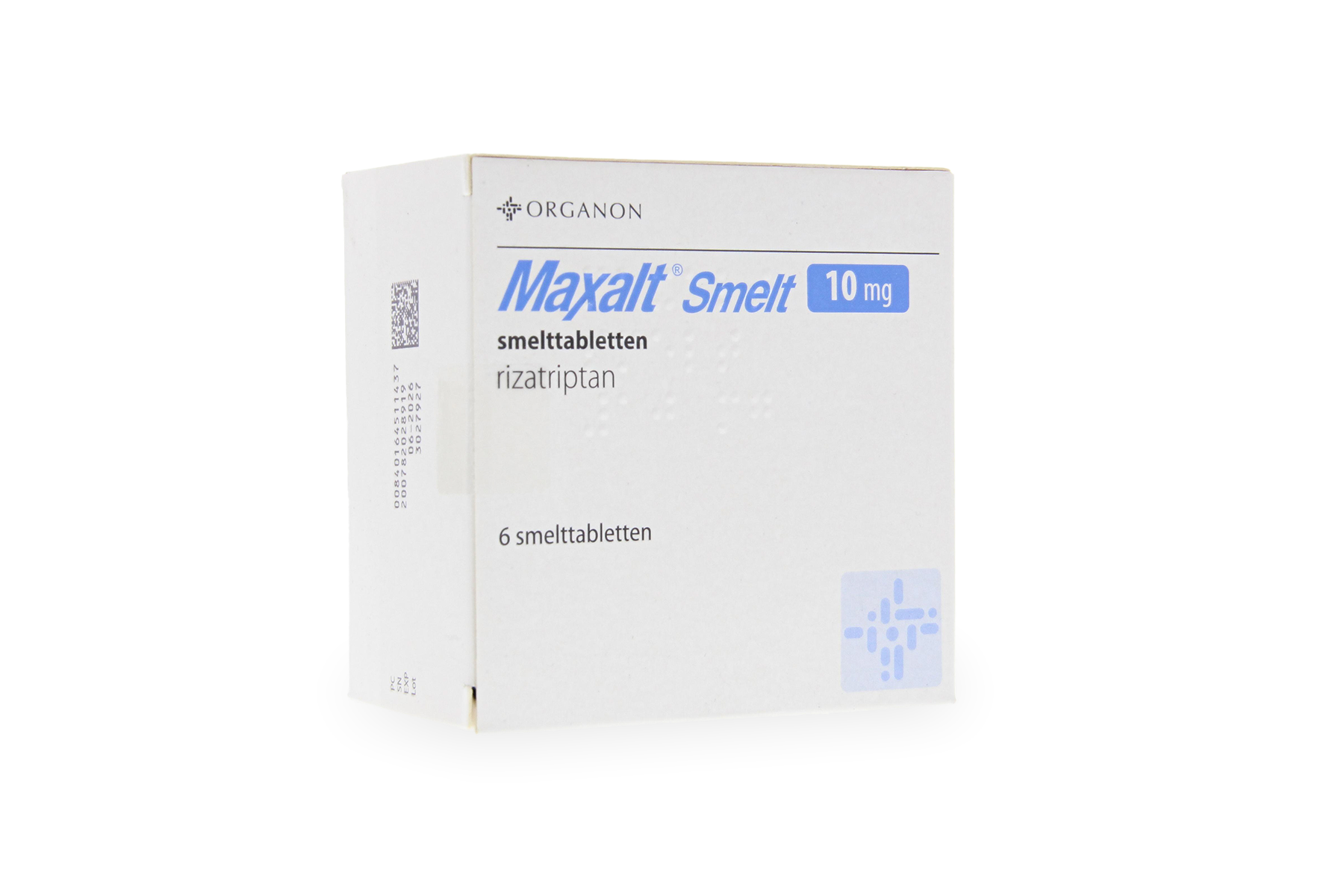
Maxalt
Amlodipine
Evra Patches

Mounjaro
Dermovate
Cerazette

Viagra

Melatonin
Emla Cream
Naproxen
Ventolin

Bricanyl Turbohaler
Doxycycline (Malaria)
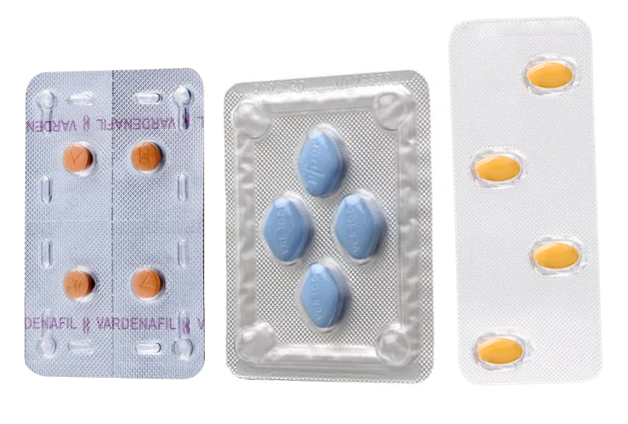
Impotence Trial Pack

Microgynon 30
Fucidin
Bisoprolol
Losartan
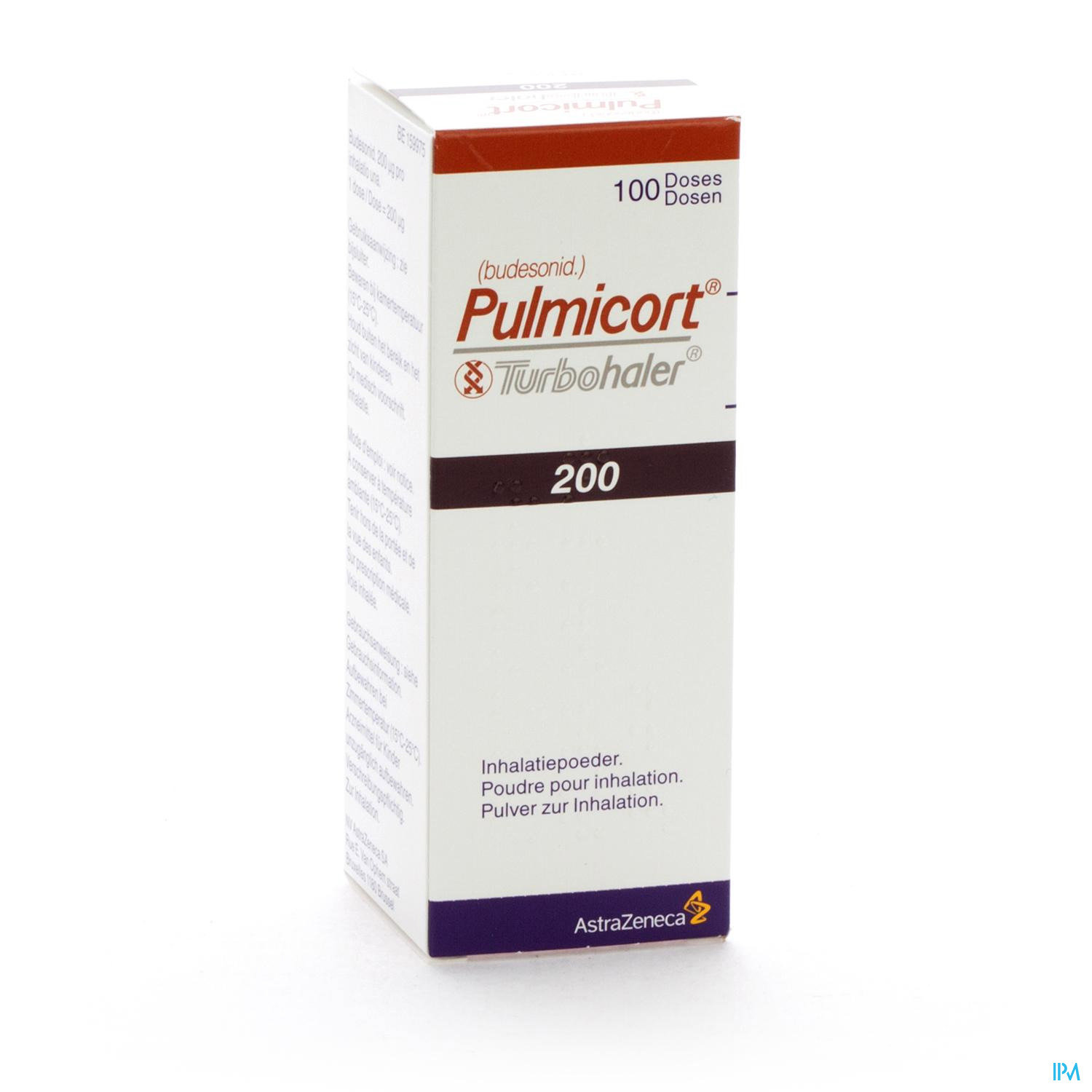
Pulmicort Turbohaler
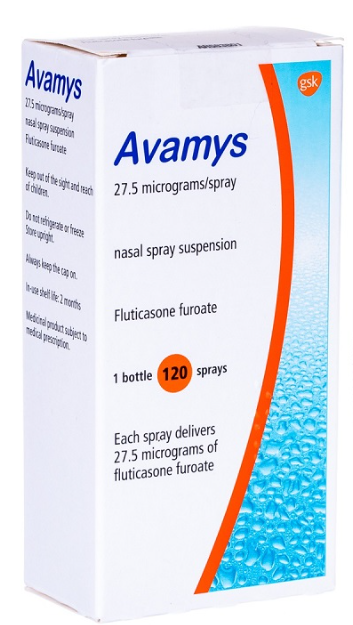
Avamys
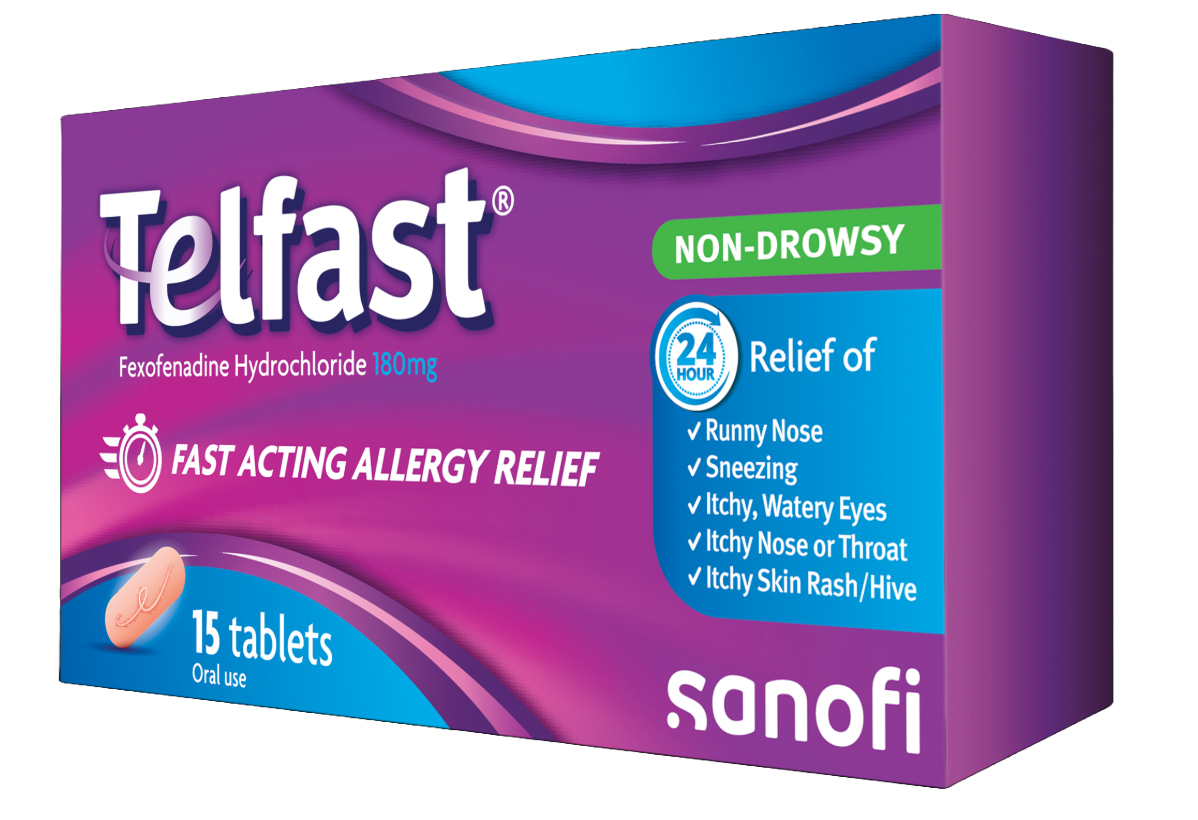
Telfast
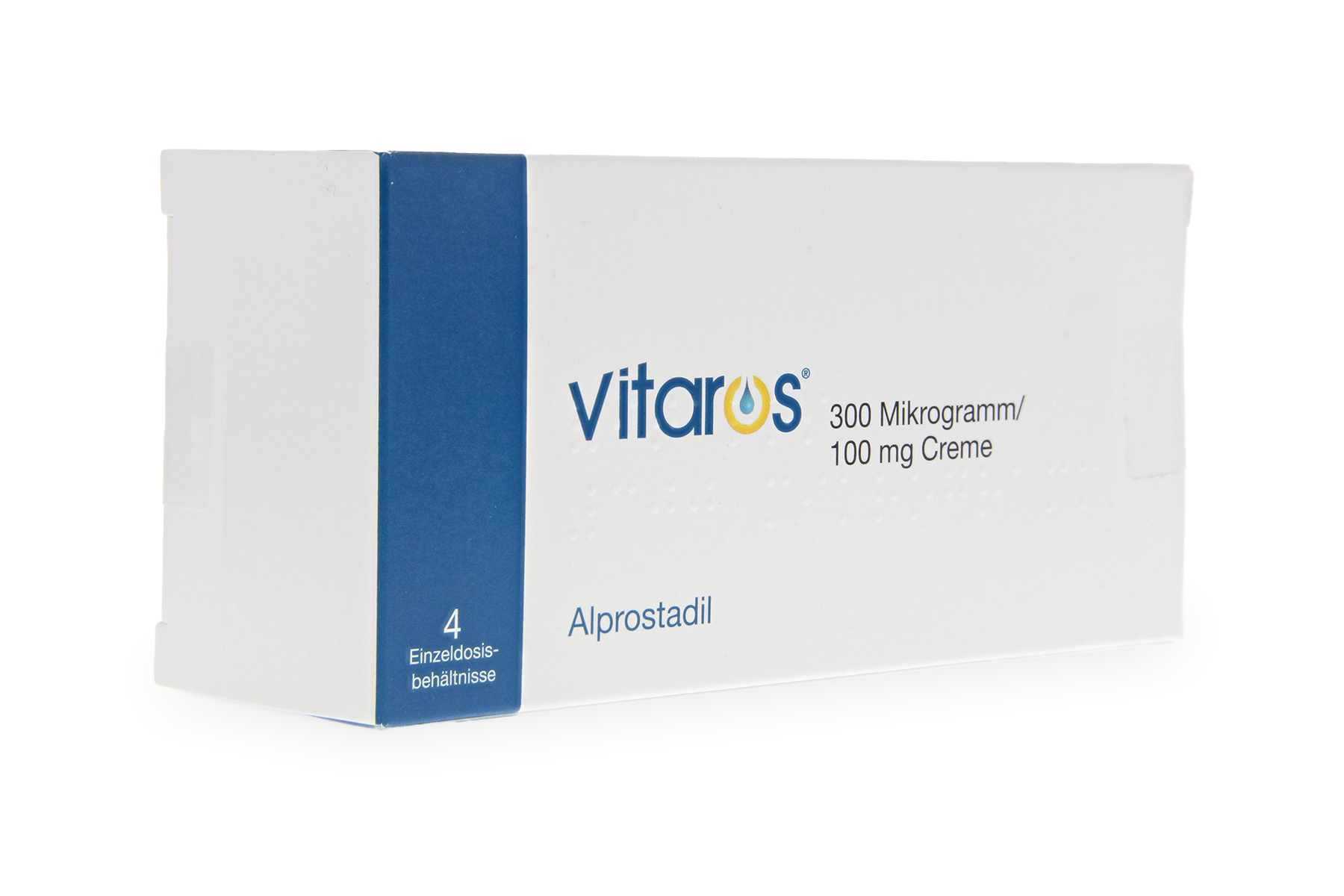
Vitaros

Zyloric
Kliovance
Bactroban
Elocon
Clindamycin
Montelukast
Aciclovir
Proscar

Differin
Nasonex Nasal Spray

Propecia
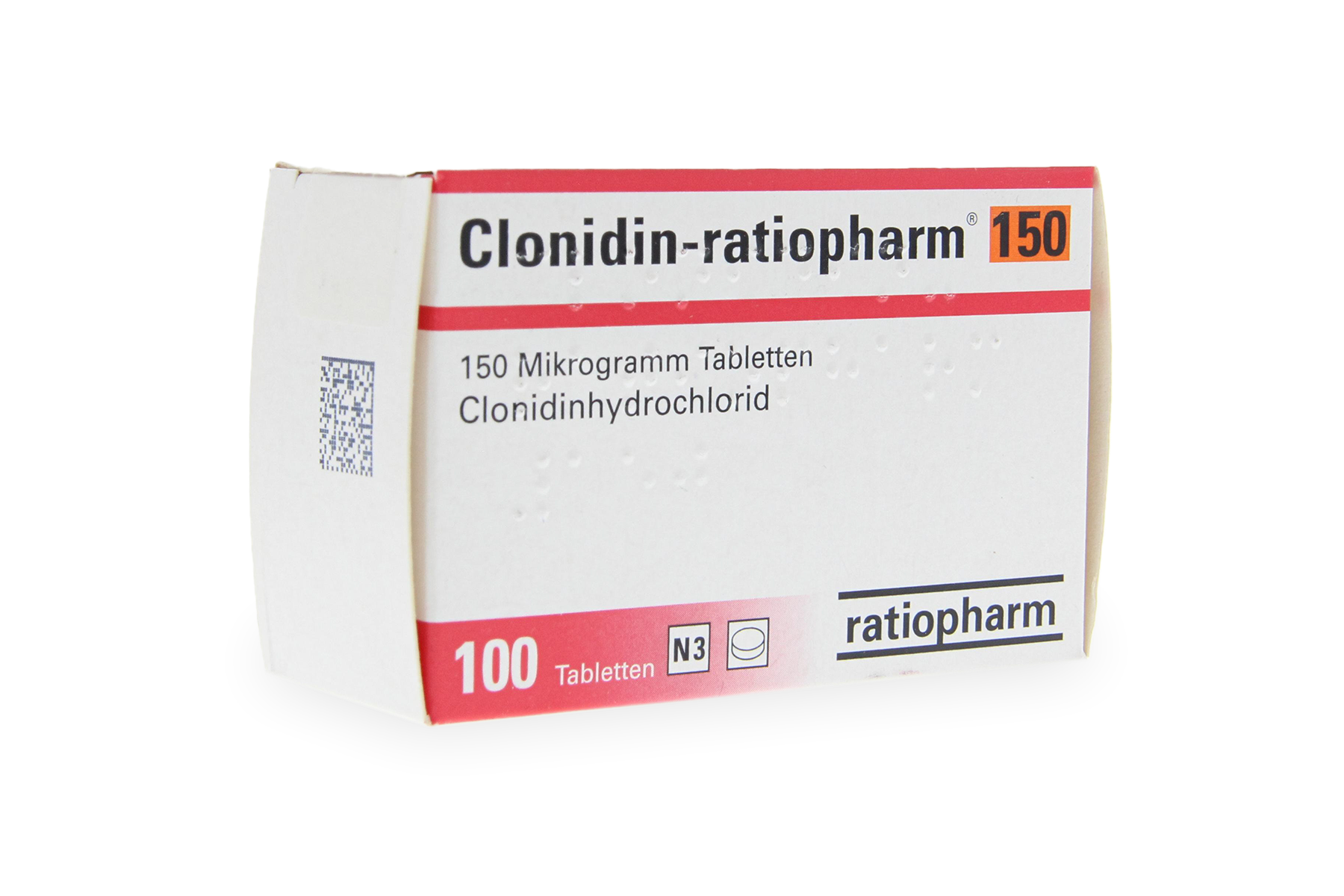
Clonidine
Femoston
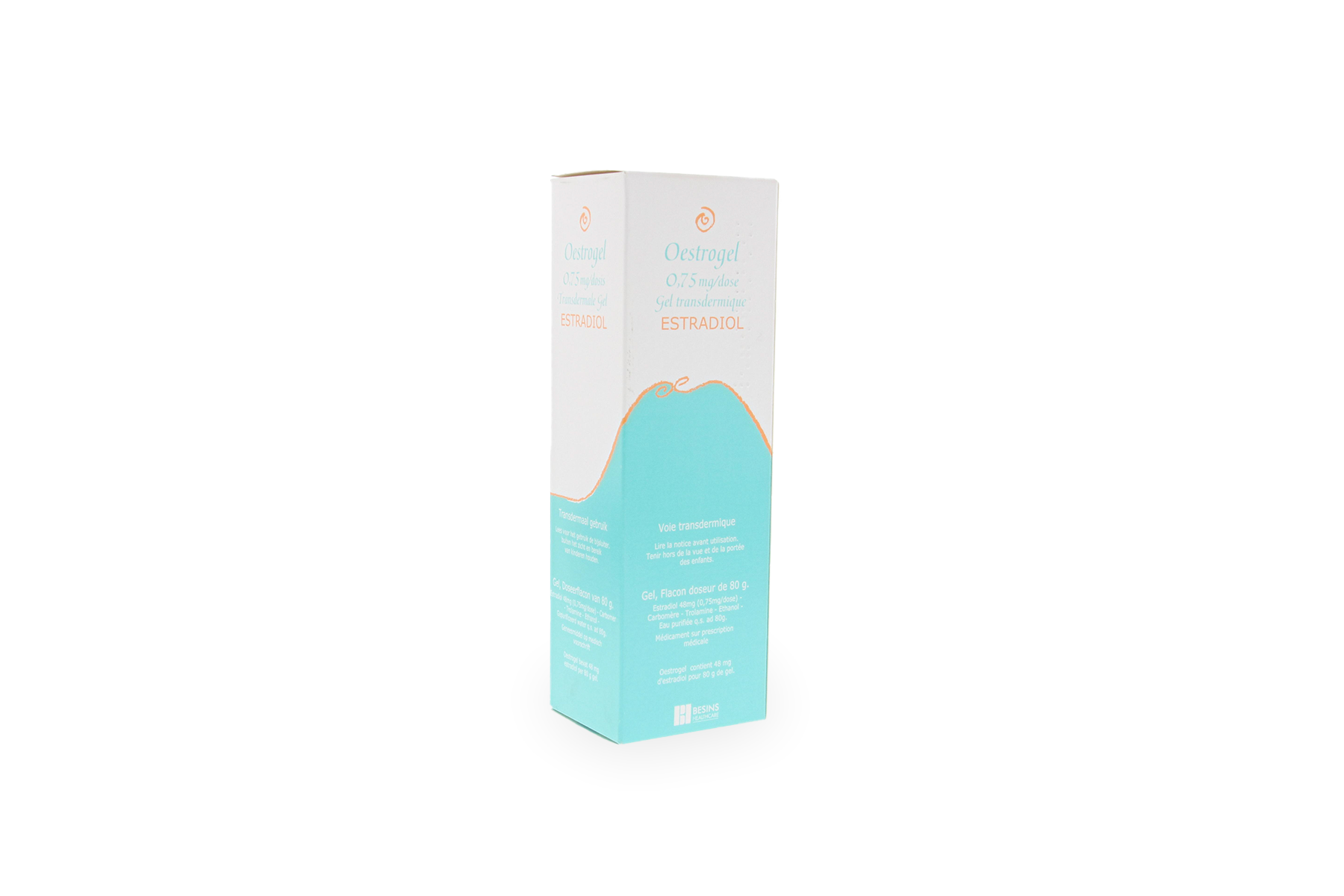
Oestrogel
Tamsulosin MR
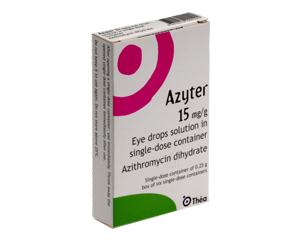
Azyter
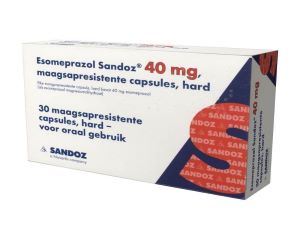
Esomeprazole
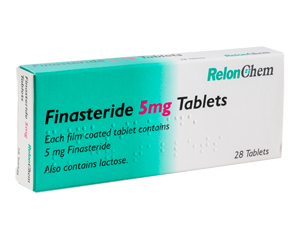
Proscar (Finasteride)
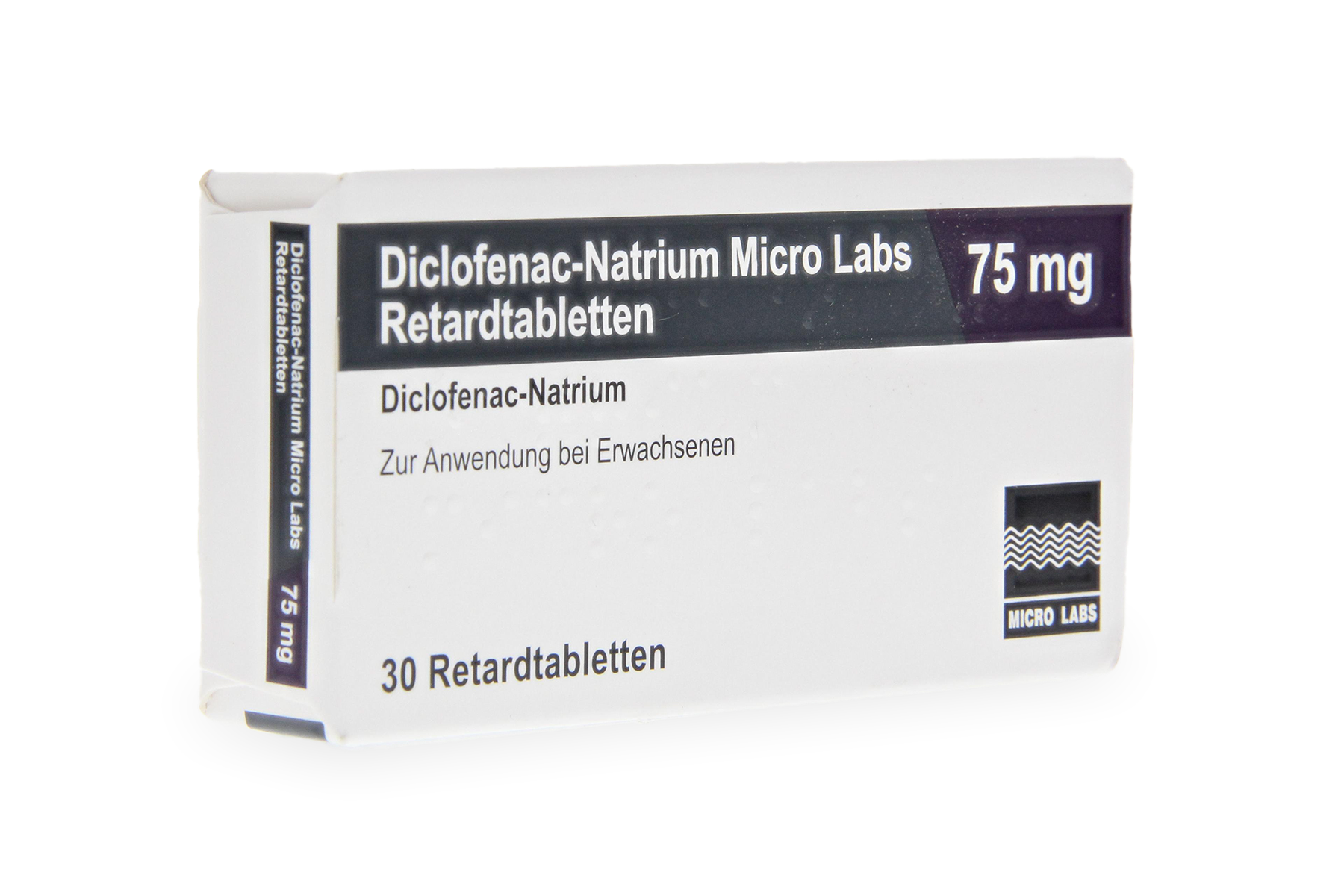
Diclofenac SR
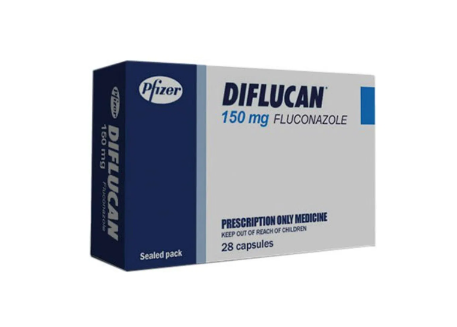
Diflucan
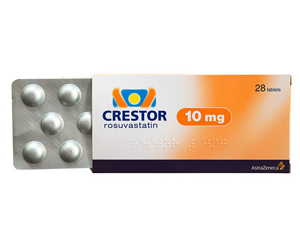
Crestor
Lansoprazole
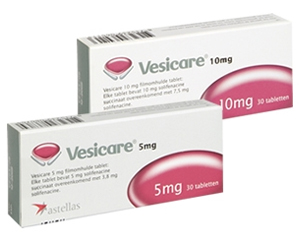
Vesicare
Flixotide
Serevent
Atenolol
Janumet
Zomig
Smoking Cessation Treatments
Why Quitting Smoking Matters
Tobacco smoking remains the single largest preventable cause of death and disease in the developed world. It damages nearly every organ in the body, dramatically increasing the risk of lung cancer, heart disease, stroke, chronic obstructive pulmonary disease (COPD), and a host of other conditions. In the UK alone, smoking causes around 76,000 deaths each year.
The good news is that the benefits of quitting begin almost immediately. Within 20 minutes of your last cigarette, heart rate and blood pressure start to normalise. After 48 hours, nerve endings begin regenerating and the senses of taste and smell improve. Within a year, the excess risk of coronary heart disease drops to half that of a continuing smoker, and after ten years, the risk of lung cancer falls to roughly half.
Nicotine addiction is both chemical and behavioural, which is why many smokers find it so difficult to stop without support. The combination of pharmacological treatment and behavioural counselling offers the greatest chance of success, with quit rates two to three times higher than willpower alone.
Stop-Smoking Medications
Nicotine replacement therapy (NRT) provides a controlled dose of nicotine without the harmful chemicals found in cigarette smoke. Available as patches, gums, lozenges, inhalers, and nasal sprays, NRT reduces withdrawal symptoms and cravings. Combination NRT, using a patch for background nicotine delivery alongside a fast-acting product for breakthrough cravings, is the most effective approach.
Varenicline (Champix) works differently by partially activating the nicotine receptor in the brain. This reduces the pleasure derived from smoking while simultaneously relieving withdrawal symptoms. Clinical trials have consistently shown varenicline to be the most effective single pharmacological treatment for smoking cessation, with quit rates roughly three times higher than placebo.
Bupropion (Zyban) is an antidepressant that also reduces nicotine cravings and withdrawal symptoms. It is a useful alternative for smokers who cannot tolerate or prefer not to use NRT or varenicline. Treatment is usually started one to two weeks before the chosen quit date and continued for seven to twelve weeks.
Preparing to Quit
Setting a firm quit date and preparing in advance significantly improves your chances of success. Choose a date within the next two to four weeks and use the lead-up time to identify your smoking triggers, plan alternative coping strategies, and ensure your chosen stop-smoking medication is in hand.
Informing friends, family, and colleagues about your decision creates a support network and a sense of accountability. Removing cigarettes, lighters, and ashtrays from your home, car, and workplace removes temptation and reinforces your commitment. Stocking up on healthy snacks, sugar-free gum, and activities to keep your hands busy can help manage oral cravings.
Consider your smoking patterns. Do you always light up with your morning coffee, after meals, or when socialising? Planning specific strategies for each of these high-risk situations, whether that means changing your routine, taking a short walk, or using a fast-acting NRT product, reduces the likelihood of a lapse in the critical early days.
Dealing with Cravings and Withdrawal
Nicotine withdrawal symptoms typically peak within the first three days of quitting and gradually subside over two to four weeks. Common symptoms include irritability, difficulty concentrating, restlessness, increased appetite, and intense cravings. Understanding that these are temporary and normal makes them easier to endure.
Each craving typically lasts only three to five minutes. Distraction techniques such as deep breathing, physical activity, drinking water, or calling a friend can help you ride out the urge. The "four Ds" strategy is a useful tool: delay acting on the craving, take deep breaths, drink water, and do something else to occupy your mind.
Weight gain is a common concern, with the average quitter gaining two to five kilograms. This is partly due to the metabolic effects of nicotine withdrawal and partly to increased snacking. Focusing on a balanced diet, regular exercise, and, if necessary, discussing appetite management with your prescriber helps keep weight gain in check without undermining your quit attempt.
Getting Support
Behavioural support, whether from a dedicated stop-smoking service, a GP, a pharmacist, or a telephone helpline, significantly boosts quit rates when combined with medication. Structured programmes provide regular check-ins, motivational support, and practical strategies tailored to your individual circumstances.
Digital tools have expanded the options available. Smartphone apps, online communities, and text-message support services offer round-the-clock encouragement and can be particularly helpful during moments of weakness outside normal consulting hours. Many local NHS stop-smoking services now offer virtual appointments as well as face-to-face sessions.
If a quit attempt does not succeed, it is important not to view it as failure. Most successful ex-smokers made several attempts before quitting permanently. Each attempt provides valuable insights into what works and what does not, building resilience and improving the odds of long-term success with each subsequent effort.
Frequently Asked Questions
What is the most effective way to stop smoking?
Can I get stop smoking medication online?
How long do I need to take stop smoking medication?
How does Champix (varenicline) help you stop smoking?
Dr. Ross Elledge
General Practitioner · General & Family Medicine
Verified Healthcare Professional
TopDoctors ProfileThis website provides general information about medicines for educational purposes only. Always consult your doctor or pharmacist before taking any medication.