
Stomach & Digestion Treatments
Digestive conditions such as acid reflux, IBS and peptic ulcers affect millions of UK adults. Proton pump inhibitors and targeted medications can provide effective relief. An online doctor can assess symptoms and prescribe the right treatment.
PPIs reduce stomach acid production by up to 90%
H2 blockers offer an alternative for milder symptoms
IBS treatments target specific symptom patterns
Short-term and maintenance treatment options available

Cialis
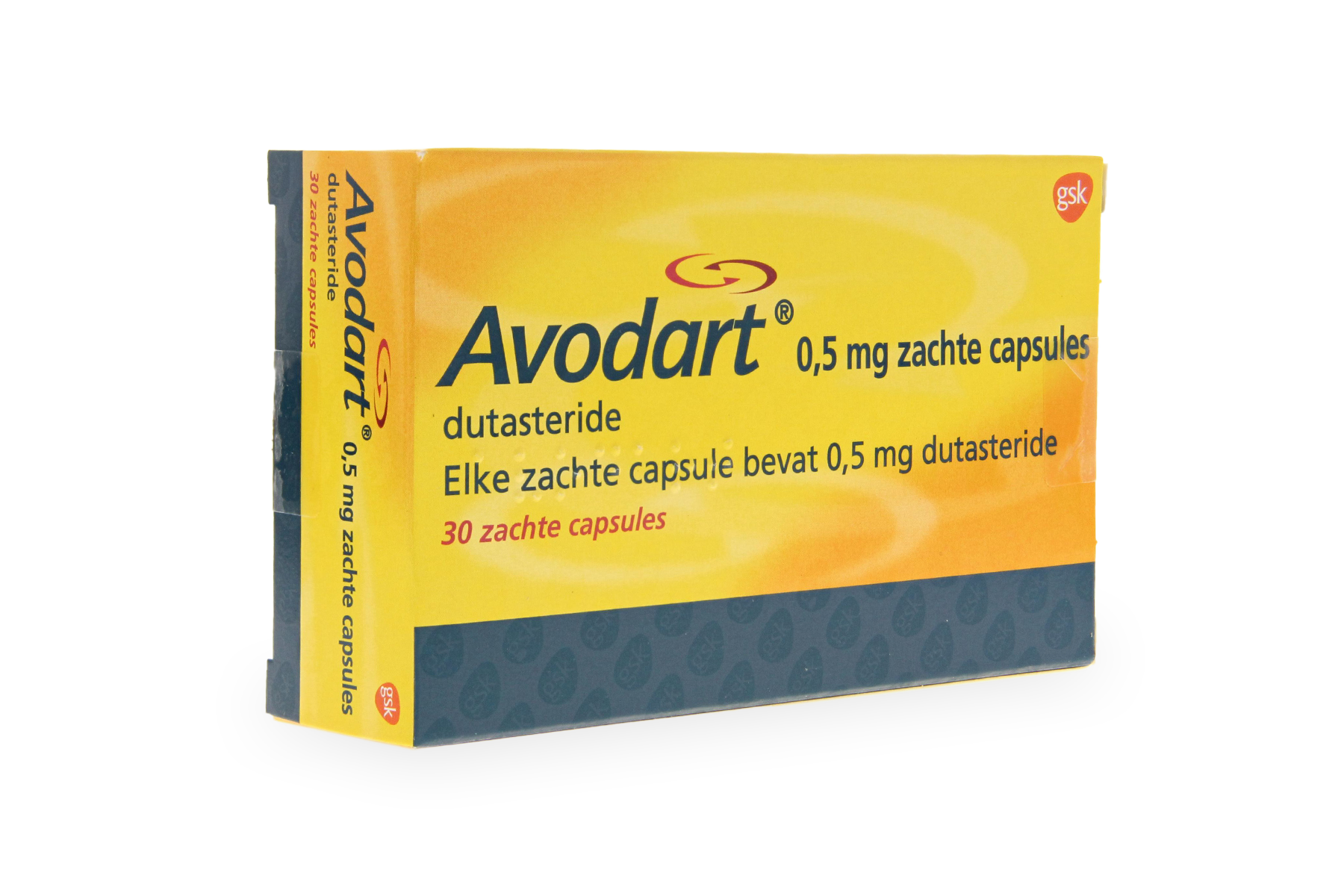
Avodart
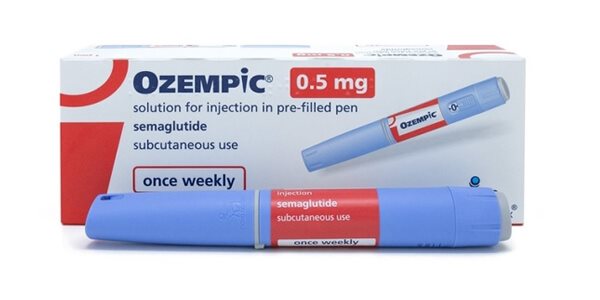
Ozempic

Nuvaring
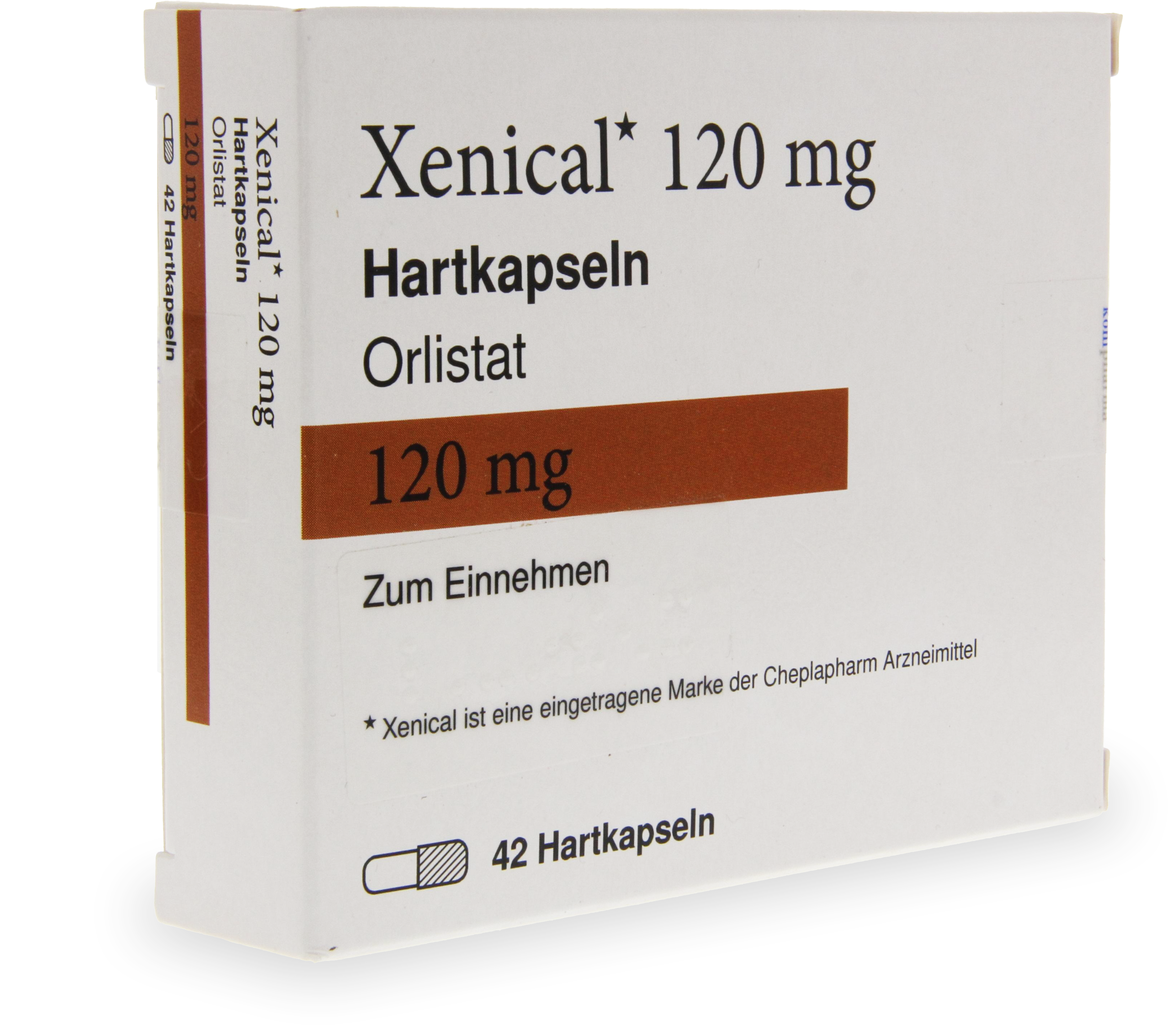
Xenical
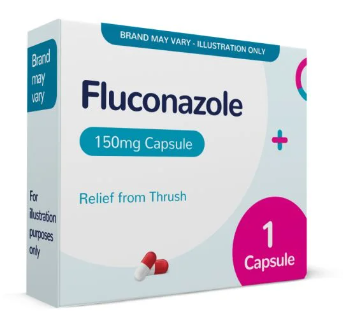
Fluconazole
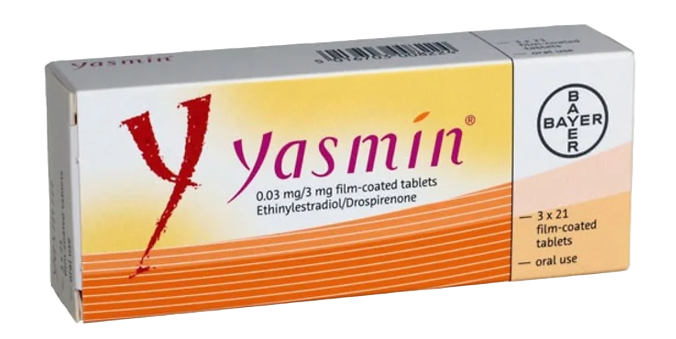
Yasmin
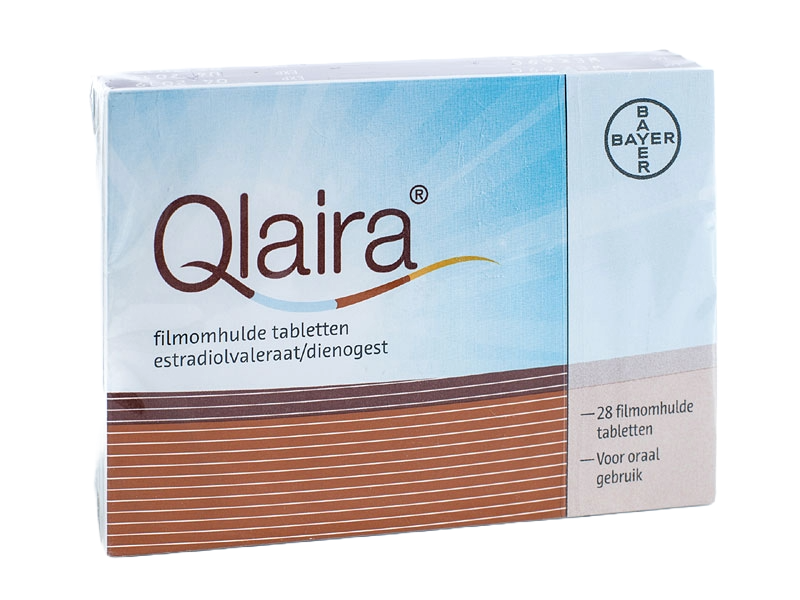
Qlaira
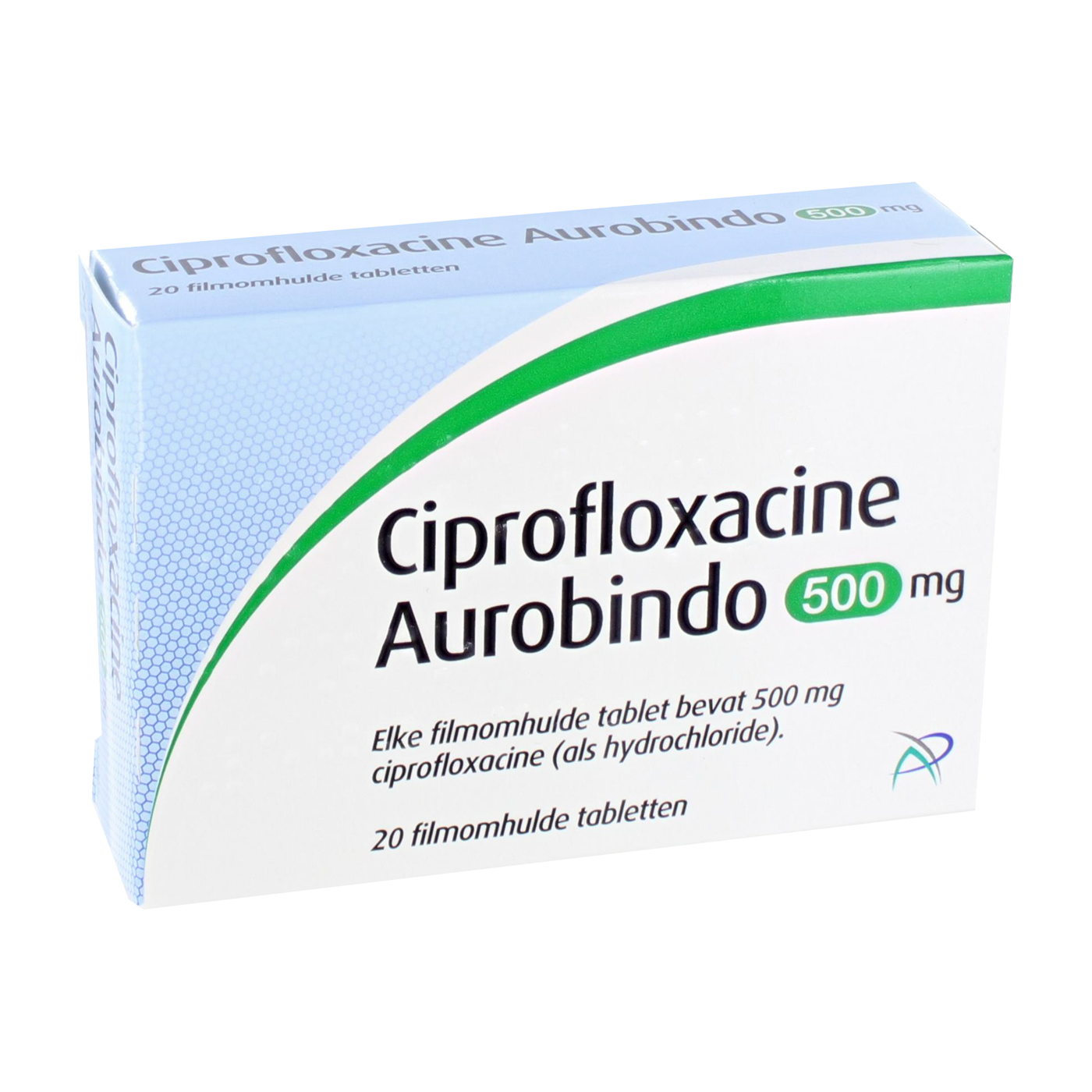
Ciprofloxacin
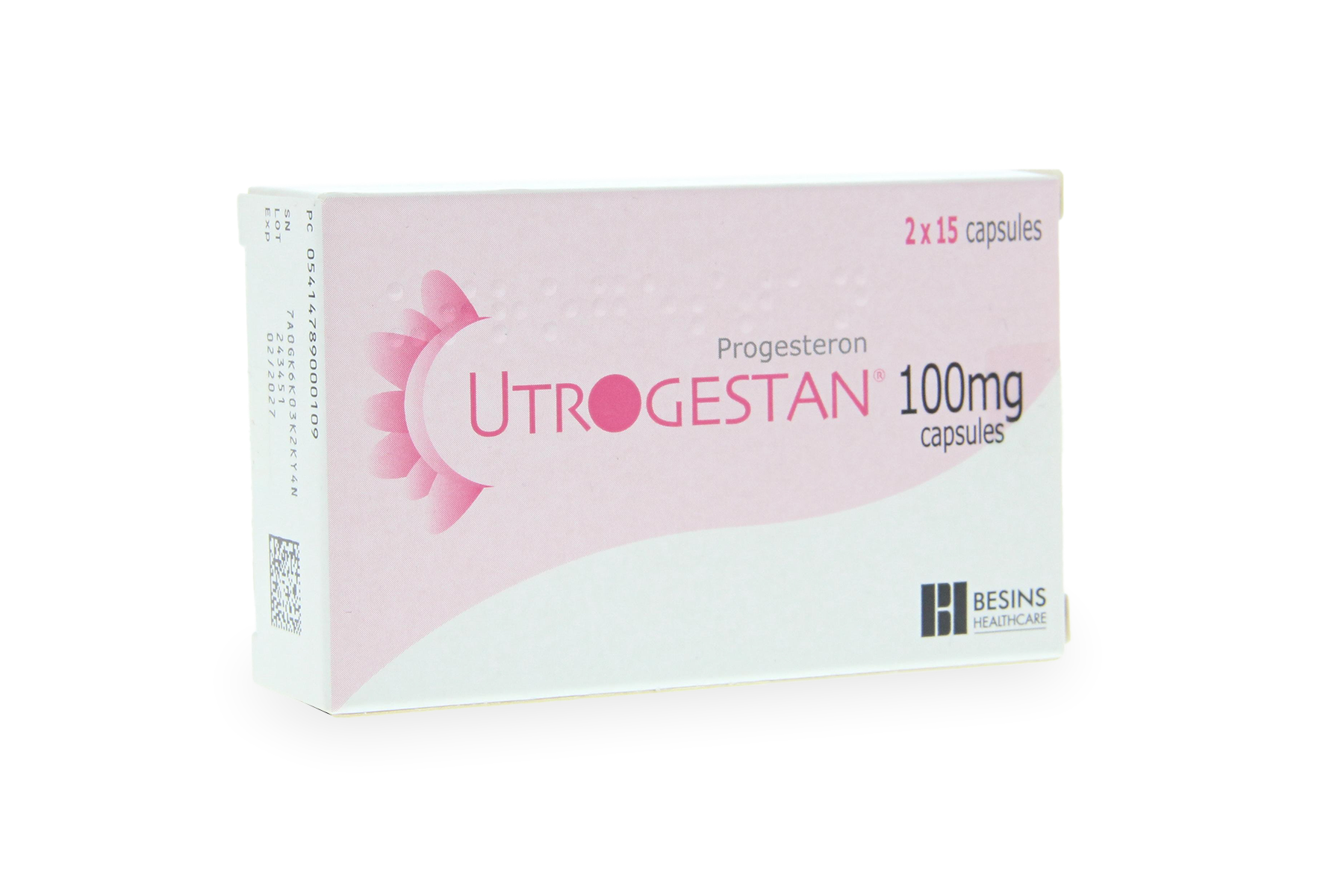
Utrogestan
Priligy
Furosemide
Omeprazole
Pantoprazole

Sildenafil
Seretide
Symbicort Turbuhaler
Sumatriptan
Betnovate
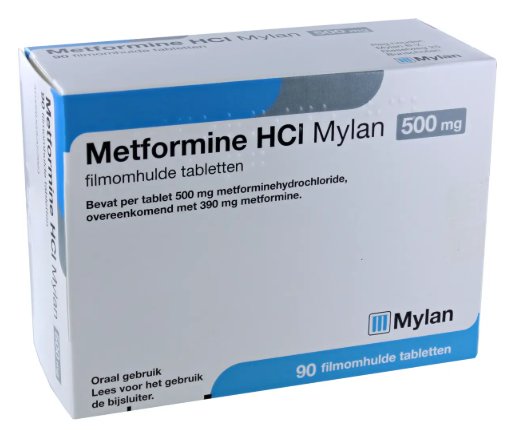
Metformin
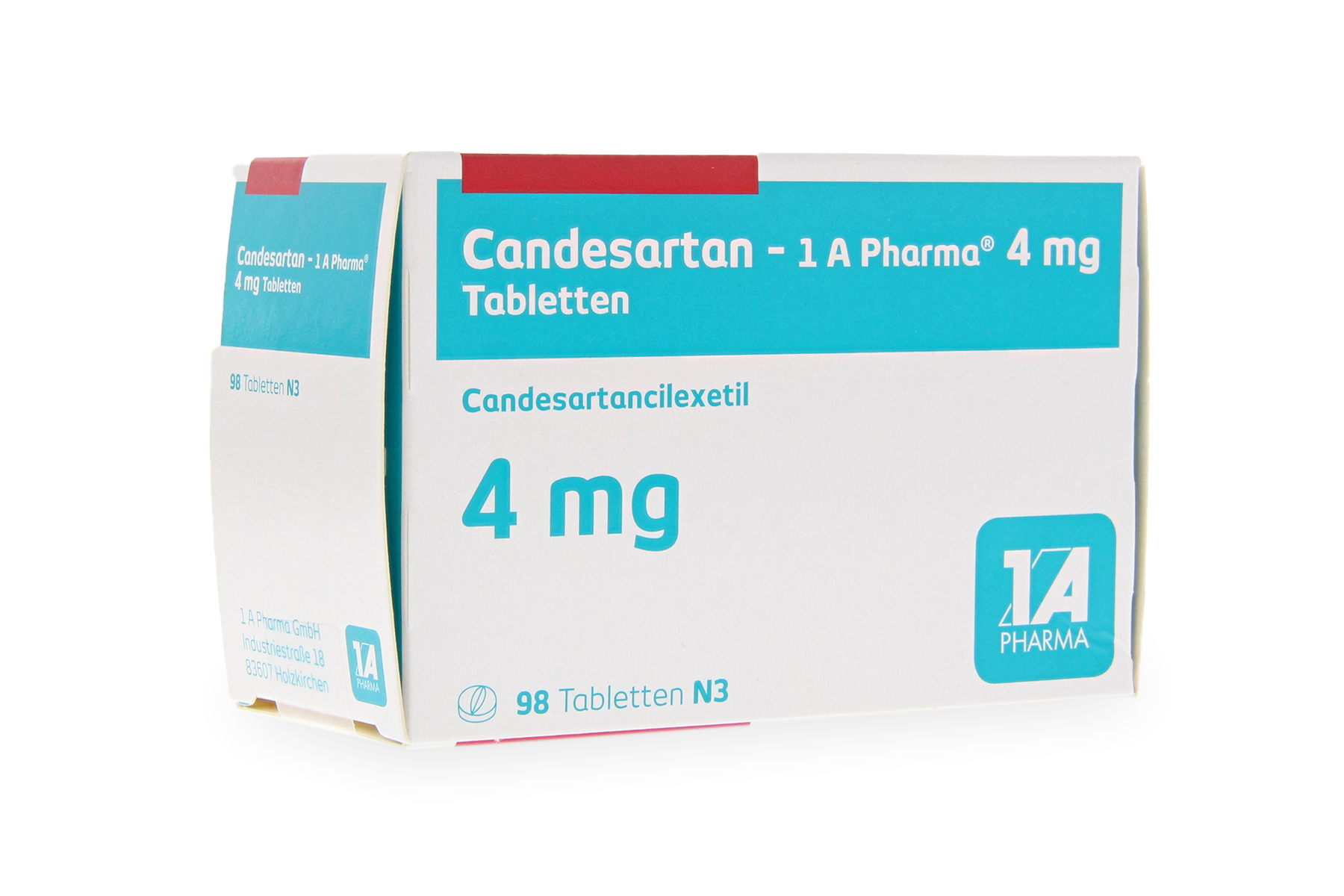
Candesartan
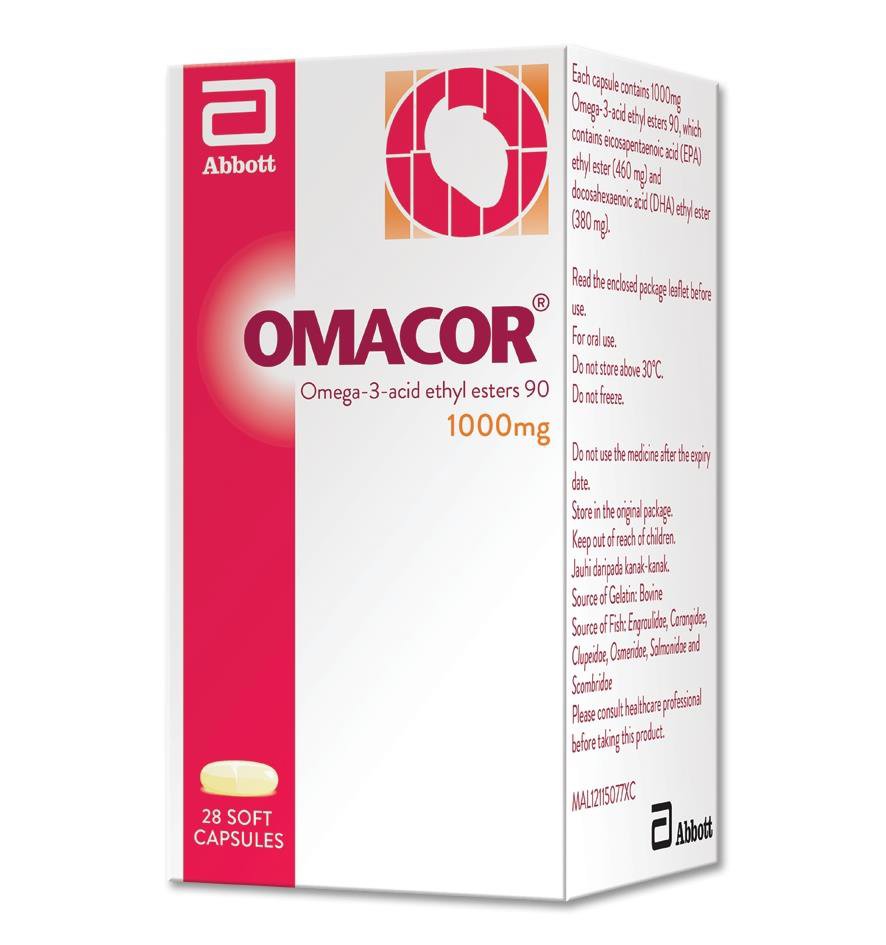
Omacor
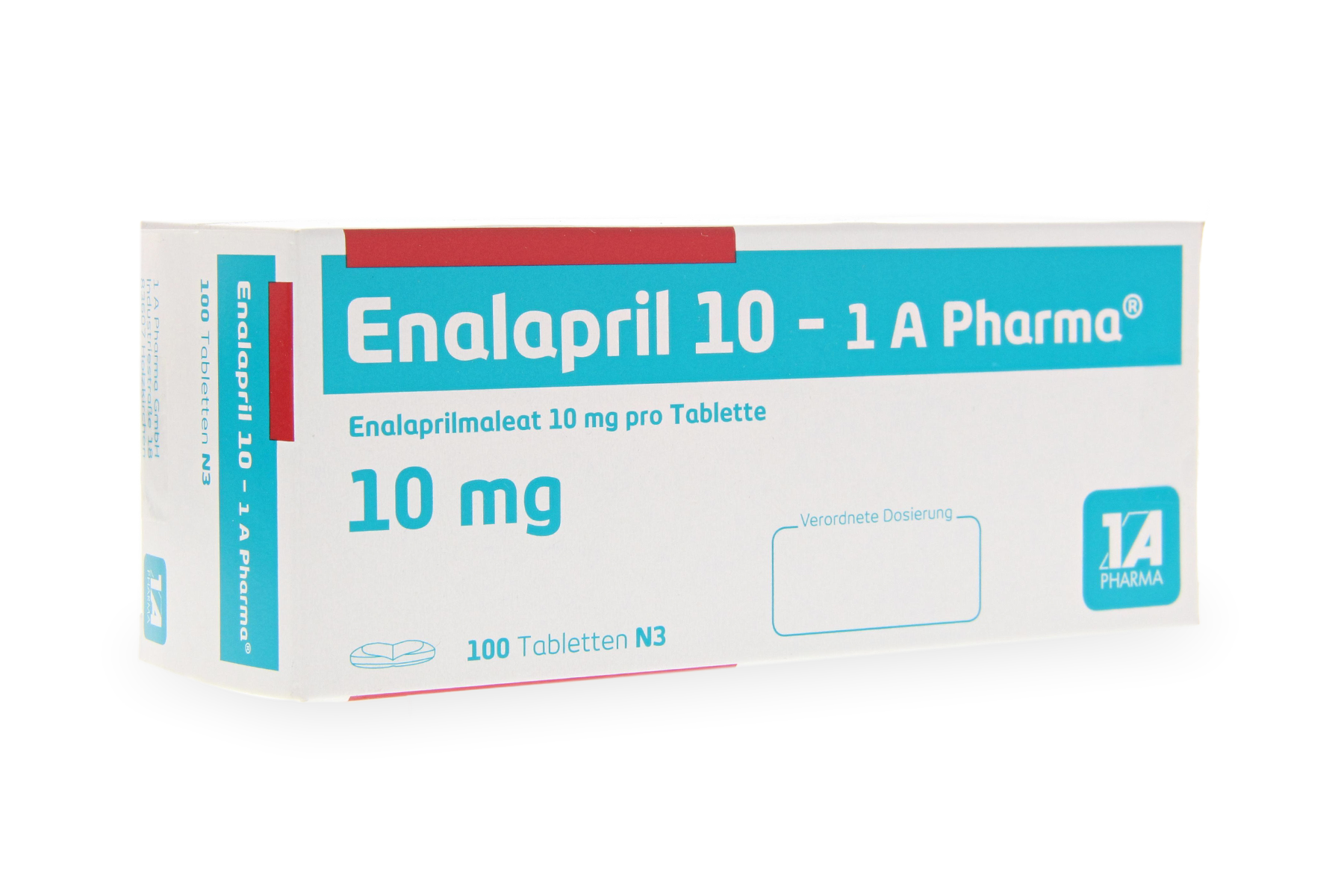
Enalapril
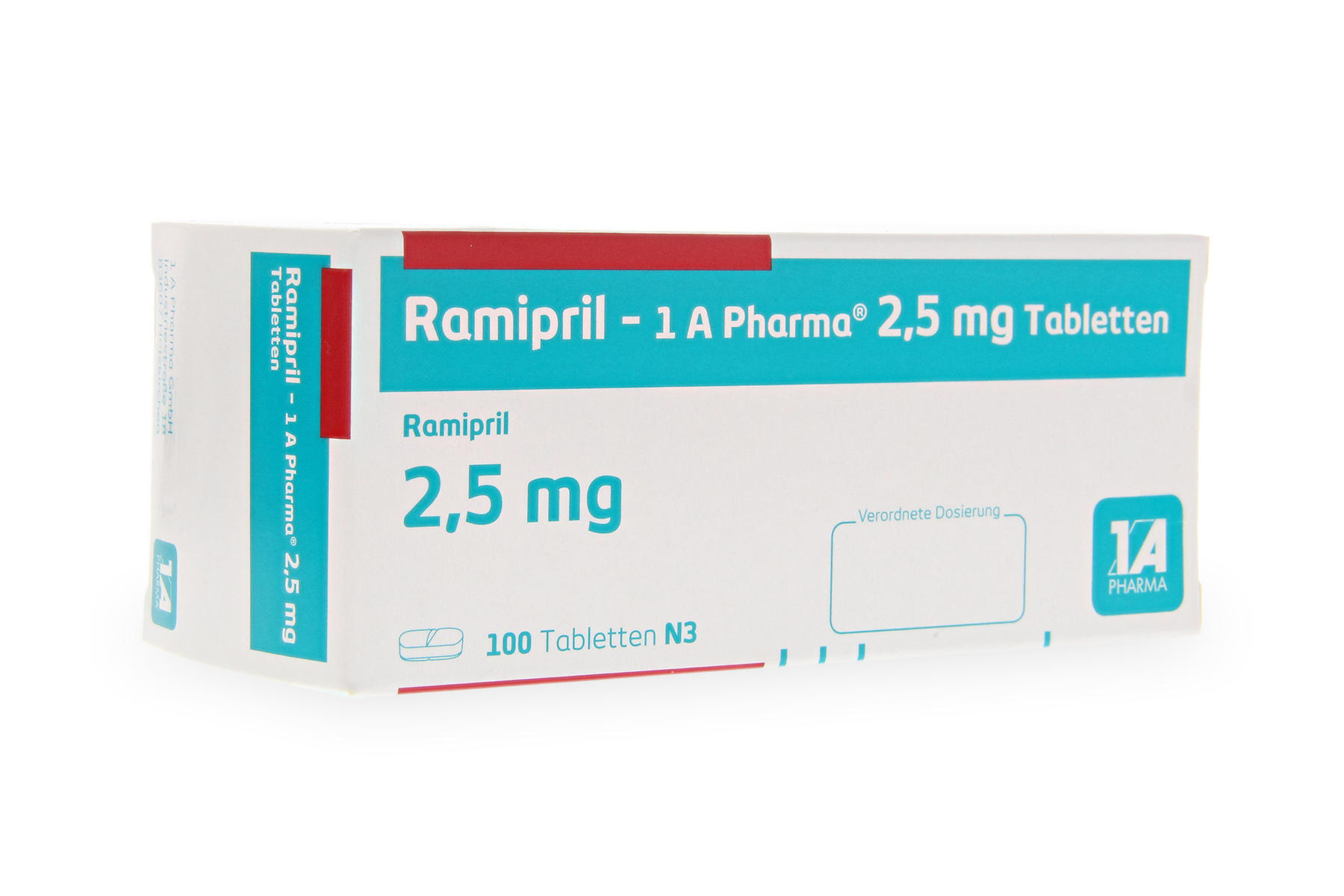
Ramipril
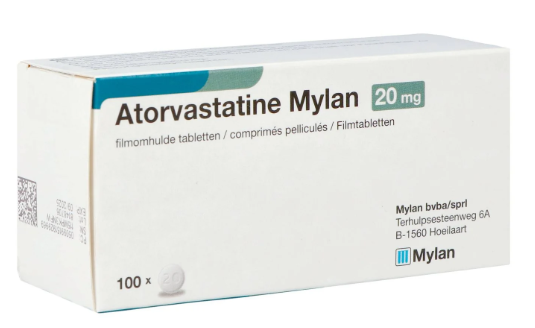
Atorvastatin
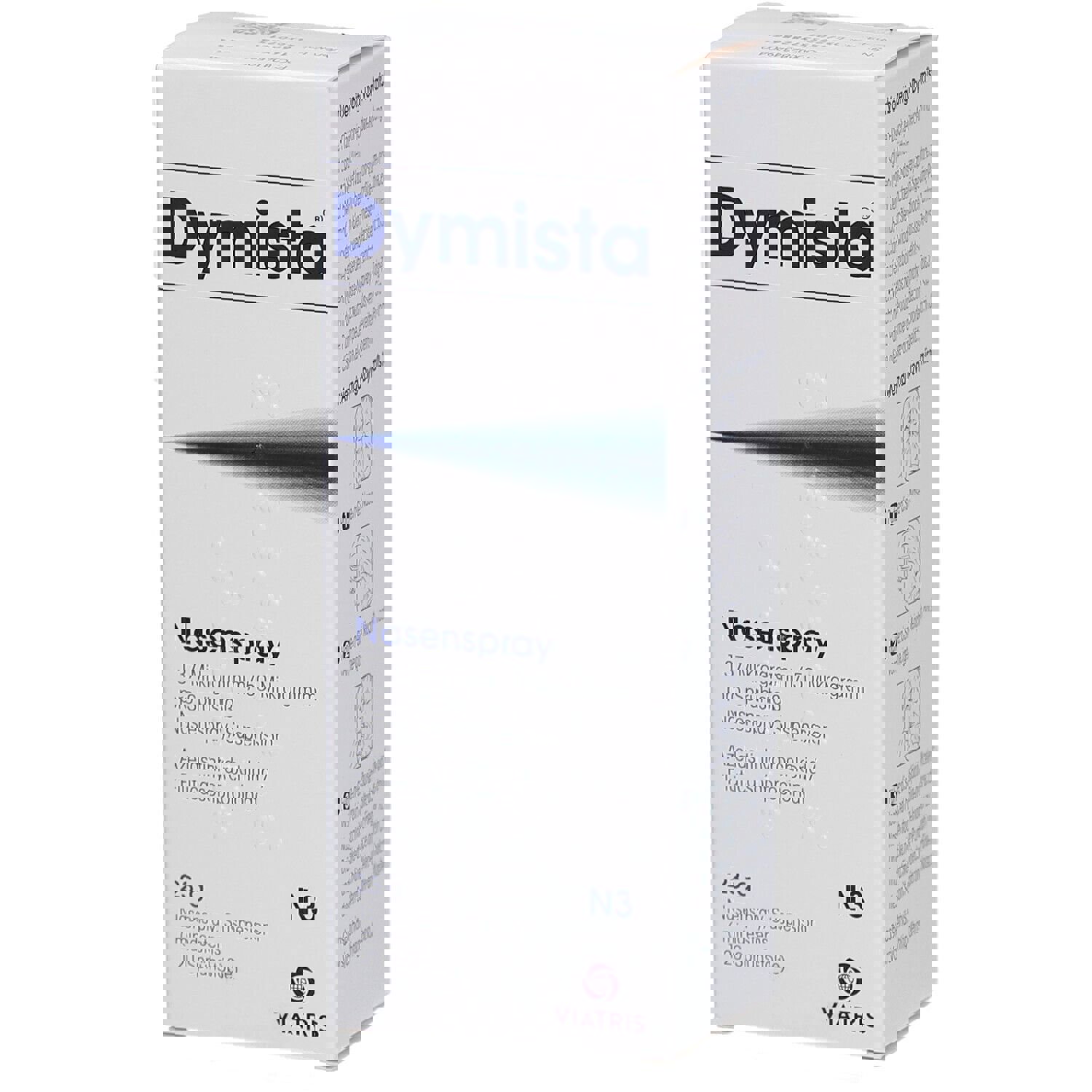
Dymista
Mirvaso

Spedra
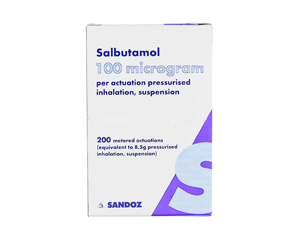
Salbutamol
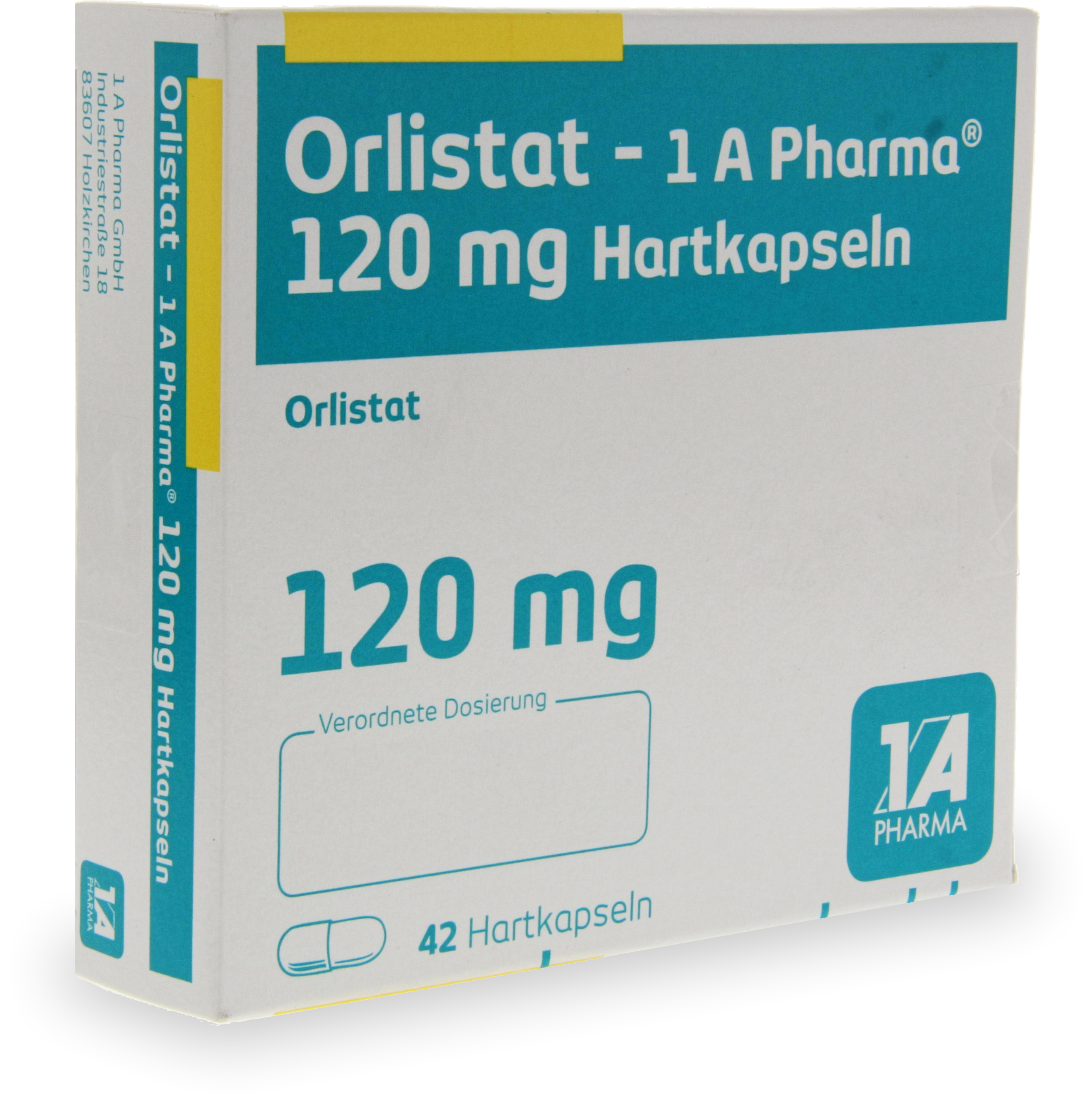
Orlistat
Vagifem
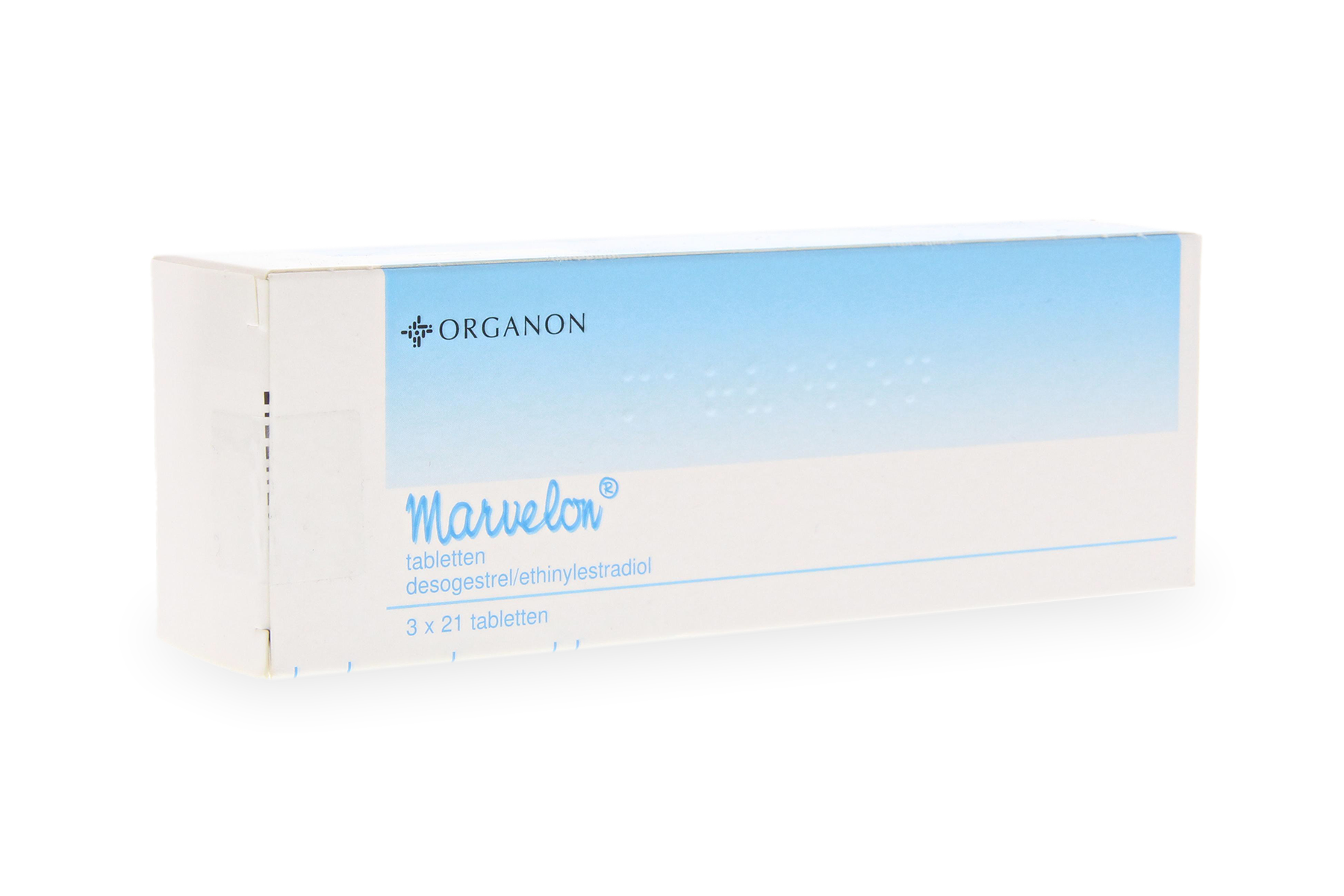
Marvelon
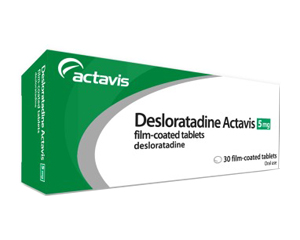
Desloratadine
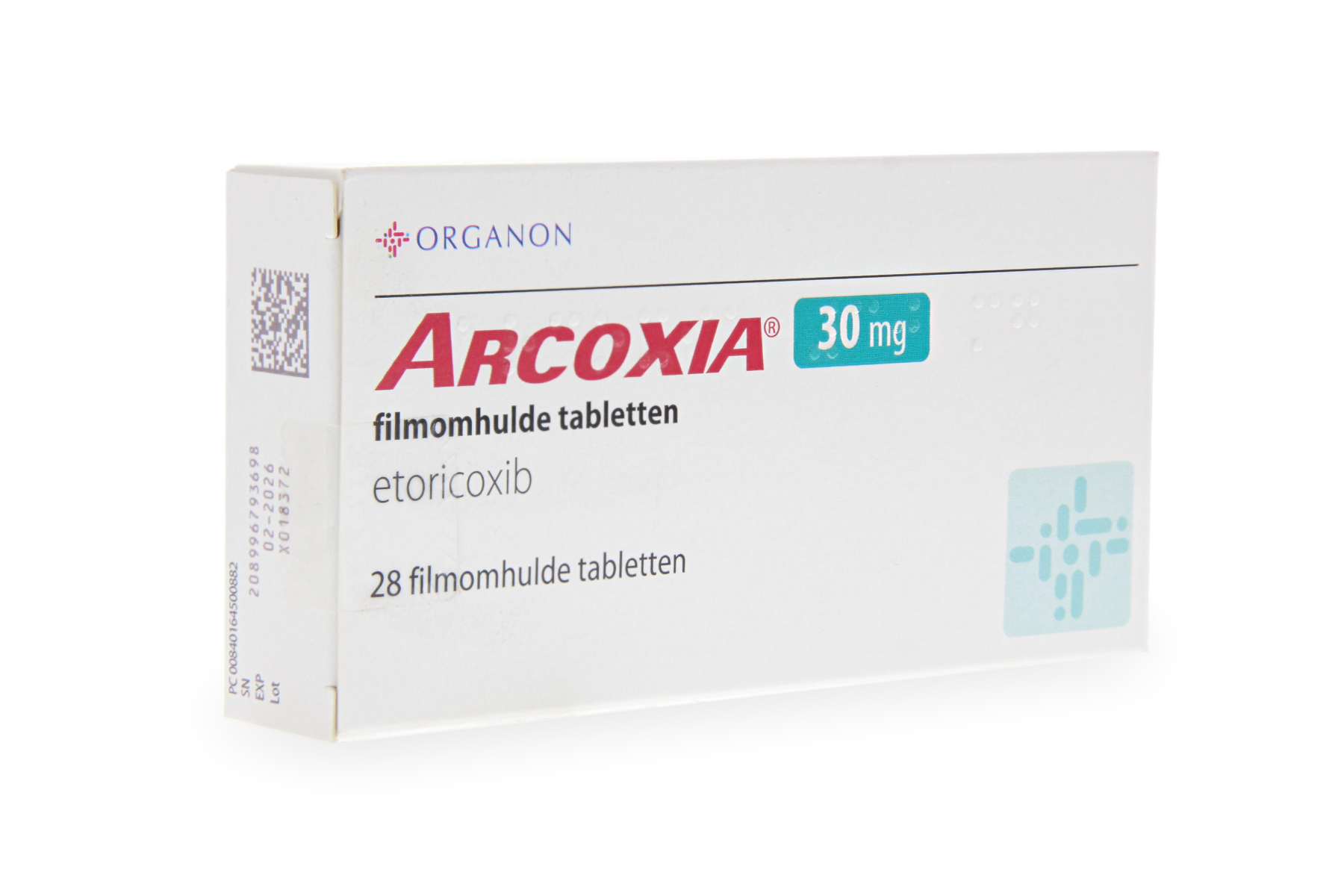
Arcoxia
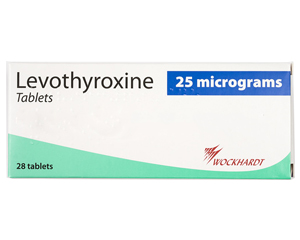
Levothyroxine
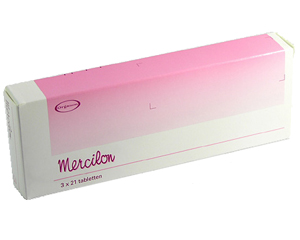
Mercilon
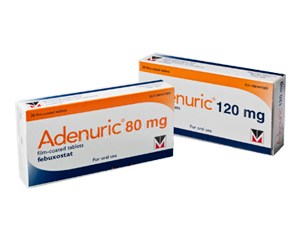
Adenuric

Metoclopramide
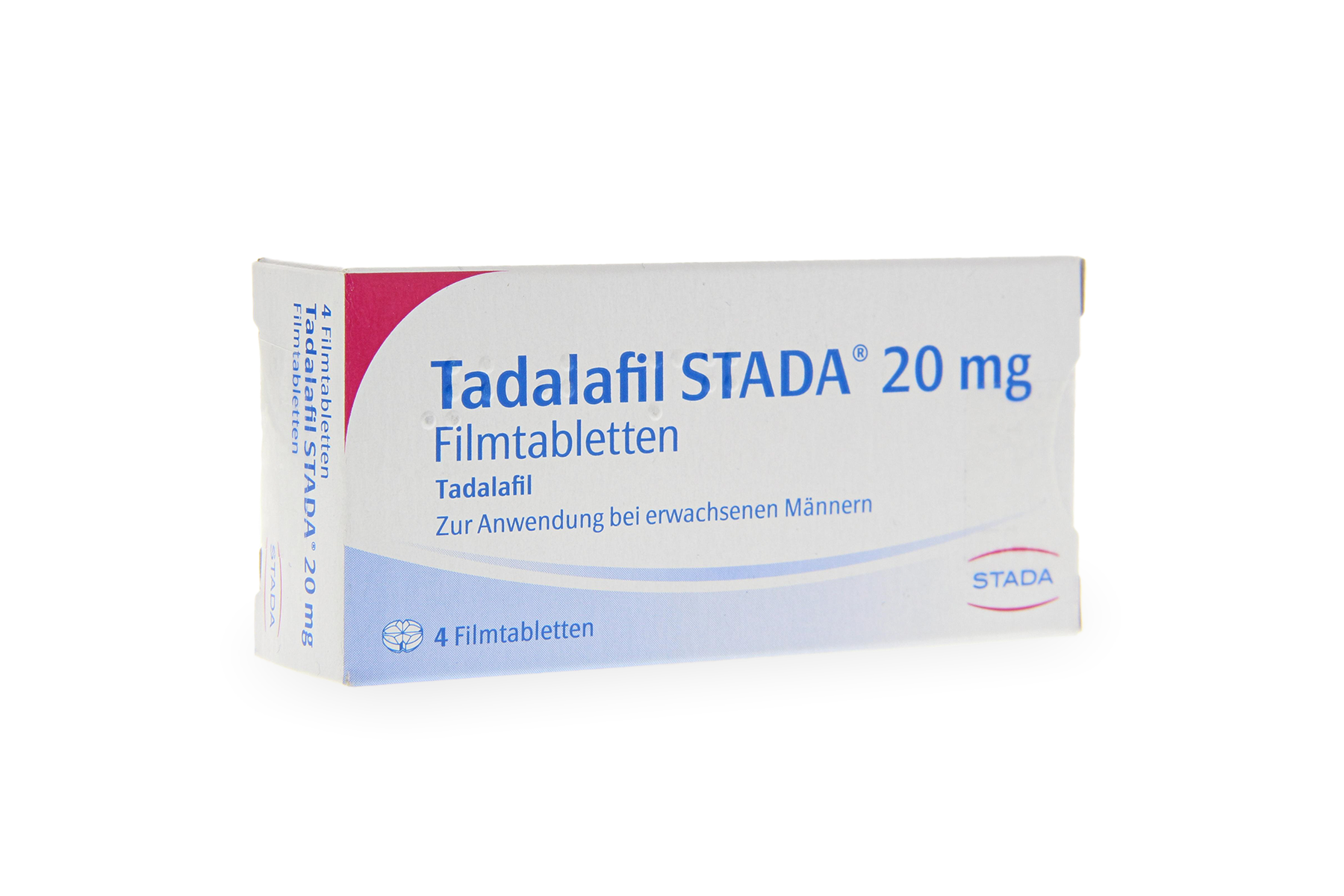
Tadalafil
Valsartan
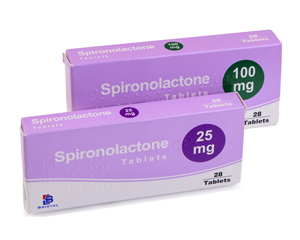
Spironolactone
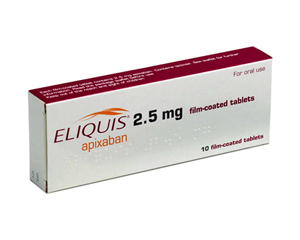
Eliquis
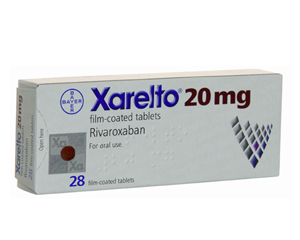
Xarelto

Vardenafil
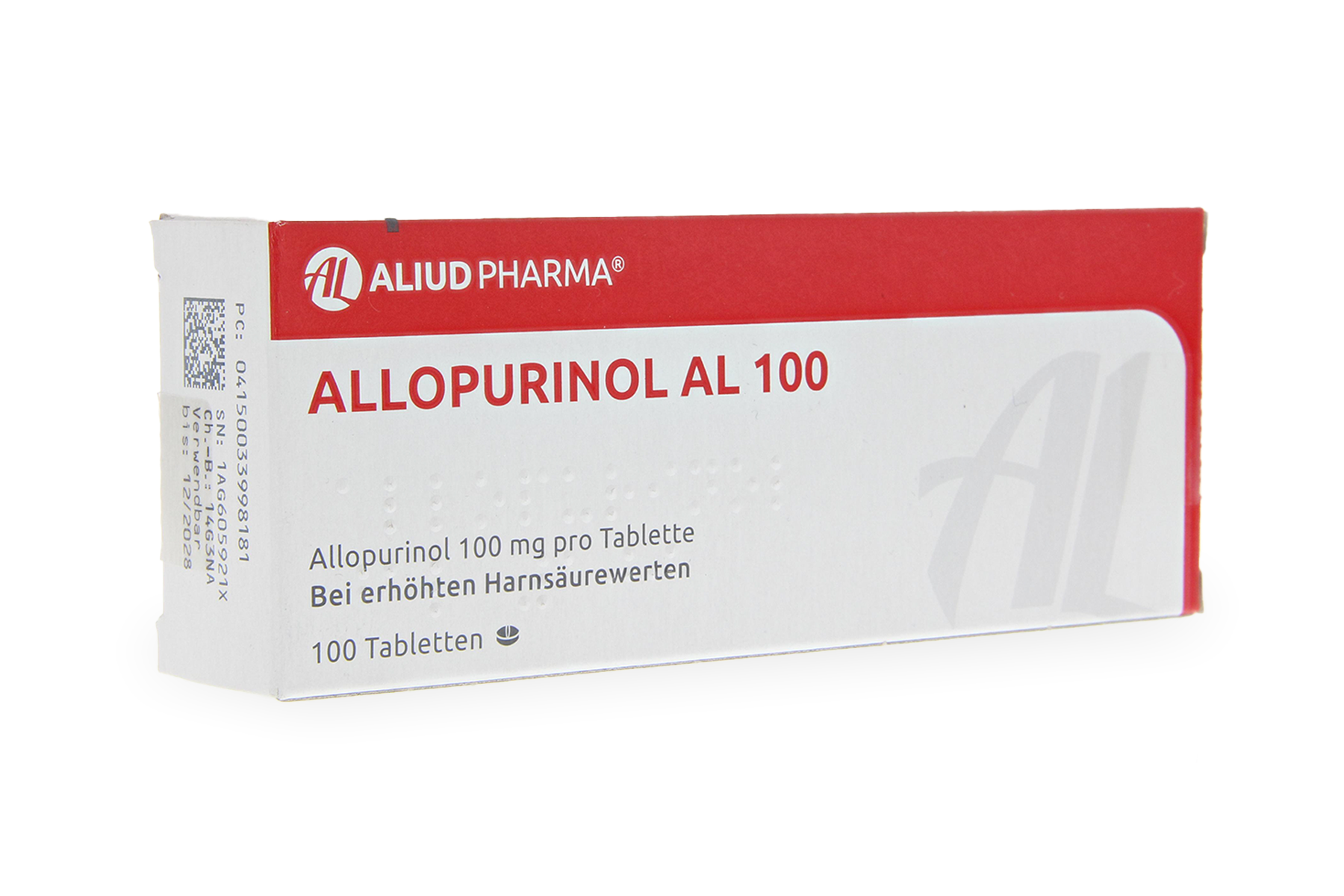
Allopurinol
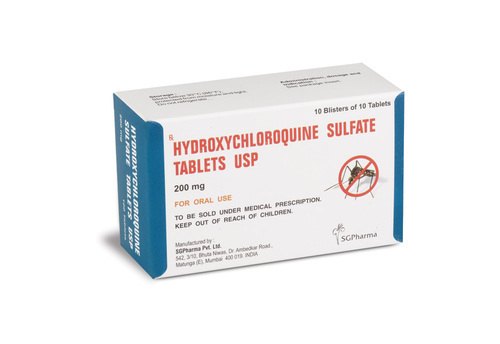
Hydroxychloroquine
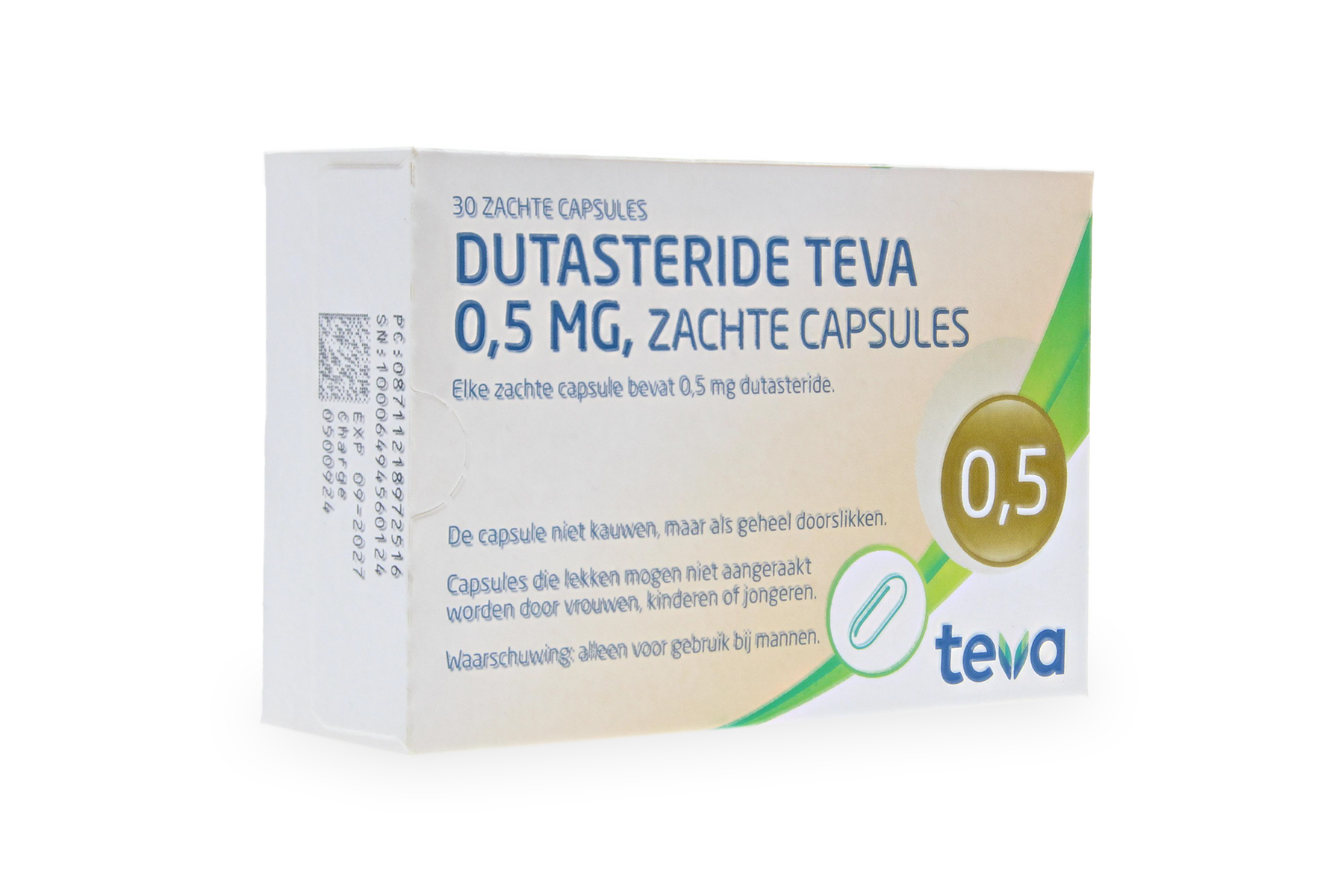
Dutasteride
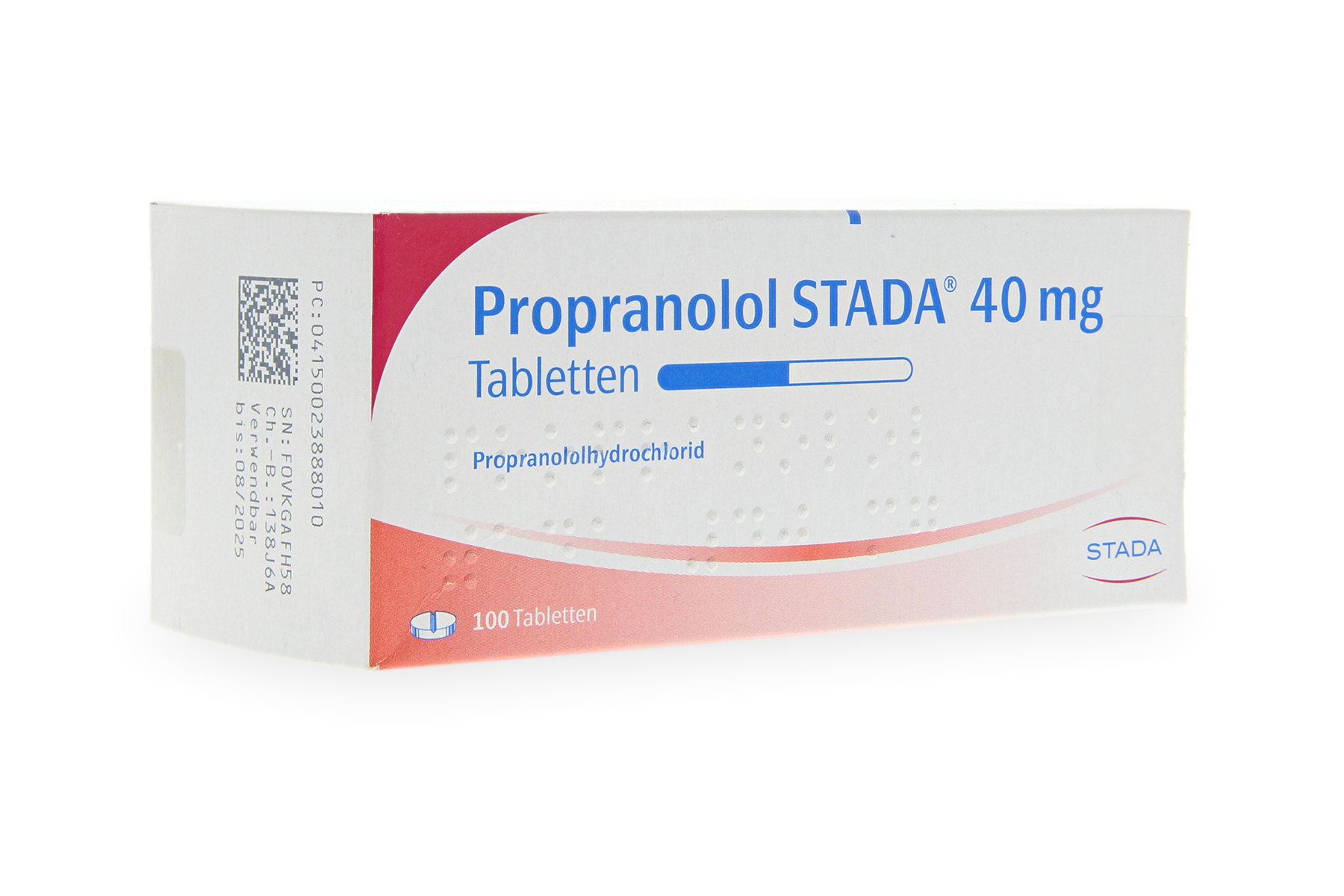
Propranolol

Wegovy
Circadin
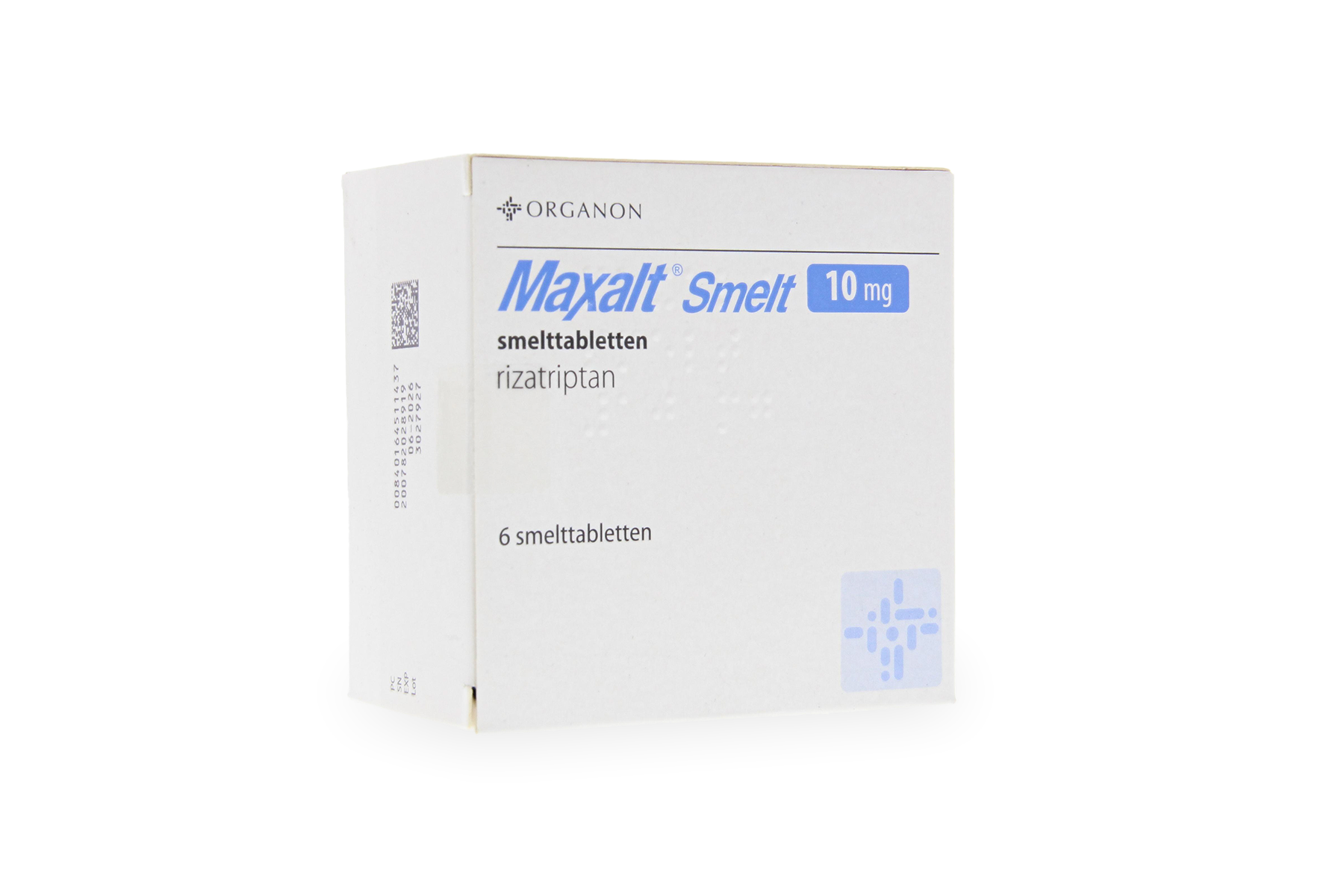
Maxalt
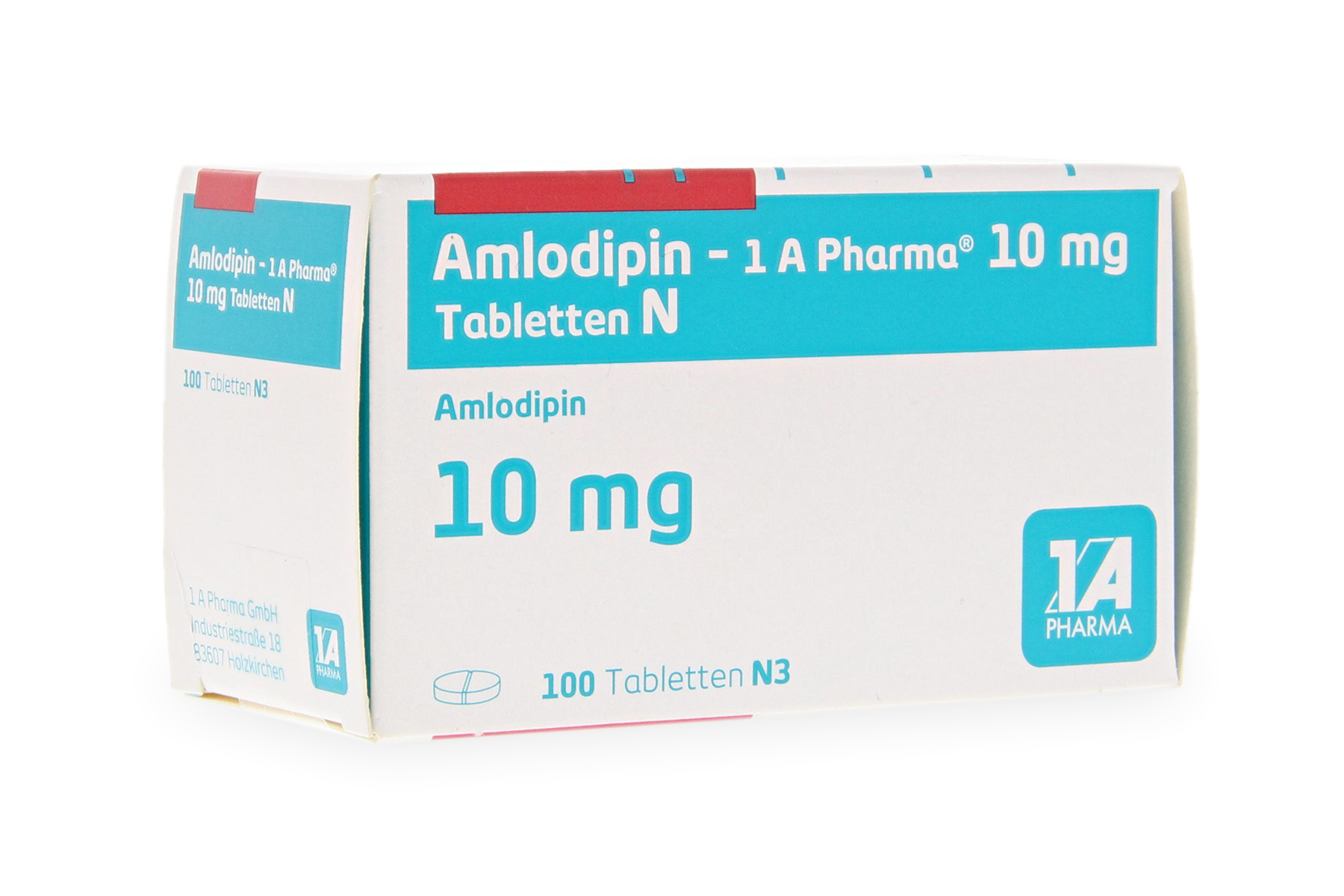
Amlodipine
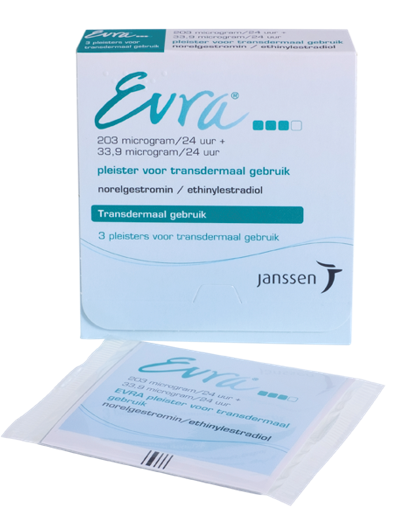
Evra Patches

Mounjaro
Dermovate
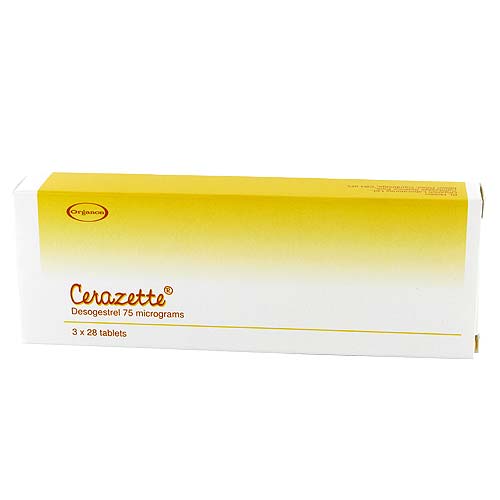
Cerazette

Viagra

Melatonin
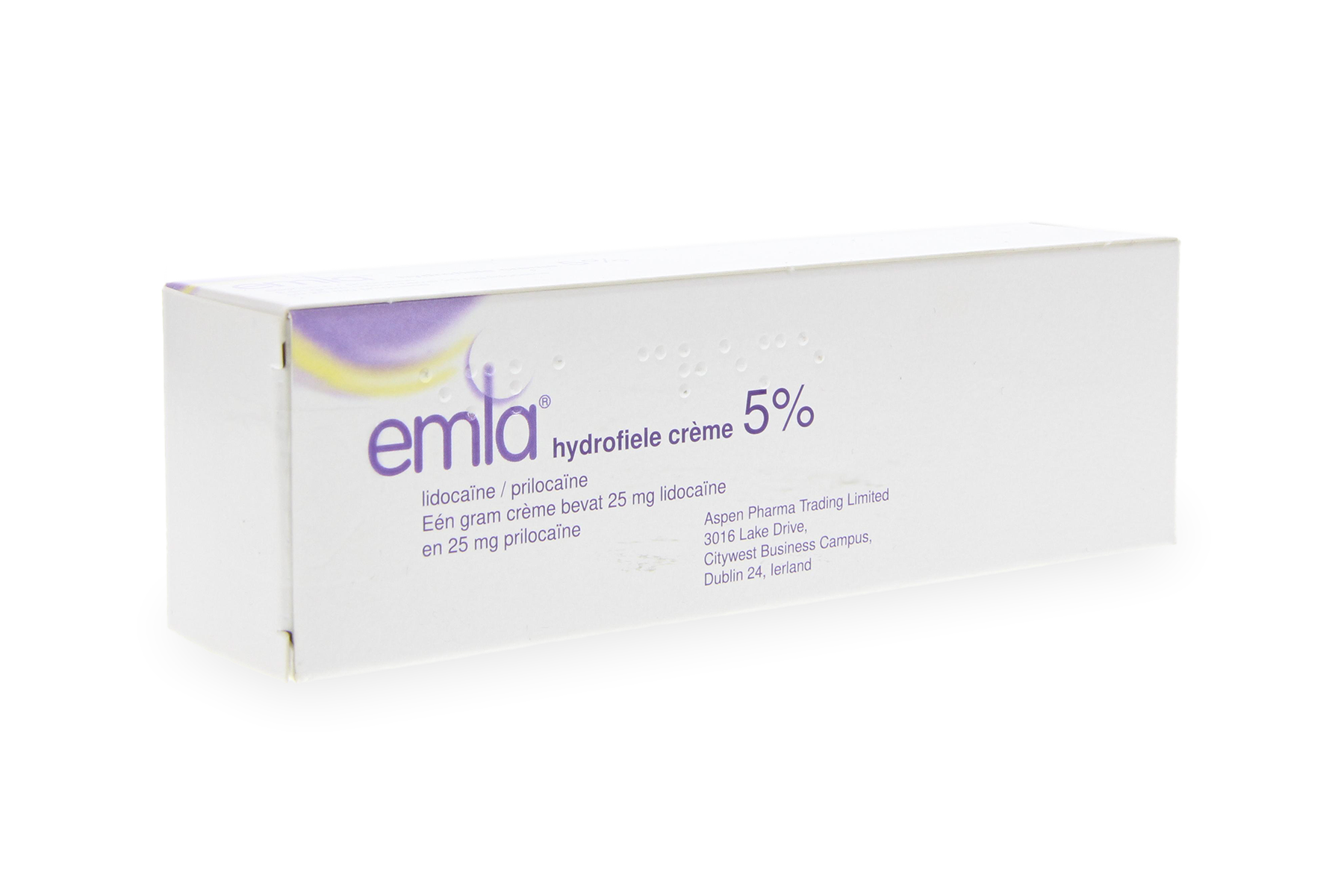
Emla Cream
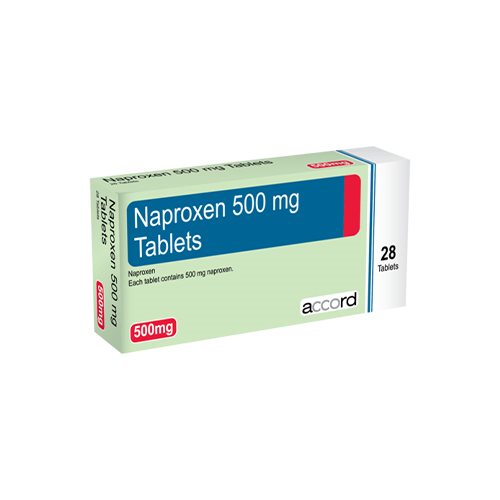
Naproxen
Ventolin

Bricanyl Turbohaler
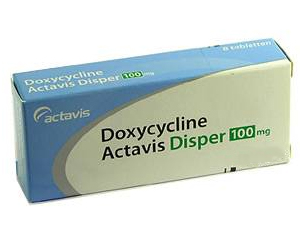
Doxycycline (Malaria)

Impotence Trial Pack

Microgynon 30
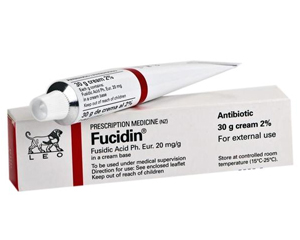
Fucidin
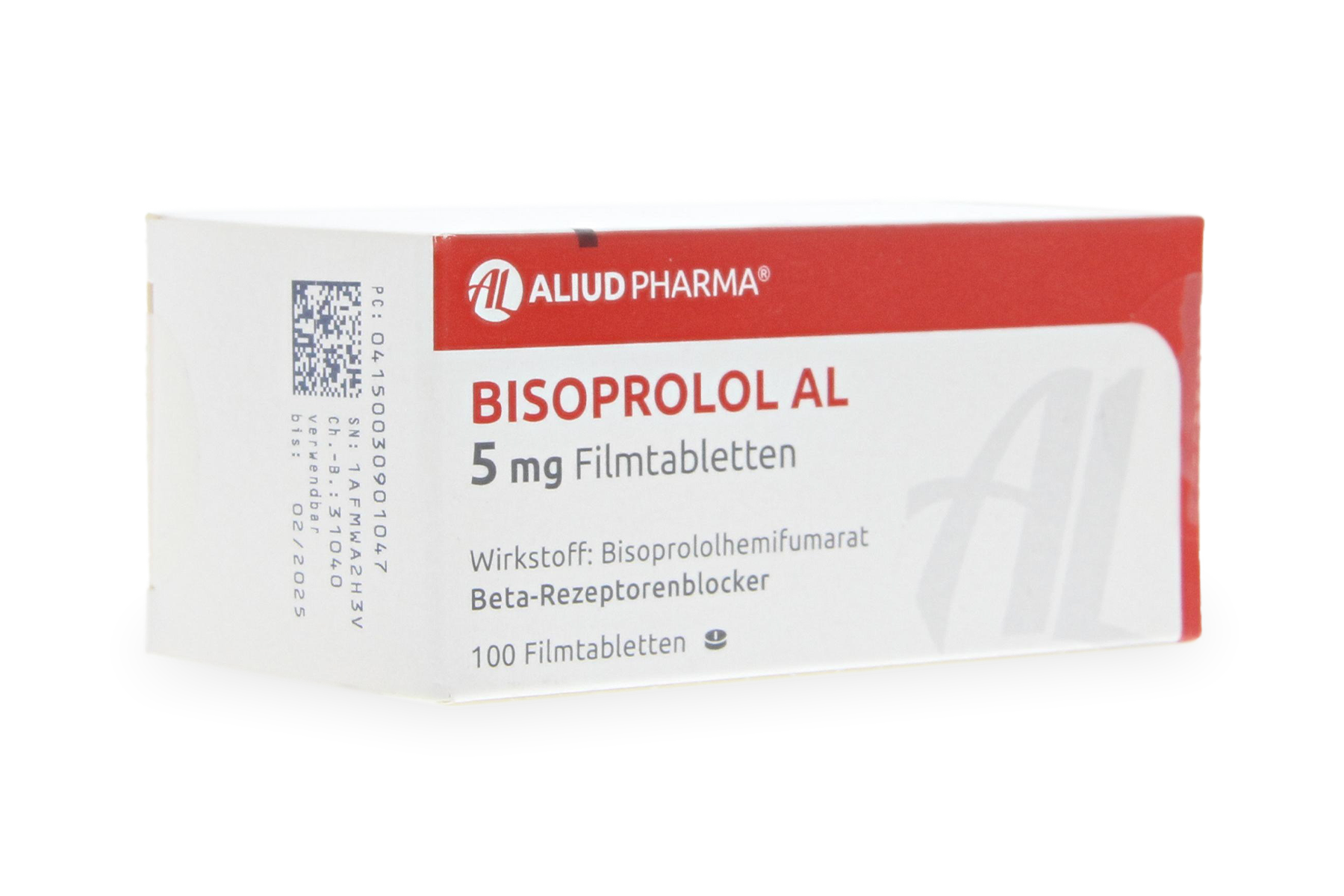
Bisoprolol
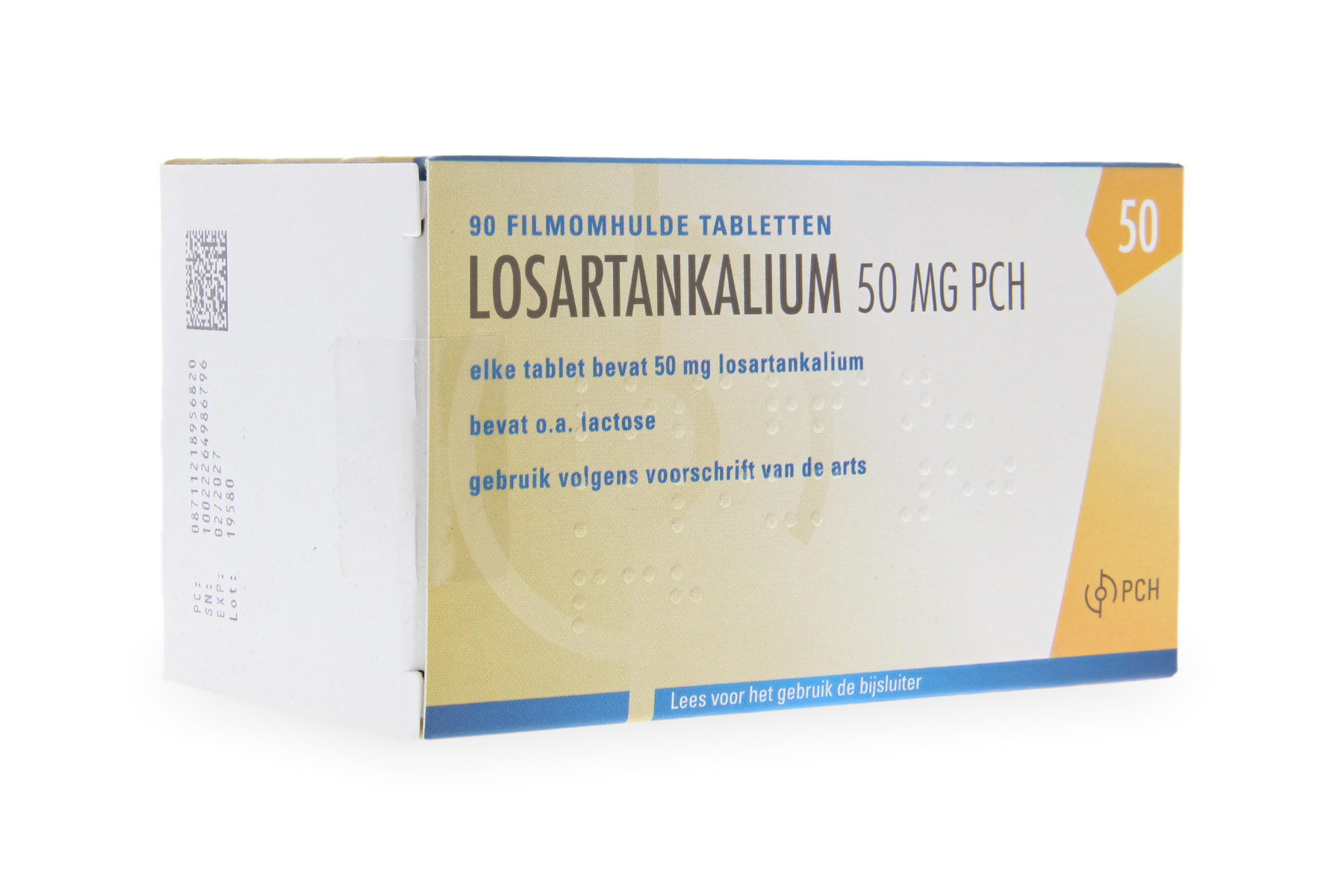
Losartan
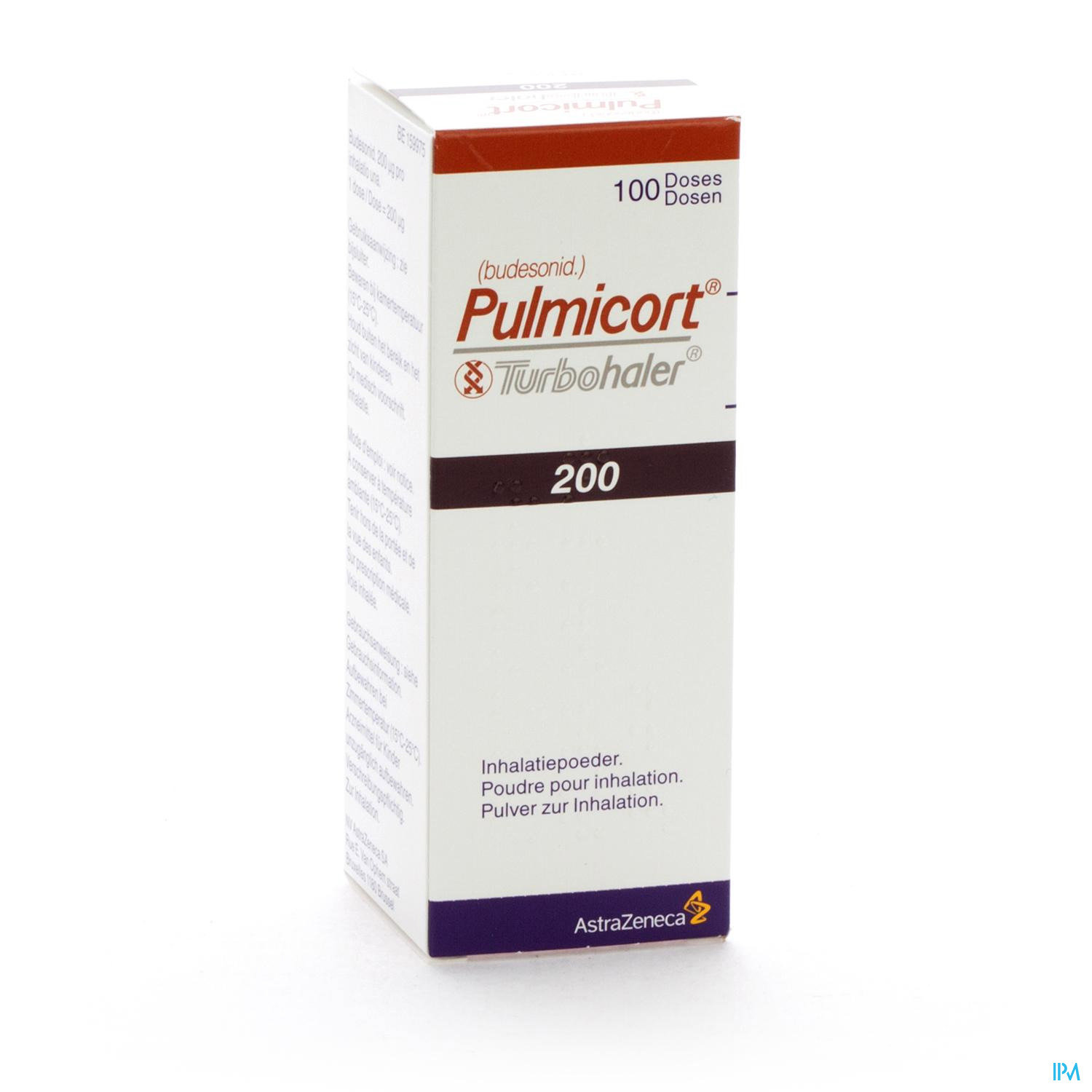
Pulmicort Turbohaler

Avamys
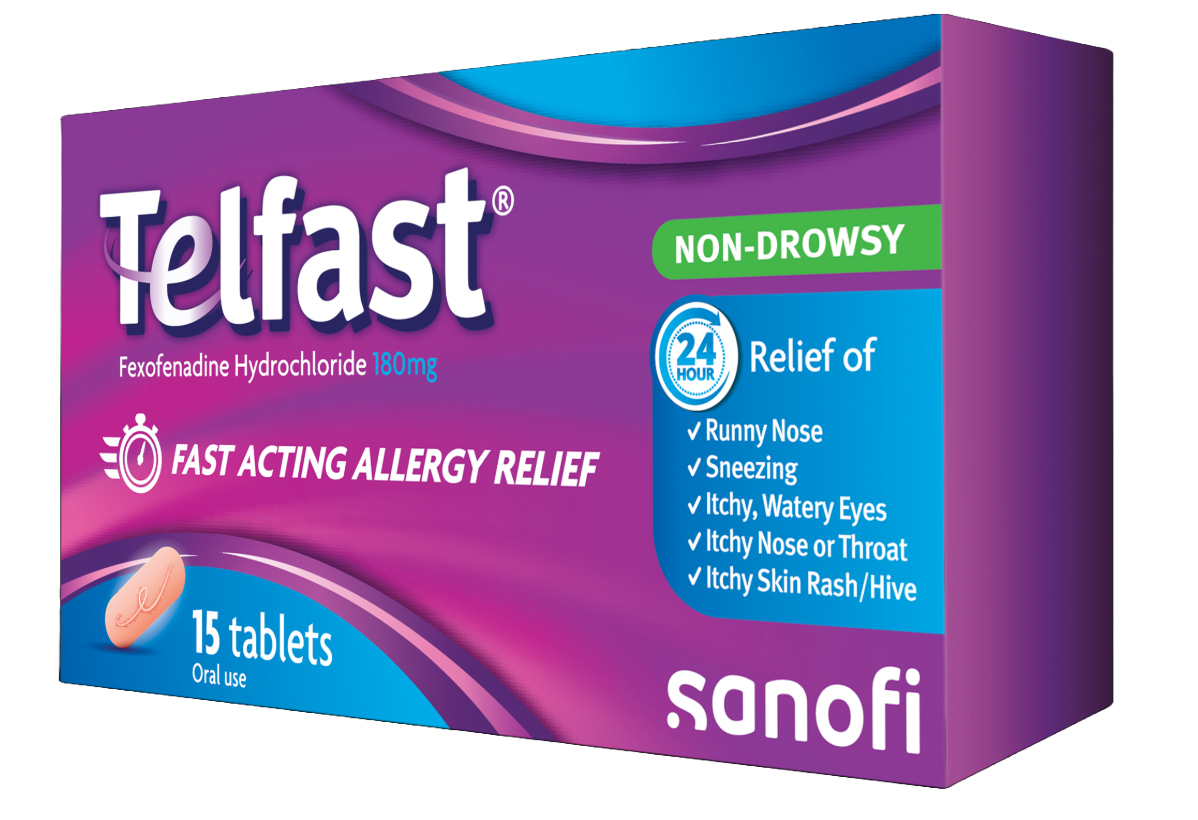
Telfast
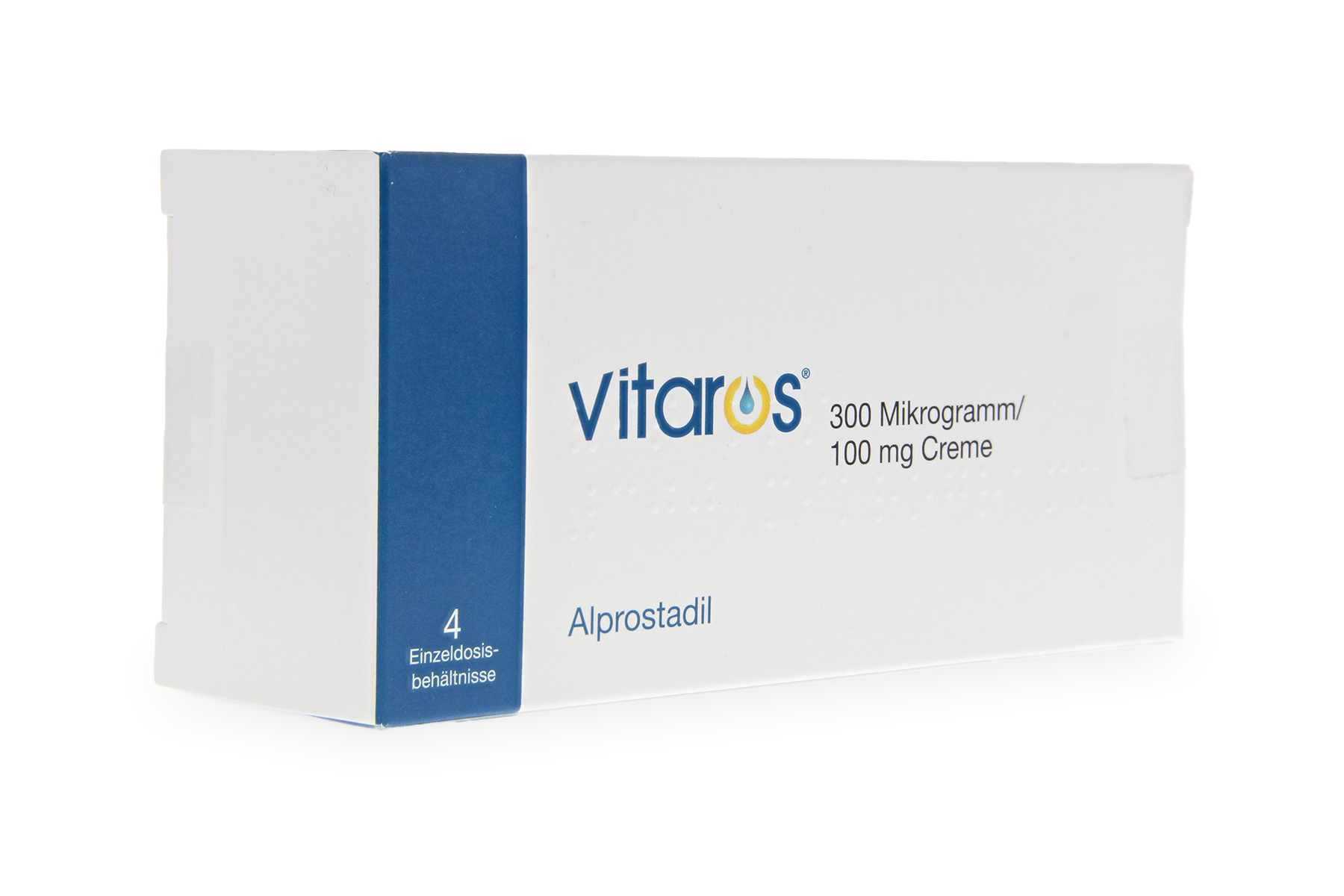
Vitaros

Zyloric
Kliovance

Bactroban
Elocon
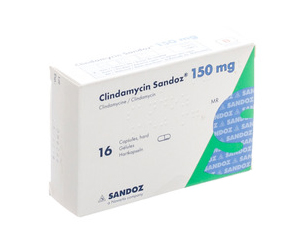
Clindamycin
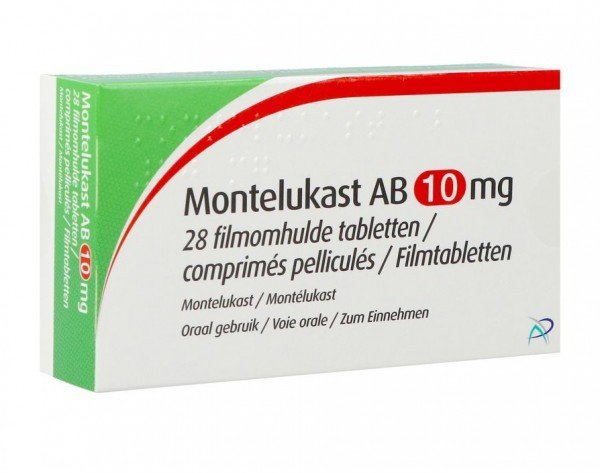
Montelukast
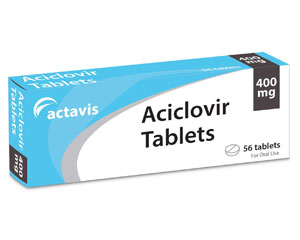
Aciclovir
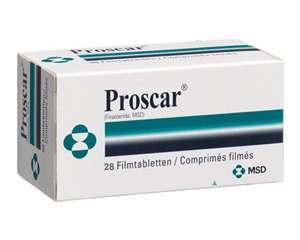
Proscar

Differin
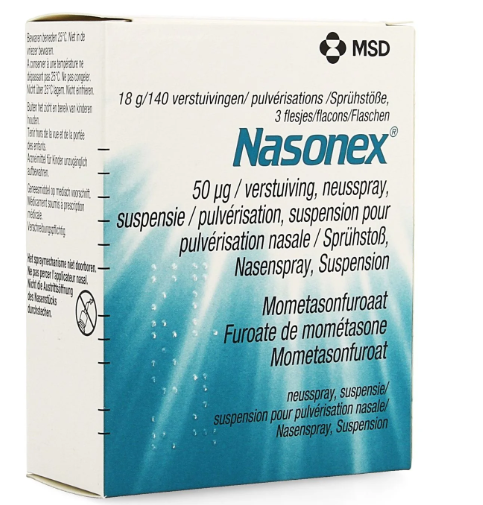
Nasonex Nasal Spray

Propecia
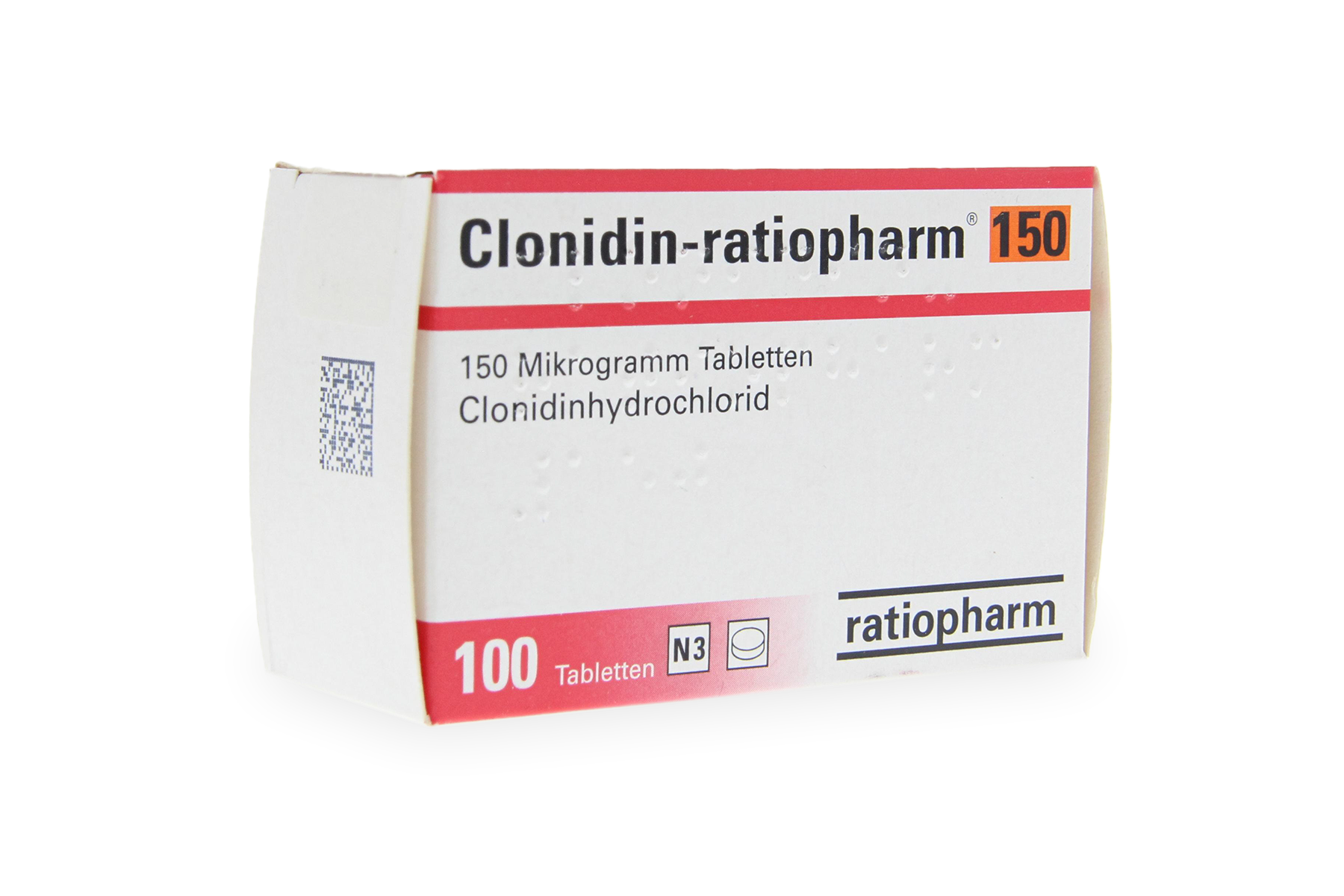
Clonidine

Femoston
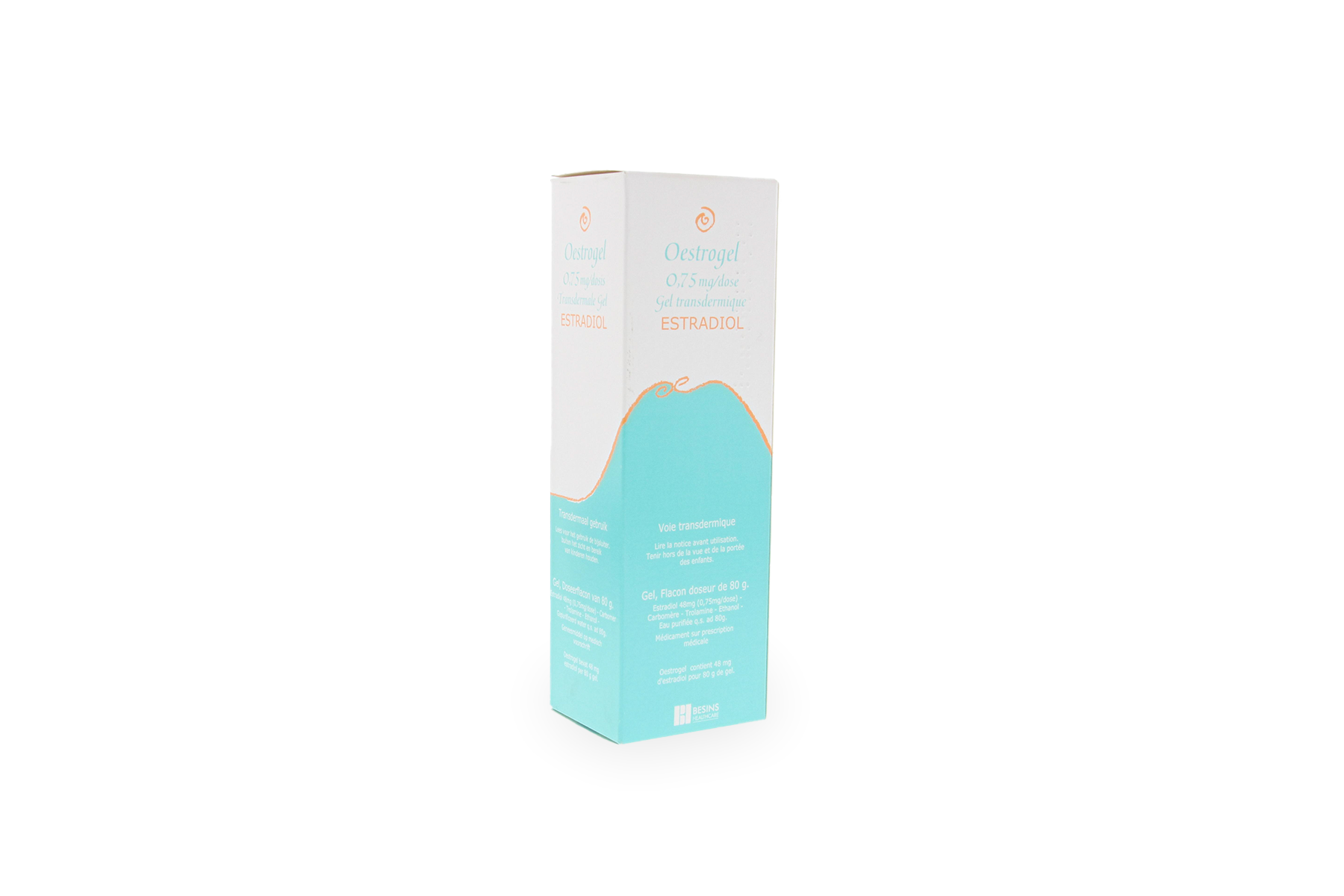
Oestrogel
Tamsulosin MR
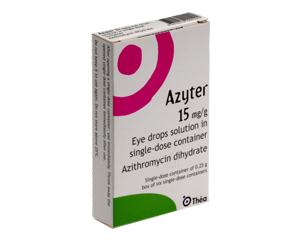
Azyter
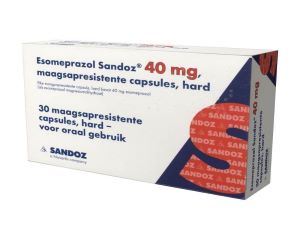
Esomeprazole
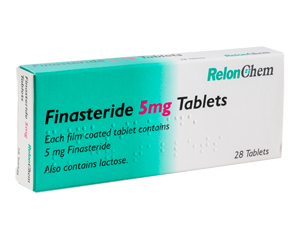
Proscar (Finasteride)
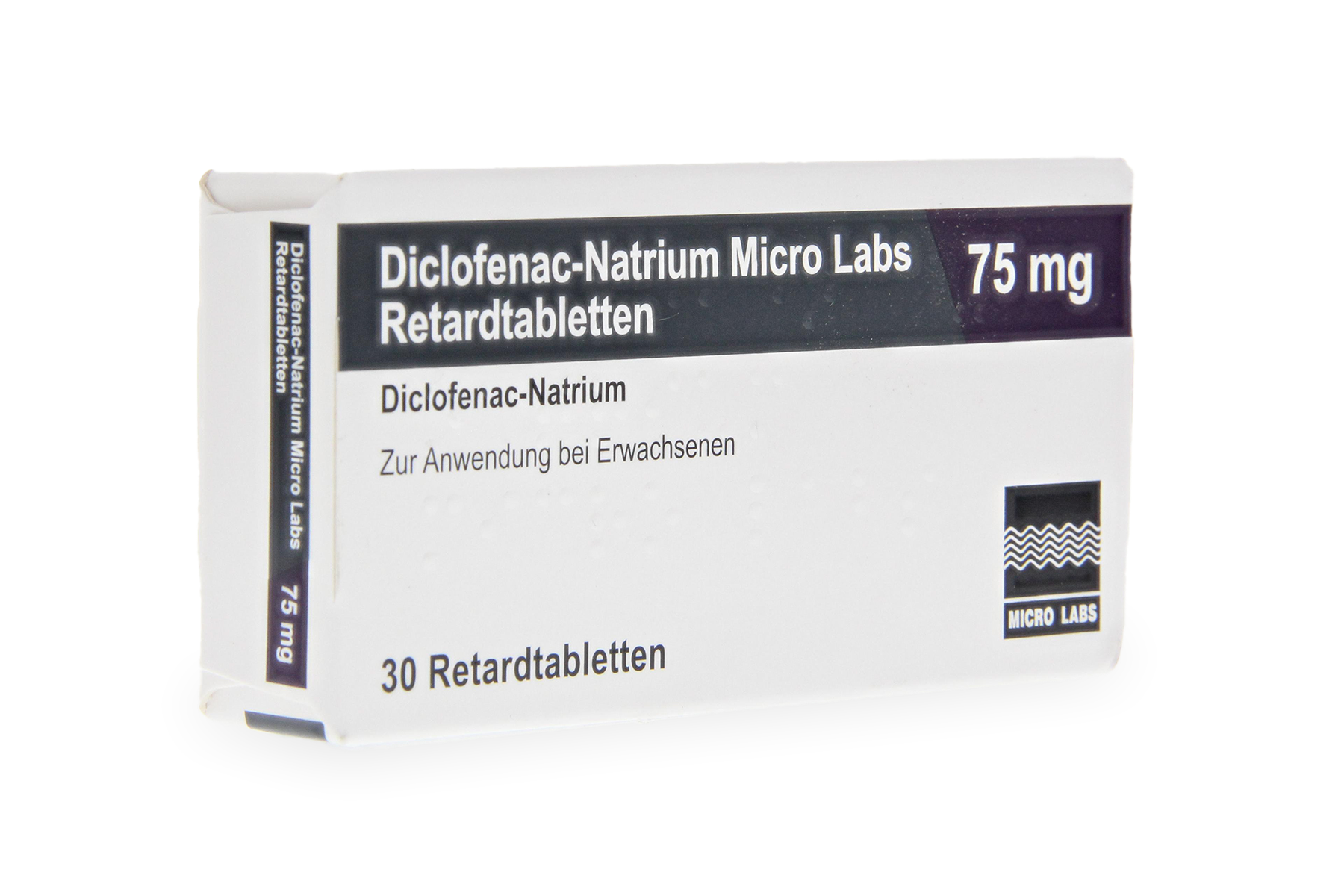
Diclofenac SR
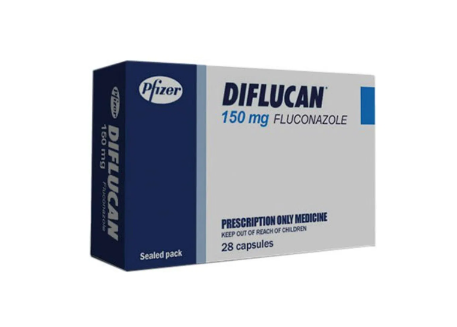
Diflucan
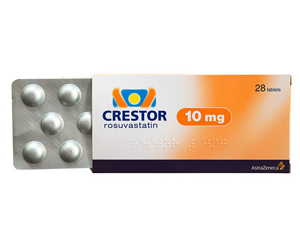
Crestor
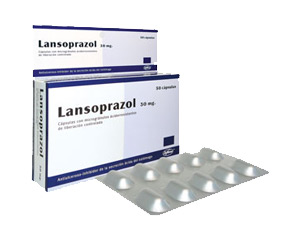
Lansoprazole
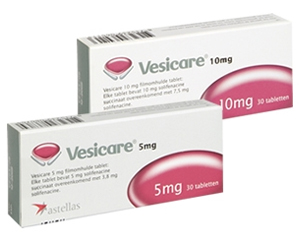
Vesicare
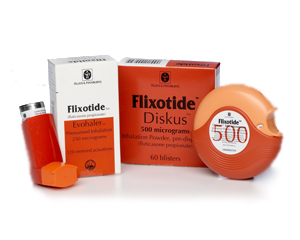
Flixotide
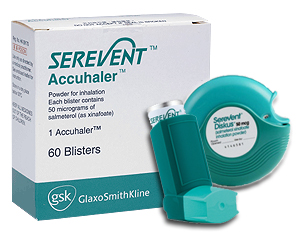
Serevent
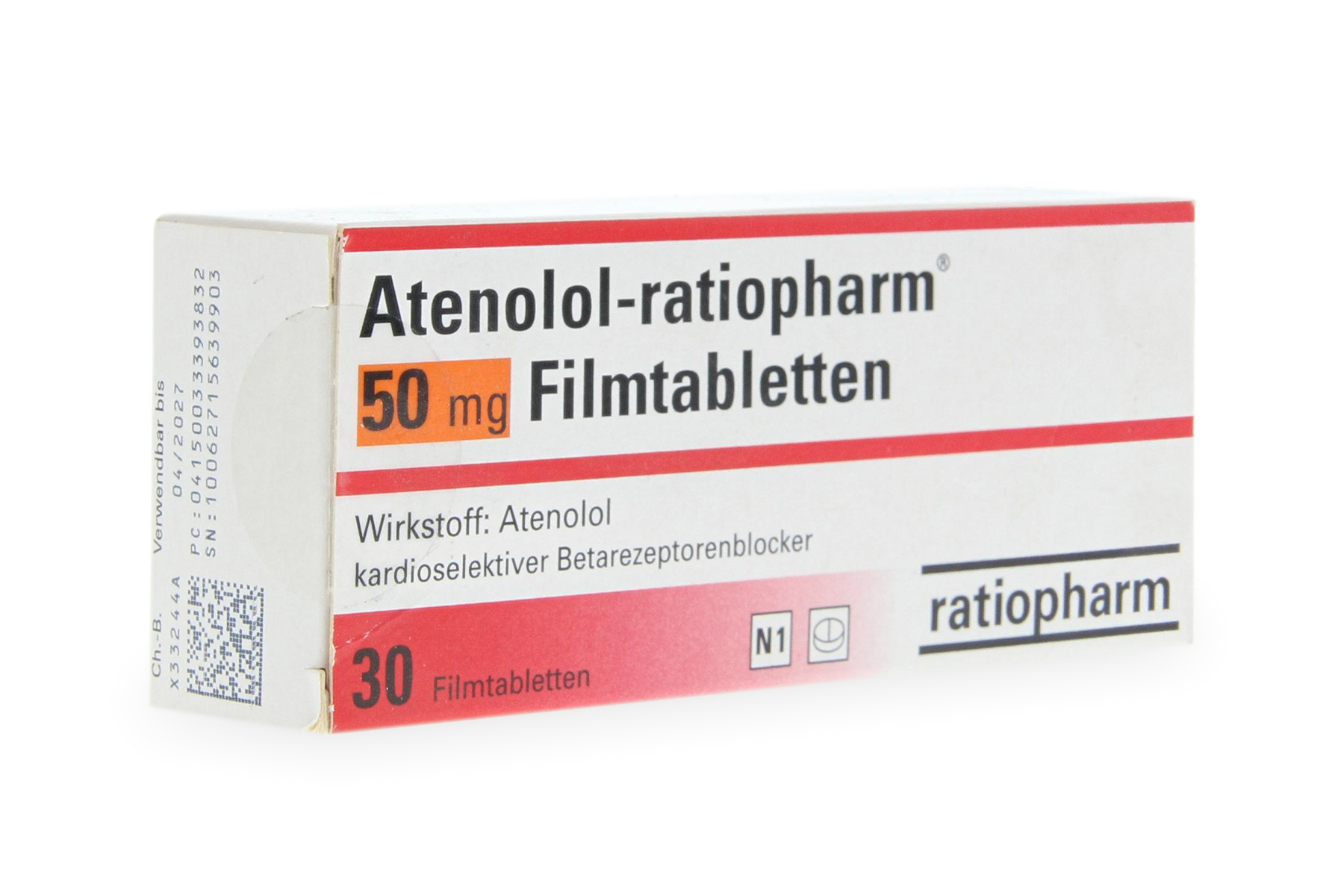
Atenolol
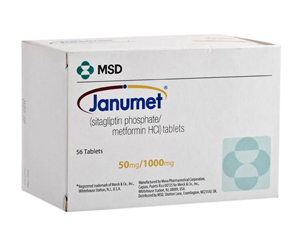
Janumet
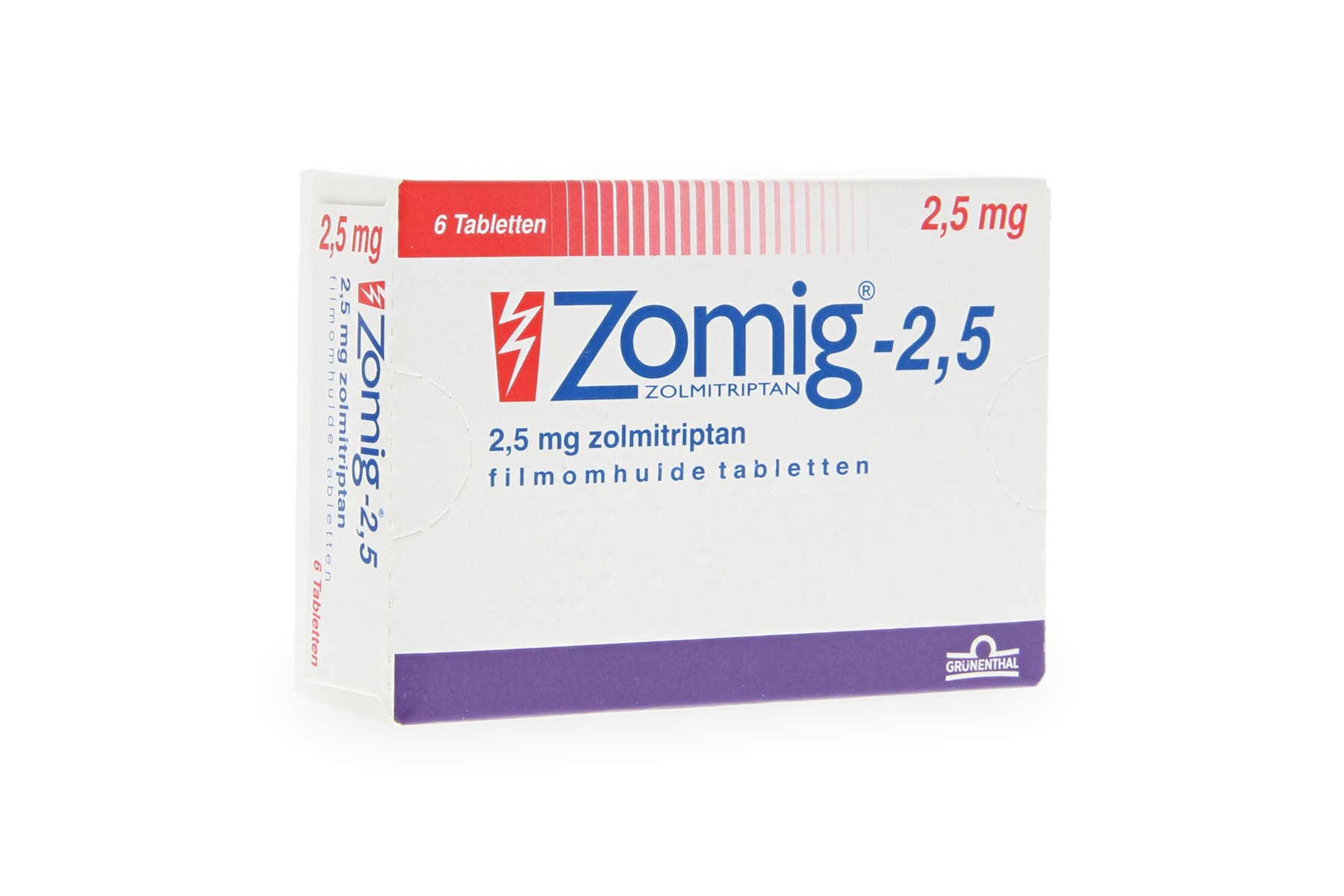
Zomig
Stomach & Digestion Treatments
Common Digestive Conditions
Digestive problems are among the most frequent reasons people seek medical advice. From occasional heartburn and bloating to chronic conditions such as gastro-oesophageal reflux disease (GORD), irritable bowel syndrome (IBS), and peptic ulcers, the spectrum is broad and the impact on daily life can be considerable.
GORD occurs when stomach acid repeatedly flows back into the oesophagus, causing a burning sensation in the chest (heartburn) and sometimes a sour taste in the mouth. Over time, persistent reflux can damage the oesophageal lining and may lead to complications such as Barrett's oesophagus. IBS, meanwhile, is a functional disorder characterised by abdominal pain, bloating, and altered bowel habits without an identifiable structural cause.
Peptic ulcers are open sores that develop on the lining of the stomach or duodenum, often caused by infection with Helicobacter pylori bacteria or prolonged use of non-steroidal anti-inflammatory drugs (NSAIDs). Inflammatory bowel diseases such as Crohn's disease and ulcerative colitis involve chronic inflammation of the gastrointestinal tract and require specialist management.
Medications for Digestive Health
Proton pump inhibitors (PPIs) such as omeprazole, lansoprazole, and pantoprazole are the mainstay of treatment for GORD, peptic ulcers, and conditions involving excess stomach acid. They work by irreversibly blocking the proton pumps in the stomach lining that produce hydrochloric acid, providing effective symptom relief and allowing damaged tissue to heal.
H2 receptor antagonists, including ranitidine alternatives such as famotidine, offer a gentler acid-suppression option and may be preferred for mild or intermittent symptoms. Antacids provide rapid but short-lived relief and are best used for occasional episodes rather than ongoing management.
For IBS, treatment is symptom-directed. Antispasmodics such as mebeverine and hyoscine butylbromide help relieve cramping, while laxatives or anti-diarrhoeals address bowel habit disturbances. Low-dose tricyclic antidepressants may be recommended for IBS patients with persistent pain, as they modify the way the gut and brain communicate.
Diet and Digestive Wellbeing
What you eat and how you eat can significantly influence digestive symptoms. For reflux, avoiding large meals, eating at least three hours before lying down, and limiting trigger foods such as spicy dishes, fatty foods, citrus, chocolate, and caffeine can make a noticeable difference. Elevating the head of the bed by 10 to 15 centimetres also helps prevent nocturnal reflux.
The low-FODMAP diet has emerged as an evidence-based approach for managing IBS. Developed by researchers at Monash University, it involves a temporary restriction of fermentable carbohydrates (fructans, galacto-oligosaccharides, lactose, fructose, and polyols) followed by a structured reintroduction phase to identify individual triggers. Guidance from a specialist dietitian is recommended to ensure nutritional adequacy.
General digestive health benefits from adequate fibre intake (25 to 30 grams per day from varied sources), regular hydration, and consistent meal timing. Probiotics may help some people, particularly after a course of antibiotics, though the evidence for specific strains and conditions is still evolving. Stress management also plays a role, as the gut-brain axis means that psychological wellbeing directly influences digestive function.
When Digestive Symptoms Need Investigation
Most digestive complaints are benign and respond well to lifestyle changes or over-the-counter remedies. However, certain "alarm" symptoms warrant prompt medical investigation. These include unintentional weight loss, difficulty swallowing (dysphagia), persistent vomiting, blood in the stool or vomit, and new-onset symptoms in anyone over the age of 55.
A change in bowel habit lasting more than three weeks, particularly alternating diarrhoea and constipation, should also be evaluated to rule out more serious causes. Iron-deficiency anaemia without an obvious dietary explanation may indicate occult gastrointestinal bleeding and typically requires endoscopic investigation.
GPs can arrange a range of investigations including blood tests, stool tests for H. pylori or calprotectin (a marker of intestinal inflammation), and referrals for gastroscopy or colonoscopy when indicated. Early investigation provides reassurance when symptoms are functional and ensures timely treatment when a more serious condition is identified.
Ordering Digestive Medications Online
For patients with an established diagnosis of GORD, peptic ulcer disease, or IBS, reordering prescribed medications through a regulated online pharmacy is a practical option. The consultation involves confirming your current treatment, describing any symptom changes, and providing relevant medical history.
PPIs are among the most commonly requested medications online. While they are highly effective, long-term use should be reviewed periodically with a clinician, as prolonged acid suppression has been associated with a slightly increased risk of certain nutrient deficiencies and bone health concerns. The lowest effective dose for the shortest necessary duration remains the guiding principle.
If you are experiencing new or worsening digestive symptoms, self-medicating without a diagnosis is not advisable. A proper clinical assessment ensures the correct condition is being treated and that more serious pathology is not being masked by symptom relief alone.
Frequently Asked Questions
What is the best treatment for acid reflux?
Can I get stomach medication prescribed online?
How long should I take a PPI?
What is the difference between acid reflux and GERD?
Dr. Ross Elledge
General Practitioner · General & Family Medicine
Verified Healthcare Professional
TopDoctors ProfileThis website provides general information about medicines for educational purposes only. Always consult your doctor or pharmacist before taking any medication.