
Thyroid Treatments
Thyroid disorders affect around 1 in 20 people in the UK, with hypothyroidism being the most common. Levothyroxine replacement therapy effectively manages an underactive thyroid when taken daily. Regular blood tests and online consultations make ongoing management convenient.
Levothyroxine is the standard treatment for hypothyroidism
Dose adjustments are guided by regular TSH blood tests
Medication should be taken on an empty stomach for best absorption
Carbimazole is used to manage an overactive thyroid

Cialis
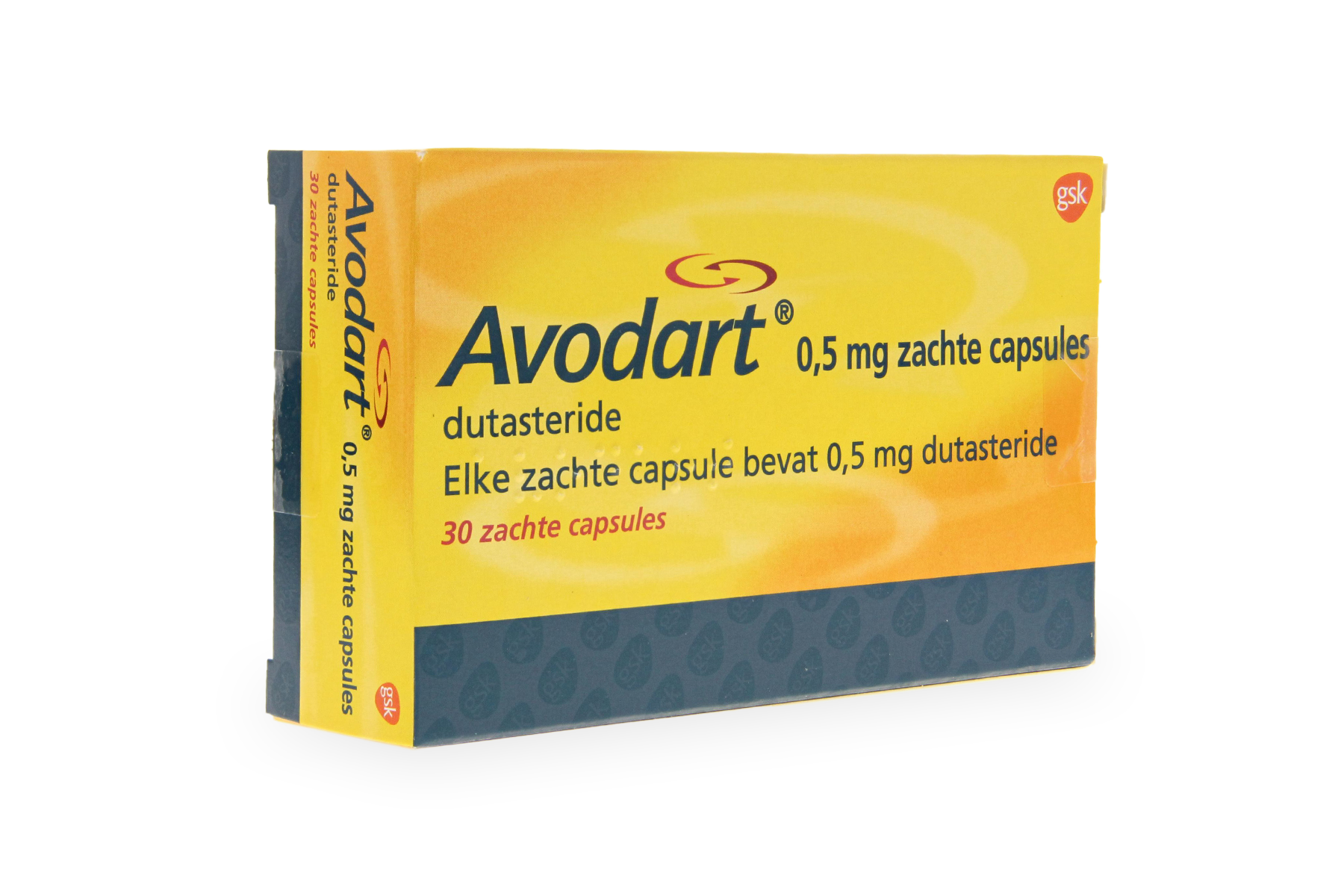
Avodart
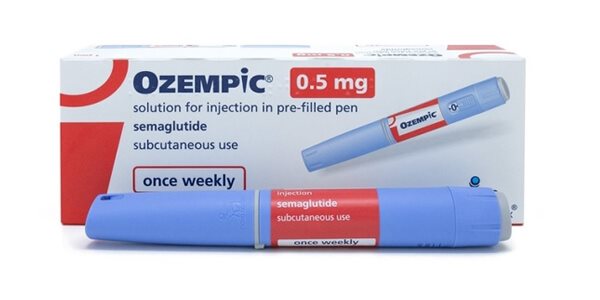
Ozempic

Nuvaring
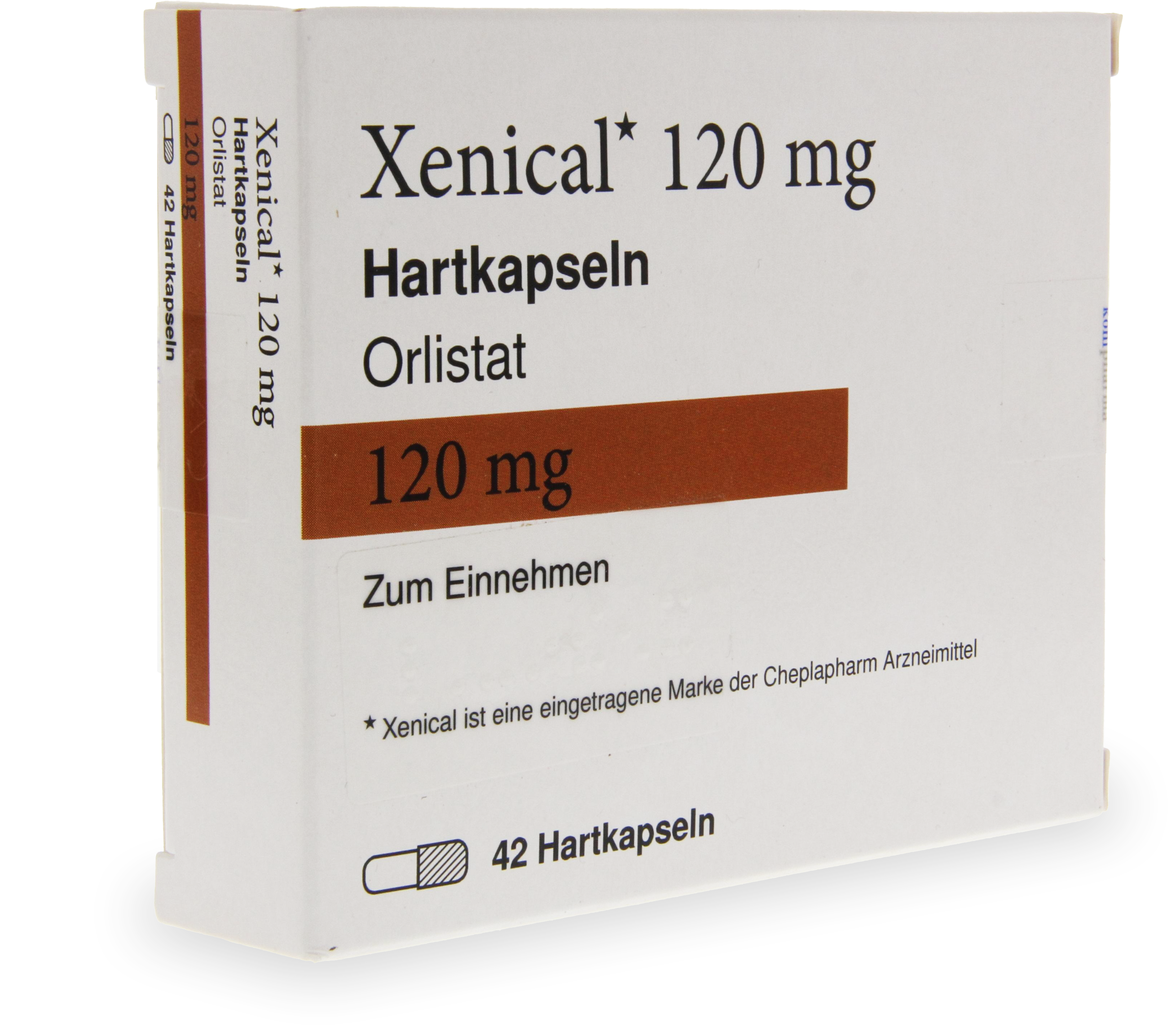
Xenical

Fluconazole

Yasmin
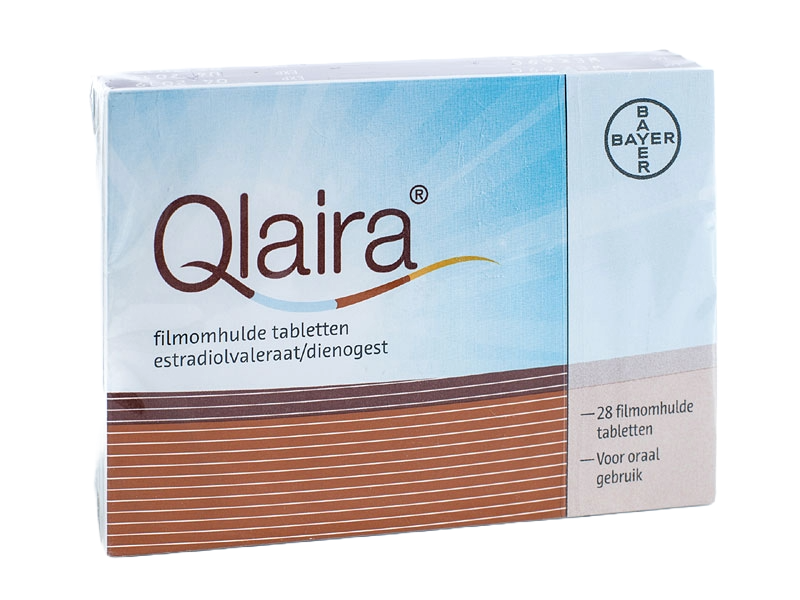
Qlaira
Ciprofloxacin
Utrogestan
Priligy
Furosemide
Omeprazole
Pantoprazole

Sildenafil
Seretide
Symbicort Turbuhaler
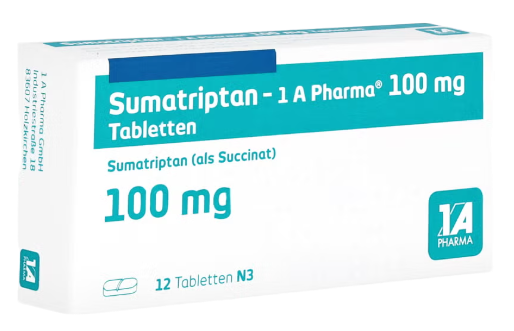
Sumatriptan
Betnovate
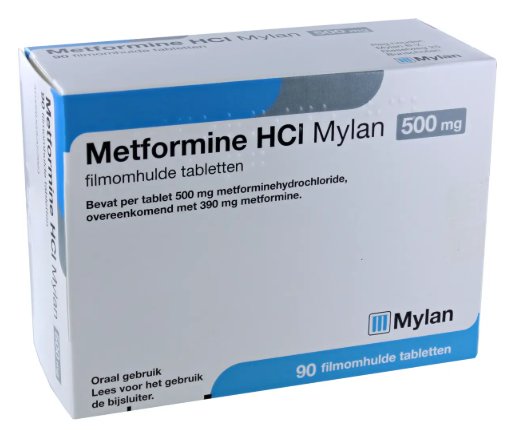
Metformin
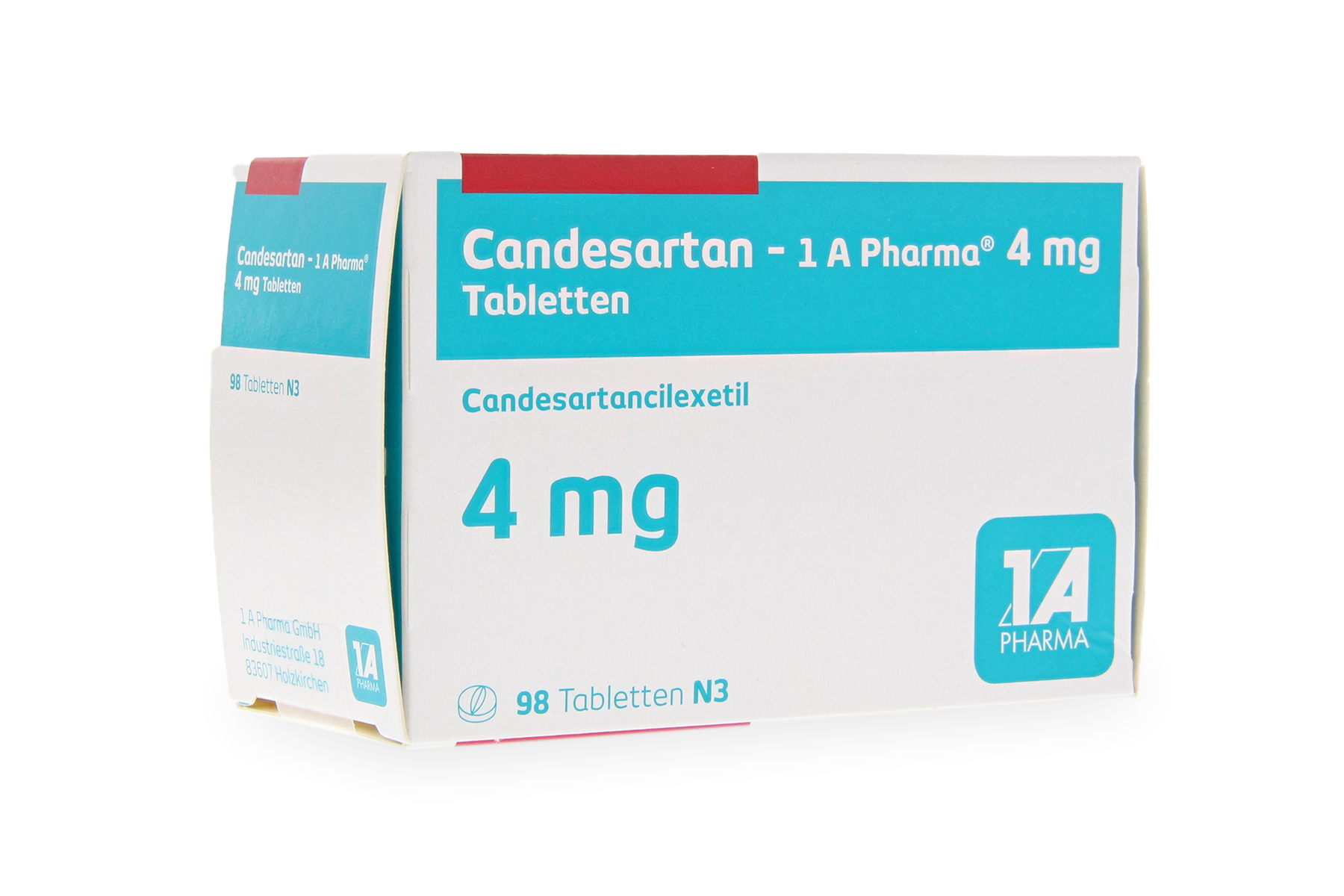
Candesartan
Omacor
Enalapril
Ramipril
Atorvastatin
Dymista
Mirvaso

Spedra
Salbutamol
Orlistat

Vagifem
Marvelon
Desloratadine
Arcoxia
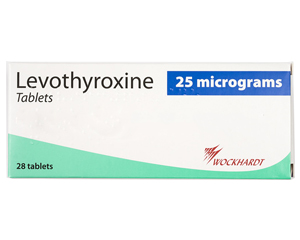
Levothyroxine
Mercilon
Adenuric

Metoclopramide
Tadalafil
Valsartan
Spironolactone
Eliquis
Xarelto

Vardenafil
Allopurinol
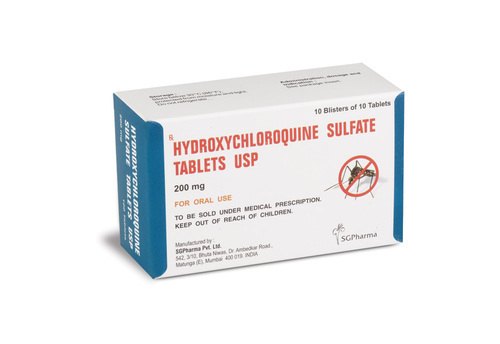
Hydroxychloroquine
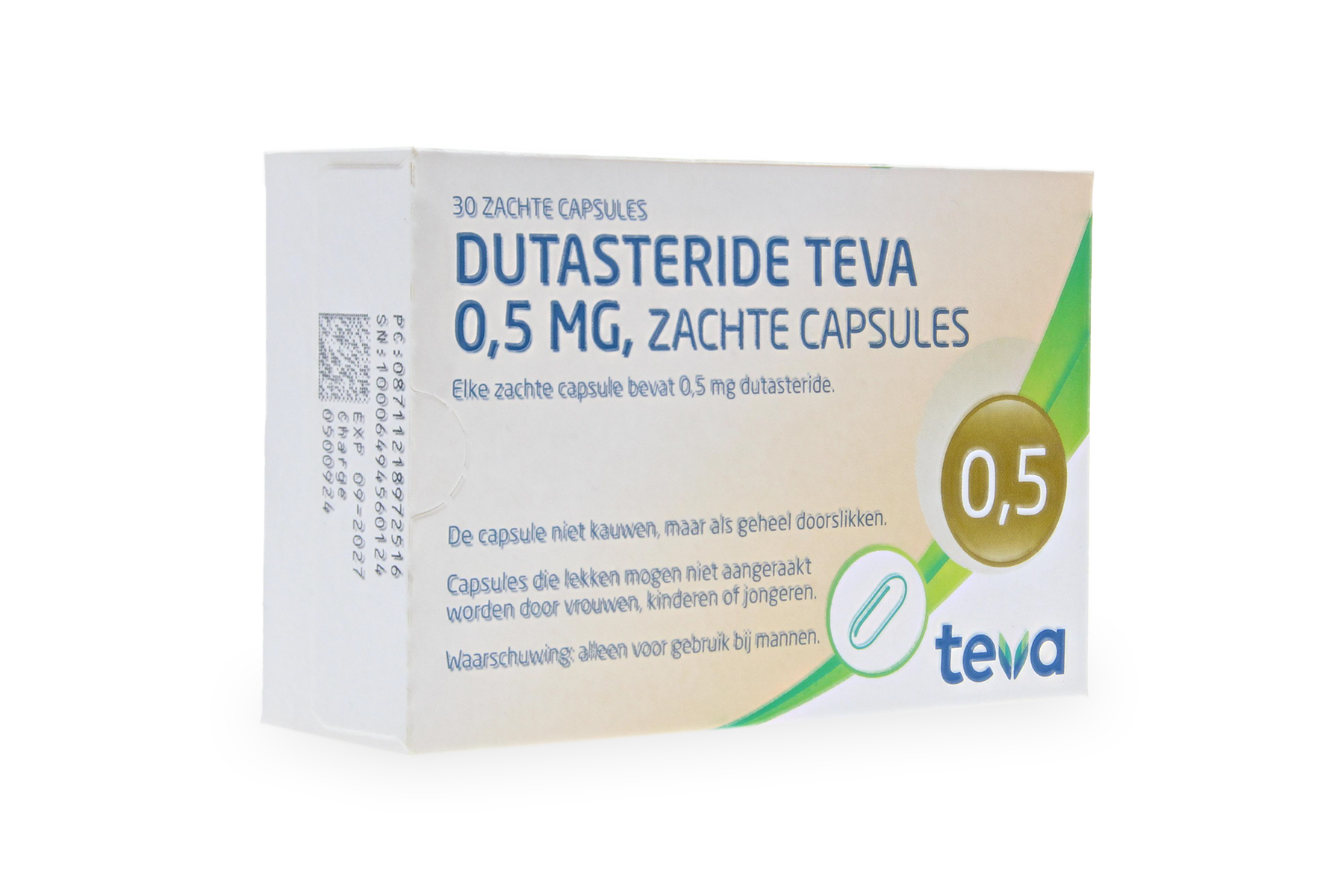
Dutasteride
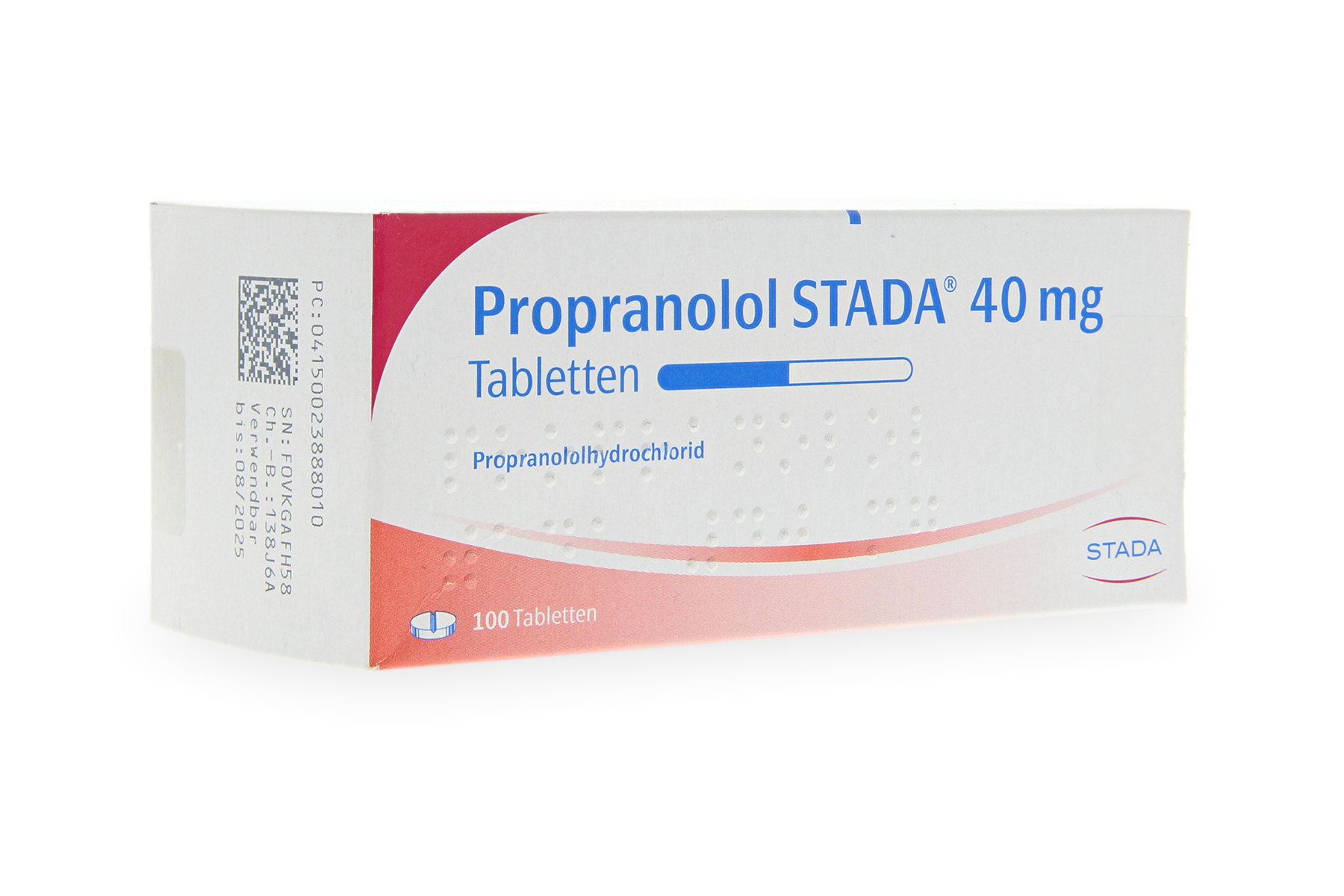
Propranolol

Wegovy
Circadin
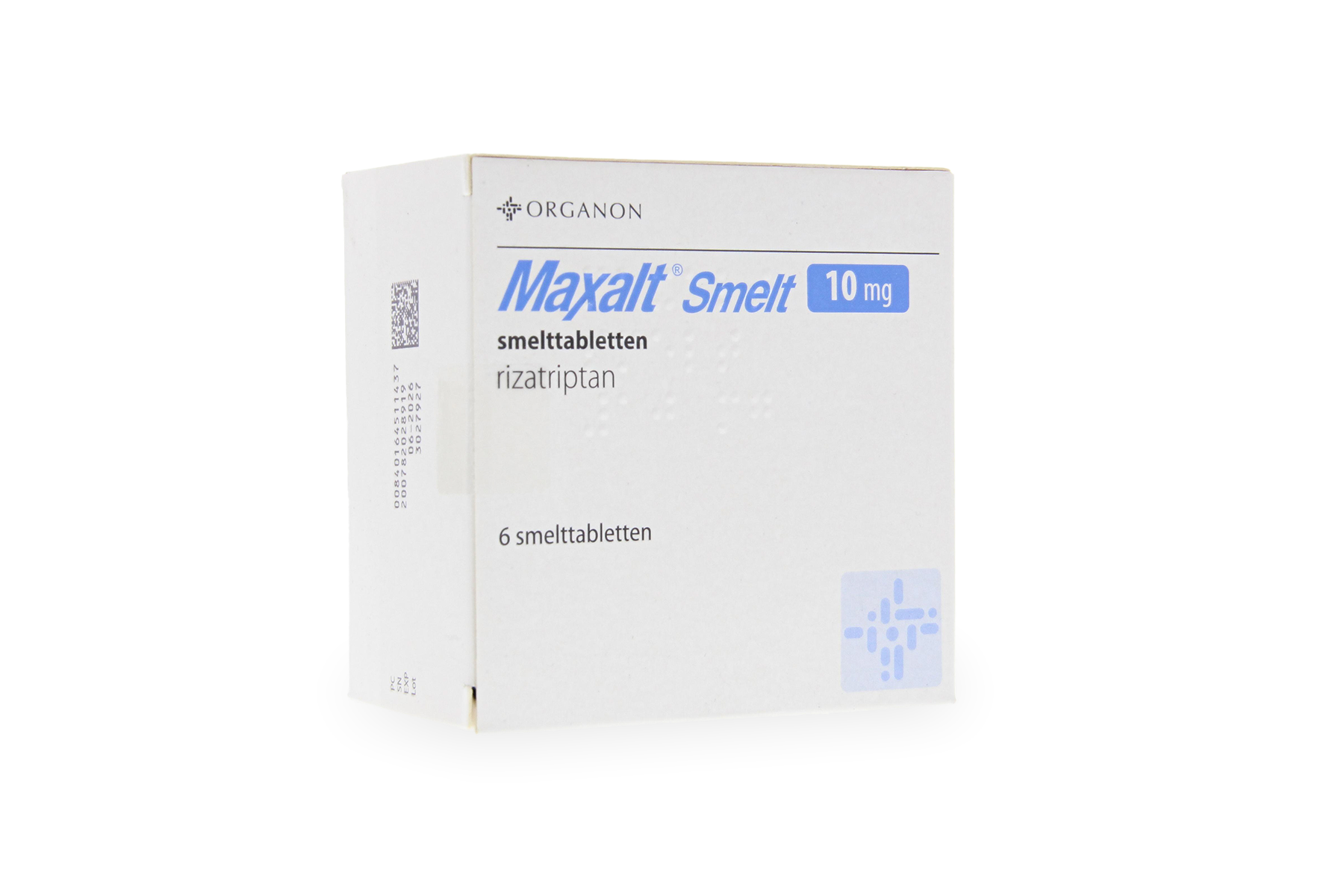
Maxalt
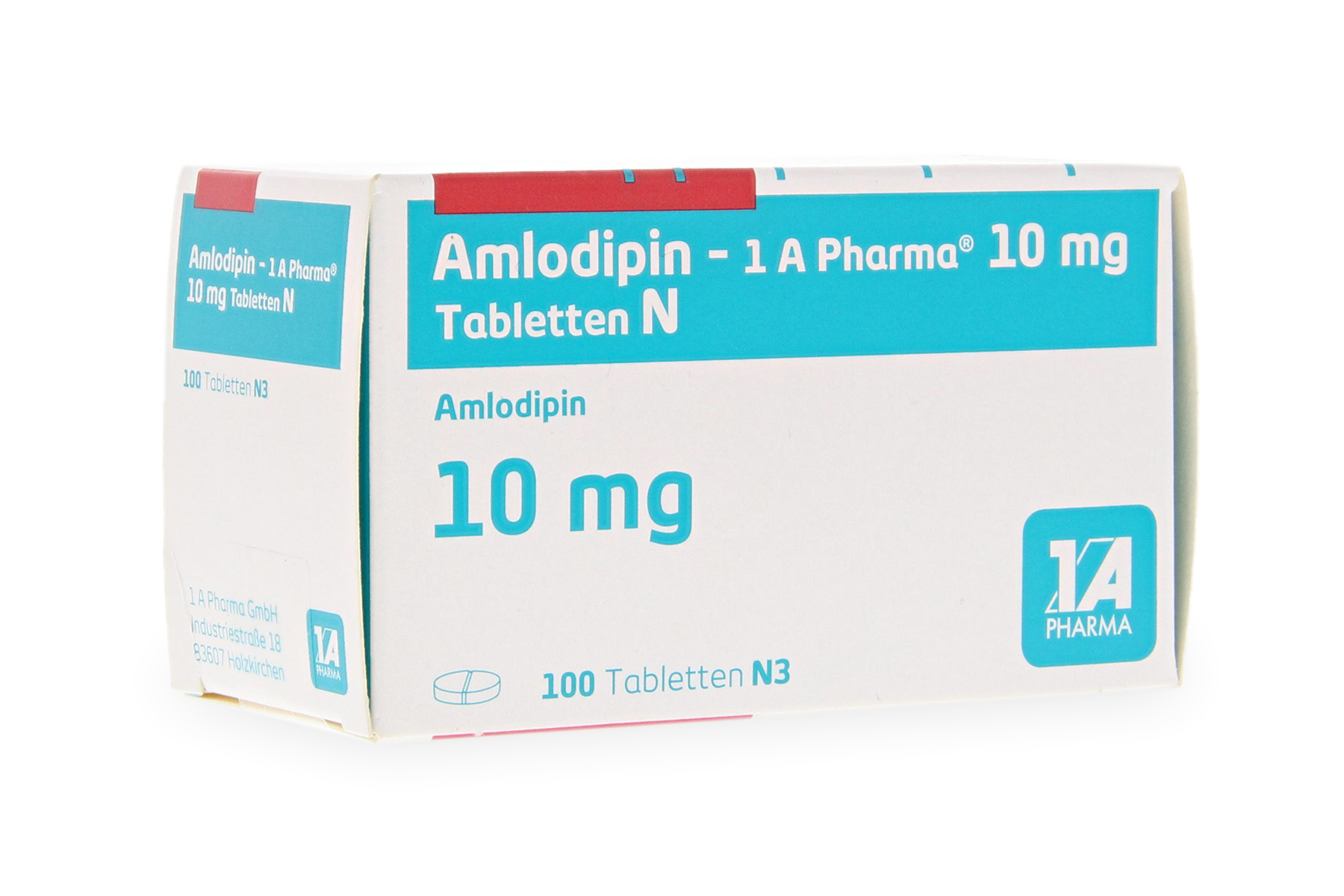
Amlodipine
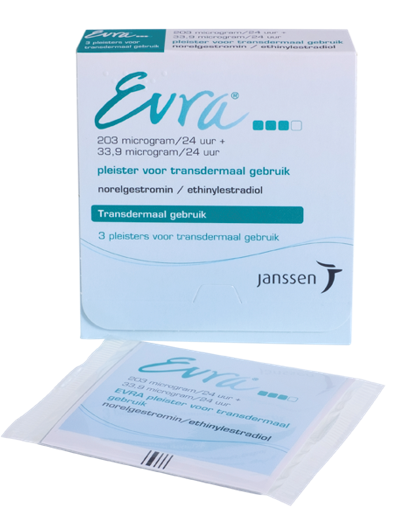
Evra Patches

Mounjaro

Dermovate

Cerazette

Viagra

Melatonin
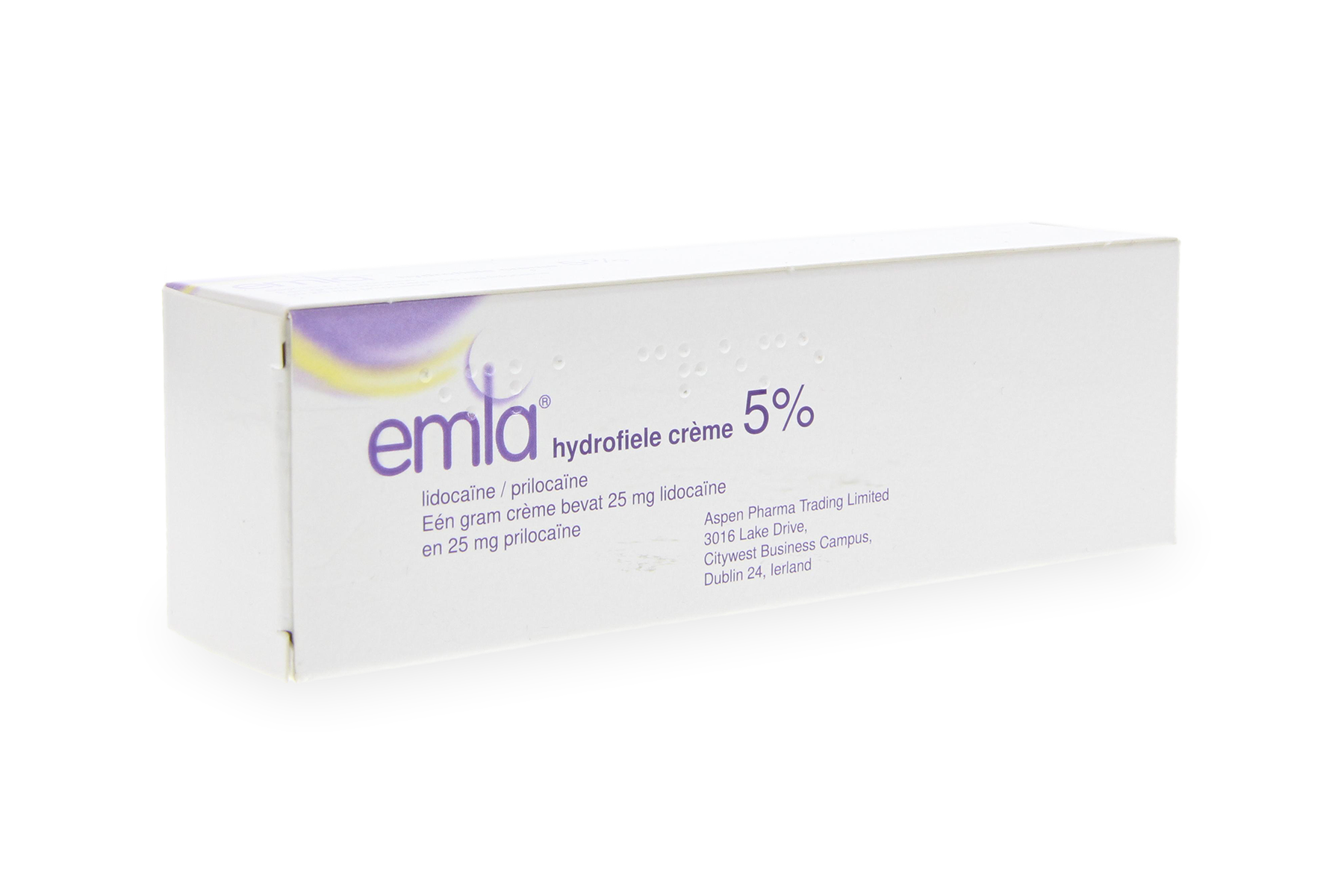
Emla Cream
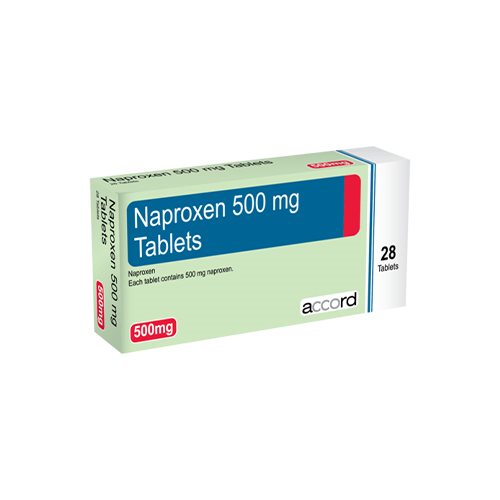
Naproxen

Ventolin

Bricanyl Turbohaler
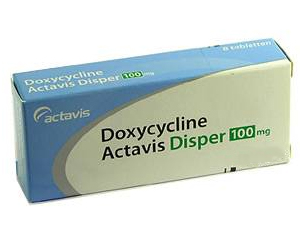
Doxycycline (Malaria)
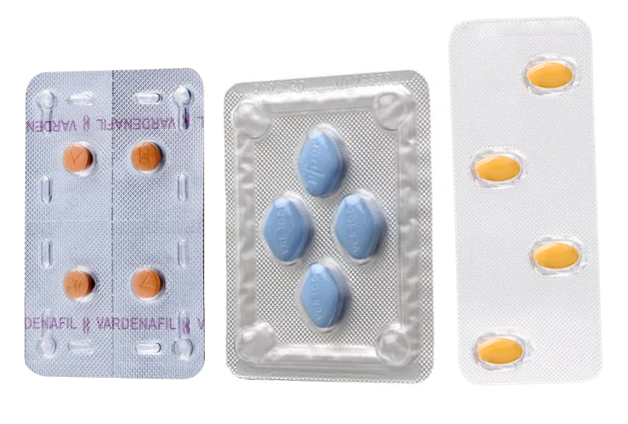
Impotence Trial Pack

Microgynon 30

Fucidin

Bisoprolol
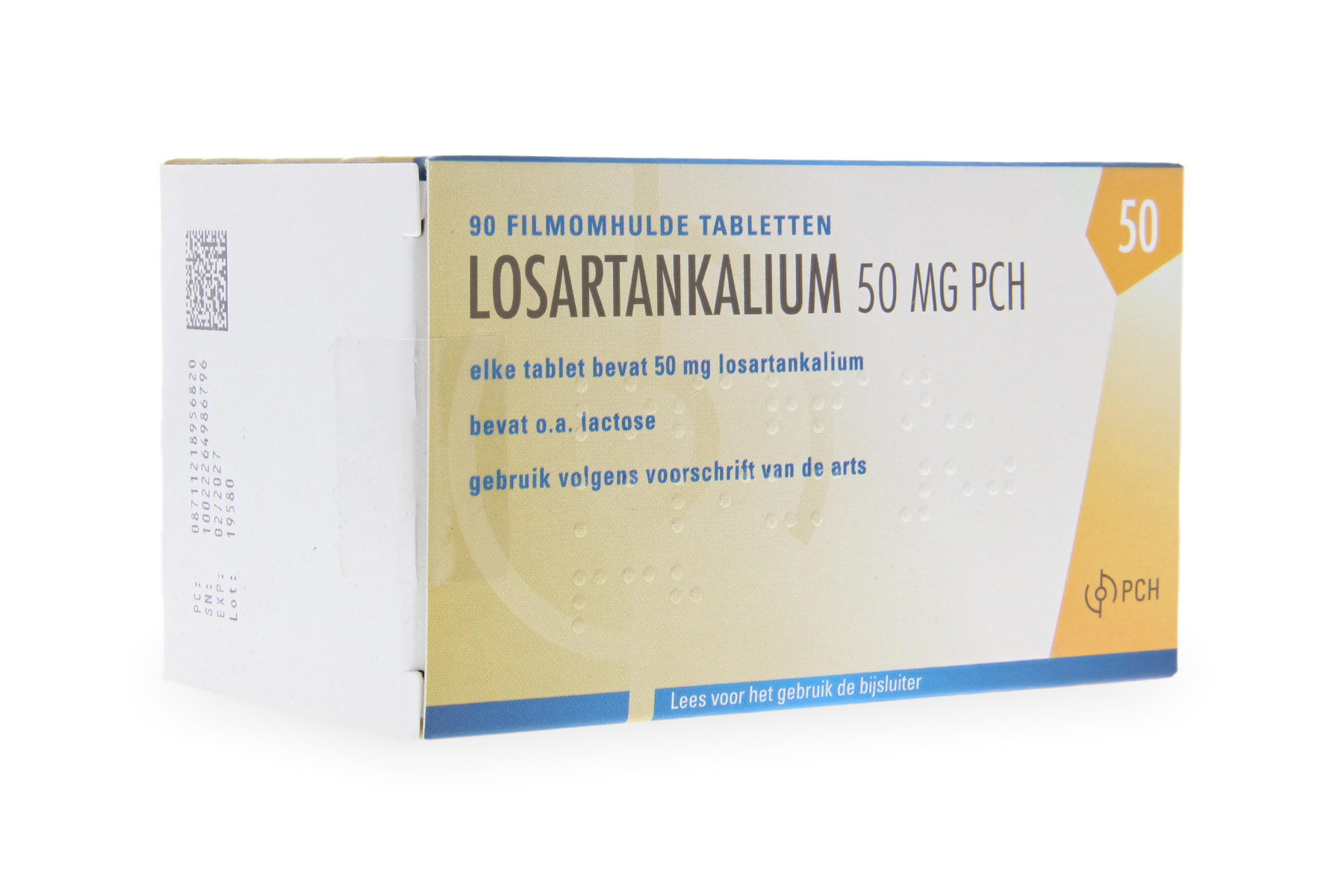
Losartan

Pulmicort Turbohaler
Avamys

Telfast
Vitaros

Zyloric
Kliovance

Bactroban
Elocon
Clindamycin
Montelukast
Aciclovir
Proscar

Differin
Nasonex Nasal Spray

Propecia
Clonidine
Femoston
Oestrogel
Tamsulosin MR
Azyter
Esomeprazole
Proscar (Finasteride)
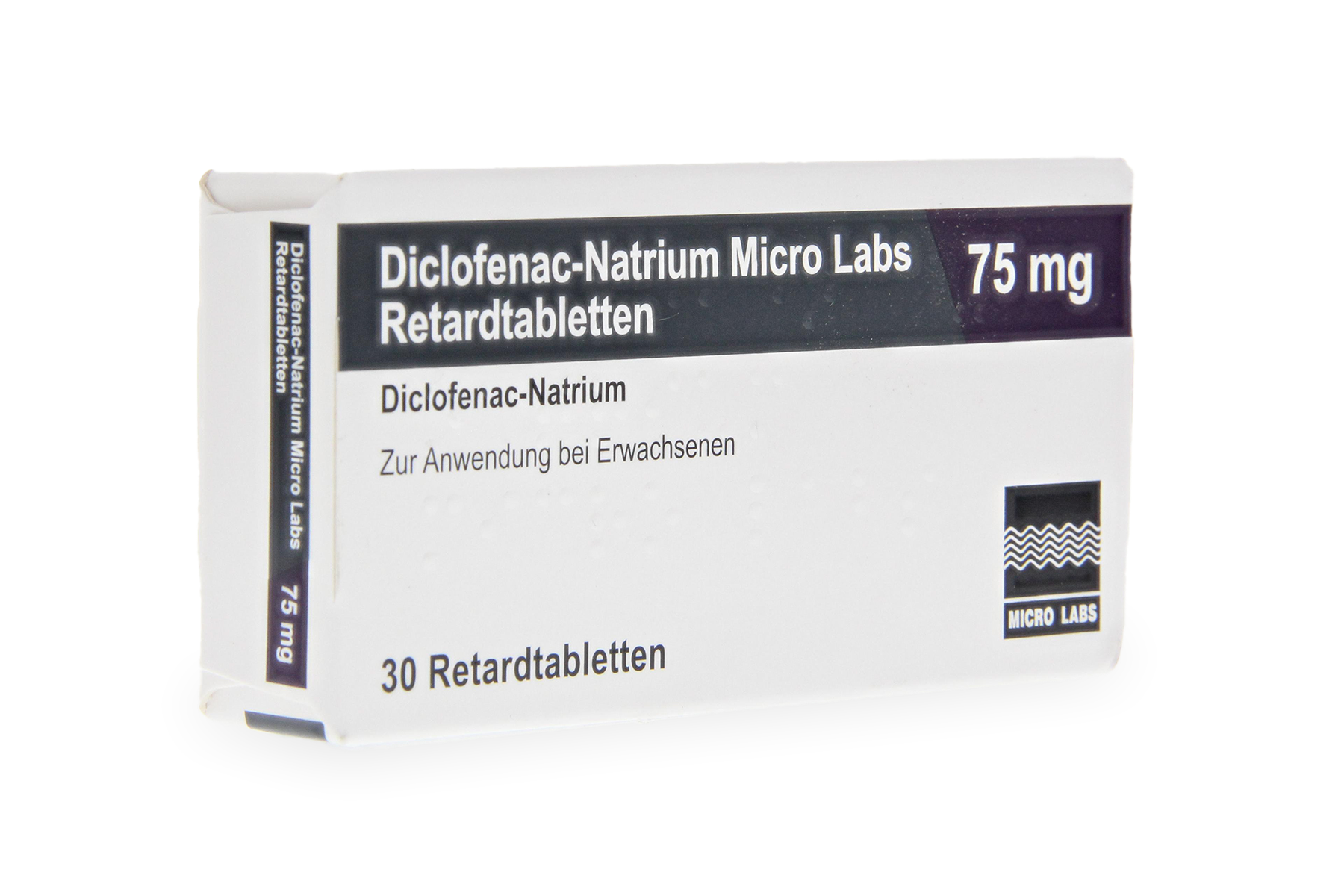
Diclofenac SR

Diflucan
Crestor
Lansoprazole
Vesicare
Flixotide
Serevent
Atenolol
Janumet
Zomig
Thyroid Treatments
The Thyroid and Its Role in the Body
The thyroid is a small, butterfly-shaped gland situated at the front of the neck, just below the Adam's apple. Despite its modest size, it exerts a profound influence on virtually every organ and metabolic process in the body. The hormones it produces, thyroxine (T4) and triiodothyronine (T3), regulate metabolism, heart rate, body temperature, energy levels, and mood.
When the thyroid produces too little hormone, a condition known as hypothyroidism, the body's processes slow down. Symptoms include fatigue, weight gain, cold intolerance, dry skin, hair thinning, constipation, and low mood. Hypothyroidism is particularly common in women and becomes more prevalent with age.
Hyperthyroidism, the opposite condition, occurs when the thyroid is overactive and produces excess hormone. This speeds up metabolism, causing symptoms such as unintentional weight loss, rapid or irregular heartbeat, anxiety, tremor, sweating, and heat intolerance. Graves' disease, an autoimmune condition, is the most common cause in younger adults.
Diagnosis and Blood Tests
Thyroid disorders are diagnosed through a combination of clinical assessment and blood tests. The TSH (thyroid-stimulating hormone) test is the most sensitive initial screening tool. TSH is produced by the pituitary gland and acts as a messenger that tells the thyroid how much hormone to produce. An elevated TSH indicates that the thyroid is underperforming (hypothyroidism), while a suppressed TSH suggests overactivity (hyperthyroidism).
Free T4 and free T3 levels are measured alongside TSH to confirm the diagnosis and gauge severity. Thyroid antibody tests, including anti-TPO and anti-thyroglobulin antibodies, help identify autoimmune causes such as Hashimoto's thyroiditis (the most common cause of hypothyroidism in iodine-sufficient countries) and Graves' disease.
Subclinical thyroid dysfunction, where TSH is abnormal but T4 and T3 remain within the normal range, is a grey area that requires careful clinical judgement. Not all subclinical cases require treatment, but monitoring with repeat blood tests every few months is essential to detect progression to overt disease.
Treatment for Hypothyroidism
The standard treatment for hypothyroidism is daily oral levothyroxine, a synthetic form of the T4 hormone. It is one of the most commonly prescribed medications in the world and, when dosed correctly, restores thyroid hormone levels to normal with minimal side effects. Treatment is usually lifelong.
Dosing is individualised and based on body weight, age, and the severity of the deficiency. Starting doses are typically low and increased gradually, with TSH levels rechecked every six to eight weeks until a stable maintenance dose is achieved. Once stable, annual monitoring is usually sufficient. Levothyroxine should be taken on an empty stomach, ideally 30 to 60 minutes before breakfast, as food, supplements (particularly calcium and iron), and certain medications can impair its absorption.
Most patients feel a significant improvement in energy, mood, and other symptoms within a few weeks of starting treatment. If symptoms persist despite a normal TSH on adequate levothyroxine, it is worth discussing with your prescriber, as factors such as vitamin D deficiency, iron deficiency, and coexisting conditions can mimic hypothyroid symptoms.
Managing Hyperthyroidism
Hyperthyroidism treatment depends on the cause, severity, and patient preference. Anti-thyroid drugs such as carbimazole and propylthiouracil reduce thyroid hormone production and are often the first-line treatment, particularly for Graves' disease. A course of 12 to 18 months can induce long-term remission in around half of patients.
Radioactive iodine therapy is a highly effective option that selectively destroys overactive thyroid tissue. It is administered as a single oral dose and works gradually over several weeks to months. The majority of patients eventually become hypothyroid after radioactive iodine treatment and will need lifelong levothyroxine replacement.
Surgery (thyroidectomy) is reserved for large goitres, suspected malignancy, or cases where other treatments are unsuitable or have failed. Beta-blockers such as propranolol are often prescribed in the short term to control symptoms like palpitations, tremor, and anxiety while definitive treatment takes effect. Regular monitoring with blood tests is essential throughout treatment to guide dose adjustments and detect relapses.
Living with a Thyroid Condition
With appropriate treatment and monitoring, most people with thyroid disorders lead completely normal lives. The key is consistency: taking medication at the same time each day, attending regular blood tests, and reporting any new or recurring symptoms to your healthcare provider.
Certain life events and changes in health status may require dose adjustments. Pregnancy, for example, increases the body's demand for thyroid hormone, and women on levothyroxine should have their dose reviewed as soon as pregnancy is confirmed. Significant weight changes, new medications, and gastrointestinal conditions that affect absorption are other common reasons for reassessment.
Repeat prescriptions for levothyroxine and other thyroid medications can be conveniently ordered through regulated online pharmacy services, provided you have recent blood test results confirming that your dose remains appropriate. If you are newly diagnosed or experiencing uncontrolled symptoms, however, a face-to-face review with your GP or endocrinologist is the safest course of action.
Frequently Asked Questions
How is hypothyroidism treated?
Can I get thyroid medication prescribed online?
When should I take levothyroxine?
How often should thyroid levels be checked?
Dr. Ross Elledge
General Practitioner · General & Family Medicine
Verified Healthcare Professional
TopDoctors ProfileThis website provides general information about medicines for educational purposes only. Always consult your doctor or pharmacist before taking any medication.