
Travel Health Treatments
Protecting your health while travelling is essential, particularly when visiting tropical or developing regions. Antimalarial medications, travel sickness treatments and altitude sickness prevention can all be prescribed online before your trip.
Antimalarials should be started before entering a malaria zone
Altitude sickness prevention for high-altitude travel
Travel sickness medications for air, sea and road travel
Order well in advance of your departure date

Cialis
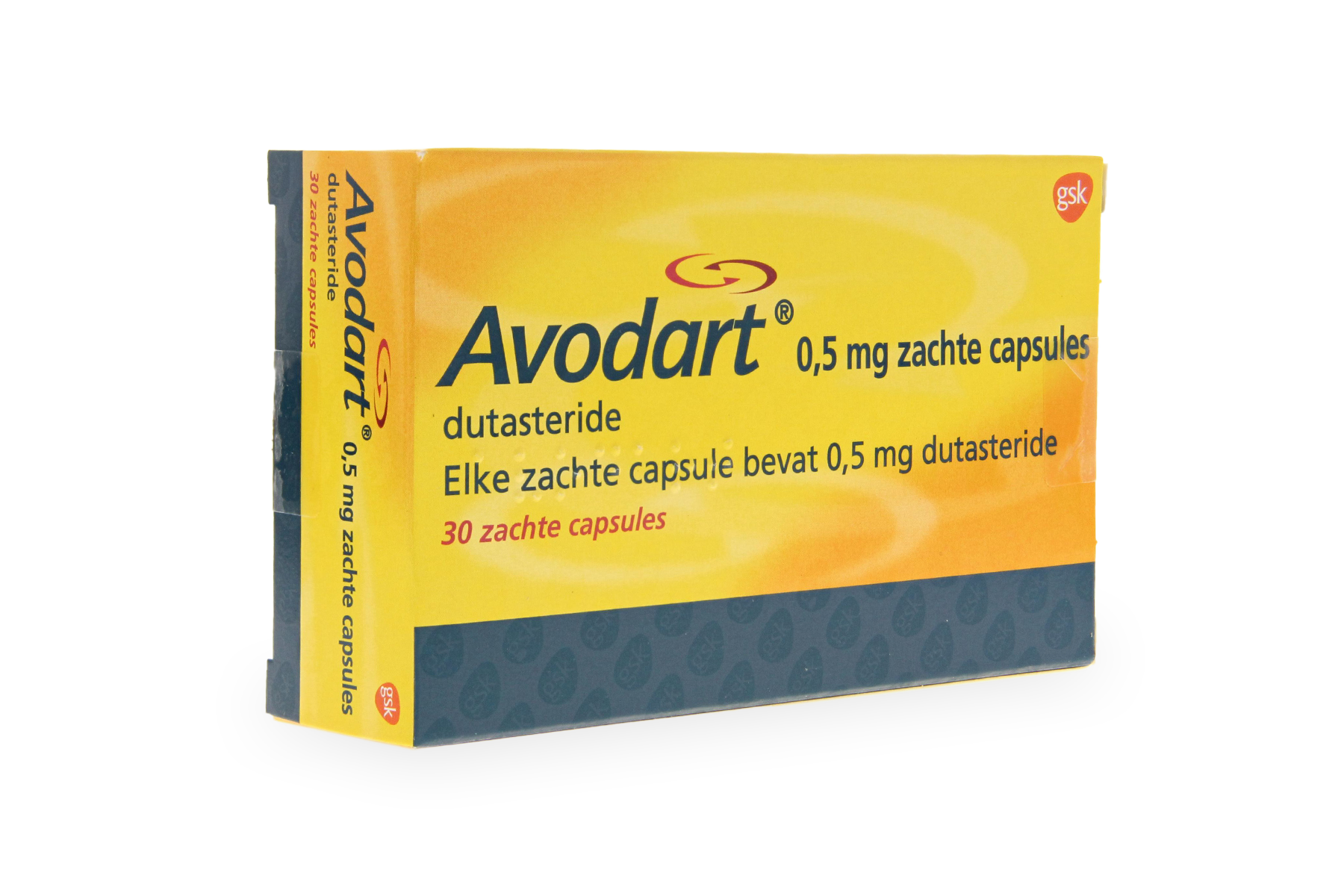
Avodart
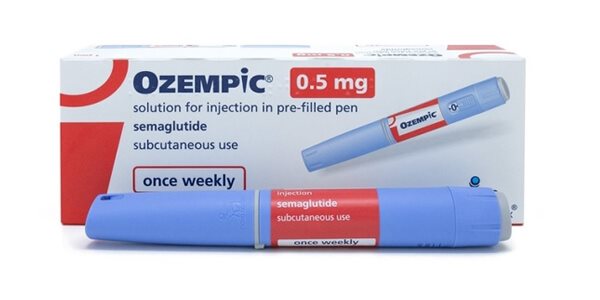
Ozempic

Nuvaring
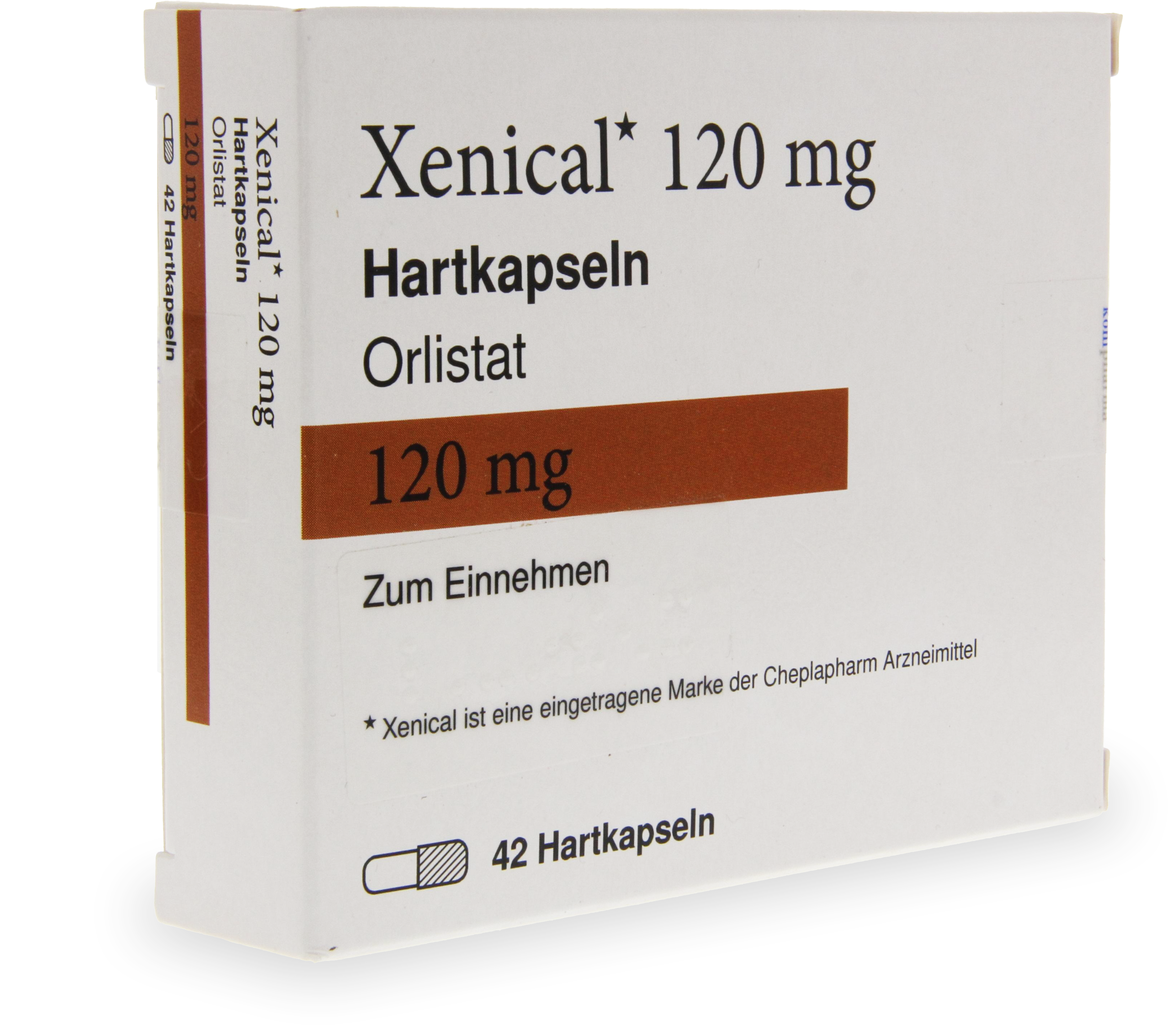
Xenical
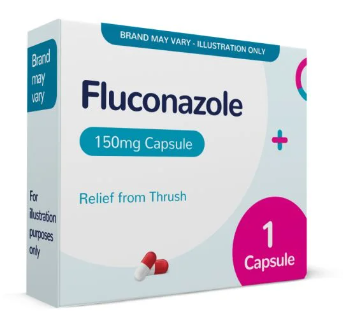
Fluconazole
Yasmin
Qlaira
Ciprofloxacin
Utrogestan
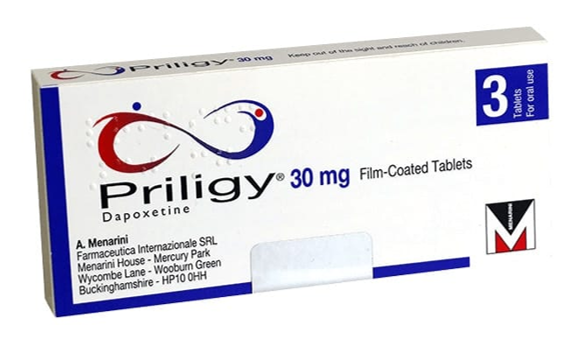
Priligy
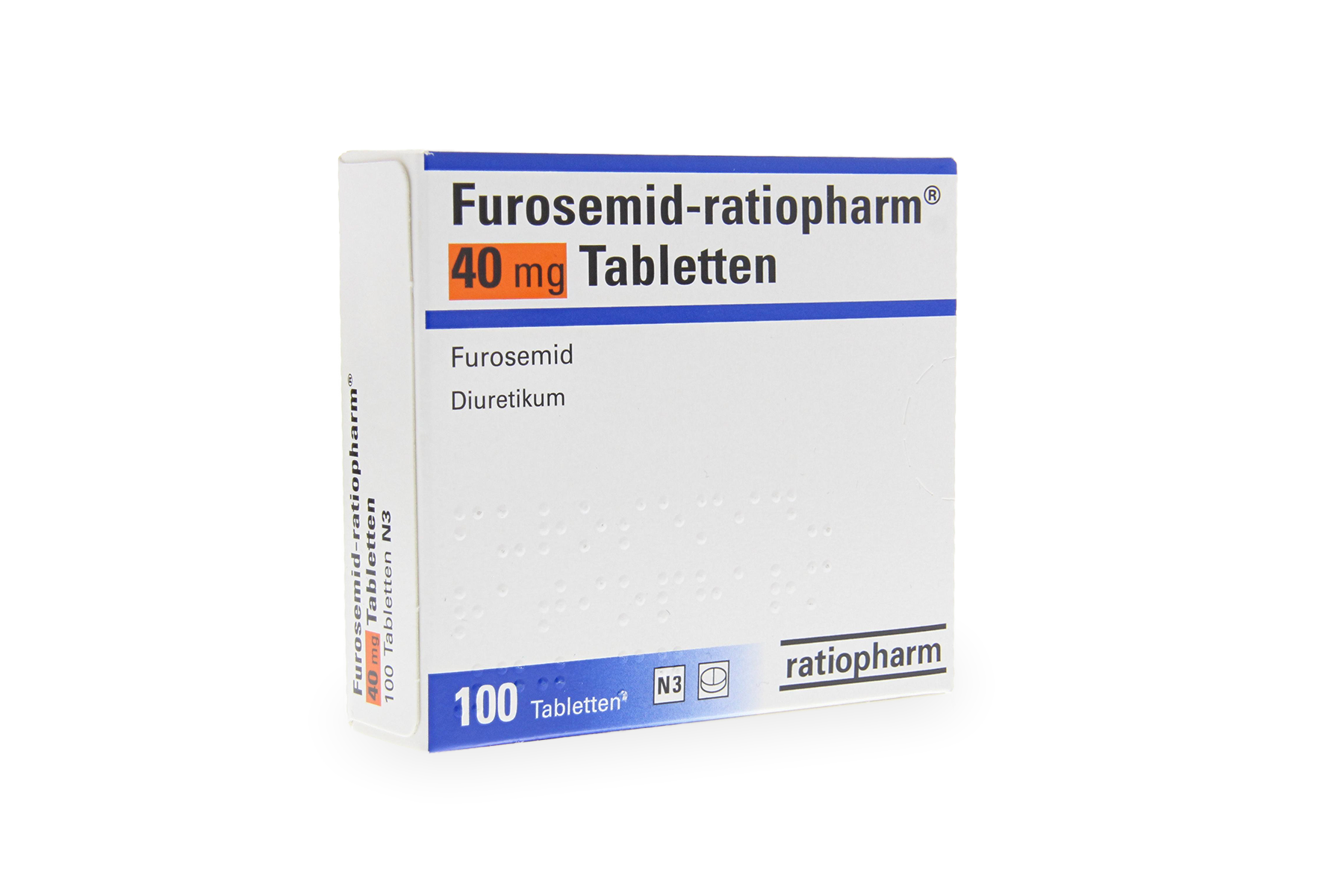
Furosemide
Omeprazole
Pantoprazole

Sildenafil
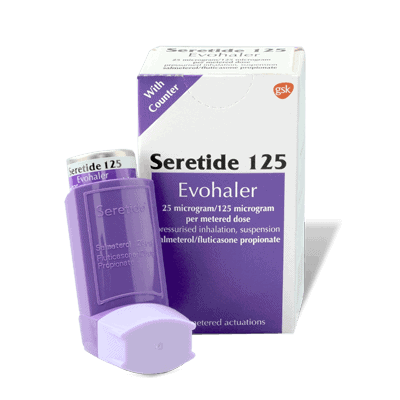
Seretide
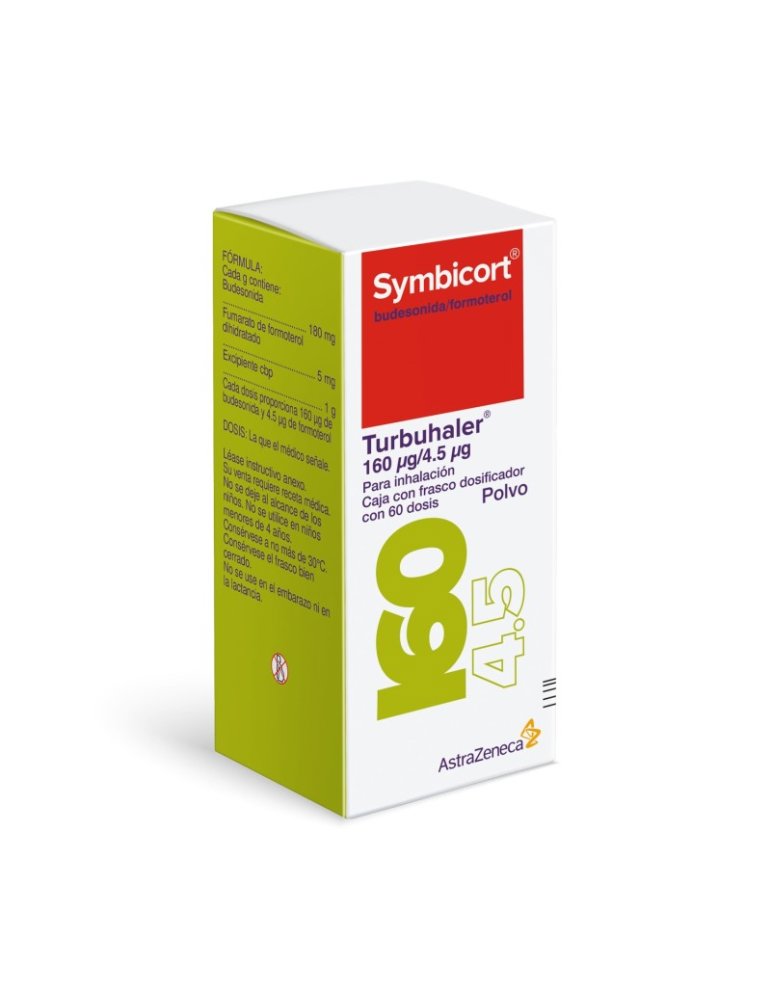
Symbicort Turbuhaler
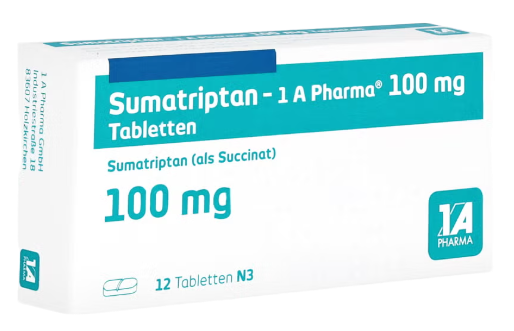
Sumatriptan
Betnovate
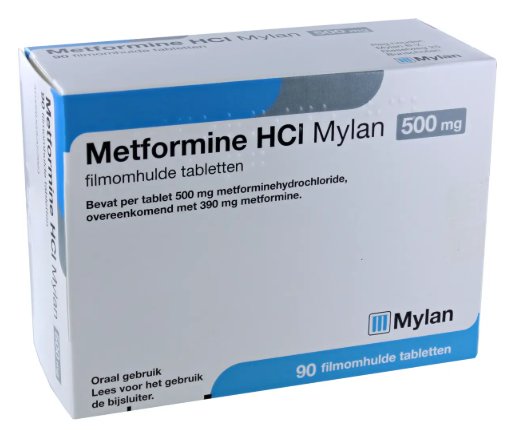
Metformin
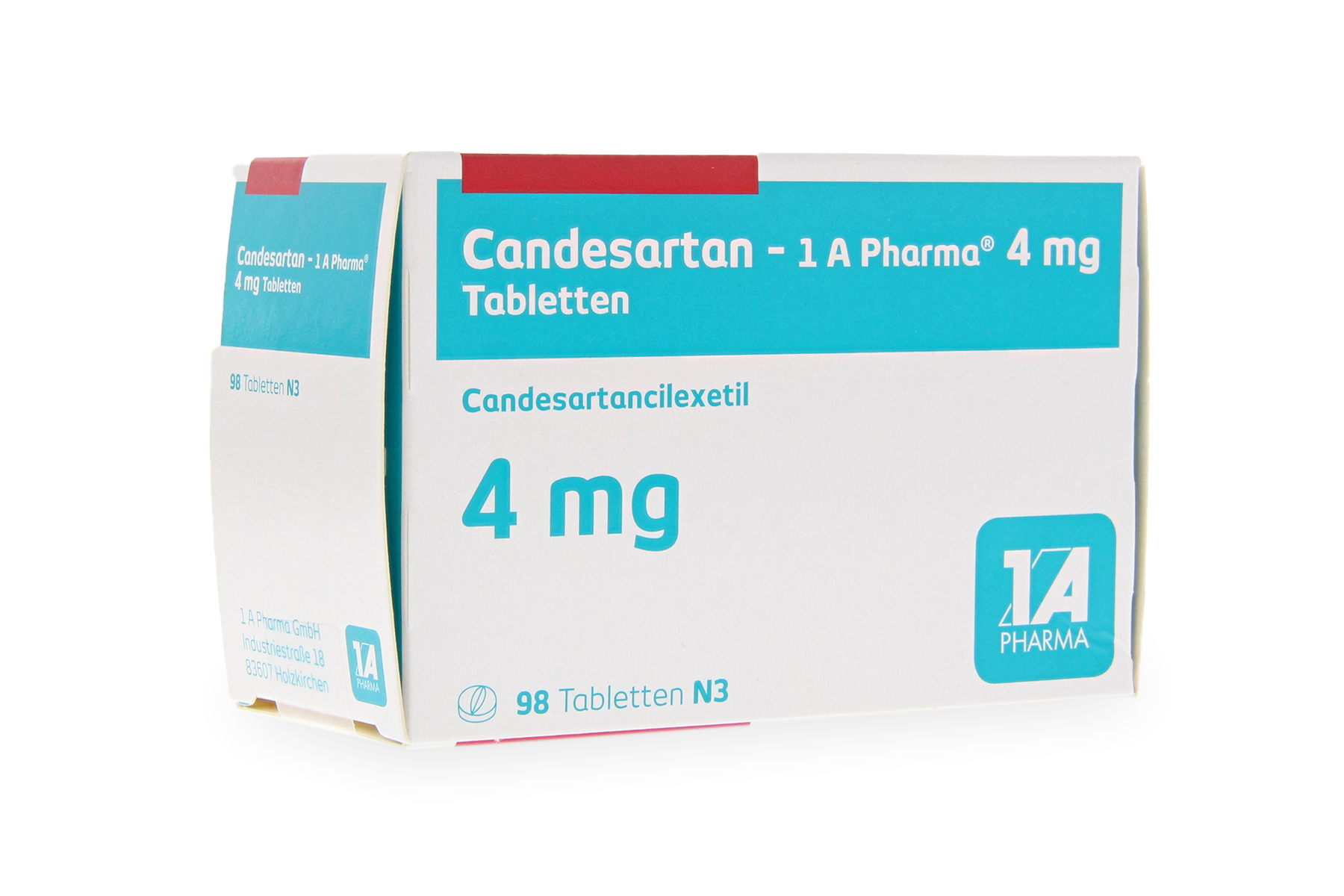
Candesartan
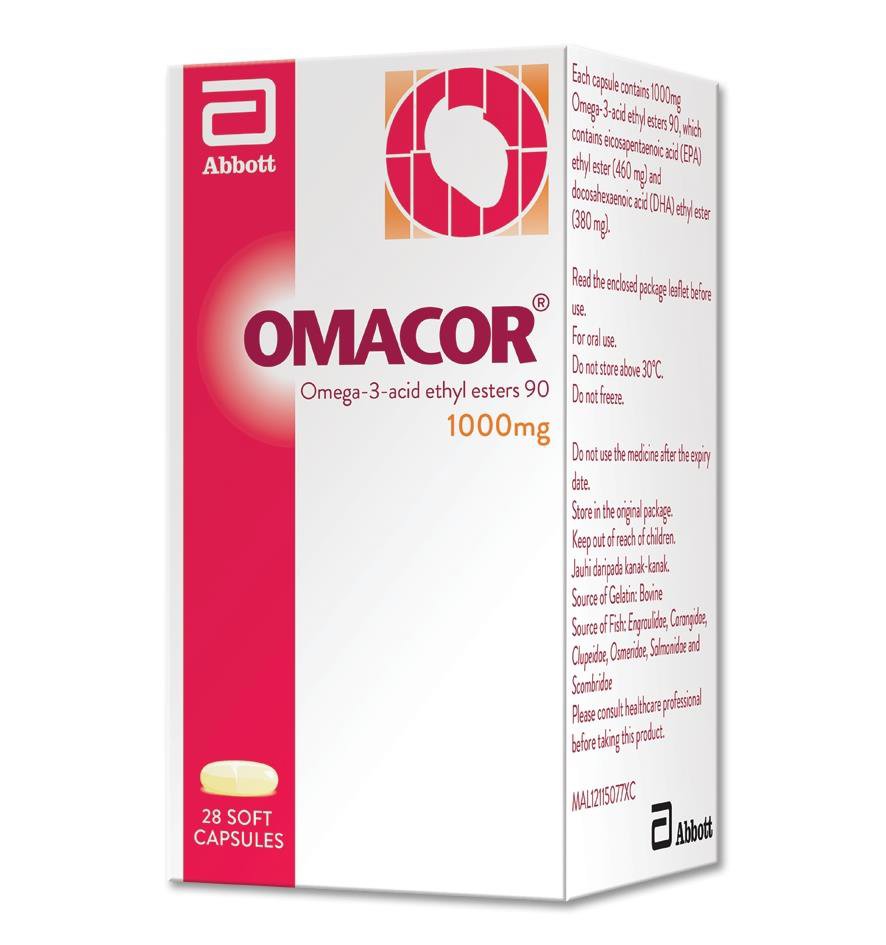
Omacor
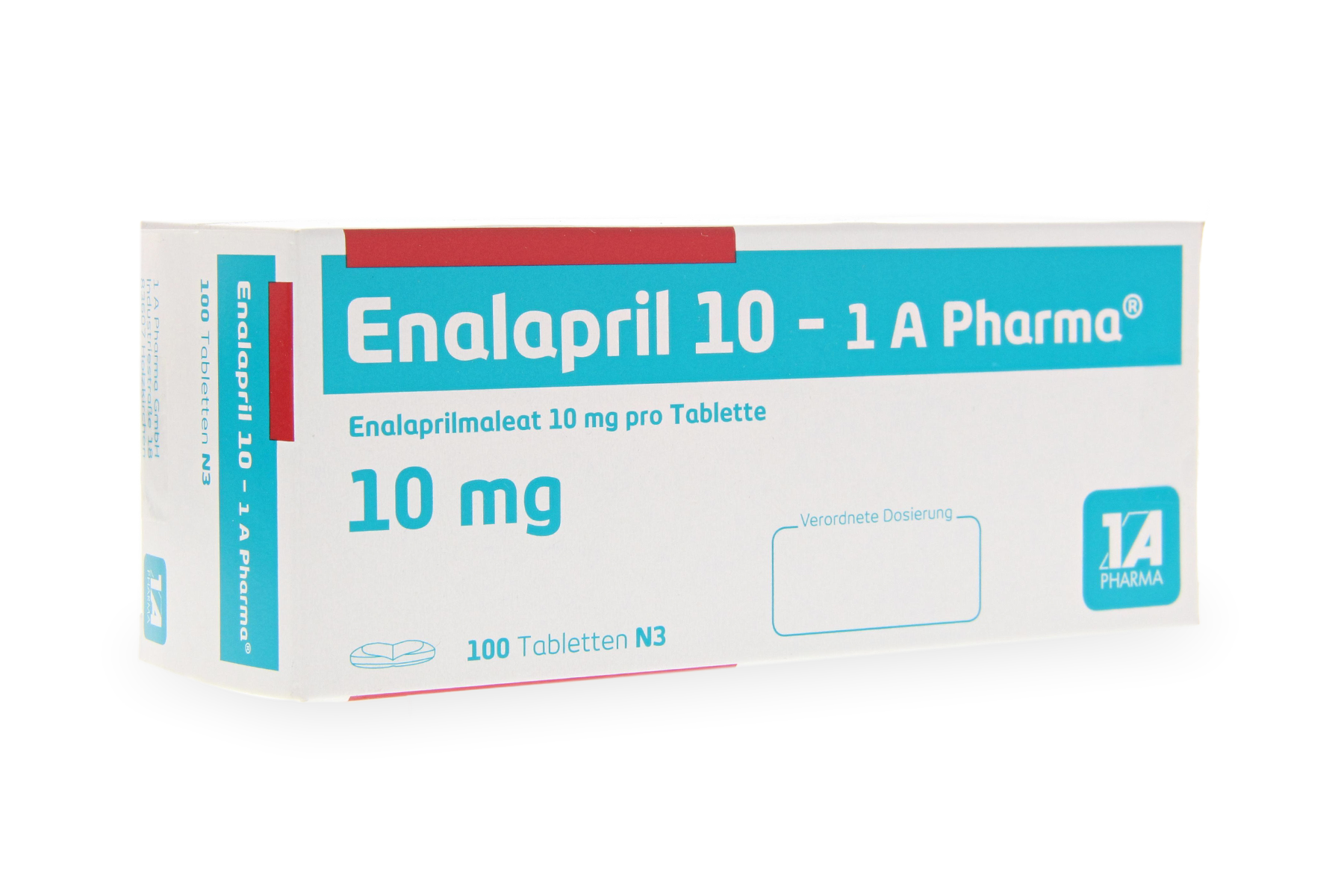
Enalapril
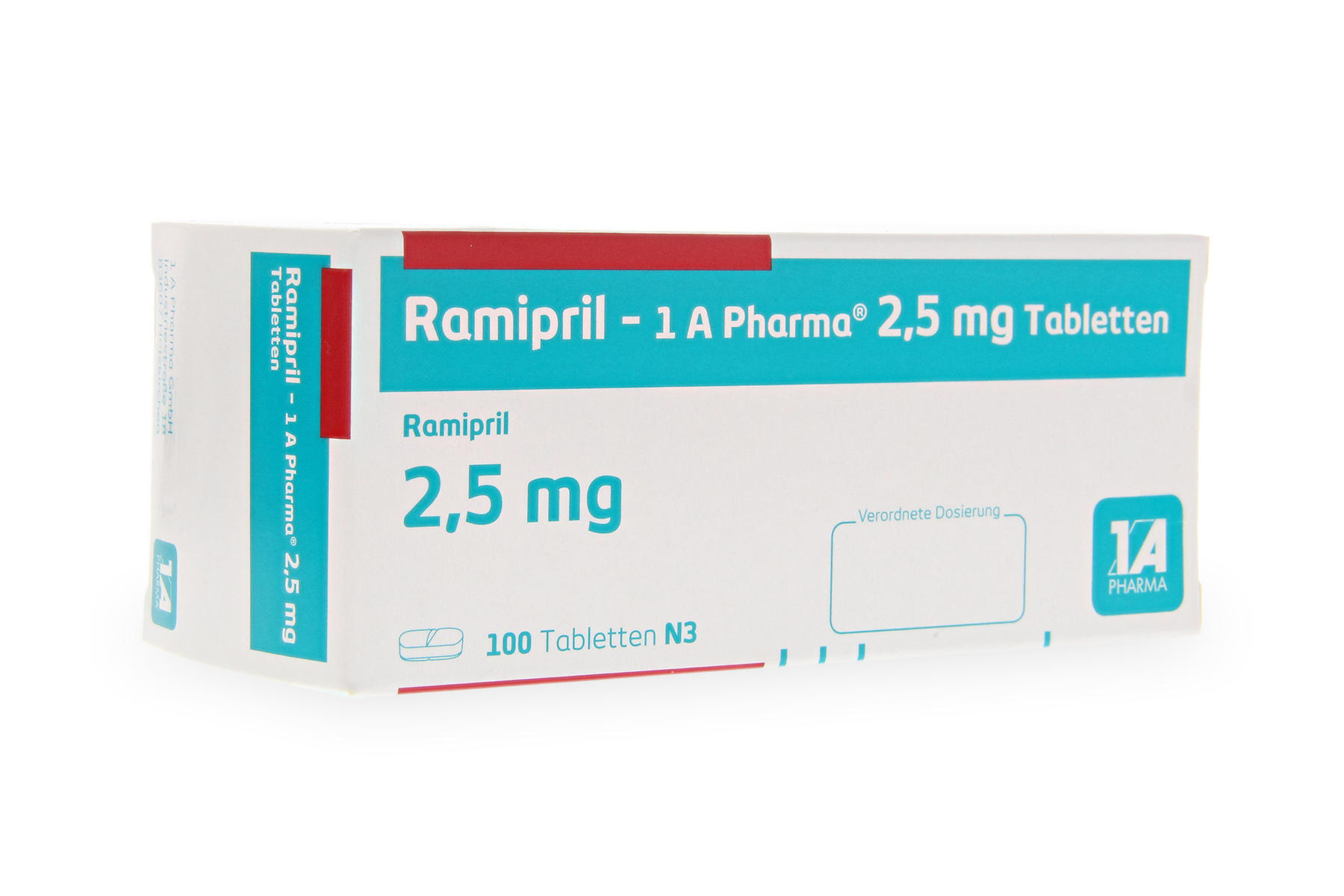
Ramipril
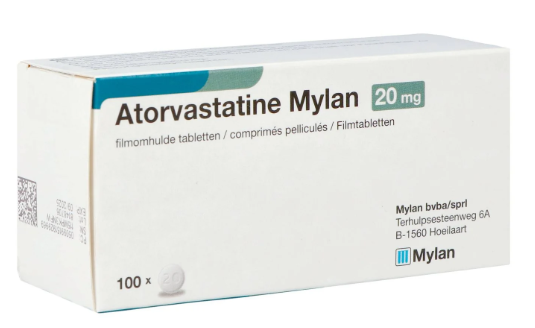
Atorvastatin
Dymista
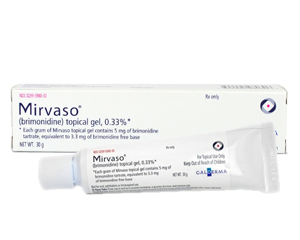
Mirvaso

Spedra
Salbutamol
Orlistat
Vagifem
Marvelon
Desloratadine
Arcoxia
Levothyroxine
Mercilon
Adenuric

Metoclopramide
Tadalafil
Valsartan
Spironolactone
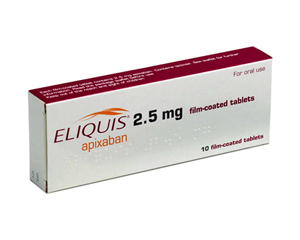
Eliquis
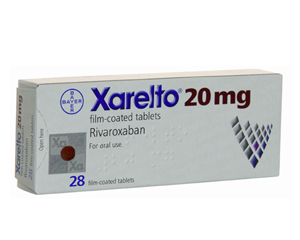
Xarelto

Vardenafil
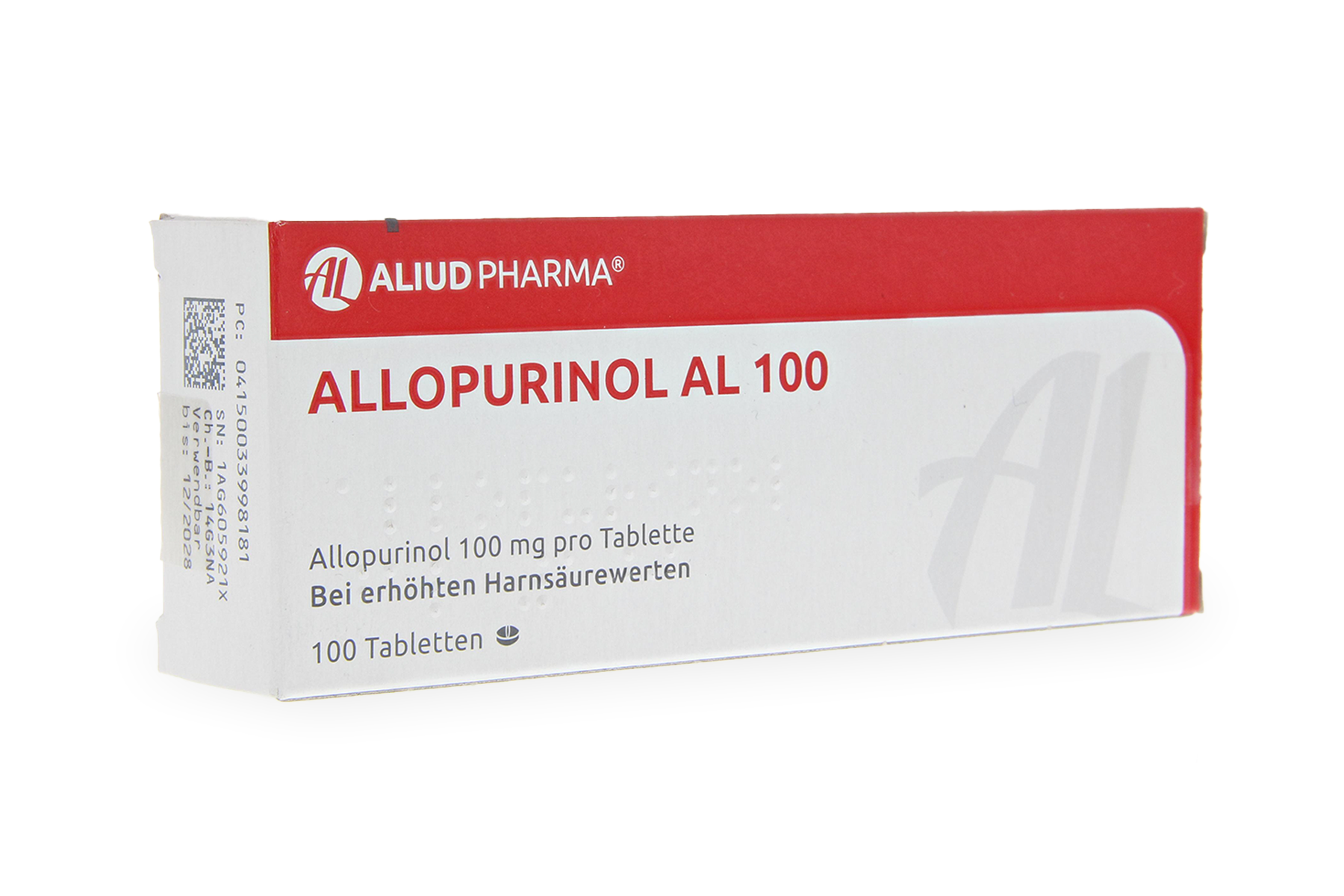
Allopurinol
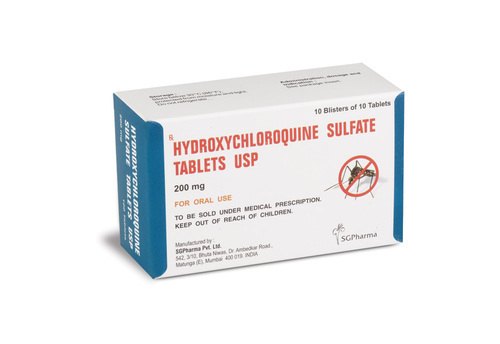
Hydroxychloroquine
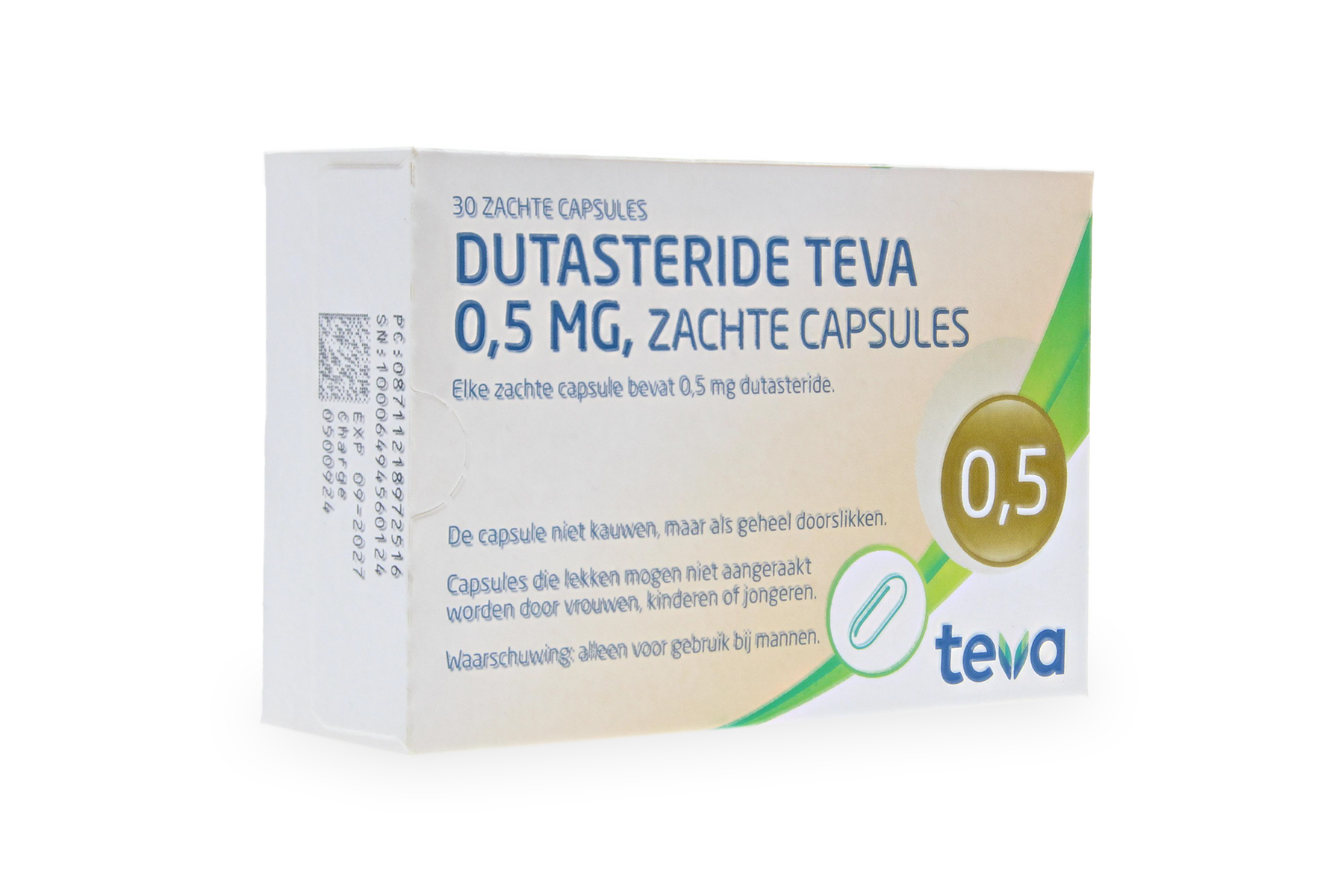
Dutasteride
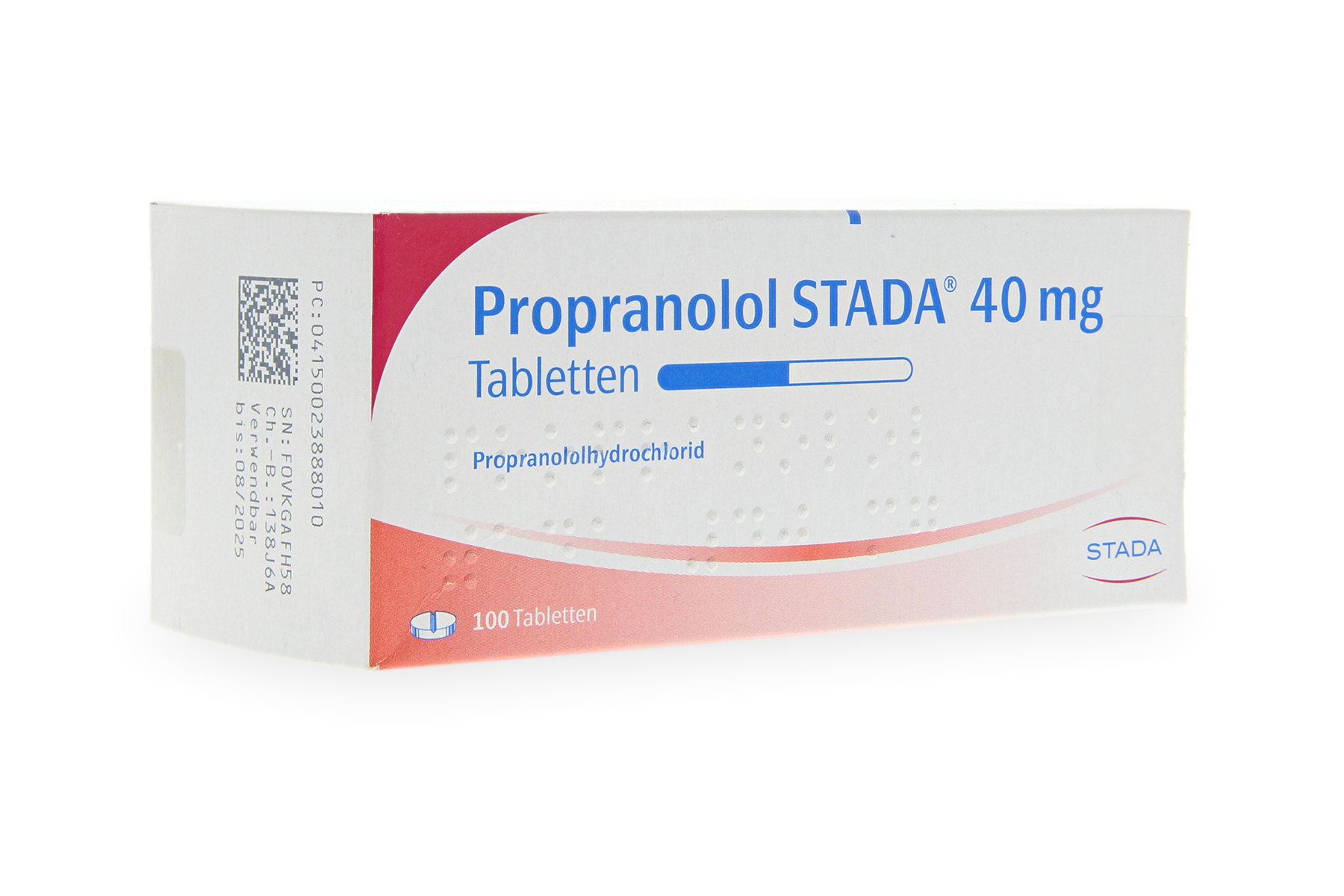
Propranolol

Wegovy
Circadin
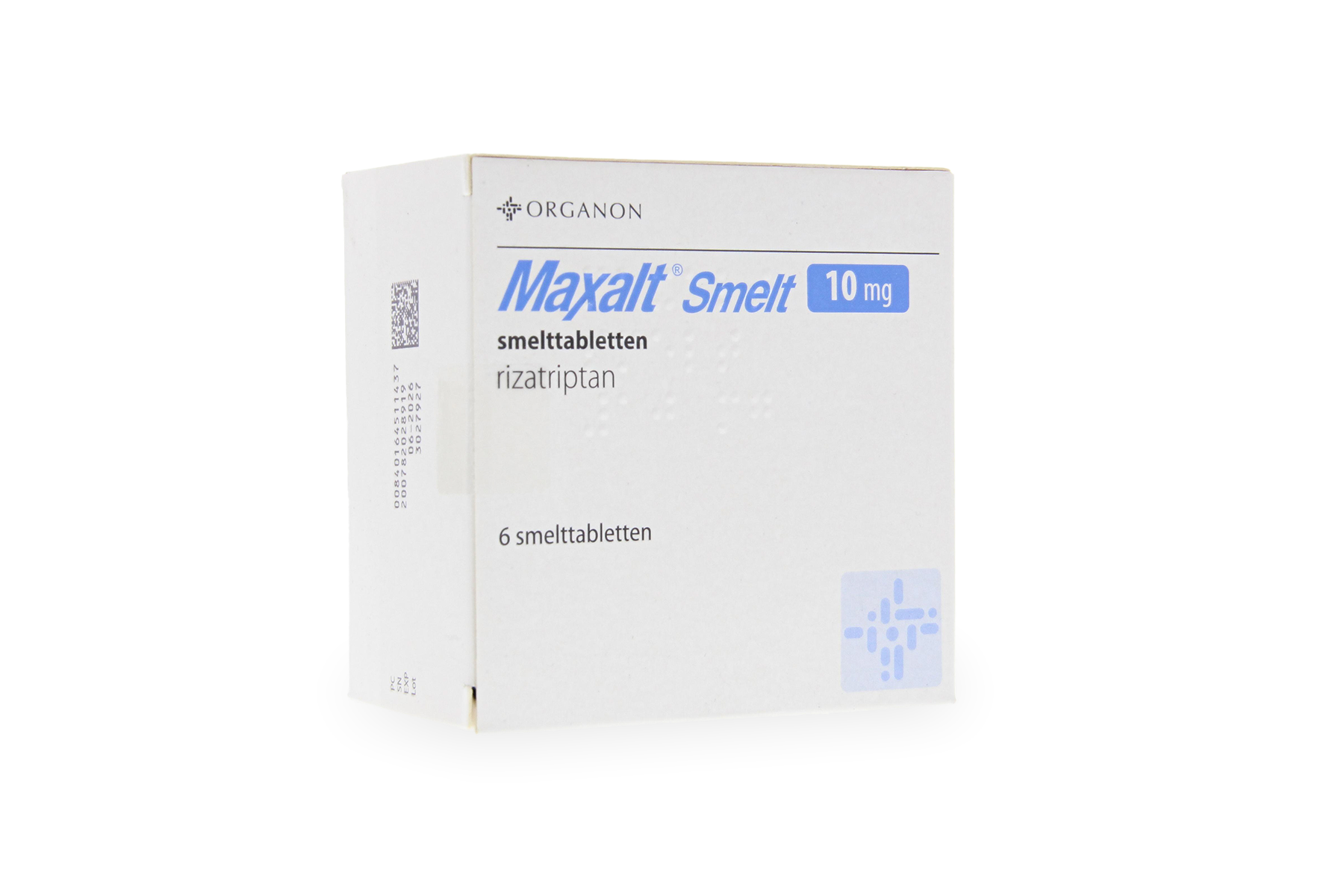
Maxalt
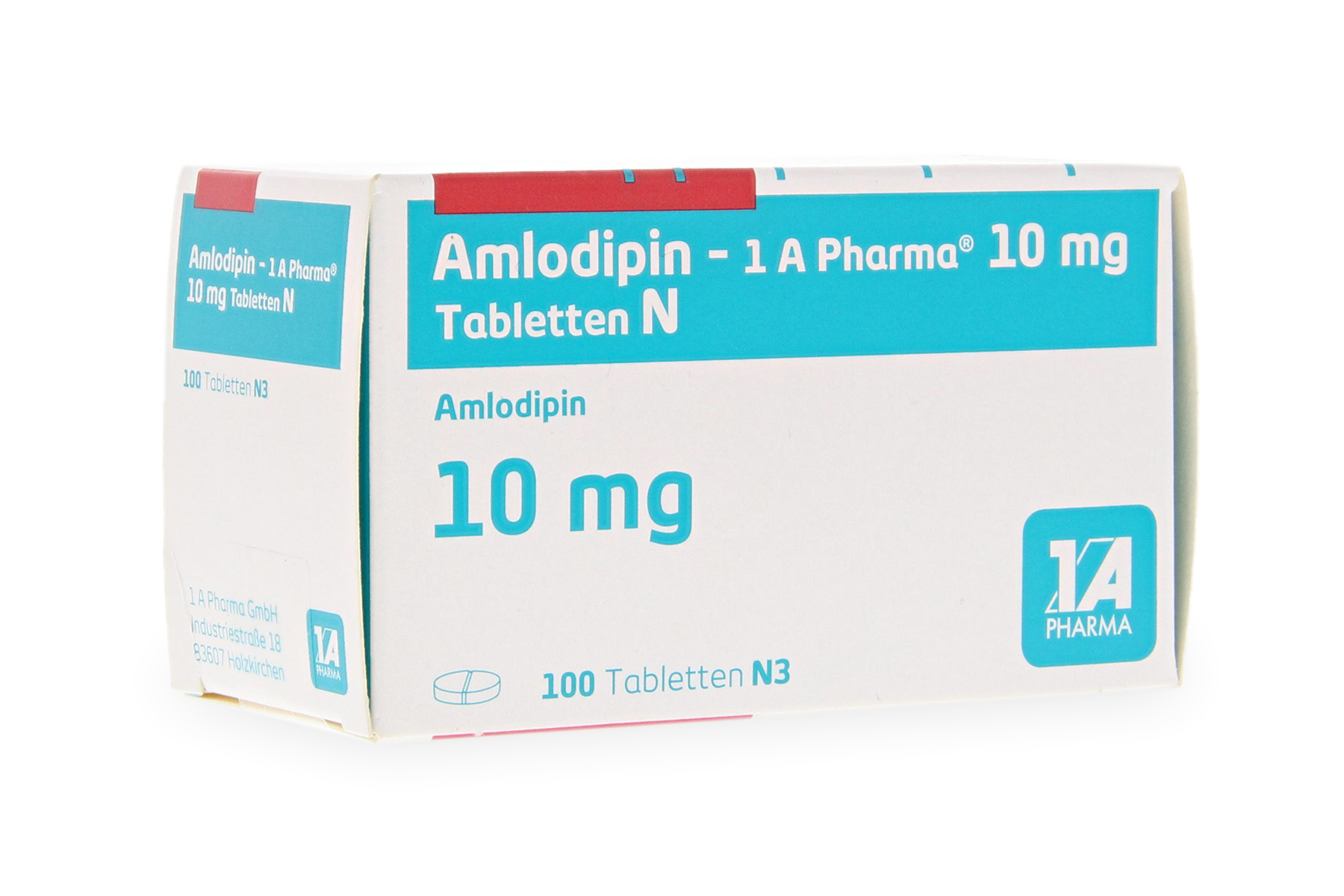
Amlodipine
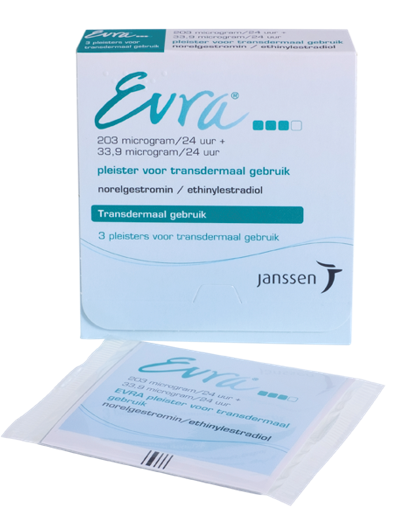
Evra Patches

Mounjaro
Dermovate
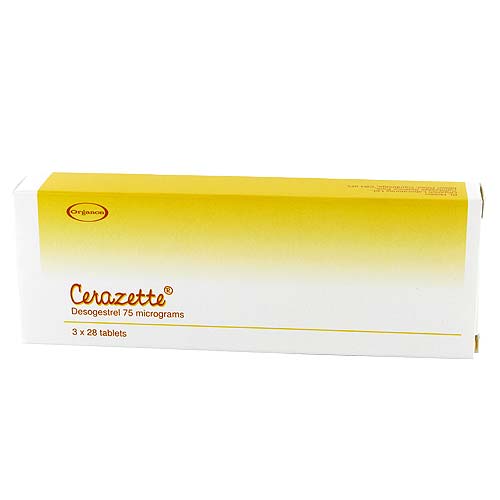
Cerazette

Viagra

Melatonin
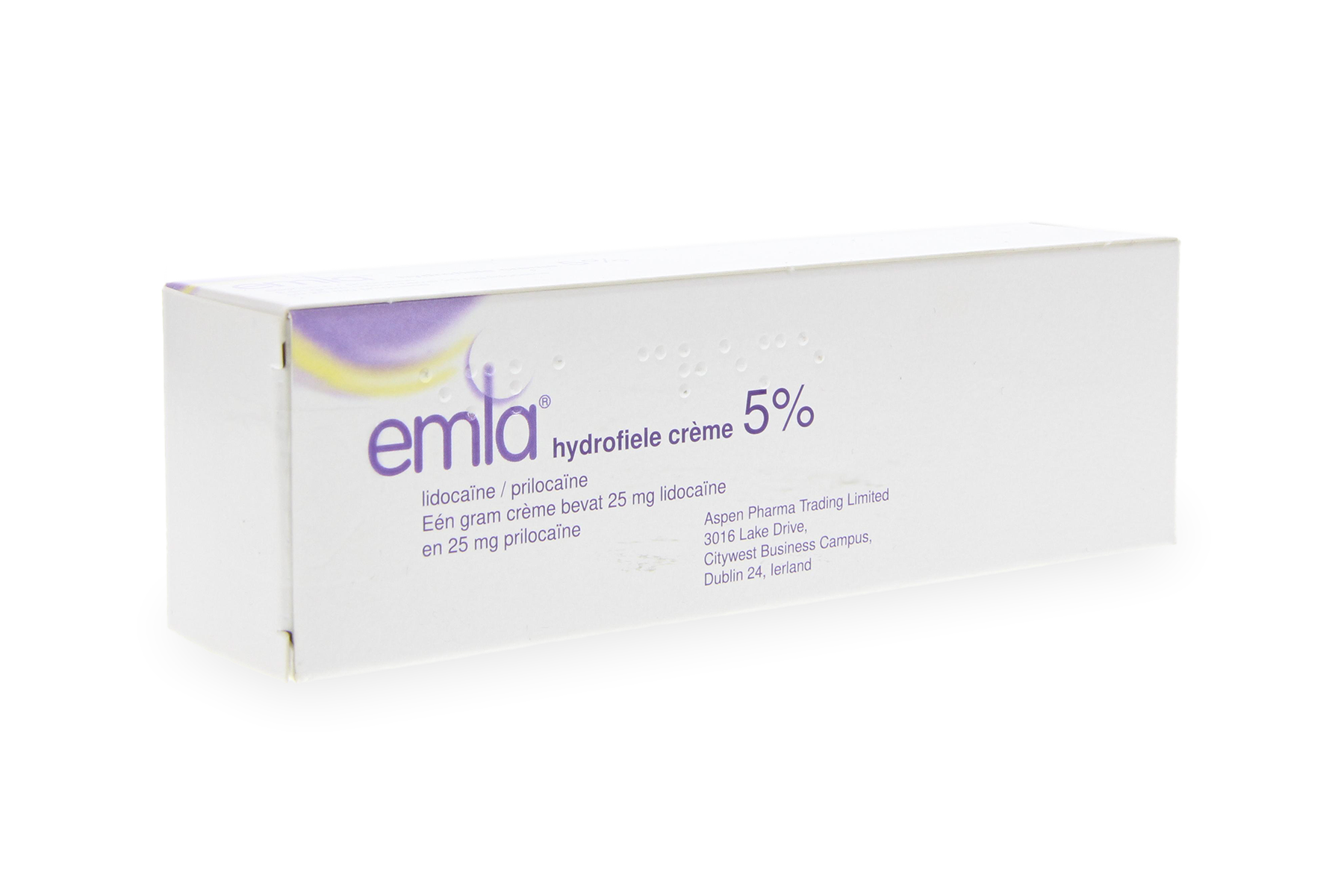
Emla Cream
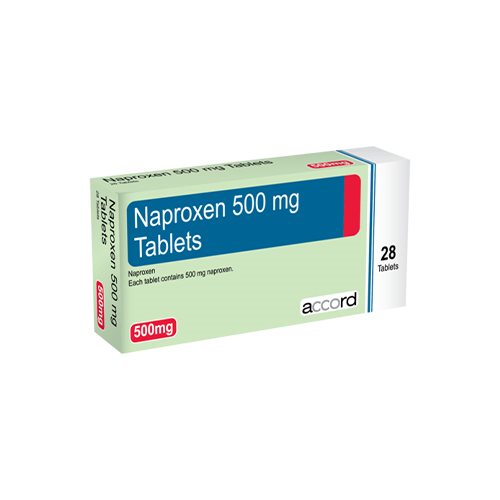
Naproxen
Ventolin

Bricanyl Turbohaler
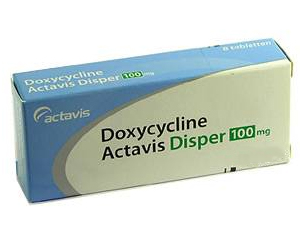
Doxycycline (Malaria)
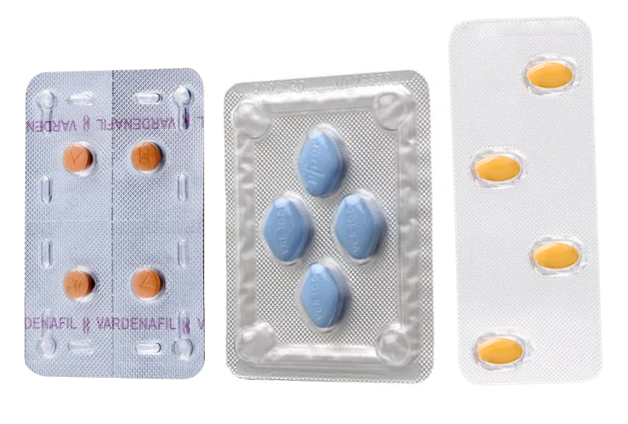
Impotence Trial Pack

Microgynon 30
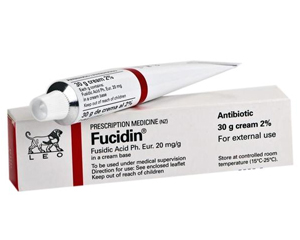
Fucidin
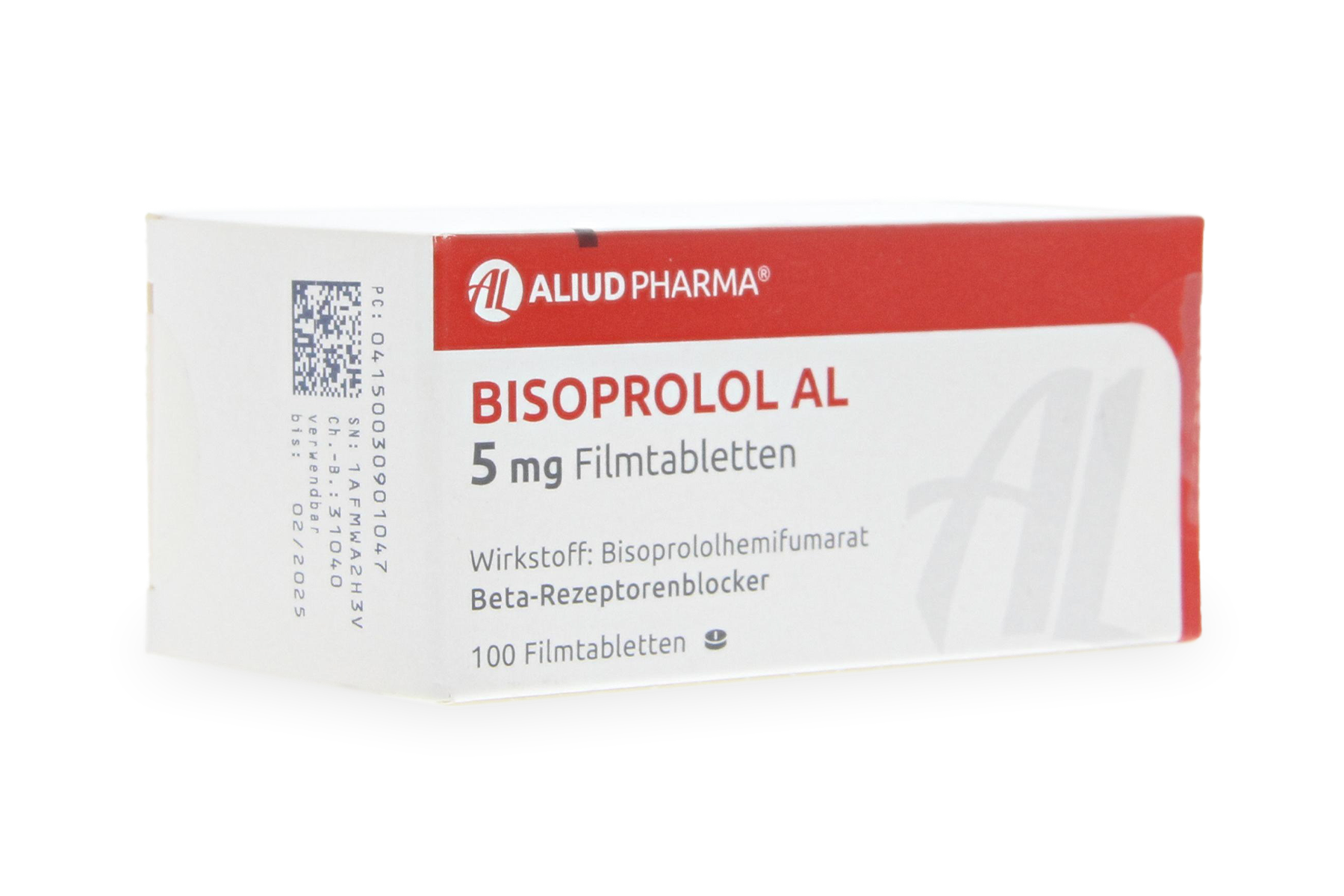
Bisoprolol
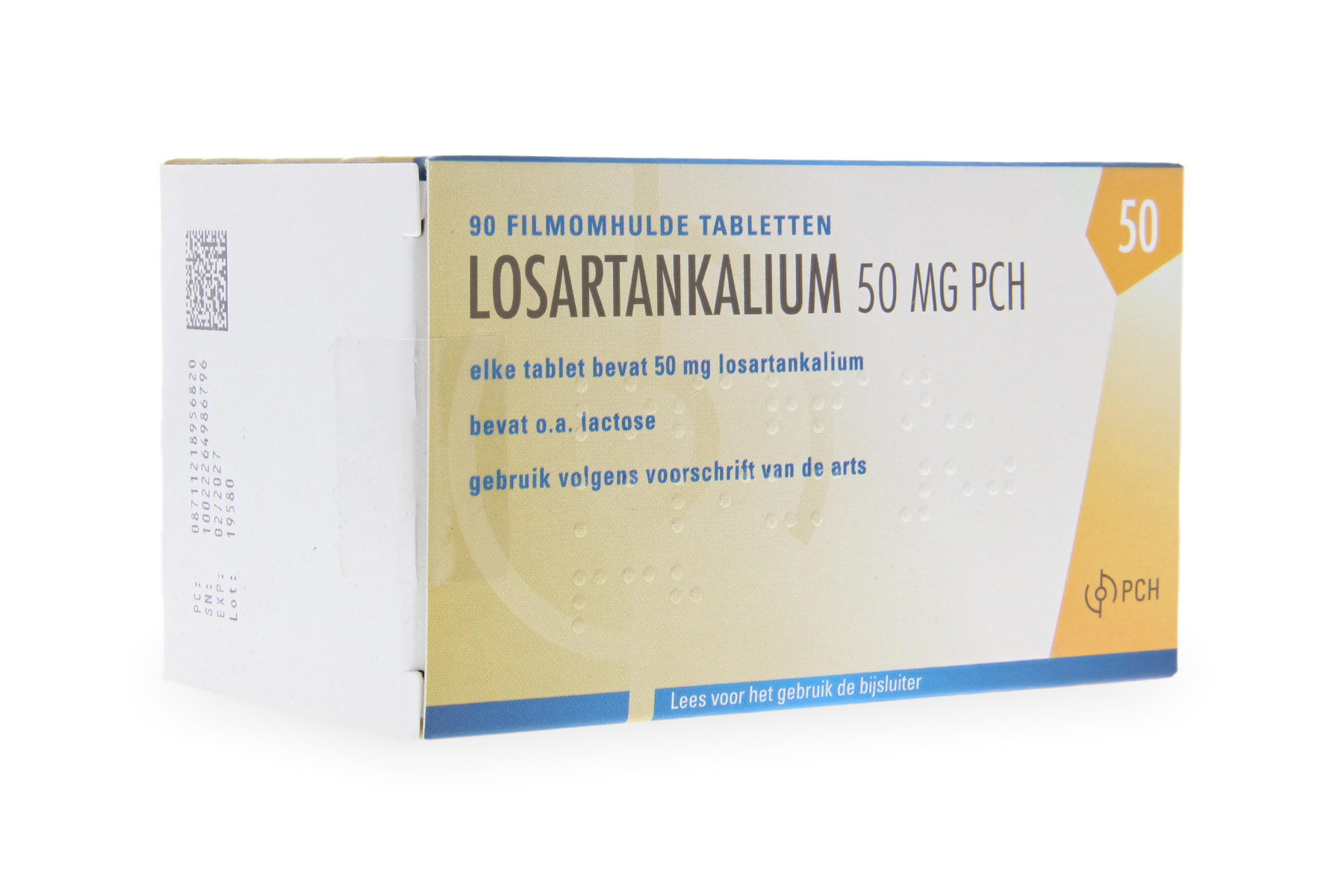
Losartan
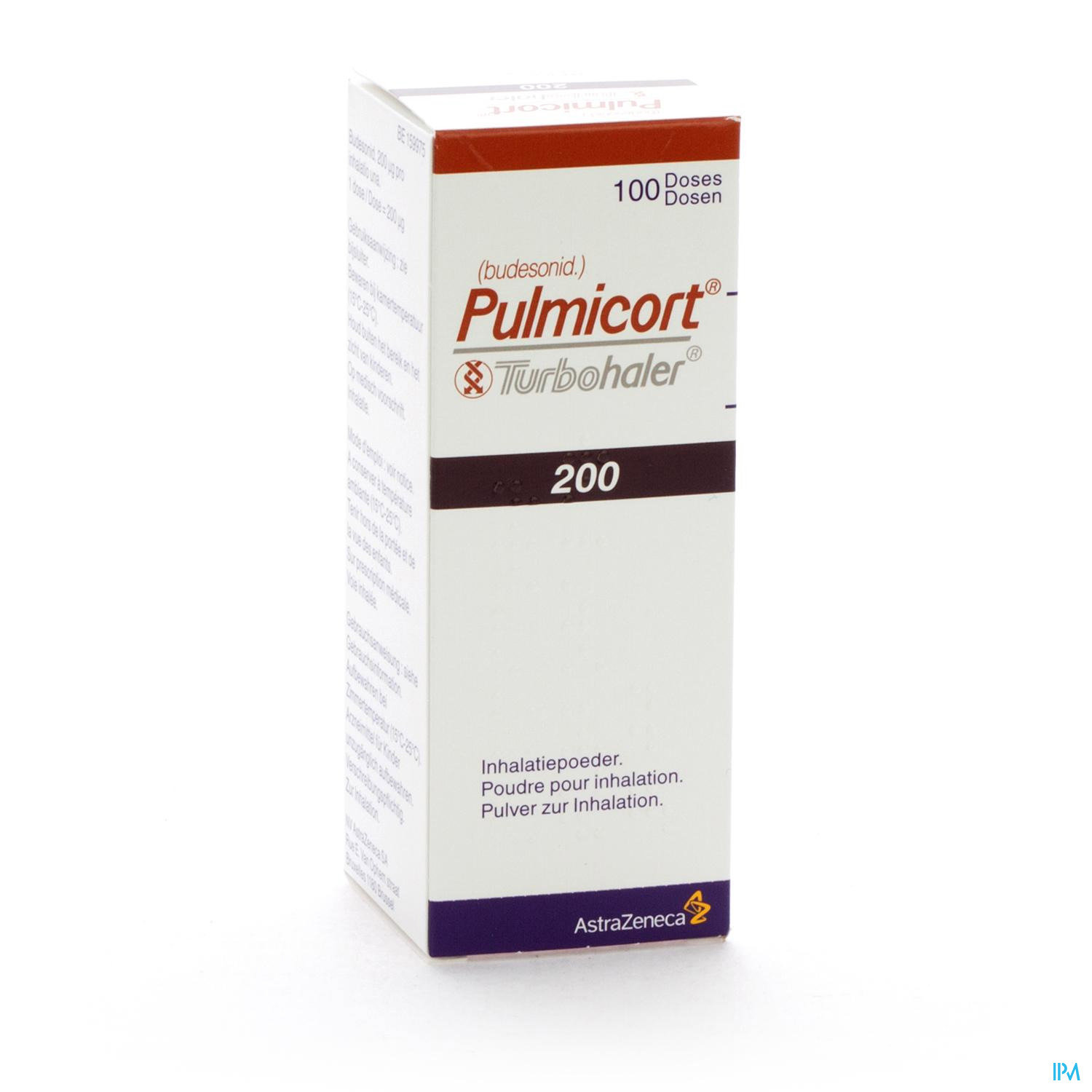
Pulmicort Turbohaler
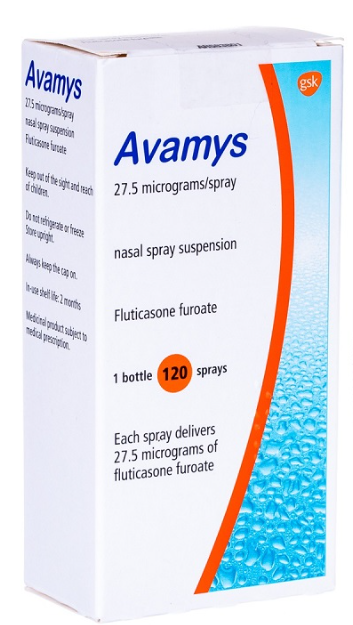
Avamys
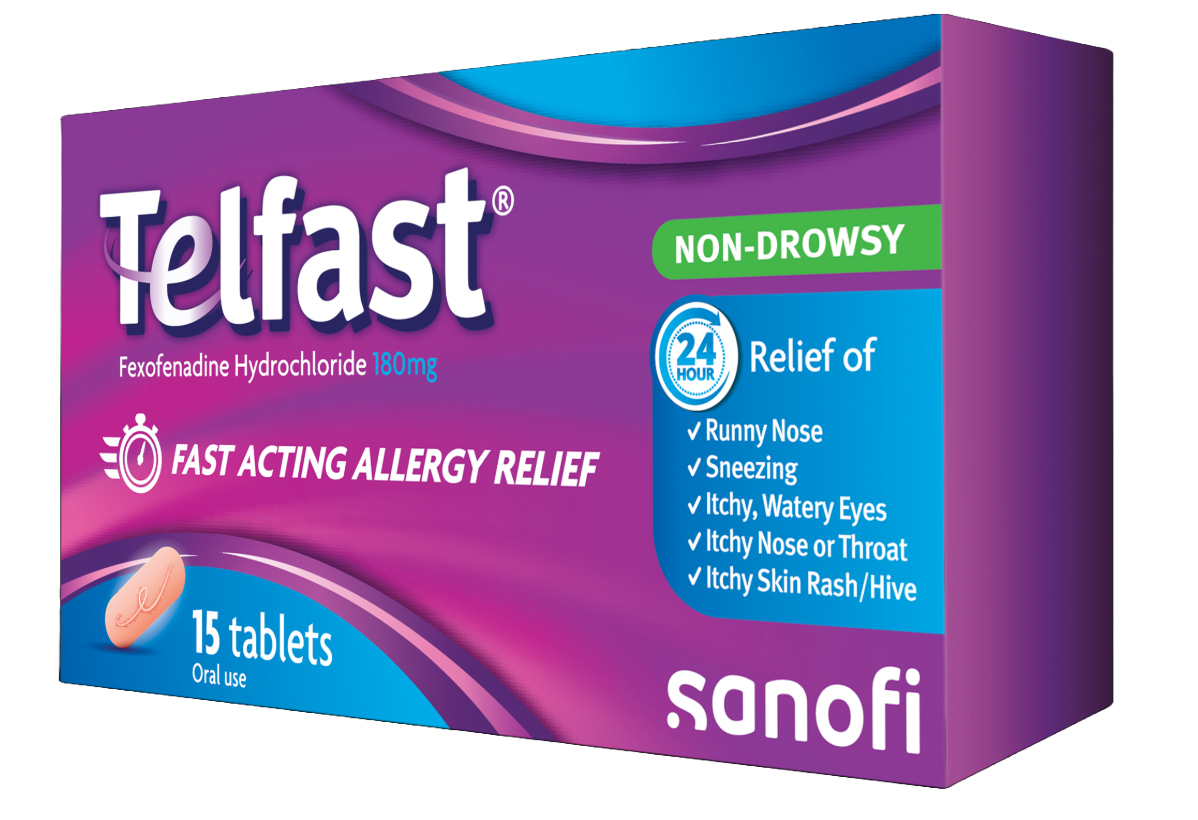
Telfast
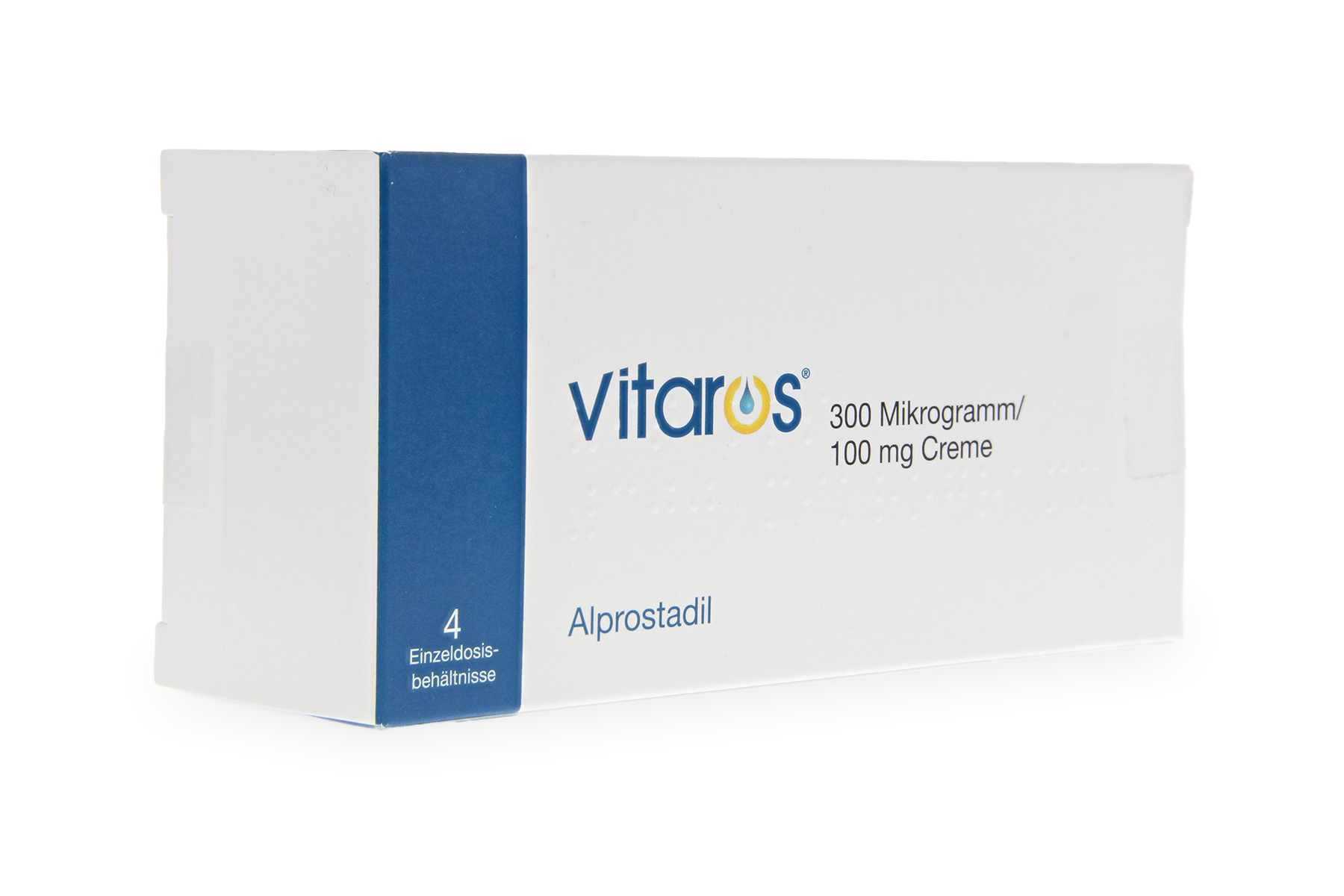
Vitaros

Zyloric
Kliovance
Bactroban
Elocon
Clindamycin
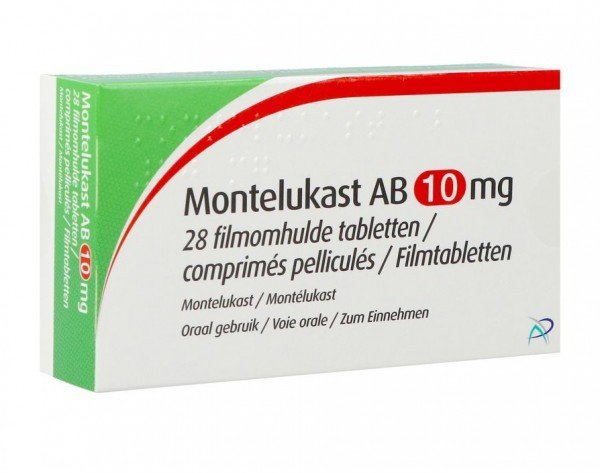
Montelukast
Aciclovir
Proscar

Differin
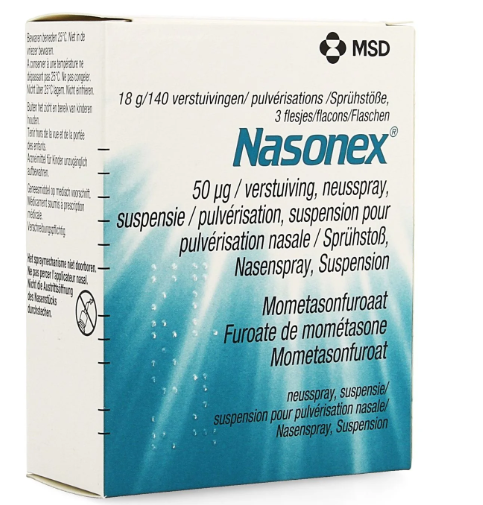
Nasonex Nasal Spray
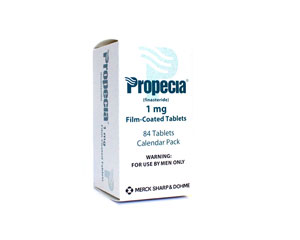
Propecia
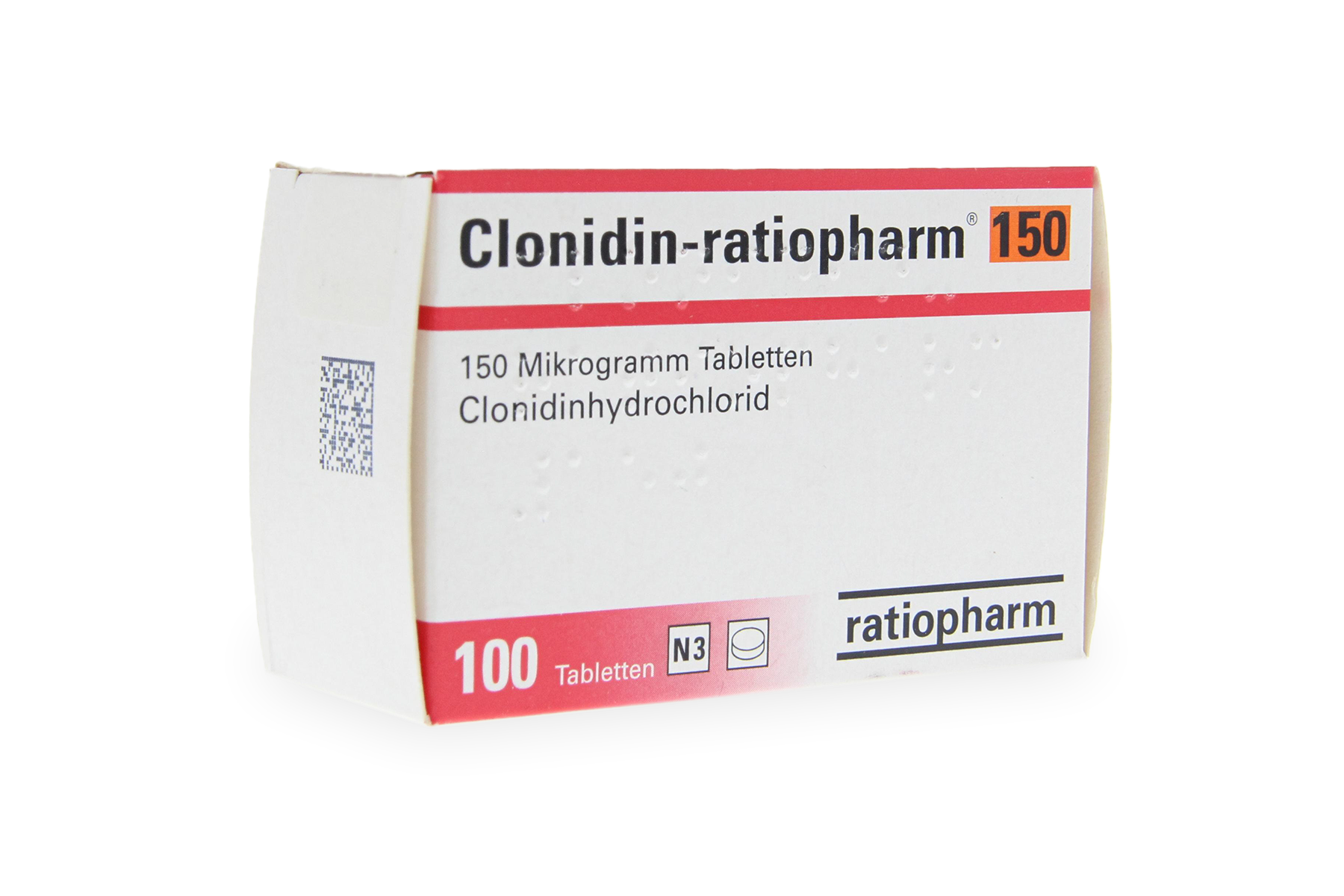
Clonidine
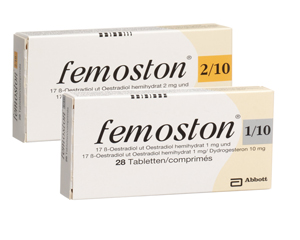
Femoston
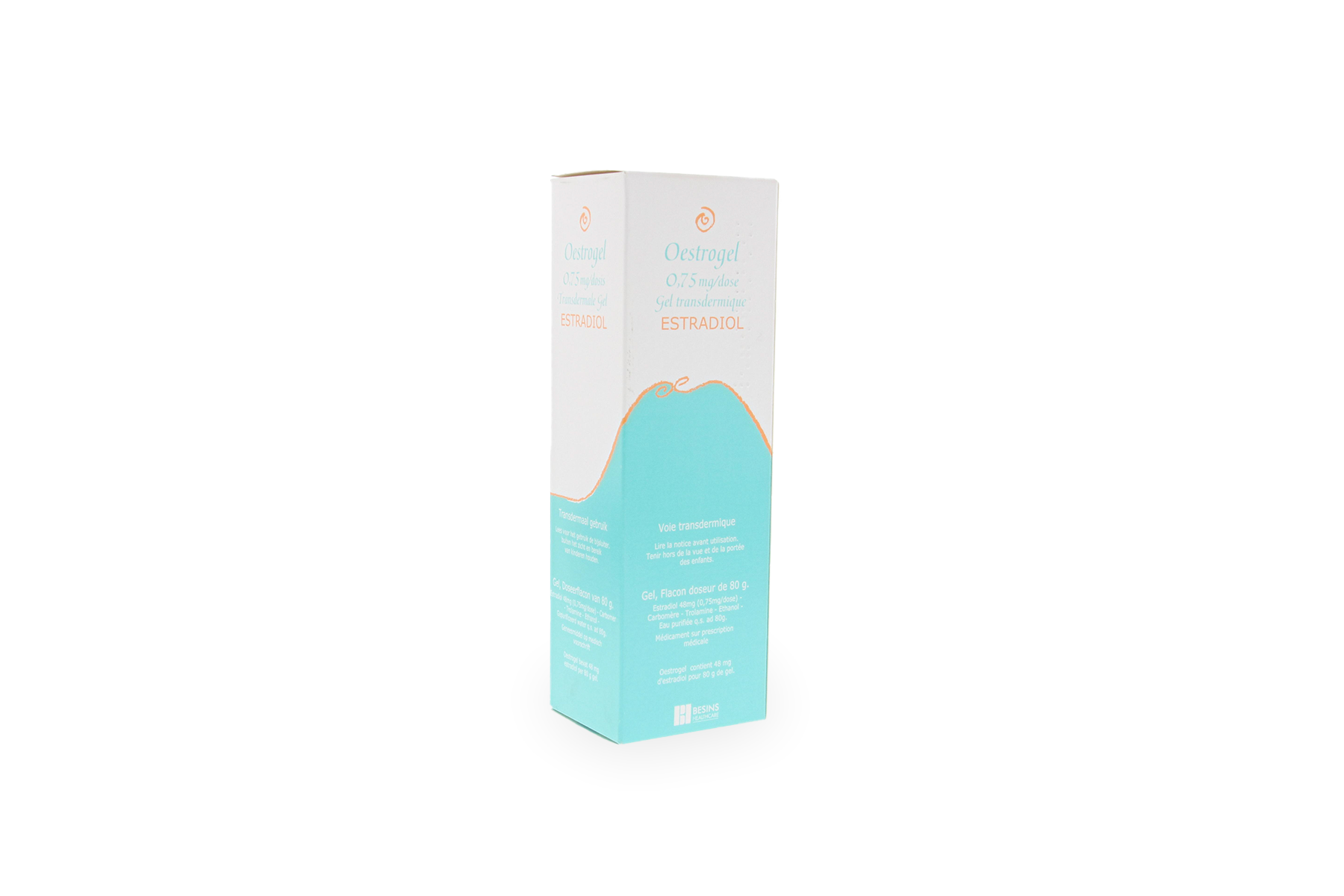
Oestrogel
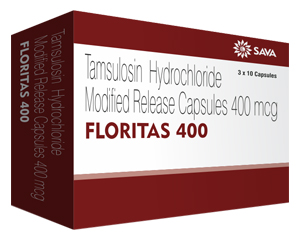
Tamsulosin MR
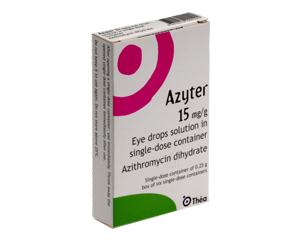
Azyter
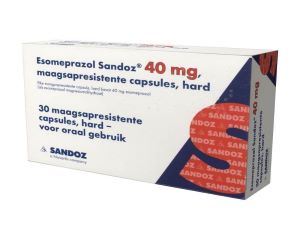
Esomeprazole
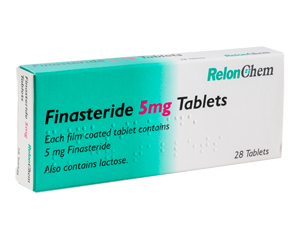
Proscar (Finasteride)
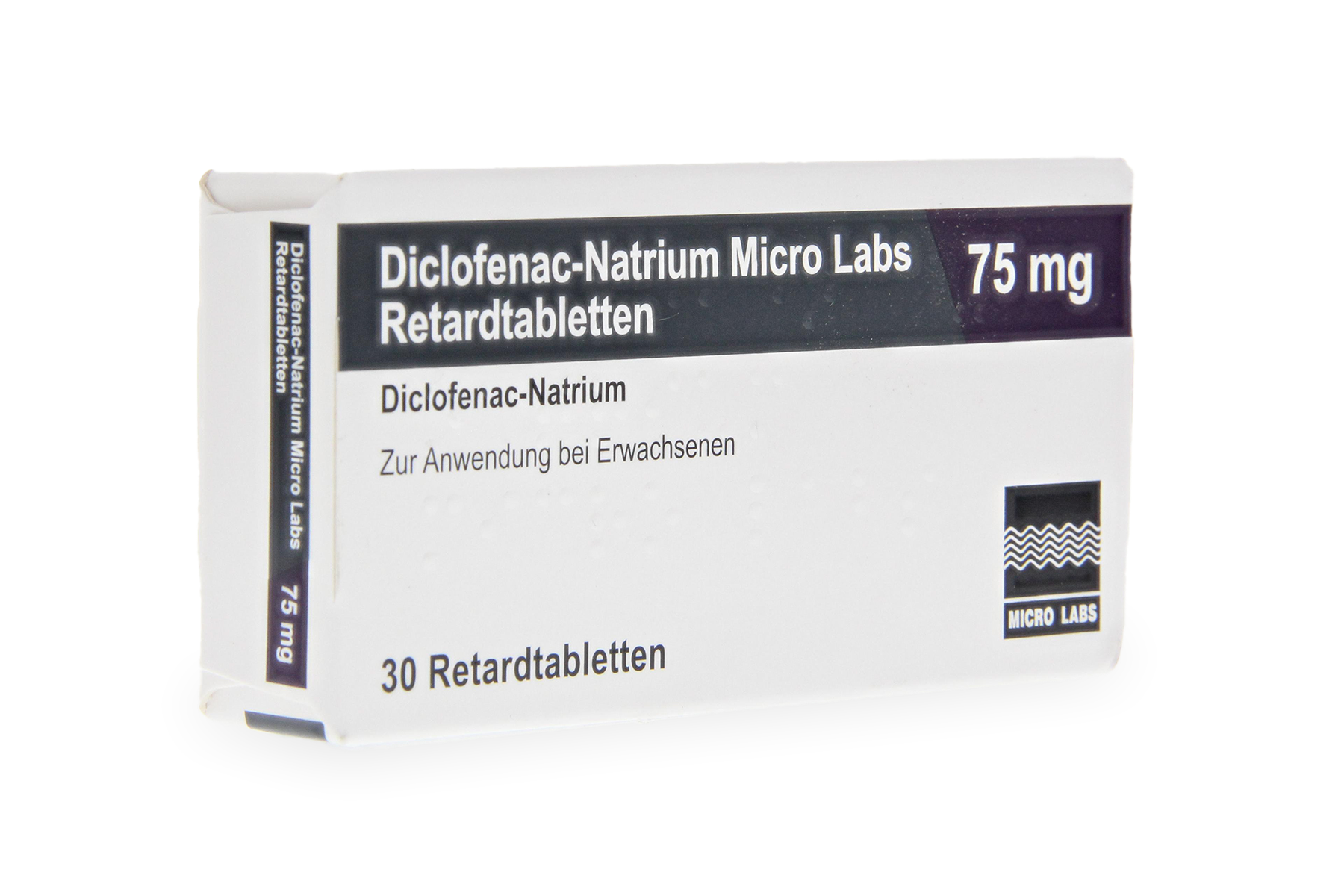
Diclofenac SR
Diflucan
Crestor
Lansoprazole
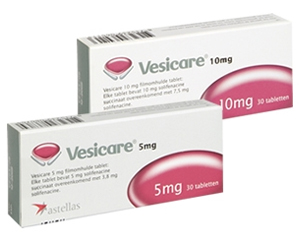
Vesicare
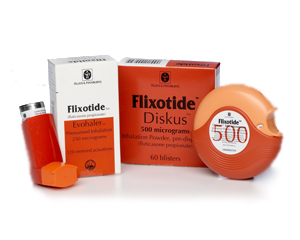
Flixotide
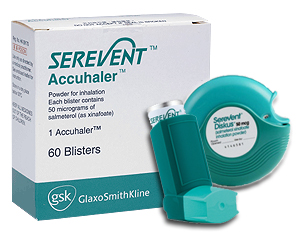
Serevent
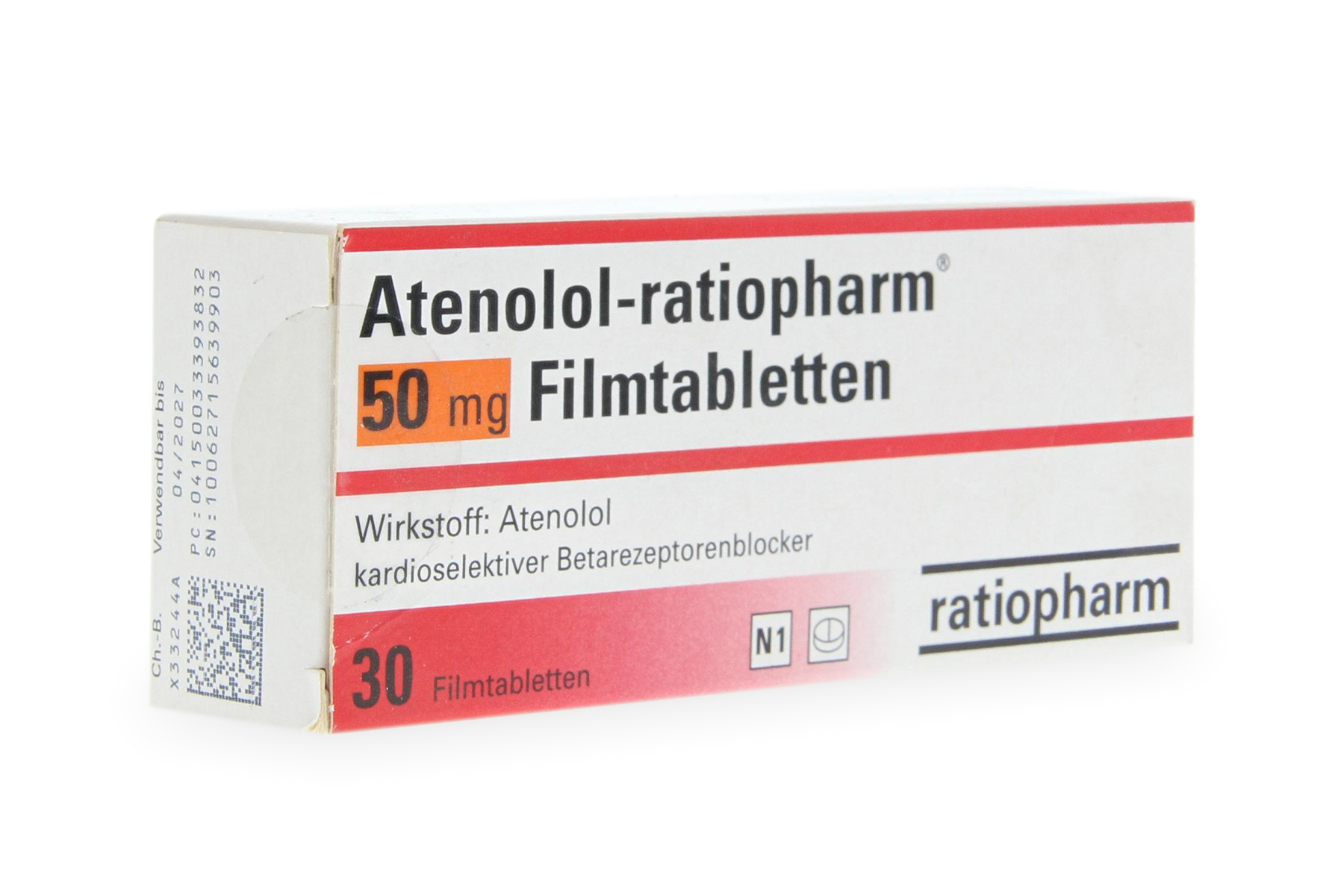
Atenolol
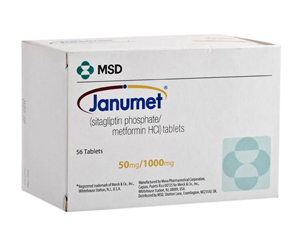
Janumet
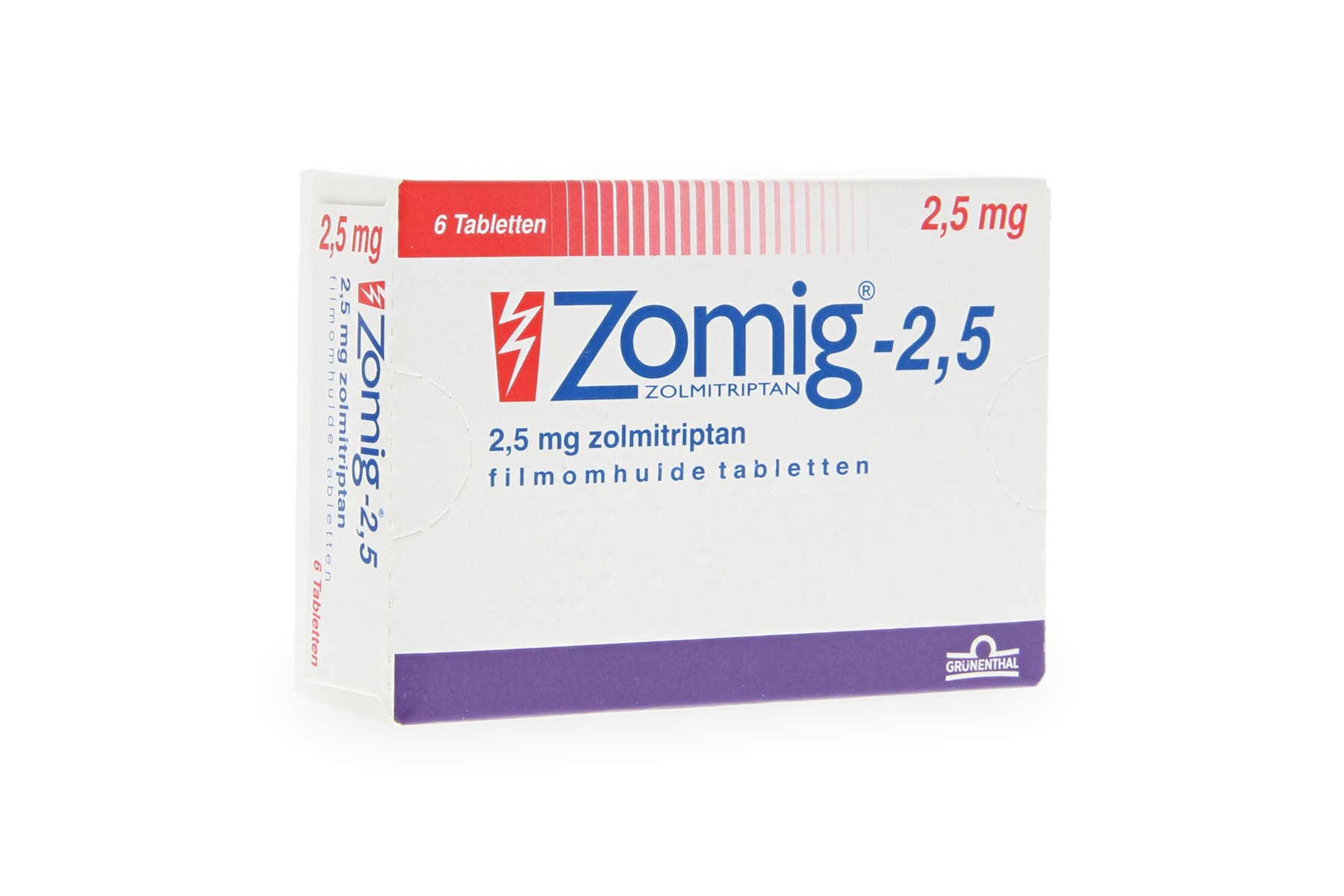
Zomig
Travel Health Treatments
Preparing for Healthy Travel
Travelling abroad exposes you to health risks that may not exist at home. From tropical infections and food-borne illnesses to altitude sickness and insect-borne diseases, the range of potential hazards depends on your destination, the nature of your trip, and your individual health profile. Preparation is the key to staying well.
Ideally, travel health planning should begin at least six to eight weeks before departure. This allows sufficient time for any required vaccinations to take effect, for malaria prophylaxis to be started, and for underlying health conditions to be reviewed in the context of your travel plans. Last-minute travellers can still be helped, but some vaccine courses require multiple doses given weeks apart.
A pre-travel consultation with a healthcare professional or travel health clinic will assess your specific needs based on the countries you are visiting, the duration and type of trip (urban tourism versus rural adventure, for example), and your medical history. This personalised approach ensures you receive only the vaccinations and medications that are genuinely necessary for your itinerary.
Vaccinations and Preventive Medications
Travel vaccinations protect against diseases that are endemic in certain regions but rare or absent in Europe. Hepatitis A and typhoid vaccinations are recommended for most travellers to Asia, Africa, and Central and South America. Yellow fever vaccination is mandatory for entry to some countries and recommended for travel to others. Rabies pre-exposure vaccination is advised for travellers visiting remote areas where access to post-exposure treatment may be limited.
Malaria prophylaxis is essential for travel to affected regions. The choice of antimalarial depends on the destination, drug resistance patterns, trip duration, and personal factors. Doxycycline, atovaquone-proguanil (Malarone), and mefloquine are the main options, each with distinct dosing schedules and side-effect profiles. Starting the medication before departure and continuing it for the prescribed period after return is crucial for full protection.
Altitude sickness medication (acetazolamide) may be recommended for treks above 2,500 metres. Travellers' diarrhoea kits containing an antibiotic (such as azithromycin) and an anti-motility agent (loperamide) are often prescribed for trips to high-risk destinations, providing a safety net if symptoms develop far from medical facilities.
Staying Healthy During Your Trip
Food and water hygiene is the single most effective way to prevent travellers' diarrhoea, which affects up to 50 per cent of visitors to high-risk regions. The rule of thumb is to drink only bottled or purified water, avoid ice in drinks, eat freshly cooked food served hot, and peel all fruit yourself. Street food can be enjoyed safely provided it is cooked thoroughly in front of you.
Insect bite prevention is essential in areas where mosquitoes transmit malaria, dengue, Zika, or other infections. DEET-based repellents (30 to 50 per cent concentration), permethrin-treated clothing, and sleeping under impregnated bed nets provide the best protection. Mosquitoes that carry malaria bite predominantly between dusk and dawn, while dengue-transmitting mosquitoes are active during the day.
Sun protection is frequently overlooked by travellers. Tropical and equatorial sun is significantly more intense than northern European sunlight, and sunburn can ruin a trip or lead to heatstroke. A high-factor sunscreen (SPF 50+), a wide-brimmed hat, and staying in the shade during peak hours (10 am to 4 pm) are sensible precautions.
Managing Health Issues Abroad
Despite the best preparation, illness can still occur while travelling. Carrying a well-stocked travel health kit reduces the need to find a pharmacy in an unfamiliar location. Useful items include oral rehydration salts, simple painkillers, anti-diarrhoeals, plasters, antiseptic, antihistamines, and any regular prescription medications in their original packaging with a copy of the prescription.
Knowing how to access medical care at your destination is important. The European Health Insurance Card (EHIC) or its replacement, the Global Health Insurance Card (GHIC), provides access to state-provided healthcare in EU countries on the same terms as local residents. For destinations outside Europe, comprehensive travel insurance with medical cover and repatriation is essential.
If you develop a fever within a year of returning from a malaria-risk area, seek medical attention urgently and inform the clinician of your travel history. Malaria can present weeks or months after exposure and is a medical emergency that requires prompt diagnosis and treatment.
Ordering Travel Medications Online
Many travel health medications, including antimalarials, altitude sickness tablets, and travellers' diarrhoea treatment kits, can be ordered through regulated online pharmacies. The consultation involves providing details of your destination, travel dates, medical history, and any medications you currently take.
This approach is particularly convenient for repeat travellers who are familiar with their antimalarial regimen and simply need a new supply. For first-time travellers or those visiting multiple destinations with varying risk profiles, a more detailed consultation, either online or in person, is advisable to ensure all necessary precautions are covered.
Travel vaccinations generally cannot be administered through an online service and must be obtained from a GP surgery, pharmacy, or specialist travel clinic. Some vaccinations, such as yellow fever, can only be given at designated centres. Planning ahead ensures you have time to complete all recommended courses before your departure date.
Frequently Asked Questions
When should I start taking antimalarial tablets?
Can I get travel health medication online?
Which antimalarial is best for me?
How far in advance should I get travel medications?
Dr. Ross Elledge
General Practitioner · General & Family Medicine
Verified Healthcare Professional
TopDoctors ProfileThis website provides general information about medicines for educational purposes only. Always consult your doctor or pharmacist before taking any medication.