
Women's Health Treatments
Women's health encompasses a wide range of conditions from hormonal management to urinary infections. Prescription treatments provide effective solutions for conditions like menopause symptoms, recurrent UTIs and menstrual disorders. Online consultations offer a private and convenient route to treatment.
HRT effectively manages menopause symptoms for most women
UTI antibiotics can be prescribed same-day online
Period delay and management options available
Confidential online consultations for sensitive health issues

Cialis
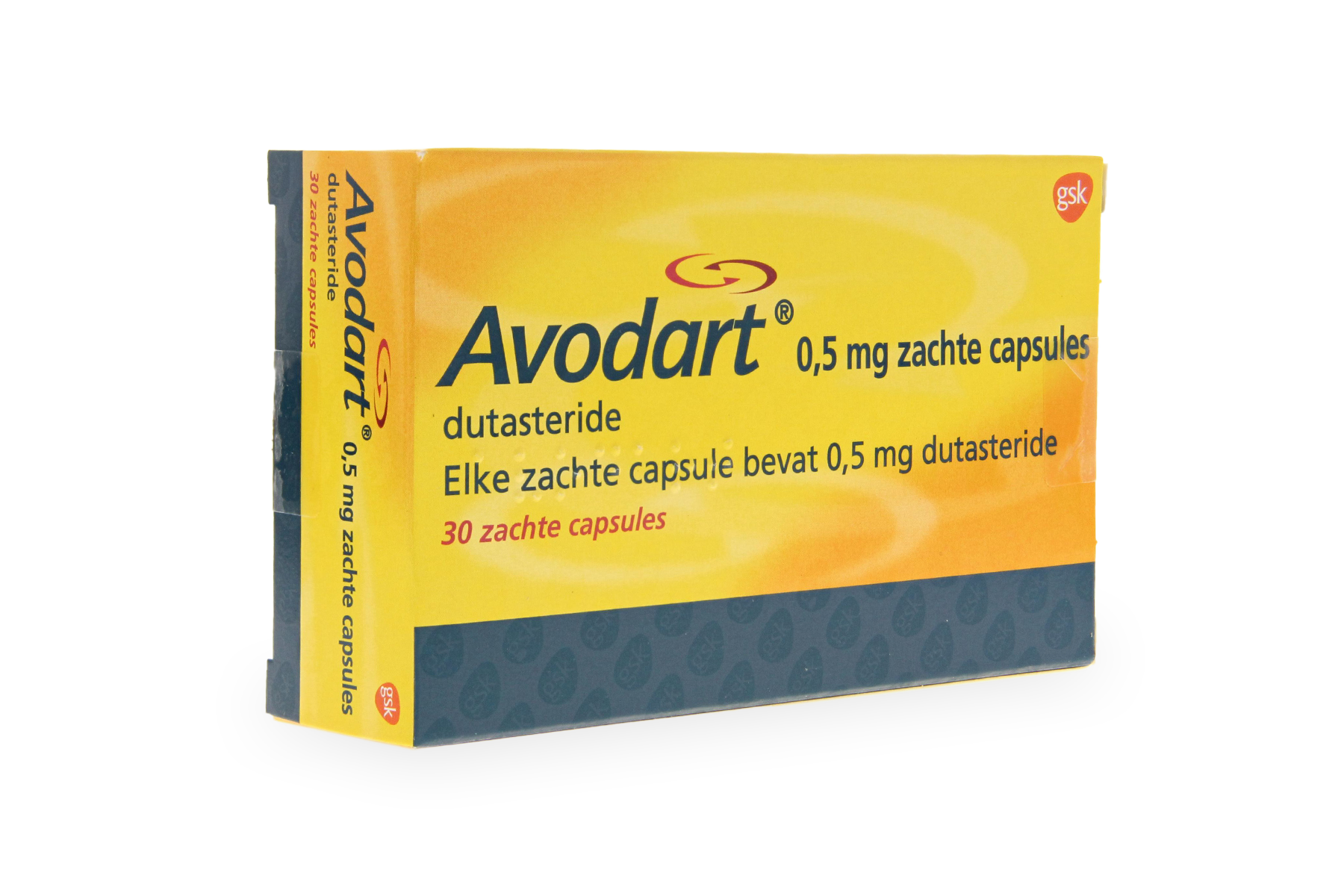
Avodart
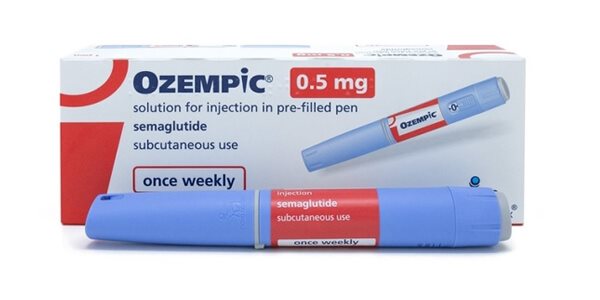
Ozempic

Nuvaring
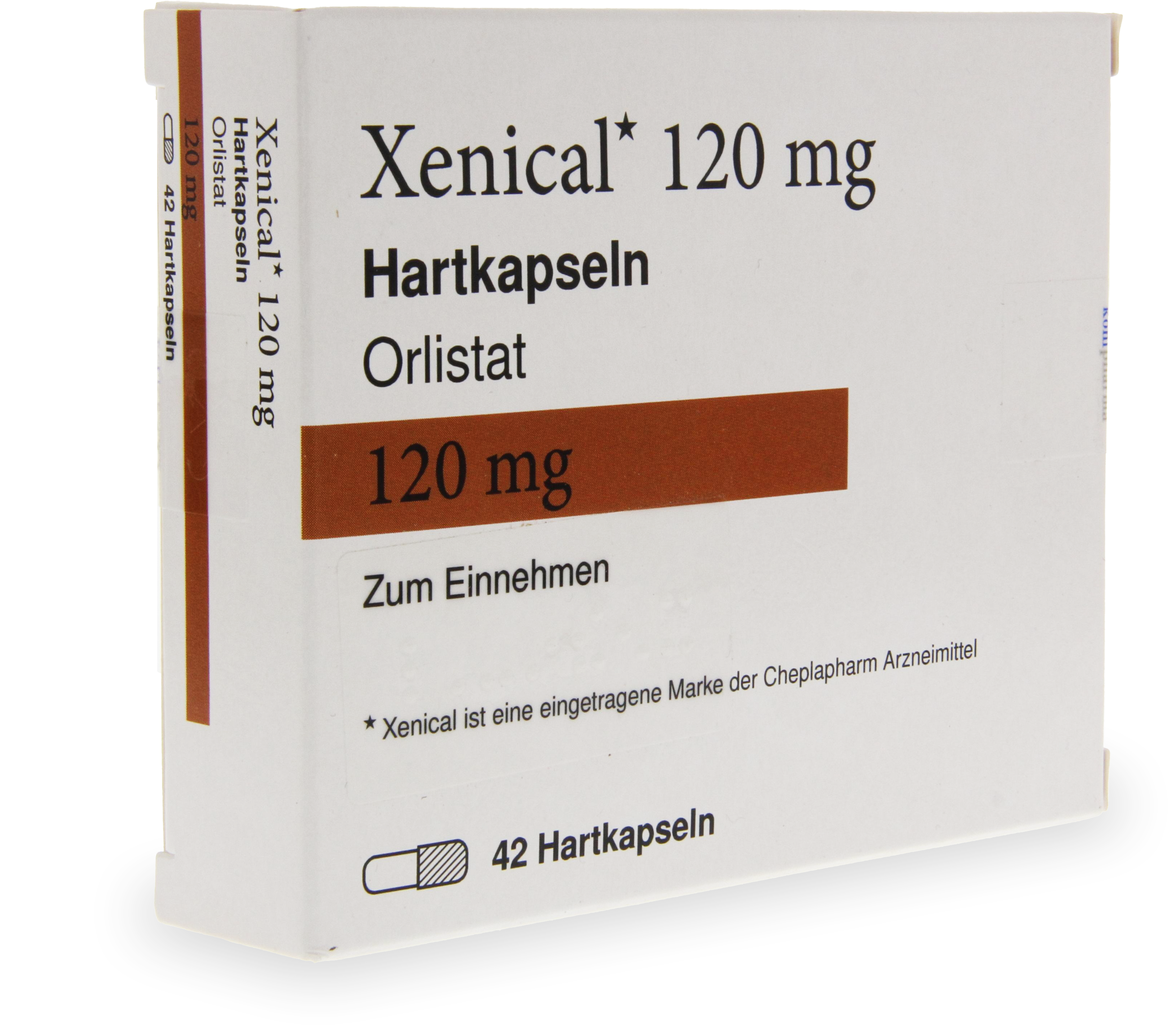
Xenical
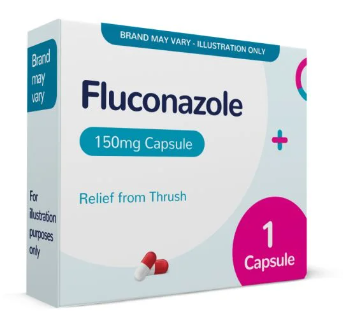
Fluconazole

Yasmin
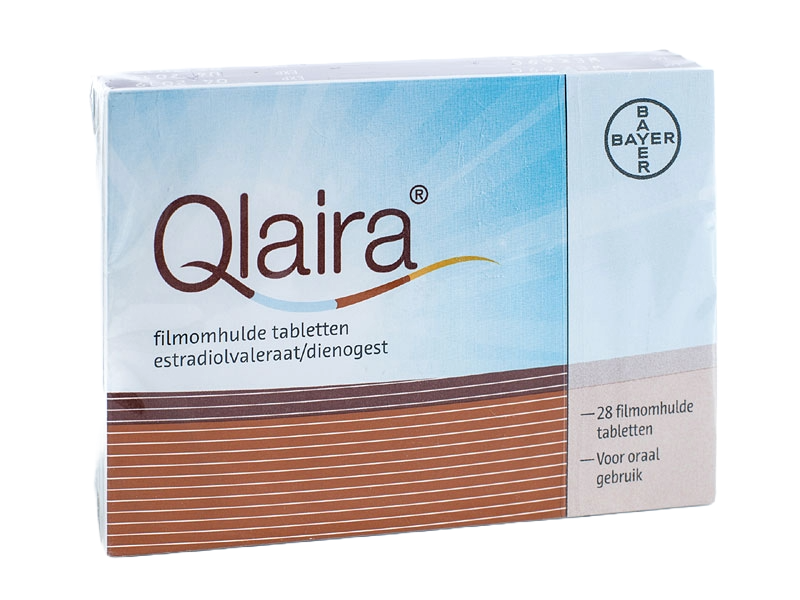
Qlaira
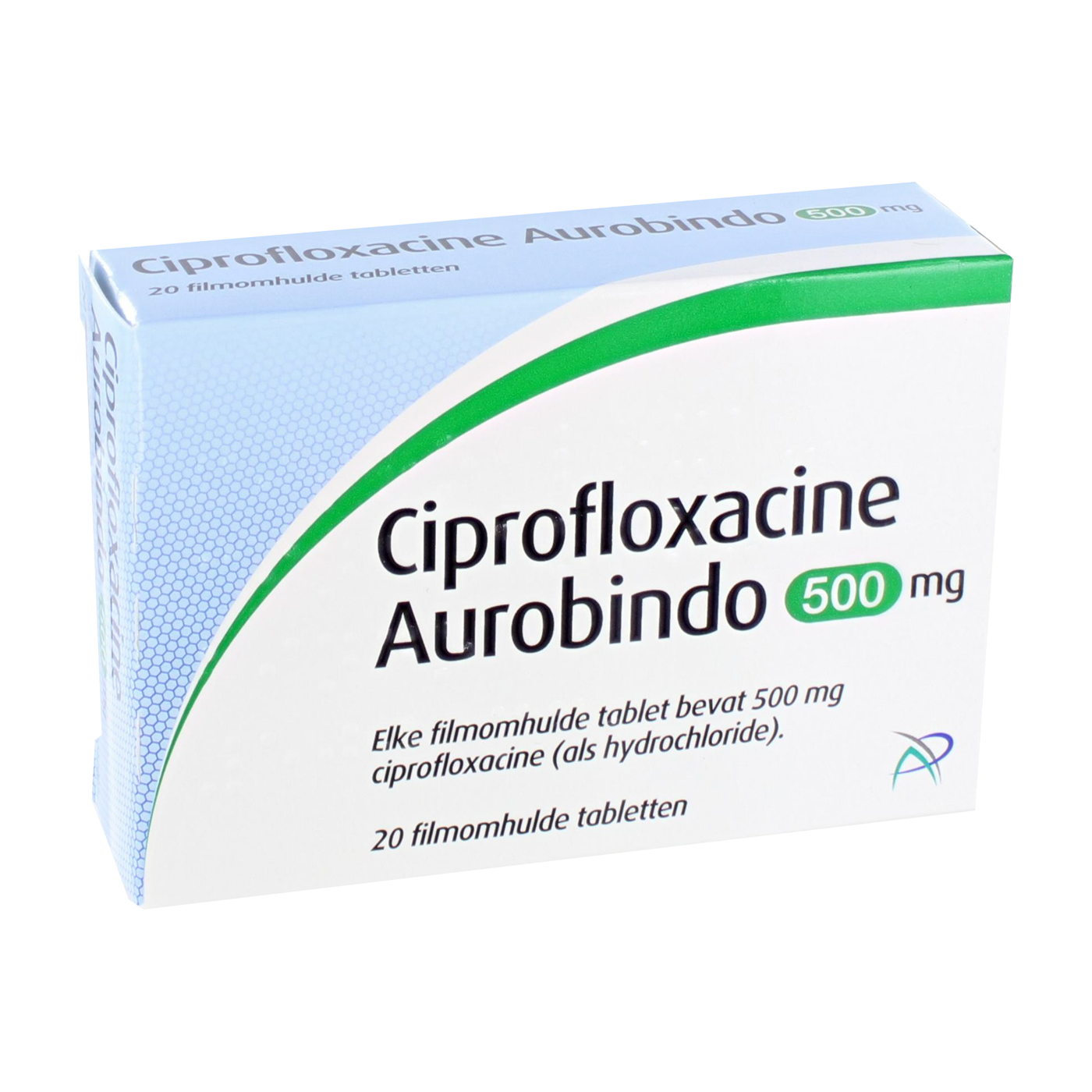
Ciprofloxacin
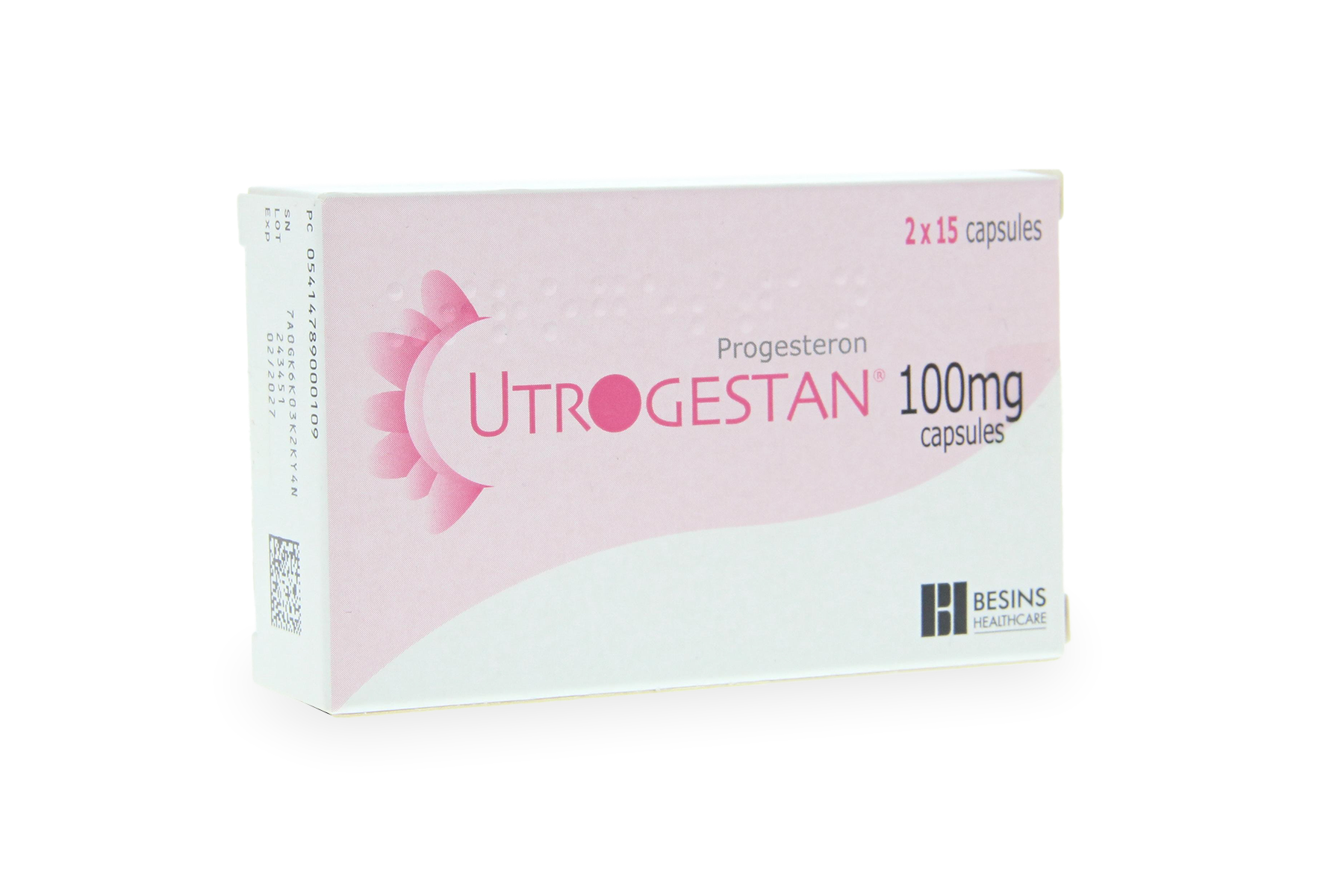
Utrogestan
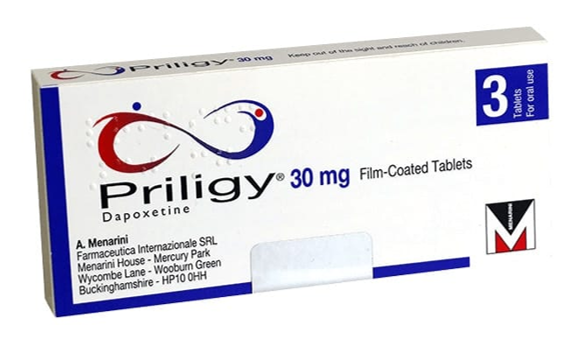
Priligy
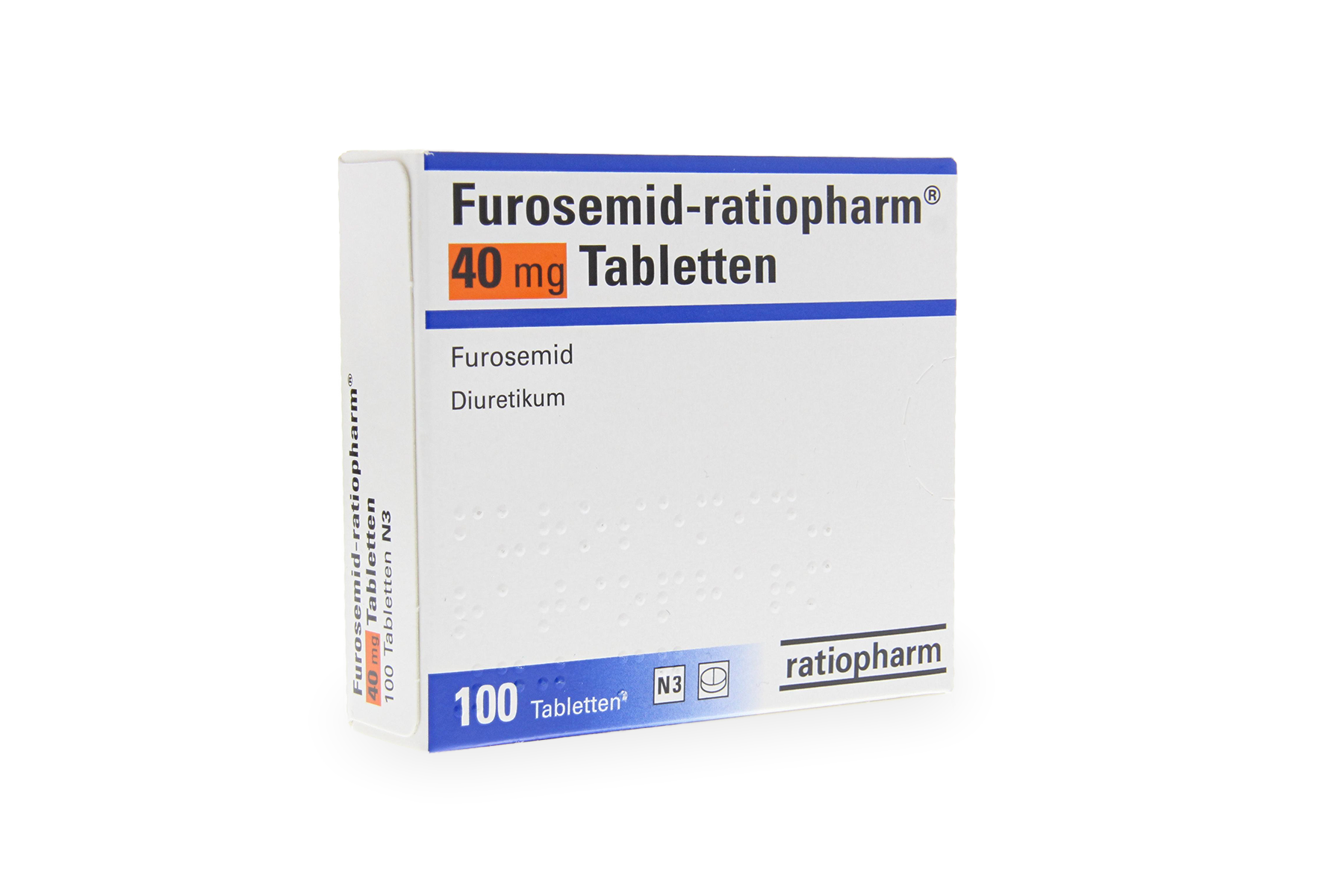
Furosemide
Omeprazole
Pantoprazole

Sildenafil
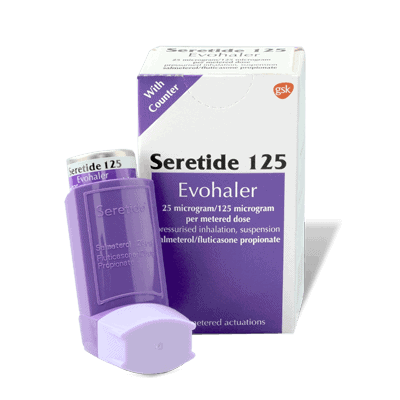
Seretide
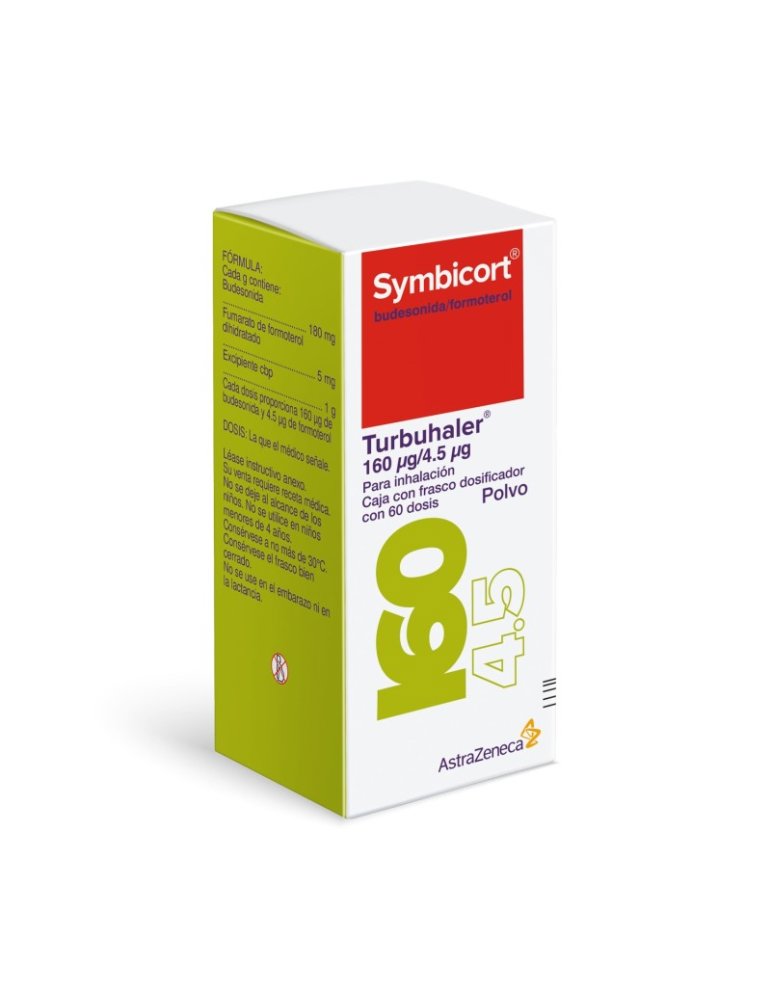
Symbicort Turbuhaler
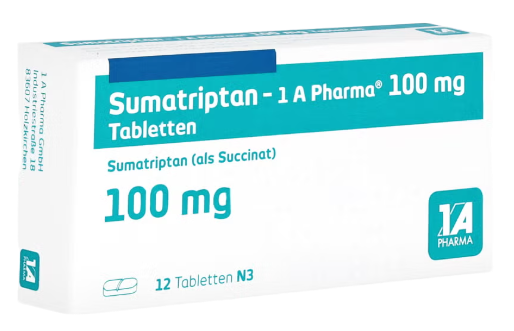
Sumatriptan
Betnovate
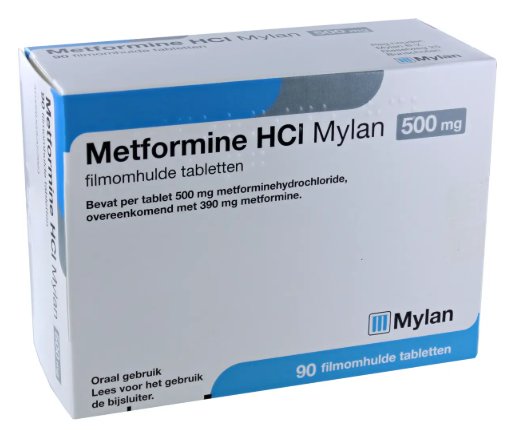
Metformin
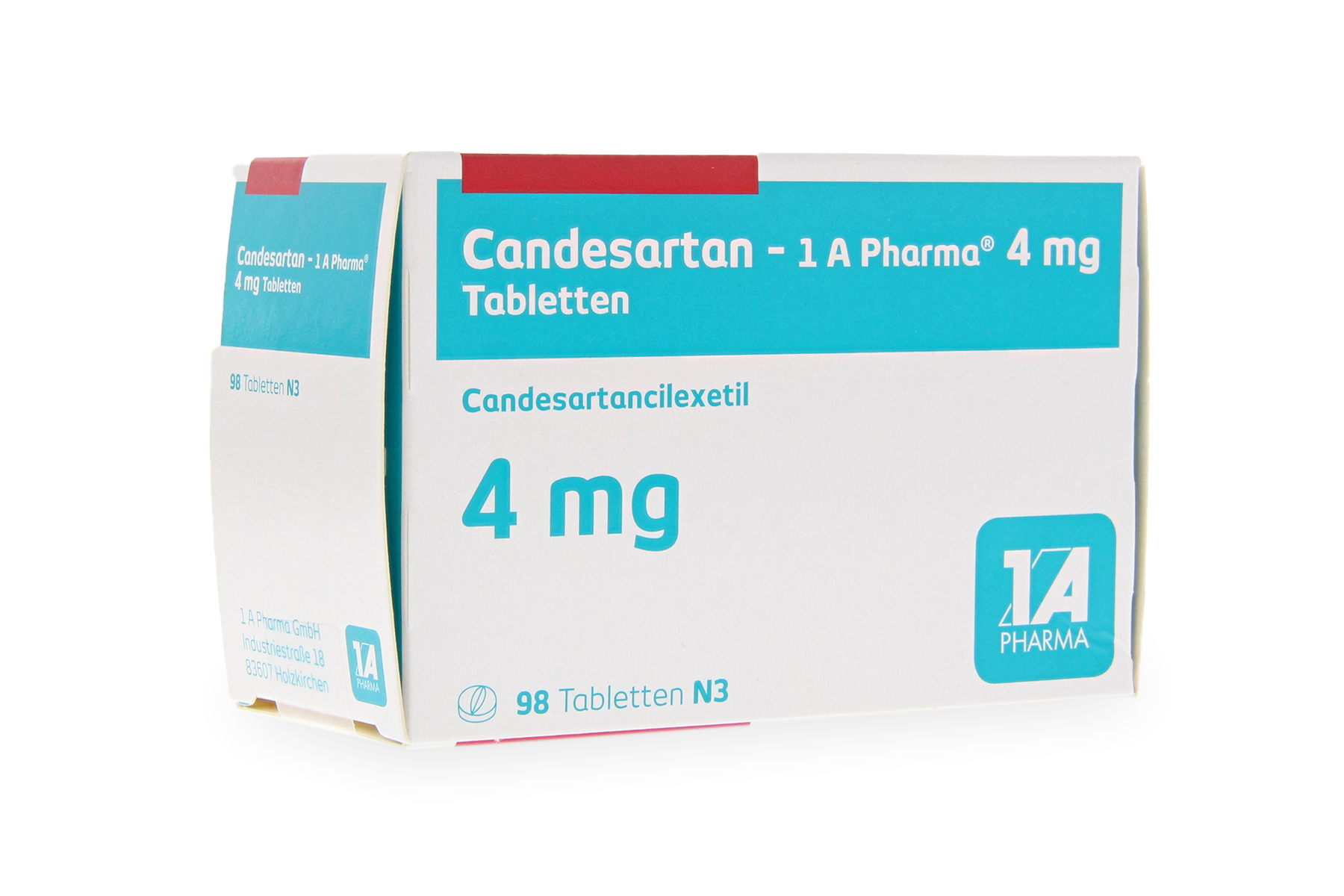
Candesartan
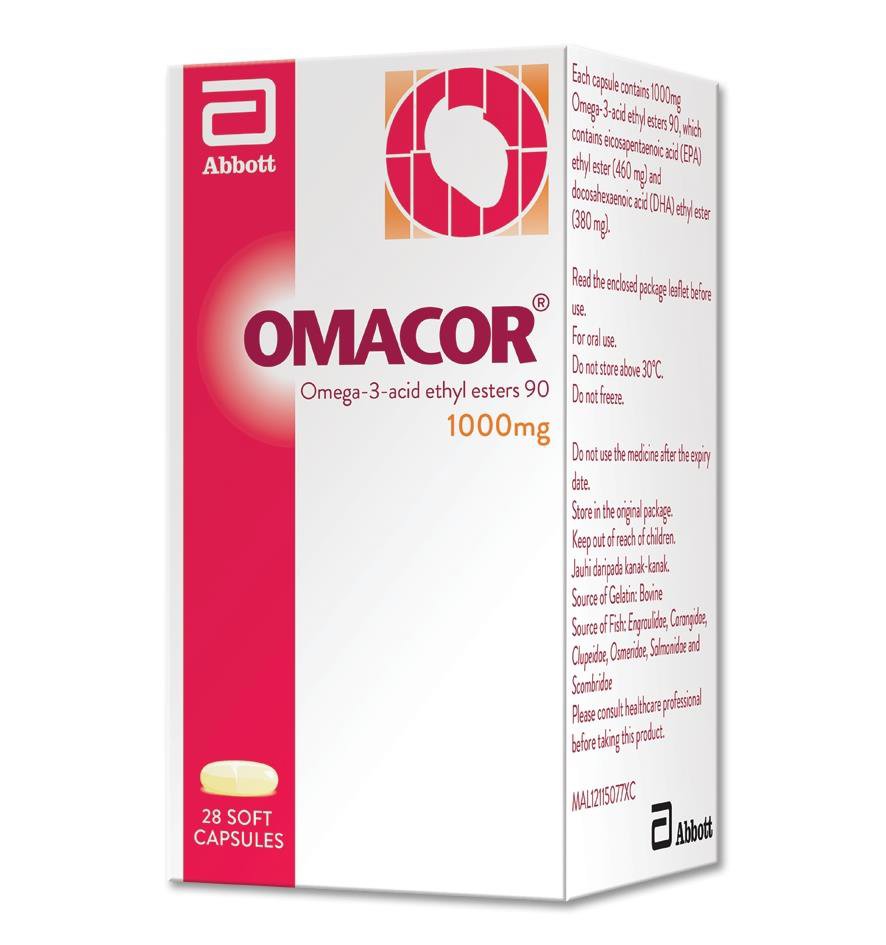
Omacor
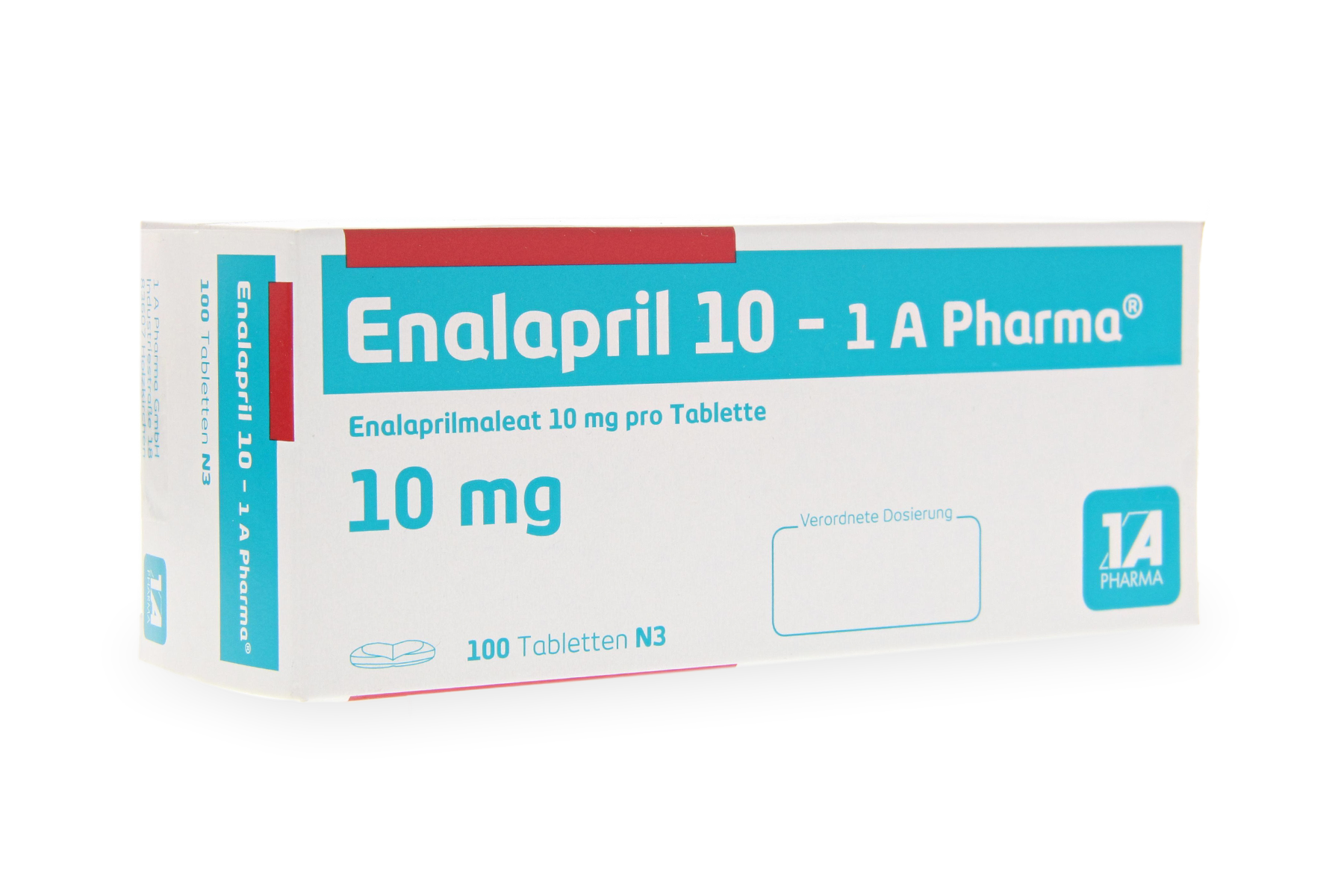
Enalapril
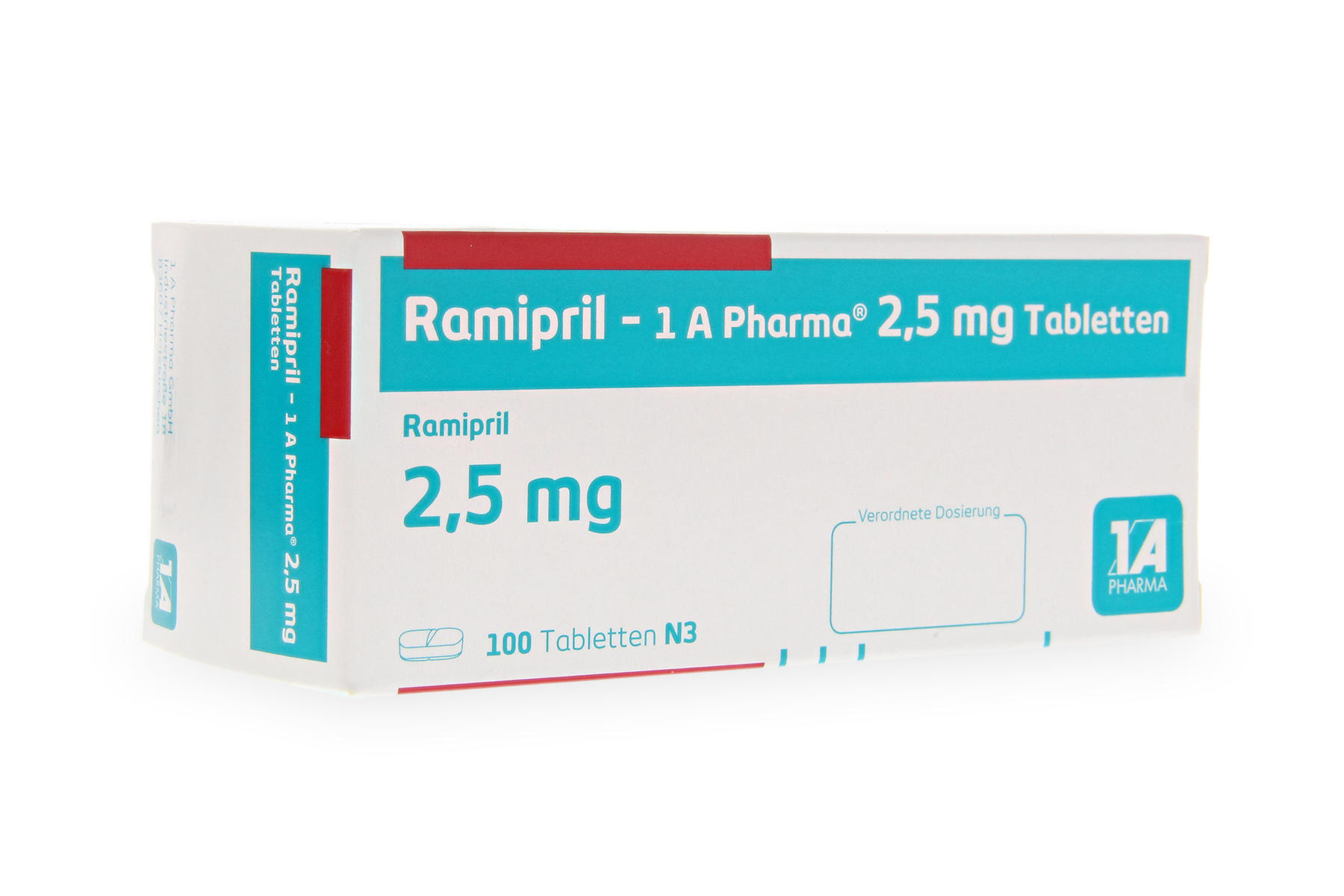
Ramipril
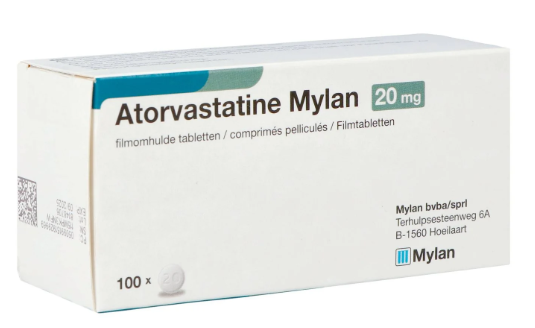
Atorvastatin
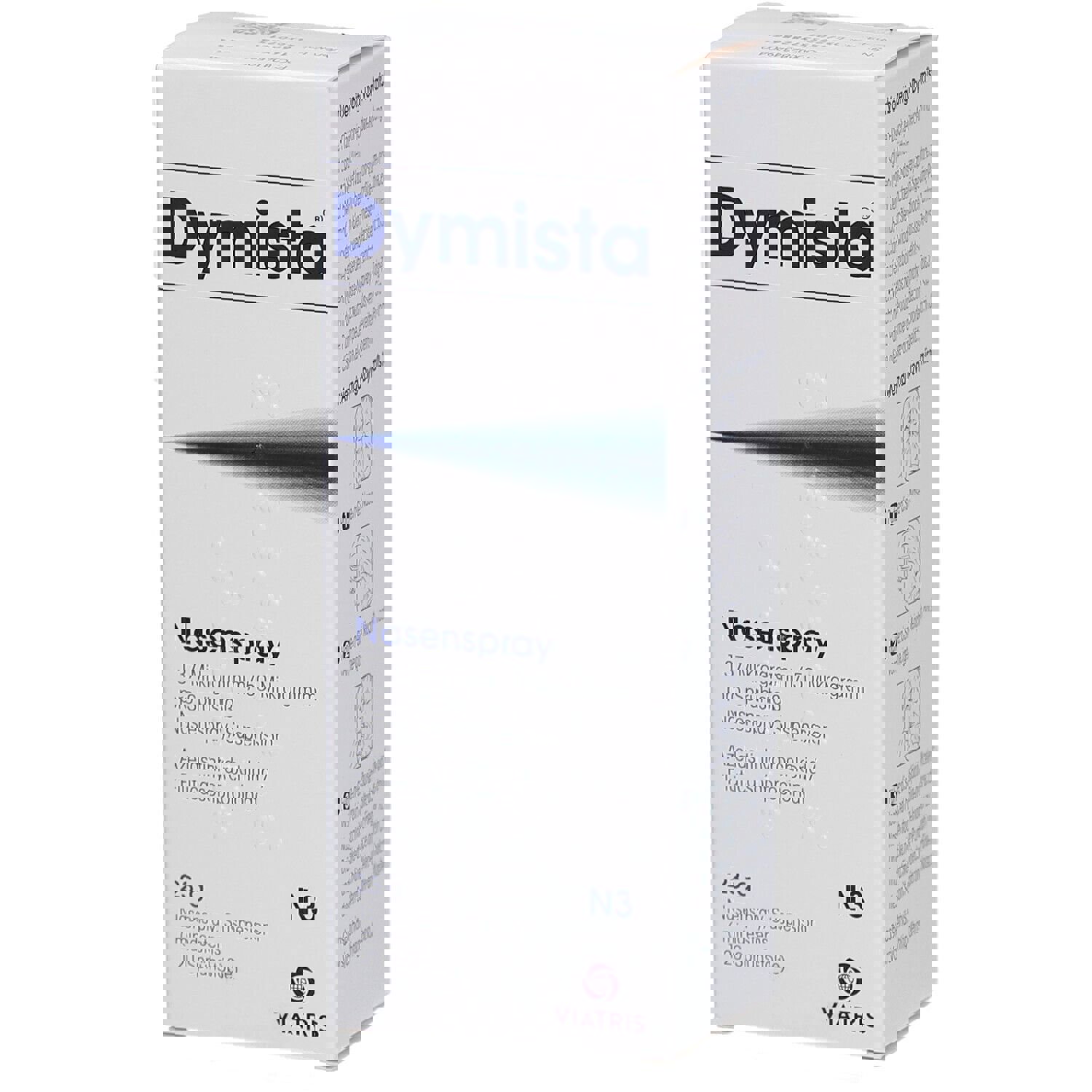
Dymista
Mirvaso

Spedra
Salbutamol
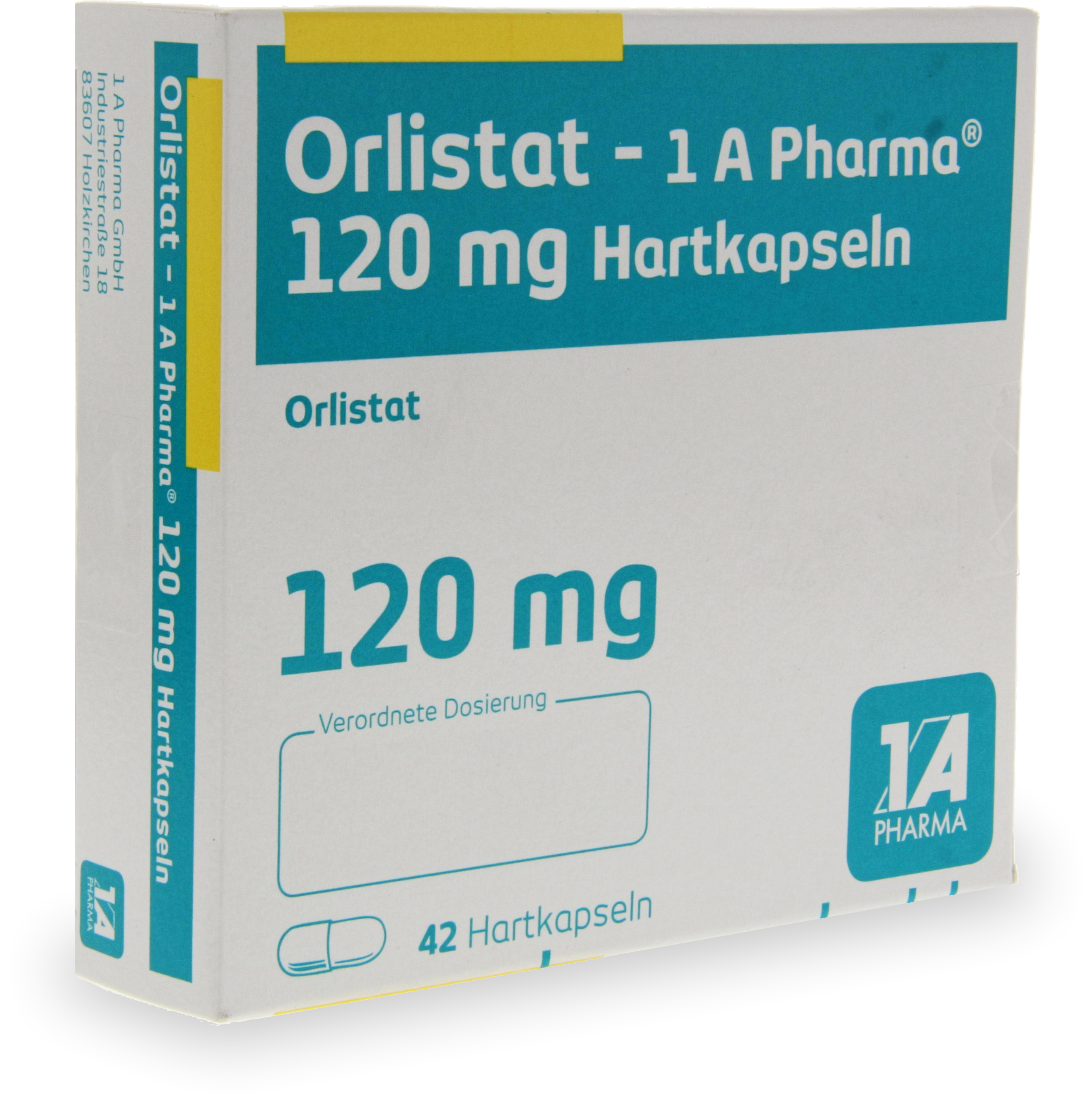
Orlistat
Vagifem
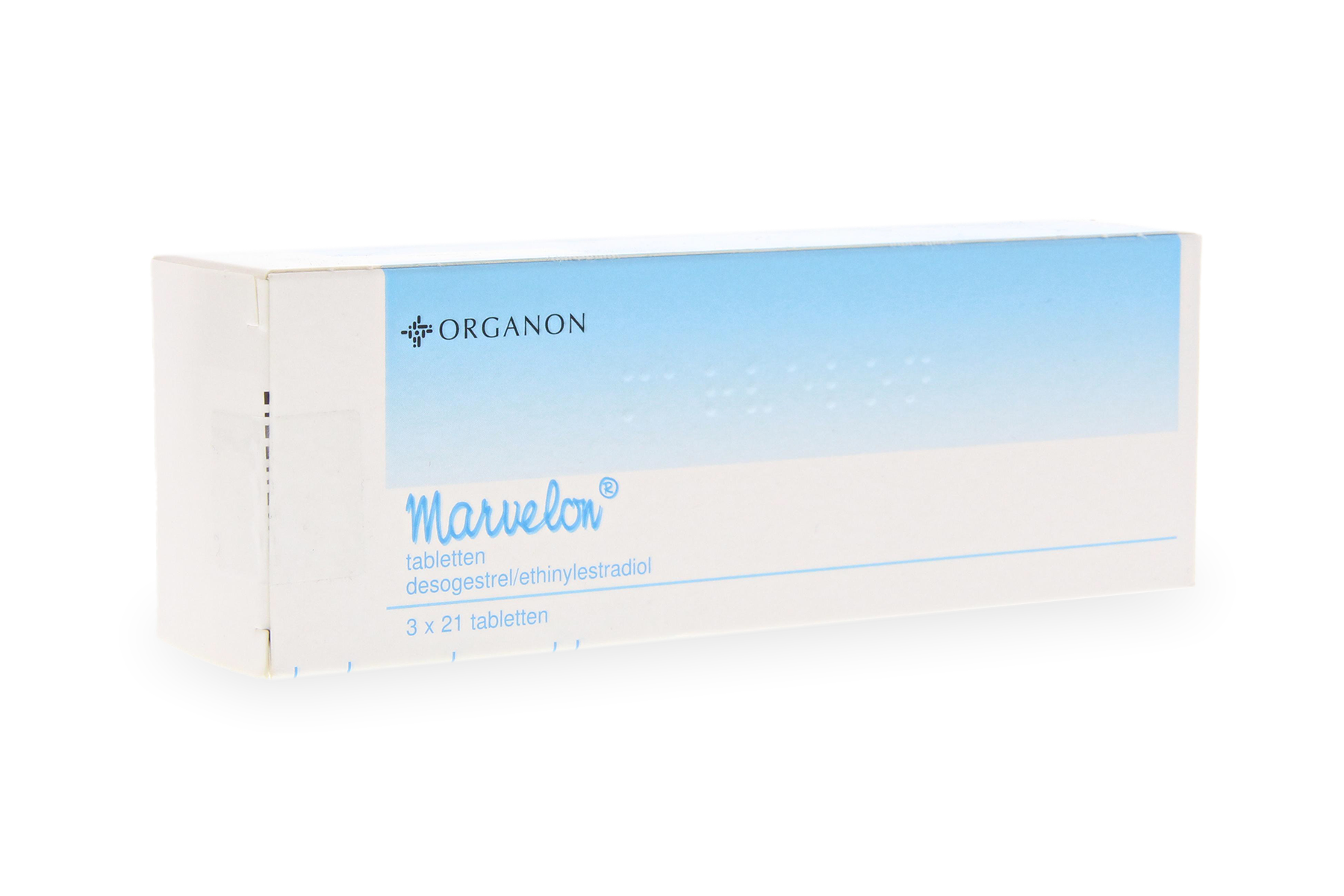
Marvelon
Desloratadine
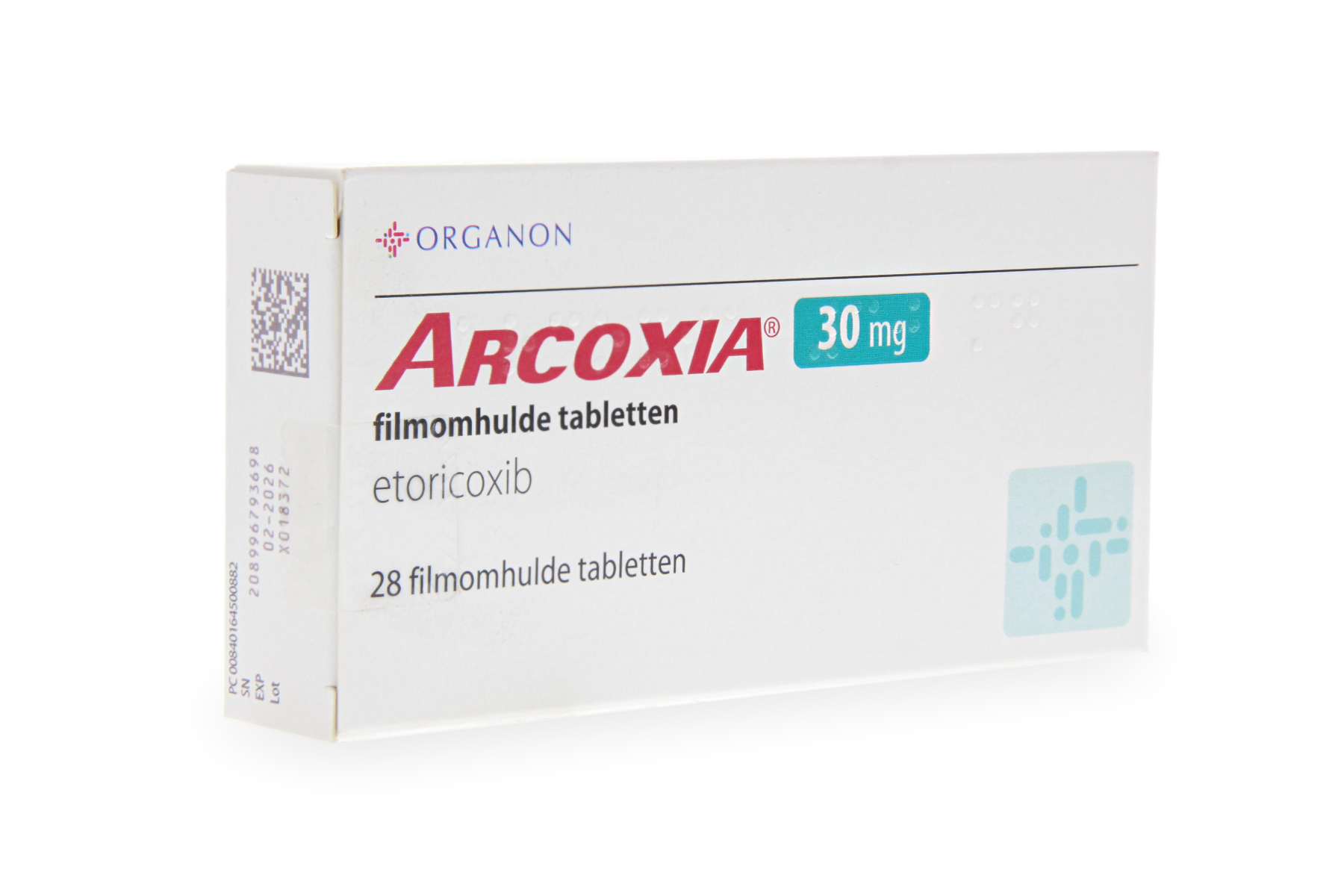
Arcoxia
Levothyroxine
Mercilon
Adenuric

Metoclopramide
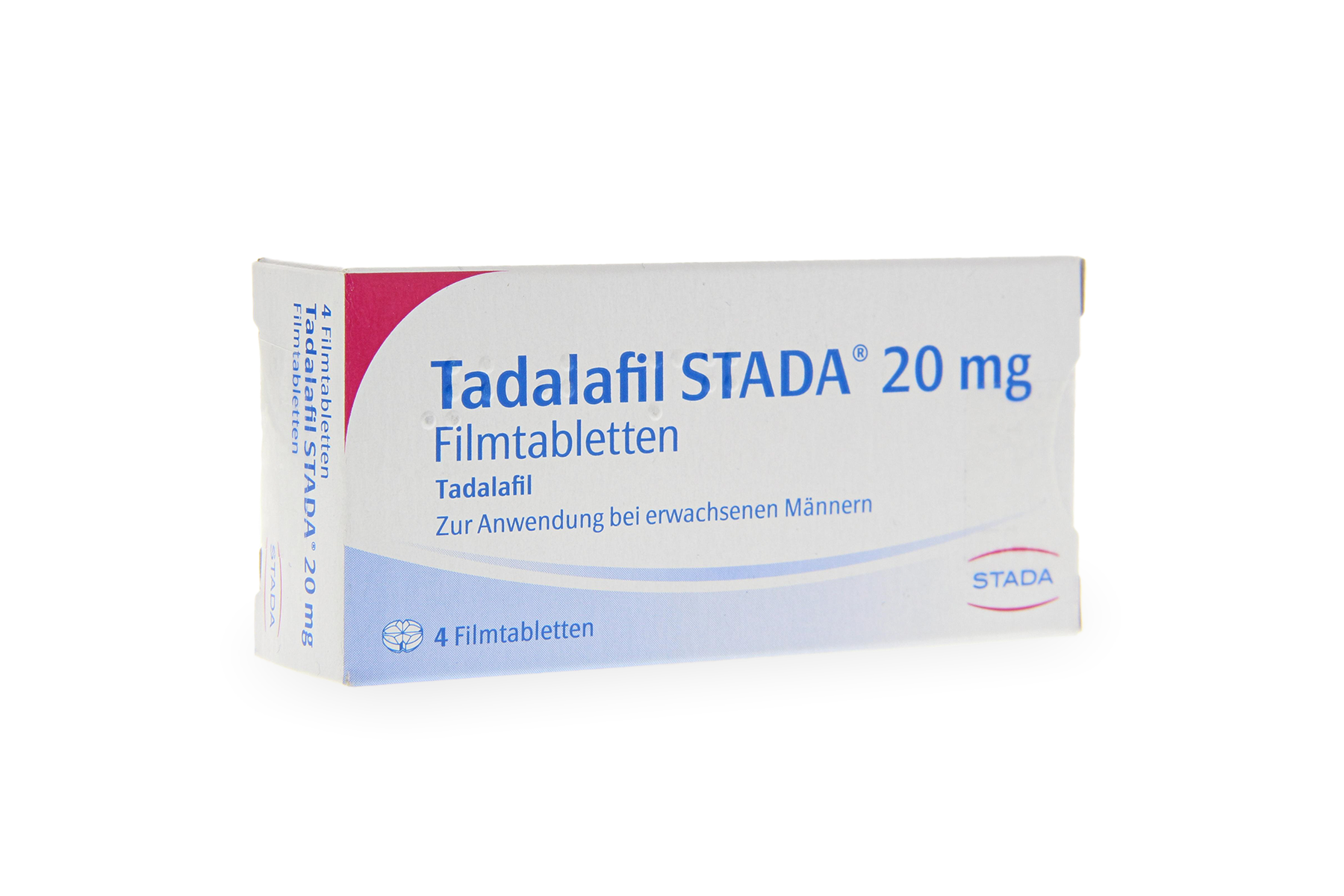
Tadalafil

Valsartan
Spironolactone
Eliquis
Xarelto

Vardenafil
Allopurinol
Hydroxychloroquine
Dutasteride
Propranolol

Wegovy
Circadin
Maxalt
Amlodipine
Evra Patches

Mounjaro

Dermovate

Cerazette

Viagra

Melatonin
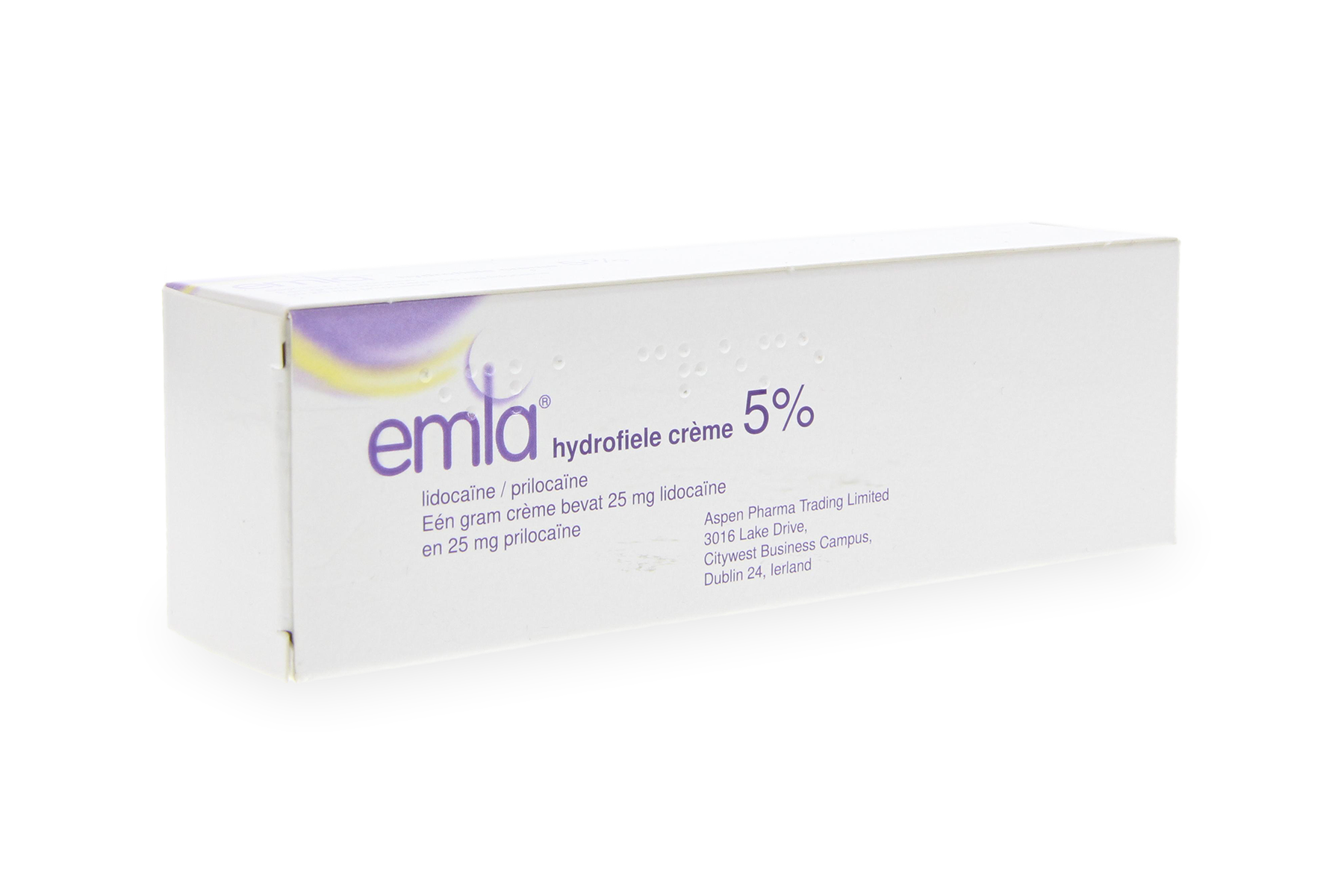
Emla Cream
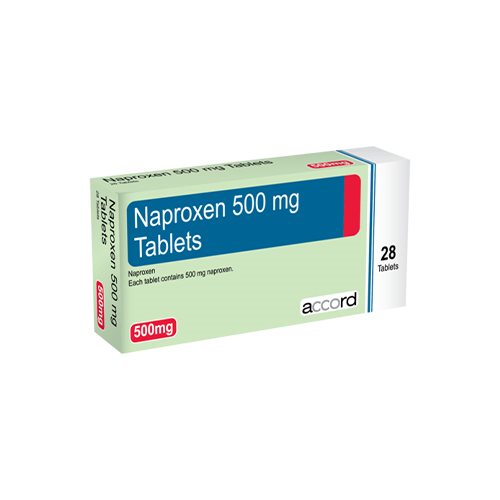
Naproxen

Ventolin

Bricanyl Turbohaler
Doxycycline (Malaria)
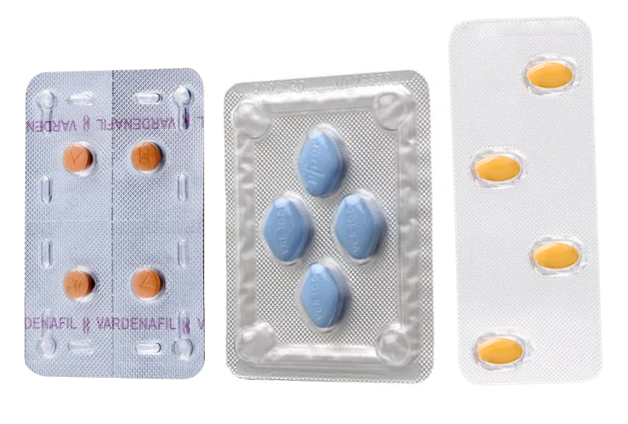
Impotence Trial Pack

Microgynon 30
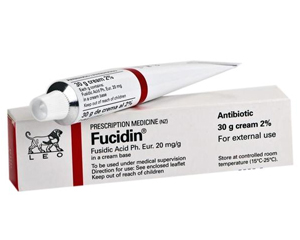
Fucidin
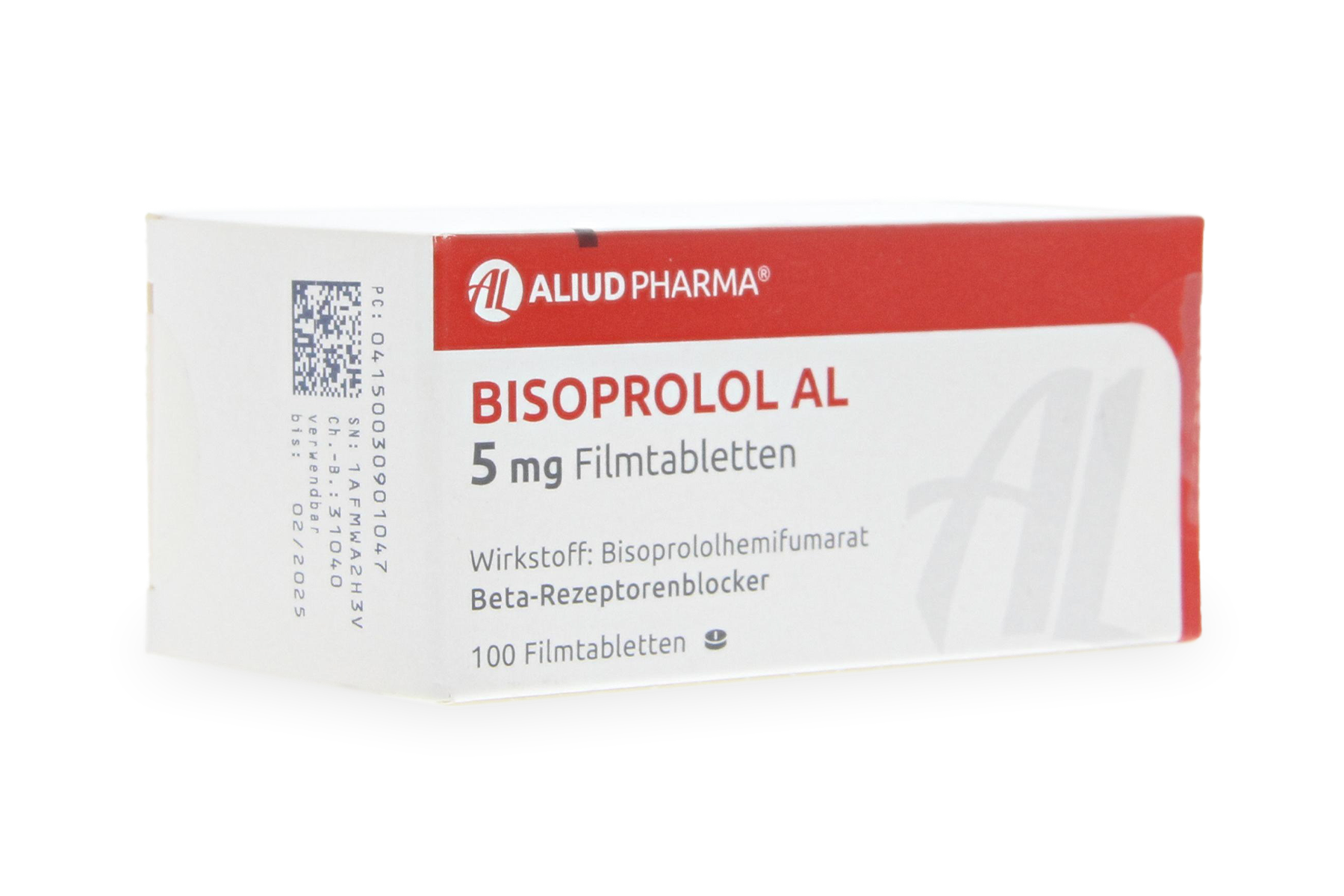
Bisoprolol
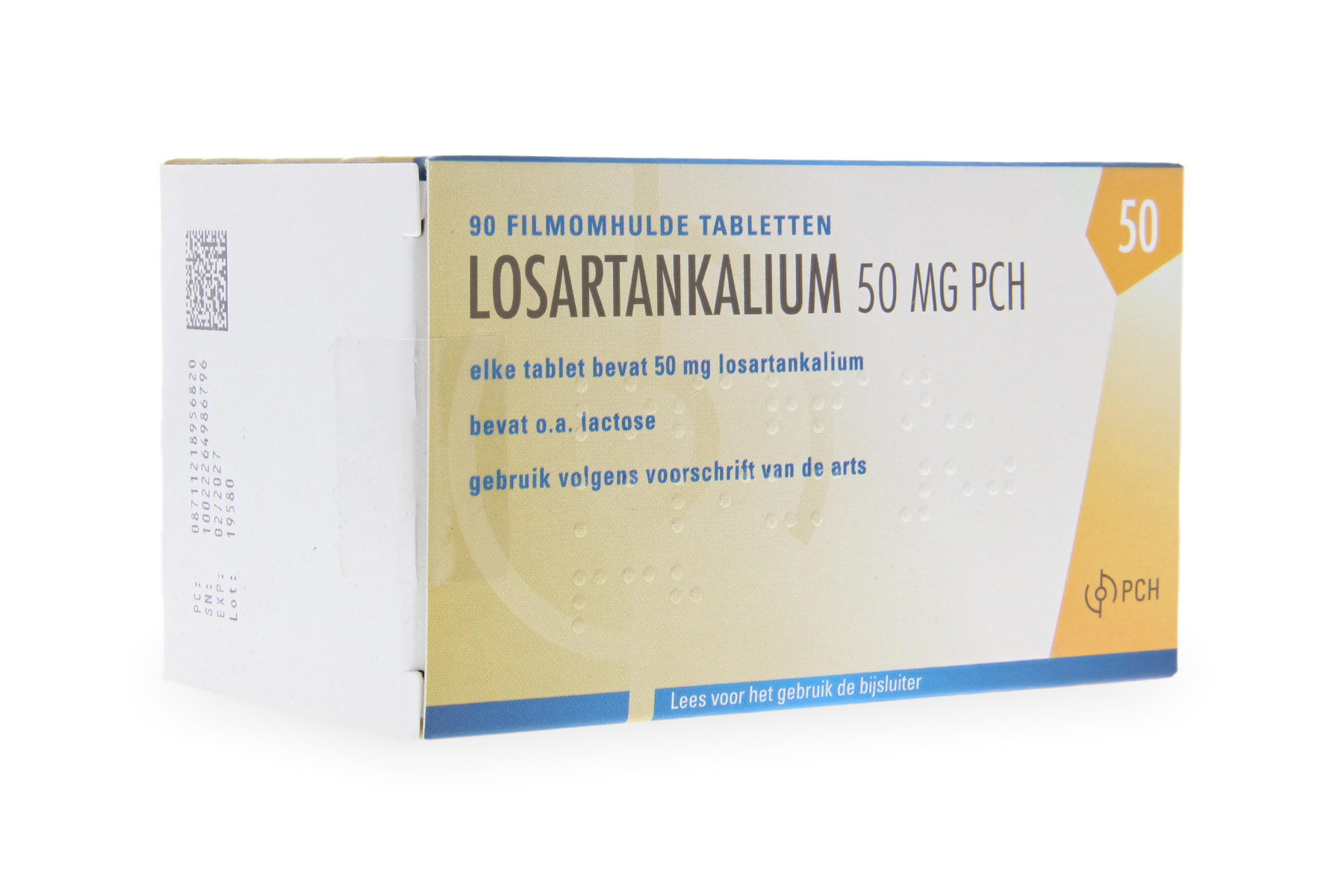
Losartan
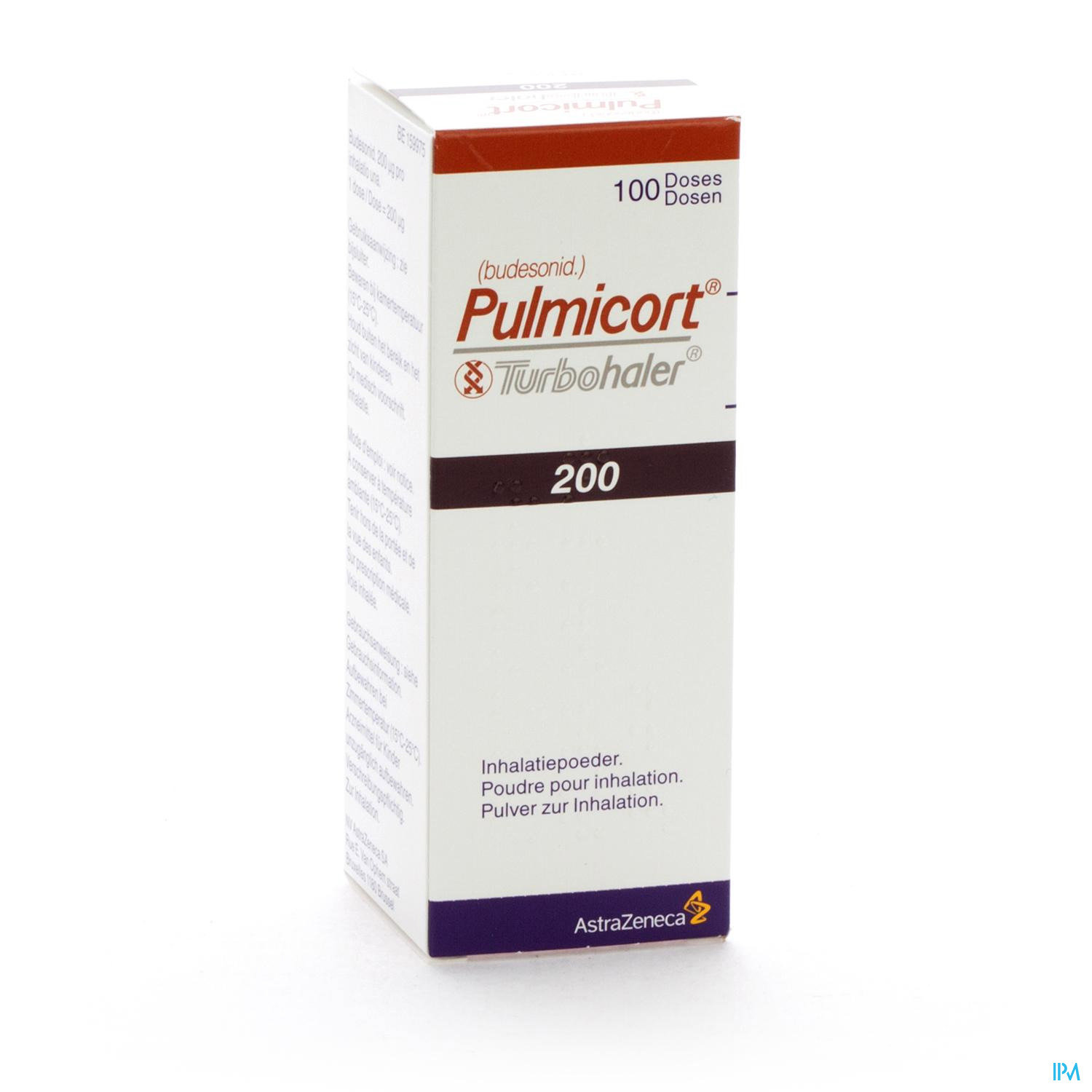
Pulmicort Turbohaler
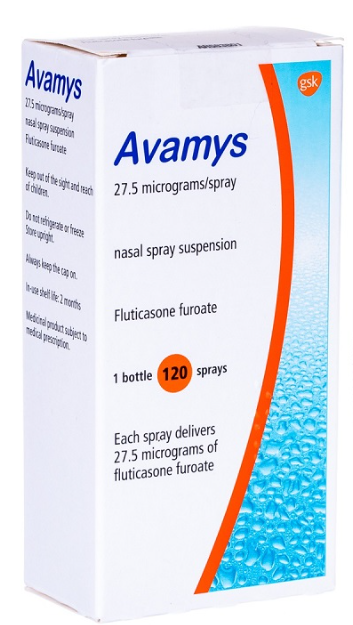
Avamys
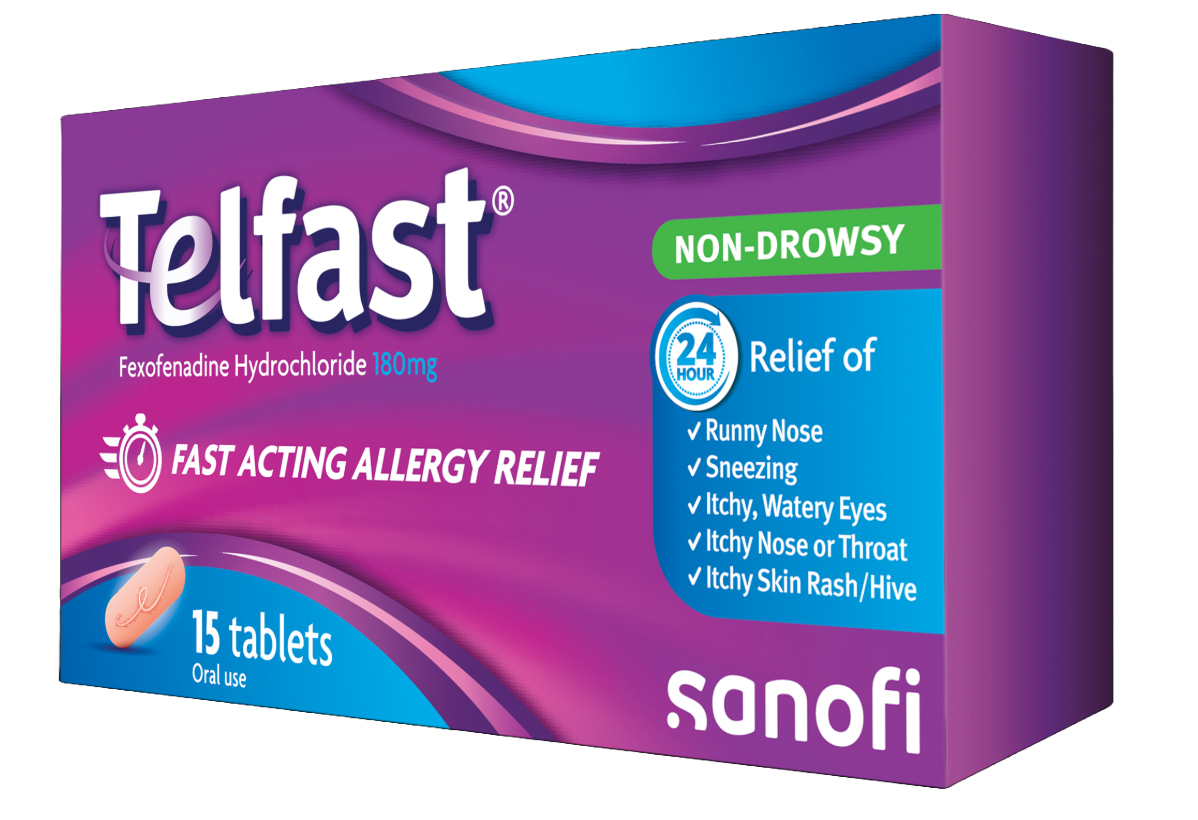
Telfast
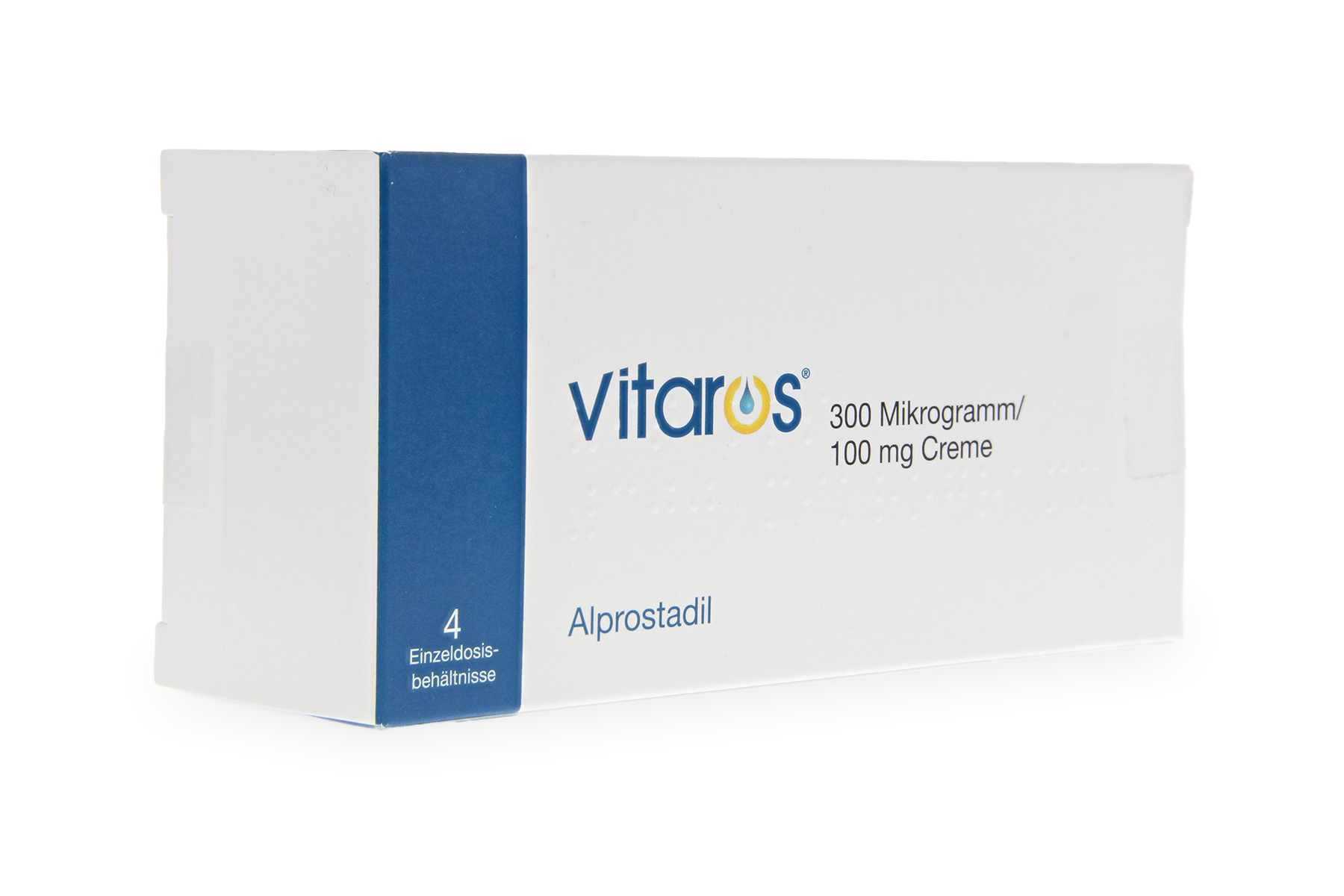
Vitaros

Zyloric
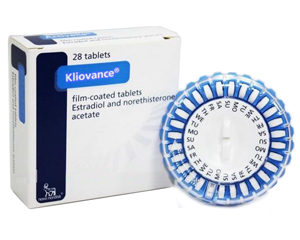
Kliovance

Bactroban
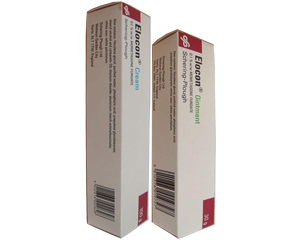
Elocon
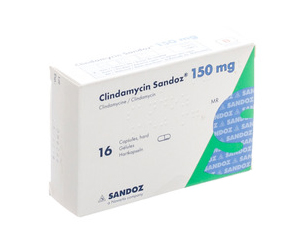
Clindamycin
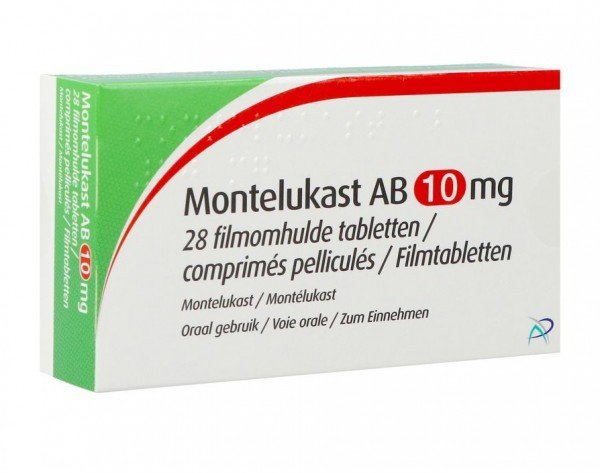
Montelukast
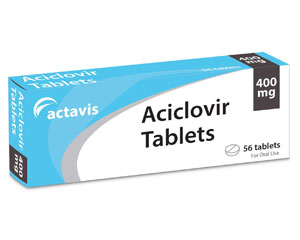
Aciclovir
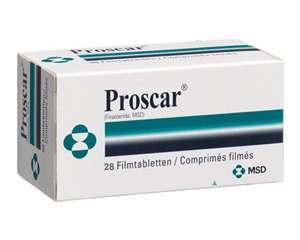
Proscar

Differin
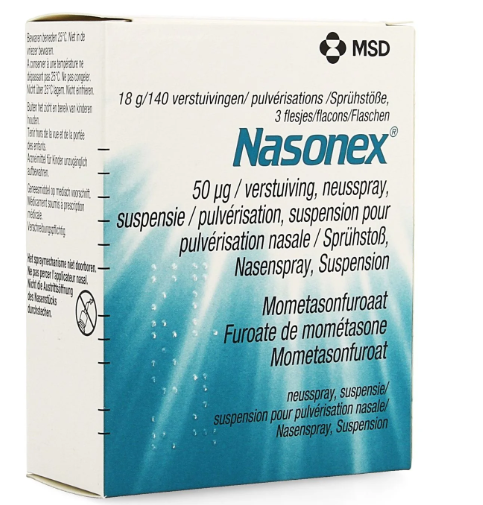
Nasonex Nasal Spray
Propecia
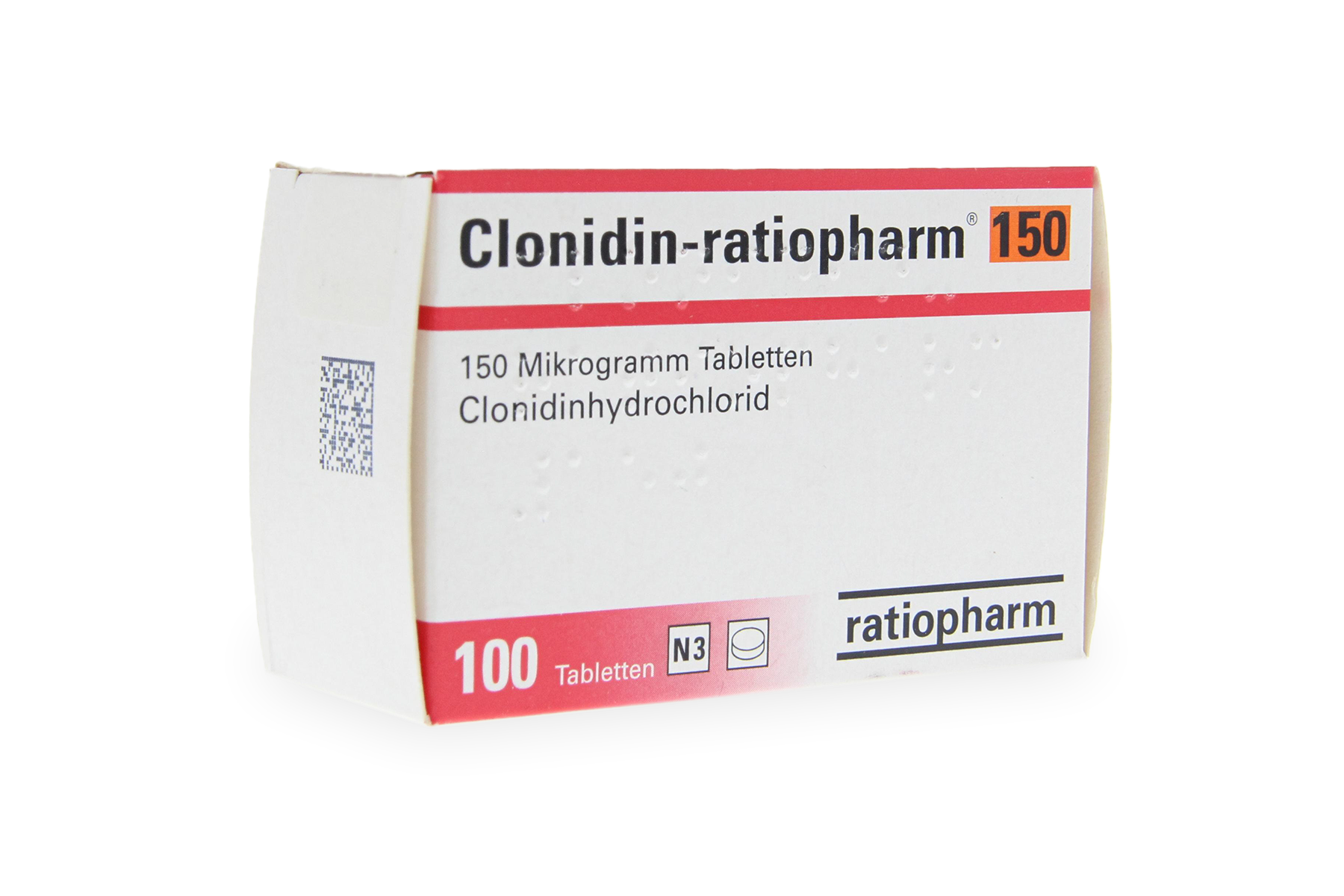
Clonidine
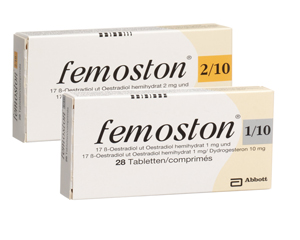
Femoston
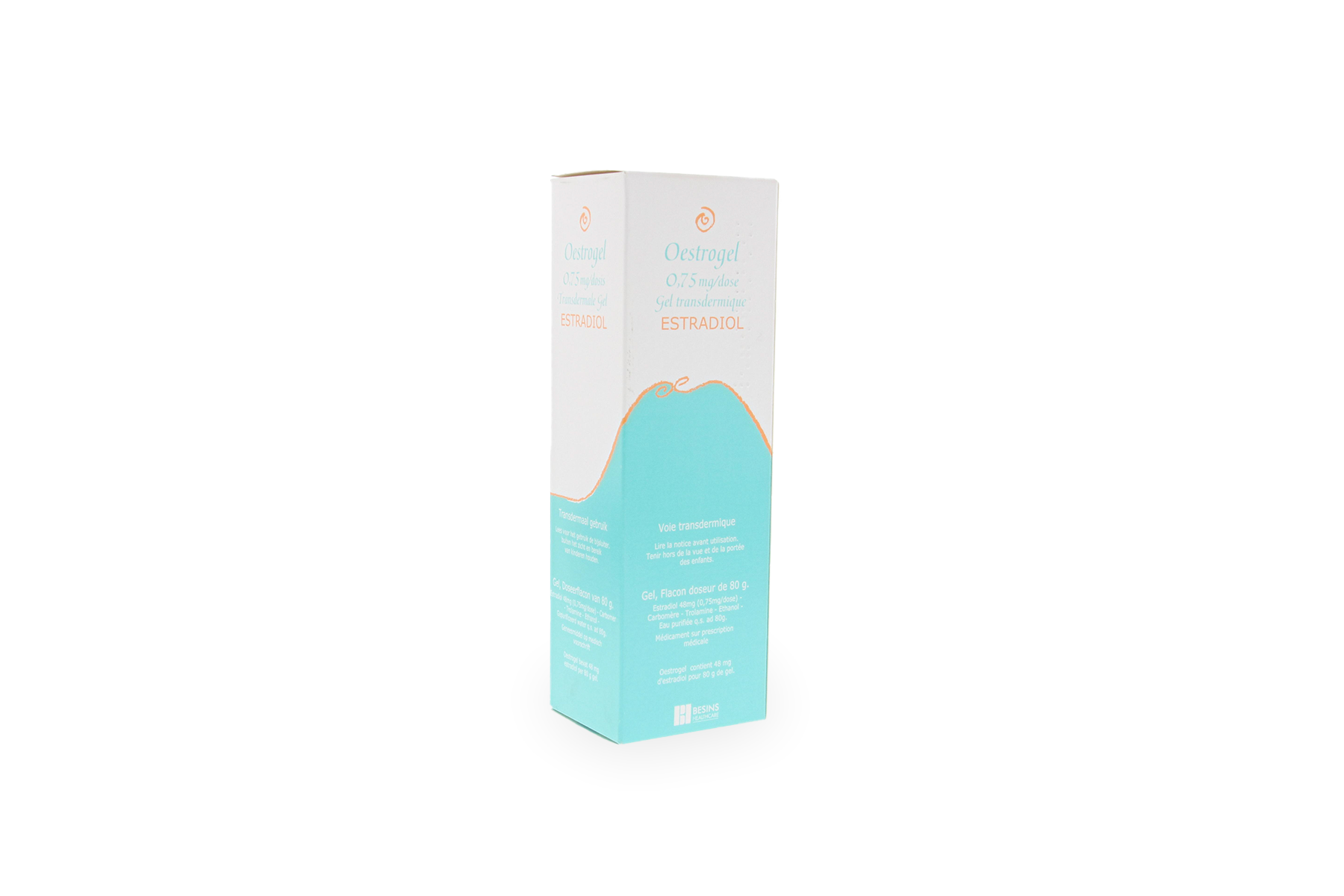
Oestrogel
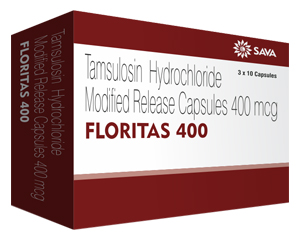
Tamsulosin MR
Azyter
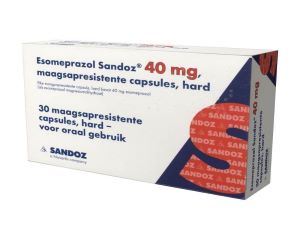
Esomeprazole
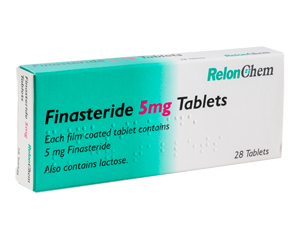
Proscar (Finasteride)
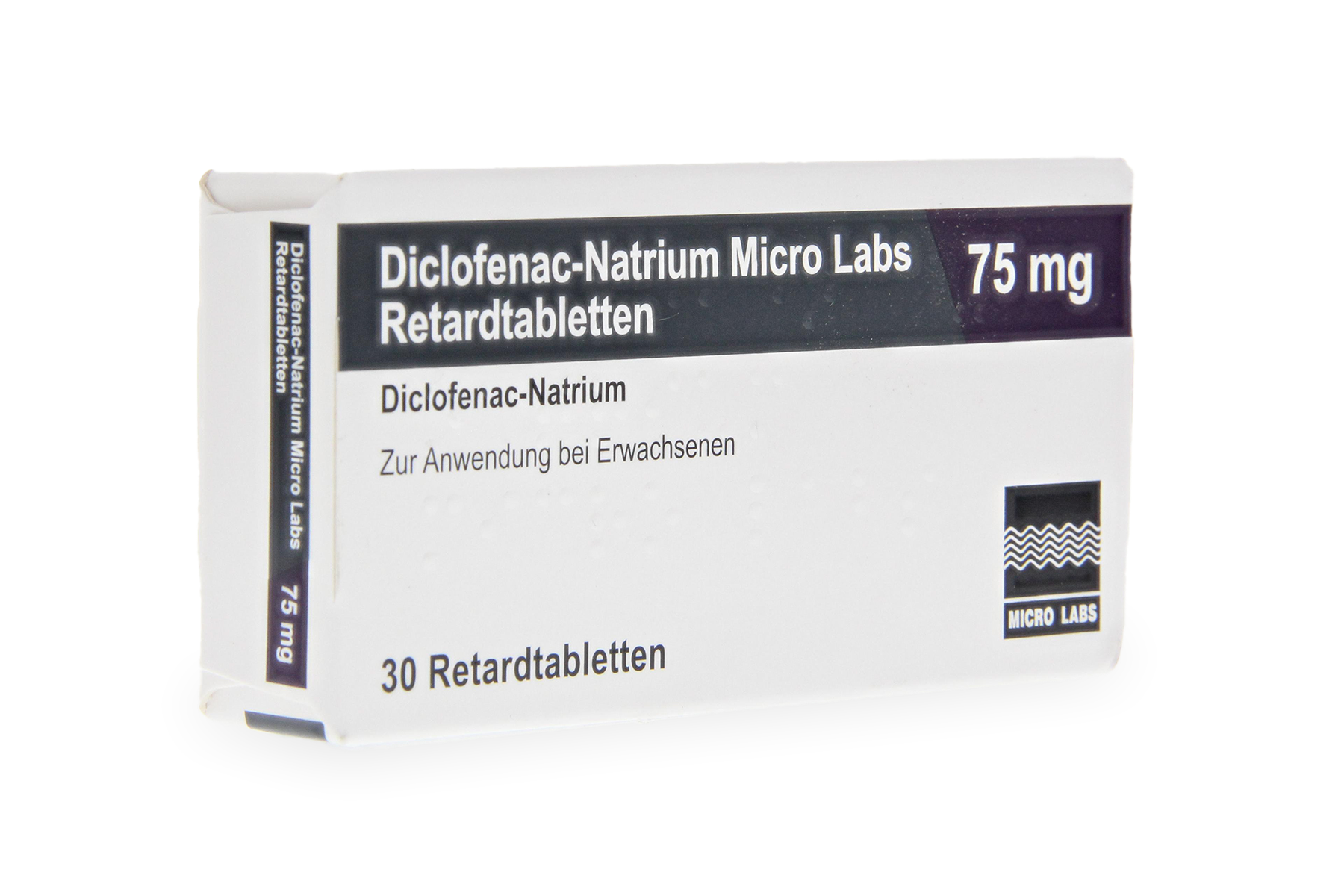
Diclofenac SR
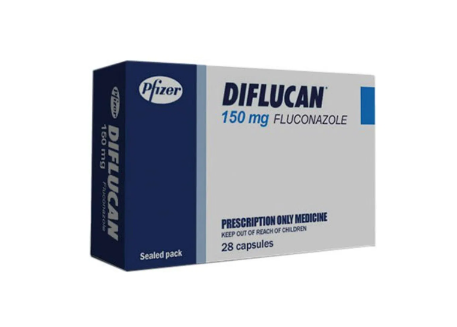
Diflucan
Crestor
Lansoprazole
Vesicare
Flixotide
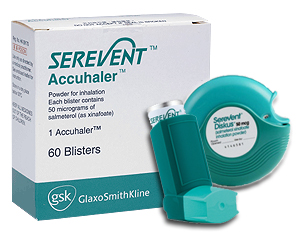
Serevent
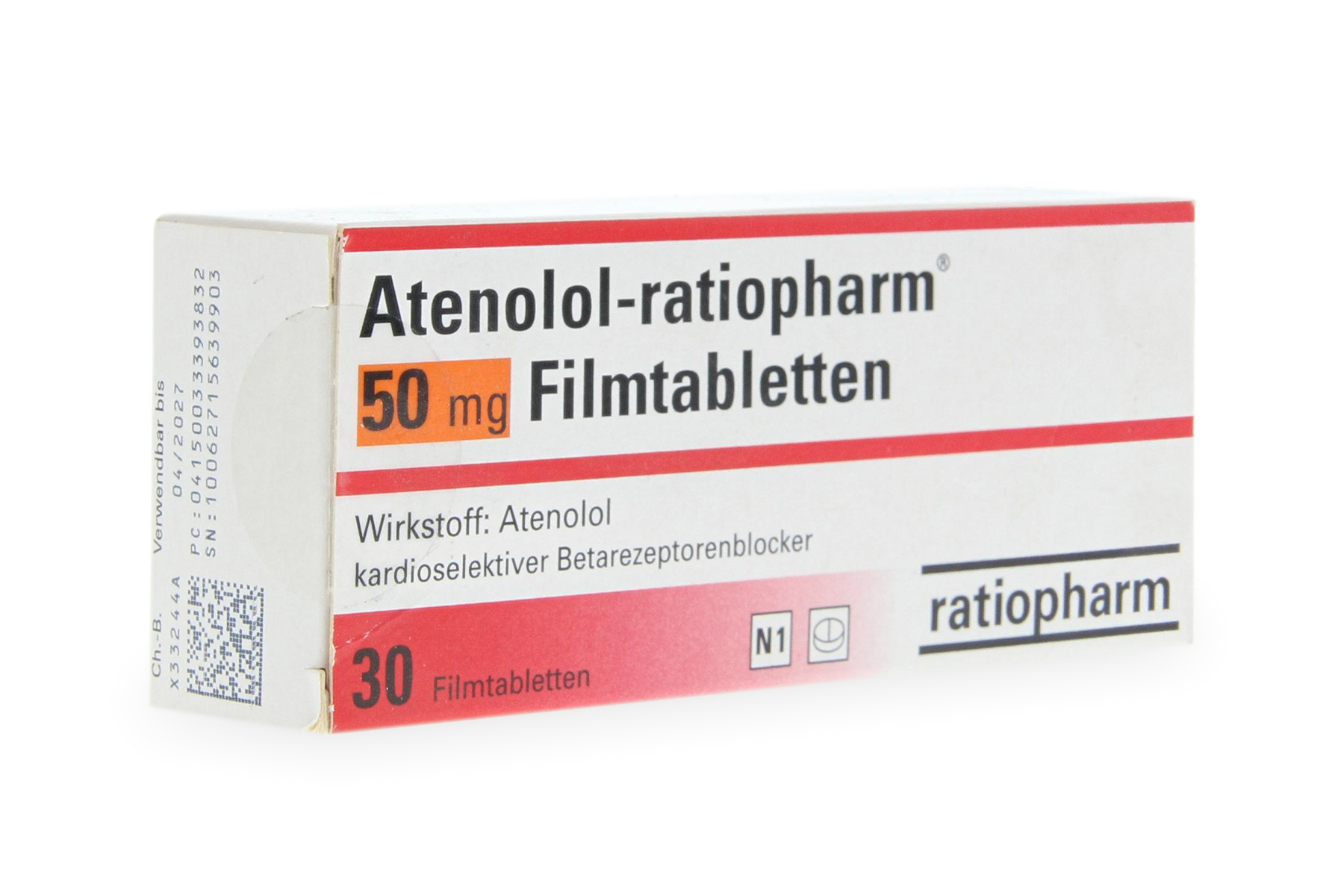
Atenolol
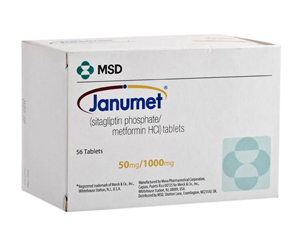
Janumet
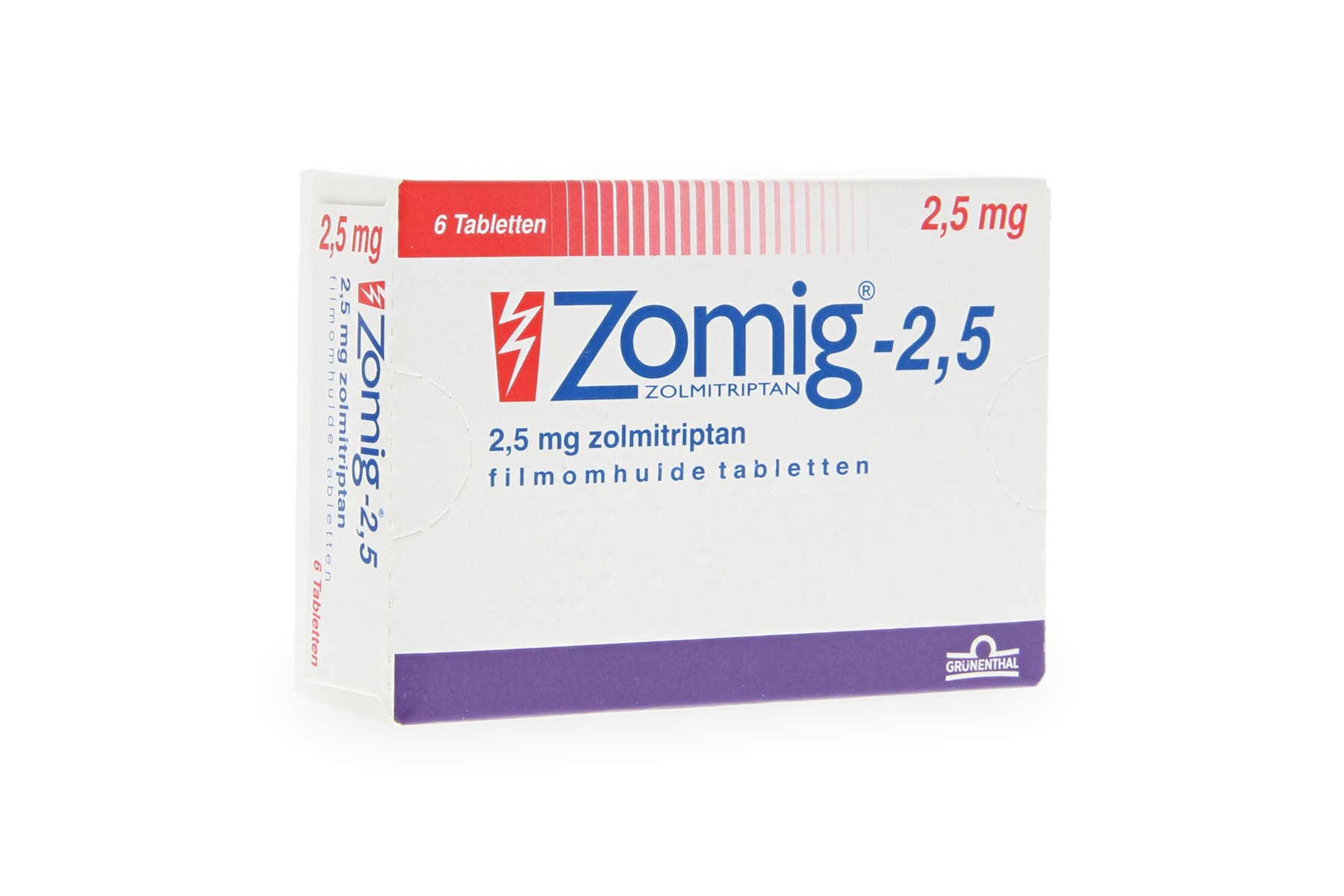
Zomig
Women's Health Treatments
Women's Health: A Broad Perspective
Women's health encompasses a wide range of conditions that are either unique to or disproportionately affect women. From menstrual disorders and contraception to menopause, polycystic ovary syndrome (PCOS), and osteoporosis, the hormonal fluctuations that characterise female physiology create distinct medical needs at every stage of life.
Menstrual irregularities, including heavy periods (menorrhagia), painful periods (dysmenorrhoea), and absent periods (amenorrhoea), are among the most common reasons women consult a healthcare professional. These symptoms can result from hormonal imbalances, structural abnormalities such as fibroids, thyroid dysfunction, or conditions like endometriosis, where tissue similar to the uterine lining grows outside the womb.
Access to timely, evidence-based care is essential. Many women delay seeking help for gynaecological symptoms due to embarrassment or the belief that discomfort is simply something to endure. In reality, effective treatments exist for the vast majority of women's health conditions, and early intervention often prevents complications and improves long-term outcomes.
Menopause and Hormone Replacement
The menopause marks the end of a woman's reproductive years and is defined as the point at which menstrual periods cease permanently, confirmed after 12 consecutive months without a period. The average age of menopause in the UK is 51, but symptoms can begin years earlier during the perimenopause, when fluctuating oestrogen levels trigger a cascade of physical and psychological changes.
Common menopausal symptoms include hot flushes, night sweats, vaginal dryness, mood disturbances, poor concentration, joint aches, and disrupted sleep. For many women, these symptoms are severe enough to affect work, relationships, and overall quality of life. Hormone replacement therapy (HRT) remains the most effective treatment, replacing the oestrogen that the ovaries no longer produce.
HRT is available in various forms including tablets, patches, gels, and sprays. Lenzetto, a transdermal spray, and oestrogen patches are preferred for women at higher risk of blood clots because they bypass the liver. A progestogen component is added for women who still have a uterus, to protect the endometrium. The benefits and risks of HRT should be discussed individually with a knowledgeable prescriber, as recent evidence supports its safety for most women when started within ten years of the menopause.
Reproductive and Sexual Health
Access to reliable contraception underpins women's autonomy over their reproductive choices. The range of available methods, from combined and progestogen-only pills to long-acting options like the coil, implant, and injection, means there is a solution for virtually every circumstance and preference.
Sexual health screening is equally important. Sexually transmitted infections (STIs) such as chlamydia, gonorrhoea, and HPV can be asymptomatic yet carry significant consequences if left untreated, including pelvic inflammatory disease, infertility, and cervical changes. Regular screening, safe sex practices, and HPV vaccination are the cornerstones of prevention.
Urinary tract infections (UTIs) are another common concern, with around half of all women experiencing at least one episode during their lifetime. The short female urethra makes women particularly susceptible. While uncomplicated UTIs are usually straightforward to treat with a short course of antibiotics, recurrent infections may require a more comprehensive investigation and preventive strategy.
Mental Health and Hormonal Wellbeing
Hormonal fluctuations throughout the menstrual cycle, during pregnancy and the postpartum period, and around the menopause can all influence mental health. Premenstrual syndrome (PMS) affects up to 75 per cent of menstruating women to some degree, while premenstrual dysphoric disorder (PMDD), a severe form of PMS, causes debilitating mood symptoms in around 5 per cent.
Postnatal depression and anxiety are common but frequently underdiagnosed. The pressures of new parenthood, combined with dramatic hormonal shifts, sleep deprivation, and societal expectations, create a perfect storm for mental health difficulties. Early identification and treatment, whether through counselling, medication, or practical support, make a significant difference to outcomes for both mother and child.
Perimenopausal mood changes, including increased anxiety, irritability, and low mood, are often attributed to ageing or life stress rather than recognised as hormonally driven. HRT can be highly effective for mood symptoms in this context, and its role is increasingly acknowledged in clinical guidelines. Women experiencing persistent psychological symptoms should feel empowered to discuss hormonal factors with their healthcare provider.
Accessing Women's Health Services Online
Online consultations have opened up convenient access to many women's health services. Contraceptive prescriptions, HRT, UTI treatment, and management of conditions such as acne, hair loss, and menstrual disorders can all be accessed through regulated online pharmacies and telehealth platforms.
The consultation process involves a detailed medical questionnaire reviewed by a qualified prescriber. For contraception and HRT, information about blood pressure, BMI, medical history, and family history is required. Some services offer home testing kits for blood pressure and basic blood tests, making it possible to complete the entire process remotely.
While online services are excellent for repeat prescriptions and straightforward new consultations, they do not replace the need for cervical screening, breast checks, and other physical examinations that require in-person attendance. A balanced approach that combines the convenience of digital healthcare with regular face-to-face preventive care provides the best foundation for lifelong women's health.
Frequently Asked Questions
Can I get HRT prescribed online?
How quickly can I get treatment for a UTI online?
What treatments are available for heavy periods?
What are the benefits and risks of HRT?
Dr. Ross Elledge
General Practitioner · General & Family Medicine
Verified Healthcare Professional
TopDoctors ProfileThis website provides general information about medicines for educational purposes only. Always consult your doctor or pharmacist before taking any medication.